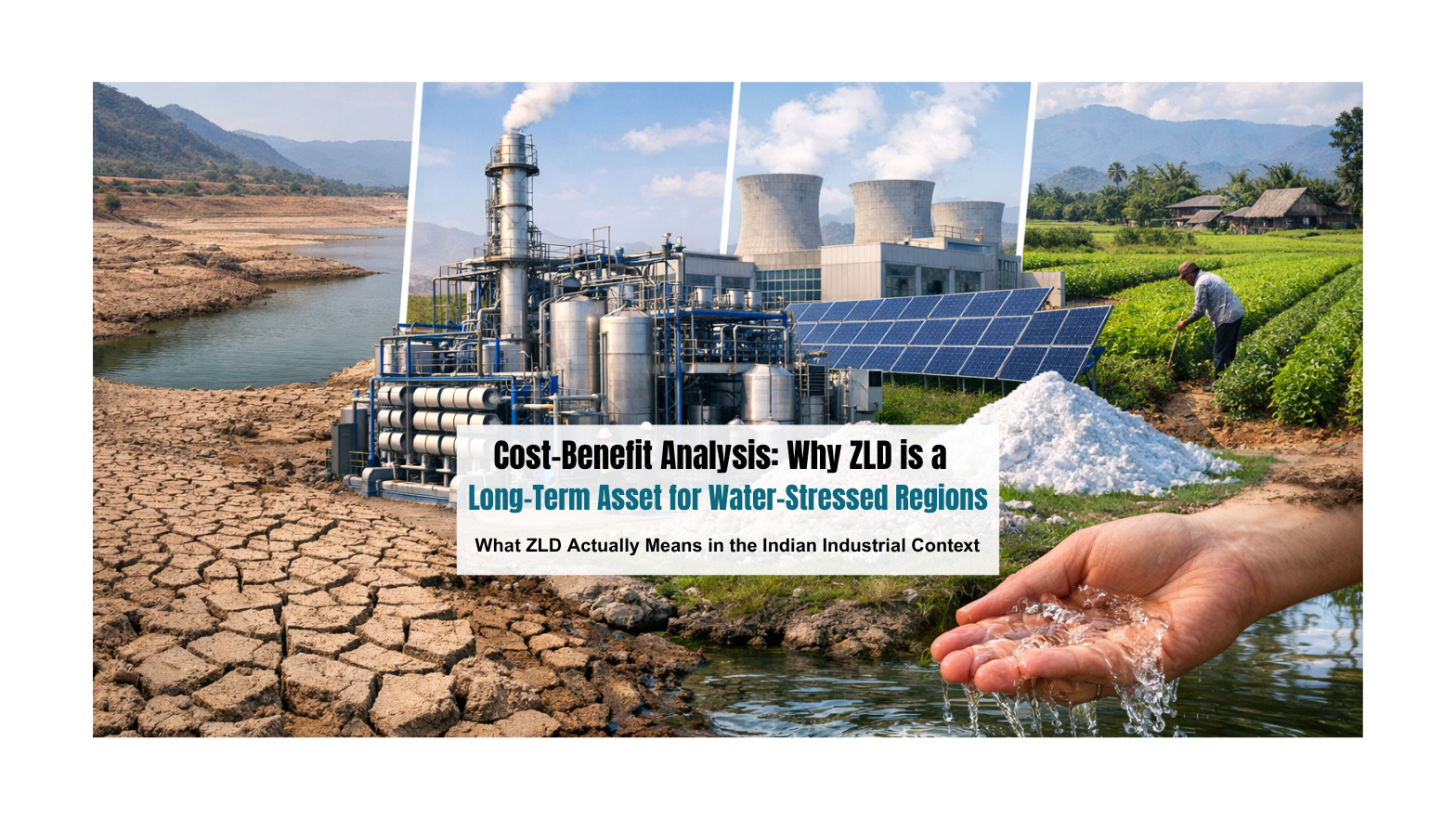
Cost-Benefit Analysis: Why ZLD is a Long-Term Asset for Water-Stressed Regions

Walk into any plant manager’s office in Tiruppur right now and you will likely find two things on the desk: a production schedule and a borewell depth report. Ten years ago, only one of those documents mattered for daily operations. Today, both carry equal weight.

That shift, quiet, gradual, and now impossible to ignore, is reshaping how India’s industrial leadership thinks about water. Not as a utility that flows from a tap and exits through a drain, but as a finite resource that entire communities, ecosystems, and production lines are competing for simultaneously.

In Tamil Nadu, Gujarat, and Maharashtra, the pressure is no longer theoretical. Groundwater levels in key industrial corridors have been declining for years. The National Green Tribunal has shut down hundreds of units for non-compliance. CPCB and SPCB enforcement is no longer occasional, it is systematic. And the question facing every C-suite executive, plant manager, and sustainability officer who depends on water-intensive processes is no longer “should we invest in better water management?” It is “how much longer can we afford not to?”

Zero Liquid Discharge is the answer that keeps coming up. Not because it is fashionable, and not simply because regulators are pushing for it, but because implementing Zero Liquid Discharge (ZLD) Systems ensures that the economics, when looked at honestly and in full, are becoming increasingly difficult to argue against.

This article is that honest look.

What ZLD Actually Means in the Indian Industrial Context
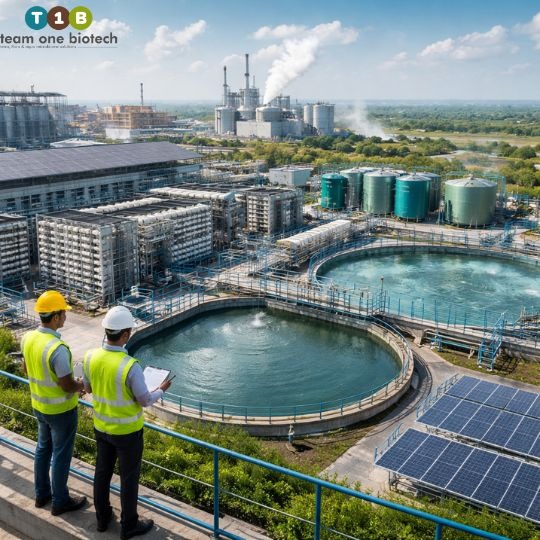
From Treatment to Recovery: A Fundamental Shift in Thinking

For decades, effluent treatment was designed around one core assumption: the water leaves. You treat it to an acceptable standard, you discharge it into a drain or waterbody, and your obligation ends at the boundary wall. The entire infrastructure of conventional ETPs, equalization tanks, aeration basins, secondary clarifiers, was built to service that assumption.

Zero Liquid Discharge tears that assumption up entirely.

In a zero liquid discharge plant, the target is exactly what the name suggests. No liquid waste leaves the facility. Every litre of wastewater that enters the treatment system either comes out the other end as clean, reusable process water, or it gets concentrated down to a solid or semi-solid waste that can be managed, and in some cases, monetized. The drain is no longer the destination. Recovery is.

Making that shift work demands a much more granular understanding of water quality parameters than a conventional ETP ever required. You are no longer just treating to a discharge standard, you are managing a recovery system. And that system is sensitive to everything in the water.

The parameters that ZLD operations must track and control include:

  • Total dissolved solids (TDS) in water, the single most operationally critical parameter in most ZLD systems, because TDS concentration governs how hard your membranes have to work and how much energy your evaporators consume
  • COD and BOD, organic load that must be substantially reduced before water reaches membrane or thermal concentration stages
  • Suspended solids, fine particulates that foul membrane surfaces and reduce system life if not adequately managed upstream
  • pH, conductivity, and specific ionic concentrations, sulfates, chlorides, calcium, heavy metals, all of which influence scaling behavior in evaporation systems
  • Temperature, relevant for both biological activity in pre-treatment and thermal efficiency in concentration stages

Of all these, high TDS in water is what stops most Indian industrial effluent treatment systems in their tracks. Whether you are running a textile dyeing unit in Surat, a pharmaceutical API plant in Hyderabad, a distillery in Uttar Pradesh, or a chemical processing facility in Ankleshwar, managing TDS economically, without sacrificing water recovery, is the central engineering and financial challenge of ZLD implementation.

The Technology Stack Behind a Zero Liquid Discharge Plant

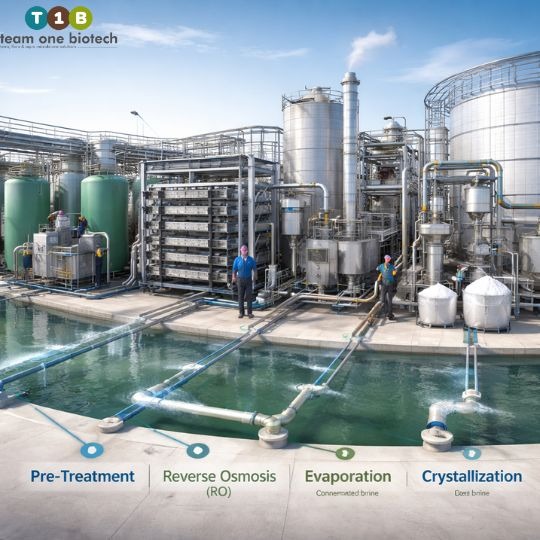
A full-scale ZLD system is not a single piece of equipment. It is a treatment train, a carefully sequenced set of processes, each dependent on the one before it performing to specification:

  • Primary Treatment: Screening, equalization, neutralization, and primary settling to remove gross solids and stabilize the flow
  • Biological Treatment: Aerobic and/or anaerobic systems to reduce organic load before the water reaches membranes
  • Tertiary Polishing: Ultrafiltration or multimedia filtration to remove residual suspended solids and protect downstream membrane systems
  • Reverse Osmosis: Membrane-based concentration to separate clean permeate water from a high-TDS reject stream
  • Evaporation: Multi-effect evaporators (MEE) or mechanical vapor recompression (MVR) systems to concentrate the RO reject further
  • Crystallization or Drying: Final stage to convert concentrated brine into a dry, manageable solid

Each of these stages must be designed for the specific effluent it will handle. A textile mill running reactive dye effluent has a completely different ZLD design requirement than a pharma plant managing solvent-laden process wastewater. That specificity is not a complication, it is a quality marker. Any ZLD proposal that does not begin with detailed effluent characterization is not a proposal worth accepting.

The Cost-Benefit Deep Dive
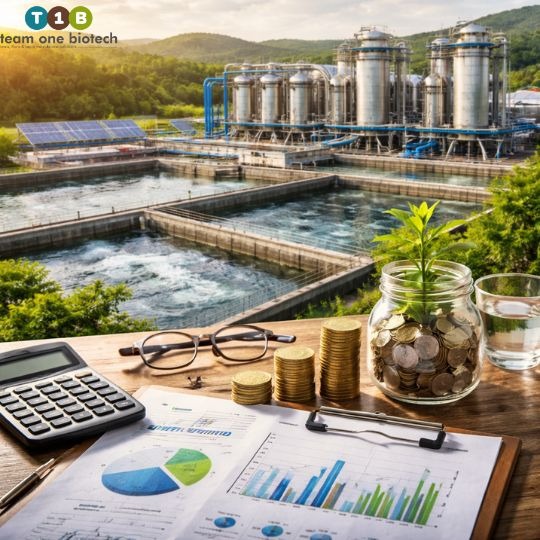
The Cost-Benefit Deep Dive

CAPEX: Understanding What You Are Actually Paying For

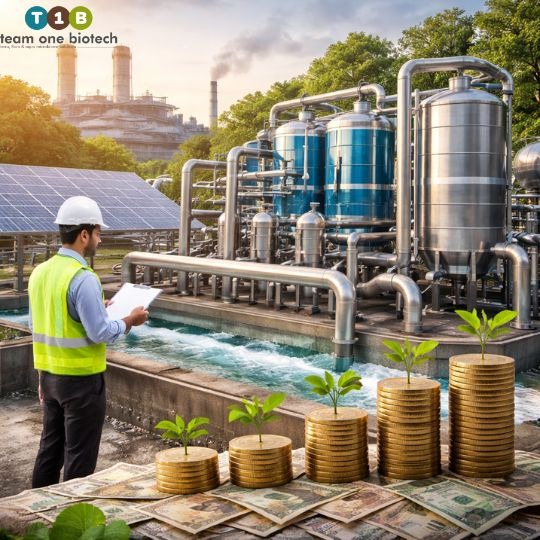
Let us be direct about something that often gets smoothed over in vendor conversations: ZLD systems cost more to build than conventional ETPs. Depending on the industry, effluent volume, and TDS levels involved, the capital expenditure for a zero liquid discharge plant can run 2x to 4x higher than a comparable conventional treatment system. That is a real number, and pretending otherwise does not serve anyone well.

These are general values and estimates; actual performance and costs vary based on the specific ETP/STP configuration and influent characteristics.

Where does that CAPEX go?

  • Membrane systems, UF and RO arrays are precision equipment with significant procurement costs, and they need to be sized generously to handle peak loads without sacrificing recovery
  • Evaporation systems, the MEE or MVR unit is typically the most expensive line item in the entire ZLD capital budget, driven by the materials, engineering complexity, and energy infrastructure required
  • Pre-treatment upgrades, in most Indian facilities, the existing ETP was not built to feed a ZLD system, and bringing it up to standard requires meaningful investment
  • Automation and instrumentation, ZLD systems cannot be run on manual checks and periodic grab samples; they require real-time monitoring, automated dosing controls, and SCADA integration to operate reliably

That CAPEX number is often where the internal conversation stalls. A finance committee sees the figure, compares it to the cost of continuing with existing treatment, and questions whether the investment is justified. That question is valid, but it is only answerable if the comparison includes the full financial picture, not just the build cost.

OPEX: Where the Long-Term Argument Lives

ZLD systems do carry higher operating costs than conventional ETPs. The energy consumption of evaporation systems is the primary driver of this, and it is a legitimate operational cost that any honest analysis must account for.

But here is what that same honest analysis must also account for:

Water recovery in a well-designed ZLD system can reach 80% to 95% of the total inlet volume. That recovered water goes back into the production process as clean, reusable supply. In a district where groundwater extraction is restricted, borewell levels are declining, or industrial water tariffs are rising, which describes a growing number of industrial zones across India, that recovery is not a convenience. It is a direct replacement for freshwater that would otherwise need to be purchased, transported, or extracted. The procurement savings compound over time.

Newer MVR-based evaporation technology is also shifting the energy equation. MVR systems recover and reuse the thermal energy from the evaporation process itself, substantially reducing the power consumption that made older MEE-based ZLD systems expensive to run. For facilities investing in ZLD today, the long-term OPEX profile looks meaningfully better than it did five years ago.

Some industries also recover tangible value from the solid or concentrated byproducts of ZLD processing. Distilleries can recover potassium-rich condensate from evaporation stages. Certain chemical processes generate concentrated salt streams that can be refined and resold. These recoveries are industry-specific and should not be assumed without technical analysis, but where they exist, they directly improve the ZLD business case.

These are general values and estimates; actual performance and costs vary based on the specific ETP/STP configuration and influent characteristics.

The Hidden Costs of Non-Compliance: The Number Nobody Puts in the Spreadsheet

Here is the calculation that most facilities skip, because it involves acknowledging a scenario nobody wants to plan for:

What does it actually cost when things go wrong?

Regulatory fines are the visible tip. The deeper damage runs much further:

  • A single SPCB closure notice, even a temporary production suspension pending compliance verification, can cost more in lost output, missed shipments, and broken contracts than an entire year of ZLD OPEX. Fixed costs do not pause while the legal process runs its course.
  • Legal battles to reverse environmental enforcement orders are slow, expensive, and rarely clean. They consume management bandwidth, legal budgets, and board attention for months, sometimes years.
  • Water procurement costs in genuinely water-stressed districts are already escalating and will continue to do so. Facilities running on tanker water or unreliable borewells are not operating on a stable cost base, they are absorbing an inflation risk that gets worse every dry season.
  • Global buyers in apparel, pharmaceuticals, agrochemicals, and food processing are conducting supplier environmental audits with increasing seriousness. A facility with a non-compliance record risks losing export contracts, failing ESG due diligence reviews, and becoming ineligible for the institutional supply chains that offer the best margins.
  • Operating license renewals in several Indian states are now directly tied to environmental compliance history. A poor track record introduces structural uncertainty into long-term capital planning that no amount of operational efficiency can fully offset.

None of these costs appear in the CAPEX-versus-OPEX comparison that gets presented to the finance committee. They should.

The Hidden Gains: What ZLD Gives You That Nobody Markets Loudly Enough

Beyond avoiding the downside, ZLD adoption creates real, measurable value that pre-implementation analysis consistently undercounts:

  • Water independence is perhaps the most strategically significant. A facility that recycles 80% to 95% of its process water is not merely compliant, it has fundamentally de-risked its operations against water scarcity. That resilience has a value that grows every year as regional water stress intensifies.
  • Reduced freshwater draw lowers exposure to tariff increases and regulatory restrictions on industrial groundwater extraction, both of which are accelerating across multiple states.
  • ESG and sustainability reporting value is real and growing. Companies reporting under BRSR, GRI, or preparing for international ESG disclosures benefit from documented water recovery metrics. For businesses seeking institutional investment or public market access, this is increasingly material.
  • The narrative shift from “compliance obligation” to “resource stewardship” matters in ways that are difficult to put on a spreadsheet but very easy to see in stakeholder conversations, investor presentations, and community relations.

Bioremediation and ZLD: The Upstream Partnership That Changes the Economics
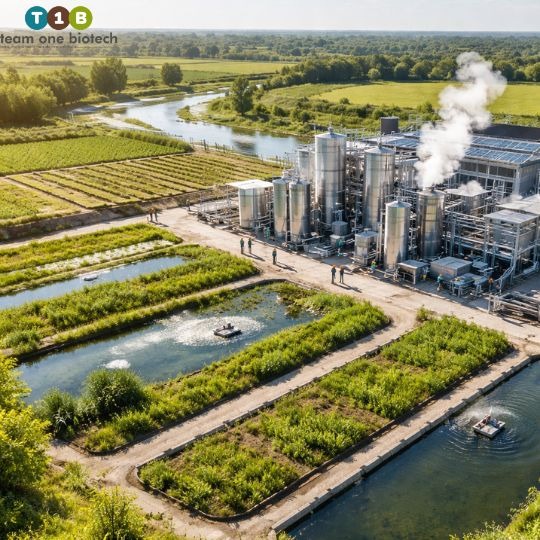
Bioremediation and ZLD: The Upstream Partnership That Changes the Economics

Why the Quality of Pre-Treatment Determines the Fate of Your ZLD Investment

This is the part of the ZLD conversation that does not get enough attention, and it is directly relevant to why so many Indian facilities see worse-than-expected performance from ZLD systems they have invested heavily in.

Membrane systems and evaporators are the most capital-intensive components of any zero liquid discharge plant. They are also the most sensitive. Feed them effluent that is too high in COD, too loaded with biological material, or carrying specific contaminants that drive scaling and fouling, and they will underperform, require more frequent cleaning, consume more chemicals, and degrade faster than the design life you were promised.

The performance of your ZLD system is, in very large part, a downstream consequence of the quality of your upstream biological treatment.

This is where advanced bioremediation changes the economics of ZLD at a system level, not just a pre-treatment level.

Team One Biotech’s bioaugmentation formulations introduce highly specialized microbial consortia into industrial effluent streams, targeting the organic compounds, specific contaminants, and biological load that standard biological treatment either handles poorly or cannot manage at all. In practice, this translates to:

  • COD reductions of 60% to 85% upstream of membrane systems, directly reducing fouling frequency, extending membrane replacement intervals, and lowering cleaning chemical costs
  • Improved management of TDS load by degrading certain organic dissolved solids before they reach the concentration stages, reducing the thermal energy burden on evaporators
  • Sludge volume reduction through more efficient biological activity, lowering the handling and disposal costs that are an often-underestimated component of ZLD OPEX
  • Targeted degradation of complex, recalcitrant molecules, pharmaceutical compounds, reactive dye intermediates, pesticide residues, that physical-chemical treatment alone cannot efficiently address

These are general values and estimates; actual performance and costs vary based on the specific ETP/STP configuration and influent characteristics.

The integration of bioremediation upstream of ZLD infrastructure is not a supplementary add-on for facilities that want to go the extra mile. It is an economic optimization that improves the cost-per-litre-recovered across the full operational life of the plant. The membrane lasts longer. The evaporator runs cleaner. The overall system performs closer to its designed recovery targets.

Meeting CPCB and SPCB Standards Through Biological Intelligence

There is another dimension to bioremediation in the ZLD context that matters specifically for Indian regulatory compliance. Facilities operating in red-category industry classifications, textiles, pharmaceuticals, chemicals, distilleries, tanneries, are expected to demonstrate water quality parameter management that goes well beyond volume control. CPCB and SPCB compliance inspections look at the full profile of what is in the water, not just how much of it there is.

Biological treatment offers something that chemical dosing cannot: adaptive capacity. Microbial systems respond to changes in influent load and composition in ways that chemical systems cannot, without the proportional increase in reagent cost and secondary waste generation. For Indian industrial facilities dealing with seasonal production variation, changing raw material inputs, and the inherent variability of complex effluent streams, that adaptability is not a minor technical advantage. It is operational resilience built into the treatment process itself.

Is ZLD the Right Decision for Your Facility Right Now?
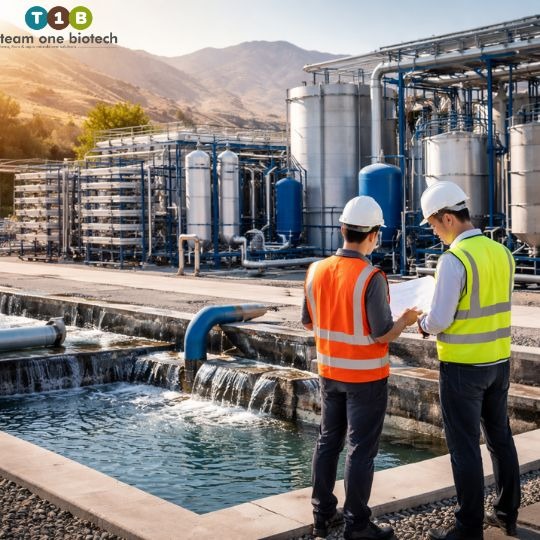
Is ZLD the Right Decision for Your Facility Right Now?

Asking the Right Questions Before You Ask About the Price

ZLD adoption is not one-size-fits-all, and the right answer depends on your specific situation, not on a general industry position. Before any serious investment conversation begins, a facility needs clear answers to:

  • What does your current effluent look like, volume, COD, TDS, specific contaminants, and seasonal variability?
  • What is the condition and capacity of your existing ETP or STP infrastructure?
  • Are you operating under an active CPCB or SPCB compliance notice, or planning proactively?
  • How water-stressed is your specific location, what do borewell trends, district water availability data, and local regulatory signals tell you about your five-year supply risk?
  • What is your production growth plan, and what does that mean for your water demand trajectory?

The worst implementation of ZLD is a rushed one, driven by a regulatory deadline, executed without adequate site characterization, and optimized for speed rather than performance. Those systems underdeliver on recovery, overspend on OPEX, and create the impression that ZLD is more expensive than it needs to be. Proactive planning changes that outcome fundamentally.

The Facilities That Will Thrive Are Not the Ones That Spent the Least on Compliance

There is a version of this decision where a facility waits. It manages the existing ETP, addresses enforcement notices reactively, and defers the ZLD conversation until the regulatory or operational pressure becomes unavoidable. That is a coherent short-term position.

It is also, in the vast majority of water-stressed industrial contexts across India, a strategically costly one.

The facilities that will operate with confidence through the next decade of industrial growth are the ones that made the decision early enough to do it right. They designed their zero liquid discharge plant with adequate pre-treatment. They integrated bioremediation upstream to protect their membranes and optimize their recovery rates. They used the transition to reduce their freshwater dependence, improve their compliance standing, and build the kind of water resilience that turns a potential shutdown risk into a genuine competitive advantage.

Water stewardship, at this scale and in this moment in Indian industrial history, is not just good environmental practice. It is good business.

Talk to Team One Biotech Before the Next Dry Season Forces the Conversation

If your facility is in a water-stressed district, running under compliance scrutiny, or expanding operations in a zone where groundwater availability is declining, the right time for a ZLD feasibility analysis is now, not after the next enforcement notice arrives.

Team One Biotech works with industrial clients across India to design and optimize integrated wastewater treatment systems that combine advanced bioremediation with ZLD-ready infrastructure. A site audit from our team means a detailed look at your actual effluent profile, a clear-eyed assessment of your treatment gaps, and a realistic investment framework, CAPEX, OPEX, and recovery projections, built around your specific industry, volume, and regulatory environment.

No generic proposals. No theoretical frameworks that do not account for what is actually in your water.

Contact Team One Biotech today to schedule your site-specific water and compliance audit. The cost of that conversation is zero. The cost of the alternative is something most facilities only calculate once, after it is already too late.

Looking to improve your ETP/STP efficiency with the right bioculture?
Talk to our experts at Team One Biotech for customised microbial solutions.

Contact+91 8855050575

Email:  sales@teamonebiotech.com

Visit: www.teamonebiotech.com

Discover More on YouTube – Watch our latest insights & innovations!-

Connect with Us on LinkedIn – Stay updated with expert content & trends!
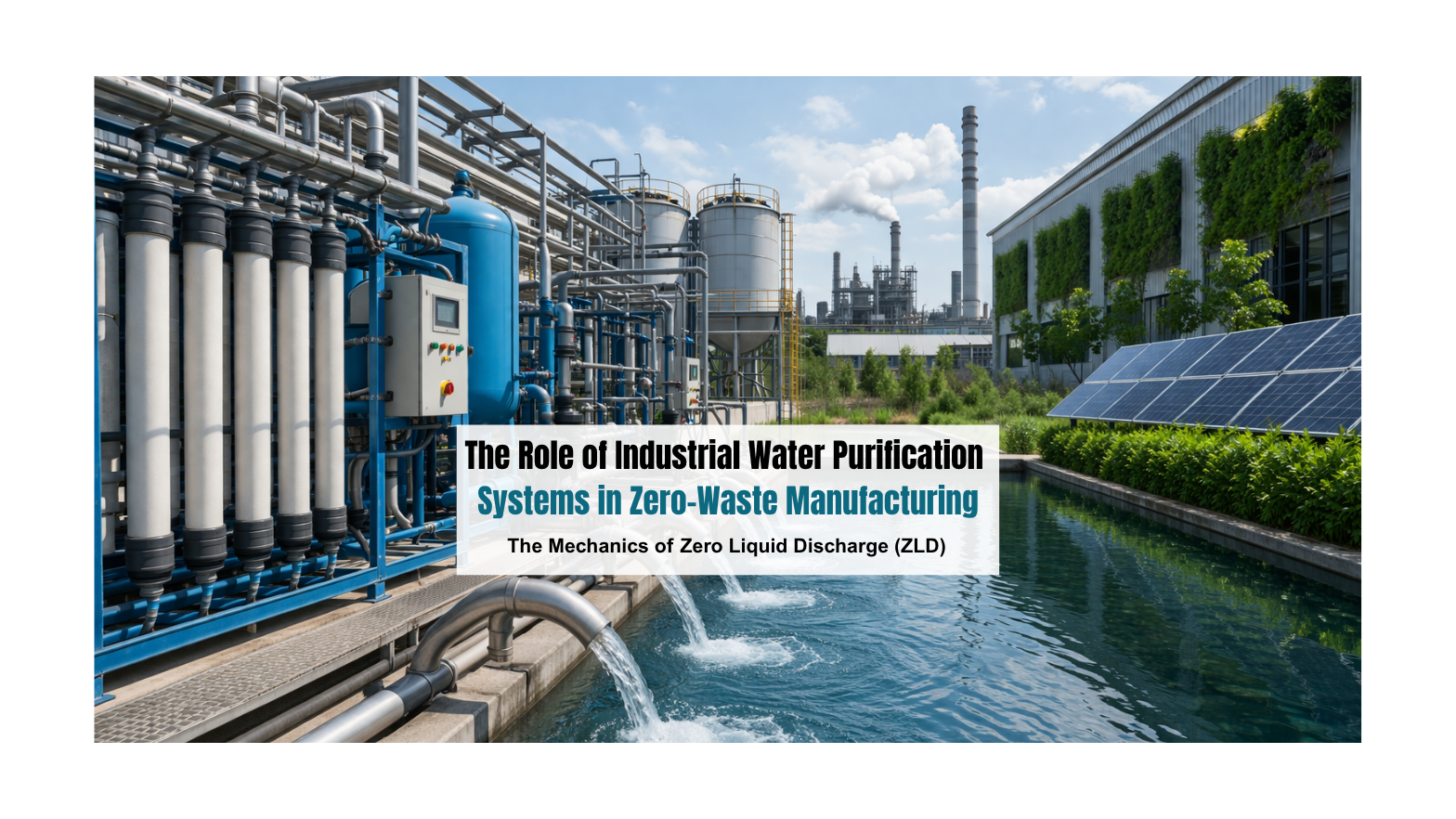
The Role of Industrial Water Purification Systems in Zero-Waste Manufacturing

India stands at a critical crossroads where industrial expansion meets an escalating hydrological crisis. As groundwater levels deplete and the Central Pollution Control Board (CPCB) tightens its grip on discharge norms, the “business as usual” approach to wastewater is no longer viable. For plant managers and environmental stakeholders, the transition to zero-waste manufacturing via Zero Liquid Discharge (ZLD) Systems isn’t just an ethical choice, it is a prerequisite for operational survival.

The paradigm shift toward Zero Liquid Discharge (ZLD) represents the pinnacle of industrial water stewardship. By viewing effluent not as a liability to be discarded, but as a resource to be reclaimed, industries can insulate themselves against water scarcity while ensuring absolute environmental compliance.

The Mechanics of Zero Liquid Discharge (ZLD)

The Mechanics of Zero Liquid Discharge (ZLD)

A Zero Liquid Discharge plant is a sophisticated engineering ecosystem designed to ensure that no liquid waste leaves the facility boundaries. Rather than a single machine, think of it as a symphony of mechanical, chemical, and biological treatments that work in harmony to recover purified water and reduce contaminants to a solid, manageable form.

The typical ZLD lifecycle follows a rigorous progression:

  • Pre-treatment: This is the first line of defense, utilizing chemical precipitation and biological oxidation to remove suspended solids and heavy organic loads.
  • Filtration and Concentration: Advanced membrane technologies, such as Reverse Osmosis (RO), act as a high-tech sieve. This stage concentrates the waste stream, recovering a significant portion of the water for immediate reuse.
  • Evaporation and Crystallization: The final stage deals with the “brine.” Thermal evaporators drive off the remaining moisture, leaving behind solid crystals that can be safely handled or, in some cases, repurposed for industrial use.

Note: These are general values provided for illustrative purposes and vary significantly based on specific ETP configurations, local discharge norms, and influent characteristics.

The Science of TDS: Managing the Silent Barrier to Recovery

One of the most persistent hurdles in ZLD water treatment is the management of Total Dissolved Solids (TDS) in water. TDS represents the inorganic salts and organic matter trapped in solution. In an industrial setting, high TDS levels act like sandpaper on your equipment, they are corrosive to machinery and can quickly ruin expensive recovery membranes.

Effective TDS management requires a dual-pronged strategy:

  • Source Reduction: Analyzing the manufacturing line to minimize the intake of salts before they even reach the water.
  • High-Recovery Membranes: Utilizing specialized RO systems specifically engineered to handle high osmotic pressures without failing.

When TDS is managed with precision, the recovery rate of a plant can reach between 75% to 95%, drastically reducing the volume of water that must undergo the more expensive thermal evaporation process.

Critical Water Quality Parameters

Critical Water Quality Parameters

To achieve consistent water recovery goals, plant operators must move beyond “guesswork” and maintain a granular understanding of their effluent’s chemistry. Monitoring these water quality parameters is the difference between a smooth operation and a compliance nightmare:

  • pH Levels: Maintaining a neutral range is vital. Extreme acidity or alkalinity can “kill” the helpful bacteria in your biological stages and corrode your infrastructure.
  • Chemical Oxygen Demand (COD): This measures the total oxidation required. A high COD is a red flag, indicating a heavy load of industrial pollutants.
  • Biochemical Oxygen Demand (BOD): This measures how much oxygen bacteria consume while breaking down organic matter. Lowering BOD is the primary goal of any effective bioremediation stage.
  • Total Suspended Solids (TSS): These are the physical particles that must be caught early to prevent “fouling” or clogging downstream filters.

Is your system hitting these benchmarks? Consult with the experts at Team One Biotech today to schedule a comprehensive audit of your water quality metrics.

Challenges in the Indian Industrial Landscape

Implementing industrial effluent treatment in India isn’t a “one-size-fits-all” task. Local manufacturers face unique hurdles that international blueprints often overlook:

1. Monsoon Variability

The sudden, massive influx of rainwater during the monsoon can dilute influent characteristics, often “shocking” the biological balance of an Effluent Treatment Plant (ETP). Systems must be designed to stay resilient despite these fluctuating concentrations.

2. Regulatory Pressure

State Pollution Control Boards (SPCBs) are no longer flexible. For “Red Category” industries, like textiles, pharmaceuticals, and tanneries, ZLD is increasingly a mandatory “license to operate.”

3. The CAPEX vs. OPEX Balance

Mechanical ZLD systems are a significant investment. The challenge for Indian businesses is finding a way to balance high initial costs with biological interventions that lower long-term power and chemical consumption.

Bioremediation: The Intelligent Engine of Modern ZLD

Bioremediation: The Intelligent Engine of Modern ZLD

While steel tanks and filters handle the physical separation, bioremediation serves as the “brain” of the operation. At Team One Biotech, we specialize in integrating advanced biological solutions that work alongside mechanical hardware to make the whole system more efficient.

By introducing specialized microbial strains, we can drastically reduce the organic load (BOD/COD) before the water hits the membranes. This “pre-conditioning” acts like a protective shield, preventing the scaling and fouling of RO units and reducing the energy needed for final evaporation.

Why Bio-Augmentation Matters:

  • Better Settling: Enhanced flocculation helps solids settle faster, taking the pressure off your primary clarifiers.
  • Toxic Resilience: Tailored microbes are “tougher” and can survive the chemical shocks common in industrial waste.
  • Reduced Waste: Efficient biological digestion can actually shrink the volume of secondary sludge by 20% to 40%.

Note: These are general values provided for illustrative purposes and vary significantly based on specific ETP configurations, local discharge norms, and influent characteristics.

Building a Circular Future

The ultimate goal of a Zero Liquid Discharge plant is to move away from the old “take-make-waste” mindset. In a truly zero-waste facility, water is treated as a revolving asset. Purified effluent is cycled back into cooling towers, boilers, or process lines. Even the recovered salts can sometimes find a second life in the chemical supply chain.

By investing in high-end purification today, companies aren’t just following the law, they are securing their operational future against rising water costs and dwindling resources.

Securing Your Operational Future

The journey to zero-waste manufacturing is a complex one, but you don’t have to navigate it alone. Team One Biotech provides the technical depth and biological innovation needed to turn environmental compliance from a burden into a competitive advantage.

Is your facility ready for the next generation of water recovery?

Contact Team One Biotech for a bespoke compliance roadmap and ETP optimization strategy. Let’s work together to turn your wastewater into a sustainable asset.

Don’t wait for a compliance notice. Our technical team is ready to perform on-site system audits to identify bottlenecks and implement high-efficiency biological upgrades immediately.

Looking to improve your ETP/STP efficiency with the right bioculture?
Talk to our experts at Team One Biotech for customised microbial solutions.

Contact+91 8855050575

Email:  sales@teamonebiotech.com

Visit: www.teamonebiotech.com

Discover More on YouTube – Watch our latest insights & innovations!-

Connect with Us on LinkedIn – Stay updated with expert content & trends!
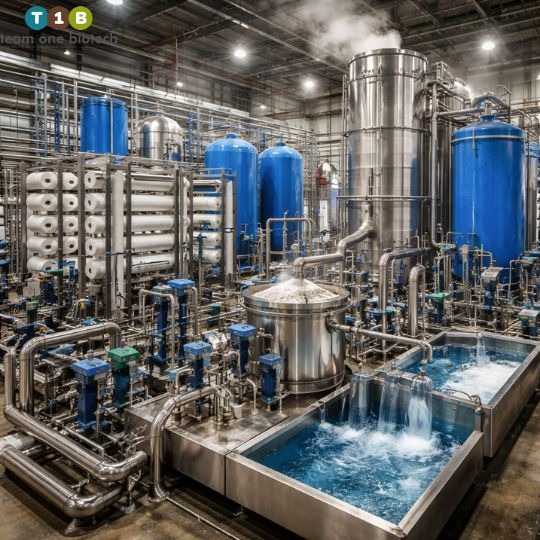
Understanding Water Quality Parameters: How to Manage TDS and COD for High-Recovery ZLD Systems

Walk into any large textile plant in Surat or a distillery on the outskirts of Lucknow, and you will find the same conversation happening in the plant manager’s office. It usually starts with a compliance notice pinned to a file, a membrane replacement quote that seems too high, and someone asking why the RO system is not delivering the recovery numbers it promised on paper.

The answer, almost always, comes back to two things: TDS and COD. Get those wrong, and nothing downstream works the way it should. By implementing efficient Zero Liquid Discharge (ZLD) Systems, these challenges are mitigated. Get them right, and a zero liquid discharge plant stops being a burden and starts behaving like an asset.

But before we get into the engineering of it, let us be honest about the situation Indian industry is actually operating in.

The Pressure Is Real, And It Is Not Going Away

Water scarcity in India is no longer a distant environmental concern. It is a present operational reality. Industries in Red Category classifications, textiles, pharma, chemicals, distilleries, are under closer CPCB and SPCB scrutiny than at any point in the last two decades. Consent renewals are being held up. Effluent discharge violations are triggering shutdowns, not just warnings. And in several industrial clusters, the message from regulators has shifted from “comply by this date” to “you should have complied already.”

For plant managers and sustainability heads navigating this environment, the stress is not just regulatory. It is financial. A shutdown costs more than a compliance upgrade. A membrane array replaced two years ahead of schedule costs more than the biological treatment that could have protected it. The economics of inaction, when you lay them out clearly, are far worse than the economics of investment.

This is the context in which Zero Liquid Discharge has to be understood, not as a government imposition, but as the smarter industrial strategy for anyone serious about long-term operations in India.

What ZLD Actually Demands From Your System

Zero Liquid Discharge means exactly what it says. No treated or untreated effluent crosses your plant boundary. Every drop of process water, cooling water, boiler blowdown, and wash water is captured, treated, and returned to your operations.

In practice, a ZLD water treatment system works in stages. Biological treatment in your ETP handles the bulk of the organic load. Advanced physico-chemical polishing follows. Then comes Reverse Osmosis for water recovery, and finally, thermal evaporation, Multi-Effect Evaporators or Mechanical Vapor Recompression systems, to manage the concentrated reject that RO cannot recover.

Each of these stages has a tolerance ceiling. Feed water that exceeds those tolerances does not just reduce efficiency. It degrades equipment, accelerates fouling cycles, and compresses the operational life of assets that cost crores to install.

And the two water quality parameters that most often push systems past those ceilings are Total Dissolved Solids and Chemical Oxygen Demand. They are distinct problems, but they share one consequence when mismanaged: they make every downstream stage of your ZLD system work harder, cost more, and fail sooner.

Total Dissolved Solids, What the Numbers Actually Mean for Your Plant

Total Dissolved Solids, What the Numbers Actually Mean for Your Plant

Understanding TDS in Industrial Effluent

Total dissolved solids in water is the aggregate of everything dissolved in your effluent, salts, minerals, ionic compounds, dissolved organics, trace metals. In a laboratory, it shows up as a single number. In an actual industrial plant, it is the cumulative signature of every chemical used, every salt addition made, and every process event that has touched the water before it reaches your ETP inlet.

The TDS profile varies sharply by industry. Textile dyeing units, particularly those processing reactive dyes, regularly generate raw effluent with TDS concentrations in the range of 8,000 to 25,000 mg/L. This is driven largely by the volumes of salt used in dye fixation, and it does not wash out easily. Pharmaceutical plants running multi-product batch operations typically see TDS in the range of 5,000 to 15,000 mg/L, with significant variation depending on which API is being synthesized at any given time. Distilleries sit at the most challenging end of the spectrum, spent wash streams can carry TDS concentrations ranging from 80,000 to 1,00,000 mg/L before any treatment has occurred.

These are not abstract figures. They are the incoming reality that your ZLD equipment has to handle.

Disclaimer: These values are general benchmarks and can vary significantly based on specific Effluent Treatment Plant (ETP) configurations and influent characteristics.

What High TDS Does to Your RO and Evaporation Assets

Here is where the engineering gets personal for anyone managing a zero liquid discharge plant.

Reverse Osmosis membranes operate within a defined osmotic pressure envelope. When TDS in the feed water climbs beyond the membrane’s design tolerance, typically somewhere in the 5,000 to 10,000 mg/L range for standard industrial RO configurations, the physics of the situation turns against you. The osmotic pressure required to push water through the membrane rises. You either reduce recovery rates to compensate, increase operating pressure and absorb the energy cost, or accept that your membranes will foul faster and need replacement sooner.

A TDS spike of 20% to 30% above design values can pull your membrane recovery down from a target band of 70% to 80% to somewhere between 50% and 60%. That gap in recovery represents water you are not reclaiming, and energy you are spending without return.

The effect carries through to your evaporation stage as well. When the RO reject entering your MEE or MVR unit carries a higher-than-designed TDS load, scaling on heat exchanger surfaces accelerates. Cleaning cycles become more frequent. Steam consumption rises. What was planned as a scheduled maintenance event becomes a reactive one, and reactive maintenance in a ZLD context is always more expensive than the problem it was supposed to prevent.

Most SPCBs mandate TDS limits in treated effluent as a condition of consent renewal, inland surface water discharge norms generally specify TDS not exceeding 2,100 mg/L, though many state boards apply tighter standards to specific industrial clusters. But within a ZLD framework, meeting the discharge limit is almost a secondary concern. The primary concern is protecting the recovery infrastructure you have invested in.

Disclaimer: These values are general benchmarks and can vary significantly based on specific Effluent Treatment Plant (ETP) configurations and influent characteristics.

Managing COD Through Bioremediation, The Case for Getting the Biology Right First

Managing COD Through Bioremediation, The Case for Getting the Biology Right First

Why COD Is Where ZLD Economics Are Won or Lost

Chemical Oxygen Demand tells you how much oxygen it would take to chemically oxidize all the organic and inorganic matter in your effluent. In the context of a ZLD water treatment system, COD is the single most consequential parameter upstream of your membrane stage.

The reason is straightforward. Most industrial RO systems are designed to receive feed water with COD in the range of 100 to 250 mg/L. Raw effluent from textile, chemical, and pharmaceutical operations regularly arrives at the ETP inlet at 2,000 to 15,000 mg/L. Distillery spent wash, in untreated form, can present COD concentrations of 80,000 to 1,20,000 mg/L.

When COD is not adequately reduced before the RO stage, what follows is predictable and expensive. Organic fouling takes hold on membrane surfaces. Biofilm establishes itself. Chemical precipitation events become more frequent. Membranes that should last several years are being pulled and replaced in under two. And each replacement cycle adds to an operating cost burden that was never part of the original ZLD business case.

Disclaimer: These values are general benchmarks and can vary significantly based on specific Effluent Treatment Plant (ETP) configurations and influent characteristics.

What Bioremediation Actually Does, and Why Generic Products Fail in Indian Plants

This is where biological treatment, and specifically bioremediation, enters the picture. The principle is not complicated: you deploy specialized microbial consortia, naturally occurring bacteria and enzyme complexes, or bio-augmented cultures developed for specific effluent profiles, to break down complex organic molecules before they reach your expensive downstream equipment.

What makes bioremediation genuinely valuable in a ZLD context is not just that it reduces COD. It is that it reduces COD at a fraction of the cost of thermal or chemical intervention. Every kilogram of COD that a well-configured biological system eliminates in the ETP stage is a kilogram that does not need to be managed by your RO membranes, your evaporators, or your chemical dosing systems. In a well-functioning biological treatment stage, COD reduction can range between 70% to 92%, depending on effluent composition, hydraulic retention time, and the specificity of the microbial cultures deployed.

But here is where a lot of Indian plants fall short, and it is worth being direct about this. Generic microbial products purchased off a catalogue and applied without any real understanding of the plant’s specific effluent matrix rarely deliver consistent results. Indian industrial environments are genuinely complex. Effluent quality shifts with seasonal variation in raw materials. Production schedules are irregular. Multi-product facilities create effluent compositions that can look completely different from one week to the next. A biological treatment strategy that does not account for this variability will underperform precisely when you need it most, during a high-load period, a product changeover, or a regulatory inspection cycle.

If your RO membranes are fouling faster than their design life, or if COD is breaking through into your membrane feed despite what looks like adequate ETP operation, the answer is almost certainly in the biology, and the biology needs to be understood at the site level, not guessed at from a product datasheet.

This is exactly what Team One Biotech’s site-specific bioremediation audits are designed to address. Our environmental engineers work alongside your ETP operators, analyze your actual effluent matrix, and develop microbial intervention strategies that are calibrated to your plant’s real operating conditions, not a theoretical average. Reach out to Team One Biotech to schedule an audit and find out where your biological treatment is leaving performance on the table.

How Managing Both Parameters Builds a High-Recovery System

The most effective zero liquid discharge plant configurations operating in Indian industry today are not the ones with the most expensive equipment. They are the ones where each treatment stage is configured to protect the one that follows it.

When TDS and COD are both managed deliberately, a cascade of operational benefits follows:

  • Biological Treatment Stage: A well-augmented ETP reduces COD from inlet concentrations of 3,000 to 10,000 mg/L down to the 200 to 500 mg/L range, while TSS reduction through settling reduces the suspended load carried forward. TDS is not significantly changed at this stage, but the organic fouling potential of the water drops substantially.
  • Physico-Chemical Polishing: Coagulation, flocculation, pH correction, and media filtration refine what the biological stage has already improved. This stage is cheaper and more reliable to operate when the upstream biology has done its job.
  • RO Membrane Stage: With COD managed upstream and TDS within the membrane’s design tolerance, recovery rates hold in the 70% to 85% range. Membrane life extends toward design specifications. Energy consumption stays within the operating budget rather than creeping above it.
  • Thermal Evaporation (MEE/MVR): The concentrate arriving at the evaporator carries a predictable TDS load. Scaling is controlled. Cleaning cycles are planned events rather than emergency interventions. The system delivers consistent ZLD compliance without the operational firefighting that characterizes poorly integrated plants.

None of this happens by accident. It happens because someone took the time to understand each water quality parameter and its downstream consequences, and then built a treatment strategy around that understanding rather than around the lowest upfront cost.

Disclaimer: These values are general benchmarks and can vary significantly based on specific Effluent Treatment Plant (ETP) configurations and influent characteristics.

Water Independence Is a Strategy, Not Just a Compliance Target

The industries that will be in the strongest operational position five years from now are not those that installed a ZLD system to satisfy a regulatory condition and moved on. They are the ones that understood what their ZLD water treatment system actually needed to perform well, and invested in managing total dissolved solids in water and COD upstream, so the expensive hardware downstream could do its job reliably.

The compliance pressure from CPCB and state boards is real, and it is intensifying. But the smarter frame for this conversation is not “how do we avoid a shutdown.” It is “how do we build a water treatment architecture that gives us operational continuity, cost predictability, and genuine water independence.”

That architecture starts with getting the biology right.

Team One Biotech works with large-scale Indian industries, textile, pharma, chemical, distilleries, to deliver site-specific bioremediation strategies that protect ZLD infrastructure, reduce operating costs, and strengthen compliance standing. If your plant is navigating the challenges of TDS management, COD reduction, or ZLD system optimization, our team is ready to conduct a detailed on-site audit and help you build a treatment approach grounded in your actual operating conditions. Get in touch with Team One Biotech and take the first step toward water independence that is engineered, not improvised.

Looking to improve your ETP/STP efficiency with the right bioculture?
Talk to our experts at Team One Biotech for customised microbial solutions.

Contact+91 8855050575

Email:  sales@teamonebiotech.com

Visit: www.teamonebiotech.com

Discover More on YouTube – Watch our latest insights & innovations!-

Connect with Us on LinkedIn – Stay updated with expert content & trends!
What is Zero Liquid Discharge? A Guide to ZLD Process and ROI for Indian Factories

There is a quiet crisis running beneath the surface of India’s industrial heartland, literally. Groundwater tables are dropping across Gujarat, Maharashtra, Tamil Nadu, and Punjab. Rivers that once absorbed decades of industrial discharge are now under the microscope of an increasingly assertive regulatory regime. The Central Pollution Control Board and State Pollution Control Boards are no longer issuing warnings, they are issuing closure notices.

For plant managers and factory owners in textiles, pharmaceuticals, power generation, and specialty chemicals, the question is no longer “Do we need a Zero Liquid Discharge plant?” The question has become “How long can we operate without one?”

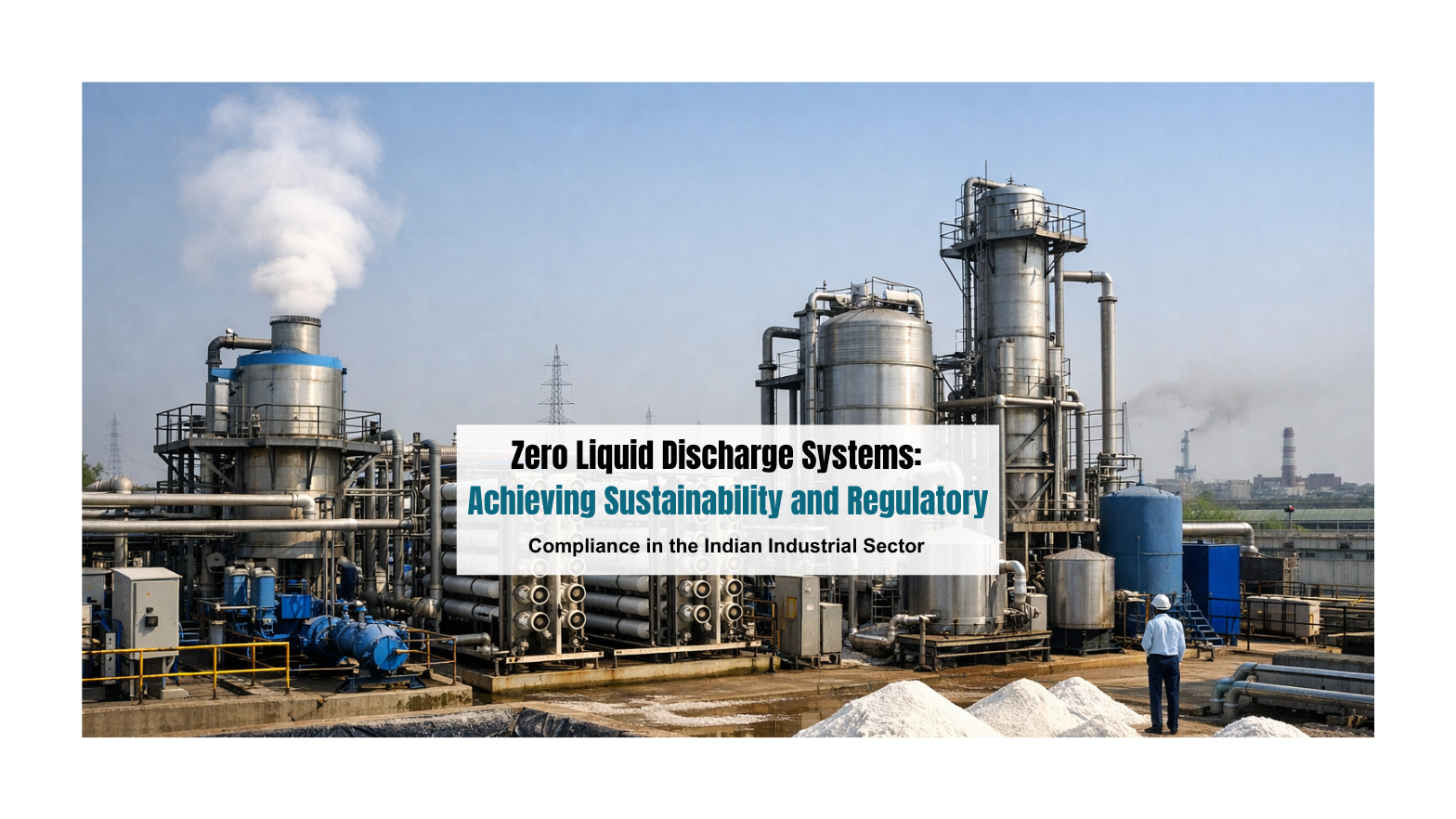
This is not only a story of fear and compliance. Increasingly, it is a story of competitive advantage, of factory leaders who moved early by implementing Zero Liquid Discharge (ZLD) Systems: Achieving Sustainability and Regulatory Compliance, recovered water they were previously paying to procure, and turned a regulatory burden into a balance sheet win.

This guide explains what zero liquid discharge actually means, how the ZLD process works in an Indian industrial context, and how to think about the return on investment with clarity and honesty.

Why Standard ETPs Are No Longer Enough

Why Standard ETPs Are No Longer Enough

Most large Indian factories built their effluent treatment infrastructure during an era when the primary benchmark was visible cleanliness, reducing colour, odour, and suspended solids before discharge. Conventional Effluent Treatment Plants were designed to meet those benchmarks. Many still do, on paper.

The problem is that the regulatory goalposts have shifted, and they are continuing to shift.

Modern ZLD mandates, particularly for industries in ecologically sensitive zones or those drawing from shared water bodies, require something fundamentally different: no liquid discharge at all. Not reduced discharge. Not treated discharge. Zero.

This is where the concept of Total Dissolved Solids (TDS) in water becomes central to the conversation.

The ZLD Process, Stage by Stage

The ZLD Process, Stage by Stage

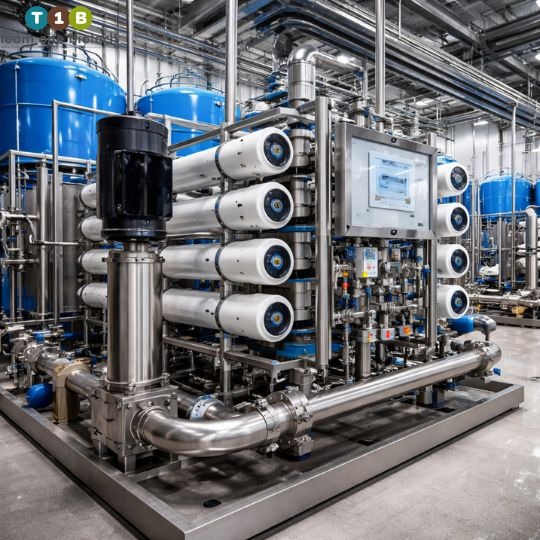
A well-engineered Zero Liquid Discharge plant works by sequentially concentrating and separating dissolved solids from water until the water is recovered for reuse and the solids are left as a manageable solid waste. The process typically moves through three major phases.

Stage 1, Pre-Treatment and Biological Reduction

Before water enters any membrane or thermal system, it must be conditioned. This stage involves:

  • Screening and equalization to stabilize flow and concentration
  • pH correction and chemical dosing to prevent scaling in downstream equipment
  • Biological treatment (activated sludge, MBBR, or SBR) to reduce organic load, BOD and COD, as far as possible
  • Clarification and multimedia filtration to remove suspended solids and protect membranes

The quality of pre-treatment directly determines the efficiency and longevity of everything downstream. Factories that underinvest here pay disproportionately higher operating costs in the evaporation stage.

Stage 2, Reverse Osmosis and Membrane Concentration

Once pre-treated, the effluent passes through Reverse Osmosis (RO) systems. RO membranes apply pressure to force water molecules through a semi-permeable barrier, leaving dissolved solids behind in a concentrated reject stream.

A typical ZLD-grade RO train will recover 60% to 80% of the feed water as clean permeate suitable for reuse in the factory.

Please note that these are general values and ranges; actual performance and costs vary based on specific Effluent Treatment Plant (ETP) configurations and influent characteristics.

The remaining 20% to 40% is a high-TDS concentrate. This is where many older ZLD designs stall, because concentrating this reject stream further requires significantly more energy. Advanced systems layer multiple RO passes, or introduce intermediate softening steps, to push recovery rates higher before handing off to thermal processes.

Stage 3, Evaporation, Crystallization, and Solid Recovery

The RO concentrate enters the Multiple Effect Evaporator (MEE) or Mechanical Vapour Recompression (MVR) system, where heat is used to evaporate remaining water, concentrating the dissolved solids into a slurry. This slurry then proceeds to an Agitated Thin Film Dryer (ATFD) or crystallizer, which produces a dry solid cake.

This solid waste is either sent to a TSDF facility for disposal or, in certain cases, recovered as a saleable byproduct, common in the case of sodium sulphate or sodium chloride-heavy textile effluents.

The recovered water from the evaporation stage loops back into the factory’s utility water supply, completing the zero-discharge cycle.

The Indian Context, High Salinity, High Stakes

The Indian Context, High Salinity, High Stakes

ZLD is not a European concept transplanted onto Indian soil. In practice, Indian industrial effluents present specific challenges that a generic ZLD design may not adequately address.

Textile clusters in Tirupur, Surat, and Bhilwara generate effluents saturated with reactive dyes, sodium chloride, and sodium sulphate, a combination that accelerates membrane fouling and demands aggressive pre-treatment chemistries.

Pharmaceutical hubs in Hyderabad and Ahmedabad produce complex organic matrices with variable TDS, often combined with solvents and APIs that interfere with biological treatment at the pre-treatment stage.

Thermal power plants face high-TDS cooling tower blowdown alongside fly ash leachate, streams that require separate segregation before any ZLD chain can be applied efficiently.

Localization of the ZLD design, accounting for raw effluent TDS, seasonal temperature variation, water table sensitivity, and the specific regulatory directives of state-level SPCBs, is not optional. It is the difference between a system that performs and one that consumes budget while failing inspections.

The ROI of ZLD, Beyond Compliance, Into Profitability

The ROI of ZLD, Beyond Compliance, Into Profitability

The most common objection to ZLD investment is upfront capital cost. It is a legitimate concern. ZLD infrastructure is not cheap. But the financial analysis changes significantly when you account for all the variables on both sides of the ledger.

What ZLD Recovers for You

  • Freshwater procurement costs: Industries in water-stressed districts are paying increasingly significant sums for tanker water or bore-well deepening. A functional ZLD system can recycle 60% to 85% of process water, dramatically reducing this dependency.
  • Chemical input recovery: In certain textile and chemical applications, the crystallized byproduct stream can be partially recovered and reused as a process input, reducing raw material costs.
  • TSDF disposal reduction: When biological treatment at the pre-treatment stage is optimized, sludge volumes entering the ZLD chain are lower, which reduces TSDF disposal costs and frequency.

Please note that these are general values and ranges; actual performance and costs vary based on specific Effluent Treatment Plant (ETP) configurations and influent characteristics.

What Non-Compliance Costs You

This part of the calculation is frequently underestimated. The financial exposure from regulatory non-compliance in India’s wastewater sector now includes:

  • CPCB/SPCB-imposed penalties and environmental compensation orders
  • Production shutdowns enforced by closure notices, some lasting months during legal proceedings
  • Bank and insurance risk escalation, as lenders increasingly scrutinize environmental compliance status during credit reviews
  • Reputational cost with global buyers, particularly in textiles and pharma, who now conduct supplier environmental audits as standard procurement practice

When the true cost of non-compliance is placed alongside the annualised cost of ZLD ownership, the ROI case strengthens considerably for any factory operating at meaningful scale.

Where Bioremediation Fits, The Biological Edge in ZLD Systems

This is an area that most engineering-focused ZLD vendors do not discuss, but it is one of the most significant levers available for reducing operating costs in a ZLD chain.

The evaporator is the most energy-intensive component of any ZLD plant. The higher the organic and dissolved load entering the evaporator, the more energy and maintenance the system consumes. Every unit of BOD, COD, or biological oxygen demand that is destroyed in the pre-treatment stage is a unit that the evaporator does not have to handle.

This is where biological augmentation, the deliberate introduction of high-performance microbial cultures to enhance biological pre-treatment, creates measurable value. By deploying specialised bacterial consortia that accelerate the breakdown of complex organics, refractory compounds, and high-strength industrial wastewater, it is possible to significantly reduce the load reaching the membrane and thermal stages.

The downstream impact: reduced evaporator run-time, lower energy consumption, and extended membrane life, all of which affect operating cost directly.

At Team One Biotech, this biological optimisation of the ZLD pre-treatment chain is a core area of specialisation. Our formulations are developed for the specific organic profiles and TDS ranges common to Indian industrial effluents, not generic products, but targeted biological solutions calibrated to your plant’s chemistry.

The Next Step, A Compliance Audit Built for Your Industry

ZLD is not a product you purchase off a shelf. It is an engineered system that must be aligned with your effluent characteristics, your water recovery targets, your regulatory timeline, and your capital structure.

The industrial leaders who are ahead of this curve did not get there by waiting for a closure notice. They initiated a structured review of their current ETP performance, identified the gaps between where they are and where regulations require them to be, and built a roadmap with clear financial logic.

If you are operating in textiles, pharmaceuticals, power, or specialty chemicals, and you are not yet certain whether your current ETP infrastructure is ZLD-ready, the most valuable conversation you can have today is a Compliance and System Readiness Audit.

Team One Biotech offers site-specific ZLD readiness assessments that evaluate your current water quality parameters, TDS profile, treatment gaps, and biological pre-treatment potential. We translate technical findings into financial terms, because compliance decisions at this level are investment decisions.

Contact Team One Biotech today to schedule your Compliance Audit or System Optimisation Consultation. Our industrial wastewater specialists work across India’s major manufacturing hubs and understand the ground-level realities of both CPCB mandates and plant operations.

The question is not whether ZLD is coming for your industry. It already has. The question is whether you are positioned to meet it, or caught off guard by it.

Looking to improve your ETP/STP efficiency with the right bioculture?
Talk to our experts at Team One Biotech for customised microbial solutions.

Contact+91 8855050575

Email:  sales@teamonebiotech.com

Visit: www.teamonebiotech.com

Discover More on YouTube – Watch our latest insights & innovations!-

Connect with Us on LinkedIn – Stay updated with expert content & trends!
Zero Liquid Discharge Systems: Achieving Sustainability and Regulatory Compliance

There is a particular kind of pressure that plant managers in Ahmedabad, Ludhiana, Vapi, and Ankleshwar know intimately. It is not the pressure of a quarterly review or a supply chain delay. It is the pressure of standing at the edge of a genuine environmental reckoning, knowing that the decisions made in your facility today will determine whether your business exists a decade from now.

India’s industrial groundwater crisis is not a projection. It is a present-tense emergency. Textile dyeing clusters in Gujarat and Punjab collectively discharge millions of litres of high-TDS, chemical-laden effluent daily. The pharmaceutical corridor of Hyderabad generates wastewater streams so complex in their chemical signatures that conventional ETPs have routinely struggled to achieve consent standards. Chemical manufacturing clusters in Maharashtra and Rajasthan face escalating CPCB show-cause notices, NGT orders, and the looming reality of forced operational shutdowns. The question is no longer whether Indian industry must adopt Zero Liquid Discharge. The question is how to do it intelligently, cost-effectively, and in a way that creates genuine long-term competitive advantage.

This guide is written for those responsible for that decision.

What Zero Liquid Discharge Actually Means, Beyond the Regulatory Checkbox

The phrase “Zero Liquid Discharge plant” has become so common in compliance conversations that it risks losing its meaning. Strip away the regulatory context for a moment, and what ZLD water treatment actually represents is a fundamental reimagining of how industrial facilities relate to water as a resource.

In a conventional effluent treatment workflow, treated water is discharged into a water body or municipal drain after meeting prescribed quality norms. Even in well-managed facilities, this means a net loss of water from the industrial ecosystem. In a Zero Liquid Discharge system, no treated effluent leaves the plant boundary in liquid form. Every litre of wastewater generated by the production process is recovered, concentrated, and either recycled back into operations or converted into a solid or semi-solid residue for safe disposal. The water recovery rates achieved by well-engineered ZLD systems typically fall in the range of 90% to 98%, depending on influent quality and system configuration. Please note that these are general values and performance metrics vary significantly based on the specific ETP configuration and influent characteristics.

For a large-scale textile dyeing unit consuming 2 to 3 million litres of water per day, that recovery rate translates into tangible balance sheet impact. But beyond economics, it means achieving something that compliance documents rarely capture: true stewardship of a resource that is becoming structurally scarce across industrial India.

The Science of ZLD, Membrane Technology vs. Thermal Evaporation

Understanding why ZLD systems succeed or fail requires a working knowledge of the two dominant technology pathways available to Indian plant operators: membrane-based separation and thermal evaporation. The majority of modern ZLD installations combine both, but the design decisions around sequencing and sizing define the economics and performance of the entire system.

Membrane-Based ZLD Processes

Membrane technology forms the front end of most ZLD water treatment configurations because it is energy-efficient relative to thermal processes and capable of handling high volumes. The typical sequence involves ultrafiltration (UF) followed by reverse osmosis (RO), often with a second or third-pass RO stage for high-TDS applications.

Ultrafiltration removes suspended solids, colloidal matter, and larger organic molecules through a pressure-driven membrane with pore sizes in the 0.01 to 0.1 micron range. This stage is critical because it protects the downstream RO membranes from fouling, a failure mode that is responsible for the majority of ZLD plant operational disruptions in Indian industrial facilities.

Reverse osmosis then handles the bulk of dissolved solids rejection. A single-pass RO stage at a well-operated ZLD plant will typically achieve water recovery in the range of 50% to 75% of the feed volume, producing a concentrated reject stream with significantly elevated TDS levels. Please note that these are general values and performance metrics vary significantly based on the specific ETP configuration and influent characteristics.

This concentrate, sometimes called brine, cannot simply be discharged. In a ZLD configuration, it must be further processed. This is where the thermal stage begins.

Thermal Evaporation and Crystallisation

The concentrate stream from the RO stage enters the thermal section of the ZLD plant, which typically comprises a multiple-effect evaporator (MEE) and, in full ZLD configurations, a crystalliser downstream.

Multiple-effect evaporators work by using the steam generated in one effect to heat the feed in the next, recovering energy across several stages. This cascading approach reduces the specific energy consumption of the evaporation process, a critical consideration given that thermal processes remain significantly more energy-intensive than membrane processes. MEE systems operating on industrial brine streams typically achieve evaporation efficiencies in the range of 30% to 45% steam economy, meaning each kilogram of primary steam drives evaporation of 30 to 45 kilograms of water across the effects. Please note that these are general values and performance metrics vary significantly based on the specific ETP configuration and influent characteristics.

The crystalliser handles the final concentration step, forcing dissolved salts out of solution into a crystalline solid. Depending on the feed chemistry, the resulting salt may have commercial recovery value, a point we will return to in the economic analysis section, or may require regulated disposal as solid hazardous waste under the Hazardous Waste Management Rules, 2016.

The total specific energy consumption of a combined membrane-thermal ZLD system varies considerably by application and influent TDS, but typically falls in the range of 15 to 35 kWh per kilolitre of feed processed. Please note that these are general values and performance metrics vary significantly based on the specific ETP configuration and influent characteristics.

Total Dissolved Solids in Water, The Industrial Damage You Cannot Always See

Total Dissolved Solids in Water, The Industrial Damage You Cannot Always See

One of the most underappreciated aspects of industrial water quality management is the cumulative, progressive damage caused by elevated TDS in water, both to production equipment and to the receiving environment. Plant managers often focus on visible pollution indicators, colour, COD, BOD, while TDS builds silently until it manifests as capital equipment failure or regulatory action.

Total dissolved solids in water is a composite measurement of all inorganic and organic matter dissolved in a water sample, expressed in milligrams per litre (mg/L) or parts per million (ppm). In industrial contexts, the TDS profile of a water source includes a complex matrix of calcium, magnesium, sodium, potassium, chloride, sulphate, bicarbonate, and a range of process-specific dissolved solids depending on the industry.

Equipment Degradation and Production Losses

High-TDS process water accelerates scaling in boilers, heat exchangers, cooling towers, and pipelines. Calcium carbonate and calcium sulphate scale deposits in boilers reduce heat transfer efficiency, increase fuel consumption, and create hot spots that contribute to premature tube failure. Scaling in cooling tower fill media and distribution systems reduces thermal efficiency and increases biological fouling risk.

The economic cost of unmanaged TDS in industrial cooling and steam generation systems, when expressed as increased energy consumption, maintenance expenditure, and unplanned downtime, typically ranges between 8% to 18% of total utility costs in affected facilities. Please note that these are general values and performance metrics vary significantly based on the specific ETP configuration and influent characteristics.

In textile processing, high-TDS process water directly degrades dyeing outcomes. Elevated calcium and magnesium concentrations interfere with dye uptake, leading to inconsistent colour yield, increased dye and chemical consumption, and quality rejections, none of which show up in an effluent compliance report, but all of which represent real production costs.

Environmental and Regulatory Dimensions of TDS

From a regulatory standpoint, the CPCB has prescribed TDS limits for treated effluent discharge to inland surface waters, with general standards typically setting a threshold that many high-intensity industrial effluents significantly exceed prior to treatment. State Pollution Control Boards in Gujarat, Maharashtra, Tamil Nadu, and Telangana have issued sector-specific consent conditions with TDS limits that reflect the cumulative carrying capacity of local water bodies.

The NGT has repeatedly intervened on TDS-related environmental harm, particularly in cases where high-TDS industrial discharge has resulted in soil salinity damage to agricultural land downstream of industrial clusters. Penalties in such cases have ranged from facility closures to compensation orders running into crores of rupees.

Monitoring and controlling TDS is therefore both an equipment protection imperative and a core water quality parameter in the regulatory compliance framework governing Indian industry.

Where Bioremediation Fits, Team One Biotech’s Role in the ZLD Ecosystem

Where Bioremediation Fits, Team One Biotech's Role in the ZLD Ecosystem

A critical and often misunderstood aspect of ZLD plant design is that membrane and thermal technologies work best when the organic load in the influent has been substantially reduced before the feed stream reaches the ZLD train. High COD and BOD in the ZLD feed stream causes accelerated membrane fouling, reduces flux rates, increases cleaning frequency, and shortens membrane life, all of which translate directly into higher operating costs and reduced system availability.

This is where biological pre-treatment, and specifically bioremediation using specialised microbial consortia, plays a decisive upstream role.

Team One Biotech’s bio-augmentation solutions are designed to address precisely this challenge. By deploying high-performance, application-specific microbial consortia into the ETP biological treatment stage, organic degradation efficiency is substantially enhanced before the effluent stream approaches the ZLD feed header. The result is a lower-COD, lower-TSS feed to the membrane stage, with measurable downstream benefits across the entire ZLD system.

In industrial ETP configurations where bio-augmentation has been applied prior to the ZLD train, facilities have reported reductions in RO membrane cleaning frequency, extended membrane replacement intervals, and lower specific chemical consumption in the CIP (Clean-In-Place) process. Organic load reduction at the biological stage translates into a cleaner, more consistent ZLD feed, which is the single most important controllable variable in long-term ZLD system performance.

For plant managers operating in textile, pharma, or chemical manufacturing, integrating bio-augmentation into the ETP prior to the ZLD investment is not a supplementary consideration. It is a foundational design decision that affects the capital cost, operating cost, and operational reliability of the entire ZLD installation.

If you are in the pre-engineering or FEED phase of a ZLD investment, consult with our compliance specialists to future-proof your facility, and ensure that your biological pre-treatment strategy is designed to support, rather than compromise, your ZLD performance targets.

The Regulatory Roadmap, What Indian Law Actually Requires, and What Non-Compliance Costs

The regulatory framework governing industrial effluent management in India has become substantially more stringent in the past decade, driven by a combination of NGT activism, CPCB enforcement, and a series of Supreme Court interventions that have fundamentally changed the risk calculus for industrial polluters.

CPCB and SPCB Mandate Overview

The Environment (Protection) Act, 1986 and the Water (Prevention and Control of Pollution) Act, 1974 form the legislative backbone of industrial effluent regulation in India. The CPCB issues general standards for effluent discharge under the Environment (Protection) Rules, 1986, while State Pollution Control Boards issue facility-specific Consent to Operate (CTO) conditions that translate these general standards into site-specific obligations.

The CPCB has progressively tightened effluent standards across highly polluting industries, a category that includes large-scale textile processing, pharmaceuticals, dyes and dye intermediates, chlor-alkali, and tanneries, among others. For textile dyeing and printing units, the CPCB’s sector-specific standards prescribe not only COD, BOD, and TSS limits but also colour and TDS benchmarks that are effectively unachievable without a ZLD or near-ZLD configuration.

NGT Mandates and Their Implications

The National Green Tribunal has been an active enforcement actor, particularly in relation to industrial clusters. The NGT’s orders on the Pali textile cluster in Rajasthan, the Tirupur dyeing cluster in Tamil Nadu, and the CETP-linked industries in Vapi have established a clear judicial posture: industries that fail to achieve prescribed effluent quality standards face closure orders that the Tribunal has shown willingness to enforce. The NGT has also directed that industries within specified distances of sensitive water bodies must achieve ZLD, regardless of whether their effluent technically meets individual discharge norms.

The True Cost of Non-Compliance

The financial risk of non-compliance extends significantly beyond the direct penalty amounts prescribed under environmental statutes, which themselves have been enhanced in recent years. Facilities facing enforcement action under the Water Act or the Environment Protection Act risk suspension of Consent to Operate, which triggers immediate production stoppage. In industries where CTO suspension affects export-linked operations, the consequential losses from order cancellations, customer penalties, and bank covenant breaches can dwarf the original environmental fine by orders of magnitude.

Beyond immediate financial exposure, unresolved compliance failures increasingly affect access to institutional credit. Several scheduled banks and development finance institutions now incorporate environmental compliance status into credit appraisal frameworks, particularly for loans above certain thresholds. Facilities with pending SPCB notices or NGT orders are encountering difficulties in loan renewals and capacity expansion financing.

The question, for any serious industrial leader, is not whether the cost of ZLD investment is justified. It is whether the business can afford the compounding cost of deferring it.

The Economic Case for ZLD, Turning Waste Streams Into Working Capital

The Economic Case for ZLD, Turning Waste Streams Into Working Capital

The financial argument for ZLD water treatment has shifted materially over the past five years, for two reasons. First, freshwater costs have risen across Indian industrial belts as groundwater depletion has forced industry toward tanker supply, Common Effluent Treatment Plant charges, and municipal industrial supply, all more expensive per kilolitre than the groundwater sources they replace. Second, ZLD technology costs, particularly on the membrane side, have declined meaningfully as the Indian market for UF and RO membranes has deepened.

Water Recovery as Cost Avoidance

For a large-scale industrial facility consuming between 1 and 5 million litres of process water per day, ZLD water recovery at 90% to 95% recovery efficiency effectively replaces 9 to 9.5 of every 10 litres with recycled water. Expressed as cost avoidance at current industrial water supply costs in water-stressed states like Gujarat, Rajasthan, and Maharashtra, this represents a significant annual saving. Plants that have transitioned from tanker-dependent fresh water supply to ZLD-recovered water have reported reductions in freshwater procurement costs in the range of 55% to 75% of their pre-ZLD water expenditure. Please note that these are general values and performance metrics vary significantly based on the specific ETP configuration and influent characteristics.

Salt Recovery and Secondary Revenue

Pharmaceutical and chemical sector ZLD installations that generate high-purity crystallised sodium chloride, sodium sulphate, or ammonium sulphate from their crystalliser output have explored the potential for secondary revenue through salt recovery. Where the recovered salt stream is sufficiently pure and consistent, it may be saleable to commercial salt processors or industrial users, partially offsetting the operating cost of the crystallisation stage. The commercial viability of this depends on the specific salt type, purity, and available off-take arrangements in the local market.

The Payback Period Question

ZLD systems carry significant capital investment, and it would be misleading to present this as a low-cost option. However, the payback period calculation must include the avoided cost of regulatory penalties, the insurance value against forced production shutdowns, the freshwater cost savings, and, where applicable, the value of recovered salt or heat. When these factors are aggregated, well-structured ZLD investments in high-water-intensity industries have demonstrated payback periods in the range of 5 to 9 years in Indian industrial contexts. Please note that these are general values and performance metrics vary significantly based on the specific ETP configuration and influent characteristics.

For high-value manufacturing, speciality chemicals, pharmaceutical APIs, technical textiles, where a single production shutdown carries costs that can exceed the entire ZLD capital investment, the insurance logic alone may justify the expenditure independent of the operating economics.

Request a technical audit of your recovery cycle to develop a facility-specific ROI model before making a capital commitment.

Maintenance, Failure Modes, and Operational Discipline in ZLD Plants

The most common reason ZLD plants fail to deliver on their design performance in Indian industrial settings is not a technology deficiency. It is a gap between the operational discipline required to run a ZLD system and the institutional capability of the facility managing it.

Membrane Fouling, The Primary Failure Mode

RO membrane fouling is the single most common cause of underperformance and premature failure in ZLD installations. Fouling occurs when dissolved or suspended matter accumulates on or within the membrane matrix, reducing flux and increasing trans-membrane pressure. In Indian industrial applications, the leading foulants are calcium carbonate scale, silica scale, biological fouling, and organic matter.

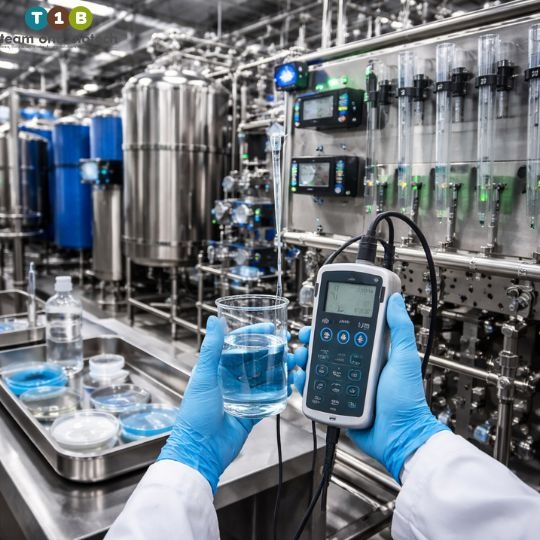
Prevention requires consistent monitoring of the Silt Density Index (SDI) of the UF permeate, rigorous adherence to CIP protocols at defined intervals, antiscalant dosing at correctly calibrated rates, and temperature monitoring of the feed stream. Membrane life in well-operated ZLD plants typically falls in the range of 5 to 8 years per module. In poorly maintained systems, premature failure at 2 to 3 years is not uncommon. Please note that these are general values and performance metrics vary significantly based on the specific ETP configuration and influent characteristics.

Evaporator Scaling and Corrosion

In the thermal section, scaling on heat exchanger surfaces and corrosion of wetted materials are the primary maintenance concerns. Evaporators handling high-chloride brine streams require careful materials selection, typically duplex stainless steel or titanium, and regular descaling to maintain heat transfer efficiency. Facilities that undersize their descaling budget invariably face higher long-term operating costs than those that invest in preventive maintenance at the prescribed intervals.

Instrumentation and Control Systems

ZLD plants are highly instrumented systems, and the failure of online analysers, particularly TDS, pH, and flow meters, frequently cascades into process deviations that compromise effluent quality or damage equipment. Maintaining a calibrated spare instrument inventory and conducting scheduled calibration checks on all critical online instruments is a non-negotiable operational discipline for ZLD plants that consistently perform to design.

For facilities experiencing persistent performance gaps in their existing ZLD or ETP systems, a structured root-cause diagnostic is typically more cost-effective than a capital investment in additional treatment stages. Request a technical audit of your recovery cycle to identify where your current system is losing performance, and what it will take to recover it.

Building a Compliance-Ready Industrial Operation for the Next Decade

The Indian regulatory trajectory on industrial water management is unambiguous. The CPCB’s online continuous effluent monitoring mandates, the NGT’s willingness to impose closure orders, and the integration of environmental compliance into credit and insurance frameworks all point in the same direction: facilities that treat environmental compliance as a fixed cost to be minimised will find that cost rising dramatically. Facilities that treat water stewardship as a strategic investment will find it creates competitive insulation.

ZLD water treatment is not a small undertaking. It requires significant capital, genuine operational capability, and a willingness to maintain system discipline over years rather than quarters. But for industries in India’s most water-stressed and regulatory-scrutinised sectors, it is increasingly not a choice. It is the price of continued operation.

The question is not whether to make this transition. The question is whether to make it on your own terms, with a technology and pre-treatment configuration that maximises recovery and minimises long-term operating cost, or to make it reactively, under enforcement pressure, with the timeline and cost structure determined by a regulator rather than a business case.

Team One Biotech works with plant managers and facility heads to ensure that the biological pre-treatment foundation supporting your ZLD investment is engineered to deliver the feed quality your membrane and thermal systems need to perform. If you are planning a ZLD investment, expanding an existing ETP, or facing compliance challenges that require a technical response rather than a regulatory one, consult with our compliance specialists to future-proof your facility.

The water is not coming back on its own. But with the right systems in place, you can make sure your facility never has to depend on it from outside again.

Looking to improve your ETP/STP efficiency with the right bioculture?
Talk to our experts at Team One Biotech for customised microbial solutions.

Contact+91 8855050575

Email:  sales@teamonebiotech.com

Visit: www.teamonebiotech.com

Discover More on YouTube – Watch our latest insights & innovations!-

Connect with Us on LinkedIn – Stay updated with expert content & trends!
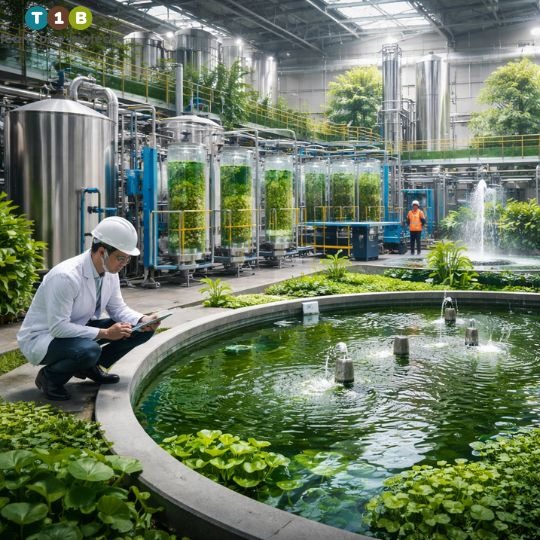
Managing Oil and Grease in Food Processing Units: Meeting Municipality Norms

Ask any hotel operations manager what their worst Saturday night looks like, and somewhere in that story, there is a blocked drain.

It is peak service. The banquet hall is full. The main kitchen is running three stations simultaneously. And then the floor drain near the dishwashing area starts backing up. Slowly at first, just a thin film of greasy water spreading across the tiles. Then faster. Within minutes, the kitchen supervisor is on the phone, the executive chef is furious, and someone is making the call that nobody wants to make: we need to slow down service.

What follows is not just a plumbing emergency. It is a cascade. Guests notice delays. Staff morale takes a hit. If a health department inspector happens to visit the following morning, and in several Indian cities, anonymous complaints do trigger surprise visits, the conversation becomes significantly more expensive than a plumber’s bill.

FOG management, which stands for Fats, Oils, and Grease, is one of those operational responsibilities, often detailed in “ The Ultimate FOG Management & Septic Health Guide for Commercial Facilities “, that sits quietly in the background until it does not. And when it fails, it fails loudly, expensively, and almost always at the worst possible time.

Why Grease Behaves the Way It Does

To understand why oil and grease trap maintenance matters so much, it helps to understand what FOG actually does inside a commercial drain system.

When kitchen wastewater is hot, grease moves freely. It looks harmless flowing down a drain. The problem begins about two meters into your pipe network, where the water starts to cool. As temperature drops, FOG transitions from liquid to semi-solid, and it starts sticking to pipe walls. Over time, those thin layers build up into something considerably more stubborn.

Indian kitchens add another variable to this: the cooking itself. Heavy use of ghee, refined oils, coconut oil, and animal fats in Indian cuisine means the FOG load per meal is considerably higher than in, say, a continental kitchen. A hotel running a multicuisine buffet, a south Indian restaurant doing high-volume lunch service, or an industrial canteen preparing meals for a factory shift, each of these operations pushes a significant FOG burden into the drain system every single day.

The consequences compound quickly:

  • FOG narrows drain channels gradually, then blocks them suddenly
  • Accumulated grease produces hydrogen sulfide gas, responsible for the rotten-egg odor that no amount of air freshener solves
  • It creates a warm, nutrient-rich environment where pathogens multiply
  • It is the single biggest reason commercial grease traps fill faster than their scheduled maintenance intervals

None of this is dramatic in isolation. Each day’s accumulation is small. But over weeks and months, a drain system that receives no biological intervention will degrade in a way that physical cleaning alone cannot reverse.

The Honest Problem with Traditional Grease Trap Cleaning

Most facility managers running commercial kitchens already know what a grease trap is. The interceptor unit sits between your kitchen drains and the municipal sewer line, capturing FOG before it enters the public network. It does its job, but only up to a point.

The standard maintenance routine is physical cleaning: a crew arrives with pumps and hoses, removes the accumulated grease, washes down the trap interior, and leaves. This is necessary. But here is what it does not fix.

Physical cleaning removes what has already separated out in the trap. It does not address:

  • The grease film coating the interior walls of the trap between cleanings
  • The FOG that has already migrated past the trap into downstream pipes
  • The biofilm layer building up across your entire drain network
  • The fact that accumulation resumes almost immediately after the crew leaves

In a high-volume Indian kitchen, a monthly cleaning cycle is often not enough. Some operations, banquet kitchens, large QSR franchises, hospital cafeterias, generate enough FOG that their grease traps are at capacity well before the next scheduled visit. When that happens, grease bypasses the trap entirely and flows directly into the municipal sewer. That is both a compliance problem and a practical one.

There is also the cost reality. Grease trap cleaning by external vendors is not cheap when you add up service visits, pump-out fees, and the labor cost of the downtime involved. Many operations are spending more on reactive maintenance than they would on a well-designed preventive programme.

What Indian Regulations Actually Require From You

This is the part of the conversation that most facility managers find uncomfortable, not because they do not care about compliance, but because the regulatory framework is genuinely layered and not always easy to navigate.

In India, commercial wastewater discharge is governed at two levels. The Central Pollution Control Board (CPCB) sets the national standards. State Pollution Control Boards (SPCBs) enforce them, and enforcement varies considerably depending on your state, your commercial zone classification, and how actively the local municipal corporation is pursuing the issue.

For food establishments discharging into municipal sewers, the effluent standards cover oil and grease content, BOD levels, pH, and suspended solids. Several large municipal corporations, including those in Delhi, Mumbai, Bengaluru, and Hyderabad, have tightened scrutiny on commercial kitchens specifically, driven by the growing problem of sewer chokes that municipal engineers are linking directly to restaurant grease.

On top of CPCB and SPCB requirements, FSSAI’s licensing framework under Schedule 4 of the Food Safety and Standards (Licensing and Registration of Food Businesses) Regulations, 2011, requires that wastewater management systems be maintained and functional.

In practical terms, compliance means having:

  • A correctly sized grease interceptor or oil and grease trap installed and operational
  • Documented maintenance records available for inspection at any time
  • Effluent quality that meets the applicable CPCB and SPCB discharge limits for oil and grease
  • In several states, periodic effluent test reports submitted to the SPCB

What makes this more than just paperwork is the consequence of getting it wrong. A show-cause notice from the PCB does not just result in a fine. It can delay license renewals, disrupt procurement relationships with institutional clients, and in repeated-violation situations, result in closure orders. For a hotel group or a managed kitchen operation, that is a risk worth taking seriously.

The facilities that treat compliance as a business asset, rather than a nuisance, tend to be the ones that never have that conversation with an inspector.

What Bioremediation Does That Cleaning Cannot

What Bioremediation Does That Cleaning Cannot

Bioremediation is not a new concept in industrial waste management. What is relatively newer is its application in commercial kitchen and food processing environments in India, where awareness has historically lagged behind the technology.

The principle is straightforward. Certain strains of naturally occurring bacteria produce enzymes called lipases, which break down the molecular structure of fats and oils. When introduced into a grease trap or drain system, these bacteria colonize the surfaces where FOG accumulates and digest it continuously, not just during a scheduled cleaning visit, but around the clock, between visits, through the weekend rush, and through the Monday morning prep session.

Bio-Blocks for Hotels 

For busy hotel kitchens where staff turnover is high and operational consistency is key, Bio-Blocks for Hotels offer the ultimate “set and forget” solution. These slow-release bacterial blocks are placed directly inside the grease trap or high-flow drain lines. Unlike liquid treatments that can be washed away during heavy cleaning shifts, the block stays in place, eroding slowly to provide a constant, metered dose of FOG-digesting microbes. This eliminates the need for daily manual dosing by kitchen staff, ensuring the drainage system remains protected even during the most hectic banquet seasons.

Liquid Bacterial Concentrates are dosed periodically into floor drains, sink drains, and grease trap inlets. These are particularly suited to larger kitchen operations with multiple drain points, where a single-location block may not reach every part of the drain network. The liquid format ensures bacterial activity extends through the full length of the drainage system.

Team One Biotech’s product range for FOG management is built around two primary delivery formats:

Dosage and application frequency depend on kitchen volume, FOG load, trap size, ambient temperature, and the specific drain configuration. General treatment ranges run between doses applied every few days to weekly intervals, depending on operational intensity. 

These are general values and may vary significantly based on the specific facility design, FOG load, and environmental conditions. A site assessment gives you the precise protocol rather than a generic one.

FOG Challenges and Bioremediation Solutions

FOG ChallengeConventional ApproachBioremediation Solution
Grease trap fills rapidlyMore frequent pump-outsBio-Blocks reduce accumulation rate between cleanings
Drain line blockagesHigh-pressure jettingBacterial cultures digest grease on pipe walls continuously
Foul odors from drainsDeodorizers and masking agentsBacteria eliminate odor-causing compounds at the source
Non-compliant effluentIncreased cleaning frequencySustained FOG reduction brings discharge closer to CPCB norms
Septic tank FOG overloadEmergency desludgingBio-augmentation restores microbial balance and prevents recurrence
High maintenance costsTreated as fixed operating expensePreventive dosing reduces frequency and cost of mechanical intervention

What a Well-Managed FOG Programme Actually Looks Like

What a Well-Managed FOG Programme Actually Looks Like

The facilities that get this right are not necessarily spending more. They are spending differently, shifting budget from reactive callouts to preventive dosing, and getting considerably more operational stability in return.

In practice, a well-managed FOG programme for a commercial kitchen combines three things: correctly sized physical infrastructure (grease trap appropriate for your kitchen’s daily output), a scheduled biological dosing routine using bacterial products, and periodic physical cleaning on a cycle that is determined by actual accumulation data rather than a fixed calendar.

For a hotel managing multiple F&B outlets, standardising this protocol across all kitchen units also simplifies audit preparation. Your maintenance logs are consistent. Your effluent quality is predictable. When the PCB inspector visits, you are not scrambling.

For a standalone restaurant or QSR franchise, the benefit is simpler: fewer emergency drain callouts, less odor, and a grease trap that your cleaning crew actually likes working with.

Ready to Stop Reacting and Start Managing?

Every kitchen is different. The right FOG management protocol depends on your kitchen’s size, cooking style, drain configuration, trap capacity, and whether you are on municipal sewer or a septic system.

Team One Biotech works with hotels, restaurant groups, hospital kitchens, food processing facilities, and industrial canteens across India to design site-specific bioremediation programmes. The process starts with a facility audit, a straightforward assessment of your current grease management setup, your drain health, and your compliance position.

If your grease trap is being cleaned more often than it should be, if your drains smell between cleaning visits, or if you are not entirely confident in your current effluent quality, that is worth a conversation.

Get in touch with Team One Biotech for a site audit consultation. The right programme does not just fix the problem, it means the 2 AM call never comes.

Looking to improve your ETP/STP efficiency with the right bioculture?
Talk to our experts at Team One Biotech for customised microbial solutions.

Contact+91 8855050575

Email:  sales@teamonebiotech.com

Visit: www.teamonebiotech.com

Discover More on YouTube – Watch our latest insights & innovations!-

Connect with Us on LinkedIn – Stay updated with expert content & trends!
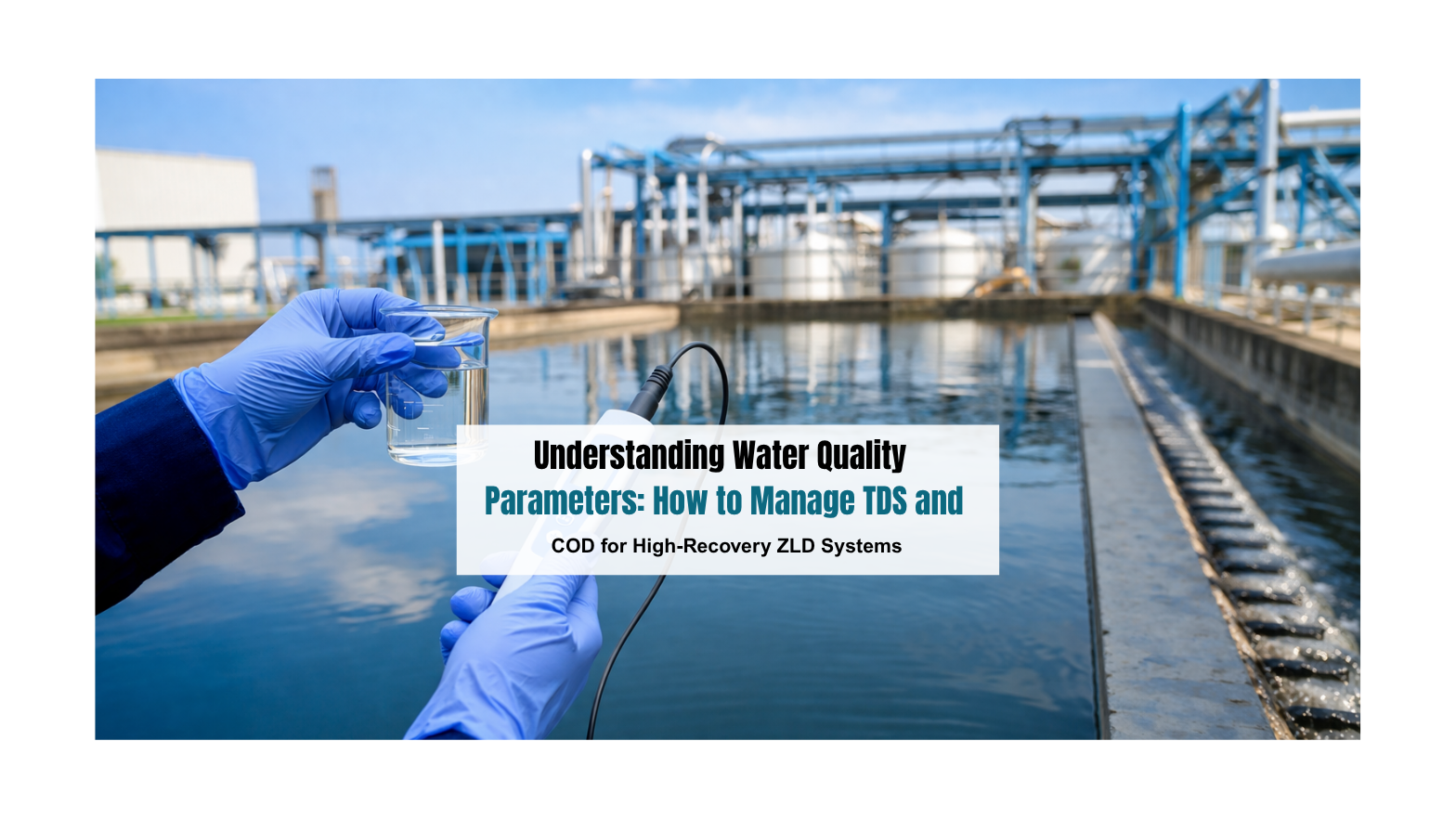
Bio-Blocks for Hotels: The "Set and Forget" Solution for Drain Maintenance
Bio-Blocks for Hotels: The “Set and Forget” Solution for Drain Maintenance

Imagine it is the height of wedding season. Your banquet hall is packed, the kitchen is firing on all cylinders across three simultaneous services, and then housekeeping radios in with the kind of message that makes every General Manager’s stomach drop: there is a drain backup near the lobby washroom, and something distinctly unpleasant is working its way toward the reception area.

Your maintenance team rushes over. Guests start noticing. And before the evening is out, someone has already typed something onto a review platform.

This is not a worst-case hypothetical. It is a scenario that plays out with uncomfortable regularity across Indian hotels, from business properties in Pune to heritage resorts in Rajasthan, especially during high-occupancy periods. And what sits at the root of most of these incidents is a problem that rarely gets serious attention until it becomes an emergency: the unchecked accumulation of Fats, Oils, and Grease, FOG, inside the drainage system.

If you are a General Manager, an F&B Director, or a facility management professional, this article, much like The Ultimate FOG Management & Septic Health Guide for Commercial Facilities, is written for you. Not to alarm, but to offer a genuinely better way of handling something your team is probably managing reactively right now. That better way is called a FOG Bio-Block, and the reason it matters is because it works while your team is busy doing everything else.

Why FOG Is a Bigger Problem in Indian Hotels Than Most Operators Realize

Why FOG Is a Bigger Problem in Indian Hotels Than Most Operators Realize

Indian commercial kitchens are, by their very nature, high-fat environments. The cuisine demands it. A full-service hotel kitchen preparing an Indian buffet alongside continental and Chinese stations will push through ghee, refined oil, coconut milk, dairy cream, and animal fat in volumes that few international benchmarks account for. Deep-fry stations, tawa sections, biryani preparation, and mithai production all contribute, and they all drain into the same system.

The issue is what happens after the oil goes down the drain. It does not disappear. It cools as it travels through the pipe network, sticks to inner walls, and gradually builds up into a dense, waxy layer that restricts flow, traps food solids, and creates the anaerobic conditions that produce hydrogen sulfide, the gas responsible for that unmistakable rotten-egg odor that no amount of air freshener will permanently fix.

Left unaddressed, this FOG layer thickens. Drains slow. Grease traps hit capacity faster than scheduled service intervals account for. And then, at the worst possible moment, a full house, a VIP check-in, a wedding reception, something backs up.

Manual grease trap cleaning is the conventional answer to this, and it works. But it only works at the moment of service. The interval between visits is always a window of risk, and in a busy hotel kitchen, that interval tends to shrink faster than the cleaning schedule expects. Add the contractor cost, the downtime, the chemical disposal compliance requirements, and the picture starts looking like a system that is perpetually catching up with itself.

There is a more intelligent approach.

What a Bio-Block Actually Does, and Why the Science Behind It Matters

What a Bio-Block Actually Does, and Why the Science Behind It Matters

A FOG Bio-Block is a solid, slow-dissolving block packed with concentrated bacterial strains and enzymatic compounds. You place it inside or near the grease trap, wet well, or wastewater collection point, and it gets to work, quietly, continuously, without anyone having to manage it between placements.

The mechanism works in two coordinated stages:

  • Enzymes move first. Lipase enzymes immediately begin breaking down complex fat molecules into shorter fatty acid chains. Think of this as pre-digestion, the FOG is made biochemically accessible before the bacteria even arrive.
  • Bacteria do the sustained work. The released bacterial strains, aerobic and facultative anaerobic varieties, colonize the grease-coated surfaces inside the drainage system and continue metabolizing FOG into carbon dioxide, water, and minimal residual biomass. This is not a surface clean. It is a biological process that works through the buildup.

What makes this genuinely different from a chemical treatment is the slow-release matrix the block is built around. Rather than one sharp intervention followed by a return to baseline, the Bio-Block maintains a low, steady biological presence in the system, week after week, often for months depending on block size and drainage load.

This is bioremediation in practical application: the use of naturally occurring microorganisms to break down organic waste. The science has deep roots in industrial wastewater management and has been successfully adapted to the specific demands of commercial kitchen drainage maintenance.

Septic Tank Treatment: How to Eliminate Pumping and Foul Odors Permanently

While Bio-Blocks are famous for keeping kitchen lines clear, the same bioremediation principles apply to the most neglected part of a hotel’s infrastructure: the septic tank. Traditional maintenance usually involves reactive “pump-outs” once the system sludges up or begins venting foul gases near guest areas.

By introducing specialized biological treatments for Septic Tanks, you can effectively eliminate the need for frequent mechanical pumping. The high-concentration bacteria in these treatments aggressively break down solid waste and organic sludge, converting them into liquid and gas. This not only prevents the dreaded “overflow” scenario during peak wedding or holiday seasons but also neutralizes the sulfur compounds that cause odors. Instead of just hauling waste away, you are creating a self-sustaining ecosystem that digests waste permanently, protecting your ground sensors and drainage fields from clogging.

“Set and Forget”, What That Actually Means Day-to-Day

The phrase earns its place because it describes a real operational shift, not a marketing idea. Once a Bio-Block is deployed in your oil and grease trap, your maintenance team is no longer managing a problem on a crisis-driven timeline. They are sustaining a biological system that runs between human interventions, not because of them.

Here is what that looks like in practice:

  • Fewer manual cleaning visits. Properties using Bio-Blocks typically report a reduction in professional grease trap cleaning frequency in the range of 30% to 60% over a 6 to 12-month period, depending on kitchen load and system configuration.
  • Lower contractor and chemical costs. Fewer pump-out events mean fewer site visits, less chemical purchase, and less coordination overhead for your maintenance team.
  • Persistent odor control. Because the biological process suppresses the anaerobic conditions that generate foul gases, the odor issue is addressed at its source rather than temporarily masked.
  • Better pipe health over time. A drainage system that carries consistently lower FOG loads experiences less internal corrosion, fewer emergency blockages, and a meaningfully longer service life between major interventions.

For a General Manager who is tracking guest satisfaction scores and managing departmental cost efficiency at the same time, this is not a minor convenience. It is a structural change in how the property handles one of its most unglamorous but consequential systems.

Want to know what your property’s FOG load actually looks like, and which Bio-Block configuration makes sense for your setup? Reach out to Team One Biotech for a no-obligation site audit.

The India-Specific Challenges That Generic Solutions Often Miss

Products designed for Western markets are generally calibrated for lighter fat loads and more stable ambient temperatures. Indian hotel kitchens are a different operating environment, and it is worth being specific about why.

Temperature swings are more extreme. Kitchen drainage in India experiences high temperatures during service and significant cooling overnight. This thermal cycling accelerates the solidification of FOG on pipe walls in ways that are more aggressive than what temperate-climate formulations are designed to handle. Bio-Block products suited for Indian conditions need bacterial strains that remain active across a broad temperature range, typically 20°C to 45°C, without losing efficacy.

The FOG profile is more complex. A combination of hydrogenated vegetable oils, animal fats, dairy fats from paneer, khoya, and cream-based gravies, and coconut oil from South Indian preparations creates a layered, harder-to-degrade FOG matrix. Bacterial strain selection matters significantly here. Not all bioremediation products are formulated for this level of complexity.

Regulatory pressure is growing. Urban local bodies in Indian metro cities, and increasingly in Tier 2 cities, are tightening enforcement of effluent discharge norms under CPCB and SPCB guidelines. Hotels operating ETPs and STPs face periodic inspections, and a persistent FOG problem in the drainage system can quietly undermine effluent quality metrics downstream. Proper FOG management through Bio-Blocks directly supports cleaner influent entering treatment units, which helps maintain their biological health and supports ongoing compliance.

Traditional Chemical Cleaning vs. Bio-Block Bioremediation: A Side-by-Side Look

ParameterTraditional Chemical CleaningBio-Block Bioremediation
MechanismChemical dissolution (acid/alkali-based)Biological degradation via bacteria and enzymes
Treatment durationOne-time per service visitContinuous, weeks to months per block
FOG removal depthSurface clearance, temporary effectDeep metabolic breakdown of FOG compounds
Labor requirementHigh, scheduled contractor visitsMinimal, periodic block replacement only
Odor controlTemporary masking effectAddressed at biological source
Impact on pipesRisk of long-term corrosionBenign to infrastructure
Environmental profileChemical waste, disposal compliance burdenBiodegradable, environmentally aligned
ETP/STP impactMay disrupt biological treatment unitsSupports downstream biological treatment health
Cost trajectory over 12 monthsHigh and recurringDecreasing as system stabilizes
Compliance alignmentNeutralSupports CPCB/SPCB effluent discharge norms

The above reflects general behavioral patterns across typical commercial systems. Specific outcomes will vary based on system configuration, kitchen load, and product application method.

What the First Twelve Months Actually Look Like

Setting realistic expectations here matters, because Bio-Blocks are not an overnight fix. They are a biological system, and biological systems need time to establish.

Months 1 to 2, Establishment. Bacterial colonies are finding their footing in the system. Early odor reduction is usually noticeable. Flow improvement is marginal at this stage. For properties with significant pre-existing FOG buildup, one professional grease trap cleaning session before deployment is often recommended, giving the biological system a cleaner baseline to build from.

Months 3 to 6, Active remediation. The biological film is now active across the system. FOG accumulation rate slows in a measurable way. Most properties see a clear reduction in drain complaints coming from the kitchen and housekeeping teams during this period.

Months 7 to 12, Maintenance equilibrium. The system is running in biological balance. Manual commercial kitchen drainage maintenance events are reduced to the minimum operationally or regulatorily required. Total drain maintenance cost over this period, compared against the same 12 months prior, typically reflects a net reduction in the range of 25% to 45%, depending on kitchen output and the baseline condition of the system.

For a hotel running breakfast, lunch, and dinner service across a 100-plus cover restaurant with active banquet operations, the absolute savings are meaningful. But factor in what a single drainage emergency during peak season actually costs, emergency contractor rates, potential guest compensation, the review platform fallout, and the return on investment argument becomes a much easier conversation.

Disclaimer

All performance ranges, timelines, and cost reduction estimates in this article are general informational values based on typical commercial kitchen and drainage system conditions. Actual results will vary based on kitchen output volume, existing pipe and trap condition, grease trap size and configuration, ambient temperature, water chemistry, and the specific parameters of your ETP or drainage network. 

Team One Biotech recommends a professional site assessment prior to initiating any Bio-Block deployment. This content does not substitute for individualized technical consultation.

The Brand Protection Argument, Because Finance Understands This Language

A backed-up drain during peak occupancy is never just a maintenance failure. It is a guest experience event that lands on review platforms, travels through travel agent networks, and gets shared in the kind of informal channels that are genuinely difficult to manage after the fact.

India’s hospitality market is review-driven in a way that continues to intensify. A single high-visibility drainage incident during a busy period can have trailing effects on occupancy and achieved room rate that will cost far more than any annual drain maintenance budget. Framing septic tank treatment and FOG management as brand protection, not just a cost line, tends to land very differently in leadership conversations.

That reframe is accurate. And it is the one that tends to move the decision forward.

Talk to the commercial kitchen drainage specialists at Team One Biotech. We will help you identify the right Bio-Block formulation for your specific FOG profile, kitchen configuration, and drainage system. Request your consultation today.

Working with Team One Biotech

Team One Biotech supplies and supports FOG Bio-Block deployment for hotels, resorts, hospital kitchens, institutional catering operations, and facility management companies across India. Our technical team conducts on-site assessments, determines the right block type and placement strategy for your specific oil and grease trap configuration, and provides ongoing monitoring support throughout the deployment period.

We work with properties both on a project basis and through recurring maintenance contracts, which include scheduled block replacement, periodic system reviews, and compliance documentation support for ETP and STP operators managing regulatory reporting obligations.

Two ways to move forward: Contact us for a product inquiry to explore Bio-Block options suited to your property, or ask about our recurring maintenance contract program, a structured, cost-predictable approach to keeping your drainage system biologically managed without adding to your team’s internal workload.

The kitchen will always run hard. Guests will always arrive expecting a certain standard. The drainage system running quietly beneath all of it should never be what lets either of those things down.

Looking to improve your ETP/STP efficiency with the right bioculture?
Talk to our experts at Team One Biotech for customised microbial solutions.

Contact+91 8855050575

Email:  sales@teamonebiotech.com

Visit: www.teamonebiotech.com

Discover More on YouTube – Watch our latest insights & innovations!-

Connect with Us on LinkedIn – Stay updated with expert content & trends!
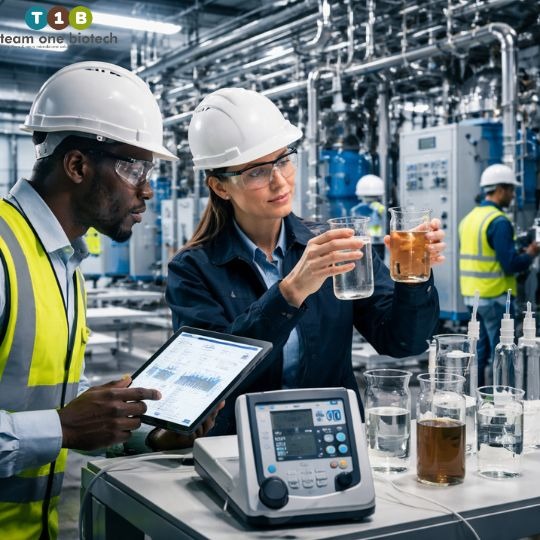
Septic Tank Treatment: How to Eliminate Pumping and Foul Odours Permanently

There is a particular kind of dread that facility managers know well. It is the dread of walking into your own property and smelling something before you see it.

It does not matter how well your rooms are turned, how polished your lobby floors are, or how carefully your operations are run day to day. The moment a guest catches that faint but unmistakable trace of a failing septic system in a corridor, near a restroom, or worse, in a dining area, the experience is over. Not just for that guest, but for everyone they will ever tell about it.

India’s hospitality and commercial food service sector runs on reputation. A luxury hotel in Bangalore, a fine-dining restaurant in Mumbai, a managed corporate campus in Gurugram, these are businesses built on the promise of a controlled, clean, comfortable environment. When the sanitation infrastructure underneath that promise begins to fail, it does not send a warning; instead, as detailed in The Ultimate FOG Management & Septic Health Guide for Commercial Facilities, it announces itself, loudly and at the worst possible moment.

What makes this so frustrating for the people responsible for these facilities is that septic failures are almost always predictable. They do not happen overnight. They build slowly, layer by layer, inside drainage lines and underground tanks, over weeks and months, until the accumulated effect of doing nothing proactive becomes impossible to ignore.

And yet, most commercial facilities across India continue to handle their septic infrastructure the same way they always have. Call the tanker, pump the tank, pay the bill, and wait for the problem to return. Which it always does.

Why Pumping Your Septic Tank Is Not the Same as Maintaining It

If you manage a commercial property in India, the cycle is familiar. The tank fills. The smell creeps in. You call the contractor. The tanker clears the system and drives away. For a few weeks, everything seems fine. Then it starts again.

That is not a maintenance programme. That is a holding pattern, one that keeps your facility functional on the surface while the underlying problem continues to build.

What Is Actually Happening Inside an Unmanaged Septic Tank

Inside a septic tank that is only being emptied periodically, organic solids accumulate steadily between pump-outs. Anaerobic bacteria dominate the biological environment inside the tank, and the byproducts of that anaerobic activity, primarily hydrogen sulphide and methane, build up continuously. These gases are the direct source of that sewage smell that seems to seep into corridors, service areas, and restrooms regardless of how often the space is cleaned. No surface spray or air freshener gets near what is being generated underground.

Over time, managing a septic system purely through mechanical pumping does not just create an odour problem. It creates a set of compounding operational risks:

  • Persistent hydrogen sulphide generation that no deodoriser or masking product can neutralise at the source. The smell keeps returning because the process producing it has never been addressed.
  • Underground drainage connections that deteriorate progressively and quietly, showing up eventually as emergency situations rather than items on a scheduled maintenance list.
  • Wastewater discharge with elevated BOD and COD levels that puts you in real compliance exposure territory under CPCB and State Pollution Control Board norms, particularly as enforcement activity increases in metro municipalities.
  • Gradual infrastructure deterioration that adds to long-term capital replacement costs without ever appearing as a line item until something fails.
  • The constant background risk of a backup or overflow during a health inspection, a high-occupancy period, or a formal event, which is precisely when you can least afford it.

Mechanical pumping removes what has accumulated on the day the tanker arrives. It does nothing to change the biological conditions inside the tank that will reproduce the same situation within weeks.

The Real Cost of Doing Nothing Different

For a hotel managing multiple residential blocks, staff accommodation, and banquet infrastructure, the honest annual cost of a purely reactive approach is considerably higher than most finance teams realise. Add up scheduled pump-outs across the year, emergency callout fees, periodic compliance-related expenditure, and any infrastructure repair costs that get attributed to other budget lines, and the number tends to be surprising. That is before you try to put a figure on what a public odour complaint or an unannounced inspection costs in terms of both revenue and brand standing.

How Bioremediation Works, and Why It Produces a Different Result

Moving from mechanical pumping to biological treatment is not a change of contractor. It is a change in how you think about the problem, from removing waste after it accumulates to breaking it down continuously before it can.

Bioremediation introduces carefully selected strains of beneficial bacteria and enzymes directly into the septic tank environment. These are not off-the-shelf cultures. They are specific microbial strains chosen for their ability to metabolise the complex organic solids, proteins, and waste compounds that build up inside commercial septic systems, converting them continuously into water, carbon dioxide, and trace mineral byproducts.

The word that matters most here is continuously. A well-established biological treatment system does not create a brief window of cleanliness before accumulation starts again. It works around the clock, every day, regardless of what service period your facility is running.

Why Indian Operating Conditions Demand an India-Specific Solution

This point gets far less attention than it deserves when Indian facility managers evaluate biological treatment products, most of which are either imported or formulated for operating environments that look nothing like a commercial property in India.

Temperature has a direct and significant effect on microbial performance. Bacterial cultures have optimal activity ranges, and the overwhelming majority of bioremediation formulations developed for European or North American markets are calibrated for ambient temperatures that are well below what facilities in Chennai, Hyderabad, Ahmedabad, or Delhi experience for most of the year. When temperatures climb regularly into the 38 to 45 degree Celsius range, standard imported cultures lose efficacy quickly or shift into metabolic states where their organic degradation performance drops significantly.

Team One Biotech’s microbial formulations are developed specifically for Indian conditions. They are tested for stability and consistent performance across the full temperature range encountered across Indian geographies and seasons, from the cooler winters of northern India to the sustained heat of a peninsular summer. This is not a minor technical detail. It is the difference between a product that looks good in a specification sheet and one that actually performs inside your facility month after month.

What the Treatment Process Actually Looks Like

The process begins with a site-level assessment. The technical team evaluates your tank sizing, drainage configuration, daily usage volumes, and the current organic load the system is carrying. From that assessment, a dosing protocol is developed that is matched to the specific wastewater profile of your property rather than a generic average.

An initial establishment period follows, during which the bacterial colonies build and stabilise within the tank environment. After that, a low-intensity ongoing maintenance dosing schedule sustains biological activity and prevents re-accumulation from taking hold.

There is no operational disruption involved. The system simply begins working and continues working in the background, without demanding the same recurring attention that a purely mechanical approach requires.

Septic Odour Is Not a Housekeeping Issue. It Is a Brand Issue.

In the luxury and upper-midscale hospitality segment, this needs to be said directly. A guest who encounters sewage odour anywhere on your property does not classify it as a minor inconvenience. They classify it as evidence that the property is not operating at the standard they paid for. And increasingly, they document it online, where the record sits permanently on a platform that your future guests will check before they book.

Why Chemical Masking Products Are Not a Strategy

The sprays, blocks, gels, and liquid deodorisers that many properties rely on as their first line of response do one thing: they add a smell to cover another smell. The anaerobic decomposition generating hydrogen sulphide and ammonia inside the tank continues completely unaffected while the masking product disperses into the air above it. This is a cosmetic response to a biological problem. It addresses nothing at the source, and it has a shelf life measured in hours.

Bioremediation resolves the odour by resolving the condition that produces it. When the anaerobic biological activity inside a septic tank is displaced by an active, functioning aerobic microbial community, hydrogen sulphide generation drops substantially. The smell does not return because the process responsible for it has been interrupted at a biological level, not papered over at a surface level.

For a hotel general manager managing guest complaints about corridor smells, or a facility director watching review scores trend in the wrong direction without an obvious cause, this is not a subtle distinction. It is the difference between a problem that cycles back every few weeks and one that is genuinely under control.

The Financial Case for Biological Septic Treatment

What You Are Currently Spending Without Realising It

A mid-scale commercial property managing its septic infrastructure under a purely mechanical model carries a set of recurring costs that rarely get looked at together. Scheduled pump-outs throughout the year. Emergency callout fees for the backup events that mechanical maintenance does not prevent. Periodic compliance expenditure when discharge standards are not met. Infrastructure repair costs that show up under various budget categories but trace back to the same underlying neglect.

When these are added up honestly, the total tends to be considerably higher than the line item for scheduled pumping alone suggests.

What Facilities Report After Making the Transition

Businesses that have moved from mechanical pumping to a biological treatment programme typically report total sanitation maintenance costs in the range of 30% to 60% of what they were previously spending on equivalent functions. Please note that these are general estimates and actual outcomes will vary based on tank conditions, influent characteristics, facility size, and local operating environment.

The reduction in direct cost is, in most cases, the smaller part of the story. The more significant change is the reduction in unpredictable expenditure. Emergency callouts, compliance penalties, and unplanned operational disruptions are difficult to budget for precisely because their timing is not in your control. A biological treatment programme does not just reduce what you spend. It makes what you spend far more predictable.

For any finance or operations team working to bring overhead costs under tighter control without compromising service delivery, that shift from unpredictable to managed is worth something well beyond the direct line item saving.

Why a Single Solution Does Not Work Across All of India

A facility management company running commercial properties across Delhi, Kochi, and Pune is not dealing with a single sanitation challenge. It is dealing with three distinct ones, each shaped by its own municipal sewage infrastructure, its own seasonal temperature profile, its own State Pollution Control Board requirements, and its own wastewater composition driven by the nature and volume of operations at each site.

Generic biological products are not built for this reality. They are built on the assumption of a standardised operating environment that simply does not exist across India’s commercial landscape.

How Team One Biotech Approaches Site-Specific Treatment

Team One Biotech begins every new client engagement with a site assessment before any treatment recommendation is made. The technical team looks at local wastewater characteristics, seasonal temperature ranges, drainage infrastructure type and age, daily usage volumes, and applicable local compliance requirements. The protocol that comes out of that process is calibrated for the specific conditions of your property, not for a theoretical average that may bear little resemblance to what your facility actually deals with.

This approach takes more time upfront than ordering from a product catalogue. The results it produces reflect that additional rigour.

The Choice in Front of You

Facilities that continue relying on mechanical pump-outs as their primary septic management approach are not choosing the cost-effective option. They are deferring a change that will eventually become unavoidable, through rising maintenance costs, a compliance event, or a reputational situation that makes the status quo impossible to defend.

The biological treatment technology that breaks the pumping cycle permanently, eliminates septic odours at their source, and converts sanitation from an operational liability into a managed cost line is not a future development. It is available today and in active use across hotels, corporate campuses, and managed commercial facilities throughout India.

Team One Biotech offers a no-obligation site audit for commercial properties anywhere in India. It is a practical technical conversation covering your current infrastructure, your compliance exposure, and what a treatment programme built specifically for your facility would look like.

If you are ready to stop managing the same problem on a repeating schedule and start actually resolving it, reach out to Team One Biotech today. The audit costs nothing. What it tells you might change how your facility operates for good.

Looking to improve your ETP/STP efficiency with the right bioculture?
Talk to our experts at Team One Biotech for customised microbial solutions.

Contact+91 8855050575

Email:  sales@teamonebiotech.com

Visit: www.teamonebiotech.com

Discover More on YouTube – Watch our latest insights & innovations!-

Connect with Us on LinkedIn – Stay updated with expert content & trends!
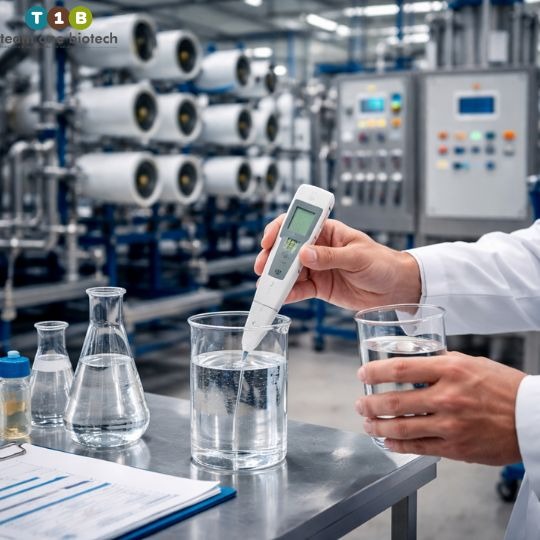
Scan the code