Why Biological Septic Treatment Works Better Than Chemicals
Why Biological Septic Tank Treatment Works Better Than Chemicals

It’s a Sunday morning, and you’re preparing for a family gathering. Suddenly, that unmistakable foul odor wafts through your home. Your septic tank has overflowed, again. The plumber quotes ₹15,000 for an emergency pump-out, your guests are arriving in hours, and you’re left wondering why this keeps happening despite regular chemical treatments.

If this scenario sounds painfully familiar, you’re not alone. Thousands of Indian homeowners face recurring septic tank nightmares, pouring harsh chemicals down their drains hoping for a miracle cure. But what if the very solution you’re using is actually making the problem worse?

The Hidden Crisis in India’s Septic Systems

The Hidden Crisis in India's Septic Systems

India faces a unique septic tank challenge. With over 62% of urban households and nearly 90% of rural homes relying on onsite sanitation systems, septic tank management has become a critical concern. The Central Pollution Control Board reports that improperly maintained septic systems contribute significantly to groundwater contamination and soil pollution across the country.

The problem intensifies in regions with water scarcity, high ambient temperatures, and varied waste composition typical of Indian households. Add to this the common practice of disposing cooking oil, leftover food, and non-biodegradable items into household drains, and you have a recipe for septic disaster.

How Your Septic Tank Actually Works

Before we dive into why biological treatments outperform chemicals, let’s understand the natural cleaning process your septic tank relies on.

Your septic system is essentially a living ecosystem. Inside the tank, billions of beneficial bacteria break down organic waste through a process called anaerobic digestion. These microscopic workers decompose solids, convert waste into gases and liquids, and maintain the delicate balance needed for proper functioning.

When this bacterial colony thrives, your septic tank operates efficiently with minimal odor, proper drainage, and reduced need for pump-outs. When it’s disrupted, problems cascade quickly.

Why Chemical Treatments Fail: The Uncomfortable Truth About Septic Tank Treatment

Why Chemical Treatments Fail: The Uncomfortable Truth About Septic Tank Treatment

The Immediate Gratification Trap

Chemical septic tank cleaners promise quick fixes. They fizz, they bubble, they seem powerful. Marketing claims suggest they’ll “blast away” blockages and eliminate odors instantly. For Indian consumers seeking immediate relief from septic problems, this appeal is understandable.

But here’s what manufacturers won’t tell you: chemical treatments provide temporary relief while creating long-term damage.

How Chemicals Destroy Your Septic Ecosystem

Chemical cleaners typically contain harsh compounds like:

  • Caustic soda (sodium hydroxide): Burns through organic matter but also kills beneficial bacteria
  • Sulfuric acid: Dissolves blockages but corrodes tank walls and pipelines
  • Chlorine bleach: Disinfects but eliminates the bacterial colonies essential for waste breakdown
  • Synthetic detergents: Create foam and destroy the natural separation of solids and liquids

When these chemicals enter your septic tank, they indiscriminately kill bacteria, both harmful and beneficial. This creates a sterile environment where waste decomposition stops completely. The result? Faster solid accumulation, frequent backups, and the need for more frequent (and expensive) pump-outs.

The Environmental Cost India Can’t Afford

Chemical septic treatments don’t just harm your tank, they contaminate the environment. In India, where groundwater supplies 85% of drinking water in rural areas, the stakes are particularly high.

These chemicals eventually leach into the soil, poisoning groundwater reserves. They kill beneficial soil microorganisms, disrupt local ecosystems, and contribute to the very pollution problems India is working hard to address through initiatives like Swachh Bharat Mission and National Mission for Clean Ganga.

Ready to switch to an eco-friendly solution? Explore Team One Biotech’s range of biological septic tank treatments designed specifically for Indian conditions.

The Biological Treatment Advantage: Nature’s Intelligent Solution

The Biological Treatment Advantage: Nature's Intelligent Solution

What Are Biological Septic Tank Treatments?

Biological treatments, also called bio-enzyme or microbial treatments, harness the power of naturally occurring bacteria and enzymes to break down waste. Unlike chemicals that kill bacteria, biological solutions introduce beneficial microbial strains specifically selected for their waste-digesting capabilities.

Team One Biotech’s formulations contain specially cultured bacteria strains that:

  • Rapidly multiply in septic conditions
  • Break down complex organic compounds including fats, oils, and greases (FOG)
  • Reduce solid accumulation by up to 50%
  • Eliminate odor-causing compounds at the source
  • Restore and maintain the septic tank’s natural bacterial balance

Why Biological Treatment Works Better: The Science

1. Sustainable Waste Reduction

Biological treatments don’t just mask problems, they solve them at the molecular level. Enzymes produced by beneficial bacteria break down complex proteins, starches, cellulose, and fats into simpler compounds that can be easily processed.

This means:

  • Less solid accumulation: Reducing pump-out frequency from yearly to once every 3-5 years
  • Improved drainage: Unclogged drain fields and leach pits that function properly
  • Reduced maintenance costs: Fewer emergency calls and repairs

2. Self-Sustaining Bacterial Colonies

Once established, beneficial bacteria reproduce naturally within your septic system. Each application strengthens the microbial population, creating a self-sustaining ecosystem that continues working 24/7 without constant human intervention.

This is particularly valuable for Indian households where:

  • Water supply may be intermittent
  • Septic systems handle diverse waste types (kitchen waste, bathwater, toilet waste)
  • High temperatures accelerate bacterial activity, enhancing treatment efficiency

3. Odor Elimination, Not Masking

Chemical treatments often use fragrances to cover septic odors. Biological treatments eliminate odor at the source by breaking down sulfur compounds and other odor-causing substances through natural enzymatic action.

No more embarrassing smells wafting through your compound during family functions or when guests visit.

4. Environmental Harmony

Biological treatments align with India’s environmental goals. They’re completely safe for:

  • Groundwater reserves
  • Soil health
  • Local flora and fauna
  • Human contact

These solutions actually improve soil quality in the drain field area, unlike chemicals that create dead zones where nothing grows.

Concerned about your septic tank’s environmental impact? Discover how Team One Biotech’s bio-enzyme solutions protect your home and the planet.

Chemical vs. Biological: The Definitive Comparison

Performance Metrics

Factor Chemical Treatment Biological Treatment
Odor Control Temporary masking Permanent elimination
Solid Reduction Minimal to none 40-60% reduction
Bacterial Health Destroys beneficial bacteria Enhances bacterial colonies
Drainage Efficiency Short-term improvement Long-term optimization
Pump-out Frequency Every 6-12 months Every 3-5 years
Clog Prevention Ineffective Highly effective

Cost Analysis: The 5-Year Perspective

Let’s look at the real costs for a typical Indian household with a 2,000-liter septic tank:

Chemical Treatment Approach (5 years):

  • Monthly chemical treatments: ₹500 × 60 months = ₹30,000
  • Annual pump-outs: ₹12,000 × 5 years = ₹60,000
  • Emergency plumber calls: ₹5,000 × 3 incidents = ₹15,000
  • Total: ₹1,05,000

Biological Treatment Approach (5 years):

  • Initial bioculture dose: ₹2,500
  • Monthly maintenance doses: ₹300 × 60 months = ₹18,000
  • Pump-outs (reduced frequency): ₹12,000 × 2 = ₹24,000
  • Emergency calls: ₹0 (preventive approach eliminates emergencies)
  • Total: ₹44,500

Savings with biological treatment: ₹60,500 over 5 years

This analysis doesn’t even account for the avoided costs of pipeline repairs, tank damage, or property value depreciation from recurring septic issues.

Environmental Impact Comparison

Chemical Treatments:

  • Release toxic compounds into groundwater
  • Kill beneficial soil microorganisms
  • Corrode septic infrastructure
  • Contribute to water pollution
  • May violate pollution control board guidelines

Biological Treatments:

  • 100% biodegradable and eco-friendly
  • Enhance soil microbial diversity
  • Safe for groundwater and surface water
  • Support India’s Swachh Bharat objectives
  • Compliant with environmental regulations

Addressing Common Myths and Concerns

Myth 1: “Biological treatments take too long to work”

Reality: While chemical treatments may show immediate (but temporary) results, properly formulated biological treatments like those from Team One Biotech begin working within 48-72 hours. Initial colonization happens quickly, with full system optimization occurring within 2-3 weeks of regular use.

Myth 2: “Bio-enzymes can’t handle Indian cooking waste”

Reality: Indian cuisine’s rich use of oils, spices, and complex ingredients actually makes biological treatment MORE necessary. Team One Biotech’s formulations include lipase enzymes specifically designed to break down cooking oils, ghee, and the high-fat content typical of Indian household waste.

Myth 3: “Biological treatments are expensive”

Reality: As our cost analysis shows, biological treatments cost significantly less over time. The upfront investment pays for itself within the first year through reduced pump-out frequency alone.

Myth 4: “Chemicals work faster in emergencies”

Reality: In actual emergencies (severe backups or blockages), neither chemicals nor biological treatments are the answer, you need professional pump-out services. The key is preventing emergencies through regular biological treatment, not responding to them with harsh chemicals.

Have questions about switching to biological treatment? Contact Team One Biotech’s experts for personalized septic system guidance.

The Indian Context: Why Biological Solutions Are Essential Here

India’s septic challenges differ from Western countries in several critical ways:

1. Water Scarcity and Conservation

Many Indian regions face water shortages, meaning septic systems must function efficiently with less water flow. Biological treatments enhance bacterial activity even in low-water conditions, while chemicals become more concentrated and damaging when diluted less frequently.

2. High Ambient Temperatures

India’s tropical and subtropical climate actually benefits biological treatments. Beneficial bacteria thrive in warm conditions (25-40°C), accelerating waste breakdown. This natural advantage is wasted when chemicals kill these heat-loving microorganisms.

3. Diverse Waste Composition

Indian households generate unique waste streams, think turmeric-stained water, coconut oil residues, food scraps from cooking, and ritual/pooja materials. Biological treatments with diverse enzyme profiles handle this complexity far better than one-size-fits-all chemical solutions.

4. Regulatory Compliance

State Pollution Control Boards across India increasingly scrutinize household wastewater management. Biological treatments help homeowners stay compliant with environmental regulations, while chemical treatments may violate groundwater protection standards.

5. Community Water Sources

In both rural and urban India, community wells and borewells remain common. Contamination from one household’s chemical septic treatment can affect dozens of families. Biological solutions protect these shared resources.

Making the Switch: Your Step-by-Step Transition Guide

Ready to move from chemicals to biological treatment? Here’s how to transition smoothly:

Step 1: Stop Chemical Additions

Discontinue all chemical septic tank additives immediately. Allow 2-3 weeks for residual chemicals to clear from your system.

Step 2: Initial System Assessment

Have your tank inspected or pumped if it hasn’t been serviced in over a year. Starting with a relatively clean tank optimizes biological colonization.

Step 3: Introduce Biological Treatment

Apply Team One Biotech’s initial shock dose according to your tank size. This establishes a robust bacterial colony quickly.

Step 4: Establish Maintenance Schedule

Begin monthly maintenance doses to sustain bacterial populations. Set phone reminders so you never miss a treatment.

Step 5: Monitor and Adjust

Observe improvements in drainage, odor, and system performance. Most homeowners notice significant changes within the first month.

Ready to make the switch today? Order Team One Biotech’s complete septic care starter kit with everything you need for successful transition.

Best Practices for Maximum Biological Treatment Effectiveness

Best Practices for Maximum Biological Treatment Effectiveness

To get the most from your biological septic treatment:

Do:

  • Apply treatments regularly as recommended
  • Use septic-safe toilet paper and cleaning products
  • Spread out laundry loads throughout the week
  • Fix leaky faucets that overload the system
  • Dispose of food scraps in compost, not drains

Don’t:

  • Pour cooking oil or grease down drains
  • Flush medications, feminine hygiene products, or diapers
  • Use antibacterial soaps excessively (they kill beneficial bacteria)
  • Plant trees with aggressive roots near the drain field
  • Ignore warning signs like slow drainage or gurgling sounds

Team One Biotech: Your Partner in Sustainable Septic Care

As India’s leading bioremediation solutions provider, Team One Biotech understands the unique challenges Indian homeowners face. Our biological septic tank treatments are:

  • Scientifically formulated for Indian conditions and waste profiles
  • Quality-tested in diverse climatic zones across the country
  • Eco-certified and compliant with pollution control standards
  • Proven effective in thousands of households from Kerala to Punjab
  • Backed by expert support from our team of environmental scientists

We don’t just sell products, we provide complete septic care solutions that protect your home, your wallet, and our shared environment.

The Choice Is Clear

The debate between chemical and biological septic tank treatment isn’t really a debate at all, it’s a choice between short-term thinking and long-term wisdom.

Chemical treatments offer the illusion of a quick fix while systematically destroying your septic system and harming the environment. They cost more, work less effectively, and create problems that cascade over time.

Biological treatments work with nature, not against it. They establish sustainable waste management that improves with each application, costs less over time, and protects the groundwater resources India desperately needs to preserve.

For Indian homeowners juggling the demands of modern life, biological septic treatment isn’t just the better choice, it’s the only choice that makes sense economically, practically, and environmentally.

Your septic system doesn’t need harsh chemicals to function properly. It needs what it was designed to work with all along: thriving communities of beneficial bacteria doing what they do best, breaking down waste naturally and efficiently.

Stop fighting your septic system with chemicals. Start supporting it with biology.

Protect Your Home and Environment

Don’t wait for the next septic emergency to make a change. Transition to Team One Biotech’s biological septic treatment solutions now and experience the difference that science-backed, nature-aligned care makes.

Visit Team One Biotech’s online store to explore our complete range of biological septic treatments, or contact our septic care specialists for personalized recommendations based on your tank size, household size, and regional conditions.

Join thousands of satisfied Indian homeowners who’ve discovered that working with nature, not against it, is always the smarter path forward.

Team One Biotech: Pioneering Bioremediation Solutions for a Cleaner, Greener India

Looking to improve your ETP/STP efficiency with the right bioculture?
Talk to our experts at Team One Biotech for customised microbial solutions.

Contact+91 8855050575

Email:  sales@teamonebiotech.com

Visit: www.teamonebiotech.com

Discover More on YouTube – Watch our latest insights & innovations!-

Connect with Us on LinkedIn – Stay updated with expert content & trends!
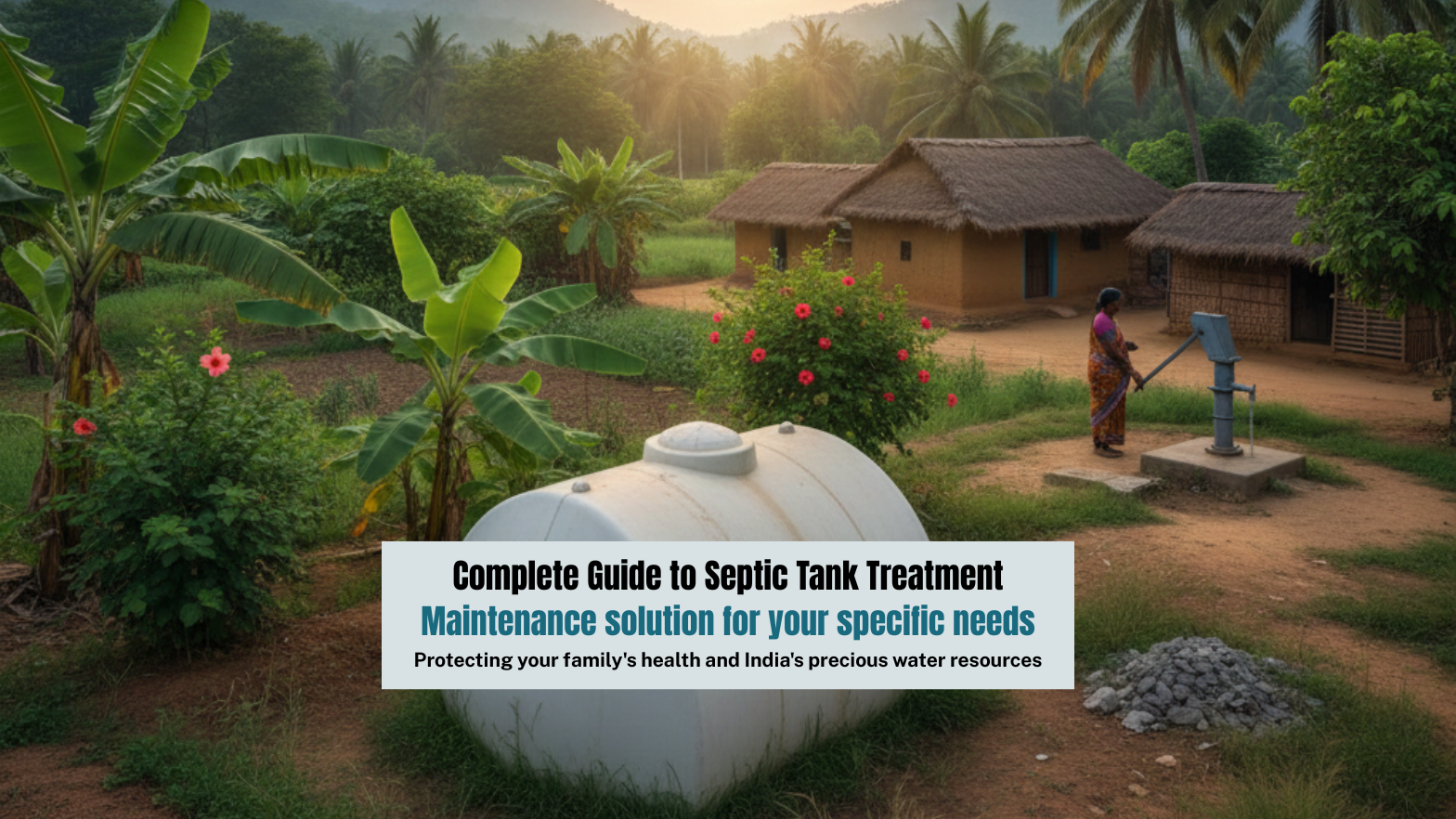
Complete Guide to Septic Tank Treatment in India: Everything You Need to Know

If you’ve ever dealt with a blocked septic tank during the monsoon season or faced the embarrassment of foul odors wafting from your property, you’re not alone. Millions of Indian households and businesses struggle with septic tank maintenance, often waiting until a crisis forces their hand. But here’s the truth: proper septic tank treatment isn’t just about avoiding unpleasant situations. It’s about protecting your family’s health, preserving groundwater quality, and being a responsible citizen in a country where water scarcity is becoming increasingly critical.

This comprehensive guide will walk you through everything you need to know about septic tank treatment in India, from understanding how your system works to choosing the right maintenance solution for your specific needs.

Understanding Your Septic Tank: The Basics

Understanding Your Septic Tank: The Basics

Before we dive into treatment options, let’s understand what’s actually happening beneath your property.

A septic tank is essentially a watertight chamber that collects and partially treats household wastewater. In India, where municipal sewage systems don’t reach every corner, approximately 60-70% of urban households and nearly all rural properties rely on septic systems.

Here’s how it works: wastewater from your toilets, bathrooms, and kitchen flows into the tank. Solid waste settles at the bottom forming sludge, oils and grease float to the top as scum, and the middle layer of relatively clear water flows out into a drain field or soakpit. Naturally occurring bacteria break down the organic matter, but this process needs help to work efficiently.

Why Septic Tank Treatment Matters in India

The Indian context makes septic tank maintenance particularly crucial. Our tropical climate, with its intense heat and heavy monsoons, accelerates the breakdown of waste but also increases the risk of overflow and contamination. The diverse soil conditions across different regions, from clay-heavy soils in the Deccan to sandy coastal areas, affect how well septic systems function.

Consider these sobering facts: improperly maintained septic tanks are one of the leading causes of groundwater contamination in India. When your septic system fails, untreated sewage can seep into the water table, affecting not just your drinking water but your entire neighborhood’s water supply. The economic cost of septic tank emergencies, including manual cleaning, repairs, and health issues, often runs into tens of thousands of rupees.

Common Septic Tank Problems in Indian Households

Common Septic Tank Problems in Indian Households

Foul Odors

That unmistakable sewage smell around your property is more than just unpleasant. It indicates that your septic tank bacteria are struggling to break down waste efficiently, or that gases aren’t venting properly.

Slow Draining and Backups

When water takes forever to drain from your sinks or toilets, or worse, sewage backs up into your home, your septic tank is crying out for attention. This often happens because the tank is full, the drain field is clogged, or excessive sludge has accumulated.

Overflow During Monsoons

The rainy season is when most septic emergencies occur. Excess rainwater can overwhelm your system, especially if it’s already struggling with poor bacterial action or accumulated sludge.

Rapid Sludge Accumulation

Indian cooking generates significant grease and oil, which can quickly build up in septic tanks. Combined with our water usage patterns, this leads to faster-than-normal sludge accumulation.

Types of Septic Tank Treatment Solutions

Chemical Treatments

Chemical septic tank treatments have been around for decades, but proceed with caution. While they might offer quick fixes, many chemical products can actually harm the beneficial bacteria in your tank. Some treatments marketed in India contain harsh acids or bases that can corrode your septic system and contaminate groundwater.

The verdict: Not recommended for regular use, especially in environmentally sensitive areas.

Biological Treatments: The Smart, Sustainable Choice

Biological or bacterial treatments represent the future of septic tank maintenance in India. These solutions introduce specialized bacteria and enzymes that supercharge your tank’s natural waste breakdown process.

Here’s why biological treatments work so well in Indian conditions:

  • They accelerate the decomposition of organic matter, reducing sludge buildup by up to 60%
  • They help break down oils, grease, and food waste common in Indian households
  • They reduce foul odors by eliminating the source, not masking it
  • They’re environmentally safe and won’t contaminate groundwater
  • They reduce the frequency of manual cleaning, saving you money and sparing workers from hazardous conditions

Team One Biotech specializes in advanced biological septic tank treatments formulated specifically for Indian wastewater conditions. Our solutions contain carefully selected bacterial strains that thrive in tropical climates and effectively handle the unique composition of Indian household waste.

Mechanical Cleaning

Manual or mechanical cleaning involves physically removing accumulated sludge. While necessary periodically, it’s expensive, unpleasant, and potentially hazardous for workers. Regular biological treatment can extend the time between cleanings from annually to once every 3-5 years.

How to Choose the Right Septic Tank Treatment

How to Choose the Right Septic Tank Treatment

When selecting a septic tank treatment for your property, consider these factors:

Tank Size and Household Size

A joint family home in Delhi with 8-10 people generates far more wastewater than a nuclear family of four in Pune. Choose products with appropriate dosage instructions for your specific situation.

Water Usage Patterns

Do you use washing machines daily? Run a home-based business? Host frequent gatherings? Higher water usage requires more robust bacterial treatment.

Climate Considerations

Coastal areas with high humidity need different treatment approaches than drier inland regions. Bacterial formulations should be suited to your local temperature and moisture conditions.

Soil and Groundwater Conditions

If you’re in an area with high water tables or poor soil drainage, protecting your drain field becomes even more critical.

Environmental Responsibility

Always choose treatments that are certified safe for the environment. In India, where water resources are under stress, this isn’t optional.

Step-by-Step Guide to Maintaining Your Septic Tank

Monthly Treatment

Add biological treatment products as directed, typically through your toilet. This maintains optimal bacterial levels and prevents problems before they start.

Quarterly Inspection

Check for signs of problems: soggy areas near your drain field, slow drains, or odors. Catching issues early saves money and headaches.

Annual Professional Assessment

Have a professional inspect your system annually, checking sludge levels and overall tank condition.

What to Avoid

Never flush these down your drains:

  • Cooking oils and grease
  • Sanitary napkins or diapers
  • Cigarette butts
  • Chemicals or paint
  • Coffee grounds
  • Medications
  • Excessive amounts of harsh cleaning chemicals

The Environmental Impact: Your Role in India’s Water Future

The Environmental Impact: Your Role in India's Water Future

Here’s something most people don’t realize: your septic tank decisions impact far more than just your property.

India faces severe water challenges. With 70% of our surface water contaminated and groundwater levels dropping alarmingly, every action counts. Properly maintained septic systems prevent pathogens and nutrients from leaching into groundwater, protecting the very source of water your family depends on.

By choosing biological septic tank treatments and maintaining your system properly, you’re not just solving a household problem. You’re contributing to a larger solution, protecting community health, and preserving water resources for future generations.

Cost Analysis: Investment vs. Emergency Expenses

Let’s talk numbers. A quality biological septic tank treatment costs between Rs. 500-1,500 per month, depending on your tank size. That’s Rs. 6,000-18,000 annually.

Compare this to:

  • Emergency manual cleaning: Rs. 5,000-15,000 per incident
  • Septic system repairs: Rs. 20,000-100,000
  • Health issues from contaminated water: Incalculable
  • Property value loss from septic problems: Significant

The math is simple: preventive maintenance through biological treatment is far more economical than dealing with emergencies.

Team One Biotech: Your Partner in Septic Tank Care

At Team One Biotech, we’ve spent years developing bioremediation solutions specifically for Indian conditions. Our septic tank treatments contain powerful bacterial consortiums that handle everything from high-grease Indian cuisine waste to the challenges of tropical climates.

We don’t just sell products. We provide complete solutions:

  • Expert consultation for your specific situation
  • Customized treatment plans based on your household needs
  • Ongoing support and guidance
  • Environmentally responsible formulations
  • Proven results across thousands of installations nationwide

Ready to solve your septic tank problems permanently?

Don’t wait for the next monsoon to flood your system or for embarrassing odors to drive away guests. Take control of your septic tank maintenance today.

Contact Team One Biotech now for a free consultation. Our experts will assess your situation and recommend the perfect solution for your property. Visit our website or call us to learn how our biological treatments can save you money, protect the environment, and give you complete peace of mind.

Final Thoughts

Septic tank maintenance might not be the most glamorous topic, but it’s one of the most important responsibilities of property ownership in India. With the right approach, proper biological treatment, and regular maintenance, your septic system can function efficiently for decades while protecting your family’s health and India’s precious water resources.

The choice is yours: reactive emergency management or proactive, intelligent maintenance. We know which one makes more sense.

Transform your septic tank from a ticking time bomb into a properly functioning waste treatment system. Choose Team One Biotech’s biological solutions today.

Looking to improve your ETP/STP efficiency with the right bioculture?
Talk to our experts at Team One Biotech for customised microbial solutions.

Contact+91 8855050575

Email:  sales@teamonebiotech.com

Visit: www.teamonebiotech.com

Discover More on YouTube – Watch our latest insights & innovations!-

Connect with Us on LinkedIn – Stay updated with expert content & trends!

Why Your Septic Tank Needs Beneficial Bacteria A Complete Guide (1)
Beneficial Bacteria for Septic Tanks: A Complete Guide

Why Your Septic Tank Needs Beneficial Bacteria: A Complete Guide to Microbial Balance, Maintenance Practices, and Modern Biological Treatment Solutions

Maintaining a septic tank is not just about periodic cleaning or pumping; it is about preserving the biological ecosystem inside it. A septic tank works effectively only when beneficial bacteria are present in healthy populations and actively breaking down organic waste. When these microbial communities are disturbed, septic systems begin to fail — resulting in foul odors, sludge accumulation, frequent blockages, and higher operational costs.

This detailed guide explains how beneficial bacteria function inside septic systems, what disrupts them, the difference between chemical and biological treatments, and how biological septic tank cleaner bacteria powders such as T1B Septic Tank Cleaner Bacteria Powder can restore microbial balance for sustainable, low-maintenance septic performance.


Understanding the Biological Foundation of Septic Tank Functioning

A septic tank is essentially a biological wastewater treatment chamber. When wastewater enters, it separates into layers:

Layer Description Role
Scum Floating oils, fats, and grease Needs bacterial digestion for reduction
Sludge Heavier solids settling at the bottom Digested by anaerobic bacteria
Effluent Partially treated water that flows to the soak pit Quality depends on microbial activity


The core function of the system relies on anaerobic bacteria that break down organic waste into simpler compounds. These microbes convert complex organic molecules into:

  • Water
  • Methane
  • Carbon dioxide
  • Organic acids
  • Biomass

This biodegradation process prevents rapid sludge accumulation and keeps the soak pit or drain field unclogged.

Without sufficient beneficial bacteria:

  • Waste does not decompose fully
  • Solid sludge accumulates rapidly
  • Odors intensify due to undigested organics
  • Drainage fields become blocked
  • Septic tank requires frequent manual cleaning

To understand the sanitation context further, refer to:
https://www.teamonebiotech.com/blog/sustainable-toilets-the-power-of-septic-tank-sanitation/


What Disrupts Beneficial Bacterial Populations?

Although bacteria occur naturally in septic systems, they are highly sensitive to chemicals and lifestyle habits.

Common household practices that destroy septic tank microbes include:

Disruptive Practice Why It’s Harmful
Use of bleach, phenyl, toilet disinfectants These chemicals kill microbial colonies entirely
Acid descalers used frequently Corrode tank surfaces and sterilize bacterial activity
Detergents with antibacterial additives Designed to inhibit microbial growth
Pouring of used cooking oil and fats Forms a layer that prevents oxygen and bacteria access
Flushing sanitary items, wipes, tissues These do not biodegrade and physically block the system

When beneficial microbes are destroyed, the septic tank shifts from biological processing to physical waste accumulation, leading to overload and failure.

Practical maintenance guidelines are discussed in:
https://www.teamonebiotech.com/blog/tips-for-maintaining-septic-tank/


Do Septic Tank Treatments Work? Biological vs Chemical Solutions

There is significant confusion in the market regarding septic tank cleaning solutions. Treatments can be categorized into:

Type of Treatment Function Impact
Chemical cleaners Break down or dissolve waste using acids or disinfectants Kill beneficial bacteria; short-term relief, long-term damage
Biological treatments (bacteria-based) Introduce beneficial microorganisms that digest waste Restore and strengthen natural waste breakdown

Chemical solutions harm septic tanks over time by sterilizing microbial communities.

Biological bacterial cultures, on the other hand, replenish and enhance natural decomposition, reducing sludge buildup sustainably.

For a comparative understanding, refer to:
https://www.teamonebiotech.com/blog/best-septic-tank-treatment-vs-pumping-whats-right-for-your-system/


How Beneficial Bacteria Improve Septic Tank Efficiency

When introduced correctly, septic tank bacteria can:

  • Accelerate waste breakdown
  • Reduce sludge volume
  • Eliminate foul odors
  • Improve soak pit and drain field performance
  • Extend the interval between cleanings and pumping
  • Lower maintenance costs significantly

A bacterial treatment works silently and continuously, unlike manual cleaning which only removes accumulated sludge temporarily.


Recommended Biological Treatment: T1B Septic Tank Cleaner Bacteria Powder

To restore lost or weakened microbial activity, T1B Septic Tank Cleaner Bacteria Powder introduces high-density, enzyme-producing bacterial strains specifically selected for septic waste digestion.

Key Advantages:

  • Breaks down sludge, fats, proteins, starches & cellulose
  • Reduces foul odor formation
  • Improves percolation in soak pits
  • Decreases cleaning frequency and costs
  • Safe, non-corrosive, and environmentally responsible


For a practical approach explanation, refer to:
https://www.teamonebiotech.com/blog/sanitation/septic-tank-cleaner-bacteria-the-smart-way-to-maintain-a-healthy-septic-system/


Recommended Treatment Application 

Tank Size Dosage per Application Frequency
500–1,000 Litres 50–100 g Every 15–30 days
1,500–3,000 Litres 100–200 g Every 15–30 days
Above 3,000 Litres / Institutions Customized dosing program Monthly or monitored

Application Tip:
Apply during evening hours and avoid using strong chemical cleaners for 12 hours after dosing to protect microbial activation.


How to Maintain a Healthy Bacterial Ecosystem in Your Septic Tank

Avoid Flushing:

  • Wet wipes, tissues, cotton balls
  • Sanitary napkins, condoms
  • Food waste, grains, fats, oils

Reduce or Replace:

  • Phenyl → Use non-chlorine cleaners
  • Bleach-based toilet cleaners → Use enzymatic or mild cleaners
  • Heavy detergent loads → Use paraben-free detergents

Regular Microbial Conditioning Helps:

  • Stabilize odor
  • Maintain drainage efficiency
  • extend septic system lifespan significantly


Growing Trend Toward Biological Septic System Management

Across residential projects, farmhouses, resorts, hotels, hospitals, schools, and urban-rural sanitation programs, there is rising adoption of bio-culture based solutions because they help:

  • Reduce manual cleaning dependency
  • Lower waste transport and dumping risks
  • Support sustainable groundwater protection
  • Enable safer sanitation systems

This aligns with India’s evolving environmental compliance and hygiene priorities.


Conclusion

A septic tank is not just a storage chamber-it is a living biological system.
Maintaining its beneficial bacterial environment is a key to long-lasting, efficient, and odour-free functioning.

By reducing harmful cleaning chemicals, avoiding non-biodegradable waste, and introducing bacterial biocultures regularly, households and institutions can achieve:

  • Cleaner sanitation outcomes
  • Lower operational expenses
  • Longer-lasting septic infrastructure
  • Reduced environmental burden

To restore microbial health and ensure sustainable septic system performance, consider leveraging bacterial-based septic treatment solutions such as:

👉 T1B Septic Tank Cleaner Bacteria Powder
 

As one of the leading biotech companies in India, we provide a sustainable product range across multiple verticals, including probiotics for aquaculture, biofertilizers and plant growth promoters, eco-friendly cleaning solutions, animal probiotics, and on-site consultation for biocultures for ETP and STP.

Email:  sales@teamonebiotech.com

Visit: www.teamonebiotech.com

Discover More on YouTube – Watch our latest insights & innovations!-

Connect with Us on LinkedIn – Stay updated with expert content & trends!

Septic Tank Cleaner Bacteria: The Smart Way to Maintain a Healthy Septic System

A well-functioning septic system is essential for maintaining hygiene and preventing foul odors, blockages, or sewage backups. The most effective way to ensure smooth septic tank performance is by using septic tank cleaner bacteria that naturally break down waste. If you are looking for a reliable biological solution for your septic system at home, commercial property, or institutional setup, Team One Biotech offers safe and effective microbial formulations.

What Makes Microbial Septic Tank Cleaners Better?

Traditional chemical cleaning solutions may reduce waste temporarily but often disturb the natural microbial balance inside the tank. Instead, using natural septic tank cleaner that contains beneficial septic tank bacteria helps maintain the biological ecosystem of the tank. These microbial cultures act as bioculture for wastewater treatment, breaking down organic matter, reducing odor, and preventing sludge accumulation.

This method supports sustainable septic system management without harming the environment.

How Septic Tank Cleaner Bacteria Work

Our microbial formulas contain specialized strains that act quickly to digest fats, oils, grease, paper, and organic waste. These septic tank bacteria powder and septic tank cleaning powder products start working immediately after application.

The bacteria release bioenzymes that:

  • Convert solid waste into simpler particles
  • Reduce sludge formation
  • Prevent blockages in pipelines
  • Maintain smooth wastewater flow

This biological action ensures continuous treatment, making it more effective than mechanical cleaning alone.

Odor Control Made Easy

Persistent foul smell is a common septic system complaint. Our microbial culture acts as a septic tank smell remover by naturally breaking down odor-causing compounds like hydrogen sulfide and ammonia. Instead of masking the smell, the bacteria eliminate its source.

Additional Application: Aquaculture Water Quality

Our microbial knowledge extends beyond domestic and commercial septic systems. We also offer probiotic for aquaculture solutions that improve pond water quality, enhance dissolved oxygen, and support healthier fish and shrimp culture. These probiotic for aqualculture blends maintain a balanced microbial environment, reducing ammonia levels and preventing harmful pathogens in aquatic systems.

This multi-application biotechnology approach shows how natural microbial solutions support both sanitation and sustainable aquaculture.

Why Choose Team One Biotech?

At Team One Biotech, our bioculture for wastewater treatment formulations are:

  • Scientifically tested
  • Highly stable and effective
  • Easy to apply (no machinery required)
  • Eco-friendly and safe
  • Suitable for homes, apartments, hotels, factories, and farms

We focus on building cleaner sanitation systems through nature-driven biotechnology.

Conclusion

Using eco-friendly septic tank cleaner bacteria is the smartest and most sustainable approach to maintaining a clean, odor-free, and efficient septic system. For residential and commercial properties, microbial bacteria-based septic cleaning is a reliable long-term solution.

As one of the leading biotech companies in India, we provide a sustainable product range across multiple verticals, including probiotics for aquaculture, biofertilizers and plant growth promoters, eco-friendly cleaning solutions, animal probiotics, and on-site consultation for biocultures for ETP and STP.

Email:  sales@teamonebiotech.com

Visit: www.teamonebiotech.com

Discover More on YouTube – Watch our latest insights & innovations!-

Connect with Us on LinkedIn – Stay updated with expert content & trends!

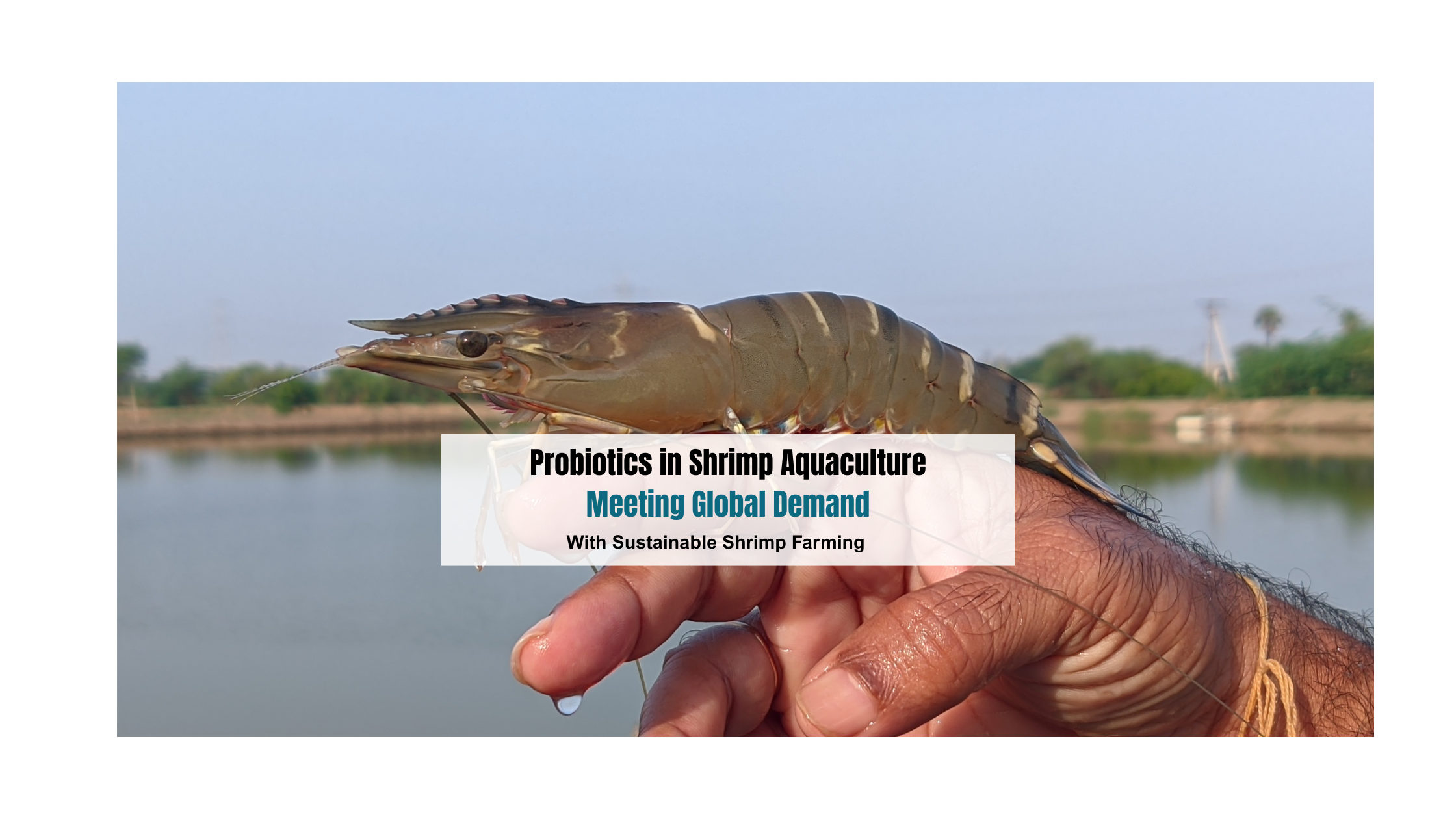
Probiotics in Shrimp Aquaculture: Meeting Global Demand Through Sustainable Farming and Modern Innovation

The global shrimp aquaculture industry is experiencing unprecedented growth, driven by rising consumer demand for sustainable seafood and protein-rich diets. As traditional fishing methods struggle to keep pace with population expansion, intensive shrimp farming has emerged as the solution to feed billions worldwide. Contact us to discover how we can transform your aquaculture operation with cutting-edge biotechnology solutions including advanced aquaculture probiotics.

The Rising Demand for Shrimp Production 

Shrimp farming has become one of the fastest-growing sectors in global food production. With worldwide seafood consumption increasing by 3.1% annually, aquaculture production now accounts for over 55% of all shrimp consumed globally. Countries across Asia, Latin America, and increasingly Africa are expanding their shrimp cultivation operations to meet this surging demand.

The shift from wild-caught to farm-raised shrimp represents a fundamental transformation in how we approach sustainable seafood production. Modern shrimp farms can produce consistent, high-quality harvests year-round, independent of seasonal variations that affect traditional fisheries. This reliability makes commercial shrimp farming an attractive investment for entrepreneurs and established agricultural businesses alike.

Technological Innovations Revolutionizing Shrimp Aquaculture 

Modern aquaculture technology is revolutionizing production through advanced systems and methodologies. Biofloc technology systems have emerged as game-changers, creating microbial communities that improve water quality while providing supplemental nutrition for shrimp. These systems reduce water usage by up to 90% compared to traditional methods, addressing critical environmental concerns.

Recirculating aquaculture systems (RAS) represent another breakthrough in intensive aquaculture. By continuously filtering and reusing water, RAS facilities can operate in land-locked areas far from coastal regions, opening new geographical markets for shrimp production. These controlled environments enable precise management of temperature, salinity, and oxygen levels—critical factors for optimal shrimp growth rates.

Precision water quality management systems equipped with IoT sensors and artificial intelligence provide real-time monitoring of ammonia, nitrite, pH, and dissolved oxygen levels. Early detection of parameter fluctuations allows farmers to take corrective action before stress impacts shrimp health and survival rates. This technological integration has increased production efficiency by 30-40% in advanced operations.

Disease Prevention and Biosecurity Excellence 

Disease management remains the most critical challenge in shrimp aquaculture. Pathogens like White Spot Syndrome Virus (WSSV), Early Mortality Syndrome (EMS), and Vibrio infections can devastate entire farms within days, causing millions in losses. Progressive farmers are implementing comprehensive biosecurity protocols that include quarantine procedures, water treatment, and restricted farm access.

The Revolutionary Role of Probiotics in Shrimp Farming 

Advanced shrimp probiotics have revolutionized disease prevention strategies and become indispensable tools for modern aquaculture operations. Probiotics for aquaculture are beneficial microorganisms—primarily Bacillus species, Lactobacillus, and beneficial yeasts—that colonize the shrimp gut and pond environment, creating a protective barrier against pathogenic bacteria.

Aquaculture probiotics work through multiple mechanisms: competitive exclusion of harmful bacteria, production of antimicrobial compounds, enhancement of digestive enzyme activity, and stimulation of the shrimp immune system. Studies show that probiotic supplementation can reduce mortality rates by 15-25% while improving feed conversion ratios by up to 20%.

Water probiotics applied directly to ponds accelerate the breakdown of organic waste, reducing toxic ammonia and nitrite levels that stress shrimp and make them susceptible to disease. These beneficial bacteria also outcompete Vibrio species and other opportunistic pathogens for nutrients and attachment sites, significantly reducing disease incidence.

Team One Biotech’s Advanced Probiotic Solutions 

At Team One Biotech, we’ve developed a comprehensive range of specialized probiotic products designed to address every aspect of shrimp aquaculture:

T1B Aqua S is our premium water treatment probiotic formulated specifically for pond environment management. This multi-strain formulation rapidly establishes beneficial microbial communities that maintain optimal water quality parameters, reduce pathogenic loads, and create a stable aquatic ecosystem. Regular application of T1B Aqua S significantly improves survival rates during critical growth phases.

T1B™ Acqua F is engineered for feed supplementation, delivering targeted beneficial bacteria directly to the shrimp digestive system. This feed-grade probiotic enhances nutrient absorption, improves gut health, and strengthens immune response. Farmers using T1B™ Acqua F consistently report improved feed conversion ratios and faster growth rates.

T1B™ Feed Pro represents our advanced nutritional enhancement solution, combining probiotics with essential enzymes and growth promoters. This comprehensive feed additive optimizes digestive efficiency, maximizes nutrient utilization, and supports robust shrimp development throughout the production cycle.

T1B™ Bio Floc is specifically formulated for biofloc technology systems, providing the precise bacterial strains needed to establish and maintain healthy floc communities. This specialized product accelerates organic matter conversion, maintains stable C:N ratios, and ensures consistent floc quality—critical factors for successful biofloc-based shrimp farming.

Multi-strain probiotic formulations like those in our T1B product line provide synergistic benefits, with different bacterial species targeting specific challenges. For example, Bacillus subtilis excels at organic matter decomposition and enzyme production, while Bacillus licheniformis produces powerful antimicrobial peptides. Lactobacillus plantarum enhances gut health and nutrient absorption, directly improving growth performance.

Regular application of probiotics throughout the culture cycle—in hatcheries, nurseries, and grow-out ponds—creates a stable microbial ecosystem that maintains water quality and protects shrimp health. Progressive farms have reduced antibiotic usage by over 80% through comprehensive probiotic programs using products like T1B Aqua S and T1B™ Acqua F, addressing growing consumer concerns about antimicrobial resistance.

Shrimp hatchery management has also evolved significantly with probiotic integration. SPF (Specific Pathogen Free) and SPR (Specific Pathogen Resistant) post-larvae supplemented with probiotics from day one show improved survival rates during the critical early stages. Genetic selection programs are developing shrimp lines with enhanced disease resistance, faster growth, and better adaptability to varying salinity conditions.

Optimizing Nutrition and Feed Management 

Shrimp feed optimization directly impacts profitability in aquaculture operations. Feed typically represents 50-60% of total production costs, making efficiency improvements highly valuable. Modern formulations incorporate highly digestible proteins, essential amino acids, immunostimulants, and omega-3 fatty acids that support rapid growth and disease resistance.

Incorporating probiotics like T1B™ Feed Pro and T1B™ Acqua F into feed formulations has become standard practice in advanced operations. Feed-based probiotics ensure consistent daily dosing and guarantee that every shrimp receives beneficial bacteria. This approach improves nutrient digestibility, enhances immune function, and reduces feed waste through better conversion efficiency.

Precision feeding strategies using automated feeders and appetite monitoring systems reduce waste while ensuring shrimp receive optimal nutrition throughout their growth cycle. Some operations have reduced feed conversion ratios from 1.8:1 to as low as 1.2:1 through careful feed management combined with probiotic supplementation, significantly improving profit margins.

Alternative protein sources including insect meal, single-cell proteins, and plant-based ingredients are reducing dependency on fishmeal while maintaining nutritional quality. These sustainable feed ingredients align with growing consumer demand for environmentally responsible aquaculture practices.

Vannamei: The Global Leader in Shrimp Production 

Vannamei shrimp production (Litopenaeus vannamei) dominates commercial farming due to its exceptional adaptability, rapid growth rates, and strong market demand. This species thrives in various salinity levels, from freshwater to full-strength seawater, enabling production across diverse geographical locations.

Vannamei can reach marketable sizes of 15-20 grams in just 90-120 days under optimal conditions, allowing multiple crop cycles annually. Their tolerance to high stocking densities makes them ideal for intensive shrimp farming systems, where farmers can achieve yields exceeding 20 tons per hectare per crop.

The global market strongly favors Vannamei due to its mild flavor, firm texture, and versatility in culinary applications. This species accounts for approximately 80% of all farmed shrimp globally, establishing it as the industry standard. When combined with proper probiotic management using solutions like T1B Aqua S and T1B™ Feed Pro, Vannamei demonstrates exceptional performance and disease resistance.

Embracing Sustainable and Organic Practices 

Sustainable shrimp farming practices have become essential for market access and regulatory compliance. Progressive farmers are adopting zero-water exchange systems, constructed wetlands for effluent treatment, and integrated multi-trophic aquaculture that combines shrimp with seaweed and other species to create balanced ecosystems. Probiotics like T1B Aqua S play a crucial role in these systems by maintaining water quality without chemical interventions.

Organic shrimp farming represents a premium market segment commanding 20-30% higher prices. Organic certification requires adherence to strict standards including chemical-free pond preparation, certified organic feed, prohibition of antibiotics, and minimum stocking density requirements. Organic probiotics derived from naturally occurring strains are essential tools for organic farmers, providing disease protection without compromising certification.

Mangrove-friendly farming practices and certification programs ensure that shrimp cultivation doesn’t contribute to coastal ecosystem degradation. Responsible farms maintain buffer zones, restore degraded areas, and implement waste management systems enhanced by probiotic treatments that protect surrounding environments.

Biofloc Systems: The Future of Intensive Production 

Biofloc technology represents one of the most promising innovations in modern shrimp aquaculture. These systems create self-sustaining microbial communities that convert waste into protein-rich biomass, providing supplemental nutrition while maintaining excellent water quality.

Successful biofloc systems require precise bacterial management, which is where T1B™ Bio Floc delivers exceptional value. This specialized formulation contains carefully selected strains that establish robust floc communities, maintain optimal carbon-to-nitrogen ratios, and prevent the dominance of undesirable microorganisms. Farmers using T1B™ Bio Floc achieve faster system stabilization, more consistent production, and superior shrimp health outcomes.

The Future of Shrimp Aquaculture 

The future lies in integration—combining biotechnology, automation, and data analytics to create smart farms. Artificial intelligence algorithms analyze historical data to predict optimal harvest times, disease outbreaks, and market conditions. Automated systems handle feeding, water quality adjustments, probiotic dosing, and health monitoring with minimal human intervention.

Genetic improvement programs are developing “super shrimp” with 30-40% faster growth rates and enhanced disease resistance. CRISPR and selective breeding technologies promise to accelerate improvements that traditionally required decades of conventional breeding. When combined with advanced probiotic regimens using products like T1B™ Feed Pro and T1B™ Acqua F, these improved strains achieve unprecedented performance levels.

Indoor vertical shrimp farming facilities are emerging in urban areas, bringing production closer to consumers while eliminating transportation costs and environmental impacts. These high-tech operations achieve production densities previously thought impossible, with some facilities producing over 100 tons per hectare annually through intensive probiotic-based biofloc systems utilizing T1B™ Bio Floc.

Partner with Team One Biotech 

At Team One Biotech, we empower farmers with cutting-edge solutions that bridge the gap between traditional practices and industrial-scale shrimp aquaculture production. Our comprehensive portfolio includes advanced probiotics (T1B Aqua S, T1B™ Acqua F, T1B™ Feed Pro, T1B™ Bio Floc), water quality management systems, nutritional supplements, and technical consultation services designed to maximize your farm’s productivity and profitability.

Our specialized aquaculture probiotic formulations are developed through rigorous research and field testing, ensuring optimal strain selection, viability, and performance under diverse farming conditions. Whether you need water treatment probiotics like T1B Aqua S, feed-grade formulations such as T1B™ Feed Pro and T1B™ Acqua F, or biofloc-specific products like T1B™ Bio Floc, we provide solutions backed by scientific evidence and proven results.

Whether you’re establishing a new operation or optimizing existing infrastructure, our experienced team provides customized solutions tailored to your specific environmental conditions, target markets, and production goals. We understand that successful aquaculture farming requires more than just products—it demands partnership, knowledge transfer, and ongoing support.

Contact us today to start your journey toward more productive, sustainable, and profitable shrimp farming. Let us help you meet global demand while building a resilient, future-ready aquaculture operation powered by cutting-edge probiotic technology. 

As one of the leading biotech companies in India and trusted bioremediation companies in India, Team One Biotech continues to deliver solutions that redefine sustainability across wastewater treatment, agriculture, aquaculture, and hygiene management.

Email: sales@teamonebiotech.com

Visit: www.teamonebiotech.com

Discover More on YouTube – Watch our latest insights & innovations!-

Connect with Us on LinkedIn – Stay updated with expert content & trends!

Probiotics for Aquaculture: A Natural Way to Improve Fish Health and Water Quality

Looking to enhance your aquaculture productivity and water quality naturally? Contact Team One Biotech today for expert guidance and high-performance microbial products.

Team One Biotech – a leading biotech company in India – explains how probiotics and bioculture for wastewater treatment are transforming aquaculture farming into a more sustainable and eco-friendly system.

Aquaculture, or fish farming, has rapidly grown into one of the world’s most important food-producing sectors. Yet, maintaining healthy aquatic environments remains a challenge for many farmers. Excess feed, poor water circulation, and disease outbreaks can severely affect production.

Earlier, antibiotics and chemical treatments were widely used to combat these problems — but they often led to antibiotic resistance, toxic residues, and long-term ecological harm. That’s why modern aquaculture is moving toward probiotic-based bioculture systems — a natural, safe, and sustainable solution.

What Are Probiotics in Aquaculture?

Probiotics are live beneficial microorganisms (mostly bacteria and yeast) that, when introduced into water or feed, help maintain a healthy microbial balance in aquaculture systems.

They:

  • Break down organic waste and excess feed
  • Reduce toxic gases like ammonia and hydrogen sulfide
  • Improve fish digestion and nutrient absorption
  • Enhance immunity and disease resistance naturally

At Team One Biotech, these probiotics are developed using naturally selected bacterial strains that are safe, highly active, and effective under Indian climatic conditions. They can be applied in fish ponds, shrimp farms, hatcheries, and biofloc systems for optimal results.

How Do Probiotics Work in Aquaculture Farming?

  1. Improving Water Quality

Probiotics degrade organic matter, uneaten feed, and sludge at the pond bottom — keeping water clear and balanced. They lower BOD (Biochemical Oxygen Demand) and COD (Chemical Oxygen Demand) while maintaining healthy oxygen levels.

  1. Enhancing Fish Immunity

Beneficial bacteria colonize the gut of fish and shrimp, outcompeting harmful pathogens. This strengthens the immune system and reduces dependence on antibiotics.

  1. Better Feed Conversion

By improving gut health, probiotics enable fish to absorb nutrients more efficiently, resulting in faster growth and better Feed Conversion Ratio (FCR).

  1. Reducing Odour and Sludge

Microbial activity helps remove foul odours and reduce sludge buildup at the pond bottom, promoting healthier pond conditions and reducing pollution impact.

Team One Biotech’s Probiotic Range for Aquaculture

Team One Biotech’s probiotic formulations are designed to improve both water quality and gut ecosystems. Each product serves a unique purpose depending on the aquaculture setup.

Product Name Use Case Key Benefits
T1B™ Acqua S Shrimp (P. vannamei, P. monodon) Reduces ammonia, nitrite, phosphate; lowers BOD/COD; controls harmful bacteria and boosts survival rates.
T1B™ Acqua F Fish farming Improves nutrient cycling, water quality, and supports healthier, faster fish growth.
T1B™ Feed Pro Feed additive Enhances digestion, immunity, and nutrient assimilation in fish and shrimp.
T1B™ Bio Floc Biofloc systems Stimulates beneficial microbial flocs, stabilizes pond microbiome, and optimizes feed conversion.
T1B™ MacMi Aqua General aquaculture Broad-spectrum probiotic that maintains microbial balance in both water and feed.

Explore full range: Probiotics for Aquaculture by Team One Biotech.

How to Use Team One Biotech Probiotics
  • Water Application: Dissolve the probiotic in clean water and spread evenly across the pond.
  • Feed Application: Mix Feed Pro or MacMi Aqua with feed to seed beneficial gut microbes.
  • Biofloc Setup: Use Bio Floc regularly to maintain active microbial communities.
  • Combined Usage: Use both water and feed probiotics for complete pond management.
Best Practices for Maximum Effectiveness
  • Begin probiotic application early — ideally before or right after stocking.
  • Avoid applying disinfectants within 24 hours of probiotic use.
  • Maintain proper aeration for optimal microbial activity.
  • Monitor water parameters (ammonia, nitrite, DO, pH).
  • Use consistently to maintain a balanced ecosystem.
Benefits of Using Probiotics for Aquaculture
  • Improved water clarity and quality
  • Reduced disease outbreaks
  • Better growth rate and survival
  • Lower feed cost and sludge management
  • Safe for fish, humans, and the environment
  • Supports bioculture for wastewater treatment and sustainable aquaculture
Why Choose Team One Biotech?

Team One Biotech is a trusted Indian biotech company specializing in bioculture for wastewater treatment, agriculture, and aquaculture.
Their products are R&D-driven, eco-safe, and deliver measurable results — ensuring farmers achieve long-term sustainability and profitability.

Frequently Asked Questions (FAQs)
  1. How often should I apply probiotics in fish ponds?
    Ideally, probiotics should be applied once every 3–5 days, depending on the water condition and stocking density.
  2. Can probiotics replace aeration systems?
    No, probiotics work best alongside aeration. Oxygen helps beneficial microbes thrive and function efficiently.
  3. Are probiotics safe for shrimp larvae and hatcheries?
    Yes, Team One Biotech probiotics are formulated for all life stages — from hatchery to harvest — and are completely non-toxic.
  4. Will probiotics reduce the need for antibiotics?
    Yes. Regular use builds a healthy microbial environment and strong fish immunity, minimizing disease outbreaks naturally.
  5. Can I use multiple probiotic products together?
    Yes, products like T1B Acqua S and T1B Feed Pro can be used together for comprehensive water and gut management.
  6. Do probiotics work in saline or brackish water?
    Team One Biotech probiotics are effective across different salinity levels, making them ideal for both freshwater and marine systems.
  7. How long do probiotics take to show results?
    Visible improvements in water clarity and odour are usually observed within 3–5 days of consistent application.

As one of the leading biotech companies in India and trusted bioremediation companies in India, Team One Biotech continues to deliver solutions that redefine sustainability across wastewater treatment, agriculture, aquaculture, and hygiene management.

Email: sales@teamonebiotech.com

Visit: www.teamonebiotech.com

Discover More on YouTube – Watch our latest insights & innovations!-

Connect with Us on LinkedIn – Stay updated with expert content & trends!

Turning Sewage into a Resource using biocultures (2) (1)
How Biodigester in STPs Works: Turning Sewage into a Resource Using Biocultures
India’s Sewage Challenge

India generates over 72,000 MLD of sewage daily, but less than half is treated effectively. This untreated wastewater flows into rivers like the Yamuna, Ganga, and Mula-Mutha, causing severe health and ecological damage. Despite multiple government initiatives like the Ganga Action Plan and National Mission for Clean Ganga, a significant sewage burden persists.

India is often termed by the world as the Spiritual capital, and people around the world flock to India to seek penance, embrace the tranquillity of nature and follow the path of GOD. But unfortunately, the past few centuries of dark chapters and post-independence blunders have made India and Indians be looked at as unfriendly to cleanliness, and we even prove it sometimes, because the very rivers that we worship and are sacred in our texts are among the most polluted rivers in the world.

By the 1970s and 80s, untreated sewage had become a national crisis. Outbreaks of cholera in Kolkata, jaundice in Surat (1994), and recurring typhoid cases in Delhi highlighted the urgent need for structured sewage management. It was clear that septic tanks and open drains could no longer cope with urban growth.

Why the Government Was Forced to Act

The first large-scale intervention came with the Ganga Action Plan (1986), which introduced Sewage Treatment Plants (STPs) in Kanpur, Varanasi, and other towns along the river. These were followed by the National River Conservation Plan (1995) and later the National Mission for Clean Ganga (2014).

The government realised that simply building drains wasn’t enough. What was needed were systems that could not only treat sewage but also manage solid waste sustainably. This is where biodigesters became a key component of STPs.

City Case Studies

Delhi ( Okhla STP, 1990s): One of the largest STPs in Asia, Okhla adopted biodigesters to process sewage sludge and generate biogas. However, poor maintenance has kept its output below potential, highlighting the gap between design and operation.

Kanpur (Ganga Action Plan, 1986): As one of the first cities to adopt STPs with biodigesters, Kanpur showed early promise.  But decades later, many plants fell into disrepair due to lack of funding and technical oversight, contributing to ongoing Ganga pollution.

Pune (Mula-Mutha River STPs, upgraded in 2018): A positive example, where biodigesters were modernised to produce electricity from biogas, helping reduce operational costs while tackling sewage loads.

Why Many Systems Struggle Today

Despite success stories, 40% of India’s STPs are either non-functional or underperforming (CPCB data). The reasons include:

  1. Poor Maintenance: Microbial cultures die out when not replenished.
  2. Finding Gaps: Municipal budgets often fail to cover operations.
  3. Skill Shortages: A lack of trained operators undermines performance.
  4. Outdated Designs: Many STPs still run on decades-old technology.
Role of Biodigesters in STPs

Biodigesters in Sewage Treatment Plants (STPs) are anaerobic chambers that use microbes to break down sludge. They:

  • Convert organic matter into biogas and nutrient-rich slurry.

  • Enable energy generation from methane.

  • Stabilise sludge and make it safe for reuse.

While cities like Delhi, Kanpur, and Pune have adopted biodigesters, around 40% of India’s STPs underperform due to poor microbial management, outdated designs, and lack of skilled operators.

How Biocultures Improve Biodigester Working

Biodigesters thrive only when the microbial population is balanced and active. Without replenishment, microbial colonies collapse, leading to foul odour, incomplete digestion, and reduced biogas yield.

Here’s how biocultures for STPs can solve these challenges:

  • Enhanced COD/BOD Reduction: Specialised microbial strains accelerate organic load breakdown.

  • Consistent Performance: Prevents biodigester failure during hydraulic shock loads.

  • Sludge Reduction: Biocultures minimise sludge accumulation, reducing disposal costs.

  • Odour & Pathogen Control: Maintains hygienic and sustainable operations.

Team One Biotech’s Expertise

As one of the leading biotech companies in India, Team One Biotech provides customised bioculture formulations to optimise biodigester working in STPs, ETPs, and decentralised sewage systems.

Our solutions include:
  • Anaerobic Biocultures tailored for methane generation.

  • Sludge-reducing microbial consortia to extend biodigester life.

  • Start-up cultures for new STPs or after shock loads.

  • On-site consultation and training for plant operators.

By integrating our biocultures, municipalities and industries can transform underperforming biodigesters into efficient, sustainable, and cost-saving systems.

Conclusion

Biodigesters are the backbone of modern sewage treatment in India, but they need consistent microbial support. Team One Biotech bridges this gap with advanced biocultures for STPs, ensuring reliable biodigester working, reduced sludge, and higher biogas yields.

With the right biotechnological support, India can move towards a circular wastewater economy, cleaner rivers, and healthier cities.

Explore More Solutions by Team One Biotech

Apart from biocultures for wastewater treatment, Team One Biotech also offers innovative and eco-friendly solutions across multiple sectors, including:

– Plant Growth Promoters – microbial formulations for improved agricultural productivity

– Aquaculture Probiotics – supporting fish and shrimp health naturally

– Bio Enzyme Floor Cleaner – eco-safe cleaning for homes and industries

– Multipurpose Cleaner – powerful natural alternative to chemical cleaners

– Septic Tank Cleaning Powder – maintaining septic efficiency and reducing odour

– Probiotic Drain Cleaner – preventing clogs and ensuring hygienic drains

Email: sales@teamonebiotech.com

Visit: www.teamonebiotech.com

Discover More on YouTube – Watch our latest insights & innovations!-

Connect with Us on LinkedIn – Stay updated with expert content & trends!
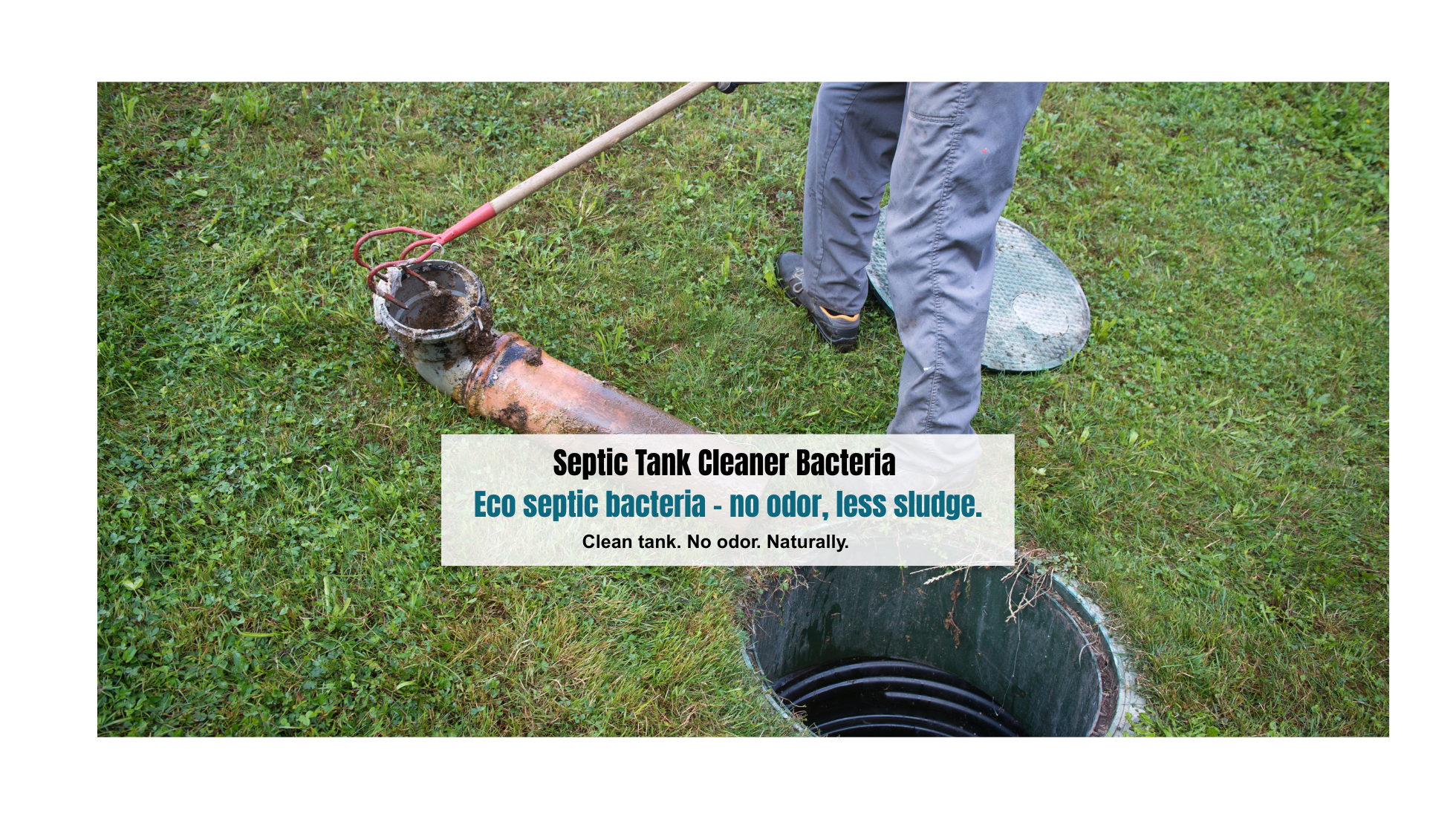
Sustainable Toilets: The Power of Septic Tank Sanitation

Safeguard your sanitation systems with eco-friendly solutions that go beyond mere construction. While most people think of sanitation as simply building toilets, the reality is that four walls and a seat don’t guarantee safety or hygiene. Toilets are a basic human right, yet many are failing—clogged, foul-smelling, and unsafe for long-term use. To ensure your sanitation system is effective, reliable, and sustainable, Contact Us today.

The Real Toilet No One Talks About 

 What most of us forget is that a toilet is only as good as the system behind it. The real heart of sustainable sanitation is the septic tank, not the walls or the structure. Unfortunately, this is the part that people ignore the most.
There are toilets, but are they even working?

There are toilets, but are they hygienic enough to visit?

There are toilets, but do they smell due to poor septic tank maintenance?

If the septic tank is neglected, the toilet becomes nothing more than a temporary solution. Without proper septic tank cleaning, whether using microbial septic tank bacteria or septic tank cleaning powder, we are not solving the problem—we are simply delaying it.

Why Septic Tank Sanitation Matters


A safe and sustainable toilet is one that manages waste effectively, prevents odor, protects groundwater, and ensures a healthy environment. Poorly maintained septic tanks lead to:

  • Unpleasant odours that discourage usage
  • Overflow and blockages
  • Contamination of soil and water sources
  • Spread of harmful pathogens

This is why regular septic tank treatment with the right solutions, including natural septic tank smell removers, is crucial for communities and industries alike.

Microbial Solutions for a Sustainable Future


This is where biological wastewater treatment offers game-changing innovation. Modern microbial solutions replace harmful chemicals with nature’s own power—beneficial septic tank bacteria that break down organic waste safely and effectively.

Introducing T1B™ Septic: A Natural Septic Tank Cleaner


T1B™ Septic is a specialized microbial septic tank cleaner designed to restore and maintain healthy sanitation systems. It works by:

  • Breaking down waste naturally with effective septic tank bacteria
  • Reducing foul odour using a safe septic tank smell remover formula
  • Improving septic tank performance
  • Extending the life of sanitation systems
  • Promoting environmental safety

Unlike chemical-based solutions, this natural septic tank cleaning powder ensures long-term sustainability without harming the environment.

A Game-Changer for Africa and Beyond


In many African countries and developing regions, access to toilets has improved thanks to sanitation drives. But the challenge remains—are these toilets sustainable? Without septic tank cleaning, toilets fail, and the cycle of poor sanitation continues.
T1B™ Septic offers a low-cost, highly effective, and eco-friendly solution to make sanitation truly sustainable. By adding effective biocultures and septic tank bacteria to septic systems, we can ensure:

  • Long-lasting toilets that people actually use
  • Healthier communities with reduced disease spread
  • Cleaner environments free from untreated waste
Conclusion: Redefining Toilets as Sustainable Sanitation


It’s time we changed our perspective. A toilet is not just four walls and a seat—it’s a system that must be safe, odour-free, and sustainable. Septic tank cleaning, using tools like microbial septic tank bacteria, septic tank cleaning powder, and septic tank smell remover, is the foundation, and microbial solutions like T1B™ Septic are the future of global wastewater management.
Because true sanitation is not just about building toilets—it’s about making them last. And the key lies in using the right septic tank cleaner backed by bioremediation technologies.
Don’t let untreated toilet waste endanger your family and community—choose safe, natural, and affordable sanitation with T1B™ Septic. For sustainable solutions tailored to your needs, Contact Team One Biotech today. 

As one of the leading biotech companies in India, we provide a sustainable product range across multiple verticals, including probiotics for aquaculture, biofertilizers and plant growth promoters, eco-friendly cleaning solutions, animal probiotics, and on-site consultation for biocultures for ETP and STP.

Email:  sales@teamonebiotech.com

Visit: www.teamonebiotech.com

Discover More on YouTube – Watch our latest insights & innovations!-

Connect with Us on LinkedIn – Stay updated with expert content & trends!
Scan the code