Wastewater & Environment – Aerobic, Anaerobic, Facultative,Enzyme Producing,Bio Culture Bacteria Solutions

Microbial culture is a useful tool for treating municipal waste and industrial waste that are contaminated or toxic. By using their metabolic processes, oxidation, nitrification and denitrification capabilities, these microbes can break down the organic matter and industrial effluents into simpler substances that they can use for their own growth and survival.

The T1B bacterial cultures bring with them a range of crucial benefits and advantages. Some of them can be summarised as follows:

  • Reduction of BOD or Biological Oxygen Demand in the wastewater system. A high BOD indicates that organic materials are not being removed properly.
  • Reduction of Total Suspended Solids (TSS) levels. TSS is a measure of the number of suspended solid contaminants in wastewater. A higher TSS level is counterproductive to the efficient working of a wastewater treatment plant.
  • Maintaining an optimum pH level of the wastewater treatment process.
  • Disintegration and degradation of ammonical nitrogen, nitrates and phosphates and other harmful compounds. The microbiome solutions work efficiently to prevent the eutrophication caused by algal bloom due to excess nutrients in water bodies.
  • Control of unpleasant odours and gases release from volatile organic compounds commonly called VOCs.
  • Enable and upgrade optimum conditions for flocculation conditions essential for sedimentation, creaming or filtration processes in wastewater.
  • Withstand shock loads and hydraulic loads and many more

The microbiome cultures can be applied to wastewater systems (WWTPs), municipal waste concentration, sewage treatment plants (STP) and effluent treatment plants (ETP), various types of bioreactors and biodigesters and for both aerobic and anaerobic conditions. Bioremediation plays a pivotal role in treating effluents and contaminants before the wastewater can be released into the oceans, rivers or lakes.

Since the conditions and processes vary in nature, the microbial consortium under the wastewater and environment vertical of TOB comprises various types of bacteria species. Separate products have been formulated with aerobic bacteria and anaerobic bacteria that can work optimally in aerobic conditions or anaerobic treatment steps as applicable.

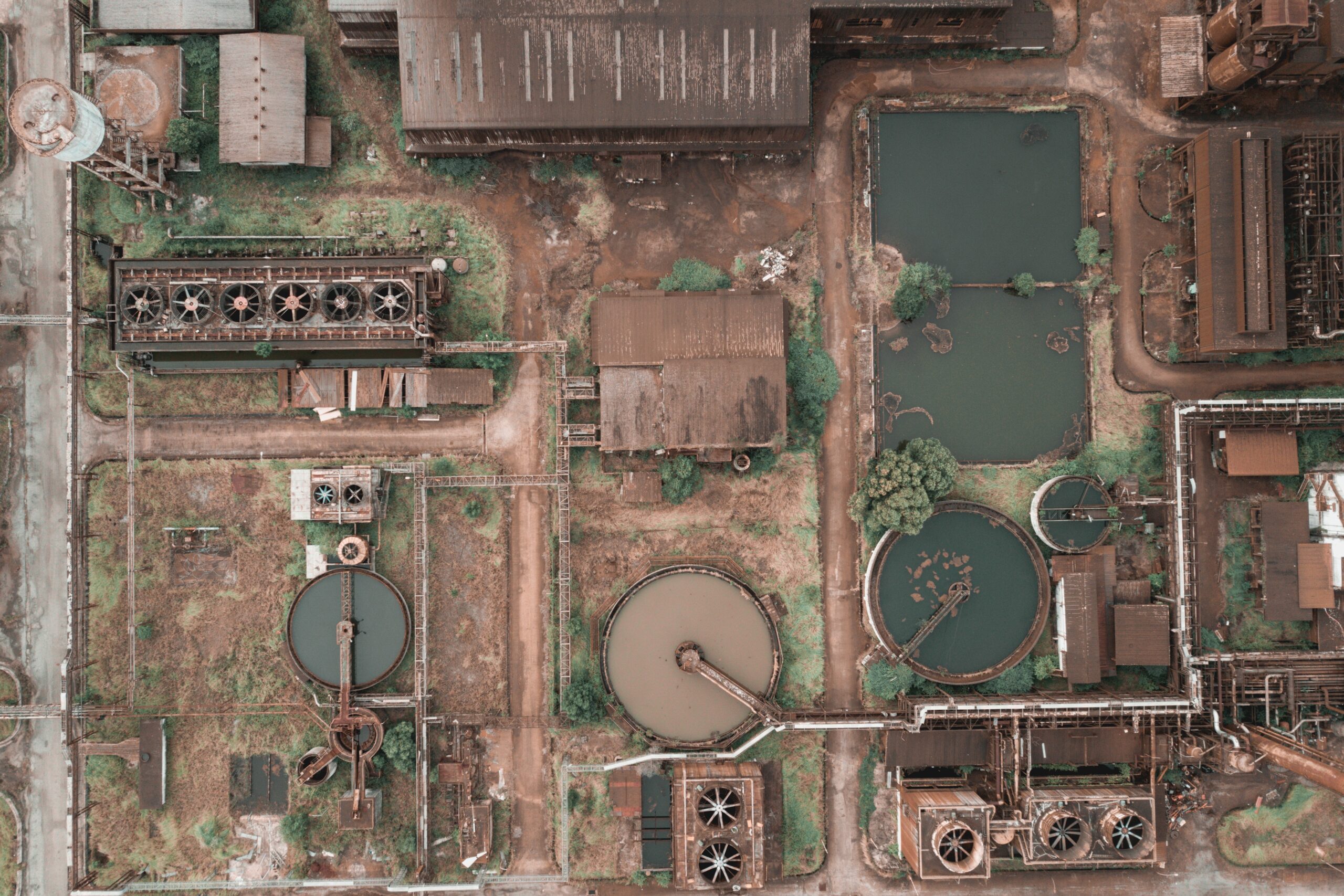
The process to add microorganisms to the secondary treatment of wastewater is referred to as activated sludge treatment. This is after the primary treatment of wastewater treatment process. During the aerobic activated sludge treatment process, the wastewater treatment plant is subjected to an aeration process wherein air is pumped into the treatment tank to provide oxygen to microorganisms.

The microbiomes use the organic matter present in wastewater as a food source converting it into carbon dioxide, water and new microbial cells. The organic pollutants are thus decomposed and removed from wastewater. Nitrification and denitrification are biological processes that occur in wastewater treatment plants. Nitrification is the conversion of ammonia to nitrate by aerobic bacteria. Denitrification is the reduction of nitrate to nitrogen gas by anaerobic bacteria. These processes help remove nitrogen from wastewater and prevent eutrophication in receiving waters..

For Efficient Treatment Of Wastewater, Industrial Effluents, Sewage, fecal sludge, septic tanks, rivers, polluted lakes, ponds, solid waste composting, biomining, oil spills, FOG degradation, odour control, soil bioremediation – Microbe Based Bio-Solutions

Microbial consortia – Microbial Inoculants – Microbial Enzymes – Biosurfactants – Aerobic Bacteria – Anaerobic Bacteria – Facultative Bacteria – Bio Enzyme – Enzymes – Removing Oils, Fats and Grease – Enzyme Producing Microbes – Enzyme Producing Bacteria – Naturally Occurring Microbes – Bio Culture Bacteria Solutions – Bio Enhancer – Microbial Inoculum – Bioculture Product – Green Products – Superior Bio-Remediation Products – Active Bioremediation – Natural Bio Products – Best Bio Product 

Animal Probiotics- Improved Feed Efficiency, Microbial Growth Promoters, Immunostimulation, Animal Digestion, Gut Microflora

Gut probiotics offer a natural and sustainable way to improve animal health and productivity in animal husbandry. Gut probiotics are beneficial microorganisms that live in the digestive tract of animals and can improve animal health and productivity.

Probiotics are a mixture of bacteria and bio-enzymes that can stimulate digestion and absorption of nutrients in animals, leading to better growth rates, feed efficiency, enhanced immunity against diseases, and overall health. Bacteria species such as lactobacillus and bifidobacteria can help break down complex carbohydrates and improve the assimilation of protein in ruminant animals.

Probiotics in the form of animal feed supplements also help to prevent disease in animals by promoting a healthy gut microbiome and boosting their immune system. A healthy gut microbiome helps protect animals against pathogens and harmful bacteria by producing antimicrobial compounds and competing for resources. They can also minimize the over-dependence on antibiotics and can in case necessary also work as supplementary additives to them.

One important aspect of gut probiotics is their ability to help animals cope with stress by promoting a healthy gut-brain axis. The gut-brain axis is a communication network between the gut and the brain that plays a role in stress management in animals and the overall health of the animal. Lactobacillus is a primary example of probiotics that can improve the gut-brain axis by producing neurotransmitters such as serotonin and dopamine.

In addition, gut probiotics bring sustainability and economic relief to animal husbandry. This is achieved as they help to further feed efficiency and reduce the need for antibiotics.

The gut probiotic manufactured by TOB is one of the top products available in the market. The bioproduct can be used by mixing with farm feed for ruminant animals and poultry animals.

Since the products are 100% natural with no preservatives and chemicals in them, probiotics also mitigate risk to the environment from agricultural wastes and animal farming wastes.

In summary, Team One Biotech’s gut probiotic is an asset in sustainable animal husbandry as it improves digestion, prevents diseases, works on stress management, helps maintain biological and ecological balance and is economical. Farm animals such as chickens, ducks, cows, buffaloes, goats, sheep etc. will truly thrive without affecting farming costs.

T1B Gut Biotic | Probiotics For Animal Farm Feed – Digestive Supplement For Poultry Rumen & Cattle

Animal Probiotics – Animal Health – Poultry Probiotic – Animal Immune System – Improved Feed Efficiency – Microbial Growth Promoters – Lactic Acid – Amylase – Protease – Lipase – Immunostimulant – Gut Microflora – Animal Digestion – Food Conversion – Promotes Growth Rate – Increases Feed Conversion Efficiency – Intestinal Infections – Best Poultry Feed Supplement Powder – Chicks Growers Layers and Poultry – Poultry Diet Supplements – Benefits Of Probiotic – Improved Nutrient Absorption – Coccidiosis Infection – Best Probiotics For Chicken – Restore Micro-Flora – Digestive Powder For Poultry – Prebiotics And Probiotics – Live Microorganisms 

Wastewater Microbiome Analysis – Floc Structure, Floc Size, Oxygen Penetration, Sluge Age

There are various parameters, indices and methods to assess the functioning and health status of a wastewater treatment plant. The study and analysis of the microbial community present in the wastewater play a crucial role in monitoring, controlling, correcting and optimizing the performance of wastewater treatment plants.

From microscopic analysis to higher life form (HLF) microbial analysis comprises several methods to study the composition of wastewater to predict and determine the current and subsequent health status of a Wastewater treatment plant.

The advanced microscopic analysis carried out at Team One Biotech includes floc analysis, the study of the distribution of filamentous bacteria, EPS secretion, sludge age, oxygen penetration  and analysis of the presence of higher life forms such as flagellates, amoebas and ciliates along with organisms forming the metazoa group like rotifers, nematodes & water bears.

The presence of these organisms can help indicate the dissolved oxygen levels or DO, sludge age, aeration mixing requirements, and addition of clarifiers in wastewater treatment.

The other indicators that help assess WWT plants are BOD COD & TSS levels, ammonia and nitrogen levels, and faecal coliform bacteria levels. The analysis can also shed highlight the removal capacity of microorganisms for nutrient concentration such as phosphorous, nitrates, nitrites and ammonia in the wastewater system.

Wastewater Microbial Analysis is a unique and comprehensive catalogue to understand the effectiveness of Team One Biotech’s bio remedial solutions when applied to STP, ETP or WTP as well. By monitoring the various parameters and progress of T1B microbial solutions applied, persisting issues related to the effectiveness of wastewater treatment can be identified and corrective measures can be taken accordingly.

The WMA report is created using advanced microscopic and staining techniques and provides information about the following variables:

Flocculation

Flocs are formed when microorganisms attach themselves to the suspended solid particles in wastewater and clump to form larger particles which can then be removed using a settling or filtration.

Floc formation is influenced by factors such as the type of microbes present, the concentration of nutrients in wastewater and the aeration process.

To carry out floc analysis samples are collected from various stages of wastewater treatment such as influent, aeration basin & clarifiers. Floc properties such as their size, shape, density, settling rate, and extracellular polymeric substances (EPS) composition are then analysed in these samples.

Protozoa Population Analysis

Protozoa are single-celled organisms widely in water environments and can be used as bioindicators to measure water quality. They are divided into three main groups – ciliates, flagellates and amoebae. Their different characteristics and association with varying stages of the wastewater management process, sensitivity to ph, temperature, pollutant quantity etc changes make them a viable option to monitor and determine the performing condition of wastewater treatment.

The Biological Monitoring Working Party (BMWP) index that scores each protozoa species based on its sensitivity to pollution is the most commonly used method to quantify their diversity and abundance. To carry out protozoan analysis samples are collected, stained with specific dyes to distinguish between the groups, and then examined under a microscope.

Metazoa Presence

The metazoans are multicellular organisms comprising several species of worms, crustaceans, insect larvae and invertebrates. Typically, metazoans called Rotifers, Nematodes and Water Bears consume other harmful bacteria and fungi in wastewater. These species are prone to changes in toxicity levels and harmful pollutants of the wastewater and hence are helpful indicators of the two.

The metazoan analysis can be performed using several methods such as visual identification with microscopy, DNA analysis by extracting DNA content, and biochemical assays which involves measuring biomolecular reactions or enzymatic activity pertaining to certain types of metazoa organisms.

Analysis For Filamentous Microbes

Filamentous bacteria have long thread-like strand structures. These organisms have an adverse effect as they can clog pipelines and reduce the efficiency of the WWT plant. The presence of these microbes is an indicator of a lack of dissolved oxygen or excessive nutrients.

The commonly used identification method for filamentous bacteria is a microscopic examination of activated sludge flocs. The Microscopic Identification of Activated Sludge Organisms (MIAS) index method classifies the microbes into several groups depending on their morphology (shape, branching, colour etc.) and quantifies their abundance. Both Gram staining and Neisser staining are utilised to detect these microbes in wastewater and sludge.

The filamentous bacterium such as Sphaerotilus natans is responsible for the formation of gelatinous masses in activated sludge systems leading to clogging and species like Nocardia spp. & Microthrix parvicella are notorious for excessive foaming and sludge bulking.

Higher Life Forms Like Alage and Fungi Analysis

Algae and fungi on their own are great helpers to maintain a healthy natural ecosystem and excessive growth of these organisms can also bring havoc on the environment.

Fungi help break down complex organic matter and compounds into simpler harmless molecules. A few Fungi species are also effective in removing heavy metals from wastewater. However, excess fungal growth can lead to the formation of fungal mats (bulking sludge or sludge bulking) which can clog pipes, reduce the transfer of oxygen and unpleasant odours impacting the overall health of the treatment plant.

Algae use photosynthesis to produce food and energy that can be consumed by other useful bacteria thereby releasing oxygen during the process and also removing nutrients like nitrogen and phosphorous from wastewater and sludge.

But uncontrolled growth can form thick mats, making sunlight penetration difficult and blocking oxygen transfer. This will, in turn, create anaerobic zones affecting other species of aquatic nature escalating to toxic fumes and toxic odours, and the release of harmful gases such as Methane (CH4) and Hydrogen Sulphide (H2S).

 Team One Biotech Services on Wastewater MicroMonitor >> Assess >> Act – Microscopy Technologies – Analyse Wastewater Treatment Plant Health

Microscopic Analysis  –  Biomass Analysis  –  Floc Structure  –  Floc Size  –  Oxygen Penetration  –  Wastewater Microbial Analysis  –  Floc Analysis  –  Sludge Age  –  Extracellular Polymeric Substances  –  EPS Analysis  –  Wastewater Sample  –  Higher Life Forms In Wastewater  –  ASP  –  MBBR  –  SBR  –  UASB  –  MBR  –  Granulated Sludge  –  Biological Sludge  –  Biomass   –  Ciliates  –  Water Bear  –  Nematodes  –  Archaea  –  Filaments  –  Gram Staining   –  Neisser Staining –  Granular Sludge

The history of wastewater treatment

Wastewater treatment is an essential process that helps to protect public health and the environment by removing harmful pollutants from wastewater before it is discharged into water bodies or reused. The history of wastewater treatment dates back thousands of years and has evolved over time to become the sophisticated process that it is today.

Ancient Times:

Wastewater treatment has been in use since ancient times. The earliest recorded evidence of wastewater treatment dates back to the Indus Valley Civilization (2600 BCE – 1900 BCE), where a sophisticated wastewater management system was in place. The system included drainage channels, soak pits, and septic tanks that were designed to capture and treat wastewater.

Middle Ages:

During the Middle Ages, the use of cesspools and open sewers became widespread in Europe, leading to the pollution of rivers and water bodies. In response, some cities implemented rudimentary wastewater treatment systems, such as the use of settling tanks to remove solids and grease from wastewater.

Industrial Revolution:

The Industrial Revolution in the 19th century led to a significant increase in industrial wastewater which was discharged directly into rivers and streams causing widespread pollution. In response, governments began to introduce legislation to regulate the discharge of industrial wastewater and the first wastewater treatment plants were built in the United Kingdom and the United States.

Modern Times:

The development of the activated sludge process in the early 20th century revolutionized wastewater treatment. The process uses microorganisms to consume organic matter in wastewater, resulting in a significant reduction in the concentration of pollutants in the water. The activated sludge process is still widely used today in many wastewater treatment plants around the world.

In the mid-20th century, advanced wastewater treatment technologies were developed, including the use of biological nutrient removal and membrane filtration systems. These technologies are capable of removing nutrients, such as nitrogen and phosphorus, which can cause eutrophication in water bodies, and pathogens, which can pose a risk to public health.

Today, wastewater treatment is an essential process that is implemented in almost every country around the world. The goal of modern wastewater treatment is not only to remove pollutants but also to recover resources, such as energy and nutrients, from the wastewater. Advances in technology continue to improve the efficiency and effectiveness of wastewater treatment, making it an increasingly sustainable and cost-effective process. The history of wastewater treatment is a long and evolving one, driven by the need to protect public health and the environment from the harmful effects of wastewater pollution. The use and integration of microbiology with new technologies are likely to shape the future of the industry, leading to more sustainable and effective wastewater treatment processes.

What is abiotic & biotic stress and how does it impact our environment

Stress is a natural phenomenon that affects all living organisms, including microbes, plants, animals, and humans. Stress can arise due to multiple factors like environmental conditions such as temperature, water availability and nutrients, as well as due to factors like competition, predation, and disease. It is important to know how abiotic and biotic stress affects our environment. His will help us in the development of sustainable management practices and ensuring the continued good health of our various ecosystems.

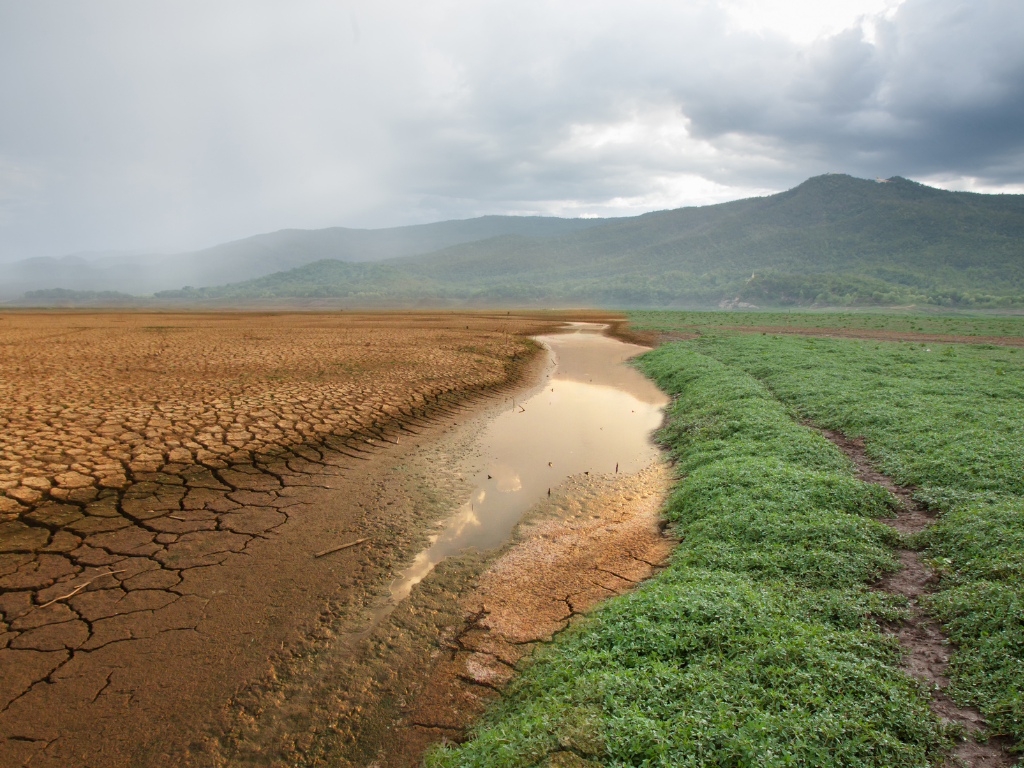
Abiotic stress deals with environmental factors that can negatively impact the growth and survival of living organisms. They include extreme temperatures, drought, flooding, nutrient deficiencies and toxic substances. Abiotic stress leads to big impact on plant growth which can further lead to reduced crop yields, lower plant diversity and disturbance in the distribution of plant communities. In aquatic ecosystems, abiotic stress affects water quality, decreased oxygen levels partial biodegradation of pollutants.

Biotic stress refers to the effects of one living organism on other living organisms. This basically includes competition for resources such as food, water, and space along with predation, and disease. Due to biotic stress, you can find changes in the distribution and abundance of species along with changes in the structure and functioning of an ecosystem. In an agricultural system, biotic stress can result in significant crop losses and extremely poor yield and compromised produce. They also increase the use of pesticides further leading to environmental damage.

Abiotic and biotic stress can have both positive and negative outcomes. For example, in a plant drought and nutrient stress can lead to reduced plant growth and crop yields, but it can also help some plants to improve their water use efficiency and nutrient uptake. Similarly, competition can lead to a reduced population of ineffective microbes while promoting the growth of robust microbial species in a bioaugmentation process leading to maximum pollution degradation in a wastewater treatment plant

It is important to understand using the right kind of natural microbial cultures which have the ability to perform and grow in abiotic & abiotic stress environment will overall help their use in agriculture, aquaculture or various environmental applications. Abiotic and biotic stress are natural phenomena that can have significant impacts on our environment. The use of robust microbial consortia to promote positive outcomes while mitigating negative impacts can help ensure the continued health and productivity of our ecosystems while protecting our natural resources.

Understanding Quorum sensing

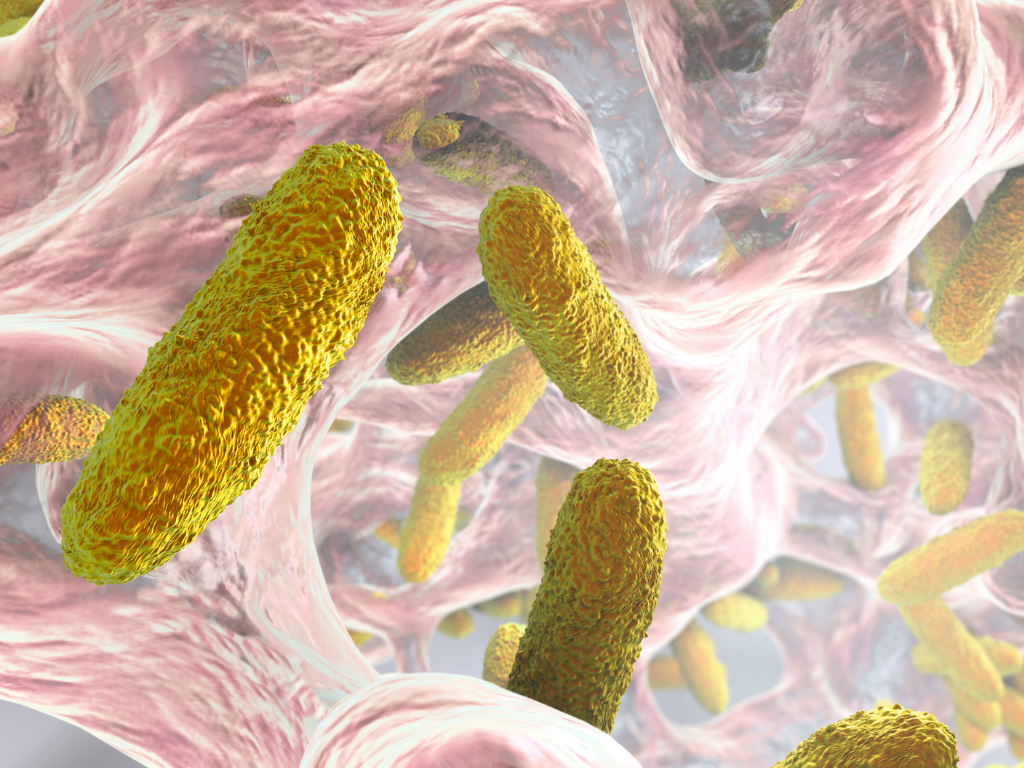
In simple words, quorum sensing (QS) is a method by which bacteria communicate with each other. Quorum sensing or quorum signaling is the ability to detect and respond to cell population density by gene regulation.

QS helps bacteria to coordinate their behaviour, like the formation of biofilms and secretion of virulence factors. The study of quorum sensing has important implications for understanding bacterial behaviour and developing new strategies for controlling bacterial infections and also using them for the benefit of the mankind and environment.

QS involves the production and detection of small signalling molecules called autoinducers. As bacteria grow and divide, they release autoinducers into the surrounding environment. As the concentration of autoinducers increases, bacteria are able to detect the presence of other bacteria in their vicinity, leading to changes in gene expression.

QS is further divided mainly into two types: acyl-homoserine lactone (AHL) and autoinducer-2 (AI-2). AHL is the most extensively studied type of quorum sensing and is used by many gram-negative bacteria. AI-2 is a signalling molecule used by both gram-negative and gram-positive bacteria.

In AHL-mediated QS, bacteria produce and release specific AHL molecules that diffuse across the bacterial cell membrane. When the concentration of AHL reaches a certain threshold, it binds to a receptor protein inside the bacterial cell, activating a response regulator protein that can regulate gene expression. This regulation can lead to the production of virulence factors, such as toxins, or the formation of biofilms.

In AI-2-mediated QS, the signalling molecule is produced by a protein encoded by the luxS gene. AI-2 is synthesized by many different species of bacteria, allowing for interspecies communication. When AI-2 reaches a certain concentration, it binds to a receptor protein, leading to changes in gene expression.

To conclude quorum sensing is a fascinating and important mechanism used by bacteria to coordinate their behaviour and regulate gene expression. The study of quorum sensing has important implications for understanding bacterial pathogenesis and developing new strategies for controlling bacterial infections. Many times biofilms are also used to clean up the waste from the environment.

Use of AI & ML in environmental industry

Artificial intelligence (AI) and machine learning (ML) are revolutionizing various industries, and the environmental industry is no exception. The use of AI is being used to address environmental issues, climate change, pollution monitoring and wildlife conservation. If used wisely AI and ML have a great potential to contribute to a more sustainable future.

A combination of technologies like AI, ML, Big data, IoT, image processing and many others can be used to support climate change mitigation efforts by improving the accuracy of weather forecasting and climate modelling. This would effectively help us to predict the impacts of climate change on different regions and support policy decisions. The use of AI can also help to optimize energy consumption and reduce carbon emissions by identifying opportunities for energy efficiency improvements and optimizing renewable energy production.

Climate Change: Very recently AI technologies are being used to monitor and track pollution levels in air, water and soil. These technologies can help us identify sources of pollution and develop more effective pollution control measures, so as to mitigate the problem at the source. Today’s many sensors are equipped with high AI API’s which can detect pollution levels in real-time, thus allowing for rapid response to potential pollution threats.

Wild Life: Another use of AI technologies is to support wildlife conservation efforts. Many AI-powered cameras can be used to track animal populations and monitor their behaviour. This information can also give us a huge insight into the factors that affect their habitat and help us develop strategies to protect their ecosystems. Multiple layers of geofencing technology using AI power can help us accurately monitor tagged animal movements, thus helping us identify various eco corridors for them. Such and many more AI technologies can help us analyze large amounts of data to identify patterns and trends in wildlife populations, which can be used to guide conservation efforts and make the necessary changes needed.

Agriculture: Using AI in agricultural practices helps to reduce the environmental impact of agriculture by minimizing the use of fertilizers and pesticides, reducing water usage and mitigating soil erosion. Many AI-powered drones are being used to monitor crop health and identify areas that require irrigation, fertigation or any other nutrients. This is done purely using image-processing AI technologies. Various algorithms can be used to analyze historical data to develop crop growth models and also predict yields with the amount of and need of fertilizers and other nutrients.

Environment: AI technologies also play a very important role in waste management practices like recycling, composting, and waste-to-energy conversion. Various Al & ML-based algorithms can be used to optimize waste collection routes and schedules, reducing the fuel consumption and emissions associated with waste collection. Image processing of various microbes in biological units helps to identify the health of that system, in a matter of seconds using powerful AI tools, thus ensuring better efficiency of the plant. AI-based algorithms are being used to identify microorganisms that are effective in bioremediation. This not only helps to optimize the selection of microorganisms but also improves the effectiveness of the bioremediation process.  There are some AI and ML tools which are being used to model the behaviour of bacteria in a certain type of environment to predict the rate of biodegradation of a pollutant and also estimate the time required to complete the process.

Aquaculture
Understanding the Environmental and Economic Benefits of Aquaculture

Over the last few decades, rising incomes and improved living standards have fuelled demand for animal protein, including seafood. Historically, human beings have opted for immediacy in consumption rather than focusing on sustainability. As a result, several aquatic species and even habitats are at risk from rampant and unchecked commercial fishing. Often checks come into play after whole species are on the verge of extinction and sometimes not even then.

Greater awareness of seafood’s health benefits and changing consumer lifestyles will increase consumption levels by 80% by the mid-century. However, growing demand has also brought supply issues to the forefront. The oceans may have once provided bountiful quantities, but with exponentially growing populations, pollution and aggressive wild capture fishing practices, this is no longer the case. The practice of aquaculture is the farm raising of aquatic animals and plans for commercial consumption. Aquaculture increases the availability of aquatic protein and supports the rebuilding of species moving towards extinction.

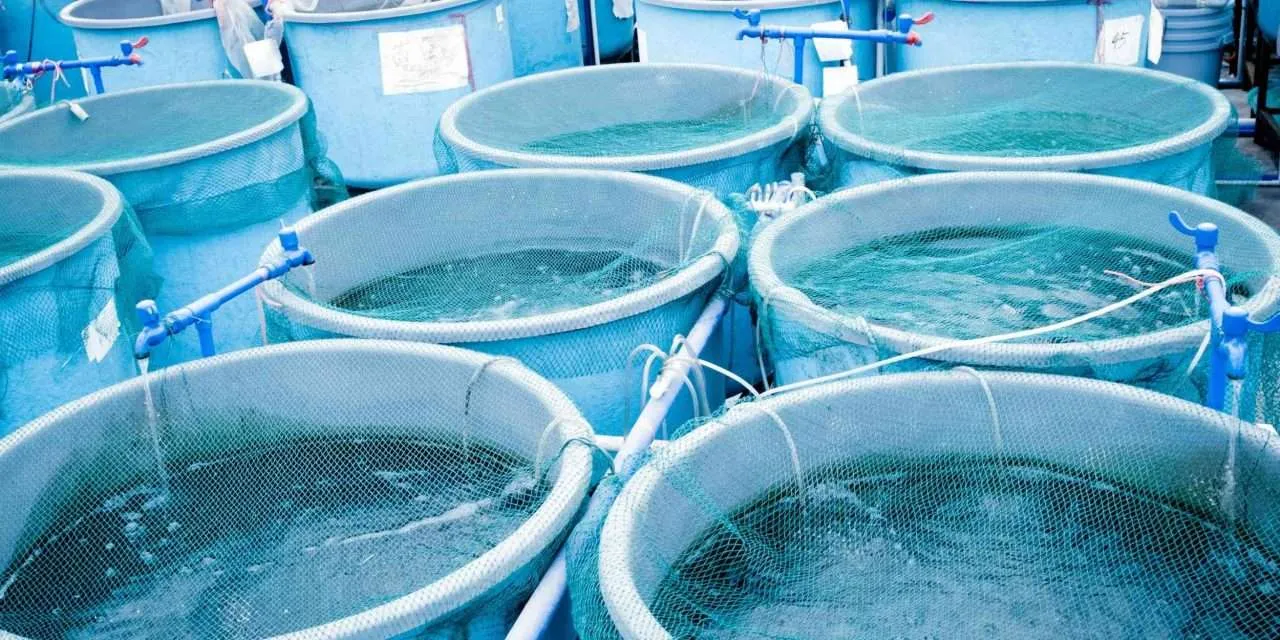
Trout, shellfish, eel, shrimp, and catfish are a few aquatic species that can be farm bred. While enabling specific species to thrive in water seems simple enough, it also involves managing water conditions like controlling oxygen and ammonia levels, pH levels, feeding, and other maintenance activities. Unfortunately, aquaculture also leads to an imbalance in aquatic life due to extremely high usage of fertilisers in the water, faecal deposits, variations in the pH level in the water, and a few other causes.

Microorganisms play a vital role in balancing water’s health since they help manage organic waste. Microorganisms feed on plankton, faeces and uneaten feed, thereby reducing the amount of organic waste generation. Aquaculture is suitable for both fresh and saltwater. From feeding organisms to maintaining water quality, human intervention at every step allows for successful aquaculture practices.

Advantages of Aquaculture

  1. Economic benefits
    With the growing demand for seafood, aquaculture also helps create jobs and increase economic revenue in various industries. From Breeding to the sale of seafood, a massive set of management requires manual labour with both specialised and non-specific skills.  Fish farming has helped create jobs since it leads to the processing, transportation, and storage of seafood, with local restaurants flourishing, creating a tremendous economic opportunity for many.
  2. Environmental benefits
    Aquaculture is cost-efficient when it takes place along the shoreline due to easy access. In addition, it helps avoid the spread of Seaweed and molluscs. While there are compliances that the aquaculture farmers need to comply with to ensure environmentally safe practices, aquaculture helps to ease the pressure on wild stock. The constant inspection also helps curtail unsustainable fishing methods like bottom trawling.
  3. Save Species from Extinction:
    Various species in the marine environment are facing extinction. Overfishing, imbalance in species population, and environmental pollution play a vital role in the extinction of marine life. Aquaculture helps regulate the imbalance and helps keep the marine environment clean and free of contamination.
  4. Study of marine life:
    While humans have spent excessive money studying outer space, much less has been spent understanding the underwater species. Aquaculture enables experts better to understand the behavioural patterns and habits of aquatic animals so that we can support their survival better.

Disadvantages of Aquaculture

  1. Imbalance in the ecosystem
    Aquaculture, like farming, requires specific resources which are otherwise abundantly used by the natural environment. When fish farmers continuously use the resources, it depletes the stock,  leads to a conflict and causes an imbalance in the ecosystem.
  2. Lack of diversity
    When not bred for food, farmed fish are released into the wild, which in turn causes an imbalance in the diversity.  While aquaculture has many benefits, frequent human intervention and controlled activities do need an imbalance in the ecosystem.
  3. The health of aquatic animals
    Diseases in marine life are known to have wiped out a tremendous amount of aquatic life rapidly in the past. Similarly, diseases among cultivated marine creatures can wipe out an entirely aquatic species.
  4. Water contamination
    Fish feed, their discharge, acidity level variations in water and other contamination from the habitats can lead to diseases in the aquatic creatures and cause contamination of water sources.

Conclusion
Aquaculture helps meet the growing demands of seafood, restore water sources, offer health benefits to humans due to sustainable methods of producing protein, helps create economic opportunities through the creation of jobs, and is an excellent way of preserving local culture. While aquafarming has many pros and cons, it is vital to ensure its sustainable practices and curb any harmful activities to marine life or the ecosystem. However, when managed appropriately and adhered to the standards, it can be a very sustainable method of sourcing seafood and a lucrative business opportunity.

What is Aquaculture, and Why Do We Need It? (globalseafood.org)

Scan the code