How Biological Deodorizers Work to Neutralize Odors
A young family moves into a new apartment in East Delhi, drawn by modern amenities and reasonable rent. Within weeks, they realized why the price was so attractive. Every evening, as the temperature drops, a suffocating stench rolls in from the nearby sewage treatment plant. Windows stay shut even in summer. Children complain of headaches. The grandmother’s asthma worsens. Property values in the colony have dropped 20% in two years.
This isn’t an isolated incident. From the 65-meter-high Ghazipur landfill that dominates East Delhi’s skyline to the countless residential STPs struggling with overload, odor pollution has become India’s silent environmental crisis. It’s not just unpleasant, it’s a public health emergency that erodes community dignity, triggers respiratory distress, and turns neighborhoods into zones people escape rather than call home.
The conventional response? Spray industrial perfumes that create a nauseating chemical cocktail, or deploy harsh oxidizers that damage equipment and pose health risks. These are temporary masks over a festering wound.
But what if the solution wasn’t about covering up the problem, but eliminating it at the molecular level?
Understanding the Enemy: What Makes Odors So Persistent?
Before we explore the solution, we need to understand what we’re fighting against.
Industrial and municipal odors aren’t single entities. They’re complex mixtures of volatile organic compounds (VOCs) released during biological decomposition and chemical processes. The primary culprits include:
- Hydrogen sulfide (H₂S): That characteristic “rotten egg” smell from protein decomposition in STPs and landfills
- Ammonia (NH₃): Sharp, pungent gas from nitrogen-rich waste breakdown
- Mercaptans (thiols): Sulfur compounds that smell like garlic or sewage even at parts-per-billion concentrations
- Volatile fatty acids: Butyric and valeric acids producing rancid, cheesy odors
- Indole and skatole: Fecal-smelling compounds from tryptophan degradation
These molecules are remarkably stable. They don’t just disappear because you wish them away. Under India’s high ambient temperatures (often exceeding 40°C in summer), anaerobic decomposition accelerates, releasing these compounds faster than traditional control methods can manage.
The challenge intensifies with the Swachh Bharat Mission 2.0 pushing for improved waste management infrastructure. As more housing societies install decentralized STPs and municipalities grapple with legacy waste mountains, the demand for effective, sustainable odor control has never been more urgent.
The Biological Solution: Nature’s Own Molecular Dismantlers
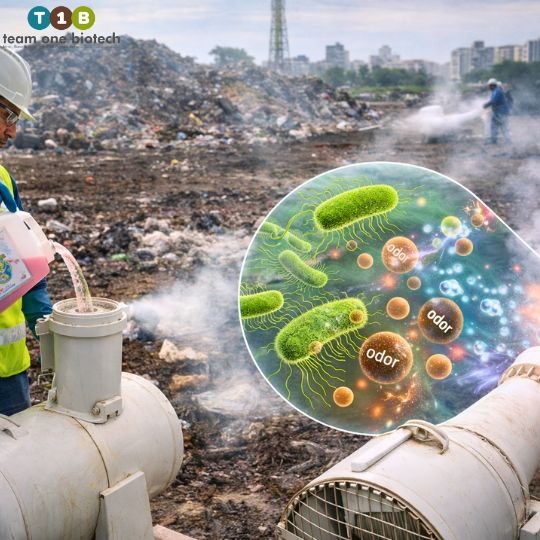
Here’s where biological deodorizers fundamentally change the game.
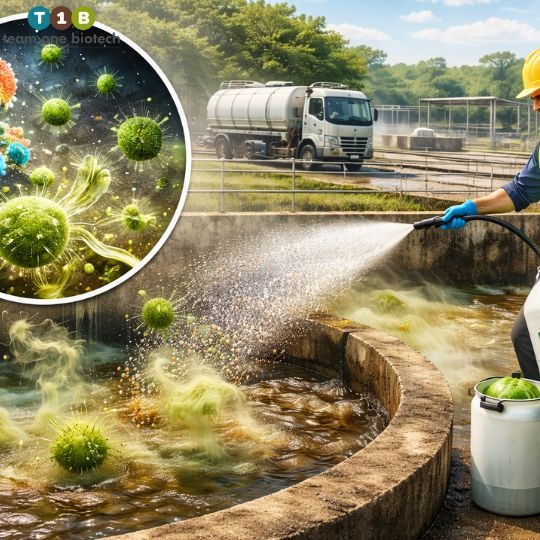
Unlike chemical masking agents that simply overlay one smell with another, biological solutions employ specially selected microbial consortia, communities of bacteria and fungi, that literally consume odor-causing molecules as food. Think of them as microscopic recycling factories that convert pollutants into harmless byproducts.
The Science of Bio-Oxidation: How It Actually Works
The process centers on enzymatic catalysis and microbial metabolism. Let me break this down without drowning you in biochemistry jargon:
Step 1: Enzymatic Recognition Microorganisms produce specific enzymes (biological catalysts) that recognize and bind to odor molecules. For instance, sulfide-oxidizing bacteria produce enzymes that specifically target H₂S.
Step 2: Molecular Breakdown Once bound, these enzymes break chemical bonds. A mercaptan molecule (R-SH) gets oxidized through several intermediate steps. The sulfur atom gets stripped away and converted into sulfate (SO₄²⁻), while the organic portion gets metabolized.
Step 3: Complete Mineralization The final products? Carbon dioxide, water, and biomass, all completely odorless and environmentally benign. This isn’t temporary suppression; it’s permanent molecular transformation.
The elegance of this approach becomes clear when you examine specific microbial strains:
- Thiobacillus species: Excel at oxidizing hydrogen sulfide and other reduced sulfur compounds
- Nitrosomonas and Nitrobacter: Convert ammonia into nitrites and then nitrates through nitrification
- Pseudomonas strains: Metabolize complex aromatic compounds and volatile fatty acids
- Bacillus species: Produce powerful proteolytic enzymes that break down protein-based odor sources
Team One Biotech’s formulations leverage synergistic microbial consortia, combinations of strains that work together more effectively than any single species could alone. One strain’s waste product becomes another’s preferred nutrient, creating a self-sustaining cycle of odor elimination.
Why This Works Better in Indian Conditions
India presents unique challenges that actually favor biological approaches:
High temperatures: While chemical deodorants degrade rapidly above 35°C, thermophilic bacterial strains in biological formulations remain active even at 50°C. This is crucial for summer operations at open landfills and outdoor STPs.
Variable pH conditions: Municipal waste in India often has highly variable pH due to mixed waste streams. Microbial consortia naturally buffer themselves and adapt to pH ranges from 5.5 to 9.0.
Cost sensitivity: Once established, microbial populations self-replicate. You’re essentially inoculating a system with a self-sustaining odor control workforce, dramatically reducing per-use costs compared to continuous chemical dosing.
Chemical Masking vs. Biological Neutralization: A Critical Comparison

Let’s address the elephant in the room. Many facility managers still rely on traditional chemical deodorants because “that’s how we’ve always done it.” But the rebound effect, where odors return stronger once chemicals dissipate, isn’t just inconvenient. It’s expensive and potentially hazardous.
The chemical approach also fails to address source reduction. You’re not stopping the formation of odor molecules; you’re just temporarily masking their presence. With biological deodorizers, the microbial populations establish themselves at the odor source, in sludge, on waste surfaces, within water columns, continuously processing new odor compounds as they form.
Real-World Applications: Where Biological Deodorizers Excel
Municipal Solid Waste Management
Landfills like Ghazipur, Bhalswa, and Deonar generate thousands of cubic meters of landfill gas daily. Traditional approaches, covering waste with soil, installing gas collection systems, help but don’t eliminate surface emissions. Biological deodorizers applied as surface sprays or misting systems establish microbial films that metabolize odors before they disperse into surrounding communities.
At a municipal transfer station in Pune, Team One Biotech’s implementation reduced ambient H₂S levels from 850 ppb (well above the 8-hour exposure limit) to under 50 ppb within three weeks, sustained reduction, not temporary suppression.
Sewage Treatment Plants (STPs)
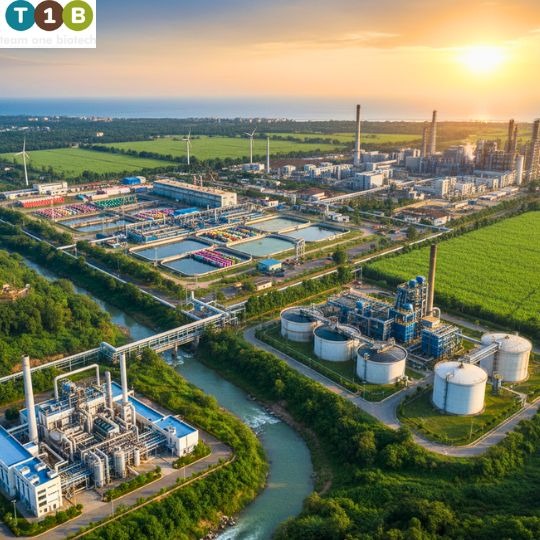
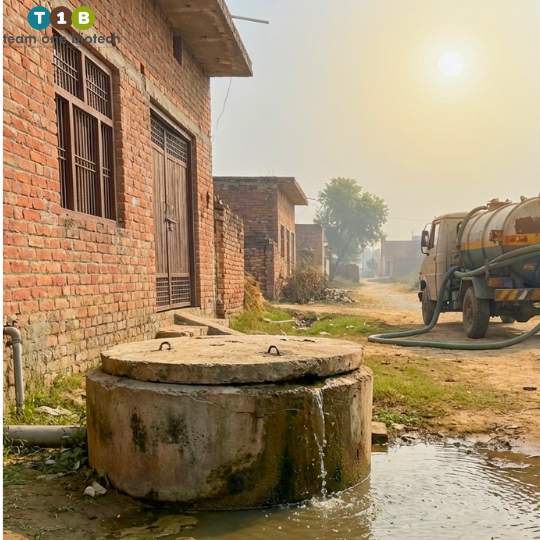
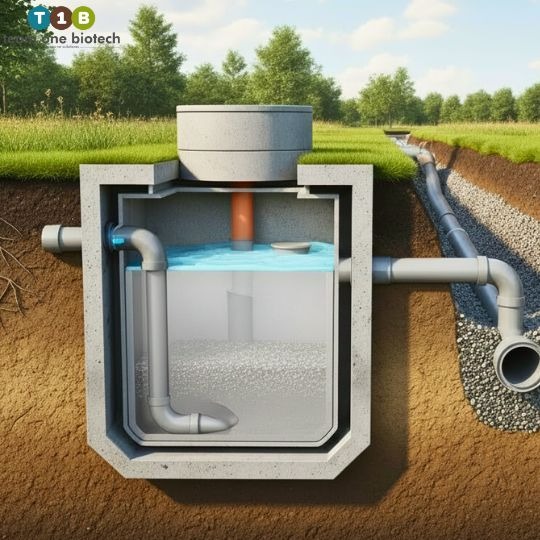
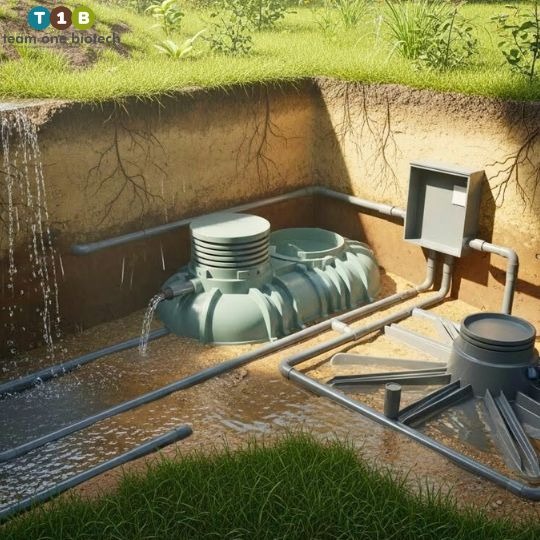
Residential complexes across metros are mandated to install STPs, but most struggle with odor complaints. The primary clarifiers, aeration tanks, and sludge dewatering areas are odor hotspots.
Microbial odor control India applications at STPs involve:
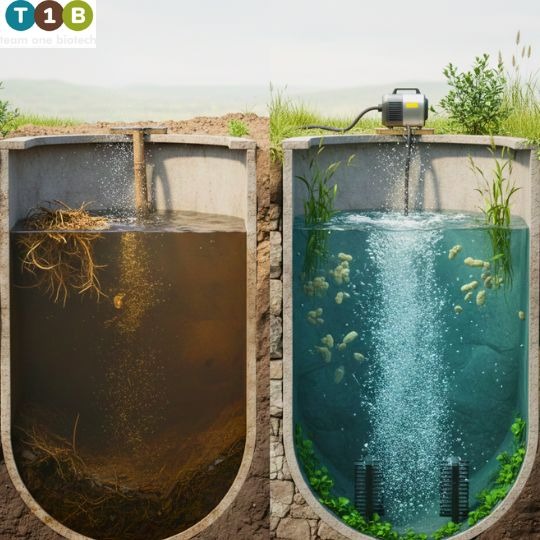
- Direct dosing into aeration tanks: Enhances biological oxygen demand (BOD) reduction while controlling odors
- Biofilter inoculation: Trickle filters treating off-gases can be inoculated with specialized strains
- Sludge treatment: Adding consortia during dewatering dramatically reduces mercaptan and indole formation
A 500-household complex in Bangalore saw resident complaints drop from 15-20 per month to zero after switching from chemical sprays to enzymatic deodorization integrated with their STP operations.
Industrial Applications
Food processing units, tanneries, pharmaceutical facilities, these generate process-specific odors that chemical generalists can’t effectively target. Industrial odor neutralizer formulations can be customized with strain selections matched to specific waste streams.
A dairy processing plant in Gujarat dealing with protein-rich wastewater used Team One Biotech’s specialized proteolytic consortium, achieving 94% odor reduction while simultaneously improving their effluent treatment plant (ETP) performance, a dual benefit that traditional deodorants never offer.
The Regulatory Tailwind: Why Now Is the Time to Switch
The Central Pollution Control Board (CPCB) has progressively tightened environmental compliance standards. Recent guidelines emphasize:
- Emission limits: Stricter thresholds for H₂S and ammonia near residential areas
- Green chemistry adoption: Preference for biodegradable, non-toxic solutions in environmental remediation
- Zero liquid discharge (ZLD) norms: Biological treatments align with water recycling mandates
State pollution control boards are increasingly scrutinizing chemical usage in waste management. Maharashtra and Delhi have already issued notices to facilities using high-VOC chemical deodorants near residential zones.
Bioremediation removes smell while supporting broader sustainability goals, carbon footprint reduction, circular economy principles, and environmental justice for affected communities.
What Facility Managers Need to Know to Neutralize Odors

Switching to biological deodorizers isn’t complicated, but it does require understanding a few key principles:
Site Assessment: Not all microbial formulations work everywhere. Temperature, pH, waste composition, and water availability matter. Team One Biotech conducts detailed site evaluations to match the right consortium to your specific conditions.
Application Methods:
- Fogging/misting for large surface areas
- Direct injection for liquid waste streams
- Bioaugmentation of existing treatment systems
- Surface application on solid waste
Monitoring and Optimization: Initial weeks involve microbial establishment. Odor reduction typically becomes evident within 7-14 days, with full effectiveness by week three. Ongoing monitoring ensures populations remain robust.
Cost Considerations: While per-unit costs may appear higher initially, the reduced application frequency (often 50-70% less than chemical sprays) and elimination of rebound treatments create substantial savings within the first quarter.
The Path Forward: Embracing Biological Intelligence
India stands at an environmental crossroads. We’re building world-class urban infrastructure, yet struggling with waste management legacies. The gap between aspiration and reality often smells, literally.
STP odor treatment solutions and municipal waste deodorization don’t have to rely on toxic chemicals developed decades ago. We now possess the biotechnological sophistication to harness nature’s own purification systems, refined through millions of years of evolution and optimized through modern microbiology.
Team One Biotech represents the vanguard of this transition, bridging laboratory innovation with field-tested reliability. Our formulations aren’t theoretical; they’re deployed across hundreds of Indian sites, from Tier-1 metros to Tier-3 towns, delivering consistent, measurable results.
The question isn’t whether biological deodorizers work. The empirical evidence, from academic research to operational data, is overwhelming. The question is: When will you stop masking your facility’s problems and start solving them?
Looking to improve your ETP/STP efficiency with the right bioculture?
Talk to our experts at Team One Biotech for customised microbial solutions.
Contact: +91 8855050575
Email: sales@teamonebiotech.com
Visit: www.teamonebiotech.com
Discover More on YouTube – Watch our latest insights & innovations!-
Connect with Us on LinkedIn – Stay updated with expert content & trends!