

How to Use T1B Septic Tank Cleaner: Step-by-Step Guide
Why Your Septic Tank Needs More Than Just Water
Your septic tank isn’t just a concrete box buried in your backyard, it’s a living, breathing ecosystem. Every flush sends billions of bacteria to work, breaking down waste in a delicate biological dance. But here’s what most homeowners don’t realize: modern household products are quietly sabotaging this system.
That antibacterial hand soap you bought? It’s killing the good bacteria your septic tank desperately needs. The bleach you use weekly? It’s sterilizing your system’s natural digestive capacity. The cooking oil you occasionally rinse down the sink? It’s forming a thick, suffocating layer that blocks proper waste breakdown.
The result? Foul odors wafting through your compound during summer evenings. Slow drains that make morning routines stressful. And eventually, that dreaded call to the septic pumping service, along with a bill that makes you wince.
T1B Septic Tank Cleaner from Team One Biotech offers a different approach. Instead of harsh chemicals that temporarily mask problems, it introduces over 100 crore (1 billion) powerful microbes per gram that actually restore your tank’s natural ability to digest waste. But like any biological solution, effectiveness depends entirely on proper application.
This guide will walk you through exactly how to use T1B Septic Tank Cleaner, from understanding the science behind it to troubleshooting common mistakes that reduce its effectiveness.
What Makes T1B Septic Different

Before we dive into the how-to, it’s important to understand what you’re actually adding to your septic system.
The Problem with Chemical Cleaners
Walk into any hardware store, and you’ll find shelves lined with septic cleaners promising “instant results.” Most contain sulfuric acid, sodium hydroxide, or synthetic solvents designed to dissolve blockages through brute chemical force.
The catch? These products don’t discriminate. They destroy the organic obstruction, but they also kill 70-90% of the beneficial bacteria that keep your septic system functioning. It’s like taking broad-spectrum antibiotics that wipe out your gut’s healthy microbiome along with the infection.
Worse still, these chemicals corrode concrete tank walls, weaken PVC pipes, and eventually leach into groundwater, contaminating the very water sources your community depends on.
The Biological Alternative: How T1B Actually Works
T1B Septic takes the opposite approach. Think of it as a probiotic supplement for your septic tank, a concentrated dose of beneficial microorganisms that work with nature, not against it.
Each 250g packet contains specialized bacterial strains engineered to:
1. Secrete Powerful Enzymes
- Lipases break down fats, oils, and grease from your kitchen
- Proteases digest proteins from human waste and food scraps
- Cellulases decompose toilet paper and vegetable fibers
- Amylases target starches from rice water and food waste
2. Complete the Four-Stage Digestion Process
Your septic tank relies on a complex biological pathway:
- Hydrolysis: Large waste molecules break into smaller pieces
- Acidogenesis: These pieces convert into fatty acids
- Acetogenesis: Further breakdown into acetic acid
- Methanogenesis: Final conversion into methane gas and water
T1B’s microbial consortium ensures each stage happens efficiently, preventing the bottlenecks that cause odors and backups.
3. Adapt to Indian Conditions
Unlike imported products designed for temperate climates, T1B’s “All-Weather Formula” remains active in temperatures ranging from 1°C to 48°C. Whether you’re in Shimla’s winter chill or Chennai’s summer heat, the bacteria keep working.
Step-by-Step: How to Apply T1B Septic Tank Cleaner
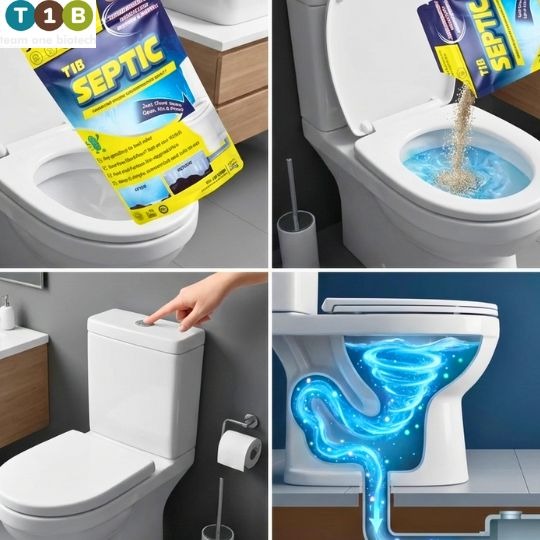
Step 1: Choose the Right Timing (Critical for Success)
The single biggest mistake homeowners make is applying T1B during peak water usage hours. Here’s why timing matters:
Best Application Times:
- Late evening (10 PM – 11 PM) after dinner dishes are done
- Before leaving for vacation when the house will be empty for days
- Early morning (5 AM – 6 AM) before the family wakes up
Why Low-Flow Periods Matter:
Bacteria need 6-8 hours of “residence time” to transition from their dormant powder state to active vegetative form. During this critical period, they settle into the sludge layer and begin colonizing organic solids.
If you flush T1B at 8 AM and then shower, run the washing machine, and use the kitchen sink heavily, incoming wastewater will simply flush the microbes through the tank before they can establish themselves. You’ve essentially wasted the product.
Pro Tip for Working Families: Apply T1B on Friday night before a weekend trip, or Sunday night when Monday’s work schedule naturally reduces morning water usage.
Step 2: Prepare the Application
What You’ll Need:
- T1B Septic Tank Cleaner packet (250g for routine maintenance)
- Optional: 1-2 liters of lukewarm water in a bucket
- Toilet access (primary application point)
Important Temperature Note: Never use hot water. Temperatures above 60°C will kill the bacteria before they reach your tank. Lukewarm water (around 30-35°C) helps activate enzymes without harming the microbes.
Step 3: Application Methods
Method A: Direct Toilet Flush (Recommended for Most Users)
- Open the T1B packet by tearing along the perforated edge
- Remove the inner pouch containing the powder
- Pour the entire contents directly into the toilet bowl
- Flush twice to ensure all powder clears the P-trap and reaches the septic tank
- Avoid using the toilet for 6-8 hours if possible (overnight application makes this easy)
Method B: Pre-Activated Application (For Severe Issues)
If you’re dealing with strong odors or extremely slow drains:
- Pour the T1B powder into a bucket containing 2 liters of lukewarm water
- Stir gently for 30-60 seconds to dissolve the powder
- Let it sit for 5 minutes to activate the enzymes
- Pour the mixture slowly into the toilet
- Flush once to move it into the tank
Method C: Kitchen Drain Treatment (For Grease Issues)
If your kitchen drain is particularly problematic:
- Mix half a packet of T1B with 1 liter of lukewarm water
- Pour directly down the kitchen sink drain
- Do not use the sink for 6-8 hours
- Follow up with the remaining half packet via toilet
This targeted approach helps the lipase enzymes work directly on grease buildup in your kitchen plumbing before reaching the septic tank.
Step 4: Post-Application Protocol
The first 8 hours after applying T1B are critical. Follow these guidelines:
DO:
- Allow the bacteria time to colonize undisturbed
- Continue normal toilet usage after 6-8 hours
- Note any changes in drainage speed or odor over the next 7-10 days
DON’T:
- Use heavy bleach or disinfectants for 24 hours
- Run multiple loads of laundry immediately after application
- Pour chemical drain cleaners down any drains
- Add antibacterial cleaners to toilet bowls
What to Expect:
- Days 1-3: Bacteria are establishing colonies
- Days 4-7: Noticeable reduction in odors as digestion ramps up
- Days 7-14: Drainage improvement becomes evident
- Week 3+: System reaches optimal bacterial balance
Dosage Guidelines: How Much T1B Do You Actually Need?
The correct dosage depends on your tank size and the severity of any existing problems.
For Routine Maintenance (System Functioning Normally)
| Septic Tank Capacity | Monthly Dosage |
| Up to 10,000 liters | 1 packet (250g) |
| 11,000 – 20,000 liters | 2 packets (500g) |
| 21,000+ liters | 3 packets (750g) |
Application Schedule: Once every month on the same date (set a phone reminder)
For Severe Issues (Strong Odors, Slow Drains, Recent Pumping)
Month 1 (Shock Treatment):
- 10,000L tank: 3 packets (750g) – one packet per week for 3 weeks
- 20,000L tank: 4-5 packets spread over 3-4 weeks
Month 2 (Stabilization):
- 10,000L tank: 2 packets (500g) – split into two applications
- 20,000L tank: 3 packets (750g)
Month 3 Onward (Maintenance):
- Return to routine maintenance schedule above
When to Apply Shock Treatment:
- Immediately after professional tank pumping (to reseed beneficial bacteria)
- After using harsh chemical cleaners
- Following extended periods of antibacterial soap/bleach use
- When persistent “rotten egg” smell (hydrogen sulfide) is present
- After family gatherings or periods of unusually high water usage
Common Mistakes That Sabotage T1B Effectiveness

Mistake 1: Using Hot Water
Hot water kills bacteria. Always use lukewarm or room-temperature water if pre-activating the powder.
Mistake 2: Applying During Peak Water Usage
Morning rush hours or laundry day flushes bacteria through before they can work. Always apply during low-flow periods.
Mistake 3: Expecting Overnight Miracles
T1B is biological, not chemical. Bacterial populations need 7-14 days to reach working levels. If you’re expecting instant results, you’ll be disappointed, but give it two weeks and you’ll notice the difference.
Mistake 4: Continuing to Use Antibacterial Products Heavily
If you’re using antibacterial hand soap, toilet bowl cleaners with bleach, or heavy disinfectants daily, you’re constantly killing the bacteria you just added. Switch to septic-safe alternatives.
Mistake 5: Skipping Months
Bacterial populations decline over time, especially in the presence of household cleaners. Consistent monthly applications maintain the population at optimal levels.
What You Should NEVER Flush (Even with T1B)

T1B’s microbes are powerful, but they’re not magic. Certain items will cause physical blockages no amount of bacteria can fix:
Prohibited Items:
- Wet wipes (even “flushable” ones)
- Sanitary pads and tampons
- Condoms
- Dental floss
- Cotton swabs
- Cigarette butts
- Cat litter
- Paper towels
- Disposable diapers
- Cooking oils in large quantities
- Paint, solvents, or chemicals
- Expired medications
Kitchen-Specific Rules:
- Scrape plates into trash, don’t rinse food scraps down the drain
- Collect cooking oil in a container for proper disposal
- Use sink strainers to catch food particles
- Avoid garbage disposals if connected to septic systems
Maximizing Long-Term Results: The Complete Maintenance Strategy
Monthly: T1B Application
Set a recurring reminder for the same date each month. Many users choose the 1st or 15th for easy tracking.
Quarterly: System Inspection
Every three months, check for:
- Gurgling sounds from drains
- Slow drainage in multiple fixtures
- Odors near the septic tank area
- Wet spots or unusually green grass over the drain field
Annually: Professional Assessment
Even with perfect T1B maintenance, schedule an annual inspection to check:
- Sludge and scum layer thickness
- Structural integrity of tank and baffles
- Drain field health
Every 3-5 Years: Professional Pumping
With consistent T1B use, most households can extend pumping intervals from every 1-2 years to every 3-5 years. The bacteria reduce sludge volume by up to 60%, dramatically lowering maintenance costs.
Cost Savings Calculation:
- Professional pumping: Rs. 8,000 – 15,000
- T1B monthly treatment: Rs. 400 – 600
- Annual T1B cost: Rs. 4,800 – 7,200
Even if T1B only extends your pumping interval by one extra year, it pays for itself several times over, while providing daily odor elimination and drainage improvement.
Troubleshooting: When T1B Isn’t Working as Expected
Problem: No improvement after 3 weeks
Possible Causes:
- Tank is critically full and needs professional pumping first
- Excessive use of antibacterial products is killing bacteria faster than T1B can repopulate
- Physical blockage (non-biodegradable item) in pipes
- Drain field failure (beyond T1B’s scope)
Solution: Schedule professional inspection to rule out mechanical issues
Problem: Initial improvement, then symptoms return
Possible Causes:
- Inconsistent monthly applications
- Sudden increase in household water usage
- Introduction of chemicals that killed bacterial population
Solution: Apply shock treatment (2-3 packets over 2 weeks), then resume monthly schedule
Problem: Works great in summer, less effective in winter
Possible Causes:
- While T1B works in cold temperatures, bacterial activity slows
Solution: Increase dosage by 50% during winter months in cold climates (above 2,000m elevation)
The Environmental and Economic Case for T1B
Protecting Groundwater
Every time you choose biological treatment over chemicals, you’re protecting your family’s water source. Chemical residues from traditional cleaners leach through soil and into aquifers, the same aquifers supplying drinking water to your community.
T1B’s microbes are naturally occurring, non-pathogenic, and completely biodegradable. They break down waste and then die off naturally, leaving no toxic residue.
Extending System Lifespan
The average septic system costs Rs. 1.5 – 3 lakhs to install. Drain field replacement alone can exceed Rs. 2 lakhs. By maintaining optimal bacterial populations with T1B, you’re protecting a significant investment in your property.
Supporting Sustainable Sanitation
India’s Swachh Bharat Mission emphasizes safe sanitation practices. Biological septic treatment aligns perfectly with these goals, ensuring waste is properly treated before entering soil and water systems.
Transform Your Septic System with Proper T1B Use
Using T1B Septic Tank Cleaner isn’t complicated, but it does require consistency and proper technique. Apply during low-flow periods, use the correct dosage for your tank size, and maintain a monthly schedule. Avoid antibacterial products that work against the bacteria, and never flush non-biodegradable items.
Within two weeks of your first application, you’ll notice odors diminishing. Within a month, drainage improves. Within three months, your septic system will be functioning as nature intended, efficiently, odor-free, and with minimal maintenance.
The choice between chemical band-aids and biological solutions isn’t just about your septic tank. It’s about protecting groundwater, reducing maintenance costs, and ensuring your sanitation system serves your family safely for decades.
Looking to improve your ETP/STP efficiency with the right bioculture?
Talk to our experts at Team One Biotech for customised microbial solutions.
Contact: +91 8855050575
Email: sales@teamonebiotech.com
Visit: www.teamonebiotech.com
Discover More on YouTube – Watch our latest insights & innovations!-
Connect with Us on LinkedIn – Stay updated with expert content & trends!