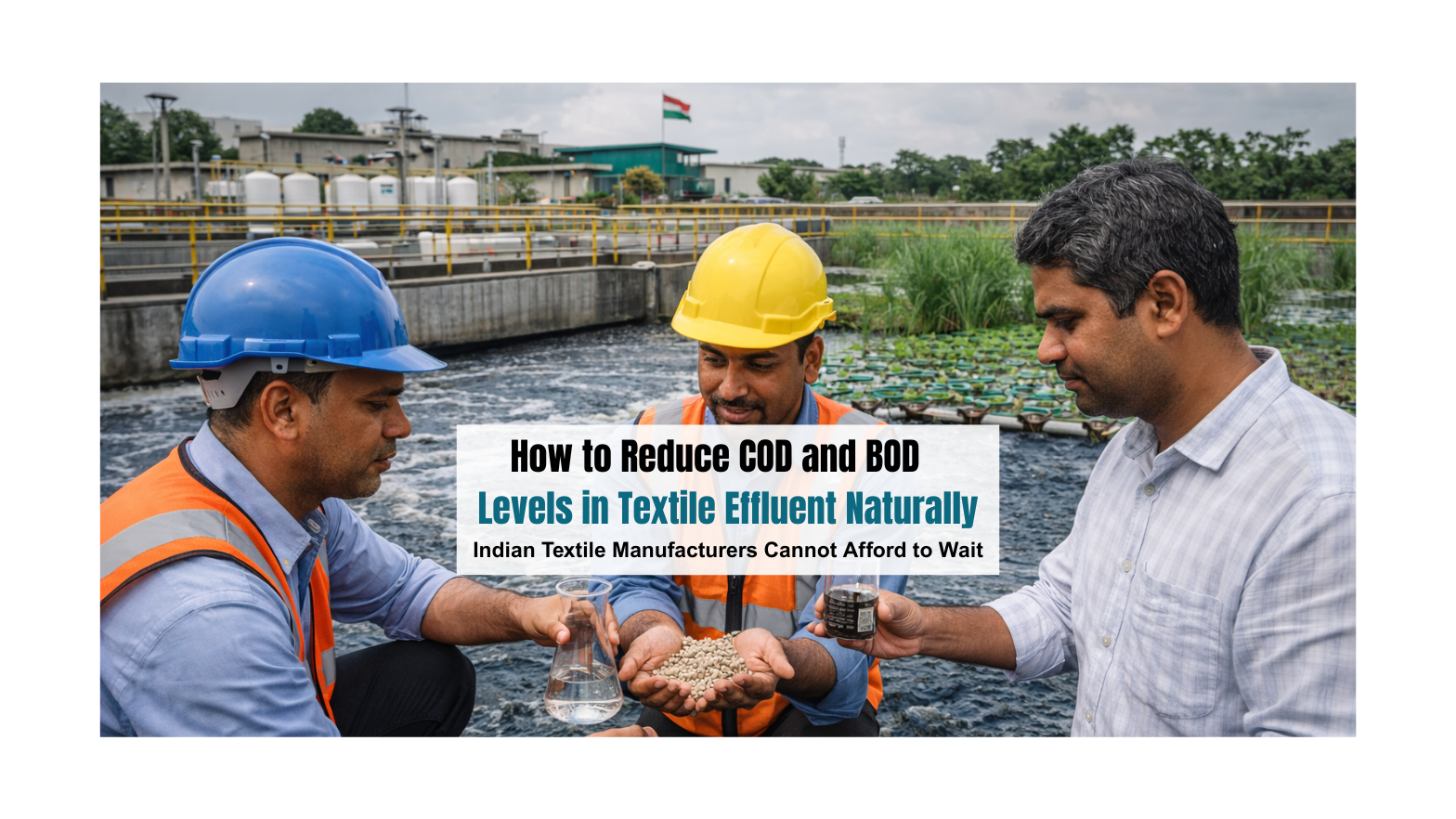
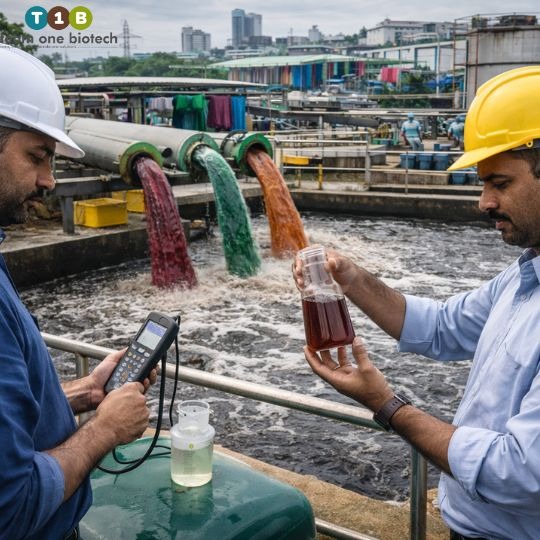
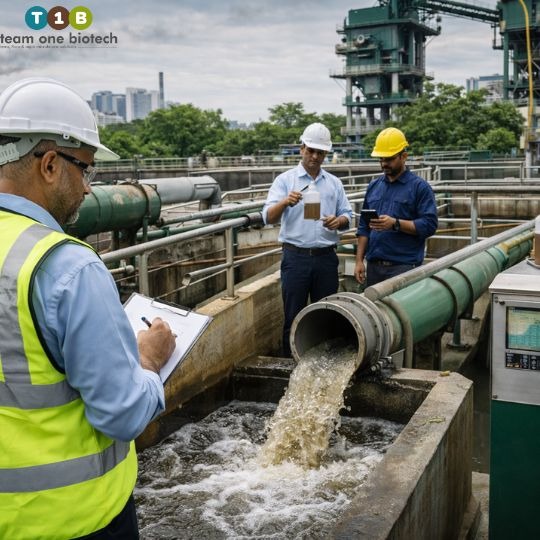
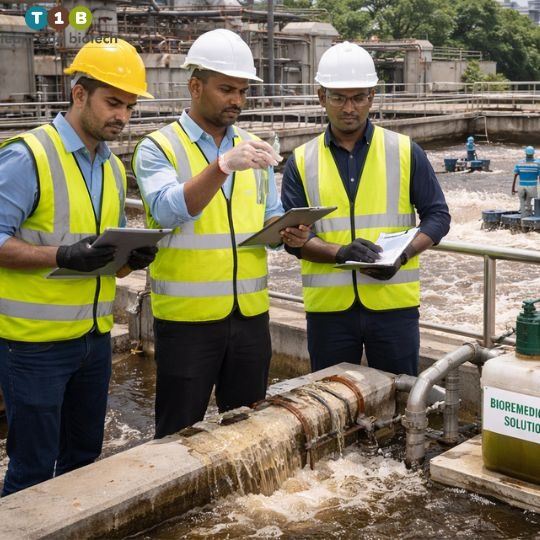
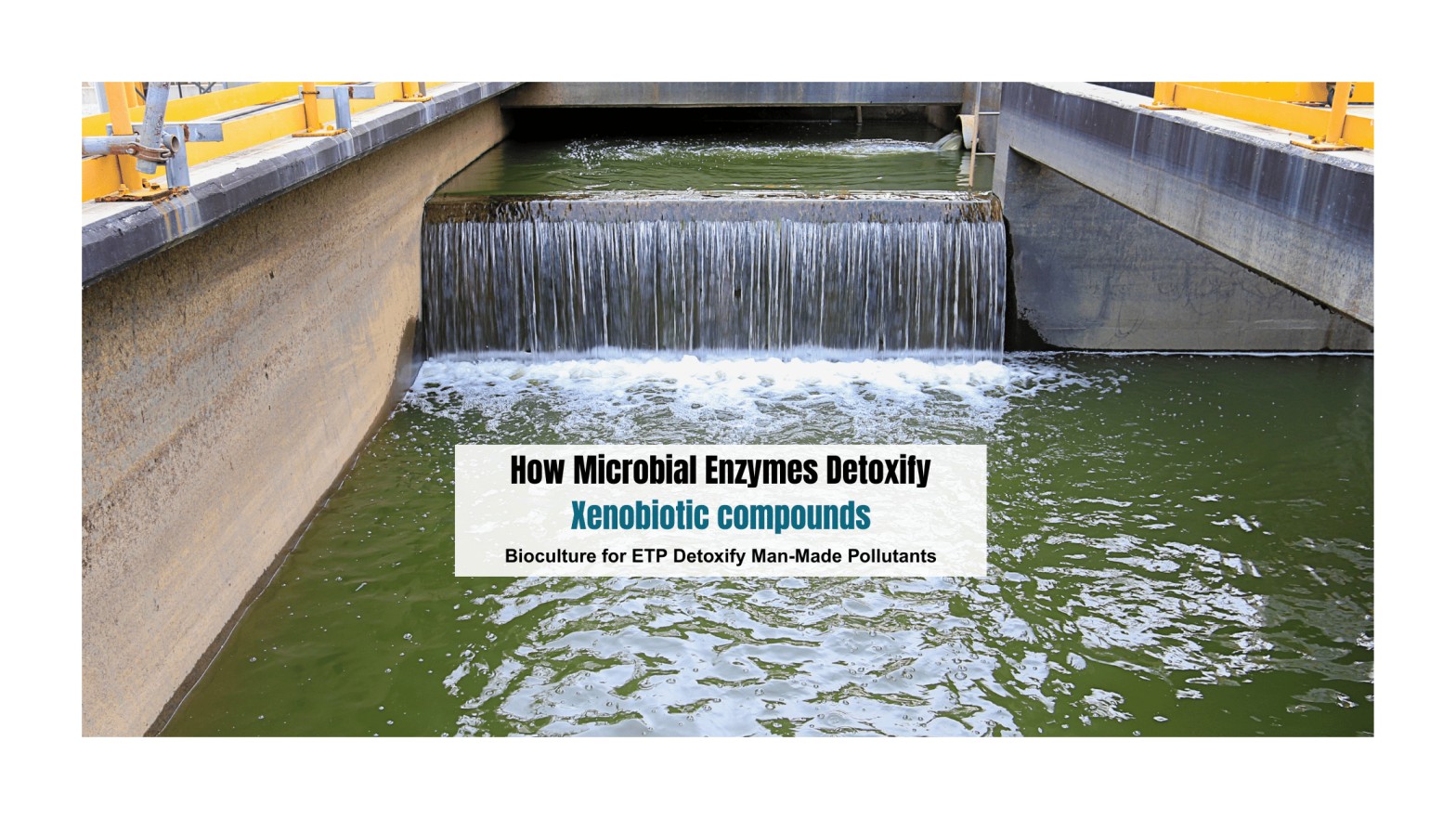
For textile manufacturers across Tirupur, Surat, Ahmedabad, Panipat, and Ludhiana, the pressure has never been greater. The Central Pollution Control Board (CPCB) and National Green Tribunal (NGT) have tightened environmental norms to unprecedented levels, with BOD limits for inland surface water discharge now fixed at 30 mg/L and COD at 250 mg/L. Non-compliance is no longer met with warnings, it results in immediate closure notices, hefty penalties, and permanent damage to brand reputation.
Beyond regulatory consequences lies a deeper responsibility. The Ganga, Yamuna, and countless other rivers that have sustained Indian civilization for millennia are choking under industrial pollution. As textile manufacturers, you are the custodians of both economic growth and environmental legacy. The question is no longer whether to comply, but how to do so sustainably and cost-effectively.
Before addressing solutions, we must understand the problem at a molecular level.
Biological Oxygen Demand (BOD) measures the amount of dissolved oxygen required by aerobic microorganisms to break down organic matter in water. High BOD indicates substantial organic pollution that depletes oxygen levels in water bodies, suffocating aquatic life.
Chemical Oxygen Demand (COD) represents the total quantity of oxygen required to oxidize all organic compounds in water, both biodegradable and non-biodegradable. COD is always higher than BOD and includes synthetic chemicals that biological processes cannot easily break down.
In textile processing, particularly during sizing, desizing, scouring, bleaching, mercerizing, and dyeing, wastewater becomes loaded with:
Starch and sizing agents from yarn preparation
Waxes, pectins, and oils from natural fibers
Complex azo dyes and reactive dyes containing aromatic rings
Surfactants and detergents from washing processes
Heavy metals like chromium, copper, and zinc from certain dye fixatives
Alkalis and acids from pH adjustment stages
These compounds create COD levels that frequently exceed 3,000-5,000 mg/L in raw textile effluent, far beyond CPCB permissible limits. Traditional Effluent Treatment Plants (ETPs) using chemical coagulation and oxidation struggle to consistently achieve compliance, especially with the recalcitrant synthetic dyes that characterize modern textile production.
The Regulatory Landscape: CPCB Wastewater Norms 2026 and Beyond
The regulatory environment in India has evolved dramatically. The CPCB, under direction from the NGT, has implemented stringent standards that reflect international best practices:
For Inland Surface Water Discharge:
BOD: 30 mg/L (previously 100 mg/L in many states)
COD: 250 mg/L
Total Suspended Solids (TSS): 100 mg/L
pH: 5.5-9.0
Color: Must be removable to meet visual acceptance criteria
For Land Disposal:
Even stricter parameters apply, with BOD limits at 100 mg/L
Zero Liquid Discharge (ZLD) Mandates: Many textile clusters, particularly in water-stressed regions, now face ZLD compliance requirements, meaning every drop of wastewater must be treated and recycled.
State Pollution Control Boards (SPCBs) conduct surprise inspections with real-time monitoring equipment. Non-compliance results in:
Immediate production shutdowns
Penalties ranging from Rs. 5 lakhs to Rs. 25 lakhs
Prosecution under the Water (Prevention and Control of Pollution) Act, 1974
Blacklisting from export markets demanding environmental certifications
The harsh reality is that chemical-heavy ETPs are failing to meet these standards consistently. They generate massive sludge volumes, require continuous chemical procurement, and struggle with the color removal essential for visual compliance.
Bioremediation for Industrial Wastewater Treatment
Bioremediation represents a paradigm shift from chemical warfare against pollutants to biological intelligence. Instead of attempting to chemically oxidize every molecule, we harness nature’s own pollution-fighting mechanisms through specialized microorganisms and enzymes.
Bioaugmentation: Engineering Microbial Consortia for Textile Effluent
Bioaugmentation involves introducing highly specialized bacterial and fungal strains specifically selected for their ability to degrade textile pollutants. At Team One Biotech, we have developed microbial consortia that include:
Bacteria:
Pseudomonas species for aromatic compound breakdown
Bacillus species for complex organic matter degradation
Aspergillus and Penicillium species for comprehensive organic matter utilization
These microorganisms work in synergy within your existing ETP infrastructure. Unlike chemical treatments that indiscriminately attack all molecules, bioaugmentation is selective, microbes metabolize pollutants as food sources, converting them into harmless CO2, water, and biomass.
The mechanism is elegant: Azo dyes, which constitute 60-70% of textile dyes, contain nitrogen-nitrogen double bonds (N=N) that are resistant to conventional treatment. Specialized bacterial azoreductase enzymes cleave these bonds under anaerobic conditions, followed by aerobic bacteria that completely mineralize the resulting aromatic amines.
This two-stage process achieves COD reduction of 60-80% and BOD reduction of 85-95%, bringing effluent parameters well within CPCB limits.
Enzymatic Treatment: Precision Catalysis for Synthetic Dye Breakdown
While microbial consortia provide comprehensive treatment, enzymatic bioremediation offers targeted precision. Enzymes are biological catalysts that accelerate specific chemical reactions without being consumed.
Key enzymes for textile effluent treatment include:
Laccase: Oxidizes phenolic compounds and aromatic amines from dye degradation Peroxidases: Break down hydrogen peroxide-resistant dyes Azoreductase: Specifically cleaves azo bonds in synthetic dyes Cellulase and Amylase: Degrade sizing agents and finishing compounds
Enzymatic treatment operates under mild conditions (neutral pH, ambient temperature) and produces minimal secondary pollution. When combined with microbial bioaugmentation, enzymes can reduce treatment time by 40-50%, crucial for industries operating at high production volumes.
Economic Benefits: The Business Case for Natural Wastewater Treatment
Shifting to bioremediation is not merely an environmental compliance strategy, it represents significant operational savings:
Reduced Chemical Costs: Eliminate or drastically reduce consumption of alum, ferric chloride, lime, and expensive oxidizers like hydrogen peroxide. Annual savings typically range from Rs. 15-30 lakhs for medium-sized operations.
Lower Sludge Generation: Chemical coagulation produces 3-5 kg of sludge per cubic meter of wastewater. Biological treatment generates 60-70% less sludge, reducing disposal costs and landfill requirements.
Decreased Energy Consumption: Natural processes require less mechanical aeration. Algal oxygen production can reduce aeration energy by 20-35%.
Compliance Assurance: Consistent parameter achievement eliminates penalty risks and production shutdowns. The cost of a single closure often exceeds the investment in biological treatment systems.
Water Recycling Potential: Biologically treated water is suitable for secondary uses like cooling, gardening, and certain process applications, supporting ZLD compliance and reducing freshwater procurement.
Across India’s textile heartlands, forward-thinking manufacturers are already experiencing the bioremediation advantage:
Tirupur Textile Cluster: Multiple dyeing units have integrated bioaugmentation into Common Effluent Treatment Plants (CETPs), achieving consistent BOD levels below 20 mg/L and enabling water reuse for up to 40% of non-process applications.
Surat Manufacturing Units: Individual ETPs enhanced with enzymatic treatment systems have reduced color levels by 85-90%, meeting the stringent visual discharge standards that chemical treatment struggled to achieve.
Panipat Processors: Textile processors dealing with heavy sizing loads have deployed microbial consortia specifically tailored for starch and PVA degradation, reducing COD by 70% in primary treatment stages alone.
These are not laboratory experiments, they are operational realities demonstrating that natural wastewater treatment for textile effluent is both technically viable and economically superior.
India’s Transition to Green Chemistry in Textile Processing
India stands at a crossroads. We can continue with chemical-intensive treatment that produces hazardous secondary waste and barely meets compliance standards, or we can embrace biological intelligence that works with nature rather than against it.
The transition to bioremediation represents more than regulatory compliance, it is a commitment to sustainable manufacturing, to preserving the waterways that define Indian heritage, and to building textile industries that future generations will be proud of.
At Team One Biotech, we have dedicated over a decade to developing microbial solutions specifically engineered for Indian industrial conditions. Our bioremediation products are not generic imports, they are formulated from strains isolated and optimized for the exact pollutants, temperatures, and pH ranges found in Indian textile effluent.
Ready to Transform Your Wastewater Treatment System?
The question is simple: Can you afford to continue with outdated chemical treatment when natural solutions offer superior results at lower costs?
Your compliance solution is not in a chemical drum, it is in the intelligence of nature, optimized by science, and delivered by Team One Biotech.
Looking to improve your ETP/STP efficiency with the right bioculture? Talk to our experts at Team One Biotech for customised microbial solutions.
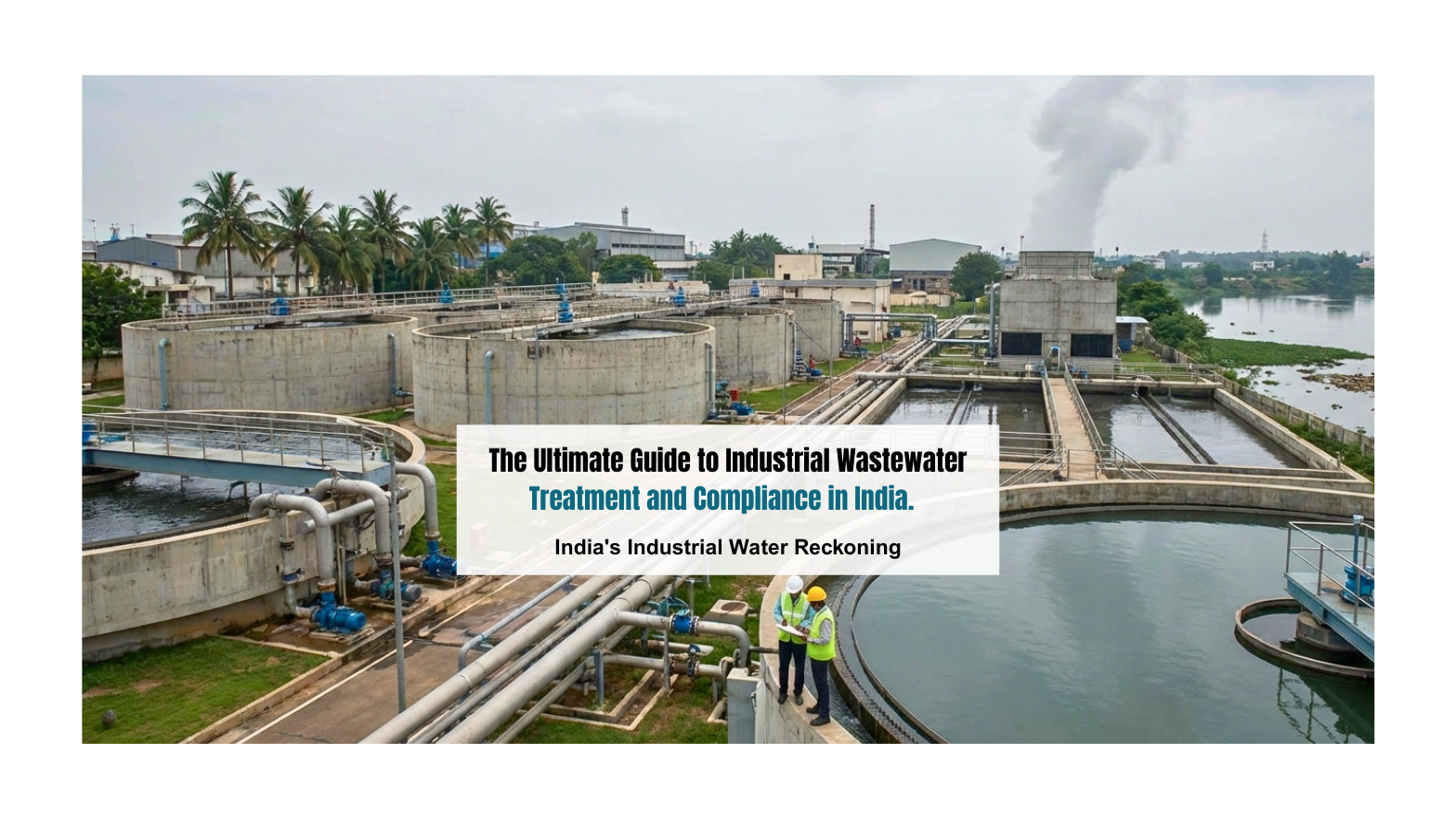
When the Tap Runs Dry: India’s Industrial Water Reckoning
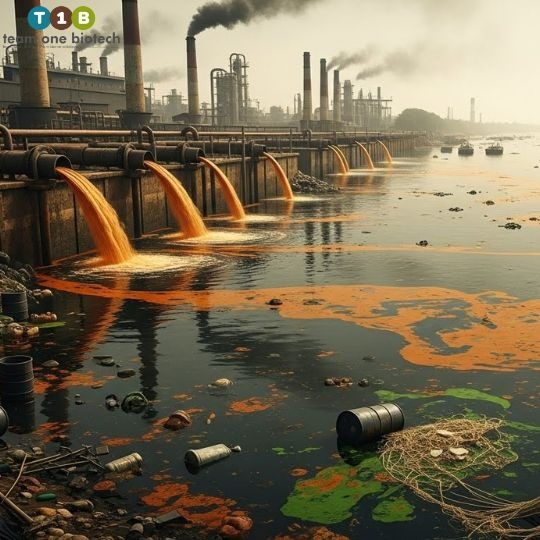
Imagine It’s 2026, and the Noyyal River in Tamil Nadu, once the lifeline of Tirupur’s textile industry, has been declared biologically dead for the third consecutive year. The Central Pollution Control Board has shut down 47 dyeing units in a single month. A Plant Manager in Surat receives a notice: achieve zero liquid discharge within 90 days or face permanent closure.
This isn’t a dystopian future. This is the reality unfolding across India’s industrial corridors today.
Every year, Indian industries discharge approximately 13,468 million liters of wastewater daily, with only 60% receiving adequate treatment. The NITI Aayog has warned that 21 major cities, including Delhi, Bengaluru, and Hyderabad, will run out of groundwater by 2030. For industrial leaders, the question is no longer “Can we afford to treat wastewater?” but rather “Can we afford not to?”. In this guide, you will understand Why Bioremediation & Biocultures In Wastewater Treatment and Compliance in India is a must.
This guide exists for the Plant Manager who lies awake worrying about the next SPCB inspection, the CEO balancing profit margins with planetary responsibility, and the Environmental Officer seeking solutions that actually work in Indian conditions. Because wastewater treatment is not merely a compliance checkbox, it is the legacy we leave for our children, the difference between sustainable growth and environmental bankruptcy.
India’s Industrial Wastewater Crisis
The Scale of the Challenge
India’s industrial growth story is also a water consumption story. The textile industry alone consumes 1,600 billion liters annually, with Tirupur’s 600 dyeing units generating 100 million liters of effluent daily. The pharmaceutical clusters in Hyderabad release complex chemical compounds that conventional treatment plants struggle to neutralize. Sugar mills in Uttar Pradesh operate seasonally, creating treatment challenges that demand adaptive solutions.
The problem compounds when we consider the diversity of Indian industries: automotive manufacturing in Chennai, leather tanning in Kanpur, food processing in Punjab, and chemical manufacturing across Gujarat. Each sector produces unique pollutants requiring specialized treatment approaches, yet many facilities still rely on decades-old chemical treatment methods designed for Western industrial conditions.
The Regulatory Landscape: Beyond Compliance to Survival
The regulatory framework governing industrial wastewater in India has undergone seismic shifts. The National Green Tribunal now possesses the authority to impose penalties reaching up to Rs. 25 crore for severe violations. State Pollution Control Boards have become increasingly vigilant, conducting surprise inspections and mandating real-time effluent monitoring systems.
Key regulatory bodies shaping compliance in 2026:
Central Pollution Control Board (CPCB): Sets national discharge standards and monitors state-level implementation
State Pollution Control Boards (SPCBs): Enforce regulations, issue consents, and conduct facility inspections
National Green Tribunal (NGT): Adjudicates environmental disputes with binding authority
Ministry of Environment, Forest and Climate Change: Formulates national policy frameworks
The shift from periodic testing to continuous online monitoring represents a fundamental change. Industries in critically polluted areas, classified as such by CPCB, face zero liquid discharge mandates, requiring complete water recycling with no external discharge.
The 2026 CPCB Compliance Checklist: Your Non-Negotiable Standards
This definitive checklist represents the minimum requirements for industrial effluent discharge in 2026. Non-compliance results in consent withdrawal, production shutdowns, and potential criminal proceedings under the Water (Prevention and Control of Pollution) Act, 1974.
General Discharge Standards (Into Public Sewers/Surface Water)
Critical Parameters:
pH Level: 5.5 to 9.0 (strict enforcement, acidic or alkaline discharge results in immediate notices)
Biochemical Oxygen Demand (BOD): Maximum 30 mg/L for discharge into surface water; 350 mg/L for sewers
Chemical Oxygen Demand (COD): Maximum 250 mg/L for surface water; not exceeding 3 times BOD value
Total Suspended Solids (TSS): Maximum 100 mg/L for surface water; 600 mg/L for sewers
Total Dissolved Solids (TDS): Maximum 2,100 mg/L (critical for textile and chemical industries)
Oil and Grease: Maximum 10 mg/L for surface water; 20 mg/L for sewers
Ammoniacal Nitrogen: Maximum 50 mg/L
Total Kjeldahl Nitrogen: Maximum 100 mg/L
Industry-Specific Standards
Textile Industry (Dyeing and Printing Units):
Color: Maximum 1 unit on ADMI scale after dilution
Chlorides: Maximum 1,000 mg/L
Sulphides: Maximum 2 mg/L
Phenolic compounds: Maximum 1 mg/L
Pharmaceutical Manufacturing:
Antibiotics: Not detectable in discharge
Heavy metals (Combined): Maximum 2 mg/L
Specific limits for copper, zinc, chromium, and nickel
Food Processing and Beverage Industries:
BOD: Maximum 30 mg/L (stringent due to organic load)
Residual chlorine: Maximum 1 mg/L
Leather Tanning:
Total chromium: Maximum 2 mg/L
Sulphides: Maximum 2 mg/L
TDS: Maximum 2,100 mg/L (critical parameter)
Monitoring and Documentation Requirements
Continuous Online Monitoring Systems: Mandatory for industries in red and orange categories
Monthly Testing: All critical parameters must be tested by NABL-accredited laboratories
Record Maintenance: Minimum 5-year retention of all test reports, consent documents, and operational logs
Annual Environmental Statement: Submission to SPCB by May 30th each year
Natural Solutions for COD and BOD Reduction
The Science Behind Bioremediation
Traditional wastewater treatment relies heavily on chemical coagulants like alum, ferric chloride, and lime to precipitate pollutants. While effective at removing suspended solids, these methods create massive volumes of toxic sludge and fail to address dissolved organic compounds that drive COD and BOD levels.
Biological treatment represents a paradigm shift. Specialized microbial cultures, carefully selected strains of bacteria that naturally occur in soil and water, consume organic pollutants as their food source. This isn’t genetic engineering; it’s nature optimized for industrial conditions.
How Specialized Microbial Cultures Break Down Complex Organics
In textile effluents, the challenge is formidable: synthetic dyes contain azo bonds, aromatic rings, and complex hydrocarbon chains that resist conventional breakdown. Here’s how targeted bioremediation works:
Stage One: Enzymatic Attack Specialized bacteria produce extracellular enzymes, azoreductases, laccases, and peroxidases, that cleave the molecular bonds of dye compounds. The azo bond (-N=N-), which gives dyes their color stability, becomes the bacteria’s primary target. These enzymes break complex molecules into simpler intermediate compounds.
Stage Two: Metabolic Conversion The bacterial cultures metabolize these intermediate compounds through their cellular respiration processes. What was once a toxic dye molecule becomes carbon dioxide, water, and new bacterial biomass. This is true mineralization, complete conversion of pollutants into harmless end products.
Stage Three: Consortium Synergy No single bacterial species can handle the diversity of compounds in industrial wastewater. Team One Biotech’s formulations contain carefully balanced consortiums where different species specialize in different compound classes. While Pseudomonas species excel at aromatic compound breakdown, Bacillus strains handle lipids and proteins. Nitrosomonas bacteria convert ammonia to nitrates, addressing nitrogen parameters.
The Technical Advantage: Why Biology Outperforms Chemistry
Parameter-Specific Reduction:
BOD Reduction: Biological cultures achieve 85-95% BOD reduction naturally, compared to 60-70% with chemical treatment alone
COD Reduction: Complex organics that inflate COD readings are systematically degraded, achieving reductions from 1,500 mg/L to under 250 mg/L without coagulants
Color Removal: Enzymatic decolorization removes color at the molecular level rather than merely precipitating it into sludge
The critical difference lies in selectivity. Chemical coagulants precipitate everything indiscriminately, creating massive sludge disposal challenges. Bacteria target specific pollutants, converting them into non-toxic biomass that settles efficiently and can even be composted in some applications.
Solving the Silent Crisis: Odor Control Through Biological Intervention
The Five Root Causes of Foul Odor in STPs
Industrial Sewage Treatment Plants often become neighborhood nuisances due to overwhelming odors. Understanding the source is essential to implementing effective solutions.
Cause One: Hydrogen Sulfide (H₂S) Generation When organic matter decomposes under anaerobic conditions, in septic tanks, collection sumps, or poorly aerated zones, sulfate-reducing bacteria convert sulfates into hydrogen sulfide. This compound produces the characteristic “rotten egg” smell and is toxic at elevated concentrations.
Cause Two: Anaerobic Pockets in Aeration Tanks Insufficient dissolved oxygen creates microenvironments where anaerobic degradation dominates. These pockets generate volatile fatty acids, mercaptans, and indoles, all malodorous compounds that pervade the entire facility.
Cause Three: Septic Influent When wastewater remains in collection systems too long before treatment, it turns septic. The transition from aerobic to anaerobic metabolism releases ammonia, volatile sulfur compounds, and organic acids that create penetrating odors.
Cause Four: Sludge Putrefaction Accumulated sludge in clarifiers or thickeners undergoes anaerobic decay if not removed promptly. Dead bacterial biomass becomes substrate for putrefactive bacteria, generating offensive odors.
Cause Five: Inadequate Mixing and Dead Zones Poor hydraulic design creates stagnant zones where solids accumulate and decompose anaerobically. These dead zones become continuous odor sources regardless of overall system performance.
The Biological Mechanism of Odor Neutralization
Team One Biotech’s odor control formulations don’t mask smells, they eliminate the compounds generating them through three biological pathways.
Pathway One: Direct Sulfur Oxidation Specialized Thiobacillus species oxidize hydrogen sulfide directly to elemental sulfur and sulfate. These chemoautotrophic bacteria derive energy from sulfur compound oxidation, rapidly converting H₂S to odorless forms. The reaction is elegant: H₂S + O₂ → S⁰ + H₂O, followed by further oxidation to sulfate.
Pathway Two: Enhanced Aerobic Metabolism By dramatically increasing the population of efficient aerobic bacteria, biological additives shift the metabolic balance. These bacteria outcompete slower-growing anaerobic species for substrate, preventing the formation of odorous intermediate compounds. The result is rapid, complete oxidation of organics to CO₂ and H₂O rather than partial degradation to smelly intermediates.
Pathway Three: Nitrification Enhancement Ammonia, a major odor component, is systematically converted to nitrate through biological nitrification. Nitrosomonas bacteria oxidize ammonia to nitrite, while Nitrobacter species complete the conversion to nitrate. Both forms are odorless, and the process occurs at neutral pH without chemical addition.
The Biofilm Advantage: In properly managed systems, beneficial bacteria colonize all surfaces, creating active biofilms that continuously process odorous compounds before they volatilize into the air. This represents persistent, 24/7 odor control rather than periodic chemical treatment.
Financial Case Study: The 30% Cost Reduction Reality
Company Profile: Midsize Textile Processing Unit, Surat
Facility Specifications:
Effluent generation: 500 KLD (kiloliters per day)
Primary pollutants: High COD (2,200 mg/L), elevated BOD (650 mg/L), color from reactive dyes
Treatment system: Conventional physico-chemical ETP with biological secondary treatment
The Pre-Intervention Reality
Monthly Chemical Consumption:
Alum (coagulant): 15,000 kg @ Rs. 18/kg = Rs. 270,000
Qualification for green financing at preferential interest rates
Reduced regulatory scrutiny, allowing focus on production rather than compliance management
Improved employee morale and retention in plant operations
The 30% figure represents the conservative estimate focusing solely on chemical and sludge costs. When accounting for penalty avoidance, reduced labor, and operational efficiency, total cost reduction approached 43%.
Conventional Treatment vs. Team One Biotech Bioremediation: A Comparative Analysis
Phase 2: Biological Seeding and Acclimatization (Week 3-6)
Introduction of specialized microbial consortiums must be staged carefully to avoid shocking existing biological systems:
Week 3: Initial seeding at 25% of recommended dosage, monitoring dissolved oxygen and pH stability
Week 4: Increase to 50% dosage, begin reducing chemical coagulant by 20%
Week 5: Full biological dosage achieved, chemical coagulant reduced by 40%
Week 6: System stabilization, monitoring for consistent COD/BOD reduction
Phase 3: Optimization and Chemical Reduction (Week 7-12)
As biological populations establish dominance, chemical dependencies decrease systematically. Daily monitoring guides gradual reductions while maintaining discharge compliance.
Phase 4: Sustained Performance and Continuous Improvement (Month 4+)
Established biological systems require ongoing nutrient balancing and periodic reseeding to maintain populations. Monthly performance reviews ensure sustained compliance and identify opportunities for further optimization.
The Strategic Value of Sustainable Wastewater Management
Water Security as Competitive Advantage
Industries that achieve water recycling rates exceeding 70% position themselves strategically as freshwater scarcity intensifies. Zero liquid discharge facilities command premium market positioning, attracting environmentally conscious customers and investors.
Carbon Credits and Green Financing
Biological treatment systems consume significantly less energy than chemical alternatives, reducing Scope 2 carbon emissions. This qualifies facilities for carbon credit generation under voluntary markets and improves eligibility for green bonds at favorable interest rates.
Workforce and Community Relations
Facilities known for environmental stewardship attract and retain higher-quality talent. Eliminating odors and visible pollution transforms industrial units from neighborhood liabilities to responsible corporate citizens, reducing community opposition to expansion plans.
Future-Proofing Against Regulatory Tightening
CPCB standards will only become more stringent. Systems designed for biological treatment adapt easily to tighter limits through population optimization, while chemical systems require expensive infrastructure additions.
Common Implementation Challenges and Solutions
Challenge: Fluctuating Influent Characteristics
Reality: Industrial production varies seasonally or with order cycles, creating wastewater quality fluctuations that stress biological systems.
Solution: Equalization tanks buffer flow variations, while robust microbial consortiums tolerate wider parameter ranges than conventional activated sludge systems. Strategic bacterial seeding during production ramp-ups maintains population adequacy.
Challenge: Temperature Extremes
Reality: Indian climates range from 5°C winters in North India to 45°C summers in Central regions, affecting bacterial metabolism.
Solution: Team One Biotech’s formulations include psychrotolerant strains active at low temperatures and thermotolerant strains for heat resistance, ensuring year-round performance.
Challenge: Toxic Shock Loads
Reality: Accidental discharges of concentrated chemicals or biocides can devastate biological populations.
Solution: Real-time monitoring systems provide early warning, while emergency reseeding protocols restore functionality within 48-72 hours. Proper segregation of toxic waste streams prevents most shock events.
The Team One Biotech Difference: Science Meets Service
Proprietary Microbial Formulations
Two decades of research into Indian industrial effluents have produced consortiums specifically adapted to textile dyes, pharmaceutical residues, food processing organics, and heavy industrial compounds. These aren’t generic bacterial products but precision-engineered solutions.
Technical Support Infrastructure
Every Team One Biotech client receives:
Dedicated environmental engineer for system optimization
24/7 helpline for operational emergencies
Quarterly performance audits with detailed reporting
Ongoing training for plant operators on biological system management
Proven Track Record
With over 300 installations across India’s industrial heartland, from Surat’s textile clusters to Hyderabad’s pharma corridor, Team One Biotech has demonstrated consistent results in the most challenging conditions.
Your Path Forward: Three Steps to Transformation
Step One: Knowledge
You’ve taken this step by reading this comprehensive guide. You now understand the regulatory landscape, the science of biological treatment, and the financial case for change.
Step Two: Assessment
Engage Team One Biotech’s technical team for a no-obligation facility assessment. Understand your specific challenges, opportunities, and the customized solution pathway.
Step Three: Implementation
Begin the transformation from chemical dependency to biological excellence. Join the growing community of Indian industries proving that profitability and environmental responsibility are not competing goals but complementary strategies.
The Moral Imperative: Water for the Next Generation
Every liter of wastewater your facility treats properly is a liter available for agriculture, for drinking water, for life itself. India’s water crisis is not an abstract environmental concern, it is the defining challenge of our industrial generation.
The Noyyal River can flow again. The communities downstream from your facility can thrive. Your plant can operate profitably while contributing to planetary healing rather than degradation.
Partner with Team One Biotech for a Sustainable Future
The choice is clear: continue down the path of chemical dependency, rising costs, and regulatory uncertainty, or embrace the biological revolution transforming Indian industrial wastewater treatment.
Team One Biotech stands ready to guide your transformation. Our expertise, proven formulations, and unwavering commitment to your success make us the partner you need for this critical journey.
Looking to improve your ETP/STP efficiency with the right bioculture? Talk to our experts at Team One Biotech for customised microbial solutions.
Yamuna River in Delhi during monsoon season does not flow with clean water, but is choked with industrial effluent, foaming like a washing machine. Or the Cauvery in Karnataka, once the lifeline for millions, now struggling under the burden of untreated wastewater from textile clusters. As India races toward becoming a $5 trillion economy, our water bodies are paying a devastating price. Every day, over 72,000 million liters of sewage and industrial effluent flow into our rivers, with only 28% receiving adequate treatment.
This isn’t just an environmental tragedy, it’s an economic time bomb. Industries across Manesar, Tirupur, Ahmedabad, and Bangalore are facing stricter National Green Tribunal (NGT) mandates, CPCB discharge standards that demand BOD levels below 10 mg/L, and aggressive timelines for achieving Zero Liquid Discharge (ZLD). The question facing every plant manager and sustainability officer today isn’t whether to upgrade their effluent treatment systems, it’s which technology will deliver compliance without bankrupting their operations.
The answer increasingly lies in biological STP/ETP treatment, specifically advanced bioremediation solutions that are revolutionizing how Indian industries approach wastewater management. This comprehensive analysis breaks down exactly why biological STP/ETP systems are emerging as the financially smartest choice for forward-thinking manufacturers.
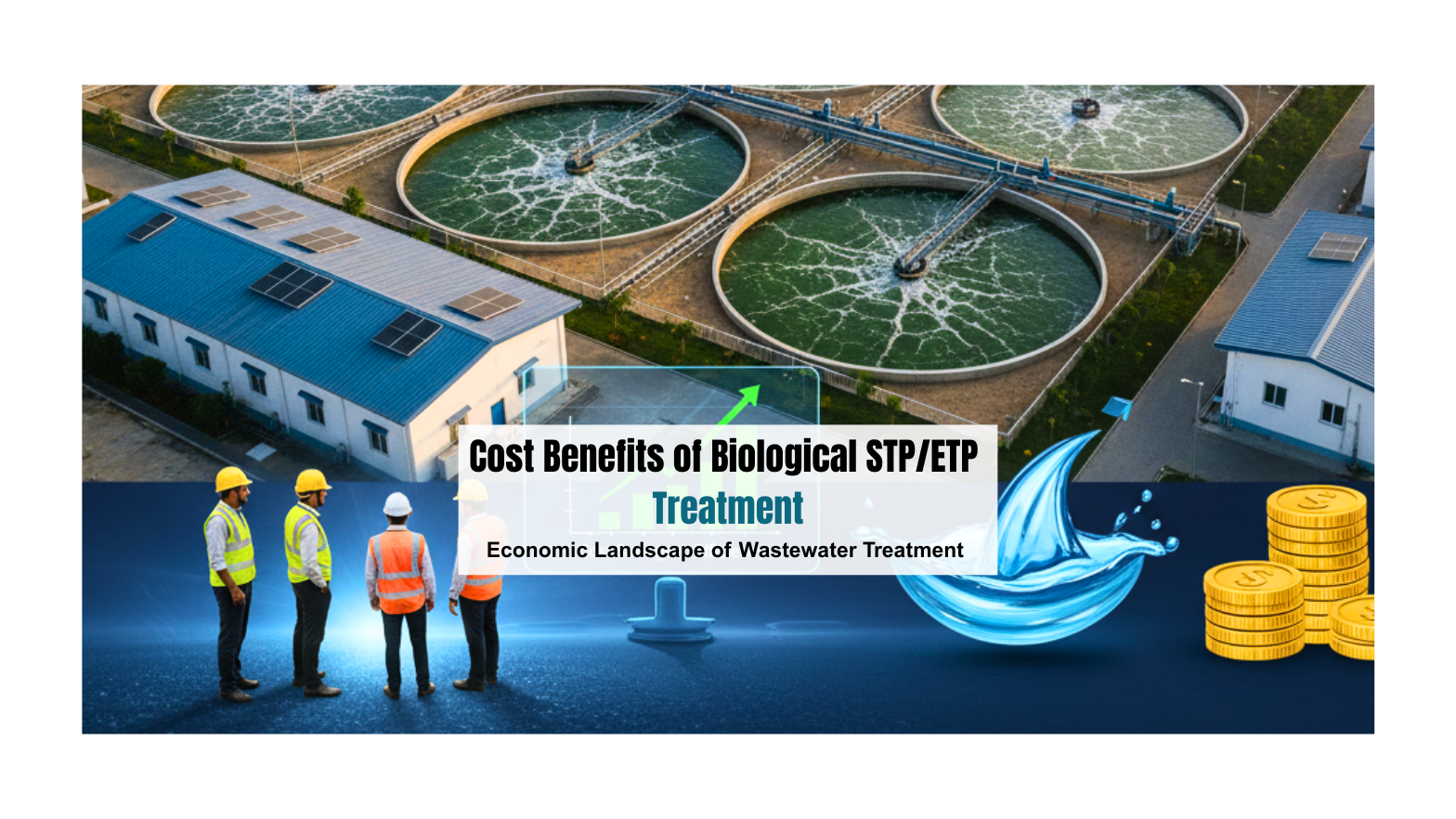
Economic Landscape of Wastewater Treatment in India
Before diving into specific cost benefits, it’s crucial to understand the regulatory and economic pressure points shaping India’s industrial wastewater sector. The Central Pollution Control Board (CPCB) has progressively tightened discharge norms since 2015, with the revised standards of 2026 leaving virtually no room for non-compliance. State Pollution Control Boards (SPCBs) across Maharashtra, Tamil Nadu, Gujarat, and Haryana are conducting surprise inspections with penalties reaching Rs 5-10 lakhs per day for violations.
Beyond regulatory compliance, water scarcity is driving operational costs skyward. Industries in water-stressed regions like Rajasthan and Karnataka are paying premium rates for freshwater, sometimes exceeding Rs 50-80 per kiloliter. For a medium-sized textile unit consuming 500 KL daily, that’s a monthly water bill approaching Rs 12-15 lakhs. Suddenly, wastewater recycling isn’t just environmentally responsible, it’s financially essential.
Ready to calculate your potential savings? Request a Cost-Benefit Audit from Team One Biotech’s technical team and discover your facility’s customized roadmap to 40-60% operational savings.
CAPEX Analysis: Initial Investment Considerations
When evaluating biological versus chemical treatment systems, the capital expenditure picture requires nuanced understanding. Traditional chemical treatment plants often appear cheaper initially, with setup costs for a 100 KLD unit ranging from Rs 15-25 lakhs. However, this figure excludes critical infrastructure, chemical storage facilities, dosing equipment with explosion-proof fittings, and specialized corrosion-resistant pipework.
Biological STP/ETP systems, particularly those incorporating advanced bioremediation solutions, typically require CAPEX investments of Rs 20-35 lakhs for equivalent capacity. The difference? This comprehensive figure includes bioreactor systems, aeration equipment, sludge management infrastructure, and automated monitoring systems that ensure consistent performance.
The critical financial insight emerges when examining total cost of ownership over a standard depreciation period of 10-15 years. Biological systems demonstrate remarkable infrastructure longevity because they don’t subject equipment to corrosive chemicals. Chemical dosing pumps in traditional systems require replacement every 18-24 months at Rs 40,000-80,000 per unit. Biological systems eliminate this recurring capital drain entirely.
Furthermore, biological treatment allows for modular expansion. As production capacity grows, additional bioreactor modules can be integrated at 30-40% lower cost compared to scaling up chemical treatment infrastructure, which often requires complete system redesign.
OPEX Breakdown: Where Biological Systems Deliver Maximum Savings
The operational expenditure comparison reveals why CFOs across Indian manufacturing sectors are championing biological treatment adoption. Let’s examine the key cost drivers:
Chemical Procurement and Management
Traditional ETP systems for a 200 KLD industrial facility typically consume:
Alum/Ferric Chloride: 80-120 kg/day at Rs 15-25/kg
Caustic Soda/Lime: 60-100 kg/day at Rs 20-35/kg
Polymer flocculants: 3-5 kg/day at Rs 150-300/kg
Monthly chemical bill: Rs 1.8-3.2 lakhs
Biological systems require minimal chemical supplementation, primarily for pH correction during startup or shock load scenarios. Monthly chemical costs typically range from Rs 15,000-40,000, representing an 85-95% reduction. Over a decade, this translates to savings exceeding Rs 2-3.5 crores for a single medium-capacity plant.
Energy Consumption Patterns
Biological treatment’s energy profile favors efficient aeration rather than high-intensity chemical mixing and clarification. Modern biological STPs utilizing fine bubble diffusers consume 0.8-1.2 kWh per kiloliter treated, compared to 1.5-2.5 kWh for chemical systems requiring extensive pumping and mixing. For facilities treating 500 KLD daily, this 40-50% energy reduction translates to monthly savings of Rs 50,000-90,000 at industrial electricity tariffs.
Sludge Management Economics
This factor alone often tips the economic balance decisively toward biological treatment. Chemical treatment generates 3-5% sludge by volume with heavy metal content requiring hazardous waste protocols. Disposal costs through SPCB-authorized vendors range from Rs 3,000-6,000 per ton.
Biological sludge contains 0.8-1.5% solids with excellent dewaterability. More importantly, it qualifies as non-hazardous biomass suitable for composting or co-processing in cement kilns at Rs 500-1,200 per ton. Some facilities even generate revenue by supplying dewatered biosludge to organic fertilizer manufacturers. The annual cost differential for a 250 KLD facility reaches Rs 8-15 lakhs.
Maintenance and Labor Requirements
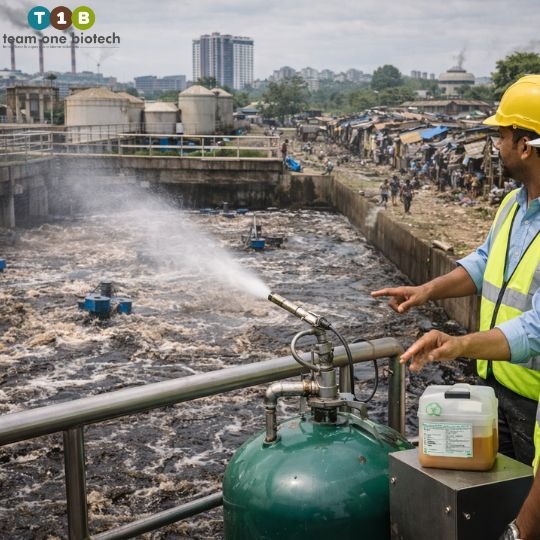
Chemical treatment demands specialized handling protocols, regular equipment calibration, and skilled operators managing dosing systems. Biological systems, once established with appropriate microbial consortia, demonstrate remarkable operational stability. Team One Biotech’s bioremediation solutions incorporate resilient bacterial strains adapted to Indian industrial conditions, tolerating temperature fluctuations, handling organic load variations, and recovering rapidly from process upsets.
Maintenance requirements drop by approximately 50%, with labor costs reducing proportionally. The technology shift allows facilities to redeploy technical staff toward higher-value process optimization rather than routine chemical management.
Resource Recovery: The Hidden Revenue Stream
Here’s where biological STP/ETP treatment transcends cost reduction to become a profit center. Treated water meeting CPCB recycling standards (BOD <10 mg/L, COD <50 mg/L, TSS <10 mg/L) can substitute for freshwater across multiple applications:
Cooling Tower Makeup Water: A 500 KLD capacity plant recycling 70% of treated water saves Rs 10-14 lakhs monthly in freshwater procurement while reducing discharge penalties.
Horticulture and Dust Suppression: Industrial campuses typically consume 50-100 KLD for landscaping and road cleaning, applications perfectly suited for treated effluent.
Process Water (Post-Tertiary Treatment): Industries incorporating ultrafiltration or reverse osmosis post-biological treatment can recycle water into manufacturing processes, moving toward genuine ZLD status.
The cumulative water conservation translates to annual savings of Rs 60 lakhs to Rs 1.2 crores for medium-to-large facilities, depending on regional water scarcity and pricing.
Regulatory Compliance: The Risk Mitigation Factor
NGT directives and SPCB enforcement have made non-compliance financially untenable. Biological treatment systems offer superior regulatory risk management because they produce consistently compliant effluent without the variability introduced by chemical dosing errors, supplier quality issues, or operator mistakes.
Team One Biotech’s biological solutions incorporate real-time biomonitoring that detects process deviations before they result in discharge violations. The technology integrates seamlessly with continuous emission monitoring systems (CEMS) increasingly mandated by SPCBs, providing documented compliance that protects against penalties and production stoppages.
Several Tirupur textile manufacturers avoided facility closures during recent TNPCB crackdowns specifically because their biological treatment systems maintained discharge standards even during monsoon dilution challenges that caused neighboring chemical-based plants to fail compliance tests.
Industry-Specific Applications Across India
Textile and Dyeing (Tirupur, Ludhiana): Biological systems handle complex dye molecules through specialized bacterial consortia, achieving color removal exceeding 85% without chemical oxidation costs.
Food Processing (Pune, Hyderabad): High BOD/COD wastewater from dairy, beverage, and packaged food facilities responds exceptionally well to biological treatment, with some operations achieving biogas co-generation from anaerobic pre-treatment stages.
Pharmaceutical (Baddi, Ahmedabad): Advanced bioremediation tackles antibiotic residues and complex organic compounds while meeting stringent CPCB pharmaceutical sector norms.
Automotive and Engineering (Manesar, Chennai): Metal finishing and degreasing wastewater benefits from biological treatment’s ability to handle oil-water emulsions and organic solvents economically.
Making the Financial Decision: ROI Timeline
For a typical 250 KLD industrial ETP, the financial comparison over five years reveals:
Chemical Treatment Total Cost: Rs 1.2-1.8 crores (CAPEX + OPEX)
Biological Treatment Total Cost: Rs 65-95 lakhs (CAPEX + OPEX)
Net Savings: Rs 55 lakhs – Rs 85 lakhs
ROI Achievement: 18-30 months
These figures exclude the value of avoided penalties, production continuity assurance, and corporate sustainability credentials that increasingly influence customer procurement decisions and export certifications.
The Smart Money Moves Toward Biology
As India’s industrial sector navigates the twin imperatives of economic growth and environmental stewardship, biological STP/ETP treatment emerges as the technology that reconciles both objectives. The cost benefits extend far beyond simple operational savings, they represent strategic advantages in regulatory resilience, resource independence, and corporate reputation.
The rivers that sustained our civilizations for millennia, the Ganga, Yamuna, Cauvery, and countless others, deserve industries that view them as partners rather than disposal systems. Biological treatment honors this relationship while delivering bottom-line results that satisfy the most demanding CFO.
Team One Biotech has pioneered bioremediation solutions specifically engineered for Indian industrial conditions, combining proven microbial science with practical implementation expertise. Their systems are operating successfully across 200+ installations nationwide, demonstrating that environmental responsibility and financial performance aren’t competing priorities, they’re complementary outcomes of intelligent technology selection.
Looking to improve your ETP/STP efficiency with the right bioculture? Talk to our experts at Team One Biotech for customised microbial solutions.
Why Your Wastewater Treatment Plant Defines Your Business Legacy
India consumes approximately 1,100 billion cubic meters of water annually, yet treats barely 30% of its wastewater. For every liter discharged untreated, we edge closer to a crisis that threatens not just our environment, but our operational licenses, community reputation, and bottom line.
As a facility manager or plant owner, you already know this reality. The CPCB inspection notices, the complaints from neighboring communities about foul odors, the steadily climbing operational costs, these aren’t abstract problems. They’re daily battles that demand immediate, effective solutions.
The choice isn’t whether to treat wastewater anymore. It’s about how to do it efficiently, affordably, and sustainably in India’s unique operational environment.
Indian industries and residential complexes operate under strict environmental oversight. The Central Pollution Control Board (CPCB) and State Pollution Control Boards have established non-negotiable discharge standards. Biochemical Oxygen Demand (BOD) levels must stay below 30 mg/L for discharge into inland surface waters, while Chemical Oxygen Demand (COD) limits vary by industry, textile units face stricter norms than food processing facilities.
Non-compliance isn’t just about penalties. The Environmental Protection Act empowers authorities to shut down operations entirely. Several manufacturing units in Gujarat and Maharashtra have faced closure orders in recent years, with restart processes taking months and costing crores in lost production.
Climate-Specific Challenges
India’s tropical and subtropical climate creates unique operational challenges. Monsoon flooding can overwhelm treatment systems, diluting bacterial cultures and disrupting biological processes. Summer temperatures exceeding 40°C accelerate evaporation and alter microbial activity rates. These fluctuations demand treatment systems that adapt rather than fail.
The high organic load in Indian wastewater, from food processing residues to dairy effluents, requires robust biological treatment capabilities. Traditional chemical methods struggle with this variability, leading to inconsistent treatment quality and frequent operational adjustments.
STP vs ETP: Knowing Your Treatment Requirements
Sewage Treatment Plants (STP)
STPs handle domestic wastewater from residential complexes, townships, hotels, and commercial buildings. The influent contains human waste, kitchen discharge, laundry water, and general bathroom effluent. Typical characteristics include:
Organic Load: BOD ranges from 200-400 mg/L
Solid Content: Total Suspended Solids (TSS) between 200-350 mg/L
Pathogen Presence: High bacterial and viral contamination requiring disinfection
Modern residential projects in Bangalore, Pune, and NCR commonly install STPs with capacities ranging from 50 KLD to 500 KLD. The treated water often feeds landscaping systems, cooling towers, or flushing networks, making treatment quality directly impact operational independence.
Effluent Treatment Plants (ETP)
ETPs tackle industrial wastewater with dramatically different characteristics. A textile dyeing unit in Tirupur discharges water with heavy metal traces and complex organic compounds. A pharmaceutical facility in Hyderabad generates effluent with high salt concentrations and residual drug compounds. Each industry presents distinct challenges:
Chemical Industries: Heavy metals, acids, alkalis, and toxic organic compounds
Food Processing: Extremely high BOD/COD ratios, oils, and suspended solids
Textiles: Color, high pH variations, and synthetic chemicals
Pharmaceuticals: Antibiotics, hormones, and persistent organic pollutants
The treatment approach must match the contaminant profile. Generic solutions fail, leading to regulatory violations and operational crises.
The Bioremediation Revolution in Wastewater Treatment
Beyond Conventional Chemical Treatment
Traditional wastewater treatment relies heavily on chemicals, coagulants, flocculants, disinfectants, and pH adjusters. While effective in the short term, this approach creates dependency, generates secondary pollution through sludge, and escalates operational costs.
Bioremediation harnesses nature’s most efficient decomposers: microorganisms specifically selected and cultivated to break down pollutants. Team One Biotech’s microbial consortia represent years of research into Indian wastewater characteristics, selecting strains that thrive in our climate and effectively metabolize our specific contaminant profiles.
How Microbial Treatment Works
Specialized bacteria colonies consume organic pollutants as their food source. They break down complex molecules, proteins, fats, carbohydrates, and even certain industrial chemicals, into harmless end products: water, carbon dioxide, and biomass. This process happens continuously, creating a self-sustaining treatment ecosystem when properly managed.
The microbial approach addresses problems chemical treatment cannot:
Odor Elimination: Hydrogen sulfide and ammonia gases causing foul smells are biologically oxidized at the source, eliminating odors rather than masking them.
Sludge Reduction: Microbes consume organic matter more completely, reducing sludge generation by up to 40% compared to conventional activated sludge processes.
Operational Stability: Biological systems resist shock loads better than chemical processes, maintaining treatment efficiency during flow or load variations.
Cost Efficiency: After initial bioaugmentation, ongoing microbial treatment costs significantly less than continuous chemical dosing.
The Team One Biotech Difference
Not all microbial products deliver equal results. Team One Biotech’s formulations are specifically engineered for Indian conditions. Our consortia include facultative anaerobes that function effectively whether oxygen is abundant or limited, crucial for plants with inconsistent aeration. We incorporate strains that tolerate high temperatures and pH fluctuations common in industrial effluents.
Most importantly, our solutions come with technical support. Bioremediation isn’t about pouring microbes into a tank and walking away. It requires understanding your specific wastewater characteristics, optimizing environmental conditions, and monitoring microbial health. Our team provides this expertise, transforming bioremediation from a product into a complete Wastewater Treatment solution.
The Three Stages of Effective Wastewater Treatment
Primary Treatment: Physical Separation
This stage removes large solids and suspended particles through screening, grit removal, and sedimentation. Bar screens catch rags, plastics, and debris. Grit chambers allow sand and heavy particles to settle. Primary clarifiers remove suspended solids through gravity settling.
Here’s where bioremediation truly shines. Aerobic bacteria break down dissolved organic matter in the presence of oxygen. The process occurs in aeration tanks where microorganisms form flocs, clusters of bacteria that settle easily in secondary clarifiers.
Key Parameters to Monitor:
Dissolved Oxygen (DO): Maintain 2-4 mg/L for optimal aerobic activity
Sludge Volume Index (SVI): Measures settling characteristics; target 80-150 mL/g
Food-to-Microorganism Ratio (F/M): Balance organic load with bacterial population
Team One Biotech’s microbial consortia optimize these parameters naturally. Our formulations include nitrifying bacteria that convert ammonia to nitrates, addressing nitrogen pollution that causes eutrophication in water bodies.
Tertiary Treatment: Polishing and Disinfection
Final treatment removes residual suspended solids, nutrients, and pathogens. Sand filtration, activated carbon adsorption, and UV disinfection ensure treated water meets discharge standards or reuse requirements.
Advanced Options: Reverse osmosis and ultrafiltration enable water recovery for high-purity applications, though these add capital and operational costs.
Troubleshooting Common STP/ETP Challenges
Persistent Foul Odors
Root Cause: Anaerobic conditions producing hydrogen sulfide and mercaptans. Often results from inadequate aeration or shock loads overwhelming the system.
Bioremediation Solution: Specialized facultative bacteria colonize the system, out-competing sulfur-reducing bacteria. Team One Biotech’s odor control formulations include strains that directly metabolize odor-causing compounds within 48-72 hours of application.
Bioremediation Solution: Bioaugmentation with high-concentration bacterial formulations rapidly rebuilds treatment capacity. Our products include multiple bacterial strains that attack different organic compounds simultaneously, ensuring comprehensive treatment.
Excessive Sludge Generation
Root Cause: Incomplete organic matter breakdown or poor sludge settling. Many plants face sludge disposal costs exceeding their chemical treatment budgets.
Bioremediation Solution: Enhanced microbial activity increases organic matter conversion efficiency. Team One Biotech’s formulations include specialized bacteria that degrade complex organic molecules conventional systems leave behind, reducing sludge production while improving effluent quality.
Foaming in Aeration Tanks
Root Cause: Excessive surfactants or filamentous bacterial growth (often Nocardia or Microthrix species).
Bioremediation Solution: Introduction of specific bacterial strains that consume surfactants and out-compete filamentous organisms, restoring normal settling characteristics without chemical anti-foaming agents.
The Economic Case for Bioremediation
Consider a 250 KLD STP serving a residential complex in Pune. Traditional chemical treatment costs approximately Rs. 45,000-60,000 monthly in coagulants, flocculants, and disinfectants. Power consumption for excessive aeration adds another Rs. 35,000-40,000.
Implementing Team One Biotech’s microbial treatment program reduces chemical costs by 60-70% after the initial bioaugmentation period. More efficient biological activity decreases aeration requirements, cutting power consumption by 20-30%. Reduced sludge generation lowers disposal costs by approximately 35-40%.
The total operational savings typically range from Rs. 40,000-65,000 monthly for a mid-sized STP, a 40-50% reduction in operating expenses. The system pays for itself within 3-6 months while delivering superior effluent quality and eliminating odor complaints.
Your Next Steps Toward Treatment Excellence
Effective wastewater treatment isn’t about choosing between compliance and profitability. The right approach delivers both. Bioremediation represents this convergence, environmentally superior, operationally reliable, and economically sensible.
Team One Biotech doesn’t just supply microbial products. We partner with you to understand your specific challenges, design tailored treatment protocols, and provide ongoing technical support. Our solutions have transformed struggling treatment plants across manufacturing, real estate, hospitality, and healthcare sectors throughout India.
Whether you’re commissioning a new STP/ETP, troubleshooting an underperforming plant, or seeking to reduce operational costs, bioremediation offers proven solutions.
Ready to optimize your wastewater treatment plant? Contact Team One Biotech’s technical team today for a comprehensive plant assessment. Let’s transform your treatment challenges into operational advantages.
Call us for expert consultation or visit our website to learn how bioremediation can revolutionize your wastewater management.
Looking to improve your ETP/STP efficiency with the right bioculture? Talk to our experts at Team One Biotech for customised microbial solutions.
India generates over 160,000 tonnes of municipal solid waste daily, and our industrial sectors discharge millions of litres of complex effluent that traditional treatment methods struggle to handle. From textile dyeing units in Tiruppur to food processing facilities in Punjab, the waste crisis isn’t just an environmental challenge, it’s a business continuity issue that demands smarter, more sustainable solutions.
What if the answer to breaking down stubborn organic pollutants, reducing treatment costs, and meeting increasingly stringent environmental regulations didn’t come from harsher chemicals, but from nature itself?
Welcome to the world of enzyme-based waste breakdown, a biological approach that’s transforming how Indian industries tackle their most persistent waste management challenges.
What Exactly Is Enzyme-Based Waste Breakdown?
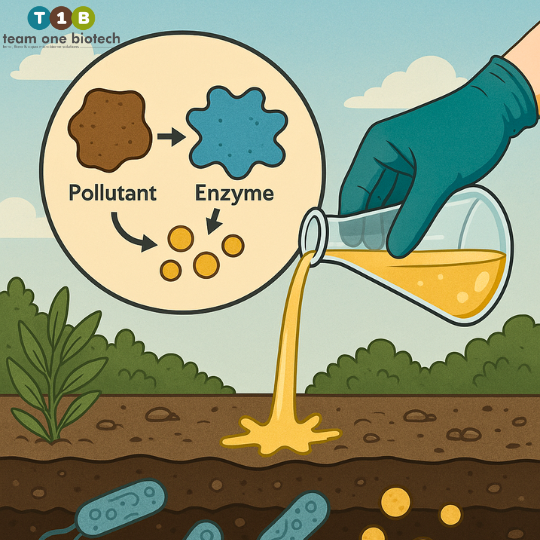
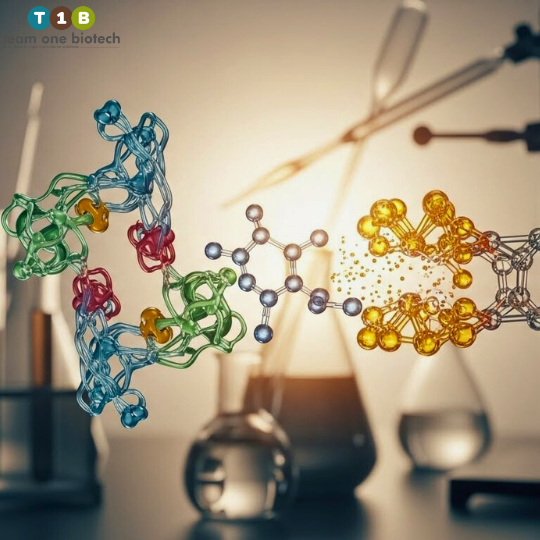
Enzyme-based waste breakdown, also known as enzymatic bioremediation, harnesses the power of naturally occurring biological catalysts to decompose organic pollutants into simpler, harmless substances. Think of enzymes as highly specialized molecular scissors that cut complex waste compounds into manageable pieces that nature can easily absorb.
Unlike conventional chemical treatments that often create secondary pollutants or require extensive pH adjustments, enzymes work at ambient temperatures and neutral pH levels. They’re incredibly specific, targeting particular waste compounds while leaving beneficial organisms untouched, making them ideal for sensitive ecosystems and mixed-waste environments common in Indian industrial zones.
The process mimics and accelerates what already happens in nature. Microorganisms in soil and water naturally produce enzymes to break down organic matter. Enzymatic bioremediation simply concentrates and optimizes these biological tools for industrial-scale waste management.
How Does Enzymatic Bioremediation Actually Work?
Understanding the mechanics of enzyme-based waste breakdown doesn’t require a biochemistry degree. The process follows a straightforward mechanism that environmental managers can easily grasp and implement.
The Four-Step Breakdown Process:
Enzyme Introduction: Specialized enzyme formulations are introduced to wastewater, contaminated soil, or solid waste streams. These formulations are designed for specific waste types, lipases for fats and oils, proteases for protein-rich waste, cellulases for organic fibres.
Molecular Recognition: Enzymes identify and bind to their target pollutant molecules through a “lock-and-key” mechanism. This specificity means the treatment targets exactly what needs breaking down without disrupting the entire waste matrix.
Catalytic Breakdown: Once bound, enzymes accelerate chemical reactions that split complex organic compounds into smaller molecules. A single enzyme molecule can process thousands of pollutant molecules before becoming inactive, making the process remarkably efficient.
Final Conversion: The breakdown products are simple organic compounds that naturally occurring bacteria can further metabolize into carbon dioxide, water, and biomass, completing the cycle of biological waste management.
Key Factors Influencing Efficiency:
The success of enzyme-based waste breakdown depends on maintaining optimal conditions. Temperature, pH levels, oxygen availability, and the presence of enzyme inhibitors all affect performance. However, modern enzyme formulations designed for Indian industrial conditions are remarkably robust, functioning effectively even in challenging environments like high-temperature textile effluent or variable-pH food processing waste.
The Compelling Benefits of Choosing Eco-Friendly Waste Treatment
For facility managers evaluating bioremediation solutions in India, enzyme-based systems deliver advantages that extend far beyond basic compliance.
Environmental Advantages:
Zero Toxic Residuals: Unlike chemical treatments that can leave harmful by-products, enzymatic bioremediation produces only biodegradable end products
Reduced Chemical Oxygen Demand (COD): Particularly crucial for industries facing strict discharge limits, enzymes can reduce COD levels by 60-85% in industrial effluent
Lower Sludge Generation: Biological waste management produces significantly less sludge compared to chemical precipitation methods, reducing disposal costs and landfill burden
Odour Control: Enzymes effectively neutralize the volatile compounds responsible for unpleasant smells in waste water treatment facilities and solid waste management sites
Operational Benefits:
Cost Efficiency: While initial enzyme costs may seem higher, the reduction in chemical purchases, sludge disposal, and energy consumption delivers substantial long-term savings
Simpler Operations: Enzyme systems require less monitoring and adjustment than chemical dosing systems, reducing labour requirements
Compatibility: Enzymatic bioremediation integrates seamlessly with existing treatment infrastructure, no need for complete system overhauls
Scalability: Solutions scale easily from small manufacturing units to large municipal solid waste treatment facilities
Regulatory Compliance:
With the Central Pollution Control Board tightening discharge standards and state pollution control boards conducting more frequent inspections, enzyme-based solutions help industries meet, and exceed, environmental parameters consistently. The natural, non-toxic nature of enzymatic treatment also positions companies favourably for green certifications and sustainable supply chain requirements from international buyers.
Ready to see how enzyme-based solutions can transform your specific waste challenges? Explore Team One Biotech’s range of specialized enzyme formulations designed for Indian industrial conditions, or request a consultation to assess your facility’s needs.
Real-World Applications: Enzymatic Bioremediation Across Indian Industries
The versatility of enzyme-based waste breakdown makes it applicable across diverse sectors facing unique waste management challenges.
Textile and Dyeing Industries
The textile hubs of Tiruppur, Surat, and Ludhiana discharge effluent laden with synthetic dyes, sizing agents, and finishing chemicals. Traditional treatment struggles with colour removal and persistent organic compounds. Enzyme formulations combining laccases and peroxidases break down complex dye molecules, achieving decolourization rates exceeding 90% while reducing BOD and COD to permissible limits.
Food and Beverage Processing
Dairy plants, fruit processing units, and breweries generate high-strength organic waste with elevated fat, protein, and carbohydrate content. Lipase and protease enzyme blends accelerate the breakdown of these compounds in pre-treatment systems, preventing clogging in downstream biological treatment and dramatically reducing the load on municipal sewage systems.
Municipal Solid Waste Management
Urban local bodies struggling with overflowing landfills and composting challenges are deploying enzyme accelerators to speed up organic waste decomposition. These formulations reduce composting time from 90-120 days to just 45-60 days, producing nutrient-rich compost while minimizing leachate problems and methane emissions.
Pharmaceutical and Chemical Manufacturing
Industries producing complex organic compounds face stringent discharge requirements for emerging contaminants. Customized enzyme cocktails targeting specific pharmaceutical residues and chemical intermediates provide an effective pre-treatment step before conventional biological treatment.
Oil and Petroleum Sector
Hydrocarbon-contaminated soil and oily wastewater from refineries and storage facilities respond well to lipase and esterase treatments. These enzymes break down petroleum compounds that would otherwise persist in the environment for decades, facilitating faster site remediation and groundwater protection.
Implementing Enzyme-Based Solutions: What You Need to Know
Transitioning to enzymatic bioremediation doesn’t mean abandoning your existing infrastructure or expertise. The implementation process is straightforward when approached systematically.
Assessment Phase:
Begin with a comprehensive waste characterization. Understanding your waste composition, COD/BOD ratios, specific pollutants, flow rates, and temperature ranges, helps identify the most appropriate enzyme formulations. Reputable bioremediation solutions providers in India offer free initial assessments to determine suitability.
Pilot Testing:
Before full-scale deployment, conduct pilot trials to optimize dosing rates and contact times for your specific conditions. This step prevents over-application and ensures cost-effective treatment. Most enzyme manufacturers provide technical support during pilot phases.
Integration Strategies:
Enzyme-based waste breakdown works best when integrated at strategic points in your treatment train:
Primary Treatment Stage: Enzyme addition in equalization tanks breaks down complex compounds before biological treatment
Activated Sludge Enhancement: Enzyme dosing in aeration tanks boosts microbial activity and improves settling characteristics
Track key performance indicators, COD/BOD reduction, colour removal, sludge generation, and operational costs, to demonstrate ROI and refine dosing protocols. Modern enzyme formulations show measurable improvements within 7-14 days of consistent application.
Thinking about how enzyme-based waste breakdown could work in your facility? Download our comprehensive case study showing 70% COD reduction in a textile dyeing unit, or speak with our technical team about customized solutions for your industry.
Overcoming Common Concerns About Biological Waste Management
Despite proven effectiveness, some environmental managers hesitate to adopt enzymatic bioremediation due to misconceptions. Let’s address the most common concerns directly.
“Enzyme treatments are too expensive.”
While per-litre costs may initially appear higher than bulk chemicals, total cost of ownership tells a different story. Factor in reduced sludge disposal, lower energy consumption, minimal pH adjustment chemicals, and decreased regulatory penalties, and enzyme systems often deliver 25-40% cost savings over traditional methods.
“Enzymes are too sensitive for our harsh waste.”
Modern enzyme formulations designed for industrial applications are remarkably robust. Stabilization technologies protect enzyme activity across wide pH ranges (4-10) and elevated temperatures (up to 60°C). Pre-treatment may be necessary for extreme conditions, but most Indian industrial waste falls well within enzyme tolerance ranges.
“The results take too long.”
While complete mineralization of pollutants does take time, measurable improvements in key parameters occur rapidly. Most facilities observe 30-50% COD reduction within the first week of enzyme application, with optimal results achieved within 2-4 weeks of consistent use.
“Our team lacks the expertise to manage enzyme systems.”
One of enzymatic bioremediation’s greatest advantages is operational simplicity. Dosing systems resemble conventional chemical feed setups, and reliable suppliers provide comprehensive training and ongoing technical support. Many facilities successfully manage enzyme-based systems with their existing staff.
The Future Is Biological: Why Now Is the Time to Transition
India’s environmental landscape is evolving rapidly. Stricter regulations, growing consumer awareness, and increasing scrutiny from international partners make sustainable waste management not just ethical, it’s essential for business survival and growth.
Enzyme-based waste breakdown represents a proven, mature technology that aligns perfectly with India’s environmental goals and industrial needs. As chemical treatment costs rise and disposal options become more restricted, biological waste management offers a clear path forward.
The technology continues to advance. Researchers are developing enhanced enzyme formulations for emerging contaminants, including microplastics and pharmaceutical residues. Companies investing in eco-friendly waste treatment today position themselves as environmental leaders while building operational resilience for tomorrow’s challenges.
Your Next Steps Toward Cleaner, More Sustainable Operations
Understanding enzyme-based waste breakdown is just the beginning. The real transformation happens when you move from knowledge to action.
Team One Biotech has helped hundreds of Indian facilities across manufacturing, municipal, and industrial sectors implement effective enzymatic bioremediation solutions. Our formulations are specifically designed for Indian waste characteristics, climate conditions, and regulatory requirements.
Whether you’re facing discharge limit violations, dealing with odour complaints, struggling with high treatment costs, or simply seeking to enhance your sustainability profile, enzyme-based solutions offer a practical, proven path forward.
Contact Team One Biotech today for a complimentary waste assessment and discover how enzymatic bioremediation can solve your specific challenges. Our technical team is ready to evaluate your facility’s needs and recommend customized enzyme formulations that deliver measurable results.
The future of waste management in India is biological, sustainable, and remarkably effective. The question isn’t whether to adopt enzyme-based waste breakdown, it’s how quickly you can implement it to gain competitive advantage while protecting the environment we all depend on.
Start your enzymatic bioremediation journey today. Your facility, your bottom line, and the planet will thank you.
Looking to improve your ETP/STP efficiency with the right bioculture? Talk to our experts at Team One Biotech for customised microbial solutions.
Lakes are one of the important and prominent water sources that serve as an integral part of the ecological richness. These natural water reservoirs, which were and are lifelines of many cities and villages, are now facing the threat of pollution and extinction. Rapid urbanisation and uncontrolled growth, especially in and around cities like Bengaluru, Hyderabad, Pune, and Delhi making the deterioration of lakes very rapid, which is triggered by sewage inflow, excessive nutrient loading and uncontrolled urban development.
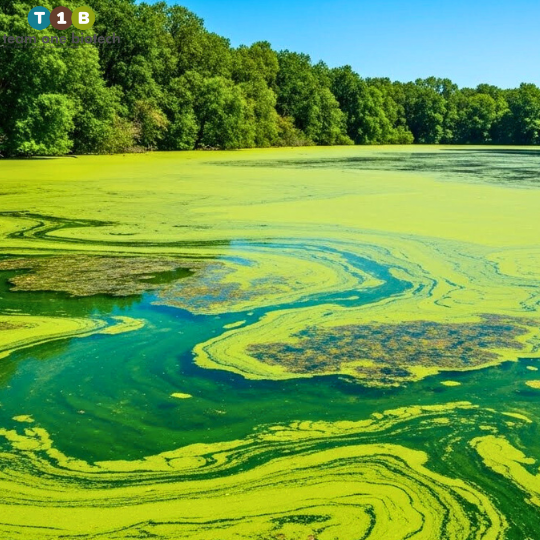
The most common and visible symptom of lake ecosystem collapse is Algal Deposition. Appearing like green sheets or mattresses that cover the lake’s surface and disturb the entire ecological world.
Why do lakes turn green?
Lakes turn green basically because of algal deposition and especially blue-green algae (cyanobacteria)- on the lake surface, forming a thick mass. These mats reduce light penetration, reduce oxygen levels, and produce toxins that harm aquatic life.
The general perception says that algal growth is natural; however, it is a direct consequence of eutrophication. A condition in which lakes receive more nutrients than they can naturally handle.
Phosphates are one of the major culprits. How?
Phosphates act as fertiliser for algae even in tiny concentrations. Continuous inflow of sewage, detergents, food waste, and industrial discharge enters the lake, and phosphate levels rise sharply, surpassing the permissible limits by 40-50%.
One of the major concerns with phosphates is that they stay in the sediment for years and are then released back into the lake. This makes algal deposition prolonged and consistent. Often, people try to remove algae physically or to be precise, superficially, ignoring the root causes.
Key Sources of Phosphate Include:
Household detergents rich in phosphates
Untreated or partially treated sewage
Decaying organic matter and sludge
Fertiliser runoff from gardens & agricultural zones
Industrial effluents containing phosphorus
Algal deposition makes Lakes suffer:
Most of the time, algae are considered natural, but when present in large quantities, they trigger a chain of ecological damages that are sometimes hard to tackle and reverse:
Oxygen Depletion (Hypoxia)
DO levels drop dangerously low, as when algae die, the indigenous bacteria consume more oxygen to decompose it, hence, causing the levels of oxygen to drop.
Dead flora and fauna:
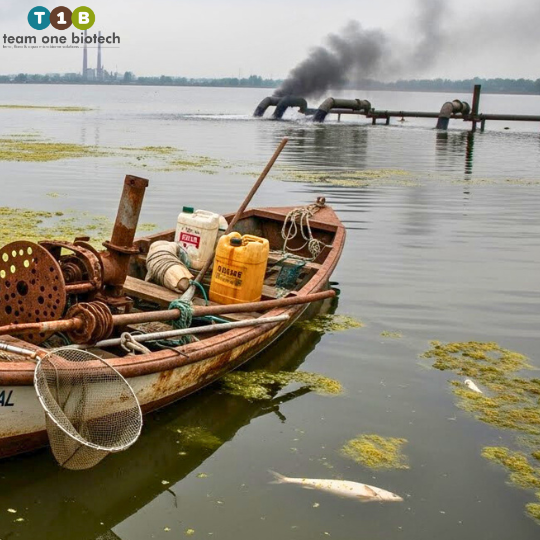
The cyanobacteria release toxins in low oxygen conditions. These toxins, when combined with low oxygen levels, kill fish, plankton, insects and aquatic plants. Also, Alginate in algae creates a slimy layer that blocks sunlight and disrupts aquatic life.
Accelerated Sedimentation:
Dead algal biomass eventually settles at the bottom of the lake, thereby increasing the sludge layer thickness. The lake slowly transitions into a dead, stagnant waterbody.
Why does conventional treatment fail?
In order to solve any issue permanently, one needs to eliminate the source of the problem. But unfortunately, in this case, municipalities or institutions opt for temporary solutions and try shortcuts such as:
Adding bleaching powder
Increasing aeration temporarily
Mechanical algae removal
Surface-level cleaning drives
Chemical coagulants like alum
To get rid of the algae problem permanently, the internal nutrient cycle must be broken, or to sum up, phosphate deposition must be reduced.
What is the real solution?
The answer to this lies in the most effective mechanism nature has, i.e. bioremediation. Bioremediation is the use of specific types of microbes to restore the ecological balance of a lake. Bioremediation is the only mechanism that addresses the root causes rather than merely suppressing symptoms.
How Bioremediation Works
Microbial Consortia Application
Specialized bacteria break down organic pollutants and digest sludge.
Enzymatic Breakdown of FOG & Organic Waste
Enzymes convert complex organic molecules into simpler forms.
Phosphate Reduction
Certain bacteria immobilize phosphates by converting them into insoluble forms.
Enhancing DO and Water Clarity
Beneficial microbes improve oxygen cycling and reduce turbidity.
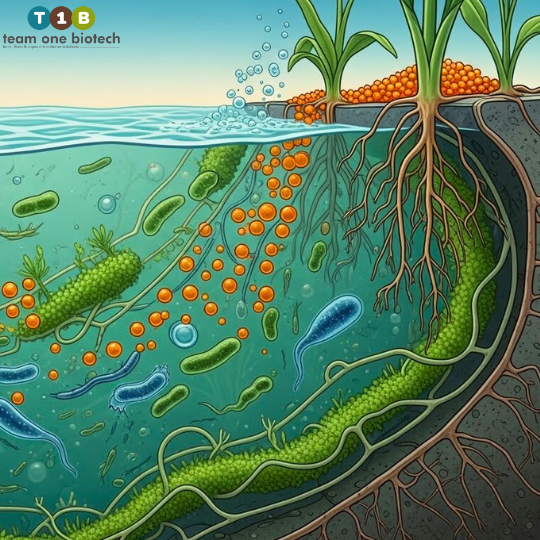
Phosphates can’t be directly reduced or degraded by microbes. They are absorbed by microbes called as Phosphate Accumulating Organisms (PAOs), also called as phosphate-locking microbes. The PAOs convert soluble bioavailable phosphate into stable, bound forms that can’t fuel algal growth. These specialised microbes trap phosphate within the sediment matrix, effectively sealing it off and controlling nutrient recycling, ultimately preventing the recurrence of algal blooms.
Sediment Bio-augmentation:
This included the application of microbial strain directly into the sediment or the lake bed to stimulate natural biological processes that degrade organic matter and reduce nutrient accumulation. This approach enhances sediment health, lowers oxygen demand, and disrupts the nutrient reservoirs—especially phosphorus—that algae rely on for rapid proliferation.
Reducing phosphorus release from sediments:
Healthy sediments act as a buffer, but degraded ones leak phosphorus back into the water during low-oxygen events. By restoring sediment balance through microbial intervention, oxygenation strategies, and organic load reduction, phosphorus release is minimised. This stabilises the pond ecosystem and cuts off one of the most persistent nutrient sources driving algal blooms.
External Phosphate Control
Greywater diversion
Constructed wetlands before inlet
Avoiding phosphate-based detergents
Household-level awareness
Installing decentralized sewage treatment units upstream
Only when phosphate inflow and phosphate stored in sediments are both addressed can algal deposition be permanently stopped.
Bioremediation Strategy and Execution:
Assessment:
This step involves:
Analysis of parameters, viz. DO, COD, BOD. Phosphates, Nitrated, ORP.
Lake Depth and Sludge Depth Measurement.
Area measurement of the lake.
Assessment of sewage ingress
Physical Cleaning:
It involves the removal of inorganic wastes, floating debris, algal deposition or water hyacinth physically to improve the condition of the top layer of the lake and improve oxygenation.
Enhancing DO:
Atmospheric oxygen can’t be enough alone to make up the required volume of dissolved oxygen for the eradication of algae and enhancing the performance of microbes. The best way to do it is to install aerators rather than relying on conventional methods such as fountains.
The latest and best technology available today is nano-bubble generators. They generate bubbles in nano-meter size, which remain in the lake for about a week and can be easily absorbed by the microbes.
Installation of biocultures:
Customised biocultures infused with strains for phosphate reduction, alage degradation and facultative microbes are installed in the lake via dosing. Initially, for 60-90 days, the dosing is weekly, broadcasted at multiple points in the lake which is called a loading dose.
After loading, the stabilization or maintenance dose starts which involves fortnightly or weekly dosing.
Conclusion – Bioremediation is the Future of Lake Restoration
Algal deposition, phosphate overload, and organic sludge accumulation are not signs of a dying lake—they are signs of a lake in need of intervention. Chemical treatments fail because they treat symptoms, not causes. Bioremediation, on the other hand, taps into the power of nature to restore waterbodies from within.
With rising urbanization and sewage inflow, India needs sustainable, cost-effective, and long-term lake rejuvenation models. Bioremediation offers exactly that: a solution that reduces nutrient overload, restores oxygen balance, controls algae, and returns lakes to ecological health without causing harm.
Healthy lakes mean healthier cities, groundwater recharge, biodiversity revival, and improved public health. The path forward is clear — bioremediation is not just an option; it is the only scalable solution for lake restoration in the decades to come.
Looking to improve your ETP/STP efficiency with the right bioculture? Talk to our experts at Team One Biotech for customised microbial solutions.
Across sectors like textile, pharmaceutical, food & beverage, chemicals, and municipal wastewater, one thing is becoming clear: traditional treatment methods alone can’t keep up with today’s challenges. Rising organic loads, fluctuating influents, sludge handling issues, and strict regulations demand a smarter, more adaptive approach. And that’s exactly where smarter biological solutions- Bioculture for ETP and STP step in.
Whether you manage an industrial ETP or municipal STP, our specialists can guide you with the right bioculture program—simply visit our Contact Us page.
From Understanding Bioculture to Applying It in ETP & STP Operations
Microbial bio cultures aren’t simply “add-ons” to your treatment process—they’re the foundation of a stable, efficient, cost-saving plant. In our earlier article, we explained how bioculture for sewage treatment break down pollutants, enhance system stability, and reduce dependency on chemicals.
Now, let’s take the conversation forward.
How Bioculture for ETP and STP Transform Real-World Treatment Challenges
Here’s how industries can turn microbial theory into practical, measurable results:
Targeting the Right Problems First
Every ETP and STP has a unique challenge.
It could be:
High COD/BOD
Excess foam
Sludge bulking
Poor anaerobic digestion
Unstable aeration tank
Frequent compliance failures
Identifying the root cause helps select the right microbial strains/ bioculture for effluent treatment for a targeted solution—ensuring faster recovery and consistent performance.
2. Choosing the Right Microbial Blend for Your ETP/STP
Different wastewater → different microbial culture for wastewater treatment
For example:
Food processing plants benefit from fast-acting COD reducers
Pharma units require strains resistant to toxicity
Textile plants need microbes that can handle surfactants and dyes
Municipal STPs need stable, long-term biomass builders
This is where choosing the right formulation creates performance you can actually see.
3. Monitoring + Optimization = Long-Term Success
Biology is dynamic. As influent changes, your system needs microbes that adapt. A well-designed bioculture program for ETP and STP ensures:
Consistent effluent quality
Faster recovery after shock loads
Reduction in chemical consumption
Lower sludge handling costs
This is not just microbial activity—it’s operational efficiency.
4.Turning Wastewater Challenges into Sustainability Wins
When microbes do their job right, plants experience:
Lower aeration cost
Better MLSS control
Reduced sludge
Improved process stability
Easier regulatory compliance
These benefits translate directly into long-term sustainability and operational savings.
If this sparked your interest, now is the perfect time to revisit the foundation of all this—the detailed explanation of why bio culture works.
Wastewater treatment is evolving rapidly. Plants that adopt bioculture for ETP and STP today will become the operational leaders of tomorrow. Whether your goal is:
Better compliance
Lower operational costs
Improved sustainability
Enhanced process stability
—microbial solutions are not the future; they are the present.
Modern life depends on thousands of synthetic chemicals — plastics, pesticides, dyes, pharmaceuticals, fuels, and surfactants — that make living convenient but leave behind an uncomfortable legacy: xenobiotic compounds. These are man-made molecules that do not occur naturally and often resist degradation by normal biological pathways. They persist for decades, accumulate in ecosystems, and sometimes transform into even more toxic intermediates.
While conventional chemical and physical treatments can remove or immobilize some pollutants, they are energy-intensive and generate secondary waste. The sustainable alternative comes from nature itself — enzymes, the microscopic catalysts that drive every reaction inside living cells.
What Makes Xenobiotics So Stubborn
Xenobiotic molecules often contain: • Halogenated groups (–Cl, –F, –Br) that make them chemically stable. • Aromatic rings such as benzene that resist oxidation. • Complex branching or polymeric chains that ordinary microbes can’t easily access.
Because of this structural complexity, the natural metabolic machinery of most microbes struggles to recognize these molecules as food. Here’s where specialized microbial enzymes come into play — capable of attacking the unbreakable.
In industrial settings, especially in effluent treatment plants (ETPs), the accumulation of such persistent chemicals creates operational challenges. This is why many industries are now adopting biocultures for ETP systems to introduce pollutant-degrading microbes that can adapt to complex effluent loads.
How Enzymes Break the Unbreakable
Microbial enzymes act as molecular scalpels that cut and modify xenobiotic compounds into less toxic, more biodegradable forms. Key classes include: • Oxygenases and Monooxygenases – Insert oxygen into aromatic rings of hydrocarbons, initiating their breakdown (e.g., Pseudomonas oxygenases degrade benzene and toluene). • Peroxidases – Use hydrogen peroxide to oxidize phenols, dyes, and chlorinated pesticides. • Laccases – Multi-copper oxidases that transform phenolic and non-phenolic xenobiotics using atmospheric oxygen, with no harmful by-products. • Hydrolases and Esterases – Cleave ester and amide bonds in organophosphate pesticides, phthalates, and plastics. • Dehalogenases – Remove halogen atoms, converting recalcitrant chlorinated compounds like PCBs or trichloroethylene into simpler molecules. • Nitroreductases and Dehydrogenases – Detoxify nitroaromatics and explosives such as TNT by reduction and further mineralization.
These enzymatic steps either mineralize the contaminant completely into CO₂ and H₂O or transform it into intermediates that native microbes can assimilate.
When industries use biocultures for ETP, they are essentially introducing microbial communities capable of producing these enzymes naturally inside the aeration tank, equalization tank, or bioreactor. This ensures continuous in-situ enzyme production without requiring costly direct enzyme dosing.
Why Direct Enzyme Application Is Not Recommended
Although enzymes are highly efficient and environmentally friendly catalysts, they should not be administered directly into wastewater systems or soil environments. Free enzymes are unstable in real-world industrial conditions — they degrade quickly, get denatured by temperature, pH, or chemicals in the effluent, and lose activity within hours. They also lack the self-regenerating ability of microbes, meaning continuous dosing becomes impractical and extremely expensive. For sustainable bioremediation, enzymes must be produced in situ by living microbial communities that can multiply, adapt, and secrete fresh enzymes as required.
Why Enzyme-Based Bioremediation Matters
Eco-friendly and specific – Enzymes target particular chemical bonds without producing toxic residues.
Operate under mild conditions – They work at ambient temperature and pH, saving energy.
Applicable to diverse pollutants – From pharmaceuticals and dyes to polyaromatic hydrocarbons and endocrine-disrupting compounds.
Compatible with immobilization and reactors – Laccases, peroxidases, and hydrolases can be immobilized on carriers, enabling continuous treatment of wastewater streams.
Synergy with microbes – Enzyme production in situ through microbial consortia sustains long-term remediation in soils, sediments, and bioreactors.
This is why biocultures for ETP are preferred — because living microbes multiply, adapt to effluent changes, and continuously secrete the required enzymes.
Biocultures for ETP: The Most Effective Way to Deliver Enzymes
In modern effluent treatment plants (ETPs), biocultures — specialized microbial consortia — are the safest and most effective way to introduce enzymes into the system. These microbes naturally produce a broad spectrum of enzymes such as oxygenases, hydrolases, laccases, and dehalogenases based on the pollutants present.
Biocultures:
• Maintain stable microbial populations • Continuously regenerate and secrete fresh enzymes • Break down complex industrial pollutants • Reduce sludge generation • Enhance COD/BOD removal • Improve overall ETP stability and efficiency • Reduce chemical dependency in biological treatment stages
For industries handling pharmaceuticals, chemicals, food processing waste, textiles, and dyes, biocultures for ETP have become an essential part of sustainable operations.
The Bigger Picture
Enzymes remind us that sustainability lies in mimicking nature’s chemistry rather than fighting it. They allow us to convert hazardous xenobiotics into harmless end-products without toxic by-products or energy-intensive treatment steps.
With the rising emphasis on zero-liquid-discharge (ZLD), operational efficiency, and cost control, adopting biocultures for ETP is no longer optional — it is a strategic environmental requirement for industries.
Looking for High-Performance Biocultures for Your ETP?
Team One Biotech provides premium microbial formulations designed for:
COD/BOD reduction
Sludge minimization
Colour & odour removal
Faster biological stabilisation
Enhanced ETP compliance
Our specialized enzyme-rich biocultures for ETP work across industries including pharmaceuticals, chemicals, textiles, food processing, dyes, FMCG, and more.
Industries today are also increasingly adopting biocultures for ETP not only for better pollutant degradation but also for their economic benefits. By improving microbial efficiency, reducing chemical usage, stabilizing biological reactions, and minimizing sludge handling expenses, biocultures significantly reduce overall treatment costs. To understand this in depth, you can explore how biocultures directly contribute to lowering operational and maintenance expenses in industrial wastewater systems here: How Biocultures Save Costs in Industrial Wastewater Treatment.
As one of the leading biotech companies in India and trusted bioremediation companies in India, Team One Biotech continues to deliver solutions that redefine sustainability across wastewater treatment, agriculture, aquaculture, and hygiene management.