


Impact of Hard Water on Septic Systems
The phone call came at 2 AM, the worst possible time for any homeowner. Mrs. Sharma from Gurgaon watched helplessly as sewage backed up through her bathroom drains, flooding her newly renovated master suite with contaminated water. The damage exceeded Rs. 4 lakhs, but the real shock came when the septic specialist delivered his diagnosis: her septic system had been slowly suffocating under layers of mineral deposits for years, a direct consequence of the hard water pumped from her borewell.
This nightmare scenario plays out across thousands of Indian households every month, yet most homeowners remain completely unaware of the invisible enemy systematically destroying their septic infrastructure. Hard water, characterized by elevated levels of dissolved calcium and magnesium, doesn’t just leave spots on your glassware or reduce soap efficiency. It wages a silent, relentless war against your septic system’s biological processes, ultimately leading to catastrophic failure that demands tens of thousands in emergency repairs.
If your property relies on borewell water, tube well systems, or groundwater sources in hard water regions, which encompasses approximately 70% of India’s geographical area, your septic system is under siege right now. The question isn’t whether hard water will damage your system, but how soon, and whether you’ll recognize the warning signs before disaster strikes.
Hard Water: India’s Widespread Yet Underestimated Problem
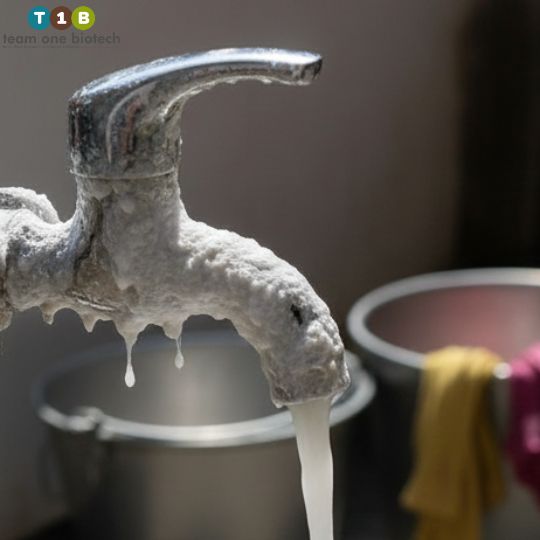
Hard water occurs when groundwater percolates through limestone, chalk, gypsum, and other mineral-rich geological formations, dissolving calcium carbonate, magnesium sulfate, and various mineral salts. The resulting water carries these dissolved minerals in high concentrations, typically measured in parts per million (ppm) or as degrees of hardness.
Hard Water Classification:
- Soft: 0-60 ppm
- Moderately Hard: 61-120 ppm
- Hard: 121-180 ppm
- Very Hard: 180+ ppm
India’s groundwater hardness varies dramatically by region, but problematic levels dominate the landscape. States like Rajasthan, Haryana, Punjab, western Uttar Pradesh, Gujarat, Maharashtra’s Vidarbha region, and significant portions of Karnataka and Andhra Pradesh regularly report water hardness exceeding 300-500 ppm, levels that accelerate septic system degradation exponentially.
The Central Ground Water Board’s comprehensive surveys reveal that over 60% of India’s aquifers produce water classified as hard or very hard. With approximately 85% of rural households and 50% of semi-urban properties depending on groundwater for all domestic purposes, the scale of potential septic system vulnerability becomes staggering.
Unlike municipal water supplies that undergo softening treatments, borewell owners pump raw groundwater directly into their homes and septic systems, delivering an uninterrupted stream of system-damaging minerals 24 hours daily, 365 days yearly.
How Hard Water Destroys Your Septic System
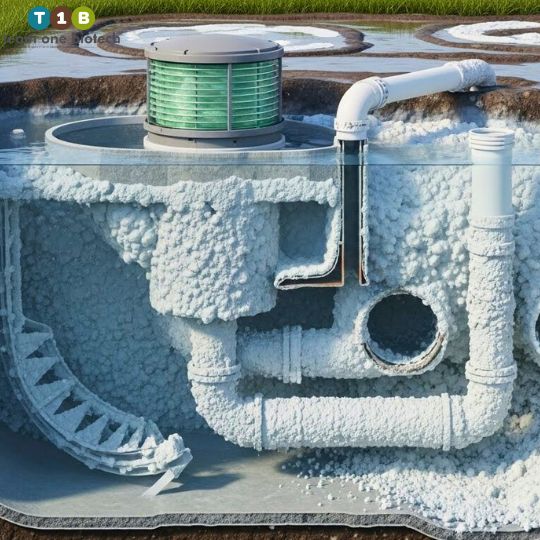
Understanding the destruction process requires examining your septic system’s fundamental operating principles. A properly functioning septic tank operates as a sophisticated biological reactor where anaerobic bacteria break down organic waste into simpler compounds. This bacterial ecosystem represents the heart of your septic system, when it fails, everything fails.
Hard water launches a multi-pronged assault that systematically dismantles this biological infrastructure:
1. Calcium and Magnesium Scale Accumulation
When hard water enters your septic tank, the calcium and magnesium remain dissolved initially. However, as these minerals interact with organic waste, soaps, detergents, and other household chemicals, they precipitate out of solution, forming tough, concrete-like scale deposits.
These mineral deposits accumulate in three critical locations:
- Inside the septic tank itself: Scale builds up on internal walls, baffles, and the tank bottom, reducing effective volume. A 3,000-liter septic tank can lose 20-30% of its capacity within 5-7 years in very hard water conditions, forcing more frequent pumping and increasing the risk of overflow.
- On bacterial biofilm surfaces: The beneficial bacteria colonizing every interior surface become encrusted in mineral deposits, physically preventing them from accessing and processing waste materials. This encrustation essentially suffocates the bacterial population.
- Within the drain field distribution system: Scale progressively narrows the diameter of distribution pipes carrying effluent from your septic tank to the drain field. Eventually, these pipes become completely clogged, causing system backup.
2. Toxic Disruption of Bacterial Populations
Beyond physical scaling, hard water minerals directly interfere with bacterial metabolism at the cellular level. Excessive calcium and magnesium alter the pH balance within the septic tank, shifting it toward alkaline conditions that stress anaerobic bacteria populations.
The bacterial consortiums responsible for breaking down fats, proteins, and carbohydrates operate optimally within narrow pH ranges (typically 6.5-7.5). When hard water pushes pH above 8.0, common in severe hard water scenarios, bacterial reproduction rates plummet, existing populations die off, and waste begins accumulating faster than the depleted bacterial community can process it.
This creates a vicious cycle: reduced bacterial activity leads to incomplete waste breakdown, which produces intermediate compounds that further stress remaining bacteria, accelerating population collapse.
3. Soap Scum and Detergent Interactions
Indian households typically use 40-60 liters of water daily per person for bathing, laundry, and dishwashing, activities generating substantial soap and detergent loads in septic systems. Hard water reacts with soaps to form insoluble calcium and magnesium salts (soap scum), which accumulate as a thick, greasy layer on your septic tank’s surface.
This scum layer, often called the floating mat, can reach 15-20 cm thickness in hard water environments. It blocks gas release, traps lighter waste materials, and prevents proper settling of solids. Modern synthetic detergents, while designed to work in hard water, contribute phosphates and other chemicals that further disrupt bacterial ecology.
4. Drain Field (Leach Field) Destruction
Perhaps the most insidious damage occurs in your drain field, the network of perforated pipes distributing partially treated effluent into surrounding soil for final biological filtration. Hard water minerals precipitate heavily at the soil-water interface, forming an impermeable mineral crust called “biomat hardening.”
Normal biomat consists of organic materials and active bacteria that help filter effluent. However, when infiltrated with calcium and magnesium deposits, this layer transforms into a concrete-like barrier preventing water infiltration. The soil beneath becomes waterlogged, anaerobic conditions develop, and your drain field essentially dies.
Drain field failure represents the most expensive septic system problem, often requiring complete excavation and replacement costing Rs. 2.5-4 lakhs or more, depending on property size and soil conditions.
Is your home’s septic system already suffering from hard water damage without your knowledge? Team One Biotech’s specialized diagnostic assessments can identify early-stage mineral accumulation and bacterial imbalances before they escalate into system failure. Our expert technicians understand the unique challenges posed by Indian groundwater conditions and can recommend targeted bioremediation interventions that reverse damage and restore optimal function. Contact us today for a comprehensive septic health evaluation tailored to your water quality profile.
Critical Warning Signs: Detecting Hard Water Septic System Damage Early

Most homeowners don’t connect seemingly minor issues with underlying hard water damage until facing catastrophic failure. Recognizing these early warning signs can save you from financial disaster:
- Progressively Slower Drainage: If your drains operated normally for years but have gradually slowed, hard water scale may be narrowing your septic system’s pipes and reducing its biological efficiency.
- Frequent Need for Pumping: A properly maintained septic tank serving an average family requires pumping every 3-5 years. If you’re pumping annually or more frequently, mineral accumulation has likely reduced your effective tank volume significantly.
- Persistent Hard Water Staining: White, chalky deposits around drains, faucets, and fixtures indicate high mineral content reaching your septic system. What you see in your bathroom is happening throughout your septic infrastructure.
- Sewage Odors Despite Recent Pumping: If foul odors return within weeks of professional pumping, bacterial populations cannot re-establish themselves, often due to mineral encrustation preventing bacterial colonization.
- Drain Field Wet Spots or Surface Water: Pooling water or perpetually soggy ground above your drain field, especially during dry periods, signals that mineral-clogged soil can no longer absorb effluent.
- Unusually Hard, Crusty Material During Pumping: Professional septic pumpers occasionally report finding extremely hard, concrete-like material in tanks serving hard water areas, this is advanced mineral scaling requiring immediate intervention.
The Indian Context: Why Hard Water Septic Damage Hits Harder Here
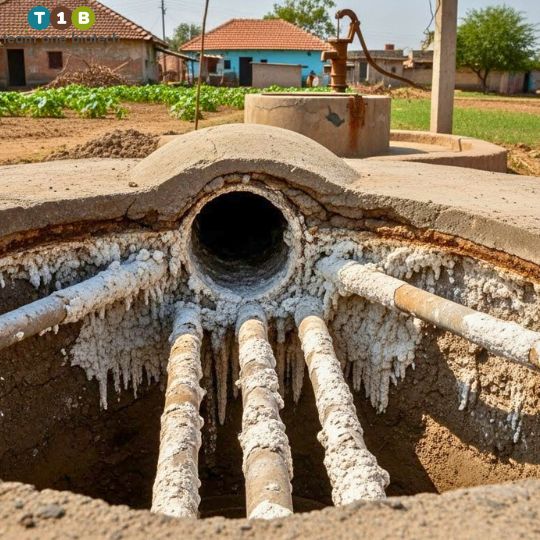
Several factors unique to the Indian environment amplify hard water’s destructive impact on septic systems:
Borewell Dependence and Raw Water Quality
Unlike Western countries where municipal water supplies serve the majority of properties, India’s dispersed population pattern and infrastructure limitations mean millions depend on private borewells. These deliver untreated groundwater directly from aquifers, often with hardness levels that would be illegal in municipal systems.
Borewell owners face no regulatory requirements for water softening, and most remain unaware of their water’s mineral content until visible problems emerge. The economic reality, water softeners represent a significant investment, means most households continue using very hard water indefinitely.
Regional Geology and Extreme Hardness
India’s diverse geology creates pockets of extraordinarily hard water that exceed even conservative system design parameters. The Indo-Gangetic Plain, Deccan Plateau regions, and areas with limestone-rich bedrock regularly produce groundwater exceeding 500 ppm hardness, levels that can destroy septic systems within a decade of installation.
Coastal regions face additional complications where brackish water intrusion introduces sodium and chlorides alongside calcium and magnesium, creating even more aggressive chemical environments for septic bacteria.
Monsoon Flooding and Accelerated Failure
India’s monsoon patterns create unique stressors. The dry season concentrates minerals in groundwater as water tables drop, while monsoon flooding can saturate already-compromised drain fields, triggering sudden, complete failure. Properties in high-rainfall zones like Kerala, Meghalaya, and coastal Karnataka face particularly acute risks.
Limited Professional Septic Expertise
While India boasts world-class biotechnology capabilities, the septic service industry remains largely informal, with limited understanding of hard water impacts. Most service providers offer only mechanical pumping without addressing underlying biological or chemical problems, ensuring that issues recur.
Regulatory Gaps and Environmental Concerns
India’s evolving environmental regulations increasingly scrutinize wastewater management, particularly regarding groundwater contamination. Failing septic systems leach untreated sewage into aquifers, contributing to the alarming reality that over 70% of India’s surface water is contaminated. Homeowners may face legal liability for groundwater pollution resulting from inadequate septic maintenance.
Conventional Solutions and Their Critical Limitations
Faced with hard water septic problems, homeowners typically pursue three conventional approaches, each with significant drawbacks:
Water Softeners: Expensive and Potentially Harmful
Installing a water softening system, either salt-based ion exchange or reverse osmosis, can protect your septic system by removing calcium and magnesium before water enters the tank. However, these systems carry substantial costs (Rs. 50,000-2,00,000+ for whole-house solutions) plus ongoing maintenance expenses.
More concerning, salt-based softeners replace calcium and magnesium with sodium through ion exchange. This sodium-rich water reaches your septic system, where elevated sodium concentrations can be equally toxic to beneficial bacteria populations and may damage drain field soil structure by dispersing clay particles.
The Central Pollution Control Board has raised concerns about chloride pollution from softener regeneration brine, which typically discharges into septic systems or local water bodies.
Chemical Treatments: Short-Term Relief, Long-Term Harm
Many homeowners turn to chemical septic additives claiming to dissolve mineral deposits and restore function. While some products provide temporary improvement, most contain harsh acids or strong bases that kill beneficial bacteria along with removing scale.
These products also raise environmental concerns, as their residues enter groundwater through your drain field. India’s fragile aquifer ecosystems cannot sustain continued chemical contamination from millions of septic systems.
Frequent Pumping: Treating Symptoms, Ignoring Disease
Increasing pumping frequency manages symptoms by physically removing accumulated solids and minerals, but does nothing to address the underlying bacterial collapse or prevent mineral reformation. Homeowners find themselves trapped in an expensive cycle, pumping every 12-18 months at Rs. 3,000-8,000 per service, while their system continues deteriorating.
The Bioremediation Revolution: Scientifically Superior and Environmentally Responsible
Modern bioremediation technology offers Indian homeowners a fundamentally different approach to hard water septic system damage, one that addresses root causes rather than managing symptoms, works in harmony with natural processes rather than fighting them, and delivers lasting results at a fraction of conventional solution costs.
How Advanced Bioremediation Solutions Work
Team One Biotech’s specialized formulations deploy carefully cultured bacterial consortiums specifically selected for their ability to thrive in hard water environments and aggressively digest accumulated organic material encrusted by mineral deposits.
These next-generation bacterial strains possess several critical advantages:
- Mineral Tolerance: Unlike native septic bacteria that struggle in high-calcium environments, bioremediation bacterial strains are specifically selected and cultured for exceptional performance in hard water conditions up to 600+ ppm hardness.
- Enhanced Enzymatic Production: Our bacterial formulations produce elevated levels of lipases, proteases, cellulases, and other enzymes that break down fats, proteins, and cellulose even when partially mineral-encrusted, restoring waste processing capacity.
- Biofilm Penetration: Specialized surfactants in our formulations allow bacteria to penetrate existing mineral scale and soap scum layers, establishing active colonies directly on contaminated surfaces rather than being blocked by accumulated deposits.
- pH Buffering Capabilities: Bioremediation additives include natural pH buffers that counteract hard water’s alkalinizing effect, maintaining optimal conditions for bacterial reproduction and waste digestion.
- Rapid Population Establishment: Our high-concentration formulations deliver billions of active bacteria per treatment, quickly overwhelming existing imbalanced microbial populations and re-establishing healthy septic ecology.
The Scientific Evidence Supporting Bioremediation
Multiple peer-reviewed studies published in international environmental engineering journals confirm bioremediation’s effectiveness for restoring failing septic systems. Research conducted at Indian Institutes of Technology (IITs) and environmental research centers demonstrates that properly formulated bioremediation treatments can:
- Reduce solid accumulation by 40-60% within 90 days
- Restore bacterial populations to healthy levels within 6-8 weeks
- Improve effluent quality parameters (BOD, COD, suspended solids) by 50-70%
- Extend drain field functional lifespan by 10-15 years
- Reduce pumping frequency by 50% or more
These results translate directly into cost savings, a comprehensive bioremediation maintenance program typically costs Rs. 8,000-15,000 annually, compared to Rs. 3-4 lakhs for drain field replacement or Rs. 1-2 lakhs for whole-house water softening systems.
The Team One Biotech Advantage: Formulations Engineered for Indian Conditions
Unlike imported products formulated for Western water quality and usage patterns, Team One Biotech develops bioremediation solutions specifically optimized for Indian septic challenges:
- Hard Water Formulations: Our bacterial strains undergo selection in laboratory conditions replicating 300-600 ppm hardness levels typical of Indian groundwater, ensuring they thrive in your system rather than merely surviving.
- Temperature Adaptation: India’s extreme temperature range, from sub-zero Himalayan winters to 45°C+ summer heat, demands bacterial strains with broad thermal tolerance. Our formulations remain active across this entire spectrum.
- High Organic Load Processing: Indian dietary patterns, cooking practices, and water usage create different waste profiles than Western systems. Our bacterial consortiums excel at processing high-fat, high-carbohydrate waste typical of Indian households.
- Monsoon Resilience: Our formulations include drought-resistant spore-forming bacteria that can survive dry season stress and rapidly reactivate during monsoon flooding, maintaining system stability through seasonal extremes.
- Regulatory Compliance: All Team One Biotech products undergo rigorous testing and certification, meeting Central Pollution Control Board standards and carrying no risk of groundwater contamination or environmental harm.
Are you ready to protect your home from the devastating costs of hard water septic system failure? Team One Biotech’s comprehensive bioremediation programs provide the most cost-effective, environmentally responsible solution available to Indian homeowners. Our technical experts will assess your specific water hardness levels, usage patterns, and system condition to design a customized treatment protocol that reverses existing damage and prevents future problems. Schedule your free consultation now and discover why thousands of Indian families trust Team One Biotech to safeguard their most valuable asset.
Implementing an Effective Bioremediation Maintenance Program
Successfully combating hard water septic damage requires strategic, consistent intervention rather than emergency responses to crises. A properly structured maintenance program includes:
Initial Intensive Treatment Phase
For systems showing signs of hard water damage, reduced capacity, slow drainage, frequent pumping needs, begin with an intensive treatment protocol:
- Pre-Treatment Pumping: Have your tank professionally pumped to remove accumulated solids and create optimal conditions for bacterial establishment.
- Shock Treatment: Apply a concentrated initial dose of bioremediation solution, typically 3-5x standard maintenance dosage, to rapidly establish robust bacterial populations throughout the system.
- Weekly Supplementation: Add moderate doses weekly for the first month, ensuring bacterial populations achieve critical mass and begin aggressively processing accumulated waste and mineral-encrusted material.
Ongoing Maintenance Phase
Once your system stabilizes, transition to a sustainable maintenance schedule:
- Monthly Treatments: For average households (4-6 occupants) in moderately hard water areas (150-300 ppm), monthly bioremediation treatments maintain optimal bacterial populations and prevent renewed mineral-related damage.
- Bi-Weekly Treatments: Larger households (7+ occupants) or properties with very hard water (300+ ppm) benefit from more frequent intervention to keep pace with higher mineral loading.
- Quarterly System Assessments: Schedule professional inspections quarterly to monitor scum layer thickness, sludge accumulation rates, and overall system health, adjusting treatment frequency based on observed conditions.
Seasonal Adjustments
India’s dramatic seasonal changes demand treatment protocol flexibility:
- Pre-Monsoon Preparation: Increase treatment frequency 4-6 weeks before monsoon onset to ensure robust bacterial populations can handle flooding stress and dilution effects.
- Post-Monsoon Recovery: Apply intensive treatments immediately after monsoon to restore bacterial populations potentially depleted by prolonged saturation and temperature changes.
- Summer Intensification: Hot season acceleration of bacterial metabolism and water usage increases may require supplemental treatments to maintain performance.
Cost-Benefit Analysis: Bioremediation vs. Alternative Solutions
When evaluating septic system protection strategies, comprehensive cost analysis reveals bioremediation’s overwhelming economic advantage:
Whole-House Water Softener:
- Initial installation: Rs. 75,000-2,00,000
- Annual maintenance and salt: Rs. 12,000-20,000
- Replacement cycle (10-15 years): Rs. 50,000-1,00,000
- 10-year total cost: Rs. 2,70,000-5,20,000
Increased Pumping Frequency:
- Pumping every 18 months: Rs. 5,000 per service
- 10-year total cost: Rs. 33,000-40,000
- Plus eventual drain field failure: Rs. 2,50,000-4,00,000
- Combined 10-year exposure: Rs. 2,83,000-4,40,000
Comprehensive Bioremediation Program:
- Initial intensive treatment: Rs. 5,000-8,000
- Monthly maintenance: Rs. 800-1,200
- Annual program cost: Rs. 9,600-14,400
- 10-year total cost: Rs. 1,01,000-1,52,000
- Drain field protection value: Priceless
The bioremediation approach delivers 60-80% cost savings compared to alternatives while providing superior environmental performance and system longevity.
Taking Action: Your Roadmap to Septic System Protection
The knowledge you’ve gained reading this article places you ahead of 90% of Indian homeowners who remain unaware of hard water’s devastating septic impact. Your next steps determine whether you’ll join the unfortunate majority facing emergency system failures or the informed minority who proactively protect their investments.
Immediate Actions (This Week):
Test your water hardness using readily available test kits (Rs. 200-500) or through laboratory analysis. Knowing your precise hardness level allows targeted treatment planning.
Inspect your property for early warning signs, slow drains, persistent odors, drain field wet spots, or unusually frequent pumping requirements.
Document your septic system’s history, installation date, pumping frequency, any previous problems or repairs. This baseline helps track improvement after beginning bioremediation treatment.
Short-Term Implementation (This Month):
Schedule professional septic inspection to assess current condition, identify existing damage, and establish treatment priorities.
If immediate problems exist, arrange tank pumping followed by intensive bioremediation treatment to restore function rapidly.
Develop your customized maintenance schedule based on water hardness, household size, and system condition.
Long-Term Commitment (Ongoing):
Maintain consistent bioremediation treatment according to your established schedule, consistency delivers results, sporadic treatment does not.
Monitor your system’s performance through quarterly self-inspections and annual professional assessments.
Adjust treatment frequency seasonally and in response to household changes (guests, increased water usage, etc.).
Conclusion: The Choice is Yours, But the Clock is Ticking
Every day that passes with hard water flowing through your septic system represents another day of accumulating damage, calcium deposits thickening, bacterial populations declining, drain field infiltration capacity diminishing. The question facing every Indian homeowner in hard water regions isn’t whether their septic system will fail, but when, and how much that failure will cost them.
The traditional response, hoping for the best while doing nothing, then spending lakhs on emergency repairs when disaster strikes, no longer makes sense when proven, affordable alternatives exist. Modern bioremediation technology offers you the power to take control of your septic system’s destiny, protecting your family, your property, and your financial security from hard water’s silent assault.
Mrs. Sharma’s 2 AM nightmare could have been completely prevented with a monthly investment of less than Rs. 1,000 in proactive bioremediation treatment. Her Rs. 4 lakh loss, and the weeks of disruption while repairs were completed, stand as testimony to the consequences of ignorance and inaction.
You now possess the knowledge she lacked. The only remaining question is what you’ll do with it.
Don’t wait for sewage backing up into your home to recognize the urgency of protecting your septic system from hard water damage. Team One Biotech stands ready to partner with you in implementing a comprehensive, scientifically-proven bioremediation solution tailored to your specific water quality and system requirements. Our nationwide network of trained technicians, commitment to Indian environmental conditions, and track record of success make us the trusted choice for thousands of families across the country. Contact Team One Biotech today, because your home deserves the protection that only advanced bioremediation technology can provide, and your family deserves the peace of mind that comes from knowing your septic system is functioning optimally, regardless of how hard your water may be. Call our expert helpline or visit our website now to begin your journey toward lasting septic system health.
Looking to improve your ETP/STP efficiency with the right bioculture?
Talk to our experts at Team One Biotech for customised microbial solutions.
Contact: +91 8855050575
Email: sales@teamonebiotech.com
Visit: www.teamonebiotech.com
Discover More on YouTube – Watch our latest insights & innovations!-
Connect with Us on LinkedIn – Stay updated with expert content & trends!