
Revolutionizing Rural and Urban Sanitation: Biological Septic Solutions for the African Continent

The Human Cost of Broken Sanitation

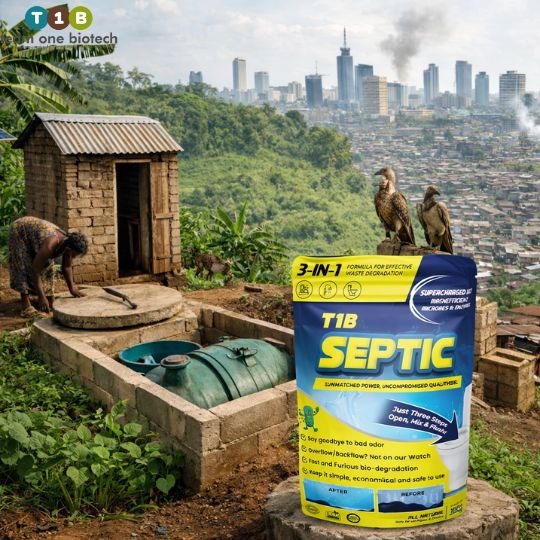
In the outskirts of Lagos, a mother walks three kilometers every morning to fetch water from a communal borehole. The pit latrine behind her home is nearly full. The smell has become unbearable during the rainy season, and her youngest child developed diarrhea last month. The local honey-sucker truck charges 15,000 Naira per visit, more than her weekly income. So the pit overflows. Untreated fecal matter seeps into the shallow aquifer beneath her neighborhood, contaminating the very borehole she depends on.

This isn’t an isolated tragedy. It’s the daily reality for over 400 million people across Sub-Saharan Africa who lack access to safely managed sanitation services.

When we talk about sanitation infrastructure, we’re not discussing abstract engineering problems. We’re talking about human dignity. The right to raise children without the constant threat of cholera outbreaks. The ability to attend school without debilitating intestinal parasites that stunt cognitive development. The fundamental expectation that waste management shouldn’t cost a month’s wages.

The sanitation crisis kills. The World Health Organization estimates that inadequate sanitation causes approximately 280,000 diarrheal deaths annually in Africa alone. Groundwater contamination from poorly maintained septic systems creates a vicious cycle: communities without centralized sewerage rely on groundwater for drinking, yet that same groundwater becomes polluted by their own waste disposal methods.

Traditional solutions have failed these communities repeatedly. The promise of massive sewer infrastructure projects remains perpetually five years away, while populations continue to grow exponentially. Vacuum pumping services can’t keep pace with demand, and even when available, they’re economically inaccessible to the majority who need them most.

Biological septic solutions represent more than just another technology, they represent a paradigm shift in how we think about decentralized sanitation be it Ghana / Nigeria / Cameroon/ Burkina Faso/ RD Congo /Equotorial Guinea/ Botswana /Togo / Ivory Coast or across the African continent.

Understanding the Sanitation Infrastructure Gap
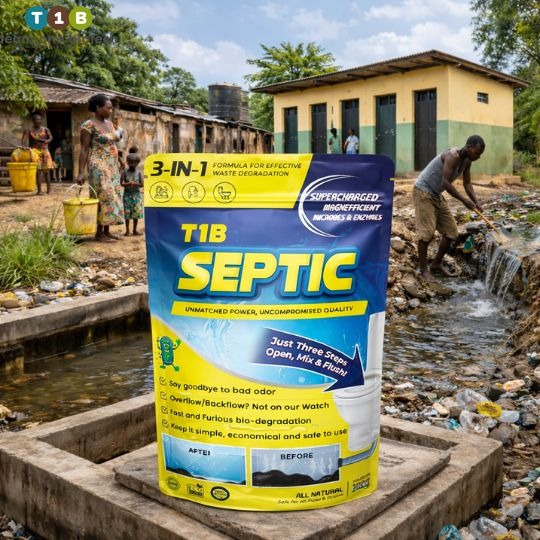
Understanding the Sanitation Infrastructure Gap

Why Traditional Systems Don’t Work in African Contexts

The conventional wisdom imported from developed nations assumes sanitation equals centralized sewerage. Build treatment plants. Lay underground pipe networks. Pump waste to centralized facilities. This model works excellently in cities like London or Tokyo, where decades of infrastructure investment created comprehensive coverage.

African cities and rural areas face fundamentally different challenges.

Population density patterns in African urban centers differ dramatically from Western cities. Informal settlements spring up faster than municipal planning can accommodate. Nairobi’s Kibera settlement houses over 250,000 people on just 2.5 square kilometers, yet no formal sewer lines reach these residents. Extending conventional infrastructure into such areas requires demolishing and relocating entire communities, a political and humanitarian impossibility.

Capital costs for centralized sewerage are staggering. A 2019 World Bank analysis estimated that achieving universal sanitation coverage across Sub-Saharan Africa using conventional infrastructure would require approximately $13 billion annually for the next 15 years. Most municipal budgets can barely maintain existing roads and water supply networks, let alone fund massive new underground pipe systems.

Topographical realities complicate matters further. Unlike flat European cities where gravity-fed sewers work efficiently, African urban landscapes often feature dramatic elevation changes. Pumping stations become necessary. Maintenance costs multiply. Systems designed for temperate climates fail under the stress of tropical downpours that overwhelm drainage capacity within hours.

The Honey-Sucker Dilemma

Across South Africa, Nigeria, and Kenya, the vacuum truck industry, colloquially known as “honey-suckers”, represents the primary method of managing pit latrines and septic tanks. These trucks pump out accumulated sludge and theoretically transport it to treatment facilities.

The economic math simply doesn’t work for most households.

A single vacuum truck can service perhaps 15-20 properties daily, depending on distances and road conditions. In cities where millions rely on pit latrines, the supply-demand imbalance keeps prices artificially high. For a family earning $3-5 daily, a $50-80 pumping fee represents catastrophic expense. The result? People delay pumping until overflows create public health emergencies.

Even when municipalities subsidize vacuum truck services, logistical challenges persist. Roads in informal settlements often can’t accommodate large trucks. During rainy seasons, muddy access routes become impassable. The trucks themselves require regular maintenance and fuel, costs that municipal budgets struggle to sustain.

And where does the pumped waste actually go? Studies in Kampala, Uganda, found that less than 30% of collected fecal sludge reaches treatment plants. The remainder gets dumped illegally in drainage channels, open fields, or directly into water bodies. The expensive pumping operation merely relocates the contamination problem rather than solving it.

Decentralized Sanitation: The Only Scalable Path Forward

International development experts increasingly recognize that decentralized approaches, where waste is treated on-site or very nearby rather than transported long distances, offer the only realistic pathway to universal sanitation coverage.

The United Nations Sustainable Development Goal 6 explicitly calls for “adequate and equitable sanitation” by 2030, acknowledging that solutions must be adapted to local contexts rather than imposed from outside. Decentralized sanitation fits African realities because it works with existing infrastructure, pit latrines, septic tanks, and small-scale treatment systems, rather than requiring wholesale replacement.

The challenge becomes: how do you make decentralized systems actually function safely and sustainably? This is precisely where biotechnology enters the equation.

The Indian Parallel: Lessons from Swachh Bharat Mission
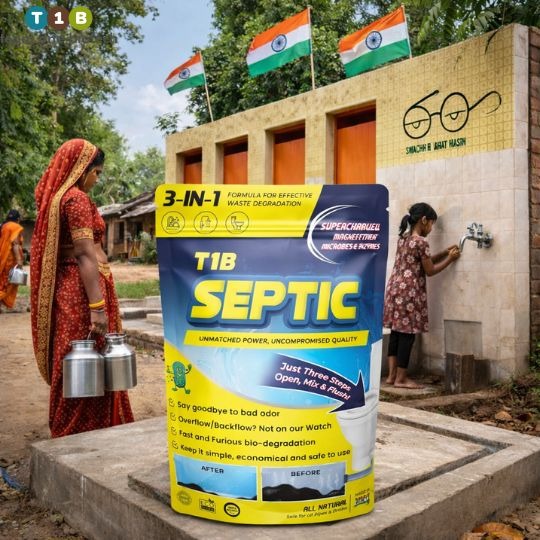
The Indian Parallel: Lessons from Swachh Bharat Mission

India faced an almost identical sanitation crisis until recently. Before 2014, over 500 million Indians practiced open defecation. Pit latrines and septic tanks served hundreds of millions more, yet maintenance remained sporadic and vacuum pumping infrastructure couldn’t keep pace with demand.

The Swachh Bharat Mission (Clean India Mission), launched in October 2014, aimed to eliminate open defecation and improve solid waste management across the entire nation. The scale of ambition was staggering: constructing over 100 million toilets in five years.

But construction alone doesn’t solve sanitation. Those toilets connected to septic tanks and pit latrines that still required regular maintenance. India’s tropical and subtropical climate, high population density, and limited centralized sewerage in rural areas mirrored the challenges currently facing Sub-Saharan Africa.

Indian biotechnology firms, including Team One Biotech, recognized that sustainable sanitation required more than concrete and pipes. It required transforming how those decentralized systems functioned biologically. The development of specialized microbial cultures capable of accelerating waste decomposition became a game-changer.

Municipalities across India began integrating biological septic tank treatments into their sanitation programs. Rather than relying solely on expensive vacuum trucks, communities could extend the intervals between pumping by 2-3 times. Odor complaints plummeted. Groundwater testing showed reduced contamination levels. Most critically, the cost per household dropped dramatically.

Translating Success to African Contexts

The parallels between India’s 2014 situation and Sub-Saharan Africa’s current reality are striking:

  • Climate similarity: Tropical and subtropical zones dominate both regions, creating identical temperature and moisture conditions that affect bacterial activity in septic systems
  • Infrastructure gaps: Centralized sewerage serves only a small percentage of the population in both contexts
  • Economic constraints: Household incomes in many African nations align closely with rural Indian income levels
  • Population density: Both regions face challenges of managing sanitation in densely populated informal settlements

Team One Biotech’s experience solving India’s septic tank challenges over the past decade positions the company uniquely to address African sanitation needs. The microbial formulations that proved effective from Kerala to Punjab are equally suited to environments from Mombasa to Johannesburg.

The Biotechnology Solution: How T1B Products Work
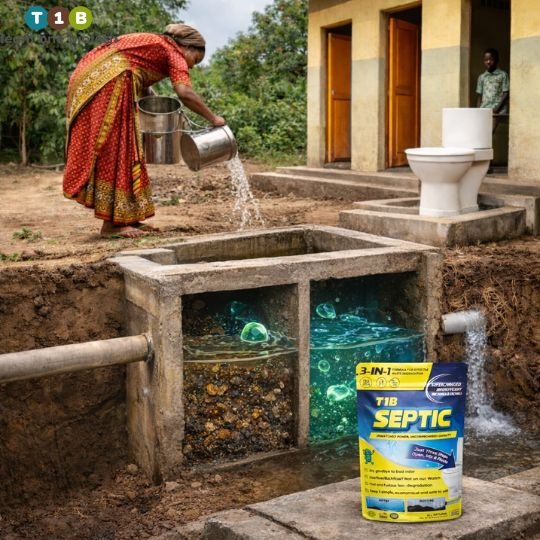
The Biotechnology Solution: How T1B Products Work

Understanding the Science of Bioremediation

At its core, a septic tank or pit latrine should function as an anaerobic digestion system. Beneficial bacteria break down organic waste, converting complex proteins, fats, and carbohydrates into simpler compounds. When this process works efficiently, solid waste volume decreases significantly, harmful pathogens die off, and the system maintains equilibrium.

The problem? Natural bacterial populations in human waste aren’t optimized for rapid, complete decomposition. They work slowly. They’re sensitive to pH fluctuations, toxic chemicals from cleaning products, and temperature variations. In overloaded systems, they simply can’t keep pace with incoming waste, leading to accumulation, overflow, and system failure.

Biological septic treatments introduce concentrated populations of specifically selected microorganisms that dramatically accelerate decomposition.

T1B Drain O Zyme: Engineering Superior Microbes

Team One Biotech’s Drain O Zyme formula represents years of research into microbial selection and optimization. The product contains multiple bacterial strains chosen for complementary capabilities:

  • Cellulolytic bacteria break down toilet paper and vegetable matter rapidly
  • Proteolytic bacteria specialize in protein degradation, essential for processing fecal matter efficiently
  • Lipolytic bacteria target fats and oils, common culprits in drain blockages
  • Amylolytic bacteria handle starch breakdown

The key innovation lies not just in selecting these strains, but in cultivating robust populations that survive harsh environments. Drain O Zyme bacteria demonstrate pH tolerance from 4.5 to 9.5, temperature stability from 10°C to 55°C, rapid reproduction rates, and pathogen competition capabilities.

Septic Safe Cultures: Targeted Pit Latrine Performance

While Drain O Zyme serves general septic tank applications, T1B’s Septic Safe formulations target the unique challenges of pit latrines, the predominant sanitation infrastructure across rural Africa.

Septic Safe cultures address specific challenges:

Odor elimination: Specialized bacteria rapidly metabolize volatile sulfur compounds responsible for the characteristic pit latrine smell. Within 48-72 hours of application, communities report dramatic odor reduction.

Volume reduction: By accelerating decomposition, Septic Safe cultures can reduce solid waste volume by 40-60% within a month. This extends the functional life of pit latrines by years.

Pathogen suppression: Introduced bacterial populations compete with pathogens for resources, significantly reducing disease transmission risk.

Sludge liquefaction: The cultures produce enzymes that break down compacted sludge layers, transforming solid masses into liquid that percolates into surrounding soil naturally.

Climate-Optimized Performance: The African Advantage

Standard enzyme and bacteria products developed for North American or European markets often fail in African conditions because they’re optimized for temperate climates. In Lagos during dry season, daytime temperatures routinely hit 35°C. Inside a pit latrine with black plastic cover absorbing solar radiation, internal temperatures can reach 45-50°C.

Most commercial bacterial cultures begin dying off above 40°C. Team One Biotech’s formulations underwent extensive testing across India’s diverse climate zones, from Rajasthan’s 48°C summers to monsoon-soaked regions. The company selected thermophilic and thermotolerant bacterial strains that not only survive but thrive in high-temperature environments.

For African applications, this means consistent performance year-round, lower required concentrations, and extended shelf life in warm warehouse conditions.

Economic Impact and Business Models

Cost Comparison: Traditional vs. Biological Treatment

For municipalities and households alike, economics drives sanitation decisions.

Traditional vacuum pumping:

  • Average cost per pumping: $50-$150
  • Frequency required: Every 6-18 months
  • Annual cost range: $40-$300 per household

Biological treatment program:

  • Product cost: $8-$15 per monthly treatment
  • Annual cost range: $32-$180 per household
  • Pumping frequency: Reduced to once every 2-4 years
  • Total annual cost including occasional pumping: $45-$210 per household

A mid-sized African city with 50,000 septic tanks currently spending $4-6 million annually on pumping operations could reduce that to $2-3 million while actually improving public health outcomes.

The White Label Opportunity for Local Entrepreneurs

Team One Biotech recognizes that sustainable solutions require local ownership and cultural adaptation. The company actively seeks partnerships with African NGOs, government contractors, and private sanitation firms to distribute products under locally-branded labels.

This white labeling model creates multiple advantages:

Economic empowerment: Local distributors build businesses around products with proven demand, creating employment and keeping revenue within communities.

Cultural trust: Consumers often prefer purchasing from familiar local brands rather than unknown international companies.

Customized messaging: Local partners understand regional languages, cultural sensitivities, and communication channels.

Regulatory navigation: Each African nation maintains different import, labeling, and health product regulations. Local partners handle this complexity.

The business model works simply: Team One Biotech manufactures bulk product in India, handles international shipping logistics to African ports, and delivers containers to local partners. Those partners then repackage under their own brand labels, set pricing appropriate for their markets, and distribute through existing networks.

Government Contractor Partnerships

For companies bidding on municipal sanitation contracts, incorporating biological treatments provides a competitive advantage. Team One Biotech offers dedicated support for government contractors:

  • Technical documentation for tender submissions
  • Training programs for municipal workers
  • Bulk supply agreements with guaranteed availability
  • Co-branding options where appropriate

Cities that integrated T1B products into sanitation infrastructure reported 35-50% reductions in vacuum truck operational costs, 60-75% decreases in overflow incidents, and significant improvements in water quality testing.

Trust, Verification, and International Logistics

Alibaba Gold Supplier Verification

In international trade, trust represents the foundational challenge. Team One Biotech addresses this through Alibaba’s Gold Supplier program and Trade Assurance system.

Gold Supplier status requires companies to pass third-party verification of business licensing, manufacturing facility inspections, export compliance, and financial stability.

Trade Assurance offers financial protection for international transactions:

  • Funds are held in escrow until delivery confirmation
  • Quality disputes are mediated by Alibaba with potential for full refunds
  • Shipping delays are documented and may trigger compensation
  • Product specifications are contractually guaranteed

Shipping and Logistics Capabilities

Team One Biotech maintains established relationships with freight forwarders experienced in shipments to major African ports: Mombasa, Lagos, Durban, and Dar es Salaam. The company handles export documentation, container optimization, and port clearance support.

Typical shipping timeframes from Indian ports to Africa range from 18-35 days. T1B maintains buffer stock to ensure consistent supply for ongoing contracts.

Quality Assurance and Testing

Team One Biotech provides:

  • Certificate of Analysis with every shipment
  • Sample provision for small-scale trials
  • Third-party lab testing results
  • Application support via email and video call

Environmental Sustainability and Climate Considerations
Environmental Sustainability and Climate Considerations

Groundwater Protection

The African Water Vision 2025 identified groundwater contamination as one of the continent’s most serious environmental challenges. Approximately 75% of Africa’s population depends on groundwater for drinking and agriculture.

Biological septic treatments contribute to groundwater protection through pathogen reduction (80-90% reductions in fecal coliform counts), nutrient stabilization, and volume reduction.

Carbon Footprint Reduction

Biological treatments reduce emissions compared to traditional pumping. For a city with 50,000 septic systems, reducing pumping frequency from annual to every three years eliminates approximately 100,000 truck-kilometers yearly, equivalent to preventing 35-50 tons of CO2 emissions annually.

Water Scarcity Adaptation

Biological treatments suit water-scarce environments because they work in dry sanitation systems, require minimal water for application, and can be adapted to handle combined blackwater and greywater systems.

The Path Forward: Building Sanitation Security

Africa stands at a critical juncture. Rapid urbanization continues unabated. Climate change intensifies water scarcity. Population growth stresses already inadequate sanitation infrastructure. Yet conventional approaches remain far beyond most nations’ fiscal capacity.

Decentralized sanitation supported by biological treatment technology offers a viable alternative pathway. The Indian experience demonstrates this approach works at scale. Over half a billion people now have access to improved sanitation that simply didn’t exist a decade ago. Biological treatments played a crucial role in making that transformation sustainable and affordable.

African nations needn’t reinvent solutions. The technology exists. The business models are proven. The partnerships are available.

Team One Biotech brings a decade of expertise solving sanitation challenges in conditions almost identical to those across Sub-Saharan Africa. The company’s products aren’t experimental, they’re field-proven solutions currently protecting groundwater and improving health for millions.

For NGOs committed to community health, for government contractors seeking cost-effective sanitation solutions, for municipalities struggling with inadequate budgets, biological septic treatments represent an actionable intervention available today.

The sanitation crisis is solvable. The tools exist. The question is whether decision-makers will embrace proven solutions or continue waiting for perfect infrastructure that may never arrive.

Partner With Team One Biotech

Team One Biotech welcomes inquiries from African NGOs, government sanitation contractors, private waste management firms, and distributors interested in white-label partnerships. The company offers verified manufacturing credentials through Alibaba Gold Supplier status, Trade Assurance protection, technical support, flexible partnership models, and comprehensive documentation for regulatory approvals.

Visit Team One Biotech’s verified Alibaba profile to explore product specifications, request samples, and begin partnership discussions that can bring proven sanitation solutions to communities across Africa.

The future of African sanitation doesn’t require waiting for massive infrastructure projects. It requires deploying effective solutions available today. Biological septic treatments represent that solution, scalable, affordable, and ready for immediate implementation.

Let’s build sanitation security together.

Looking to improve your ETP/STP efficiency with the right bioculture?
Talk to our experts at Team One Biotech for customised microbial solutions.

Contact+91 8855050575

Email:  sales@teamonebiotech.com

Visit: www.teamonebiotech.com

Discover More on YouTube – Watch our latest insights & innovations!-

Connect with Us on LinkedIn – Stay updated with expert content & trends!

Global Demand for Sustainable Aquaculture in 2026
Global Demand for Sustainable Aquaculture in 2026: Export Opportunities for Indian Biotech

The rejection email arrives at 3 AM. A Malaysian shrimp exporter watches his entire season’s harvest, 200 metric tons, fail EU residue testing. Antibiotic traces detected at 12 parts per billion. The shipment is refused entry. His buyers in Rotterdam cancel standing orders worth $1.2 million. This scenario repeats across Asian aquaculture operations daily, and it represents the central crisis driving the $39 billion global aquaculture industry toward biological solutions in 2026.

International farmers face an impossible equation: intensive production systems demand disease prevention, yet importing nations enforce zero-tolerance policies on chemical residues. The European Food Safety Authority (EFSA) maintains detection thresholds for oxytetracycline at 100 μg/kg in muscle tissue. The United States FDA enforces similar standards through its Import Alert system. One failed test triggers automatic detention of all future shipments from that facility.

India’s biotechnology sector has quietly positioned itself to resolve this global bottleneck. The same environmental pressures that challenge domestic aquaculture, high salinity fluctuations, extreme organic loading, temperature variability, have forced Indian manufacturers to develop exceptionally robust microbial formulations. These products now represent the technical foundation for export-grade, chemical-free aquaculture worldwide.

The 2026 Market Reality: Consumer Demands Reshape Global Supply Chains

The 2026 Market Reality: Consumer Demands Reshape Global Supply Chains

The aquaculture market exceeded $39.4 billion in 2025 and continues accelerating toward projected valuations of $58 billion by 2030. This growth trajectory masks a fundamental restructuring of what constitutes acceptable production methods. European retailers now require “clean label” certifications from suppliers. Whole Foods Market, Carrefour, and Tesco have publicly committed to antibiotic-free seafood across their supply chains by 2027.

The regulatory landscape has hardened considerably. The European Union’s Farm to Fork Strategy explicitly targets antimicrobial resistance, with member states implementing enhanced surveillance at border inspection posts. Between January and September 2025, EU authorities rejected 1,847 aquaculture shipments from non-member countries due to residue violations. Each rejection represents not just lost revenue but damaged trade relationships that take years to rebuild.

North American markets mirror this trend. The US imported 2.3 billion pounds of shrimp in 2024, with 94% originating from Asia and Latin America. The FDA’s Veterinary Feed Directive and the ongoing expansion of the Seafood Import Monitoring Program have created compliance requirements that extend far beyond the point of harvest. Importers now demand full traceability documentation showing farm management practices from stocking through processing.

The Economics of Rejection

Export rejections carry cascading financial consequences that extend throughout the value chain. A single container of frozen shrimp represents approximately $180,000 to $240,000 in product value. When rejected at port, the exporter faces:

  • Immediate product loss (most rejected seafood cannot be economically redirected)
  • Demurrage charges averaging $200-300 per container per day
  • Legal costs associated with disputing findings or negotiating settlements
  • Permanent damage to importer relationships in premium markets
  • Potential facility-level import bans affecting all future shipments

A Vietnamese processing facility that appeared on the FDA Import Alert list in 2024 lost 68% of its US customer base within 90 days. Rebuilding market access required 14 months of enhanced testing protocols, third-party audits, and sustained compliance demonstration. The total cost exceeded $2.1 million, far surpassing any savings achieved through antibiotic use.

These market forces have created urgent demand for sustainable aquaculture solutions that eliminate regulatory risk while maintaining production efficiency. Farmers who successfully transition to biological systems gain immediate competitive advantages in procurement negotiations with international buyers.

Understanding Bioremediation: The Science Behind Antibiotic-Free Systems

Understanding Bioremediation: The Science Behind Antibiotic-Free Systems

Bioremediation solutions represent a fundamentally different approach to aquaculture management. Rather than suppressing pathogenic bacteria through chemical intervention, these systems establish competitive microbial communities that prevent disease organisms from gaining footholds in the culture environment.

The core mechanism operates through multiple pathways:

Competitive Exclusion

Beneficial bacteria occupy ecological niches that would otherwise support pathogenic species. When properly formulated probiotic consortia are introduced at densities of 10^6 to 10^8 CFU per gram, they consume available nutrients and attachment sites, creating conditions inhospitable to Vibrio species, Aeromonas, and other common aquaculture pathogens.

Research from Thailand’s National Center for Genetic Engineering and Biotechnology demonstrated that ponds maintained with continuous bioremediation protocols showed 83% reduction in Vibrio harveyi populations compared to control systems, without any antibiotic administration.

Nitrification and Nitrogen Cycling

Intensive aquaculture generates massive nitrogen loads through uneaten feed and metabolic waste. A single hectare of shrimp ponds at 40 animals per square meter produces approximately 180-220 kg of total ammonia nitrogen over a 120-day cycle. Accumulation of ammonia (NH₃) and nitrite (NO₂⁻) creates toxic conditions that stress cultured animals and trigger disease vulnerability.

Effective bioremediation formulations contain autotrophic bacteria, primarily Nitrosomonas and Nitrobacter species, that oxidize ammonia to nitrite and subsequently to nitrate through a two-stage process:

NH₃ → NO₂⁻ → NO₃⁻

This nitrification cascade maintains ammonia concentrations below 0.5 mg/L, the threshold where physiological stress becomes measurable in penaeid shrimp. The conversion process simultaneously stabilizes pH and prevents the sudden water quality crashes that typically precipitate disease outbreaks.

Organic Matter Decomposition

Heterotrophic bacteria in advanced formulations accelerate the breakdown of accumulated organic sediments. Species from Bacillus, Lactobacillus, and Rhodopseudomonas genera produce extracellular enzymes, proteases, lipases, amylases, that convert complex organic materials into simpler compounds available for uptake by phytoplankton.

Ponds treated with T1B Acqua S and similar comprehensive bioremediation products show measurably reduced sludge accumulation. Field trials in Andhra Pradesh documented 41% reduction in bottom sediment depth over 90-day shrimp cycles compared to conventional management, directly correlating with reduced hydrogen sulfide production and improved dissolved oxygen profiles.

Immune Enhancement Through Gut Colonization

Beyond water quality management, probiotics for aquaculture directly improve host resistance when administered through feed incorporation. Bacterial metabolites including bacteriocins, organic acids, and immune-stimulating compounds enhance the shrimp’s innate defense mechanisms.

Studies measuring hemocyte counts, phenoloxidase activity, and lysozyme levels consistently demonstrate that animals receiving probiotic supplementation show 20-35% enhanced immune response to pathogen challenge compared to control groups. This immunomodulation reduces disease incidence without creating the selective pressure for antimicrobial resistance.

T1B Acqua S: Engineering Solutions for Export-Grade Production

T1B Acqua S: Engineering Solutions for Export-Grade Production

T1B Acqua S represents the practical application of bioremediation science to commercial aquaculture challenges. The formulation contains a precisely balanced consortium of eight bacterial strains selected for synergistic activity across the range of conditions encountered in tropical and subtropical pond systems.

The product addresses the specific failure points that drive farmers toward antibiotic dependency:

Early Morning Oxygen Depletion

Dissolved oxygen crashes between 4 AM and 6 AM account for approximately 40% of unexplained mortality events in intensive shrimp culture. These crashes occur when overnight respiration by phytoplankton, bacteria, and cultured animals depletes oxygen faster than atmospheric diffusion can replenish it.

T1B Acqua S contains photosynthetic bacteria that reduce biological oxygen demand while producing oxygen during daylight hours. When applied at recommended dosages of 1-2 kg per hectare every 7-10 days, these organisms measurably improve dawn oxygen levels. Continuous dissolved oxygen monitoring in treated ponds shows 15-22% higher minimum overnight DO compared to untreated controls.

Mid-Cycle Vibrio Blooms

Vibriosis typically emerges between days 45-75 of shrimp production cycles, coinciding with peak feeding rates and organic accumulation. Traditional management relies on antibiotic treatment at first signs of infection, precisely the practice that creates export residue problems.

The competitive exclusion mechanism in T1B Acqua S prevents Vibrio populations from reaching pathogenic thresholds. Farms implementing prophylactic bioremediation protocols report 72-86% reduction in Vibrio-related losses without therapeutic antibiotic use, based on aggregated data from over 400 hectares of production in India, Bangladesh, and Indonesia.

White Feces Syndrome Management

White feces syndrome (WFS), associated with microsporidian parasites and dysbiotic gut conditions, has emerged as a major production constraint across Asia. The condition causes growth retardation, feed conversion degradation, and secondary bacterial infections.

Integrating T1B Acqua S with feed-based probiotics addresses both the environmental triggers and gut health components of WFS. The protocol involves:

  • Water column treatment: 1.5 kg/hectare every 5 days during high-risk periods
  • Feed incorporation: Probiotic supplementation at 2-3 g/kg feed
  • Organic load reduction: Enhanced bottom aeration in conjunction with bacterial treatment

Farms in Thailand implementing this combined approach documented 63% reduction in WFS incidence and maintained average daily growth rates of 0.18-0.21 grams per day even in high-density systems exceeding 60 animals per square meter.

Indian Expertise: From Domestic Challenges to Global Solutions

India’s position as a leading developer of bioremediation solutions stems directly from the severity of its domestic aquaculture challenges. The country produces approximately 800,000 metric tons of shrimp annually, with the vast majority cultured in coastal regions where environmental variability tests the limits of conventional management approaches.

Salinity Fluctuation Tolerance

Indian shrimp farms regularly experience salinity swings of 15-20 ppt within 48-hour periods during monsoon transitions. These fluctuations stress both cultured animals and microbial populations. Bacterial strains that survive and remain metabolically active across this range possess exceptional environmental tolerance.

Team One Biotech’s development process specifically screens candidate organisms for performance across salinity gradients from 5 ppt to 45 ppt. The resulting formulations maintain nitrification efficiency and competitive exclusion activity in conditions that would inactivate less robust products. This tolerance translates directly to reliability in Middle Eastern installations where evaporation drives salinity above 40 ppt, and Southeast Asian brackishwater systems where tidal influence creates constant flux.

High Organic Loading Resilience

Indian aquaculture operates at some of the highest stocking densities globally, with commercial farms routinely exceeding 50-70 post-larvae per square meter. These densities generate organic loading rates that overwhelm marginal bioremediation products. Formulations developed for Indian conditions inherently possess the metabolic capacity to function in intensive systems worldwide.

Field validation in Gujarat and Tamil Nadu, regions with particularly challenging water chemistry, has refined Team One Biotech’s understanding of minimum effective bacterial densities, application frequencies, and co-factor requirements (trace minerals, carbon sources) needed for sustained performance under stress.

Temperature Extremity Performance

Summer pond temperatures in Rajasthan and Gujarat regularly exceed 38°C, while winter temperatures in northern regions drop to 18-20°C. This thermal range exceeds what most aquaculture regions globally experience, but it has driven selection for bacterial strains with wide operational temperature windows.

The Bacillus species in T1B Acqua S remain viable and metabolically active from 15°C to 42°C, ensuring consistent performance whether deployed in Norwegian salmon systems, Mediterranean seabass operations, or equatorial shrimp farms. This thermal flexibility eliminates the seasonal performance degradation that plagues temperature-sensitive formulations.

Logistics and Supply Chain: The Competitive Advantage of Shelf-Stable Formulations

Logistics and Supply Chain: The Competitive Advantage of Shelf-Stable Formulations

The physical format of bioremediation products profoundly impacts their viability in international trade. Shelf-stable powdered formulations offer decisive advantages over liquid alternatives in every aspect of global distribution.

Stability During Extended Transit

Ocean freight from Mumbai to Rotterdam requires 28-35 days door-to-door. Shipments to South American destinations average 40-50 days. Throughout this period, products experience:

  • Temperature fluctuations from -5°C in refrigerated containers to 45°C on deck in tropical crossings
  • Humidity variations affecting packaging integrity
  • Physical vibration and handling stress during trans-shipment

Liquid probiotic formulations typically maintain bacterial viability for 30-60 days under refrigeration. At ambient temperatures, degradation accelerates dramatically. A liquid product with 10^9 CFU/mL at manufacture may decline to 10^6 CFU/mL after 45 days at 28°C, a 99.9% reduction in active cell count.

Team One Biotech’s spray-dried powdered formulations utilize protective matrices that preserve bacterial viability for 24 months at ambient temperature. Independent laboratory testing documents less than 0.5 log reduction in CFU count over 18-month storage at 25°C. This stability eliminates cold chain requirements, reduces logistics costs by approximately 40-60%, and ensures customers receive products at full specification regardless of transit duration.

Shipping Economics

A standard 20-foot container holds approximately 10 metric tons of powdered product or 18-20 metric tons of liquid formulation. However, the concentration differential reverses this apparent advantage. Powdered products typically contain 10^10 to 10^11 CFU per gram, while liquids range from 10^8 to 10^9 CFU per milliliter.

Calculating on an active ingredient basis:

  • Powder: 10,000 kg × 10^11 CFU/g = 10^18 total CFU per container
  • Liquid: 20,000 kg × 10^9 CFU/mL = 2 × 10^16 total CFU per container

The powdered format delivers 50 times more biological activity per container, dramatically reducing per-acre treatment costs for end users and improving the economics of long-distance shipping.

Regulatory Compliance

Many importing nations classify live bacterial cultures as controlled biological materials requiring phytosanitary certification, import permits, and quarantine inspection. The dried spore format of Team One Biotech’s formulations often qualifies for simplified regulatory categorization as “microbial soil amendments” or “aquaculture feed supplements,” expediting customs clearance and reducing administrative burden.

The water activity (aw) of properly processed powder formulations remains below 0.4, creating conditions incompatible with contamination by pathogenic bacteria or fungi. This microbiological stability satisfies import authority concerns about biosecurity risk and facilitates market access in jurisdictions with stringent border controls.

White Label Probiotics: Building Global Brands on Indian Manufacturing Excellence

The white label probiotics model addresses a critical gap in international aquaculture markets. Regional distributors and national feed companies possess market access, customer relationships, and brand equity but lack the technical capability and capital investment required for in-house probiotic manufacturing.

Team One Biotech’s white labeling services provide complete solutions:

Custom Formulation Development

Not all aquaculture environments require identical bacterial consortia. Antibiotic-free shrimp farming in Ecuador faces different challenges than tilapia culture in Egypt or salmon production in Chile. Team One Biotech works with partners to develop region-specific formulations optimized for local conditions.

The development process includes:

  • Environmental assessment: Water chemistry analysis, disease pressure profiles, typical management practices
  • Strain selection: Matching bacterial species to specific ecological and pathogenic challenges
  • Concentration optimization: Determining minimum effective dosages for target conditions
  • Stability testing: Validating performance under expected storage and application conditions

This collaborative approach creates products that outperform generic formulations while building partners’ technical credibility in their markets.

Manufacturing and Quality Control

Team One Biotech operates ISO-certified fermentation facilities with 200,000-liter annual production capacity for aquaculture biologicals. The manufacturing process follows Good Manufacturing Practices (GMP) protocols including:

  • Seed culture maintenance in cryopreserved stocks to ensure genetic stability
  • Multi-stage fermentation with continuous monitoring of pH, dissolved oxygen, and metabolite production
  • Spray drying under controlled temperature profiles to maximize spore survival
  • Blending and homogenization to achieve uniform CFU distribution
  • Third-party verification of bacterial counts, species identification, and contamination screening

Partners receive complete Certificates of Analysis documenting microbial counts, moisture content, viable spore percentage, and absence of pathogenic contamination. This documentation supports their own regulatory filings and customer quality assurance requirements.

Packaging and Labeling Flexibility

White label partners can specify packaging formats from 100-gram retail sachets to 20-kilogram commercial buckets to 500-kilogram bulk bags for industrial operations. Custom labeling incorporates partner branding, application instructions in local languages, and regulatory-compliant claims specific to target markets.

This flexibility allows a single manufacturing relationship to serve multiple customer segments:

  • Retail aquarium and ornamental fish markets with small-format consumer packaging
  • Small-scale farmers purchasing through agricultural supply dealers
  • Commercial shrimp farms requiring bulk quantities with technical support
  • Feed mill integration for partners incorporating probiotics into manufactured feeds

Technical Support and Training

Team One Biotech provides partners with comprehensive technical resources including:

  • Application protocols: Dosage recommendations, mixing instructions, timing guidelines for different production systems
  • Troubleshooting guides: Diagnostic approaches for addressing water quality problems and disease challenges
  • Sales training materials: Technical presentations explaining bioremediation mechanisms for distributor sales teams
  • End-user education: Farmer training programs and demonstration farm partnerships

This support infrastructure accelerates market development and builds sustainable demand for partner brands. Distributors in Nigeria, Peru, and Myanmar have successfully launched white-labeled pond stabilizers and gut health products using Team One Biotech’s platform, achieving market penetration rates of 15-30% within 18 months of launch.

Market Entry Strategy: Positioning Indian Biotech in Premium Segments

Indian biotech exports face perception challenges in some international markets where “Indian manufacturing” connotes price competition rather than technical leadership. Team One Biotech addresses this positioning through several strategic approaches:

Third-Party Validation

Independent testing by internationally recognized laboratories provides objective verification of product performance. Team One Biotech submits formulations to facilities including:

  • SGS laboratories for microbial enumeration and species verification
  • University research partnerships with institutions in Thailand, Vietnam, and Ecuador for field efficacy trials
  • Comparative performance studies published in peer-reviewed aquaculture journals

These validations create defensible technical claims and overcome skepticism about product quality. A 2024 field trial at Vietnam’s Research Institute for Aquaculture No. 1 documented that T1B Acqua S delivered nitrification performance equivalent to leading European products at 60% of the application cost, demonstrating the value proposition clearly.

Sustainability Certifications

Best Aquaculture Practices (BAP), Aquaculture Stewardship Council (ASC), and GlobalG.A.P. certifications increasingly require farms to document disease management approaches that minimize antibiotic use. Products that demonstrably support these certifications gain preference in procurement decisions.

Team One Biotech maintains documentation packages showing that farms using T1B Acqua S consistently achieve the water quality parameters and reduced therapeutic antibiotic use required for certification compliance. This documentation has supported successful ASC certification for partner farms in Indonesia and India, creating case studies that drive adoption in certification-focused markets.

Economic Performance Guarantees

Technical superiority means little if it fails to deliver economic results. Team One Biotech works with select partners to implement performance-based pricing models where product costs partially correlate with achieved outcomes in feed conversion ratio, survival rate, and production efficiency.

These risk-sharing arrangements demonstrate confidence in product performance and align manufacturer interests with farmer success. Early adopters in Bangladesh implementing guaranteed-performance programs achieved 8.4% improvement in feed conversion ratios and 12% reduction in production costs per kilogram, creating compelling economic arguments for expansion.

The 2026 Opportunity: Convergence of Regulation, Technology, and Market Demand

Multiple trends converge in 2026 to create unprecedented opportunities for sustainable aquaculture solutions:

Regulatory Tightening

The EU’s revised Veterinary Medicinal Products Regulation, fully implemented as of January 2026, restricts prophylactic antibiotic use and requires detailed justification for all antimicrobial prescriptions in aquaculture. Farms supplying European markets must demonstrate comprehensive disease prevention strategies centered on biosecurity and water quality management rather than therapeutic intervention.

Consumer Transparency Demands

Blockchain-enabled traceability systems now allow consumers to scan QR codes on seafood packaging and review complete production histories including feed formulations, water quality records, and disease management protocols. Products from farms documenting antibiotic-free production command price premiums of 12-18% in North American and European retail.

Climate Adaptation Requirements

Rising water temperatures and increased weather volatility are destabilizing traditional aquaculture management approaches. Biological systems that enhance environmental resilience while reducing chemical dependency align with both climate adaptation strategies and sustainability mandates.

Investment Flow

Impact investors and environmental, social, and governance (ESG) funds are directing capital toward aquaculture operations that demonstrate measurable sustainability metrics. Farms transitioning to biological management systems access lower-cost financing and qualify for green bonds and sustainability-linked loans with interest rate reductions of 0.5-1.5%.

The global market for probiotics for aquaculture reached $680 million in 2025 and projects growth to $1.2 billion by 2030, representing a compound annual growth rate exceeding 12%. Indian manufacturers capturing even modest market share translate this into substantial export revenue while establishing technological leadership in a strategic sector.

Taking Action: Connect With Team One Biotech

The transformation toward antibiotic-free shrimp farming and sustainable aquaculture requires reliable partners who understand both the science and the business of biological solutions. Team One Biotech combines proven formulations, manufacturing excellence, and global supply chain capability to support this transition.

International buyers, distributors, and aquaculture operations can explore bulk pricing, technical specifications, and white labeling opportunities through the official Team One Biotech Alibaba Store. The platform provides transparent pricing for container-quantity orders, detailed product documentation, and direct communication with technical specialists.

Whether you represent a commercial farm seeking to eliminate export rejection risk, a distributor building a portfolio of sustainable aquaculture solutions, or an entrepreneur launching branded products in emerging markets, Team One Biotech’s platform provides the foundation for success in the global shift toward biological aquaculture management.

The question facing aquaculture stakeholders in 2026 is not whether to transition away from antibiotic dependency, market forces and regulatory requirements have made this inevitable. The question is which biological solutions and manufacturing partners will enable this transition while maintaining profitability and production efficiency. The answer increasingly comes from Indian biotechnology companies that have transformed domestic challenges into global expertise.

Looking to improve your ETP/STP efficiency with the right bioculture?
Talk to our experts at Team One Biotech for customised microbial solutions.

Contact+91 8855050575

Email:  sales@teamonebiotech.com

Visit: www.teamonebiotech.com

Discover More on YouTube – Watch our latest insights & innovations!-

Connect with Us on LinkedIn – Stay updated with expert content & trends!

Managing Ammonia and Nitrite Levels in Intensive Aquaculture Ponds

The call came at 2 AM. Rajesh, a Vannamei shrimp farmer from Nellore, watched helplessly as his 60-day crop began gasping at the surface. Water tests revealed ammonia levels at 4.2 ppm, well into the lethal zone. By dawn, he’d lost 40% of his stock. Three months of investment, feed costs, and sleepless nights vanished because of an invisible enemy he never saw coming.

Related Resource: Master these protocols with The Complete Handbook for High-Yield Shrimp and Fish Farming.

This isn’t an isolated incident. Across coastal Andhra Pradesh, Gujarat, and West Bengal, intensive aquaculture farmers face this same silent killer every season. The irony? Most ammonia and nitrite crises are completely preventable once you understand the underlying mechanisms and implement the right management protocols.

Understanding the Nitrogen Cycle in High-Density Farming Systems

Understanding the Nitrogen Cycle in High-Density Farming Systems

In intensive aquaculture, you’re essentially running a biological factory. Every kilogram of feed you introduce sets off a chain reaction. Fish and shrimp consume protein, metabolize it, and excrete ammonia directly through their gills and as waste. Uneaten feed and fecal matter decompose, releasing even more ammonia into your pond ecosystem.

Here’s where the chemistry becomes critical. Total Ammonia Nitrogen (TAN) exists in two forms: ionized ammonium (NH4+) and unionized ammonia (NH3). The unionized form is the deadly one, it crosses gill membranes easily, disrupts oxygen transport in the blood, damages gill tissue, and suppresses the immune system. At concentrations as low as 0.5 ppm, NH3 causes chronic stress. Above 2 ppm, you’re looking at mass mortality.

The conversion between these forms depends on two factors you deal with daily: pH and temperature. In Indian conditions, particularly during summer months when pond temperatures climb to 32-35°C and pH rises above 8.0 due to algal photosynthesis, a dangerous proportion of your TAN exists as toxic NH3. A pond that seems safe at dawn can become lethal by mid-afternoon.

The nitrogen cycle doesn’t end with ammonia. Beneficial bacteria, specifically Nitrosomonas species, oxidize ammonia into nitrite (NO2−). This is progress, but only partial progress. Nitrite is its own poison. It binds to hemoglobin in fish and shrimp, creating methemoglobin that can’t carry oxygen. The result? Your stock suffocates even in oxygen-rich water. Farmers call it “brown blood disease,” and it’s particularly devastating in species like Rohu and Catla that are sensitive to nitrite concentrations above 0.5 ppm.

Only when Nitrobacter bacteria convert nitrite to nitrate (NO3−) does the cycle reach a relatively safe endpoint. Nitrate is far less toxic and can be managed through partial water exchanges and plant uptake.

The Reality of Intensive Stocking in Indian Pond Conditions

The Reality of Intensive Stocking in Indian Pond Conditions

Indian aquaculture has shifted dramatically over the past decade. Where farmers once stocked 15-20 post-larvae per square meter, intensive Vannamei operations now push 80-120 PL/m². Pangasius and tilapia farms operate at similarly aggressive densities. The economic logic is sound, more biomass per unit area means better returns on land investment.

But this intensification compresses the entire nitrogen cycle into a pressure cooker. Consider the math: a 1-hectare pond stocked at 100 shrimp/m² at harvest weight produces approximately 40-50 kg of ammonia daily during peak feeding periods. In traditional extensive systems, natural processes, algae uptake, bacterial conversion, atmospheric diffusion, could handle this load. In intensive systems, these natural mechanisms are overwhelmed within weeks.

The Indian climate adds multiple complications. Summer temperatures accelerate metabolic rates, meaning your stock produces more ammonia per kilogram of body weight while simultaneously shifting more TAN into the toxic NH3 form. Monsoon season brings its own challenges, sudden drops in salinity stress your bacterial colonies, heavy rainfall dilutes dissolved oxygen, and agricultural runoff introduces external ammonia sources from fertilizer leaching.

Regional water quality varies dramatically. Coastal farmers in Kerala and Tamil Nadu work with brackish water that has natural buffering capacity. Freshwater farmers in Punjab and Haryana deal with hard water that can push pH to alkaline extremes. Each scenario requires tailored management strategies.

The species you’re farming matters enormously. Vannamei shrimp can tolerate short-term ammonia spikes better than Litopenaeus monodon, but sustained exposure above 0.1 ppm NH3 still causes molting problems and shell deformities. Among fish, air-breathing species like Magur show higher tolerance than pure water-breathers like Rohu. Understanding your species’ threshold is the first line of defense.

[CTA: Download our free Water Quality Reference Chart specifically calibrated for Indian aquaculture conditions, including safe limits for Vannamei, Rohu, Catla, and Pangasius across temperature ranges. Get your copy here.]

Why Traditional Management Methods Fall Short

Why Traditional Management Methods Fall Short

The conventional response to ammonia spikes is water exchange. Pump out 20-30% of pond volume, replace it with fresh water, and dilute the problem. This approach has serious limitations in modern intensive systems.

First, water availability is increasingly constrained. Coastal aquaculture competes with agriculture and municipal demand. During summer peaks, source water quality deteriorates, the very water you’re pumping in may carry its own ammonia load from upstream farms or agricultural runoff.

Second, every water exchange disrupts your pond ecosystem. You’re not just removing ammonia; you’re removing the bacterial biomass you’ve worked to establish, beneficial algae populations, and trace minerals. You’re also adding stress through salinity and temperature fluctuations. In Vannamei farming, sudden salinity changes are a leading trigger for white spot syndrome virus outbreaks.

Third, water exchange is economically and environmentally unsustainable at intensive stocking densities. When you need to exchange 20% of water daily just to maintain minimally safe ammonia levels, you’re looking at enormous pumping costs and contributing to coastal pollution through discharge of nitrogen-rich effluent.

Chemical treatments, zeolite, activated carbon, commercial ammonia binders, provide temporary relief but don’t address root causes. They’re bandages, not cures. Zeolite saturates within 72 hours in high-bioload systems and requires constant replacement. Chemical oxidizers like potassium permanganate can reduce ammonia but also kill beneficial bacteria, setting you back to square one.

The Bioremediation Approach: Working With Biology, Not Against It

The sustainable solution lies in microbial bioremediation, deliberately cultivating and maintaining robust populations of beneficial bacteria that convert ammonia and nitrite at rates matching or exceeding your production rate.

This isn’t about hoping natural populations develop. In intensive systems, you must actively inoculate and feed specific bacterial consortia. Team One Biotech’s probiotic formulations are designed precisely for this purpose, containing concentrated Nitrosomonas, Nitrobacter, Bacillus species, and complementary heterotrophic bacteria in ratios optimized for Indian pond conditions.

The mechanism is straightforward: you’re bioaugmenting your pond’s bacterial population to create excess conversion capacity. Instead of your bacterial community struggling to keep pace with ammonia production, you maintain a surplus that processes ammonia in real-time, preventing accumulation.

The critical difference from random probiotic products is strain specificity and viability. Team One Biotech’s formulations use bacteria isolated from successful Indian aquaculture systems, pre-adapted to local temperature ranges, salinity variations, and organic load conditions. Each dose delivers minimum 10^9 CFU per gram in spore form, meaning the bacteria remain viable through storage and activate rapidly upon pond application.

Beyond ammonia oxidation, these bacterial consortia provide multiple benefits. Bacillus species compete with pathogenic Vibrio, reducing disease pressure. Heterotrophic bacteria break down accumulated organic sludge, improving bottom quality. Some strains produce B-vitamins and growth-promoting compounds that enhance feed conversion ratios.

The economic case is compelling. A typical 1-hectare intensive shrimp pond requires approximately 5-8 kg of bioremediation product per week during peak periods. Cost: roughly ₹3,000-5,000 weekly. Compare this to water exchange electricity costs of ₹8,000-12,000 weekly plus the lost productivity from stress and disease. The payback period is measured in days, not months.

[CTA: Facing persistent ammonia issues despite water management efforts? Consult with our Team One Biotech aquaculture specialists for a customized bioremediation protocol based on your specific pond parameters and stocking density. Schedule your free consultation.]

Practical Implementation: Your Weekly Pond Management Checklist

Managing nitrogen compounds isn’t a one-time intervention, it’s a disciplined weekly routine integrated into your overall farm management. Here’s the systematic approach used by our most successful partner farms:

Monday Morning (6-7 AM):

  • Measure dissolved oxygen, temperature, pH, and salinity at multiple points
  • Collect water samples for ammonia and nitrite testing
  • Record feeding rates and observed consumption from previous week
  • Check aerator function and clean any clogged diffusers

Tuesday:

  • Apply weekly bioremediation dose (adjust based on Monday’s test results)
  • For ammonia >0.5 ppm or nitrite >0.2 ppm, apply additional emergency dose
  • Reduce feeding by 30% if ammonia approaches 1.0 ppm
  • Increase aeration by activating standby units

Wednesday:

  • Monitor feeding behavior, sluggish feeding indicates stress from nitrogen compounds
  • Test ammonia and nitrite at mid-week to verify treatment effectiveness
  • Inspect pond bottom for sludge accumulation (use white disc in shallow areas)
  • Document any mortality and examine gills for damage

Thursday:

  • Apply carbon source (molasses or commercial product) to support heterotrophic bacteria
  • This enhances the biofloc system and accelerates organic matter breakdown
  • Ratio: 10-15 parts carbon to 1 part nitrogen (calculate based on your feed protein content)

Friday:

  • Conduct comprehensive water quality assessment
  • Compare parameters to Monday baseline
  • Adjust weekend feeding schedule based on trends
  • If ammonia remains elevated, plan reduced feeding through Sunday

Saturday:

  • Focus on mechanical maintenance, clean screens, service pumps, calibrate test kits
  • Prepare bioremediation products for Monday application
  • Review weather forecast for coming week (adjust management for predicted heat or rain)

Sunday:

  • Health monitoring, net sample from multiple pond sections
  • Examine for stress indicators: pale coloration, antennae loss in shrimp, erratic swimming in fish
  • Test one final time before new week begins
  • Plan intervention strategies if levels remain problematic

This checklist assumes you’re testing with reliable field kits. Invest in quality colorimetric test kits specifically designed for aquaculture. The cheap pool-testing kits give dangerously inaccurate readings in brackish water. Team One Biotech can recommend validated testing equipment that provides accuracy within ±0.1 ppm for ammonia and ±0.05 ppm for nitrite.

Emergency Response: When Levels Spike Despite Prevention

Emergency Response: When Levels Spike Despite Prevention

Even with excellent management, emergencies happen. A power failure stops aeration overnight. Feed contamination causes a die-off of beneficial bacteria. Heavy rain floods your pond with ammonia-rich runoff. Knowing how to respond in the critical first 6-12 hours makes the difference between a manageable setback and total crop loss.

Immediate Actions (First 2 Hours):

Maximize aeration immediately. Deploy all available aerators and paddlewheels. If you have emergency backup generators, activate them. Oxygen is your first defense, it helps stock tolerate ammonia stress and supports rapid bacterial activity.

Stop all feeding. Any additional protein load will worsen the crisis. Your stock won’t starve in 48-72 hours, but ammonia poisoning kills within hours.

Apply emergency bioremediation dose at 3-5x normal rate. Yes, this seems expensive, but it’s far cheaper than replacing lost stock. The bacterial bloom you create will process existing ammonia within 18-24 hours if conditions are favorable.

Next 6-12 Hours:

Partial water exchange becomes necessary if ammonia exceeds 3 ppm, at that concentration, you need immediate dilution while waiting for bacteria to activate. Exchange 20-30% of water volume slowly over 4-6 hours to minimize salinity and temperature shock.

Add commercial ammonia binder (zeolite or similar) as a temporary measure. This buys time for your bacterial intervention to take effect. Application rate: 50-80 kg per hectare for emergency situations.

Monitor continuously. Test every 3-4 hours to track whether ammonia is declining. If levels plateau or continue rising after 12 hours, consult with specialists immediately, you may be dealing with a more complex problem like pond bottom oxygen debt or bacterial inhibition.

Recovery Phase (24-72 Hours):

Once ammonia drops below 1 ppm and shows steady decline, gradually resume feeding at 30-40% of normal rate. Watch consumption carefully. Poor appetite indicates lingering stress.

Continue elevated bioremediation dosing for one week post-crisis. You’re rebuilding bacterial populations to prevent immediate relapse.

Investigate root cause. Equipment failure? Feed quality problem? Overcrowding relative to your aeration capacity? Address the underlying issue or you’ll face repeated crises.

The Long-Term Strategy: Building Resilient Pond Ecosystems

The ultimate goal isn’t firefighting ammonia spikes, it’s creating a stable, self-regulating pond ecosystem that maintains nitrogen balance without constant intervention.

This starts with pond preparation. Before stocking, establish robust bacterial colonies through pre-stocking probiotic application and organic carbon addition. Give your beneficial bacteria a two-week head start before introducing any animals. This foundational biomass prevents the lag period where ammonia accumulates faster than bacteria can colonize.

Feed management is equally critical. High-quality feed with optimal protein levels (32-35% for Vannamei, 28-32% for Indian major carps) reduces ammonia production per kilogram of growth. Overfeeding is the single largest cause of preventable ammonia problems, feed only what your stock consumes within 2 hours.

Consider biofloc technology for truly intensive operations. By maintaining C:N ratios around 12-15:1 through carbon source addition, you stimulate heterotrophic bacterial growth that assimilates ammonia directly into bacterial protein. Your stock can consume this bacterial biomass as supplemental nutrition. Team One Biotech offers biofloc-specific probiotic formulations and management protocols.

Infrastructure investment pays long-term dividends. Adequate aeration capacity, minimum 5-8 HP per hectare for intensive shrimp, 3-5 HP for fish, ensures your bacteria have the oxygen they need for ammonia oxidation. Backup power during grid failures prevents catastrophic overnight oxygen crashes that kill your bacterial population.

Regular bottom soil management prevents the accumulation of organic sludge that serves as an ammonia reservoir. Periodic siphoning of settled solids, combined with probiotic treatment targeting sludge degradation, maintains clean pond bottoms that don’t release ammonia surges during turnover events.

Securing Your Investment Through Proven Bioremediation

Indian aquaculture is evolving from traditional farming to precision agriculture. The farmers who thrive in this new era are those who understand the invisible biological processes in their ponds as thoroughly as they understand feeding schedules and stocking densities.

Ammonia and nitrite management isn’t mysterious or impossibly complex. It’s applied microbiology backed by consistent monitoring and disciplined intervention. The technology exists. The protocols are proven across thousands of hectares of successful intensive farms.

Team One Biotech has spent years developing bioremediation solutions specifically for Indian conditions, products that work in 35°C heat, fluctuating salinity, and the high organic loads of intensive systems. Our formulations aren’t generic probiotics; they’re targeted bacterial consortia proven to establish stable nitrogen cycling in ponds ranging from freshwater Catla operations in Bihar to brackish Vannamei farms in coastal Andhra Pradesh.

The question isn’t whether bioremediation works. The question is whether you’re willing to shift from reactive crisis management to proactive ecosystem cultivation.

Your next crop depends on decisions you make today. The bacteria you inoculate this week determine the water quality your stock experiences sixty days from now. The monitoring discipline you establish prevents the 2 AM phone calls that signal disaster.

Secure your harvest today. Explore Team One Biotech’s complete range of aquaculture bioremediation products, customized for Indian intensive farming systems. Visit our product line or contact our technical team for farm-specific recommendations. Your sustainable, high-yield future starts with the right biological partners.

Looking to improve your ETP/STP efficiency with the right bioculture?
Talk to our experts at Team One Biotech for customised microbial solutions.

Contact+91 8855050575

Email:  sales@teamonebiotech.com

Visit: www.teamonebiotech.com

Discover More on YouTube – Watch our latest insights & innovations!-

Connect with Us on LinkedIn – Stay updated with expert content & trends!

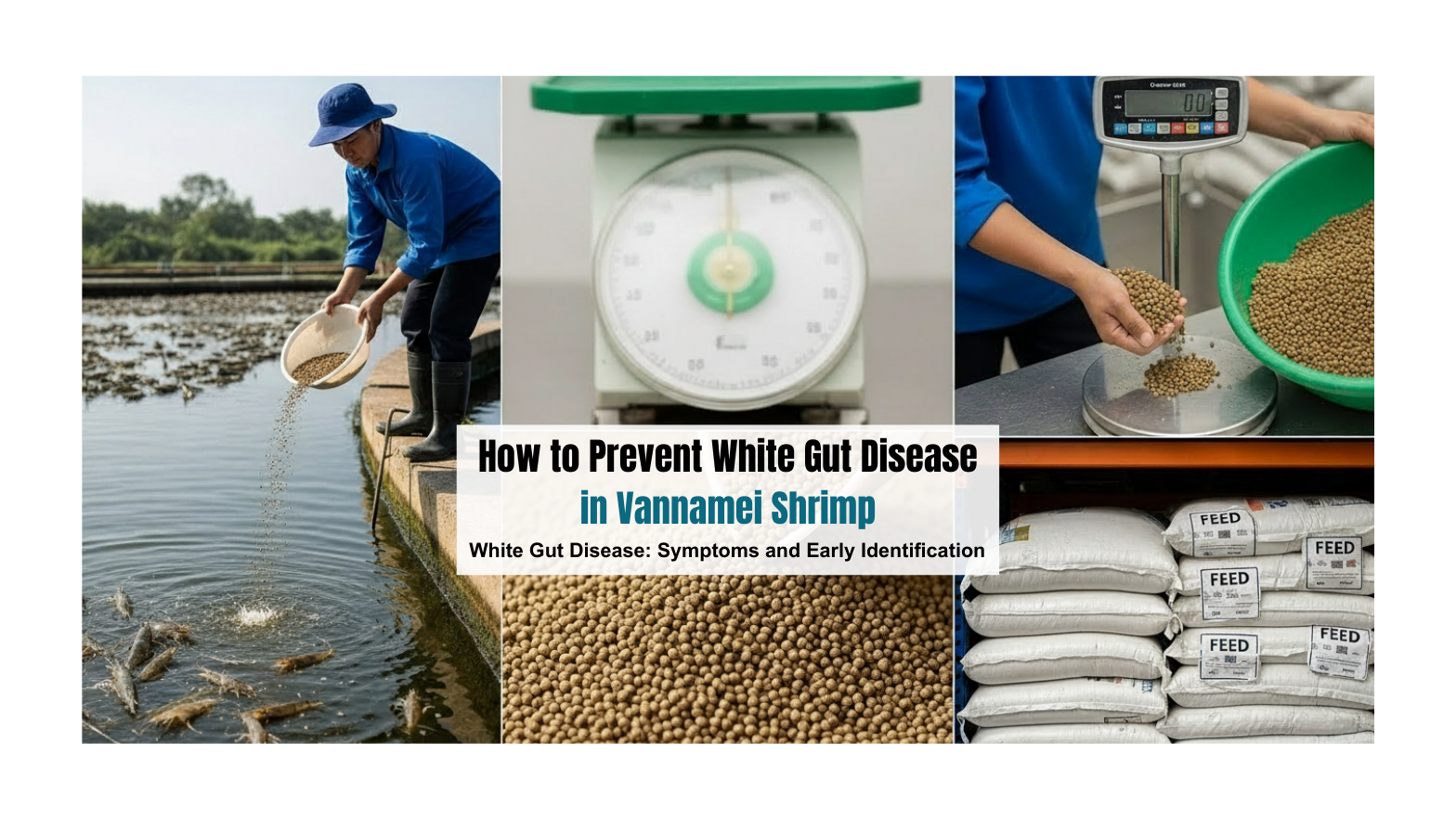
How to Prevent White Gut Disease in Vannamei Shrimp

The Silent Killer Devastating Indian Shrimp Farms

In the coastal districts of Andhra Pradesh, Gujarat, and Tamil Nadu, a silent epidemic continues to drain the livelihoods of thousands of shrimp farmers. White Gut Disease (WGD) has emerged as one of the most economically destructive conditions affecting Vannamei shrimp (Litopenaeus vannamei) cultivation in India. Unlike viral outbreaks that announce themselves with mass mortality, WGD operates insidiously, reducing feed conversion ratios, stunting growth, and triggering secondary infections that can wipe out 40-60% of a crop within weeks.

For farmers who have invested heavily in seed, feed, and infrastructure, discovering white fecal strings floating in their ponds represents more than a health issue. It signals the potential loss of an entire harvest cycle, debts that compound with each failed crop, and the uncertainty of whether the next cycle will fare any better.

For a comprehensive guide on managing pond health and maximizing production, see: The Complete Handbook for High-Yield Shrimp and Fish Farming.

The challenge is particularly acute in India, where monsoon-driven salinity fluctuations, elevated water temperatures exceeding 32°C, and high organic loads create the perfect storm for opportunistic pathogens like Vibrio parahaemolyticus, the primary bacterial agent behind WGD. Traditional approaches involving antibiotics have proven ineffective and environmentally damaging, leaving farmers searching for sustainable, science-backed solutions.

This is where bioremediation enters the picture. By understanding the root causes of White Gut Disease and implementing targeted prevention protocols, Indian aquaculture can shift from crisis management to proactive pond ecosystem management.

White Gut Disease: Symptoms and Early Identification

White Gut Disease: Symptoms and Early Identification

Visual Indicators

Early detection is critical for preventing widespread crop damage. Farmers should conduct daily monitoring for these characteristic symptoms:

White Fecal Strings: The hallmark sign of WGD. These floating, thread-like structures appear white or translucent rather than the normal brown color of healthy shrimp feces. They indicate severe gut inflammation and disrupted digestive function.

Gut Discoloration: When examining harvested shrimp, the hepatopancreas and midgut appear pale, swollen, or contain white deposits. Healthy shrimp display a dark, well-formed gut.

Behavioral Changes: Affected shrimp exhibit reduced feeding activity, congregate near pond edges or aerators, and display lethargy. Feed consumption drops noticeably, yet feed remains visible on checking trays hours after application.

Growth Stagnation: Weekly size grading reveals minimal weight gain despite adequate feeding schedules. Body condition deteriorates, with shrimp appearing thin and fragile.

Secondary Complications

WGD rarely exists in isolation. The compromised immune status creates vulnerability to:

  • Vibriosis and other bacterial infections
  • Microsporidian parasites like Enterocytozoon hepatopenaei (EHP)
  • White Spot Syndrome Virus (WSSV) co-infections
  • Increased susceptibility to environmental stressors

Root Causes: Why White Gut Disease Thrives in Indian Aquaculture Systems

Root Causes: Why White Gut Disease Thrives in Indian Aquaculture Systems

Understanding causation is essential for prevention. WGD is not simply a bacterial infection, it represents a systemic failure of pond ecology.

Primary Contributing Factors

Vibrio Proliferation: Vibrio parahaemolyticus and related species naturally exist in coastal waters. However, when populations exceed 10³ CFU/ml, they transition from benign inhabitants to pathogenic dominants. Indian coastal waters, particularly during pre-monsoon and post-monsoon periods, experience ideal conditions for Vibrio blooms.

High Stocking Density: Economic pressures push farmers toward stocking densities of 80-120 post-larvae per square meter. While this maximizes potential yield, it also creates stress, increases waste accumulation, and accelerates pathogen transmission.

Feed Management Failures: Overfeeding leaves uneaten feed on pond bottoms, where it decomposes and feeds bacterial populations. Poor quality feed with inadequate binders results in nutrient leaching before shrimp can consume it. Many local feed formulations lack essential immunostimulants and gut-health promoters.

Organic Load Accumulation: Dead plankton, fecal matter, uneaten feed, and decomposing biofilm contribute to rising biological oxygen demand (BOD). Indian ponds, especially those with limited water exchange, can see organic matter accumulate to toxic levels within 60-70 days of culture.

Water Quality Deterioration: The Indian monsoon brings dramatic salinity fluctuations, from 15 ppt to 35 ppt within weeks. Concurrent temperature variations, alkalinity crashes, and dissolved oxygen deficits stress shrimp immunity. High ammonia and nitrite levels directly damage gut epithelium, creating entry points for pathogens.

Inadequate Pond Preparation: Rushing between crop cycles without proper pond drying, liming, and bioremediation allows pathogen reservoirs to persist in sediment and biofilm.

The Bioremediation Breakthrough: How Beneficial Microbes Prevent White Gut Disease

The Bioremediation Breakthrough: How Beneficial Microbes Prevent White Gut Disease

Bioremediation represents a paradigm shift from treating disease symptoms to engineering pond ecosystems that suppress pathogen establishment. The approach leverages beneficial bacterial strains to outcompete harmful microorganisms while improving water quality parameters.

Mechanisms of Action

Competitive Exclusion: Probiotic strains like Bacillus subtilis, Bacillus licheniformis, and Lactobacillus species colonize available niches in water, sediment, and shrimp guts. By occupying these ecological spaces first and maintaining high populations, they deny pathogenic Vibrio species the resources needed to establish dominance.

Organic Matter Degradation: Specific Bacillus strains produce powerful enzymes (proteases, lipases, amylases) that break down complex organic compounds. This reduces BOD, minimizes sludge accumulation, and eliminates the nutrient-rich environment that supports Vibrio blooms.

Pathogen Antagonism: Beneficial bacteria produce antimicrobial compounds (bacteriocins, organic acids, hydrogen peroxide) that directly inhibit pathogenic bacteria without harming shrimp or disrupting broader ecosystem balance.

Gut Health Promotion: When incorporated into feed or water, probiotics colonize shrimp intestinal tracts, strengthening gut barrier function, enhancing nutrient absorption, and stimulating localized immune responses. This fortifies natural defenses against bacterial invasion.

Nutrient Cycling: Nitrifying bacteria convert toxic ammonia to nitrite and then to less harmful nitrate. Heterotrophic bacteria assimilate nitrogen into bacterial biomass, which is then consumed by zooplankton, creating a balanced nutrient cycle.

Comprehensive Prevention Protocol: A Step-by-Step Implementation Guide

Preventing White Gut Disease requires systematic intervention across all production phases. This protocol integrates bioremediation principles with practical aquaculture management.

Phase 1: Pre-Stocking Pond Preparation (Days -30 to -1)

Complete Pond Drying: After harvest, drain ponds completely and allow sediment to dry for 7-14 days. Sun exposure eliminates pathogen reservoirs and oxidizes accumulated organic matter.

Sediment Removal: Remove 5-10 cm of bottom sediment from ponds used for multiple cycles, particularly in sludge accumulation zones near aerators and feeding areas.

Liming and pH Adjustment: Apply agricultural lime at 200-500 kg per hectare depending on soil pH. Target pH of 7.5-8.5 optimizes beneficial bacterial activity while suppressing acid-tolerant Vibrio species.

Probiotic Pond Treatment: Before filling, apply Bacillus-based bioremediation products at 2-5 kg per hectare. Team One Biotech’s specialized pond preparation formulations establish beneficial bacterial populations before pathogenic species can colonize.

Water Filling and Conditioning: Fill ponds gradually over 3-5 days. Treat incoming water with probiotics and organic acids to immediately establish positive microbial balance. Target parameters: salinity 15-25 ppt, pH 7.8-8.3, dissolved oxygen above 5 mg/L.

Plankton Bloom Development: Fertilize with organic carbon sources and trace minerals to promote beneficial phytoplankton blooms. Maintain Secchi disk transparency of 30-40 cm before stocking.

Phase 2: Post-Stocking Management (Days 1-45)

Strategic Probiotic Application: Apply water-soluble probiotics twice weekly at 1-3 ppm. Focus applications during afternoon hours when water temperatures peak and bacterial metabolism is highest.

Feed Management Excellence: Feed only after observing active foraging behavior. Use checking trays to monitor consumption and adjust quantities accordingly. Remove uneaten feed within 2-3 hours.

Feed Enhancement: Mix feed-grade probiotics at 0.5-1% of total feed weight. Include immunostimulants like beta-glucans, vitamins C and E, and organic minerals. Team One Biotech offers customized feed supplements formulated for Indian farming conditions.

Water Quality Monitoring: Test critical parameters twice daily, dissolved oxygen (morning and afternoon), pH, temperature, ammonia, nitrite. Conduct weekly analyses for alkalinity, hardness, and bacterial populations.

Organic Load Control: Apply bioremediators specifically targeting organic matter degradation when BOD begins rising. Monitor sludge accumulation and increase aeration in high-density zones.

Salinity Management: During monsoon periods, monitor salinity changes and adjust gradually. Avoid fluctuations exceeding 5 ppt within 24 hours. Maintain optimal range of 15-25 ppt for Vannamei.

Phase 3: Critical Growth Period (Days 46-90)

Intensified Monitoring: As biomass increases exponentially, waste production and oxygen demand surge. Increase water quality testing frequency and probiotic dosing.

Selective Harvesting: Consider partial harvesting at Day 75-80 to reduce stocking density and metabolic load on pond ecosystems.

Stress Mitigation: During extreme weather, increase vitamin C supplementation, reduce feeding by 20-30%, and boost probiotic dosing by 50%.

Vibrio Monitoring: Conduct monthly bacterial plating to quantify Vibrio populations. If counts exceed 10³ CFU/ml, increase bioremediation intensity and reduce organic inputs.

Emergency Response Protocol: If white fecal strings appear, immediately reduce feeding to maintenance levels, apply therapeutic probiotics at triple normal dosage, increase aeration, and conduct partial water exchange if parameters permit.

Phase 4: Pre-Harvest Optimization (Days 91-120)

Feed Quality Upgrade: Switch to high-protein finisher feeds with enhanced digestibility. Maintain probiotic supplementation through final feeding.

Harvest Timing: Plan harvest during stable weather patterns. Avoid harvesting during heavy rains or temperature extremes when stress increases disease susceptibility.

Biosecurity Maintenance: Continue bioremediation protocols until harvest completion. Pathogens can proliferate rapidly in stressed, crowded conditions during harvest operations.

Advanced Bioremediation Strategies for Challenging Environments

Zone-Specific Treatment

Not all pond areas experience equal pathogen pressure. Apply concentrated probiotic treatments to:

  • Feeding zones where organic accumulation is highest
  • Dead corners with poor circulation
  • Deeper areas where anaerobic conditions develop
  • Aerator proximities where shrimp congregate under stress

Synergistic Product Combinations

Team One Biotech has developed multi-strain formulations that address simultaneous challenges:

  • Nitrifying bacteria + organic digesters for comprehensive waste management
  • Probiotic + prebiotic combinations that enhance colonization and persistence
  • Immunostimulant packages that work alongside microbial treatments

Custom Protocol Development

Every farm presents unique challenges based on soil type, water source, stocking practices, and local pathogen profiles. Team One Biotech offers on-site water quality assessment and customized bioremediation protocols tailored to your specific conditions.

Economic Impact: Return on Investment in Prevention

Implementing comprehensive WGD prevention protocols requires upfront investment in quality probiotics, monitoring equipment, and management time. However, the economics strongly favor prevention:

Disease Treatment Costs: Emergency treatments, antibiotics, and therapeutic chemicals typically cost 15,000-25,000 rupees per hectare with inconsistent results.

Crop Loss Impact: Partial crop loss of 40-50% represents losses of 2-4 lakh rupees per hectare in potential harvest value.

Prevention Investment: Comprehensive bioremediation protocols cost approximately 8,000-12,000 rupees per hectare per cycle.

Improved Performance: Farms implementing consistent bioremediation report 15-25% better feed conversion ratios, 10-20% higher survival rates, and 8-12% faster growth rates, directly translating to significantly higher profitability.

Rebuilding Pond Ecosystems for Long-Term Profitability

Rebuilding Pond Ecosystems for Long-Term Profitability

White Gut Disease in Vannamei shrimp is not an inevitable cost of intensive aquaculture. It is a preventable condition that emerges when pond ecosystems become unbalanced and pathogenic bacteria gain competitive advantages. The solution lies not in more aggressive chemical interventions but in creating and maintaining ecological conditions that naturally suppress disease.

Bioremediation represents the future of sustainable, profitable shrimp farming in India. By establishing beneficial microbial communities, maintaining optimal water quality, and managing organic loads effectively, farmers can dramatically reduce WGD incidence while improving overall production efficiency.

The coastal farmers of Andhra Pradesh, Gujarat, and Tamil Nadu have demonstrated remarkable resilience in the face of disease challenges. With science-backed bioremediation protocols and expert support, the Indian aquaculture industry can transform from crisis management to predictable, profitable production cycles.

Ready to Protect Your Next Crop?

Team One Biotech offers comprehensive support for implementing WGD prevention protocols:

  • Free water quality analysis and pond assessment
  • Customized bioremediation product recommendations
  • Technical training for farm managers and staff
  • Ongoing consultation throughout your production cycle

Contact Team One Biotech today to schedule your farm evaluation and discover how our specialized bioremediation solutions can safeguard your investment and maximize your harvest yields.

Don’t wait for white fecal strings to appear. Prevent White Gut Disease before it starts.

Looking to improve your ETP/STP efficiency with the right bioculture?
Talk to our experts at Team One Biotech for customised microbial solutions.

Contact+91 8855050575

Email:  sales@teamonebiotech.com

Visit: www.teamonebiotech.com

Discover More on YouTube – Watch our latest insights & innovations!-

Connect with Us on LinkedIn – Stay updated with expert content & trends!

Understanding Biofloc Technology: A Beginner’s Guide to Probiotics

Arvind had been running his shrimp farm in coastal Andhra Pradesh for seven years. He knew every corner of his 2-acre operation, understood the feeding patterns of his Litopenaeus vannamei, and had weathered several challenging seasons. But nothing prepared him for what happened on that humid July morning.

When he arrived at the farm at 5:30 AM for routine checks, something felt wrong. The water looked cloudy, different from the usual greenish tinge. By 8 AM, his shrimp were gasping at the surface. By noon, he had lost nearly 40% of his stock. The culprit? An ammonia spike that went from barely detectable to lethal in less than 48 hours. That single event cost him ₹18 lakhs.

This nightmare scenario plays out across Indian aquaculture farms more often than most would admit. Traditional pond systems operate on a razor’s edge, one bacterial imbalance, one sudden temperature shift, one overfeeding mistake can cascade into catastrophic losses. But there’s a biological shield that’s transforming how forward-thinking farmers protect their investment: Biofloc Technology powered by strategic probiotic management.

To learn more about implementing these systems and preventing similar losses, refer to The Complete Handbook for High-Yield Shrimp and Fish Farming

What Exactly Is Biofloc Technology?

What Exactly Is Biofloc Technology?

Biofloc Technology (BFT) represents a paradigm shift from traditional aquaculture systems. Instead of constantly flushing out waste products through water exchange, BFT harnesses the power of beneficial microbial communities to convert toxic metabolites into protein-rich microbial biomass, right inside your pond.

Think of it as creating a living, breathing biological factory within your water column. This factory operates 24/7, constantly purifying water while simultaneously producing supplemental nutrition for your fish or shrimp. The result? Higher stocking densities, reduced feed costs, minimal water exchange, and most importantly, a stable, disease-resistant environment that doesn’t collapse when minor variables shift.

The technology isn’t just theoretical. Farmers across Tamil Nadu, Gujarat, and West Bengal are already achieving stocking densities of 150-250 shrimp per square meter in biofloc systems, compared to the 30-60 range typical in conventional ponds, while maintaining better survival rates.

The Science Behind the Shield: Understanding C/N Ratio Management

At the heart of biofloc technology lies a deceptively simple principle: the Carbon to Nitrogen ratio. But mastering this ratio is what separates struggling farmers from those consistently achieving yields above 8 tonnes per hectare per crop.

Here’s what happens in your pond every single day. Your shrimp or fish consume protein-rich feed. As they metabolize this protein, they excrete nitrogen, primarily as ammonia (NH₃). In traditional systems, this ammonia accumulates unless you perform massive water exchanges or rely on slow-acting nitrifying bacteria to convert it through the nitrogen cycle.

Biofloc takes a completely different approach. By maintaining an optimal C/N ratio of approximately 10:1 to 15:1, you create conditions that favor heterotrophic bacteria, microorganisms that reproduce 10 times faster than nitrifying bacteria and consume ammonia as a nitrogen source for their growth.

The mechanism works like this:

  • You add a carbon source (molasses, wheat flour, rice bran, or jaggery, all readily available in Indian agricultural markets)
  • Heterotrophic bacteria use this carbon along with the ammonia in your water to build their cellular biomass
  • These bacteria clump together with other microorganisms, forming visible “flocs” in the water column
  • Your shrimp or fish consume these flocs as a protein-rich supplementary feed
  • Ammonia levels remain consistently low without water exchange

The beauty of this system is its speed. Where nitrification might take 30-40 days to establish in a new pond, a properly managed biofloc system can achieve stable ammonia control within 7-10 days.

Why Probiotics Are the Game-Changer in Indian Conditions

Why Probiotics Are the Game-Changer in Indian Conditions

Indian aquaculture operates under uniquely challenging conditions. Water temperatures in Punjab’s fish farms can swing from 12°C in winter to 38°C in summer. Coastal Gujarat deals with fluctuating salinity from monsoon freshwater influx. Tamil Nadu farmers contend with alkaline groundwater with pH levels often exceeding 8.5.

This is where strategic probiotic supplementation becomes essential, not optional.

Team One Biotech’s probiotic formulations are specifically engineered to address the bottlenecks Indian farmers face. These aren’t generic bacterial consortiums, they’re strain-specific solutions that accelerate floc formation, outcompete pathogenic bacteria, and remain viable across the temperature and salinity ranges typical of Indian farming conditions.

The specific benefits include:

Faster System Maturation: Proprietary Bacillus strains jumpstart heterotrophic bacterial populations, reducing the typical 15-20 day pond preparation period to just 7-10 days. For farmers operating on tight seasonal windows, this time savings translates directly to additional crop cycles per year.

Temperature Resilience: Unlike naturally occurring bacterial populations that crash when temperatures dip below 25°C or spike above 34°C, specially selected thermotolerant strains maintain activity across 18-38°C ranges, critical for farmers in North Indian regions with extreme seasonal variations.

Pathogen Suppression: Competitive exclusion is real. When beneficial bacteria dominate your pond ecosystem, harmful vibrios, aeromonas, and other pathogens simply can’t establish the population densities needed to cause disease. Field trials across Andhra Pradesh shrimp farms show 70-80% reduction in Vibrio counts within 15 days of implementing targeted probiotic protocols.

Enhanced Nutrient Cycling: Beyond ammonia control, advanced probiotic strains produce extracellular enzymes that break down organic matter, preventing sludge accumulation and maintaining optimal dissolved oxygen levels even at high stocking densities.

The Economics That Actually Make Sense for Indian Farmers

Let’s talk money, because technology only matters if it improves your bottom line.

Feed represents 55-65% of operational costs in Indian aquaculture. In a traditional vannamei shrimp farm, you might achieve a Feed Conversion Ratio (FCR) of 1.6-1.8, meaning you need 1.6-1.8 kg of feed to produce 1 kg of shrimp. With commercial feed prices ranging from ₹80-120 per kg depending on your region and protein content, this adds up fast.

Biofloc systems consistently demonstrate FCR improvements of 15-25%. The microbial protein consumed by your stock, which your shrimp graze on continuously, reduces dependence on formulated feed. Farmers implementing proper biofloc protocols with quality probiotics routinely achieve FCRs of 1.2-1.4.

On a 1-acre intensive shrimp operation targeting 10 tonnes production:

  • Traditional system: 16,000 kg feed × ₹100 = ₹16,00,000
  • Biofloc system: 12,000 kg feed × ₹100 = ₹12,00,000
  • Direct feed savings: ₹4,00,000 per crop

Factor in reduced water pumping costs (80-90% less water exchange), lower chemical treatment expenses (fewer disease outbreaks), and higher survival rates, and the economic case becomes compelling. The initial investment in aeration, carbon sources, and quality probiotics typically pays for itself within the first two crop cycles.

Implementing Biofloc: The Practical Roadmap

Implementing Biofloc: The Practical Roadmap

Theory means nothing without execution. Here’s what successful implementation actually looks like on the ground.

Pond Preparation Phase: Your pond needs adequate aeration, minimum 8-10 HP per acre for intensive biofloc systems. This is non-negotiable. Heterotrophic bacteria and your growing stock both consume oxygen, so dissolved oxygen levels must be maintained above 5 mg/L at all times. Many Indian farmers make the mistake of under-aerating, leading to system crashes despite perfect C/N ratios.

Biofloc Development: Ten days before stocking, fill your pond and begin carbon addition while introducing Team One Biotech’s biofloc-specific probiotic consortium. Target C/N ratio of 12:1 initially. Daily monitoring of ammonia, nitrite, and floc volume (measured using an Imhoff cone) tells you exactly when your system is mature and ready for stocking.

Stocking and Grow-Out: Post-larvae or fingerlings can be introduced when floc volume reaches 15-25 ml/L and ammonia remains below 0.5 mg/L for three consecutive days. Throughout grow-out, maintain C/N ratio through calculated carbon additions based on your feeding rate. A simple formula: for every kg of feed containing 35% protein, add approximately 0.5-0.6 kg of molasses or equivalent carbon source.

Ongoing Probiotic Supplementation: This is where many farmers falter. They establish biofloc initially but fail to maintain microbial diversity through the crop cycle. Weekly probiotic dosing at 1-2 ppm keeps beneficial bacterial populations dominant, preventing opportunistic pathogens from gaining foothold during stressful periods (full moon, weather changes, high feeding rates).

Regional Adaptations for Indian Climates

What works in Nellore won’t necessarily work in Ludhiana. Successful biofloc implementation requires regional customization.

Coastal Regions (Andhra Pradesh, Odisha, Tamil Nadu): Focus on salinity management during monsoon months. Prepare low-salinity probiotic batches for rapid response when freshwater influx occurs. Increase aeration during humid periods when oxygen solubility decreases.

Punjab and Haryana: Temperature is your primary challenge. Consider greenhouse coverings for winter crop cycles. Use cold-tolerant probiotic strains. Reduce feeding rates and carbon addition proportionally when temperatures drop below 22°C.

Gujarat and Maharashtra: Alkaline water requires pH management. Biofloc naturally buffers pH, but extreme cases may need periodic organic acid addition (commercially available products or fermented carbon sources). Salinity fluctuations in tidal areas demand flexible probiotic strategies similar to coastal Andhra.

West Bengal and Assam: Monsoon flooding risks require elevated pond construction. Heavy rainfall dilutes biofloc, have concentrated probiotic and carbon solutions ready to restore system quickly after rain events.

Common Mistakes That Destroy Biofloc Systems

Common Mistakes That Destroy Biofloc Systems

Understanding failures prevents repeating them. These are the mistakes that cost Indian farmers money and faith in the technology:

Insufficient Aeration: Trying to run intensive biofloc on 4-5 HP per acre. The system will crash. Period.

Irregular Carbon Addition: Adding carbon in large, infrequent doses rather than small, calculated daily amounts. This creates feast-famine cycles for bacteria, causing population crashes and ammonia spikes.

Using Cheap, Unverified Probiotics: The market is flooded with substandard products. Cell counts on labels often bear no relation to viable bacteria in the package. Using dead or contaminated probiotics doesn’t just waste money, it can introduce pathogens.

Ignoring Water Quality Testing: Running a biofloc system without daily ammonia testing and weekly comprehensive water analysis is like driving blindfolded. You need data to make informed decisions.

Overstocking Too Soon: Greed kills. Just because biofloc supports higher densities doesn’t mean you should maximize stocking immediately. Build your experience gradually, starting at moderate densities (100-120 shrimp/m² for first crop) before pushing boundaries.

The Path Forward: Your Biological Shield Awaits

Aquaculture in India stands at a crossroads. Traditional extensive systems can’t meet growing protein demands or compete economically. Intensive systems using water exchange face regulatory pressure and environmental constraints. Biofloc technology, powered by strategic probiotic management, offers a third path, one that’s economically viable, environmentally responsible, and technically achievable for farmers willing to invest in knowledge.

The farms achieving consistent 12-15 tonne per hectare yields aren’t relying on luck. They’re applying biological principles systematically, using tools like Team One Biotech’s scientifically validated probiotic solutions to maintain the microbial ecosystem that protects their investment.

Your pond can be either a fragile ecosystem that collapses under stress, or a robust biological shield that weathers challenges while producing exceptional yields. The choice is yours, but the tools to succeed are already within reach.

Looking to improve your ETP/STP efficiency with the right bioculture?
Talk to our experts at Team One Biotech for customised microbial solutions.

Contact+91 8855050575

Email:  sales@teamonebiotech.com

Visit: www.teamonebiotech.com

Discover More on YouTube – Watch our latest insights & innovations!-

Connect with Us on LinkedIn – Stay updated with expert content & trends!

The Complete Handbook for High-Yield Shrimp and Fish Farming

The Farmer’s Dilemma: Understanding the Silent Killers in Indian Aquaculture

Rajesh Kumar mortgaged his ancestral land in coastal Andhra Pradesh to construct a 1-hectare shrimp pond. For the first 45 days, everything appeared perfect. Water clarity was good, feeding response was vigorous, and survival rates exceeded 85 percent. Then, without warning, his Litopenaeus vannamei juveniles began dying at an alarming rate. Within 72 hours, he lost 60 percent of his stock. The diagnosis: acute ammonia toxicity combined with White Spot Syndrome Virus outbreak. His investment of 18 lakh rupees vanished in less than a week.

This scenario repeats itself across thousands of aquaculture farms throughout India every season. The silent killers, ammonia spikes, nitrite accumulation, pathogenic bacterial blooms, and deteriorating pond bottom conditions, destroy livelihoods with devastating efficiency. These problems share a common root cause: the breakdown of natural biological processes within the pond ecosystem.

Traditional approaches focus on reactive interventions: emergency water exchanges, chemical treatments, and antibiotic applications. These solutions provide temporary relief but fail to address underlying ecological imbalances. The accumulated organic matter from uneaten feed, fecal waste, and dead plankton creates an oxygen-depleted zone at the pond bottom. This anaerobic environment becomes a breeding ground for pathogenic bacteria while simultaneously releasing toxic compounds into the water column.

Read Also:- Probiotics in Shrimp Aquaculture: Meeting Global Demand Through Sustainable Farming and Modern Innovation

The financial implications are severe. Indian farmers typically invest between 15 to 25 lakh rupees per hectare for intensive shrimp farming operations. For fish farmers cultivating Indian Major Carps or high-value species, investments range from 5 to 12 lakh rupees per hectare. When disease outbreaks occur or water quality collapses, these investments evaporate. The economic ripple effects extend beyond individual farmers, impacting entire coastal communities dependent on aquaculture for employment and income.

Understanding the biological mechanisms behind pond failure represents the first step toward prevention. Ammonia, produced through protein metabolism and organic decomposition, becomes increasingly toxic as pH levels rise. In the alkaline conditions common to many Indian coastal areas, even moderate ammonia concentrations prove lethal to aquatic species. Nitrite, the intermediate product in the nitrogen cycle, disrupts oxygen transport in the bloodstream of shrimp and fish, causing “brown blood disease” and mortality.

The challenge intensifies because these problems often cascade. Poor pond bottom conditions release ammonia and hydrogen sulfide, which stress the cultured organisms. Stressed animals exhibit weakened immune responses, making them vulnerable to viral and bacterial pathogens. Disease outbreaks further deteriorate water quality as dead organisms decompose, creating a vicious cycle that accelerates pond collapse.

Indian farmers need solutions that address root causes rather than symptoms. This requires shifting from chemical-dependent reactive management to biology-based preventive strategies. Bioremediation offers this fundamental shift by harnessing beneficial microorganisms to restore and maintain ecological balance within pond systems.

The Indian Context: Regional Challenges and Regulatory Landscape

The Indian Context: Regional Challenges and Regulatory Landscape

Regional Challenges Across India’s Aquaculture Belt

Coastal Andhra Pradesh and Telangana

The Krishna-Godavari delta region supports the highest concentration of shrimp farming activity in India. Farmers here face unique challenges related to groundwater salinity fluctuations, particularly during monsoon transitions. The coastal alluvial soils, while generally suitable for aquaculture, often contain high organic content that accelerates oxygen depletion during warm weather. Summer temperatures regularly exceed 35 degrees Celsius, creating thermal stress conditions that compromise immune function in cultured species.

Brackish water sources in this region frequently exhibit salinity variations between 5 and 35 parts per thousand within a single growing season. These fluctuations stress osmoregulatory systems in both shrimp and euryhaline fish species, increasing disease susceptibility.

Odisha Coastal Zone

Odisha’s aquaculture sector contends with extended monsoon periods that introduce massive freshwater inputs into coastal farming areas. This sudden salinity reduction can trigger molting complications in shrimp and create favorable conditions for freshwater bacterial pathogens. The state’s extensive mangrove buffer zones, while ecologically valuable, sometimes limit water exchange capabilities for farms, making biological water quality management particularly critical.

Cyclonic activity remains a persistent risk factor. Post-cyclone water quality management requires rapid intervention to prevent disease outbreaks triggered by stress and contamination.

Gujarat Aquaculture Systems

Gujarat’s arid climate and higher baseline salinity levels create distinct management requirements. Evaporative water loss during summer months can push salinity beyond optimal ranges for L. vannamei, necessitating careful monitoring and freshwater supplementation. The region’s alkaline soil conditions elevate pH levels, which increases ammonia toxicity risk even at relatively low total ammonia nitrogen concentrations.

Gujarat farmers increasingly adopt intensive recirculating systems and biofloc technology, both of which demand sophisticated biological management to prevent system crashes.

Regulatory Framework and Compliance

Coastal Aquaculture Authority (CAA) Guidelines

The CAA, established under the Coastal Aquaculture Authority Act of 2005, mandates specific operational standards for farms within coastal regulation zones. Key requirements include:

  • Maintenance of minimum dissolved oxygen levels above 4 milligrams per liter
  • Effluent discharge standards limiting biochemical oxygen demand (BOD) to below 100 milligrams per liter
  • Chemical oxygen demand (COD) restrictions in discharge water
  • Prohibition of antibiotic use without proper veterinary prescription
  • Mandatory registration and periodic compliance reporting

Bioremediation approaches directly support CAA compliance by reducing organic loading and improving effluent quality without chemical interventions.

Marine Products Export Development Authority (MPEDA) Standards

MPEDA promotes best aquaculture practices aligned with international food safety requirements. The authority emphasizes:

  • Traceability systems from hatchery to harvest
  • Antibiotic residue monitoring programs
  • Good aquaculture practices (GAP) certification
  • Environmental sustainability benchmarks

Farms utilizing biological culture systems demonstrate better compliance with these standards, as probiotic approaches reduce reliance on prohibited substances while improving product quality and food safety profiles.

State-Level Regulations

Individual coastal states implement additional requirements addressing local environmental concerns. These typically include setback distances from high tide lines, mangrove protection zones, and groundwater usage restrictions. Understanding and complying with these multilayered regulatory requirements represents a significant operational challenge for farmers.

Bioremediation Fundamentals: The Scientific Foundation for Sustainable Farming

Bioremediation in aquaculture refers to the use of selected beneficial microorganisms to decompose organic waste, transform toxic metabolites into harmless compounds, and suppress pathogenic organisms. This biological approach mimics and enhances natural processes that maintain water quality in healthy aquatic ecosystems.

The Microbial Community Framework

Healthy pond ecosystems maintain diverse microbial communities that perform critical functions:

Heterotrophic Bacteria

These organisms decompose complex organic compounds, proteins, carbohydrates, and lipids, into simpler molecules. In well-managed systems, heterotrophs rapidly process uneaten feed and fecal matter before these materials accumulate on the pond bottom. Products like T1B Acqua S contain specialized heterotrophic strains selected for their ability to function effectively in the wide salinity and temperature ranges typical of Indian aquaculture conditions.

Nitrifying Bacteria

The nitrogen cycle represents the most critical biological process in aquaculture systems. Nitrifying bacteria exist in two functional groups:

  • Ammonia-oxidizing bacteria (Nitrosomonas species) convert toxic ammonia to nitrite
  • Nitrite-oxidizing bacteria (Nitrobacter species) transform nitrite to relatively harmless nitrate

These organisms are autotrophic, meaning they derive energy from chemical oxidation rather than organic matter. They grow slowly and are easily disrupted by environmental fluctuations, antibiotic use, or pH extremes. Maintaining robust nitrifying populations requires consistent conditions and often benefits from supplementation with specialized formulations like T1B Feed Pro.

Photosynthetic Organisms

Beneficial algae and cyanobacteria provide oxygen through photosynthesis while consuming carbon dioxide and nutrients. These organisms help stabilize pH and provide natural food sources for cultured species. However, excessive algal blooms can cause oxygen depletion during night hours or following die-off events, requiring careful management.

Probiotic Bacteria

Specific bacterial strains, primarily Bacillus and Lactobacillus species, colonize the digestive tract of shrimp and fish. These probiotics improve nutrient absorption, enhance immune function, and competitively exclude pathogenic organisms. When incorporated into feed through products like T1B Feed Pro, these beneficial bacteria significantly improve feed conversion ratios and overall animal health.

Mechanisms of Action

Competitive Exclusion

Beneficial microorganisms compete with pathogenic bacteria for nutrients and attachment sites. By establishing dominant populations in water, on pond surfaces, and within animal digestive systems, these beneficial strains limit the proliferation of disease-causing organisms like Vibrio species.

Enzymatic Degradation

Specialized bacterial strains produce enzymes, proteases, lipases, amylases, and cellulases, that break down complex organic materials. This enzymatic activity prevents the accumulation of sludge and reduces the oxygen demand at the pond bottom.

Immune Stimulation

Certain probiotic strains trigger enhanced immune responses in cultured animals. These microorganisms activate innate immune pathways, increasing disease resistance without the use of antibiotics or chemicals.

Water Quality Improvement

Through metabolic processes, beneficial bacteria reduce concentrations of ammonia, nitrite, hydrogen sulfide, and other toxic compounds. This biological filtration provides continuous water quality improvement without the need for frequent water exchanges or chemical treatments.

Pond Bottom Management: Solving the Black Soil Crisis

Pond Bottom Management: Solving the Black Soil Crisis

The pond bottom represents the most overlooked yet most critical component of aquaculture systems. Indian farmers often describe failed ponds as having “black soil”, a accurate observation of the anaerobic, sulfide-rich sediment that develops when organic matter accumulates faster than beneficial bacteria can decompose it.

The Black Soil Problem

Black soil conditions develop through a predictable progression:

  1. Organic matter (feed waste, feces, dead plankton) settles to the pond bottom
  2. Decomposition consumes dissolved oxygen in sediment layers
  3. Anaerobic conditions develop, favoring sulfate-reducing bacteria
  4. These bacteria produce hydrogen sulfide (H2S), which turns sediment black and releases toxic gas
  5. Anaerobic decomposition releases ammonia, methane, and organic acids into overlying water
  6. The toxic sediment layer expands, progressively degrading the entire pond environment

This condition proves particularly problematic in intensive farming systems where feed inputs exceed 100 kilograms per hectare daily. Without effective biological management, organic loading overwhelms the pond’s natural capacity for decomposition.

Biological Bottom Management Strategy

Pre-Stocking Preparation

Before introducing shrimp or fish, establish a robust beneficial bacterial community in pond bottom sediments:

  • Apply T1B Acqua S at 2-3 kilograms per hectare mixed with fine sand or rice bran as a carrier
  • Broadcast uniformly across the dry pond bottom
  • Flood the pond gradually over 3-5 days, allowing bacterial colonization
  • Maintain water level at 60-80 centimeters for 7-10 days before full filling
  • Monitor for the development of brown, floccular material indicating active bacterial growth

This preparatory phase establishes the microbial foundation necessary for sustained organic matter processing throughout the culture period.

Ongoing Maintenance Applications

During the culture period, maintain beneficial bacterial populations through regular supplementation:

  • Weekly applications of T1B Acqua S at 500 grams to 1 kilogram per hectare
  • Increase dosage to 1.5-2 kilograms per hectare during periods of heavy feeding
  • Apply in late afternoon or evening when oxygen levels remain adequate
  • Focus applications on feeding areas where organic accumulation is greatest

Monitoring Bottom Conditions

Regular assessment of pond bottom health prevents crisis situations:

Weekly Bottom Quality Checklist:

  • Visual inspection for color (brown healthy, black problematic)
  • Odor assessment (earthy smell healthy, rotten egg smell indicates H2S)
  • Sediment grab samples from multiple pond locations
  • Dissolved oxygen measurement 5 centimeters above sediment surface
  • Observation of benthic organisms (worms, beneficial microcrustaceans indicate healthy conditions)

Crisis Intervention Protocol

When black soil conditions develop despite preventive measures:

  1. Increase aeration intensity, particularly bottom aeration if available
  2. Emergency application of T1B Acqua S at 3-5 kilograms per hectare
  3. Reduce feeding rates by 30-50 percent for 3-5 days
  4. Avoid water exchange if possible, as this removes beneficial bacteria
  5. Monitor ammonia and hydrogen sulfide levels closely
  6. Resume normal operations only after bottom conditions improve

The Economic Impact of Bottom Management

Effective pond bottom management through bioremediation delivers measurable financial benefits:

  • Reduced partial harvest losses (5-15 percent improvement in survival)
  • Extended pond lifespan before complete draining and renovation (from 3-4 crops to 6-8 crops)
  • Lower disease incidence reducing treatment costs
  • Improved growth rates from better environmental conditions
  • Reduced water exchange requirements lowering pumping costs

A single hectare of intensive shrimp farming using biological bottom management typically shows 8-12 lakh rupees additional revenue per crop compared to conventionally managed ponds with poor bottom conditions.

Water Quality Management: Mastering the Nitrogen Cycle

Water quality deterioration causes more aquaculture failures in India than all disease outbreaks combined. The nitrogen cycle, the biological transformation of protein waste into less toxic forms, represents the cornerstone of water quality management.

Understanding the Nitrogen Cycle in Aquaculture

The nitrogen cycle in aquaculture systems follows this pathway:

  1. Feed protein consumed by shrimp/fish
  2. Approximately 25-30 percent of protein nitrogen excreted as ammonia through gills and in feces
  3. Uneaten feed decomposes, releasing additional ammonia
  4. Ammonia-oxidizing bacteria convert ammonia (NH3/NH4+) to nitrite (NO2-)
  5. Nitrite-oxidizing bacteria convert nitrite to nitrate (NO3-)
  6. Nitrate assimilation by algae or denitrification to nitrogen gas

The critical challenge: Steps 4 and 5 proceed slowly and are easily disrupted. When nitrifying bacteria cannot keep pace with ammonia production, toxic levels accumulate rapidly.

Ammonia Toxicity Management

Ammonia exists in two forms: ionized ammonium (NH4+) and un-ionized ammonia (NH3). Un-ionized ammonia, the toxic form, increases dramatically with rising pH and temperature. Indian coastal waters often exhibit pH values of 8.0-8.5, meaning even moderate total ammonia concentrations prove dangerous.

Target Levels:

  • Total Ammonia Nitrogen: Below 1.0 milligrams per liter (ideal below 0.5 mg/L)
  • At pH 8.0 and 28 degrees Celsius: Keep total ammonia below 1.5 mg/L to maintain un-ionized ammonia under 0.05 mg/L

Biological Ammonia Control Strategy:

Application of nitrifying bacterial cultures provides the most sustainable solution:

  • Initial pond preparation: Apply T1B Acqua S at 2 kilograms per hectare during water filling
  • Maintenance: Weekly applications of 500 grams per hectare
  • During heavy feeding periods (Day 60-harvest): Increase to 1 kilogram per hectare twice weekly
  • Emergency intervention: 3-5 kilograms per hectare when ammonia exceeds 2 mg/L

The bacterial strains in T1B Acqua S include robust Nitrosomonas and Nitrobacter species selected for tolerance to salinity fluctuations and high temperatures typical of Indian aquaculture conditions.

Nitrite Management

Nitrite accumulation typically occurs when ammonia-oxidizing bacteria outpace nitrite-oxidizing bacteria. This imbalance often follows:

  • Sudden increases in feeding rates
  • Temperature fluctuations stressing Nitrobacter populations
  • pH drops below 7.5
  • Antibiotic treatments that disrupt bacterial communities

Nitrite Toxicity Mechanism:

Nitrite enters the bloodstream and oxidizes hemoglobin to methemoglobin, which cannot transport oxygen. Affected animals show brown gills and blood, reduced growth, and increased disease susceptibility.

Target Levels:

  • Nitrite nitrogen: Below 0.5 milligrams per liter (ideal below 0.2 mg/L)

Biological Nitrite Control:

  • Maintain diverse nitrifying populations through consistent T1B Acqua S applications
  • Avoid sudden changes in feeding rates; increase gradually over 5-7 days
  • During nitrite spikes, add salt (calcium chloride preferred over sodium chloride) to block nitrite uptake while biological populations recover
  • Emergency dosing: 2-3 kilograms T1B Acqua S per hectare plus moderate water exchange if levels exceed 1.0 mg/L

Practical Water Quality Monitoring Schedule

Daily Monitoring:

  • Temperature (6 AM and 2 PM)
  • Dissolved oxygen (pre-dawn and mid-afternoon)
  • pH (morning)
  • Water transparency using Secchi disk

Twice Weekly:

  • Ammonia nitrogen
  • Nitrite nitrogen
  • Alkalinity

Weekly:

  • Nitrate nitrogen
  • Phosphate
  • Hardness
  • Salinity

This monitoring schedule allows early detection of nitrogen cycle disruptions before crisis levels develop.

Gut Health and Feed Efficiency: The Probiotic Advantage

Gut Health and Feed Efficiency: The Probiotic Advantage

Feed represents 50-60 percent of operating costs in intensive aquaculture. Small improvements in feed conversion ratio (FCR) translate directly into significant profit increases. Probiotic supplementation through products like T1B Feed Pro offers a biological pathway to improved feed efficiency while simultaneously enhancing disease resistance.

The Digestive Health Connection

Shrimp and fish maintain complex gut microbiomes that influence:

  • Nutrient digestion and absorption
  • Immune system development and function
  • Pathogen resistance
  • Stress tolerance
  • Growth rates

Modern intensive culture conditions disrupt natural gut flora through:

  • Artificial feeds lacking diverse microbial communities
  • Environmental stressors suppressing beneficial bacteria
  • Pathogen exposure from high stocking densities
  • Antibiotic residues from previous treatments

Probiotic supplementation restores and enhances gut microbial communities, optimizing digestive function and host health.

Mechanisms of Probiotic Action

Enhanced Digestive Enzyme Production

Probiotic strains, particularly Bacillus species, produce supplementary enzymes that improve nutrient breakdown:

  • Proteases enhance protein digestion, improving amino acid availability
  • Amylases increase carbohydrate utilization
  • Lipases optimize fat absorption
  • Phytases release phosphorus from plant-based feed ingredients

This enzymatic supplementation allows animals to extract more nutrition from each gram of feed consumed.

Competitive Exclusion of Pathogens

Beneficial gut bacteria prevent pathogenic colonization through:

  • Competition for attachment sites on intestinal walls
  • Nutrient competition limiting pathogen proliferation
  • Production of antimicrobial compounds (bacteriocins) that inhibit specific pathogens
  • pH modification creating unfavorable conditions for harmful bacteria

Immune Enhancement

Certain probiotic strains stimulate innate immune responses:

  • Increased phagocytic activity of hemocytes
  • Enhanced prophenoloxidase cascade activation
  • Upregulation of antimicrobial peptide production
  • Improved barrier function of intestinal epithelium

These immune improvements reduce disease mortality while allowing animals to allocate more energy to growth rather than disease defense.

Feed Conversion Ratio Improvements

Field data from Indian farms using T1B Feed Pro consistently demonstrates:

Shrimp Farming Results:

  • Traditional FCR: 1.6-1.8
  • With T1B Feed Pro: 1.3-1.5
  • Improvement: 15-20 percent reduction in feed costs per kilogram produced

Fish Farming Results:

  • Traditional FCR (Indian Major Carps): 1.8-2.2
  • With T1B Feed Pro: 1.5-1.8
  • Improvement: 12-18 percent reduction in feed costs

T1B Feed Pro Application Protocol

Dosage:

  • Mix 1-2 grams T1B Feed Pro per kilogram of feed
  • For pelleted feed: Mix with fish oil or binding solution before coating pellets
  • For mash feed: Mix directly into formulation before pelleting

Application Frequency:

  • Continuous use throughout culture period provides maximum benefit
  • Minimum: Apply to 50 percent of daily ration
  • Optimal: Apply to all feed offered

Storage and Handling:

  • Store in cool, dry conditions
  • Use within 6 months of manufacture for maximum viability
  • Avoid exposure to direct sunlight or high temperatures above 40 degrees Celsius

Economic Analysis of Probiotic Feed Supplementation

Consider a 1-hectare intensive shrimp pond:

Without T1B Feed Pro:

  • Feed used per crop: 8,000 kilograms
  • FCR: 1.7
  • Production: 4,700 kilograms
  • Feed cost at 65 rupees/kg: 5,20,000 rupees

With T1B Feed Pro:

  • Feed used per crop: 7,000 kilograms
  • FCR: 1.4
  • Production: 5,000 kilograms
  • Feed cost: 4,55,000 rupees
  • T1B Feed Pro cost: 15,000 rupees
  • Total feed cost: 4,70,000 rupees

Net benefit: 50,000 rupees savings plus 300 kilograms additional production (worth 1,50,000 rupees at 500 rupees/kg)

Total economic advantage: 2,00,000 rupees per crop

Species-Specific Protocols: Shrimp Farming Excellence

Litopenaeus vannamei (Pacific White Shrimp)

L. vannamei dominates Indian shrimp aquaculture due to faster growth rates, disease tolerance, and market acceptance. Optimizing culture conditions through bioremediation maximizes this species’ genetic potential.

Stocking and Early Phase Management:

  • Stock post-larvae at 40-60 per square meter for intensive systems
  • Pre-stock water preparation: Apply T1B Acqua S 7-10 days before stocking at 2 kg/hectare
  • Post-stocking: Apply T1B Feed Pro in feed from Day 1 at 1.5 grams per kilogram feed
  • Maintain dissolved oxygen above 5 milligrams per liter during critical early phase

Growth Phase Optimization (Days 30-75):

This period represents maximum growth potential and highest feed consumption:

  • Increase T1B Acqua S applications to 1 kilogram per hectare twice weekly
  • Continue T1B Feed Pro at 1.5-2 grams per kilogram feed
  • Monitor water quality daily; ammonia and nitrite spikes most common during this phase
  • Maintain feeding tables with gradual increases; avoid sudden jumps above 10 percent per week

Pre-Harvest Conditioning (Days 75-Harvest):

  • Reduce feeding slightly 7-10 days before harvest to clear gut contents
  • Maintain bioremediation applications to ensure water quality stability
  • Final size optimization: Continue T1B Feed Pro until 3 days before harvest

Expected Performance Metrics:

  • Culture duration: 90-100 days
  • Final weight: 16-20 grams
  • Survival: 75-85 percent
  • FCR: 1.3-1.5
  • Yield: 6-8 tonnes per hectare per crop

Penaeus monodon (Giant Tiger Prawn)

Tiger shrimp cultivation is increasing due to premium market pricing despite slower growth and higher disease susceptibility compared to L. vannamei.

Critical Success Factors:

  • Lower stocking density: 20-30 post-larvae per square meter
  • Intensive biosecurity measures including UV-treated source water
  • Enhanced bioremediation due to longer culture period (120-140 days)
  • Stricter water quality parameters; P. monodon less tolerant of ammonia and nitrite

Modified Bioremediation Protocol:

  • Pre-stocking T1B Acqua S: 3 kilograms per hectare
  • Weekly maintenance: 1.5 kilograms per hectare throughout culture
  • T1B Feed Pro: 2 grams per kilogram feed due to extended growth period
  • Additional applications during molting periods when immune stress is highest

Expected Performance Metrics:

  • Culture duration: 120-140 days
  • Final weight: 30-40 grams
  • Survival: 60-75 percent
  • FCR: 1.5-1.8
  • Yield: 4-6 tonnes per hectare per crop
  • Price premium: 150-200 rupees per kilogram above L. vannamei

Species-Specific Protocols: Fish Farming Systems

Species-Specific Protocols: Fish Farming Systems

Indian Major Carps (Rohu, Catla, Mrigal)

Composite fish farming with Indian Major Carps represents traditional aquaculture adapted to modern intensive methods. Bioremediation enhances productivity while maintaining environmental sustainability.

Polyculture Stocking Ratios:

  • Catla (surface feeder): 30 percent
  • Rohu (column feeder): 40 percent
  • Mrigal (bottom feeder): 20 percent
  • Common Carp or Grass Carp: 10 percent

Total stocking density: 8,000-12,000 fingerlings per hectare

Bioremediation Protocol for IMC:

  • Pre-stocking pond preparation: T1B Acqua S at 3 kilograms per hectare
  • Monthly applications: 2 kilograms per hectare
  • Feed supplementation: T1B Feed Pro at 1 gram per kilogram supplemental feed
  • Natural productivity enhancement: Bioremediation supports phytoplankton and zooplankton development

Expected Performance:

  • Culture duration: 10-12 months
  • Average final weight: 800-1,200 grams
  • Survival: 80-90 percent
  • FCR: 1.5-1.8
  • Yield: 6-8 tonnes per hectare annually

Sea Bass (Lates calcarifer)

Sea bass commands premium prices (300-400 rupees per kilogram) but requires superior water quality and management.

Critical Requirements:

  • Salinity: 10-30 parts per thousand (brackish to marine)
  • Dissolved oxygen: Maintain above 6 milligrams per liter
  • Temperature: Optimal 26-30 degrees Celsius
  • Low tolerance for ammonia and nitrite

Intensive Bioremediation Approach:

  • Pre-stocking: T1B Acqua S 4 kilograms per hectare
  • Weekly maintenance: 1.5 kilograms per hectare
  • T1B Feed Pro: 2 grams per kilogram in high-protein pellets (45-50 percent protein)
  • Increased aeration: Minimum 5 horsepower per hectare

Expected Performance:

  • Culture duration: 6-8 months
  • Final weight: 500-800 grams
  • Survival: 70-85 percent
  • FCR: 1.4-1.7
  • Yield: 4-6 tonnes per hectare per crop

Tilapia (Oreochromis niloticus)

Fast-growing and hardy, tilapia responds exceptionally well to bioremediation with dramatic improvements in growth rates.

Monosex Culture Protocol:

  • Stock all-male fingerlings at 3-5 per square meter
  • Pre-stocking: T1B Acqua S 2 kilograms per hectare
  • Bi-weekly applications: 1 kilogram per hectare
  • T1B Feed Pro: 1.5 grams per kilogram feed

Expected Performance:

  • Culture duration: 5-6 months
  • Final weight: 400-600 grams
  • Survival: 85-95 percent
  • FCR: 1.2-1.5
  • Yield: 10-15 tonnes per hectare per crop

Traditional vs. Bioremediation-Based Farming: A Comparative Analysis

ParameterTraditional ManagementBioremediation ApproachImprovement
Water Exchange15-30% weekly5-10% weekly50-70% reduction in water use
Ammonia ControlDilution through water exchangeBiological nitrificationStable levels, less variability
Nitrite LevelsFrequent spikes requiring interventionConsistent low levels60-80% reduction in crisis events
Pond Bottom ConditionProgressive deterioration, 3-4 crops maximumMaintained quality, 6-8 crops100% increase in pond lifespan
Disease Incidence15-25% loss per crop5-10% loss per crop60-70% reduction in disease mortality
Antibiotic UseCommon reactive treatmentMinimal to noneNear elimination of antibiotic dependence
Feed Conversion Ratio (Shrimp)1.6-1.91.3-1.515-25% improvement
Feed Conversion Ratio (Fish)1.8-2.31.5-1.818-28% improvement
Labor for Water ManagementHigh, continuous monitoring and pumpingLow, scheduled applications40-60% labor reduction
Environmental ImpactHigh organic loading in effluentReduced COD/BOD by 50-70%Significantly improved sustainability
Capital InvestmentModerate initial, high operationalModerate initial, low operational20-30% lower total cost of production
Survival Rates (Shrimp)60-70%75-85%15-25% improvement
Survival Rates (Fish)70-80%80-92%10-15% improvement

Cost-Benefit Analysis: 1-Hectare Intensive Shrimp Farm

Traditional Management Annual Costs:

  • Post-larvae: 1,20,000 rupees
  • Feed: 5,20,000 rupees
  • Electricity (pumping): 1,50,000 rupees
  • Chemicals and treatments: 80,000 rupees
  • Labor: 2,00,000 rupees
  • Miscellaneous: 50,000 rupees
  • Total: 12,20,000 rupees

Revenue:

  • Production: 4,500 kilograms at 500 rupees/kg = 22,50,000 rupees
  • Profit: 10,30,000 rupees

Bioremediation Management Annual Costs:

  • Post-larvae: 1,20,000 rupees
  • Feed: 4,55,000 rupees (improved FCR)
  • T1B Acqua S: 30,000 rupees
  • T1B Feed Pro: 15,000 rupees
  • Electricity: 80,000 rupees (reduced pumping)
  • Chemicals: 20,000 rupees (minimal use)
  • Labor: 1,40,000 rupees (reduced)
  • Miscellaneous: 40,000 rupees
  • Total: 9,00,000 rupees

Revenue:

  • Production: 5,800 kilograms at 500 rupees/kg = 29,00,000 rupees
  • Profit: 20,00,000 rupees

Additional profit through bioremediation: 9,70,000 rupees (94% increase)

Implementation Roadmap: Your 180-Day Success Plan

Phase 1: Pond Preparation (Days -30 to 0)

Weeks -4 to -3:

  • Complete pond draining and sun-drying
  • Remove excessive bottom sludge if black soil exceeds 10 centimeters depth
  • Repair pond walls, gates, and aeration infrastructure
  • Lime application if pH below 7.5: 200-300 kilograms per hectare

Weeks -2 to -1:

  • Install or service paddle wheel aerators (minimum 4 horsepower per hectare)
  • Fill pond to 60 centimeters
  • Apply T1B Acqua S at 2-3 kilograms per hectare mixed with 20 kilograms sand as carrier
  • Broadcast uniformly across entire pond bottom
  • Maintain this level for 7 days, allowing bacterial colonization

Week -1 to Stocking:

  • Gradually fill to full operating depth (1.2-1.5 meters)
  • Monitor water quality daily: pH, dissolved oxygen, ammonia, nitrite
  • Apply T1B Acqua S second dose: 1 kilogram per hectare
  • Develop natural productivity through light organic fertilization if needed
  • Confirm water quality parameters within acceptable range before stocking

Phase 2: Early Culture (Days 1-45)

Stocking Day:

  • Acclimatize post-larvae properly (temperature and salinity matching)
  • Stock during cooler morning hours
  • Light feeding on stocking day: 50% of normal ration

Weeks 1-2:

  • Feed 5-10% of estimated biomass daily
  • Apply T1B Feed Pro at 1.5 grams per kilogram feed
  • Monitor feeding response; adjust quantities accordingly
  • Weekly T1B Acqua S application: 500 grams per hectare

Weeks 3-6:

  • Gradually increase feeding following standard tables
  • Continue T1B Feed Pro supplementation
  • T1B Acqua S: 750 grams per hectare weekly
  • Monitor growth through weekly sampling
  • Watch for early disease signs; early intervention prevents outbreaks

Water Quality Targets – Early Phase:

  • Dissolved oxygen: Above 5 mg/L minimum
  • Ammonia: Below 0.5 mg/L
  • Nitrite: Below 0.2 mg/L
  • pH: 7.8-8.3
  • Alkalinity: 80-120 mg/L

Phase 3: Rapid Growth (Days 46-90)

Peak Feeding Period:

  • Maximum feed application: 60-100 kilograms per hectare daily
  • Continue T1B Feed Pro: 1.5-2 grams per kilogram
  • Increase T1B Acqua S to 1 kilogram per hectare twice weekly
  • Intensify water quality monitoring (daily testing for ammonia and nitrite)

Critical Management Points:

  • This phase presents highest risk for water quality breakdown
  • Maintain continuous aeration, especially at night
  • Monitor phytoplankton blooms; excessive algae can crash overnight
  • Emergency protocols ready: Extra T1B Acqua S, backup aeration capacity

Growth Tracking:

  • Weekly sampling to estimate average body weight
  • Adjust feeding tables based on actual growth
  • Survival estimates through cast net samples
  • Project harvest timing and yield

Phase 4: Pre-Harvest and Harvest (Days 91-100)

Final Conditioning:

  • Reduce feeding gradually 7 days before harvest
  • Continue T1B Acqua S applications to maintain water quality
  • Final water quality assessment to ensure humane harvest conditions
  • Arrange logistics: Ice, transportation, buyer coordination

Harvest Execution:

  • Complete pond draining or net harvesting
  • Careful handling to minimize physical damage
  • Immediate cooling and proper storage
  • Quality grading and market delivery

Post-Harvest:

  • Document crop performance: Survival, FCR, yield, health issues
  • Pond preparation for next crop begins immediately

Troubleshooting Common Challenges

Sudden Ammonia Spike (Above 2 mg/L)

Immediate Actions:

  1. Reduce feeding by 50% immediately
  2. Emergency application of T1B Acqua S: 3-5 kilograms per hectare
  3. Increase aeration to maximum capacity
  4. Monitor every 6 hours until levels decline below 1 mg/L
  5. Partial water exchange (20-30%) only if levels exceed 5 mg/L despite interventions

Prevention:

  • Never increase feeding more than 10% weekly
  • Maintain regular T1B Acqua S schedule without gaps
  • Monitor feeding response; uneaten feed is primary ammonia source

White Spot Syndrome Virus (WSSV) Detection

Recognition:

  • White spots on carapace and inside shell
  • Red discoloration
  • Lethargy and gathering at pond edges
  • Sudden mortality increase

Response Protocol:

  1. Reduce stress factors: Maintain stable water quality, gentle aeration
  2. Stop feeding or reduce to 25% normal ration
  3. Increase T1B Acqua S to 2 kilograms per hectare three times weekly
  4. Supplement feed with T1B Feed Pro at maximum dosage (2 grams per kilogram)
  5. Avoid water exchange; maintain biosecurity
  6. Harvest early if mortality exceeds 10% within 3 days

Prevention:

  • Source post-larvae from SPF (specific pathogen free) hatcheries only
  • Quarantine and PCR testing of stock before introduction
  • Maintain optimal water quality reducing stress
  • Regular probiotic use enhances immune resistance

Excessive Algae Bloom (Secchi Disk Below 20 cm)

Risks:

  • Nighttime oxygen depletion
  • pH swings (high during day, low at night)
  • Potential for sudden die-off and water quality crash

Management:

  1. Reduce or stop organic fertilization immediately
  2. Increase nighttime aeration substantially
  3. Apply T1B Acqua S 1.5 kilograms per hectare to enhance heterotrophic bacteria that compete with algae
  4. Partial water exchange (10-15%) if bloom extremely dense
  5. Monitor dissolved oxygen continuously, especially pre-dawn

Prevention:

  • Balance fertilization; avoid excessive organic or inorganic nutrients
  • Maintain grazing pressure through appropriate fish/shrimp stocking
  • Regular monitoring of phytoplankton density

Feed Refusal or Reduced Appetite

Possible Causes:

  • Water quality deterioration (check ammonia, nitrite, dissolved oxygen)
  • Disease development (observe for clinical signs)
  • Molting period (normal for shrimp)
  • Feed quality issues (check for rancidity, moisture damage)

Diagnostic Steps:

  1. Immediate water quality testing full panel
  2. Visual health assessment of animals
  3. Inspect feed quality
  4. Review recent management changes

Response:

  • Address underlying cause (improve water quality, treat disease if confirmed)
  • Continue T1B Feed Pro supplementation to support gut health
  • Resume feeding gradually when appetite returns

Building a Sustainable Aquaculture Future

Indian aquaculture stands at a crossroads. Traditional chemical-intensive methods deliver short-term results but create long-term environmental degradation, antibiotic resistance, and unstable production. The bioremediation approach, exemplified through biological cultures like T1B Acqua S and T1B Feed Pro, offers a fundamentally different pathway.

This biological management philosophy recognizes that healthy pond ecosystems depend on balanced microbial communities. By nurturing beneficial bacteria through strategic supplementation, farmers harness natural processes that maintain water quality, suppress pathogens, and optimize animal health. The results speak clearly: improved survival rates, enhanced growth, reduced disease, and significantly better profitability.

The economic advantages are substantial. Farmers implementing comprehensive bioremediation programs consistently report 50-100% profit increases compared to conventional methods. These gains stem from multiple sources: Reduced feed costs through better FCR, lower disease losses, decreased chemical expenses, reduced labor for water management, and extended pond productive life.

Beyond individual farm economics, bioremediation supports industry sustainability. Regulatory pressures around effluent quality, antibiotic use, and environmental impact continue intensifying. Farms utilizing biological management demonstrate superior compliance with Coastal Aquaculture Authority and MPEDA standards. This regulatory alignment protects market access, particularly for export-oriented operations facing stringent international food safety requirements.

The technical foundation is sound. Decades of microbial ecology research validate the mechanisms underlying bioremediation. Products like T1B Acqua S and T1B Feed Pro contain scientifically selected bacterial strains proven effective across the diverse environmental conditions characterizing Indian aquaculture. These formulations translate academic understanding into practical tools farmers can apply with confidence.

Implementation requires commitment to systematic management. Success comes from consistent application of biological cultures, regular water quality monitoring, and progressive refinement based on pond-specific observations. The 180-day roadmap outlined in this handbook provides a proven framework, but each farmer must adapt details to their unique circumstances.

The journey from chemical dependence to biological management represents more than a technical shift. It embodies a philosophical transformation: From fighting against natural processes to working in harmony with them. This alignment with ecological principles delivers both immediate economic benefits and long-term environmental sustainability.

Contact Team One Biotech for Bulk Bio-Culture Supply

Looking to improve your ETP/STP efficiency with the right bioculture?
Talk to our experts at Team One Biotech for customised microbial solutions.

Contact+91 8855050575

Email:  sales@teamonebiotech.com

Visit: www.teamonebiotech.com

Discover More on YouTube – Watch our latest insights & innovations!-

Connect with Us on LinkedIn – Stay updated with expert content & trends!
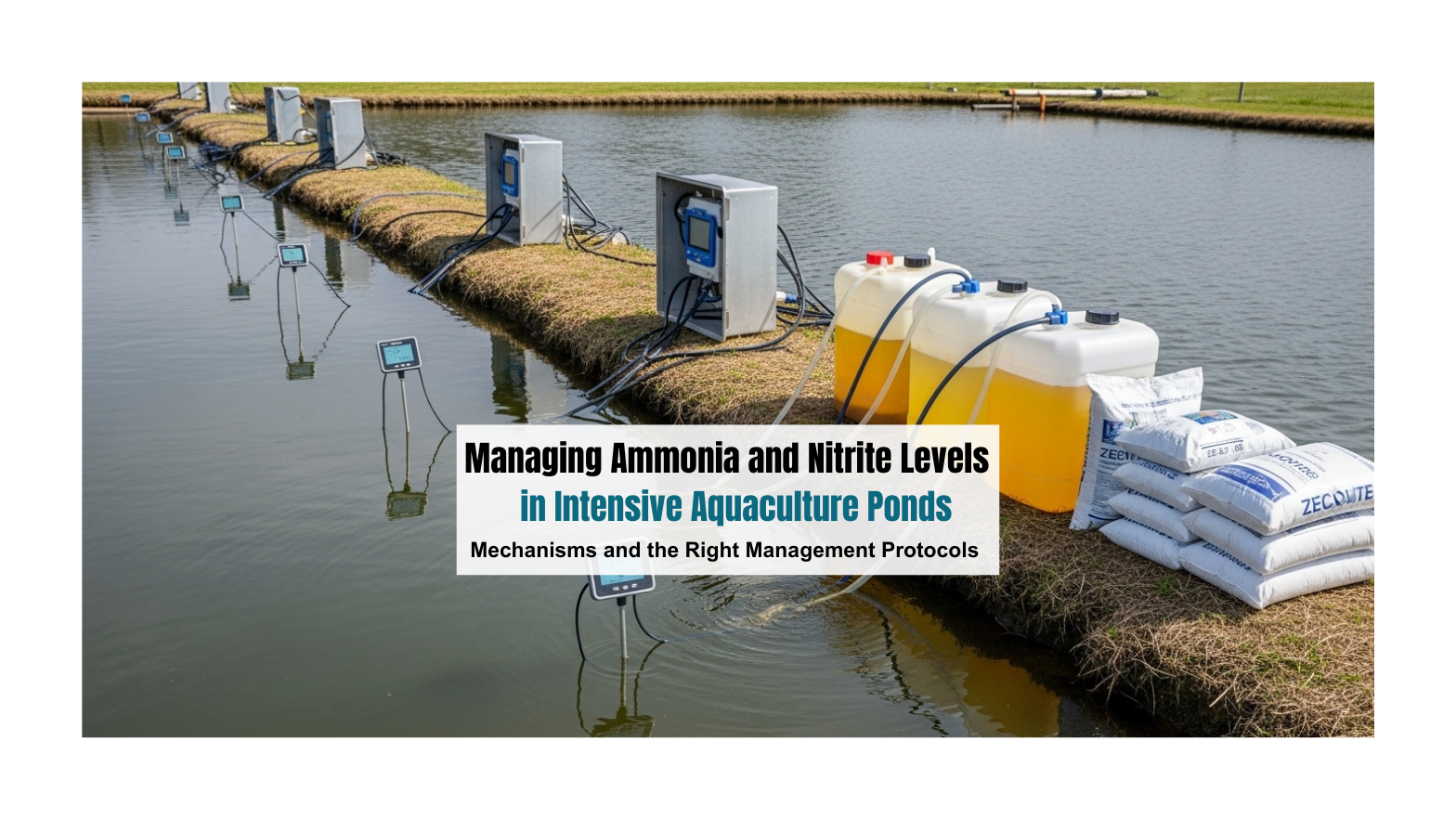
Best Selling BioBlock for Grease Trap and Sewage Treatment in Asia

Revolutionary Grease and Wastewater Management Solution Across Southeast Asia

Across Thailand, Indonesia, Philippines, Vietnam, Malaysia, Singapore, Sri Lanka, Bangladesh, Nepal, Cambodia, Laos and other Asian countries, the demand for effective grease and wastewater treatment solutions is increasing rapidly due to rapid urbanization and industrial growth.

Commercial kitchens, food processing industries, hospitality sectors, and municipal sewage networks face serious challenges related to Fats, Oils and Grease (FOG) accumulation, leading to blocked drainage systems, equipment failure, costly maintenance, and environmental compliance issues.

What is T1B BioBlock?

What is T1B BioBlock?

T1B BioBlock is Asia’s leading bioblock solution for grease trap and sewage treatment, manufactured in India using advanced enzyme and microbial biotechnology. It is the only bioblock manufactured in India that combines specialized enzymes and beneficial microbes in a single slow-release solid block.

The product provides controlled biological activity for 25 days, 45 days, and up to 60 days, making it ideal for Asian tropical climates and high organic wastewater conditions found across Southeast Asian countries.

Why T1B BioBlock Outperforms Traditional Grease Treatment Methods

Why T1B BioBlock Outperforms Traditional Grease Treatment Methods

Dual-Action Enzyme and Microbial Technology

T1B BioBlock contains specialized lipase, protease, and amylase enzymes combined with robust microbial strains including Bacillus species. This combination ensures:

  • Faster breakdown of fats, oils, and grease (FOG)
  • Continuous biological activity without shock loading
  • Superior performance in high-temperature tropical environments
  • Natural biodegradation without harsh chemicals

Slow-Release Technology (25, 45 & 60 Days)

Unlike liquid treatments requiring frequent dosing, T1B BioBlock’s controlled-release formula provides:

  • Uniform enzyme and microbial release over extended periods
  • Reduced labor costs and maintenance frequency
  • Consistent treatment performance 24/7
  • Cost-effective long-term solution

Designed for Asian Wastewater Conditions

T1B BioBlock is specifically formulated to handle:

  • High oil and grease content from Asian cuisine
  • Spicy and acidic wastewater from food processing
  • Tropical temperatures (25°C to 40°C) common in Southeast Asia
  • Variable flow conditions in commercial and municipal systems

Key Application Areas in Commercial and Municipal Sectors

Key Application Areas in Commercial and Municipal Sectors

1. Grease Trap BioBlock for Commercial Kitchens

Ideal for: Hotels, restaurants, food courts, cloud kitchens, hospital kitchens, institutional cafeterias, QSR chains, shopping malls, airport food terminals

Benefits:

  • Reduces grease layer buildup by up to 85%
  • Controls foul odor and hydrogen sulfide emissions
  • Lowers grease trap pumping frequency by 40-60%
  • Improves compliance with local wastewater discharge regulations
  • Prevents downstream pipe blockages and backups
  • Protects against costly fines and operational shutdowns

2. Sewage Treatment Plant BioBlock (STP)

Ideal for: Municipal sewage treatment plants, residential townships, IT parks, commercial complexes, industrial estates, educational institutions

Benefits:

  • Improves Biological Oxygen Demand (BOD) reduction by 30-50%
  • Enhances Chemical Oxygen Demand (COD) removal efficiency
  • Stabilizes activated sludge processes during shock loads
  • Reduces excess sludge generation and disposal costs
  • Improves overall treatment efficiency and effluent quality
  • Supports compliance with environmental discharge standards

3. Pumping Station BioBlock

Ideal for: Wastewater pumping stations handling FOG-laden effluent, municipal pumping infrastructure, industrial wastewater collection systems

Benefits:

  • Prevents grease accumulation on pump impellers and wet wells
  • Protects mechanical equipment from FOG-related damage
  • Reduces emergency maintenance calls and downtime
  • Improves flow efficiency and energy consumption
  • Extends equipment lifespan and reduces capital replacement costs

4. Lift Station BioBlock

Ideal for: Sewer lift stations, underground wastewater collection networks, pressure sewer systems, gravity sewer connections

Benefits:

  • Controls grease and solid accumulation in confined spaces
  • Reduces hydrogen sulfide generation and corrosive odors
  • Prevents sewer overflows (SSO) caused by FOG blockages
  • Extends infrastructure service life and reduces rehabilitation costs
  • Minimizes environmental and public health risks

Geographic Reach: Countries Where T1B BioBlock is Successfully Deployed

T1B BioBlock has established market presence across Asia Pacific region including:

Southeast Asia: Thailand, Indonesia, Philippines, Vietnam, Malaysia, Singapore, Cambodia, Laos, Myanmar, Brunei

South Asia: Sri Lanka, Bangladesh, Nepal, Bhutan, Maldives

Middle East: UAE, Saudi Arabia, Oman, Qatar, Kuwait (growing presence)

Active Ingredients:

  • Lipase enzymes (for fat breakdown)
  • Protease enzymes (for protein degradation)
  • Amylase enzymes (for starch conversion)
  • Beneficial microbial consortium (1 x 10^9 CFU/g minimum)

Environmental Compliance:

  • 100% biodegradable and eco-friendly
  • Chemical-free formulation
  • Safe for operators and environment
  • Non-toxic to aquatic life

Installation and Usage Instructions

  1. Remove protective packaging from BioBlock
  2. Place in grease trap, STP inlet chamber, or wet well where continuous water flow exists
  3. Position on perforated platform or suspend in mesh cage for optimal dissolution
  4. Replace after designated period (25, 45, or 60 days based on variant)
  5. No mixing, dilution or special equipment required

ROI and Cost Benefits for Asian Businesses

  • Reduced pumping costs: 40-60% decrease in grease trap cleaning frequency
  • Lower maintenance expenses: Fewer emergency callouts and equipment repairs
  • Extended equipment life: Protection of costly pumps and treatment infrastructure
  • Compliance savings: Avoid regulatory fines and operational shutdowns
  • Labor efficiency: Minimal installation and monitoring requirements
  • Sustainable solution: Reduces environmental impact and carbon footprint

About the Manufacturer: Team One Biotech

Team One Biotech is a leading Indian manufacturer and exporter of bioremediation solutions with over a decade of expertise in enzyme and microbial biotechnology. The company supplies eco-friendly wastewater treatment products across Asia Pacific region.

T1B BioBlock is the flagship export product supporting sustainable wastewater management in commercial, municipal, and industrial sectors across multiple Asian countries.

Manufacturing Standards:

  • ISO certified production facility
  • Quality control at every production stage
  • Research-backed formulations
  • Export-ready packaging and documentation

Customer Success Stories Across Asia

Indonesia – Hotel Chain: Reduced grease trap cleaning from weekly to monthly, saving $3,000 annually per location

Thailand – Municipal STP: Improved BOD removal efficiency by 35% within 60 days of BioBlock deployment

Philippines – Restaurant Group: Eliminated persistent odor complaints and avoided regulatory penalties

Malaysia – Food Court: Extended grease interceptor service life by 3 years, deferring $15,000 replacement cost

Frequently Asked Questions (FAQs)

Q: How is BioBlock different from liquid enzyme products?

A: BioBlock provides continuous controlled release for 25-60 days, eliminating need for daily dosing and ensuring consistent treatment.

Q: Will BioBlock work in high-temperature Asian climates?

A: Yes, our microbial strains are specifically selected for tropical conditions (25-40°C) common across Southeast Asia.

Q: Is BioBlock safe for stainless steel and PVC systems?

A: Absolutely. BioBlock is non-corrosive and safe for all plumbing materials, equipment, and infrastructure.

Q: Can BioBlock replace mechanical grease removal?

A: BioBlock reduces grease accumulation but should complement, not replace, periodic mechanical cleaning and proper maintenance.

Q: How do I know which variant to choose?

A: Selection depends on system size and FOG load. Contact our technical team for customized recommendations.

How to Order T1B BioBlock for Your Country

T1B BioBlock is available through authorized distributors across Asia or directly from Team One Biotech for bulk orders.

For inquiries, technical support, or distributor partnerships:

  • Visit: [Team One Biotech]
  • Email: [sales@teamonebiotech.com]
  • Phone: [+91 8855050575]

Export Capabilities:

  • Container and LCL shipments available
  • Documentation support for customs clearance
  • Technical training for distributors and end users
  • Customized packaging for specific markets

Conclusion: Leading the Sustainable Wastewater Revolution in Asia

T1B BioBlock represents the future of grease trap management, sewage treatment, and wastewater infrastructure maintenance across Asia. With proven slow-release technology lasting up to 60 days, dual-action enzyme and microbial formulation, and specific design for Asian wastewater conditions, it is one of the most advanced and trusted bioblock solutions available in the Asian market today.

Whether you manage a commercial kitchen in Bangkok, operate a sewage treatment plant in Jakarta, maintain pumping stations in Manila, or oversee municipal infrastructure in Colombo, T1B BioBlock delivers reliable, cost-effective, and environmentally responsible FOG management.

Join hundreds of businesses and municipalities across Asia that have already made the switch to smarter, more sustainable wastewater treatment.

Looking to improve your ETP/STP efficiency with the right bioculture?
Talk to our experts at Team One Biotech for customised microbial solutions.

Contact+91 8855050575

Email:  sales@teamonebiotech.com

Visit: www.teamonebiotech.com

Discover More on YouTube – Watch our latest insights & innovations!-

Connect with Us on LinkedIn – Stay updated with expert content & trends!
5 common causes of foul odor in ETP/STPs and how bacteria fix them

It’s 6:47 AM. Your phone rings. The security guard reports that the residents from the neighboring colony are gathered at the plant gate, again. The smell from your ETP/STP has become unbearable overnight. You’ve masked it with deodorizers twice this week, but the stench returns within hours. Worse, you know the State Pollution Control Board inspection is scheduled for next month, and that odor is evidence of something deeper: your treatment system is failing.

If you’re a Plant Manager or EHS Officer at an industrial facility in India, this scenario isn’t hypothetical. It’s a recurring nightmare. The foul odor emanating from your Sewage Treatment Plant isn’t just a public relations problem or a neighbor complaint, it’s a red flag that your effluent quality is deteriorating, your microbial ecosystem is collapsing, and you’re inching closer to a Notice of Violation from the CPCB or SPCB.

But here’s what most people don’t understand: the smell is not the disease. It’s the symptom. Your ETP/STP odor is your plant’s way of screaming that its biological processes have broken down. And the good news? The same biological forces that created the problem can fix it, permanently. Not through perfumes, not through chemical band-aids, but through precision bioremediation using targeted bacterial consortia.

Ensuring your plant meets environmental benchmarks is key to avoiding legal hurdles and operational downtime. You can learn more about mastering these processes in our Definitive Resource for Industrial Wastewater Management and Compliance in India.

At Team One Biotech, we’ve spent over two decades helping Indian industries restore their ETP/STPs from the microbial level up. In this article, we’ll walk you through the five most common root causes of ETP/STP odor and, more importantly, how specialized bacteria solve each one at the source.

Why Odor is a Compliance Risk, Not Just a Nuisance

Why Odor is a Compliance Risk, Not Just a Nuisance

Let’s be clear: under India’s revised wastewater discharge standards (notified by the Ministry of Environment, Forest and Climate Change in 2015 and enforced by CPCB/SPCBs), industries must meet strict BOD (Biochemical Oxygen Demand) and TSS (Total Suspended Solids) limits. While odor itself isn’t a direct parameter in the discharge consent, persistent odor is prosecutable evidence of incomplete treatment.

The National Green Tribunal (NGT) has repeatedly ruled against facilities where odor complaints indicate violations of environmental norms. In 2019, the NGT imposed penalties on multiple common effluent treatment plants (CETPs) across Gujarat and Tamil Nadu specifically citing “persistent foul odor” as proof of process failure. When your ETP/STP smells, it signals:

  • Incomplete anaerobic digestion (leading to H₂S and mercaptans)
  • Overloaded organic matter (exceeding microbial capacity)
  • Low dissolved oxygen (creating septic conditions)

All of these translate to elevated BOD/COD levels in your final discharge, a direct violation that can result in plant shutdowns, hefty fines, and criminal liability under the Water (Prevention and Control of Pollution) Act, 1974.

Now let’s diagnose the five usual suspects.

The Core 5 Causes of ETP/STP Odor (and the Bacterial Solutions)

The Core 5 Causes of ETP/STP Odor

1. Low Dissolved Oxygen: When Your Aeration Tank Turns Septic

The Human Problem

Walk past your aeration tank. If it smells like rotten eggs, you have an anaerobic zone where aerobic bacteria should be thriving. In India’s humid, high-temperature climate (often 35–42°C in summer), oxygen solubility drops, and blowers struggle to maintain the required 2–4 mg/L dissolved oxygen (DO). When DO falls below 1 mg/L, aerobic bacteria die off, and facultative anaerobes take over, producing hydrogen sulfide (H₂S), the signature “rotten egg” smell.

Your effluent’s BOD shoots up because organic matter isn’t being oxidized. Your plant fails compliance, and the stench travels across the fence line.

The Bacterial Solution

Introducing high-efficiency aerobic heterotrophs from genera like Bacillus and Pseudomonas can restore balance even in sub-optimal DO conditions. These strains exhibit:

  • Lower oxygen saturation requirements: They can metabolize organics at DO levels as low as 0.5–1.0 mg/L.
  • Rapid biofilm formation: They colonize media surfaces, creating localized aerobic micro-zones even when bulk liquid DO is marginal.
  • Suppression of sulfate-reducing bacteria (SRB): By outcompeting SRBs for nutrients, they prevent H₂S generation at the source.

When we deploy our Bio-Aero Plus formulation at textile units in Tiruppur or pharmaceutical plants in Hyderabad, we typically see H₂S levels drop by 70–90% within 7–10 days, even before mechanical upgrades to aeration systems.

2. Sludge Overload: The Silent Killer of Microbial Balance

The Human Problem

Your sludge has been accumulating for months. The desludging schedule slipped because of budget constraints or contractor delays. Now, your clarifier is overflowing with thick, black sludge, and the smell is unbearable, like decaying flesh mixed with ammonia.

Excess sludge means excess dead biomass. As it decomposes anaerobically at the tank bottom, it releases volatile fatty acids (VFAs), ammonia, and indoles, all of which are pungent, toxic, and indicative of system overload. Your MLSS (Mixed Liquor Suspended Solids) is skyrocketing beyond 4,000–5,000 mg/L, suffocating your active bacteria.

The Bacterial Solution

Specialized cellulolytic and proteolytic bacteria can digest the accumulated sludge biomass in situ, reducing sludge volume by 30–50% without mechanical desludging. These include:

  • Cellulolytic strains (Cellulomonas, Actinomycetes): Break down complex polysaccharides in dead cell walls.
  • Proteolytic strains (Bacillus licheniformis, Proteus): Hydrolyze proteins into peptides and amino acids, which are then mineralized aerobically.
  • Lipolytic bacteria: Degrade fats, oils, and grease (FOG) that contribute to sludge bulk.

At a dairy processing plant in Anand, Gujarat, we reduced clarifier sludge depth from 1.8 meters to 0.6 meters in 45 days using our Sludge-Digest Pro blend, eliminating the putrid odor and restoring SVI (Sludge Volume Index) to acceptable levels.

3. Hydrogen Sulfide (H₂S): The Rotten Egg Menace

The Human Problem

This is the odor everyone recognizes, sharp, nauseating, and dangerous. H₂S isn’t just unpleasant; at concentrations above 100 ppm, it’s toxic to your operators. At 500 ppm, it can cause respiratory failure.

H₂S forms when sulfate-reducing bacteria (common in tannery, textile, and paper mill effluents) convert sulfates (SO₄²⁻) into sulfides under anaerobic conditions. Indian industrial wastewater often has sulfate concentrations exceeding 500 mg/L, especially in leather clusters (Chennai, Kanpur) and textile hubs (Surat, Ludhiana). When your primary clarifier or equalization tank turns anaerobic, SRBs proliferate.

The Bacterial Solution

The answer lies in sulfide-oxidizing bacteria (SOB) and nitrate-utilizing facultative anaerobes. Here’s how they work:

  • Thiobacillus species oxidize H₂S into elemental sulfur (S⁰) or sulfate (SO₄²⁻) in the presence of even trace oxygen.
  • Denitrifying bacteria (Paracoccus denitrificans) use nitrate (NO₃⁻) as an electron acceptor to oxidize sulfides, effectively “breathing nitrate” instead of oxygen.

We’ve deployed this strategy at a tannery CETP in Ranipet, Tamil Nadu, where H₂S levels exceeded 150 ppm. By dosing Team One Biotech’s Sulfi-Control consortium, we reduced H₂S to below 5 ppm within three weeks, simultaneously lowering sulfate in the final effluent from 620 mg/L to 180 mg/L.

4. pH Imbalance: Acid Shocks and Ammonia Spikes

The Human Problem

Your ETP/STP receives shock loads, acidic rinse water from a pickling line (pH 3.2) or alkaline caustic wash (pH 11.5). The pH swings kill your nitrifying bacteria, and suddenly your aeration tank smells like ammonia (pungent, sharp, like cat urine). Ammonia (NH₃) volatilizes at pH above 8.5, and the smell becomes overpowering, especially in open tanks under the Indian sun.

The Bacterial Solution

Buffer-tolerant nitrifiers and pH-adaptive heterotrophs are the key. These include:

  • Nitrosomonas europea and Nitrobacter winogradskyi: Hardy nitrifiers that can withstand pH fluctuations between 6.5 and 9.0 (versus standard strains that die outside 7.0–8.0).
  • Alkali-tolerant Bacillus strains: Maintain organic degradation even at pH 9.5–10.

Our pH-Adapt Bio formulation contains encapsulated bacterial spores that activate only when pH stabilizes, preventing washout during shock events. At a chemical manufacturing unit in Vapi, Gujarat, we eliminated ammonia odor within 10 days post-shock, restoring nitrification efficiency from 22% to 87%.

5. Poor Microbial Diversity: Monoculture Collapse

The Human Problem

Your ETP/STP was commissioned years ago. The “return activated sludge” has been recycling the same bacterial population for so long that it’s become a monoculture, vulnerable, slow, and unable to handle variable influent. When a new pollutant enters (say, a surfactant change or a new dye), your bacteria can’t adapt. Organics accumulate, ferment anaerobically, and produce foul-smelling VFAs (valeric acid, butyric acid, think vomit and rancid butter).

The Bacterial Solution

Bioaugmentation with a multi-genus consortium re-establishes ecological diversity. Think of it as forest restoration, you don’t plant one tree species; you plant an ecosystem. Our consortia include:

  • Generalists (Bacillus subtilis, Pseudomonas putida): Degrade a wide range of organics.
  • Specialists: Target specific compounds (e.g., Rhodococcus for phenols, Acinetobacter for long-chain hydrocarbons).
  • Synergists: Produce biosurfactants and enzymes that help other bacteria access substrates.

At a pharmaceutical formulation plant in Baddi, Himachal Pradesh, we introduced our Diversity-Plus blend, increasing bacterial genera count from 6 to 18 within 60 days. Odor complaints dropped to zero, and COD removal efficiency jumped from 68% to 91%.

Why Bacteria Win Over Chemicals

Why Bacteria Win Over Chemicals

You might be tempted to dump ferric chloride to precipitate sulfides, or dose hydrogen peroxide to oxidize organics. These work, temporarily. But they don’t solve the root cause. Chemicals:

  • Create more sludge (chemical precipitates add to disposal burden)
  • Disrupt microbial ecology (oxidizers kill beneficial bacteria indiscriminately)
  • Cost more over time (recurring chemical purchases vs. one-time bioaugmentation)

Bacteria, on the other hand, are self-sustaining. Once established, they reproduce, adapt, and maintain treatment performance as long as conditions are suitable. They convert pollutants into CO₂, water, and harmless biomass, no secondary waste, no residuals. And in India’s regulatory environment, where environmental audits now scrutinize “green” technologies, bioremediation demonstrates your commitment to sustainable compliance.

The Path to an Odorless, Compliant Plant

The Path to an Odorless, Compliant Plant

The foul odor from your ETP/STP isn’t a life sentence. It’s a diagnosis, and every diagnosis has a treatment. Whether it’s low dissolved oxygen, sludge overload, H₂S formation, pH shocks, or microbial collapse, targeted bacterial consortia can restore your treatment plant’s ecosystem, eliminate odors at the source, and bring you back into CPCB compliance.

At Team One Biotech, we don’t just sell bacteria, we engineer solutions. We analyze your influent, diagnose your microbial gaps, and deploy precision bio-cultures tailored to Indian industrial conditions. We’ve helped over 300 plants across sectors eliminate odor, reduce BOD/COD, and pass SPCB inspections on the first attempt.

Your neighbors shouldn’t have to smell your business. And you shouldn’t have to lose sleep over inspections.

Ready to Fix Your ETP/STP Odor Problem for Good?

Because clean water isn’t just compliance. It’s our responsibility.

Looking to improve your ETP/STP efficiency with the right bioculture?
Talk to our experts at Team One Biotech for customised microbial solutions.

Contact+91 8855050575

Email:  sales@teamonebiotech.com

Visit: www.teamonebiotech.com

Discover More on YouTube – Watch our latest insights & innovations!-

Connect with Us on LinkedIn – Stay updated with expert content & trends!
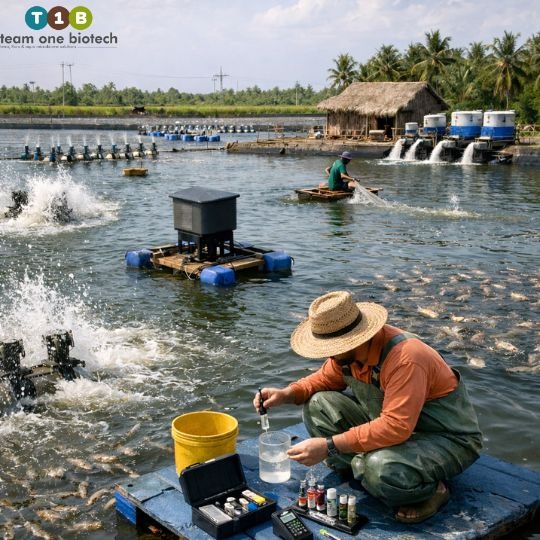
Scan the code