
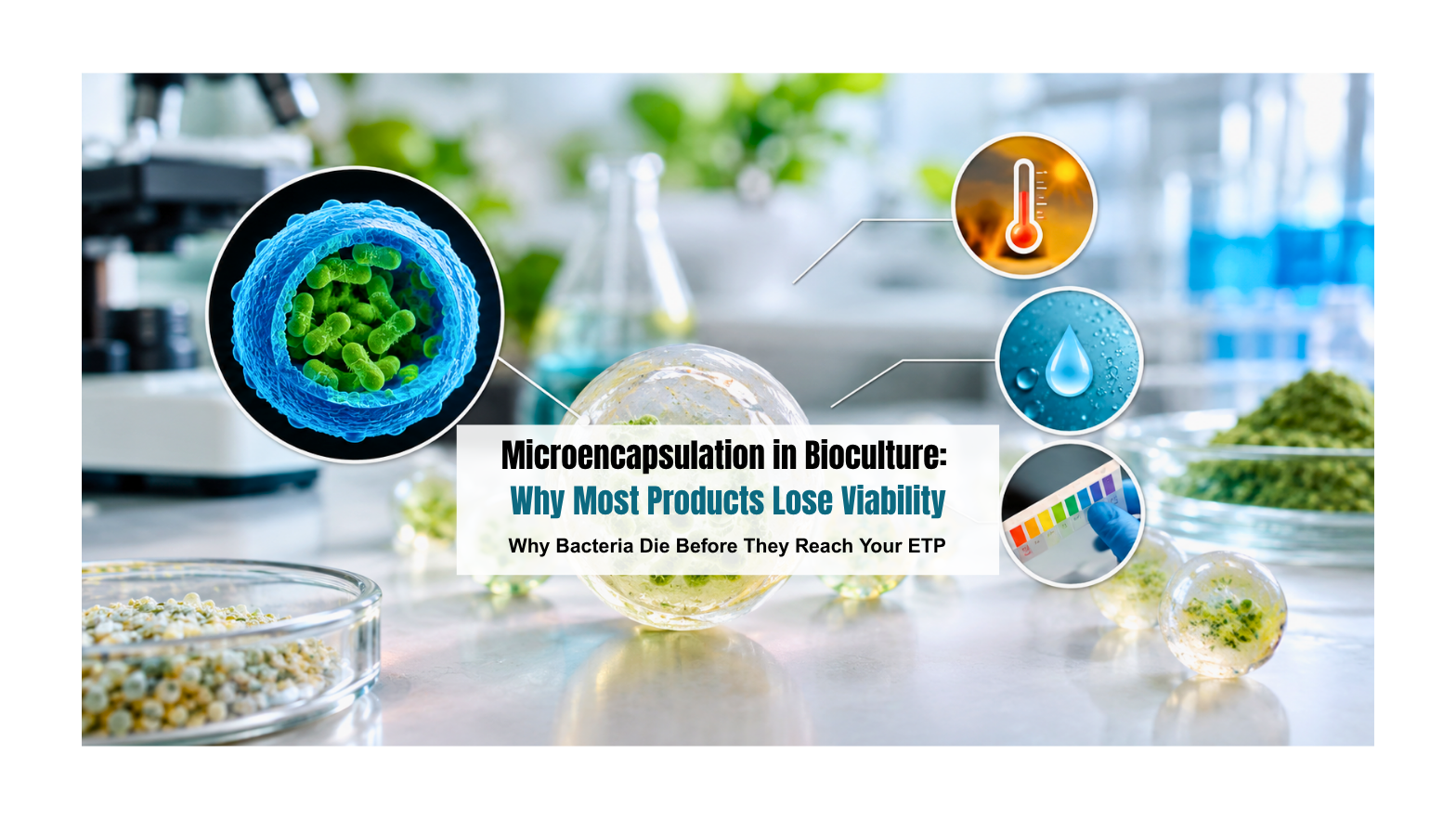

Microencapsulation in Bioculture: Why Most Products Lose Viability
You have been through this before. The effluent parameters are trending outside acceptable range. BOD is climbing. COD is not responding the way it should. You dose the ETP with a bioculture product, follow the application protocol, give it the time the supplier recommended, and then check your readings again. Nothing meaningful has shifted. The numbers are still stubborn. You call the supplier, and they tell you to increase the dose.
If this scenario feels familiar, you are not alone, and more importantly, you are probably not doing anything wrong. The problem, more often than not, is not your ETP. It is what you put into it.
Here is what the bioculture industry rarely discusses openly: a significant portion of the products currently sold to ETP and STP operators contain microbial populations that have already experienced substantial die-off before the product even reaches your facility. The CFU count printed on the label reflects what was present at the time of manufacture, under controlled conditions, in a laboratory. What survives the supply chain, warehouse storage, and transit to your dosing point is often a fraction of that stated figure.
This is not a fringe occurrence. It is a structural problem with how most standard bioculture products are formulated. Liquid concentrates, loose dry powders, basic granule mixes, all of these formats expose microbial cells to environmental stressors without any meaningful protective barrier. The bacteria are vulnerable from the moment they leave the manufacturing facility.
What makes this worse is the absence of transparency. Most standard bioculture products disclose viability only at the point of manufacture. There is rarely any obligation, or industry norm, to state what the viable count looks like at the point of use, after six weeks in a warehouse, after transport through varying temperatures, after sitting on a shelf in a plant storeroom. That gap in disclosure is where a great deal of wasted procurement budget quietly disappears.
Why Bacteria Die Before They Reach Your ETP
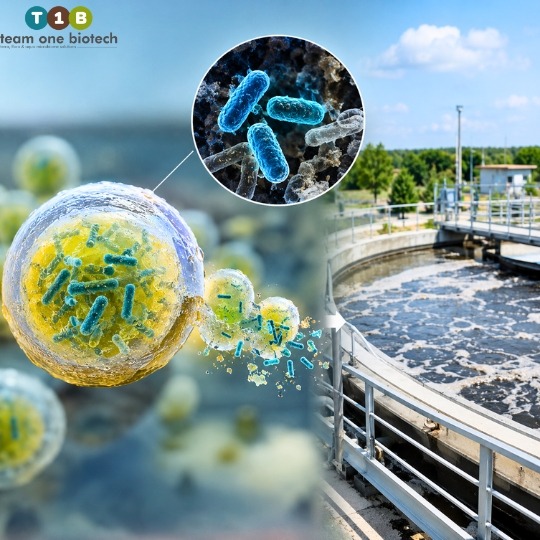
The Storage and Transportation Challenge
To understand why unprotected microbial cells struggle to survive the journey from manufacturer to reactor, it helps to think about what bacterial cells actually require to remain viable. They are living organisms. They respond to environmental conditions, temperature, moisture levels, oxygen exposure, pH, in ways that can either sustain or compromise their integrity.
Standard bacterial formulations, whether in liquid concentrate or dry powder form, offer little to no physical separation between the microbial cells and the surrounding environment. During transport, even temperature deviations within a range that might seem commercially acceptable can compromise membrane integrity and reduce enzymatic activity in sensitive microbial strains. A bacterial cell that has been thermally stressed is not simply weakened, in many cases, it has already lost the metabolic functionality required to degrade target compounds effectively once dosed.
Oxidative stress during storage is another compounding factor. When microbial cells in unprotected formulations are exposed to ambient oxygen levels during extended warehousing, cellular oxidation accelerates. This leads to progressive cell lysis, the breakdown of cell walls, before the product has ever touched your wastewater stream. Bioremediation bacteria storage conditions at distribution points and plant storerooms are rarely equivalent to the controlled environments where shelf life was originally tested.
The shelf life figures on a product label are almost always derived from accelerated stability testing under refrigerated, controlled laboratory conditions. Real-world supply chain conditions, ambient warehouse temperatures in Indian summers, cold chain breaks during transit, inconsistent humidity, rarely replicate those conditions. The stated shelf life and the effective usable life of an unprotected bioculture product under real supply chain conditions can diverge significantly.
Shock Loads and Harsh Reactor Conditions
Assume, for a moment, that your bioculture product does arrive with a reasonably intact viable population. The challenge does not end there. The environment inside an industrial ETP is not a gentle, static medium, it is a chemically complex, often hostile environment that changes by the hour based on production schedules, raw material inputs, and process variations.
Industrial wastewater streams can carry heavy metals, industrial solvents, surfactants, fluctuating pH conditions, and sudden spikes in organic loading, all within the same treatment cycle. When unprotected bacterial cells are dosed directly into this environment, they face immediate and concentrated exposure to compounds that are inhibitory or outright toxic to microbial populations.
Without any acclimation buffer, the population response is rapid and often severe. Cells that cannot tolerate the immediate chemical environment begin dying off quickly. What looked like a successful inoculation in the first few days, a brief improvement in effluent parameters, begins reversing within a week or two as the microbial population collapses under sustained stress. This is one of the most common patterns plant managers observe after dosing with standard ETP bioculture products: a short window of apparent improvement followed by a return to baseline, or worse.
BOD and COD levels begin creeping back upward. Compliance windows narrow. And the engineering team is back to troubleshooting a biological system that cannot maintain consistent performance.
This is where the stakes become real. Non-compliance with CPCB discharge standards or SPCB effluent parameters is not a technical inconvenience, it is a regulatory and reputational liability. Non-compliance notices, consent violations, and potential operational shutdowns carry consequences that extend well beyond the cost of a bioculture product. When a biological treatment system fails because of unreliable microbial viability, the downstream impact lands on the plant manager, the environmental engineer, and ultimately the organization.
What Microencapsulation Actually Does (and Why It Matters)
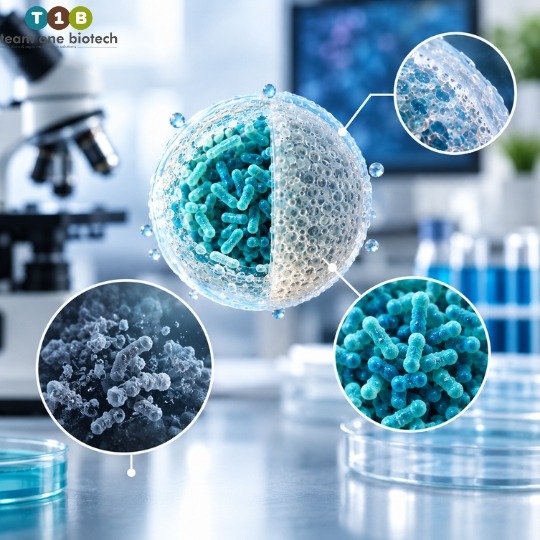
This is where the conversation shifts from problem identification to engineering response.
Microencapsulation is the process of enclosing viable microbial cells within a protective polymeric shell or matrix, creating a defined micro-environment that physically separates the bacteria from external stressors. The encapsulant material, selected based on its compatibility with microbial physiology and target wastewater conditions, acts as both a physical and chemical barrier. It buffers the enclosed bacterial population against pH fluctuations, toxic compound exposure, temperature extremes, and dehydration during storage and transport.
This is not a passive coating. The encapsulant in a well-engineered bioculture encapsulation system is designed to behave predictably within the treatment environment. Upon dosing into the wastewater stream, the encapsulant undergoes controlled degradation or selective permeability changes in response to the surrounding medium. This enables a sustained, controlled release of viable bacteria into the treatment system, rather than a single bolus exposure that leaves cells immediately vulnerable.
That distinction, controlled release versus immediate exposure, is critical to understanding why microencapsulated bacteria wastewater applications perform differently from standard formulations. When bacteria are released gradually into the treatment environment, they have the opportunity to establish stable populations within the existing biomass before they are subjected to full-strength exposure to inhibitory compounds. The biological community that develops is more resilient, more functionally integrated into the biofilm, and more capable of maintaining consistent pollutant degradation over extended operating periods.
The practical outcome of this mechanism is significant: microencapsulated bacteria wastewater treatment systems demonstrate more consistent pollutant removal rates, recover more effectively from operational disruptions and shock loading events, and maintain biological system performance through the seasonal and process variations that industrial ETPs routinely experience.
It is also worth noting what microencapsulation is not. It is not a technology that simply claims to extend shelf life through marketing language. It is a functional engineering solution, one that addresses a documented and measurable problem in microbial product stability through physical and chemical formulation design. The protective mechanism can be characterized, the release kinetics can be measured, and the performance differential between encapsulated and unencapsulated formulations can be evaluated under controlled and field conditions.
The Difference in Shelf Life
The bacteria shelf life differential between standard and microencapsulated bioculture formulations is one of the most practically relevant distinctions for procurement teams and plant managers evaluating suppliers.
Standard bioculture products, liquid concentrates, loose dried powders, uncoated granules, begin losing viable cell counts from the point of manufacture. Under non-refrigerated storage conditions, the rate of decline in viable populations can be substantial. By the time a product has moved through a distributor, spent time in a regional warehouse, and been received and stored at a plant facility, the viable microbial population may represent only a fraction of the stated CFU count, even within the stated shelf life window.
Microencapsulated formulations change this trajectory. Because the encapsulant physically prevents the environmental stressors, oxidative exposure, temperature variation, moisture fluctuation, that drive cell death in storage, the viable population is maintained at significantly higher levels over comparable storage periods and under comparable ambient storage conditions. A qualitative comparison of standard versus microencapsulated formulations over the same storage duration under real warehouse conditions consistently demonstrates this retention advantage.
This difference in bacteria shelf life is not a minor formulation refinement. For procurement teams buying bioculture products in bulk, or for facilities with longer procurement cycles, it represents a meaningful difference in the actual functional value delivered per unit of product purchased.
Why This Matters for CPCB and SPCB Compliance

Wastewater treatment is not a static, controlled process. Industrial ETPs operate under continuous variation, influent load fluctuations tied to production schedules, seasonal temperature changes that affect microbial kinetics, unplanned process upsets, and periodic cleaning cycles that can disrupt established biomass.
A biological treatment system that depends on unprotected microbial formulations is inherently fragile within this operational reality. When the bioculture product arriving at your facility has already lost a significant portion of its viable population, the inoculation is compromised from the start. The bacterial community established in your reactor is smaller, less diverse, and less resilient than the product label would suggest. It performs adequately under stable conditions but struggles to maintain performance through the disruptions that are simply part of industrial operations.
When a shock load arrives, a batch of high-toxicity effluent, a pH excursion, a sudden increase in heavy metal concentrations, an already weakened microbial community has limited capacity to absorb and recover from the stress. BOD and COD parameters begin to slip. Effluent quality trends toward exceedance. And the window before a compliance notification narrows rapidly.
The compliance implications of this biological unreliability are direct and serious. CPCB discharge standards and state-level SPCB requirements for BOD, COD, and toxicity parameters are not suggestions, they carry enforcement consequences that range from non-compliance notices to consent revocations and operational stoppages. For environmental engineers who are personally accountable for effluent quality metrics, a biological treatment system that cannot maintain consistent performance is an ongoing professional and operational risk.
Microencapsulated bacteria address this risk at its source. The protected microbial community is more resilient through storage, more capable of surviving initial post-dosing conditions, and more robust in the face of the operational disruptions that industrial ETPs routinely experience. This makes microbial viability wastewater treatment more reliable, not just in ideal conditions, but in the variable, demanding conditions that define real plant operations.
For plant managers and environmental engineers who have spent time managing the consequences of underperforming bioculture products, this is not a marginal improvement. It is a fundamentally different approach to biological treatment reliability.
What to Look for When Evaluating a Bioculture Product
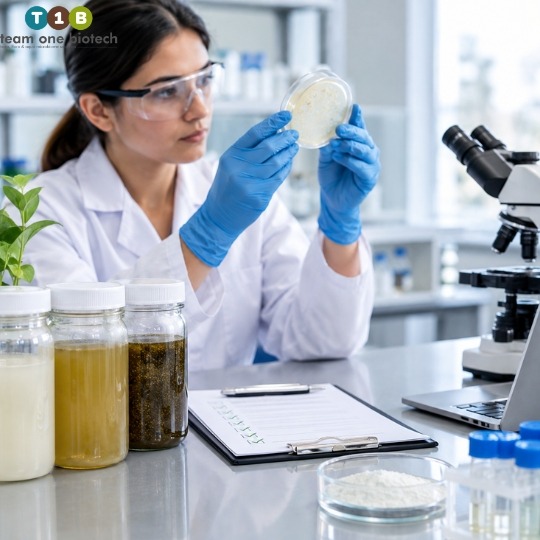
The next time you are evaluating a bioculture supplier, whether renewing a current contract or comparing new options, these are the criteria that should drive your assessment:
- Viability at Point of Use, Not Just at Manufacture: Ask your supplier to provide viable cell count data at multiple storage durations under ambient conditions, not just at the time of production. If this data is not available, that absence itself is informative.
- Encapsulation Technology Disclosure: Understand what encapsulant material is used, how it performs within your specific pH and temperature operating range, and what the release kinetics look like under your effluent conditions. A supplier who cannot answer these questions with specificity is not offering a genuine microencapsulation solution.
- Shock Load Performance Data: Request documented performance data under simulated shock load conditions. If your ETP handles variable industrial effluents, and most do, you need to know how the microbial formulation behaves under stress, not just under ideal conditions.
- Shelf Life Under Real Storage Conditions: Stability data should reflect ambient warehouse temperature conditions, not laboratory refrigeration. Ask specifically for stability data at ambient temperatures representative of your region and storage environment.
- Regulatory Compatibility: Confirm that the microbial strains included in the formulation, and the encapsulant materials used, are permissible under applicable environmental regulations in your state and under your CPCB or SPCB consent conditions.
Team One Biotech’s microencapsulated bioculture formulations are designed with all of the above parameters in mind. If you are evaluating solutions for your ETP or STP, speak with our technical team to understand what makes our approach different.
Frequently Asked Questions
Q: How do I know if my current bioculture product has lost viability?
Signs of viability loss include declining treatment efficiency without corresponding changes in influent load, persistently rising BOD and COD trends despite regular dosing, inconsistent or absent biomass activity, and an inability to recover quickly after shock load events. If your system requires progressively higher dosing volumes to maintain even marginal performance, or if results are highly inconsistent between dosing cycles, compromised microbial viability at the point of use may be a significant contributing factor.
Q: Is microencapsulated bacteria wastewater treatment suitable for high-toxicity industrial ETPs?
Yes. Microencapsulation is particularly advantageous in high-toxicity treatment environments precisely because the protective shell delays direct microbial exposure to inhibitory compounds in the effluent stream. This delay provides the bacterial population with time to acclimate and begin establishing itself within the biomass before facing full-concentration exposure. That said, the specific encapsulant chemistry should be evaluated against your effluent characteristics, particularly if your ETP handles streams with unusual solvent profiles or extreme pH conditions.
Q: How does microencapsulation affect dosing frequency and volume?
Because viable cell populations are better preserved during storage and are more effectively established post-dosing, microencapsulated products generally support more consistent and predictable dosing schedules. The sustained release mechanism reduces the need for compensatory over-dosing that is often used to offset viability losses in standard formulations. Exact dosing requirements will depend on your ETP configuration, organic load, influent variability, and target effluent parameters. (Disclaimer: Values differ per ETP, consult your supplier’s technical team for site-specific dosing recommendations.)
The Bottom Line for Plant Managers and Environmental Engineers
The core issue is not that biological wastewater treatment does not work. The science is well established, and when microbial systems function as designed, they deliver consistent, cost-effective pollutant removal. The issue is that most standard bioculture products are not formulated to survive the journey from manufacturing facility to your reactor in a condition that allows them to perform as designed.
Microencapsulation is not a marketing term. It is a functional engineering response to a documented and measurable problem: microbial viability loss during storage, transport, and post-dosing exposure. By providing a physical and chemical protective barrier around viable bacterial cells, it changes the operational reliability profile of biological treatment in a way that standard formulations cannot match.
As CPCB and SPCB discharge standards continue to tighten across industrial sectors, the margin for biological system failures is shrinking. A single non-compliance event carries consequences, financial, operational, and reputational, that far exceed the cost difference between a standard and a microencapsulated bioculture product. The question is no longer whether your ETP needs a reliable biological treatment solution. The question is whether the product you are currently using is genuinely capable of delivering one.
If your ETP deserves a bioculture solution that actually works when it reaches your plant, Team One Biotech is ready to show you the difference that advanced microencapsulation makes. Contact our technical team today for a product consultation tailored to your effluent profile and compliance requirements.
Looking to improve your ETP/STP efficiency with the right bioculture?
Talk to our experts at Team One Biotech for customised microbial solutions.
Contact: +91 8855050575
Email: sales@teamonebiotech.com
Visit: www.teamonebiotech.com
Discover More on YouTube – Watch our latest insights & innovations!-
Connect with Us on LinkedIn – Stay updated with expert content & trends!