
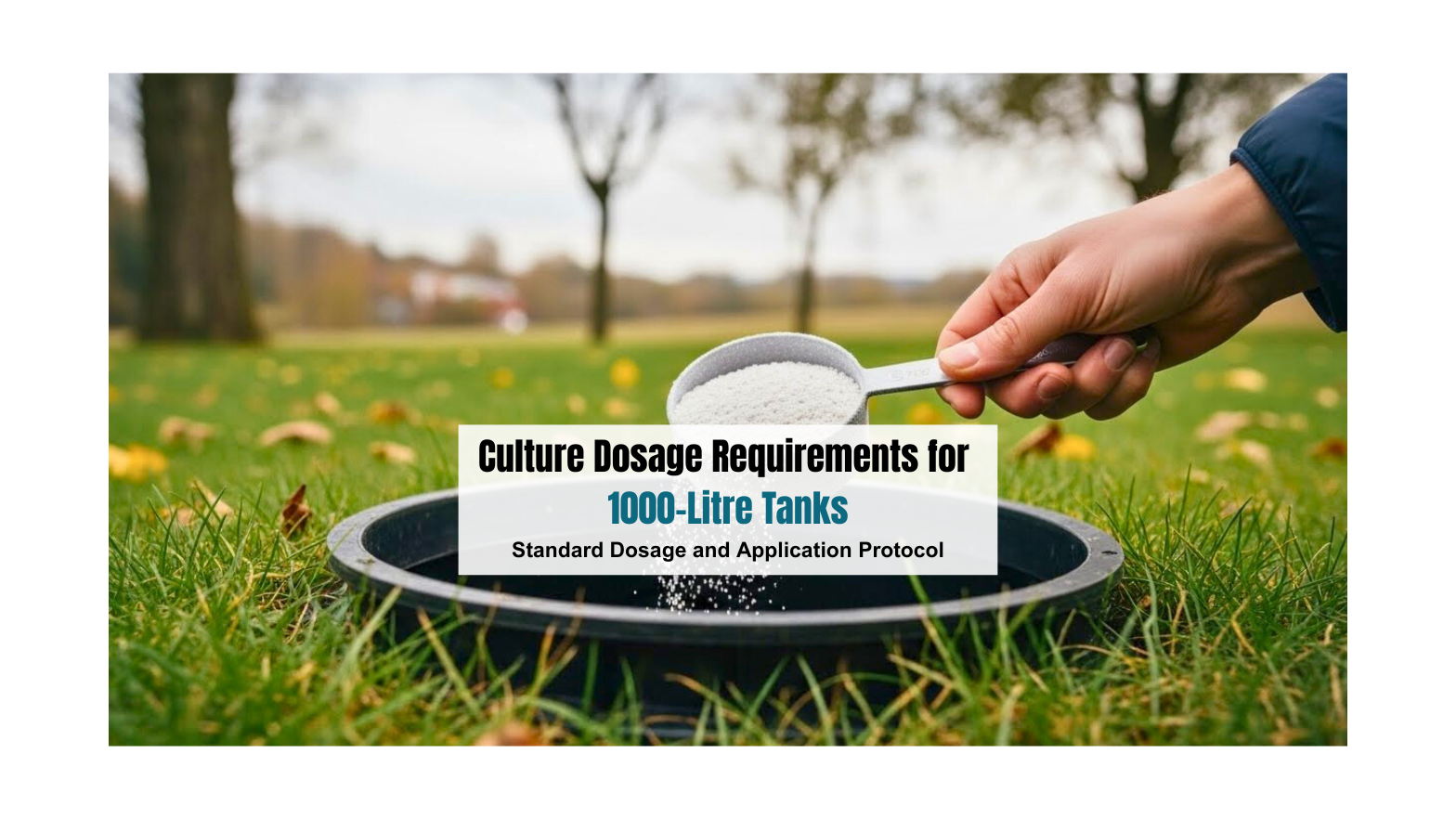
Culture Dosage Requirements for 1000-Litre Tanks
The Hidden Cost of Getting Dosage Wrong
Ever happened your effluent treatment plant isn’t cooperating? The characteristic odour of hydrogen sulphide greets you before you even reach the tank. Your compliance report is due Thursday, and the last BOD test came back at 180 mg/L, three times above the CPCB discharge limit of 30 mg/L for most industrial zones.
You’ve been adding microbial culture, but nothing seems to work. Either you’re burning through your budget on excessive dosing, or you’re under-dosing and watching your treatment efficiency plummet. The chemical bills are mounting, the regulatory pressure is intensifying, and you’re caught between operational chaos and environmental responsibility.
This scenario plays out daily across hundreds of facilities in India. The difference between treatment success and costly failure often comes down to one critical factor: precise culture dosage calculation.
Understanding the exact microbial inoculum requirements for your 1,000-litre tank isn’t just about following a formula, it’s about protecting your facility from non-compliance penalties, reducing operational costs, and ensuring your treatment system performs reliably under India’s challenging environmental conditions.
Why Standard Dosage Charts Fall Short in Indian Conditions
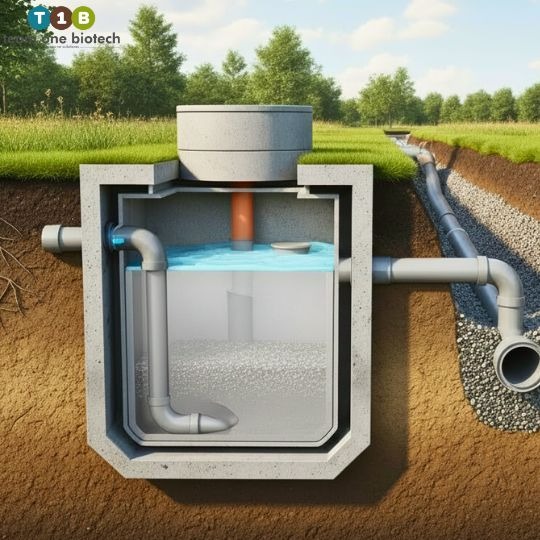
International bioremediation guidelines rarely account for the unique stressors present in Indian industrial wastewater systems. Our tropical climate brings temperature swings from 15°C in winter mornings to 45°C in summer afternoons. Seasonal monsoons dilute influent concentrations unexpectedly. Industrial clusters in Gujarat, Maharashtra, and Tamil Nadu generate effluents with COD levels exceeding 5,000 mg/L, far beyond what conventional formulas anticipate.
Generic dosage recommendations fail because they assume:
- Consistent ambient temperatures between 20-25°C
- Moderate organic loading (COD below 2,000 mg/L)
- Stable pH conditions
- Regular operational oversight
None of these assumptions hold true for most Indian facilities. This is precisely why customized dosage protocols, calibrated to your specific tank volume and operational reality, become non-negotiable.
Understanding the Two-Phase Dosage Approach
Successful bioremediation in a 1,000-litre tank requires understanding two distinct phases: startup dosage and maintenance dosage. Confusing these phases is the primary reason most treatment systems underperform.
Startup Dosage: Building Your Biological Foundation
Startup dosage applies when you’re:
- Commissioning a new ETP/STP system
- Restarting after extended shutdown (more than 7 days)
- Recovering from toxic shock loading
- Switching from purely chemical treatment to biological methods
During startup, you’re not just treating wastewater, you’re establishing a thriving microbial ecosystem capable of sustained pollutant degradation. This requires higher initial concentrations to achieve rapid colonization.
Recommended Startup Protocol for 1,000-Litre Tanks:
For a standard 1,000-litre tank treating industrial effluent with COD levels between 1,500-3,000 mg/L:
- Initial dose: 500-750 grams of concentrated microbial culture
- Application frequency: Daily dosing for the first 7-10 days
- Stabilization period: 14-21 days until consistent COD reduction above 80% is achieved
Critical startup consideration: During the first week, your microbial population is vulnerable. Avoid introducing shock loads, maintain pH between 6.5-8.5, and ensure adequate aeration (dissolved oxygen above 2 mg/L).
Maintenance Dosage: Sustaining Treatment Efficiency
Once your system achieves biological stability, typically indicated by consistent COD/BOD reduction and stable MLSS (Mixed Liquor Suspended Solids) readings, you transition to maintenance dosing.
Recommended Maintenance Protocol for 1,000-Litre Tanks:
- Standard dose: 200-350 grams per week
- Application frequency: Split into 2-3 applications per week
- Monitoring parameter: Adjust based on weekly COD/BOD analysis
Maintenance dosing compensates for natural microbial die-off, nutrient depletion, and operational stresses. Think of it as replenishing your biological workforce to maintain treatment capacity.
The Variables That Determine Your Exact Dosage
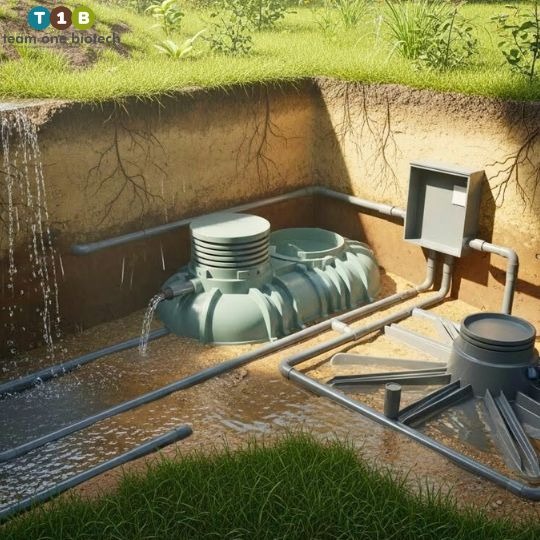
No two facilities operate identically. Your precise culture dosage depends on several interconnected factors specific to your operation.
1. Organic Loading and Pollutant Complexity
COD/BOD Ratio Matters:
Pharmaceutical and chemical industries often generate effluents with COD:BOD ratios exceeding 3:1, indicating recalcitrant compounds. Higher ratios demand specialized microbial consortia and increased dosage, potentially 30-50% above standard recommendations.
Calculation Example:
If your 1,000-litre tank receives influent with 4,000 mg/L COD (instead of the baseline 2,000 mg/L), increase your maintenance dosage proportionally:
Standard dose (200g) × (4,000 ÷ 2,000) = 400 grams weekly
2. Temperature Fluctuations in Indian Climate
Microbial metabolism is temperature-dependent. For every 10°C drop below the optimal range (28-35°C), biological activity can decrease by 40-60%.
Winter Dosage Adjustment (November-February):
In North Indian facilities where temperatures drop to 12-18°C, increase maintenance dosage by 25-40% to compensate for reduced microbial activity.
Summer Considerations (April-June):
Temperatures exceeding 38°C can stress mesophilic bacteria. Ensure adequate cooling or consider thermophilic culture strains. Monitor DO levels closely as oxygen solubility decreases in warmer water.
3. pH Stability and Nutrient Availability
Most bioremediation cultures perform optimally between pH 6.8-7.8. Indian industrial effluents, particularly from textile, dyeing, and metal finishing operations, frequently exhibit extreme pH values.
pH-Related Dosage Modifications:
- Acidic conditions (pH below 6.0): Increase dosage by 20% and supplement with alkalinity
- Alkaline conditions (pH above 8.5): Increase dosage by 15-25% and consider pH adjustment before biological treatment
Nutrient Balance:
Ensure adequate nitrogen and phosphorus availability. The ideal C:N:P ratio for effective bioremediation is 100:5:1. Nutrient deficiency can necessitate 30-50% higher culture dosing to achieve comparable results.
4. Hydraulic Retention Time (HRT)
Your 1,000-litre tank’s HRT directly influences treatment efficiency. Shorter retention times require higher microbial populations to achieve adequate contact time.
HRT Impact on Dosage:
- HRT 24-36 hours: Standard dosage sufficient
- HRT 12-24 hours: Increase dosage by 20-30%
- HRT below 12 hours: Increase dosage by 40-50% or consider system redesign
Step-by-Step Application Protocol for 1,000-Litre Tanks
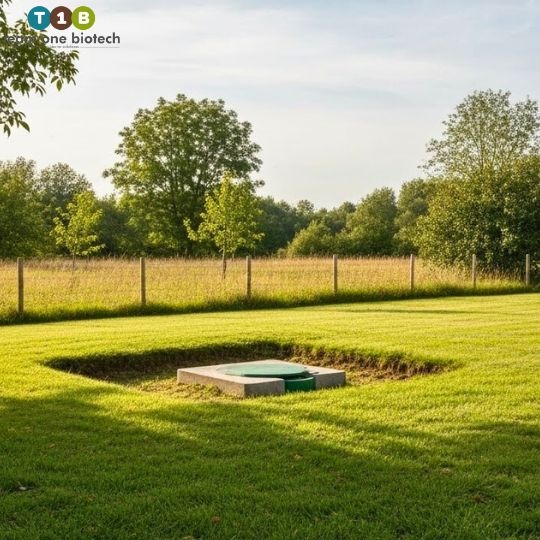
Proper application technique significantly impacts treatment outcomes. Follow this proven protocol for optimal results.
Step 1: Pre-Application System Check
Before introducing culture, verify:
- Tank pH is between 6.5-8.5
- Dissolved oxygen exceeds 2 mg/L (for aerobic systems)
- No toxic chemical additions in previous 24 hours
- Aeration system functioning correctly
Step 2: Culture Preparation
Never add concentrated culture directly to the tank. Proper activation ensures immediate microbial viability.
- Take a clean bucket with 10-15 litres of dechlorinated water
- Add measured culture quantity
- Mix thoroughly for 3-5 minutes
- Allow to stand for 15-20 minutes (activation period)
- Add 200-300 grams of jaggery or molasses as carbon source
Step 3: Application Technique
- Pour activated culture mixture evenly across tank surface
- If possible, apply near aeration points for rapid distribution
- Avoid application during peak sunlight (UV can harm bacteria)
- Ideal application timing: early morning or evening
Step 4: Post-Application Monitoring
Track these parameters for 48-72 hours after dosing:
- DO levels: Should remain above 2 mg/L
- pH stability: Fluctuations indicate biological activity
- Sludge settling: Improved settling indicates active biomass
- Odour reduction: Noticeable within 24-48 hours
Step 5: Weekly Performance Assessment
Measure treatment efficiency weekly:
- COD/BOD reduction percentage
- TSS (Total Suspended Solids) levels
- Sludge Volume Index (SVI) for settling characteristics
If COD reduction falls below 75%, increase next dosage by 15-20% and investigate operational issues.
Cost-Benefit Analysis: Investing in Proper Dosage

Under-dosing appears economical initially but creates cascading costs:
Consequences of Insufficient Dosage:
- Extended treatment time increases power consumption
- Higher chemical additive requirements (coagulants, pH adjusters)
- Frequent system failures requiring emergency interventions
- CPCB non-compliance penalties ranging from ₹25,000 to ₹1,00,000
- Potential facility shutdown orders
Investment in Optimal Dosage:
A 1,000-litre tank requiring 300 grams weekly maintenance typically costs ₹600-900 monthly for quality microbial culture. This investment delivers:
- 80-90% COD/BOD reduction consistency
- 40-60% reduction in chemical treatment costs
- Elimination of odour complaints
- Regulatory compliance assurance
- Extended equipment lifespan due to reduced chemical corrosion
The real question isn’t whether you can afford proper dosage, it’s whether you can afford the consequences of inadequate treatment.
Why Team One Biotech Culture Formulations Outperform Generic Products
Not all microbial cultures deliver equivalent results. Team One Biotech formulations incorporate several technological advantages specifically engineered for Indian industrial applications:
1. Polyculture Synergy
Our consortia contain 15-20 bacterial strains selected for complementary metabolic pathways, ensuring degradation of complex pollutants including:
- Petroleum hydrocarbons
- Phenolic compounds
- Heavy metal complexes
- Recalcitrant dyes and pigments
2. Temperature Resilience
Strains selected for stable performance across 15-45°C temperature range, eliminating seasonal dosage uncertainty.
3. Shock Load Recovery
Enhanced spore-forming species provide rapid recovery from toxic exposure or operational disruptions.
4. Reduced Sludge Generation
Optimized culture balance minimizes excess biomass production, reducing sludge disposal costs by 25-35% compared to conventional treatments.
Common Dosage Mistakes to Avoid
Even experienced operators make these critical errors:
Mistake 1: One-Size-Fits-All Approach
Applying the same dosage regardless of seasonal changes, loading variations, or operational upsets guarantees inconsistent results.
Solution: Implement adaptive dosing protocols that respond to monitoring data.
Mistake 2: Ignoring Acclimation Period
Expecting immediate results after first application leads to premature dosage escalation.
Solution: Allow 14-21 days for culture establishment before making dosage adjustments.
Mistake 3: Simultaneous Chemical and Biological Treatment
Adding disinfectants, heavy metals, or high chlorine concentrations during biological treatment decimates microbial populations.
Solution: Separate chemical pre-treatment from biological stages, or consult Team One Biotech for compatible chemical protocols.
Mistake 4: Inadequate Record Keeping
Without documented dosage, timing, and performance data, troubleshooting failures becomes guesswork.
Solution: Maintain detailed treatment logs including dosage amounts, application times, and weekly performance metrics.
When to Increase Dosage Beyond Standard Recommendations
Certain situations demand temporary or permanent dosage escalation:
Immediate Dosage Increase Triggers:
- COD reduction drops below 70% for two consecutive tests
- Visible sludge bulking or poor settling
- Return of foul odours after previous control
- Introduction of new product lines affecting effluent composition
- Post-monsoon startup with diluted influent requiring system re-establishment
Consult Team One Biotech technical support before increasing dosage beyond 50% of standard recommendations to rule out operational issues that dosage alone cannot resolve.
Team One Biotech: Your Partner in Sustainable Treatment
Managing a 1,000-litre ETP/STP system doesn’t have to be a constant struggle between performance and budget. Team One Biotech provides more than microbial cultures, we deliver comprehensive treatment solutions tailored to your specific operational challenges.
Our Customized Support Includes:
- Site-Specific Dosage Calculators: Based on your actual COD loading, temperature conditions, and discharge requirements
- Quarterly Performance Audits: On-site assessment of treatment efficiency with optimization recommendations
- 24/7 Technical Helpline: Immediate support during treatment emergencies or operational upsets
- Compliance Documentation: Assistance with CPCB reporting and environmental audit preparation
Ready to optimize your treatment system? Contact Team One Biotech today for a complimentary dosage assessment and discover how precision bioremediation can transform your facility’s environmental performance while reducing operational costs.
Precision Dosage as Your Competitive Advantage
In India’s increasingly stringent regulatory environment, wastewater treatment excellence isn’t optional, it’s a business imperative. The difference between facilities that struggle with compliance and those that achieve effortless environmental performance often comes down to mastering the fundamentals: understanding your system, monitoring consistently, and dosing precisely.
Your 1,000-litre tank represents more than a regulatory checkbox. It’s an opportunity to demonstrate environmental stewardship, reduce operational costs, and build resilience against future regulatory tightening. With proper culture dosage, calibrated to your specific organic loads, temperature conditions, and operational constraints, biological treatment becomes your most reliable and cost-effective solution.
Team One Biotech stands ready to support your journey toward treatment excellence. Whether you’re commissioning a new system, troubleshooting existing challenges, or pursuing performance optimization, our technical expertise and proven formulations provide the foundation for lasting success.
Don’t leave your environmental compliance to guesswork. Partner with Team One Biotech and experience the confidence that comes from precision bioremediation.
Looking to improve your ETP/STP efficiency with the right bioculture?
Talk to our experts at Team One Biotech for customised microbial solutions.
Contact: +91 8855050575
Email: sales@teamonebiotech.com
Visit: www.teamonebiotech.com
Discover More on YouTube – Watch our latest insights & innovations!-
Connect with Us on LinkedIn – Stay updated with expert content & trends!