
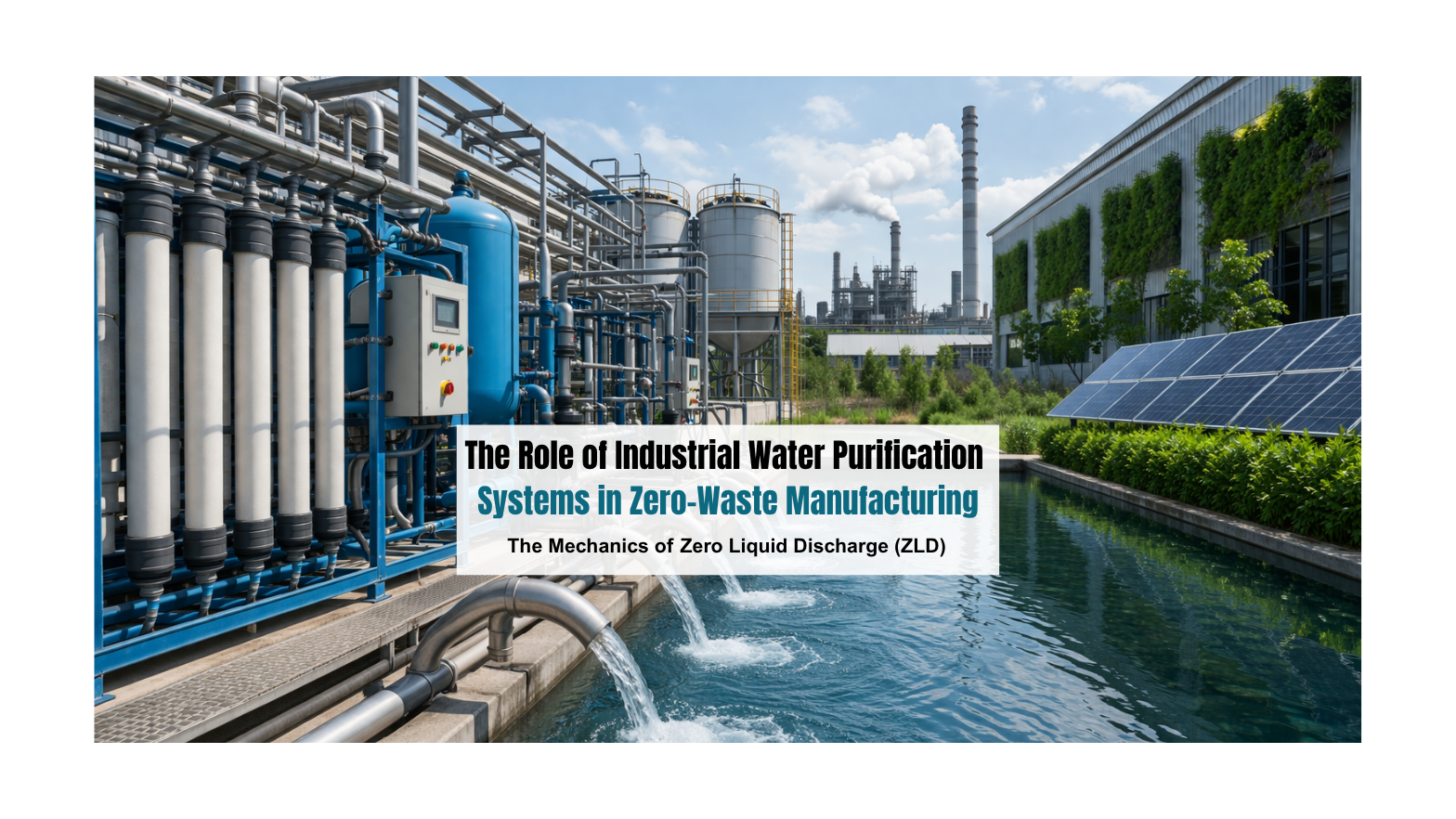
The Role of Industrial Water Purification Systems in Zero-Waste Manufacturing
India stands at a critical crossroads where industrial expansion meets an escalating hydrological crisis. As groundwater levels deplete and the Central Pollution Control Board (CPCB) tightens its grip on discharge norms, the “business as usual” approach to wastewater is no longer viable. For plant managers and environmental stakeholders, the transition to zero-waste manufacturing via Zero Liquid Discharge (ZLD) Systems isn’t just an ethical choice, it is a prerequisite for operational survival.
The paradigm shift toward Zero Liquid Discharge (ZLD) represents the pinnacle of industrial water stewardship. By viewing effluent not as a liability to be discarded, but as a resource to be reclaimed, industries can insulate themselves against water scarcity while ensuring absolute environmental compliance.
The Mechanics of Zero Liquid Discharge (ZLD)
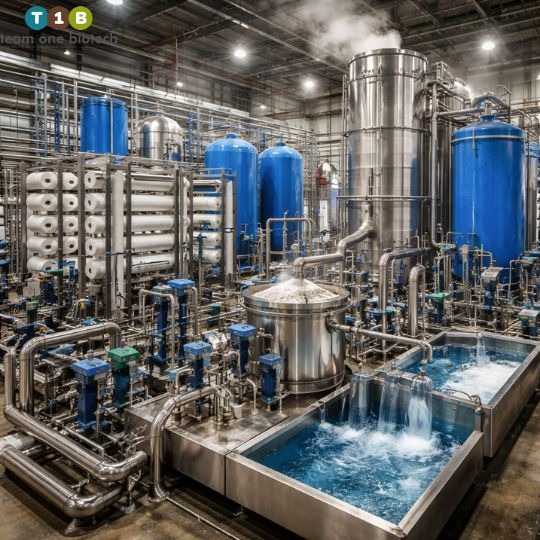
A Zero Liquid Discharge plant is a sophisticated engineering ecosystem designed to ensure that no liquid waste leaves the facility boundaries. Rather than a single machine, think of it as a symphony of mechanical, chemical, and biological treatments that work in harmony to recover purified water and reduce contaminants to a solid, manageable form.
The typical ZLD lifecycle follows a rigorous progression:
- Pre-treatment: This is the first line of defense, utilizing chemical precipitation and biological oxidation to remove suspended solids and heavy organic loads.
- Filtration and Concentration: Advanced membrane technologies, such as Reverse Osmosis (RO), act as a high-tech sieve. This stage concentrates the waste stream, recovering a significant portion of the water for immediate reuse.
- Evaporation and Crystallization: The final stage deals with the “brine.” Thermal evaporators drive off the remaining moisture, leaving behind solid crystals that can be safely handled or, in some cases, repurposed for industrial use.
Note: These are general values provided for illustrative purposes and vary significantly based on specific ETP configurations, local discharge norms, and influent characteristics.
The Science of TDS: Managing the Silent Barrier to Recovery
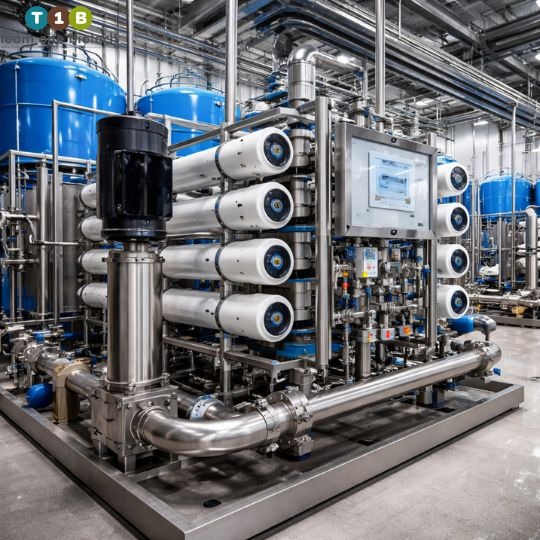
One of the most persistent hurdles in ZLD water treatment is the management of Total Dissolved Solids (TDS) in water. TDS represents the inorganic salts and organic matter trapped in solution. In an industrial setting, high TDS levels act like sandpaper on your equipment, they are corrosive to machinery and can quickly ruin expensive recovery membranes.
Effective TDS management requires a dual-pronged strategy:
- Source Reduction: Analyzing the manufacturing line to minimize the intake of salts before they even reach the water.
- High-Recovery Membranes: Utilizing specialized RO systems specifically engineered to handle high osmotic pressures without failing.
When TDS is managed with precision, the recovery rate of a plant can reach between 75% to 95%, drastically reducing the volume of water that must undergo the more expensive thermal evaporation process.
Critical Water Quality Parameters
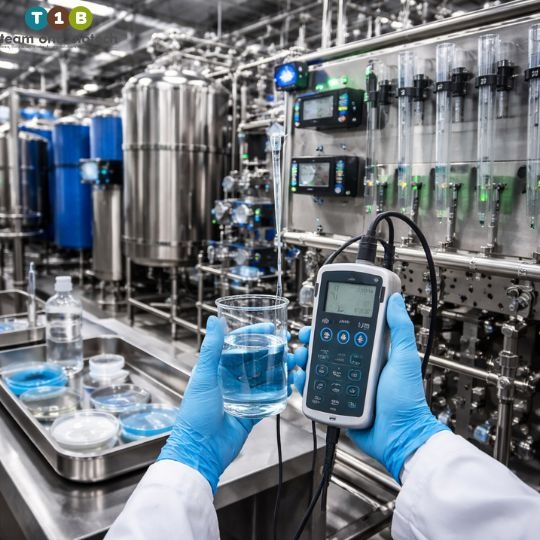
To achieve consistent water recovery goals, plant operators must move beyond “guesswork” and maintain a granular understanding of their effluent’s chemistry. Monitoring these water quality parameters is the difference between a smooth operation and a compliance nightmare:
- pH Levels: Maintaining a neutral range is vital. Extreme acidity or alkalinity can “kill” the helpful bacteria in your biological stages and corrode your infrastructure.
- Chemical Oxygen Demand (COD): This measures the total oxidation required. A high COD is a red flag, indicating a heavy load of industrial pollutants.
- Biochemical Oxygen Demand (BOD): This measures how much oxygen bacteria consume while breaking down organic matter. Lowering BOD is the primary goal of any effective bioremediation stage.
- Total Suspended Solids (TSS): These are the physical particles that must be caught early to prevent “fouling” or clogging downstream filters.
Is your system hitting these benchmarks? Consult with the experts at Team One Biotech today to schedule a comprehensive audit of your water quality metrics.
Challenges in the Indian Industrial Landscape
Implementing industrial effluent treatment in India isn’t a “one-size-fits-all” task. Local manufacturers face unique hurdles that international blueprints often overlook:
1. Monsoon Variability
The sudden, massive influx of rainwater during the monsoon can dilute influent characteristics, often “shocking” the biological balance of an Effluent Treatment Plant (ETP). Systems must be designed to stay resilient despite these fluctuating concentrations.
2. Regulatory Pressure
State Pollution Control Boards (SPCBs) are no longer flexible. For “Red Category” industries, like textiles, pharmaceuticals, and tanneries, ZLD is increasingly a mandatory “license to operate.”
3. The CAPEX vs. OPEX Balance
Mechanical ZLD systems are a significant investment. The challenge for Indian businesses is finding a way to balance high initial costs with biological interventions that lower long-term power and chemical consumption.
Bioremediation: The Intelligent Engine of Modern ZLD
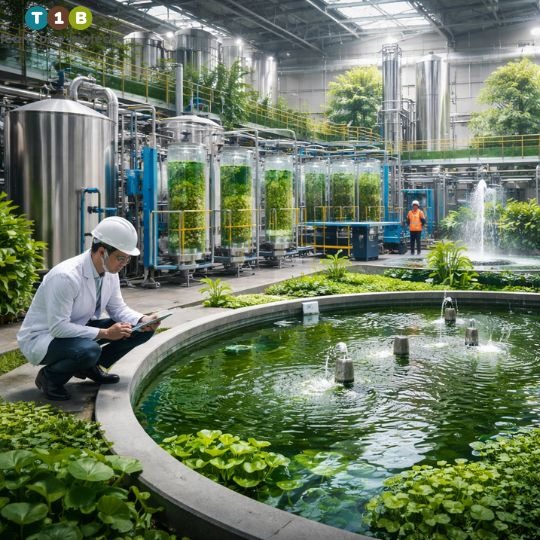
While steel tanks and filters handle the physical separation, bioremediation serves as the “brain” of the operation. At Team One Biotech, we specialize in integrating advanced biological solutions that work alongside mechanical hardware to make the whole system more efficient.
By introducing specialized microbial strains, we can drastically reduce the organic load (BOD/COD) before the water hits the membranes. This “pre-conditioning” acts like a protective shield, preventing the scaling and fouling of RO units and reducing the energy needed for final evaporation.
Why Bio-Augmentation Matters:
- Better Settling: Enhanced flocculation helps solids settle faster, taking the pressure off your primary clarifiers.
- Toxic Resilience: Tailored microbes are “tougher” and can survive the chemical shocks common in industrial waste.
- Reduced Waste: Efficient biological digestion can actually shrink the volume of secondary sludge by 20% to 40%.
Note: These are general values provided for illustrative purposes and vary significantly based on specific ETP configurations, local discharge norms, and influent characteristics.
Building a Circular Future
The ultimate goal of a Zero Liquid Discharge plant is to move away from the old “take-make-waste” mindset. In a truly zero-waste facility, water is treated as a revolving asset. Purified effluent is cycled back into cooling towers, boilers, or process lines. Even the recovered salts can sometimes find a second life in the chemical supply chain.
By investing in high-end purification today, companies aren’t just following the law, they are securing their operational future against rising water costs and dwindling resources.
Securing Your Operational Future
The journey to zero-waste manufacturing is a complex one, but you don’t have to navigate it alone. Team One Biotech provides the technical depth and biological innovation needed to turn environmental compliance from a burden into a competitive advantage.
Is your facility ready for the next generation of water recovery?
Contact Team One Biotech for a bespoke compliance roadmap and ETP optimization strategy. Let’s work together to turn your wastewater into a sustainable asset.
Don’t wait for a compliance notice. Our technical team is ready to perform on-site system audits to identify bottlenecks and implement high-efficiency biological upgrades immediately.
Looking to improve your ETP/STP efficiency with the right bioculture?
Talk to our experts at Team One Biotech for customised microbial solutions.
Contact: +91 8855050575
Email: sales@teamonebiotech.com
Visit: www.teamonebiotech.com
Discover More on YouTube – Watch our latest insights & innovations!-
Connect with Us on LinkedIn – Stay updated with expert content & trends!