
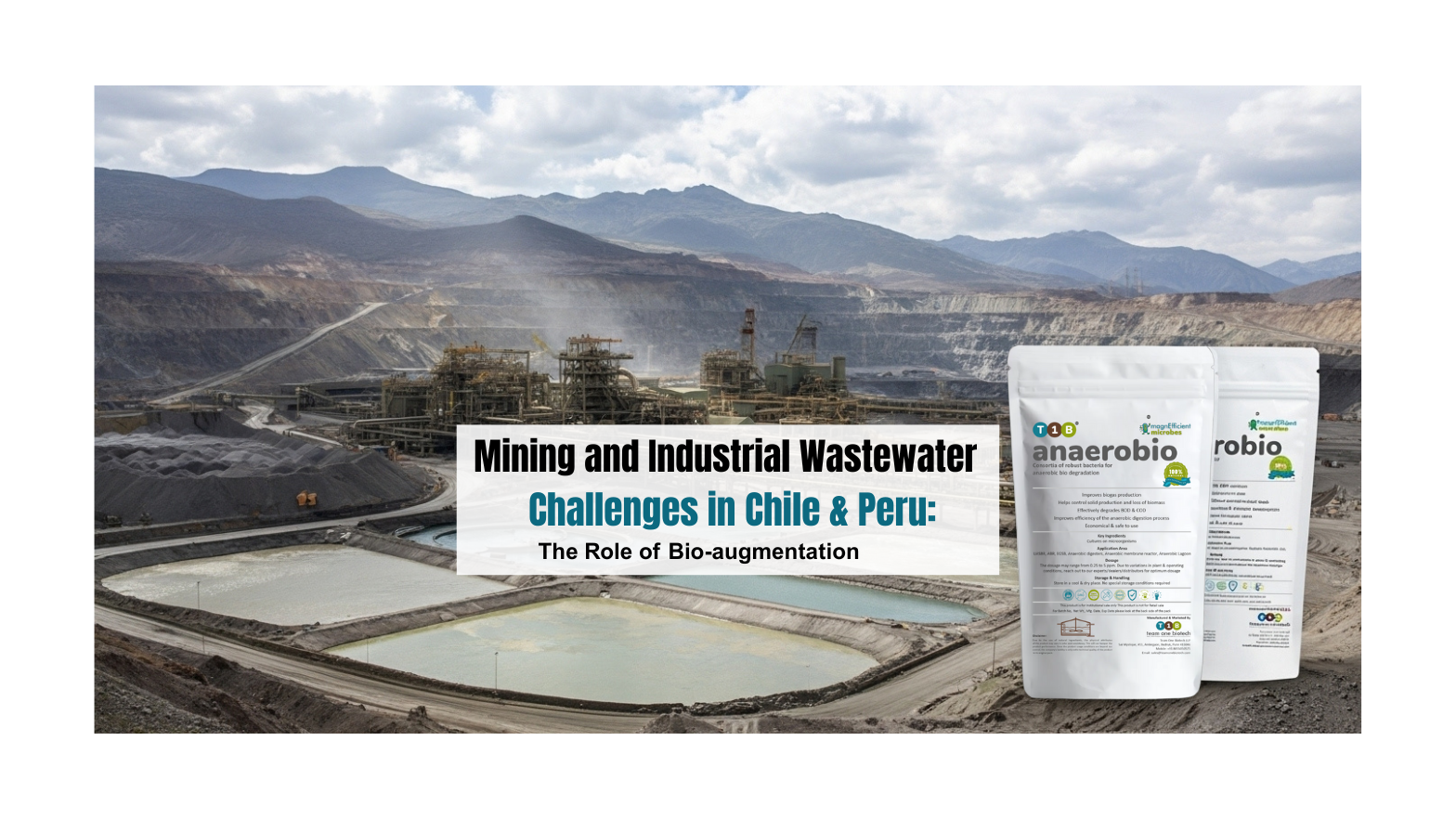
Mining and Industrial Wastewater Challenges in Chile & Peru: The Role of Bio-augmentation
The Atacama Desert holds a paradox that defines the environmental challenge facing South America’s industrial corridor. Here, in the driest place on Earth, copper mines extract billions of dollars in mineral wealth while communities ration water by the liter. In Peru’s coastal textile hubs and Chile’s high-altitude mining camps, the same story repeats: extraordinary productivity built on the knife’s edge of water scarcity. Every drop matters. Every contaminant threatens not just compliance metrics but the survival of ecosystems and communities that have adapted to extremes for millennia.
This is the blue water frontier, a term that encompasses far more than regulatory compliance. It represents the fundamental reckoning between industrial expansion and environmental limits. For operations managers overseeing mining camps at 4,000 meters above sea level, for environmental officers managing fishmeal processing plants along the Peruvian coast, and for agricultural exporters whose berries and asparagus feed European and North American markets, water quality isn’t an abstract concern. It’s the operational reality that determines whether your facility operates next quarter or faces shutdown.
Traditional wastewater management, the settling ponds, the chemical precipitation, the basic filtration, no longer meets the moment. The legislative environment has shifted. Community expectations have evolved. International buyers demand verifiable environmental credentials. This convergence has created an urgent need for advanced biological solutions that don’t just treat water but fundamentally transform industrial effluent into a resource rather than a liability.
The Water Crisis Nobody Talks About: Industrial Reality in the Andes
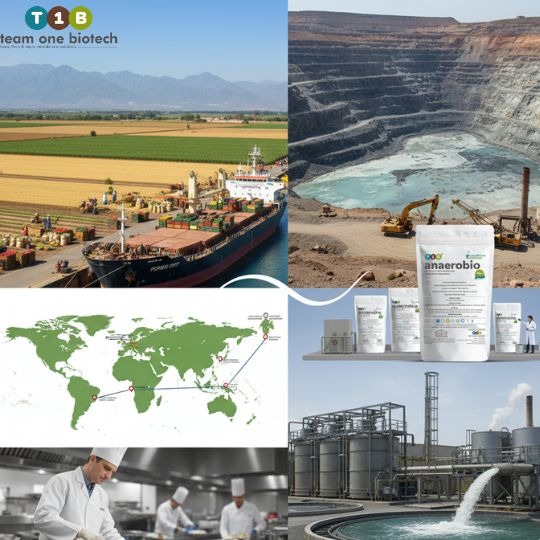
When mining executives discuss the Andes, conversations typically center on ore grades, extraction costs, and commodity prices. What receives less attention is the hydrological reality that makes every operation a high-wire act. The Atacama receives less than one millimeter of rainfall annually in some areas. Peru’s coastal regions, despite proximity to the Pacific, remain arid due to the Humboldt Current. Glacial melt that historically supplied highland communities now diminishes yearly due to climate shifts.
Against this backdrop, industrial operations consume and contaminate water at scales that strain already depleted aquifers. A mid-sized copper mine might use 20,000 cubic meters of water daily. Textile operations generating export-quality fabric discharge effluent with chemical oxygen demand (COD) levels exceeding 2,000 mg/L, far beyond natural ecosystem tolerance. Fishmeal processing, concentrated in Peru’s northern ports, produces nutrient-rich wastewater that can trigger coastal eutrophication if poorly managed.
The communities surrounding these operations aren’t abstract stakeholders. They’re farmers trying to maintain quinoa harvests, fishing families dependent on unpolluted coastal waters, and towns where arsenic contamination from mining runoff has already forced well closures. The social license to operate, that intangible but crucial permission from local populations, increasingly hinges on demonstrable water stewardship.
Recent protests in southern Peru over mining water use, and the sustained community opposition to projects perceived as water threats in Chile’s Norte Grande, signal a shift. Industrial operations can no longer externalize water costs. The question isn’t whether to invest in advanced wastewater treatment but which technology can deliver results in environments where conventional systems fail.
Decoding Blue Water Regulations: The Legislative Shift
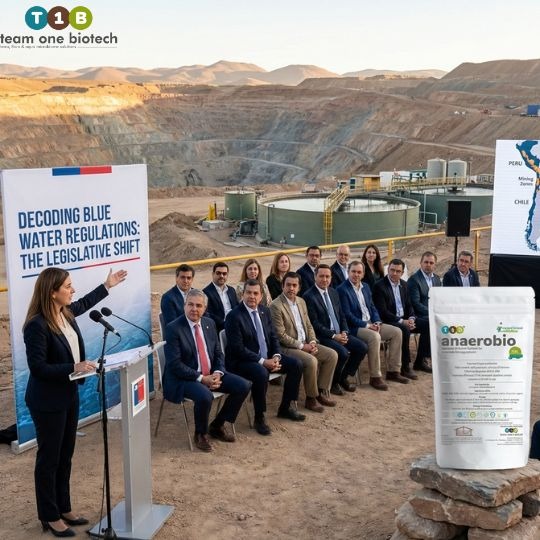
Chile and Peru have both enacted increasingly stringent water quality standards that reflect international best practices while addressing regional vulnerabilities. Chile’s General Water Services Law and subsequent amendments have progressively tightened discharge standards, particularly for heavy metals and persistent organic compounds. Peru’s Supreme Decree 004-2017-MINAM established Environmental Quality Standards (ECA) for water that categorize receiving bodies by use, drinking water sources face the strictest limits, but even industrial discharge zones now require significant treatment.
The term “Blue Water” encompasses this regulatory evolution. It signals water quality approaching potability standards or suitable for agricultural reuse, far exceeding basic industrial discharge requirements. For mining operations, this means reducing total dissolved solids (TDS), eliminating heavy metal contamination below detection thresholds, and managing pH within narrow bands. For textile operations, it requires breaking down complex synthetic dyes into non-toxic components and reducing COD to levels that won’t overwhelm receiving water bodies.
Traditional chemical treatment approaches face inherent limitations in these contexts. Chemical precipitation of heavy metals generates toxic sludge requiring specialized disposal. Coagulation and flocculation for solids removal consume significant reagent volumes and struggle with certain organic compounds. Oxidation processes using chlorine or ozone can create harmful disinfection byproducts. Each method addresses symptoms without fundamentally transforming contaminants.
Regulatory agencies increasingly recognize these limitations. The shift toward biological treatment reflects both environmental science and economic pragmatism. Microbes don’t just remove contaminants; they metabolize them, breaking complex molecules into harmless constituents. The process generates minimal secondary waste, operates at lower cost than chemical alternatives, and adapts to varying influent conditions, crucial in industries where wastewater composition fluctuates daily.
Compliance officers familiar with the challenges of meeting Environmental Impact Assessment (EIA) conditions understand the stakes. Non-compliance triggers operational shutdowns, substantial fines, and reputational damage that can terminate projects. Conversely, exceeding baseline requirements, achieving true Blue Water standards, creates competitive advantages. It enables water recycling that reduces freshwater intake, improves community relations, and future-proofs operations against inevitable regulatory tightening.
Mining Sector: Heavy Metal Choreography at Altitude
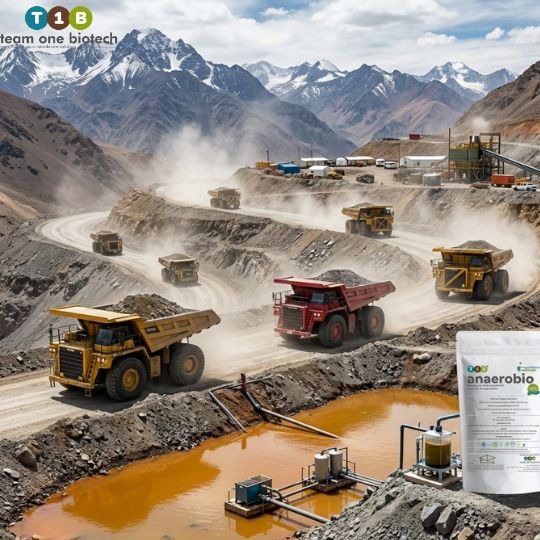
Mining wastewater presents unique biological challenges. The chemical cocktail varies by mineral being extracted and processing method employed. Copper mining generates effluent contaminated with copper ions, sulfates, and residual processing chemicals. Gold mining introduces cyanide and xanthate collectors used in flotation. Silver operations may add mercury concerns. All of this occurs in environments where altitude, temperature extremes, and low atmospheric pressure create hostile conditions for conventional biological systems.
The microbial solution requires specificity. Generic wastewater bacteria, the workhorses of municipal treatment plants, cannot tolerate heavy metal concentrations or oxidize cyanide compounds effectively. Advanced bio-augmentation for mining applications employs specialized consortia engineered or selected for extreme environment performance.
Acidithiobacillus species, for instance, thrive in acidic conditions and metabolize sulfur compounds, addressing acid mine drainage, a persistent challenge where sulfide minerals oxidize upon exposure to water and oxygen. These bacteria convert sulfur into sulfate while lowering pH, which sounds counterproductive until you understand the process enables subsequent metal precipitation in controlled stages.
For cyanide degradation, Pseudomonas strains demonstrate remarkable efficiency. These bacteria produce enzymes that hydrolyze cyanide into ammonia and formate, both easily managed in secondary treatment. The process occurs even at the modest temperatures typical of high-altitude operations, though bacterial metabolism slows considerably below 10°C. Maintaining bioreactor temperatures through passive solar heating or utilizing waste heat from mining operations becomes crucial for consistent performance.
Heavy metal biosorption and bioaccumulation represent another frontier. Certain bacterial species accumulate metals within cellular structures or bind them to extracellular polymers. Bacillus species show particular promise for copper, lead, and cadmium removal. The metals remain sequestered in bacterial biomass, which can be harvested and processed for metal recovery, transforming a waste stream into a potential revenue source. This circular economy approach aligns perfectly with corporate sustainability narratives while delivering tangible cost benefits.
The operational implementation at mining camps requires adapting biological systems to rugged conditions. Power availability may be intermittent. Skilled operators are scarce at remote locations. Ambient temperatures swing from freezing nights to intense daytime sun. These constraints demand robust, low-maintenance systems. Sequential batch reactors (SBR) offer advantages here, they operate in discrete cycles rather than continuously, tolerating influent variations better than conventional activated sludge systems. Biofilm-based reactors, where bacteria colonize fixed media rather than remaining in suspension, provide stability and reduce sludge management requirements.
A mid-sized copper operation in Chile’s Antofagasta Region recently implemented such a system. Previously, the mine relied on lime addition for pH adjustment and settling ponds for metal precipitation, a process generating approximately 50 tons monthly of hazardous sludge requiring off-site disposal at $800 per ton. The bio-augmentation system reduced copper concentrations from 15 mg/L to below 0.5 mg/L, well under discharge limits, while cutting sludge generation by 70%. The payback period on the installation cost came in under eighteen months, not accounting for reduced regulatory risk and improved community relations.
Textile Industry: Breaking the Color Barrier
Peru’s textile sector, concentrated in Lima and Arequipa, serves as a critical link in global fashion supply chains. The industry generates approximately $1.5 billion annually in exports, with pima cotton garments and alpaca textiles commanding premium prices in international markets. This success carries an environmental cost. Textile dyeing and finishing operations discharge wastewater containing synthetic dyes, sizing agents, surfactants, and finishing chemicals, a complex mixture that resists conventional treatment.
The visual impact of textile effluent, streams running purple, red, or blue depending on current production, makes public perception challenges immediate and visceral. More concerning than aesthetics is the chemical reality. Azo dyes, which constitute approximately 70% of commercial textile colorants, contain nitrogen-nitrogen double bonds that resist breakdown in natural environments. Many release aromatic amines during degradation, compounds with carcinogenic potential. High COD levels deplete oxygen in receiving waters, triggering fish kills and ecosystem collapse.
Chemical treatment struggles with these compounds. Coagulation removes some dye particles but doesn’t break down dissolved colorants. Advanced oxidation processes using hydrogen peroxide or ozone can degrade dyes but at substantial operating cost and with significant energy input. Adsorption onto activated carbon shifts the problem rather than solving it, generating contaminated carbon requiring disposal or regeneration.
Biological treatment, specifically targeted bio-augmentation, offers a different pathway. Specialized bacterial and fungal consortia produce enzymes that cleave the azo bonds, breaking down dye molecules into simpler compounds that subsequent microbial populations can metabolize completely. Pseudomonas and Bacillus species again feature prominently, alongside Aspergillus and Phanerochaete fungi capable of producing lignin peroxidase and laccase enzymes, powerful oxidizers that attack aromatic ring structures common in synthetic dyes.
The process requires staged treatment. Initial anaerobic digestion under low-oxygen conditions facilitates azo bond cleavage. This step produces colorless but still toxic aromatic amines. A subsequent aerobic stage with high dissolved oxygen allows different bacterial populations to completely mineralize these intermediates into carbon dioxide, water, and nitrogen gas. The color removal achieved through this approach typically exceeds 95%, with COD reduction reaching 80-90%, transforming dark, oxygen-depleted effluent into clear water suitable for landscape irrigation or process reuse.
A textile finishing operation in Arequipa implemented such a system eighteen months ago. The facility processes approximately 5,000 kilograms of fabric daily, generating 200 cubic meters of wastewater. Prior treatment consisted of equalization, chemical coagulation, and discharge to municipal sewers, an arrangement that cost $15,000 monthly in municipal surcharges for high-strength waste. The bio-augmentation retrofit, utilizing a fixed-film bioreactor with specialized microbial inoculant, reduced COD by 85% and eliminated color completely. Municipal discharge fees dropped to $3,000 monthly, while 40% of treated water now recycles into cooling systems and equipment washing, reducing freshwater intake by 80 cubic meters daily in a region where water scarcity drives costs upward annually.
The system’s elegance lies in its adaptability. Dye formulations change seasonally based on fashion trends. Production rates fluctuate. A biological system, properly managed, adapts to these variations. Chemical dosing for conventional treatment requires constant adjustment and extensive operator training. Microbial populations, once established, self-regulate within broad parameters, requiring primarily pH monitoring and nutrient supplementation, manageable for facilities without specialized environmental staff.
The Peruvian Export Connection: From Field to Fork
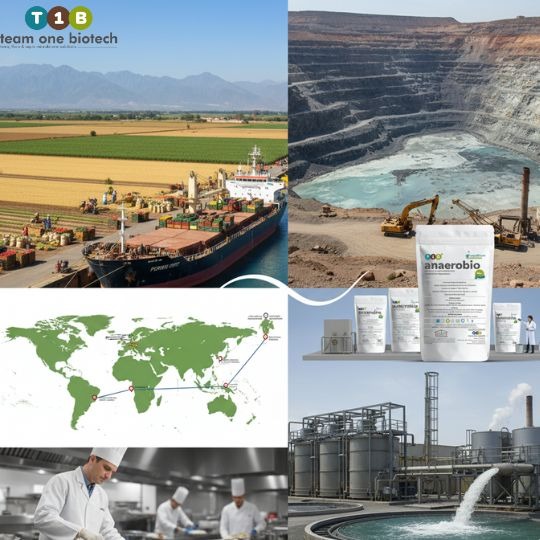
Peru ranks among the world’s leading exporters of fresh berries, asparagus, avocados, and grapes. The agricultural sector generates over $7 billion annually in export revenue, with coastal valleys producing crops destined for retailers in the United States, Europe, and Asia. This success depends entirely on water quality. International buyers impose stringent testing protocols. The detection of heavy metals, pesticides, or pathogenic bacteria in irrigation water triggers shipment rejection, loss of premium pricing, and potential delisting from major retail programs.
The irrigation water feeding these operations originates from river systems that also receive industrial discharge. A textile plant or fishmeal processor releasing inadequately treated effluent upstream can contaminate groundwater recharge zones or surface water diversions serving agricultural areas kilometers away. The connection between industrial wastewater management and agricultural export security becomes direct and immediate.
Bio-augmentation addresses this linkage at the source. Industrial operations that implement advanced biological treatment protect the watershed for downstream users. For agricultural operations themselves, especially those processing crops on-site or managing livestock waste, targeted microbial solutions prevent contamination entering irrigation systems.
Consider asparagus production in the Ica Valley, Peru’s asparagus capital. The vegetable requires substantial water input during growing phases. Drip irrigation using groundwater represents the norm, but aquifer depletion raises salinity concerns while industrial activities in the region introduce contamination risk. Several large agricultural operations have implemented bio-augmentation systems treating both their own wash water and managing small-scale wastewater from worker housing. The treated water undergoes testing confirming elimination of coliforms and reduction of total organic carbon (TOC) below levels that might affect produce safety.
The economic calculation for agricultural exporters becomes straightforward. A single container of premium berries bound for European markets might represent $60,000 in revenue. Shipment rejection due to irrigation water contamination doesn’t just eliminate that revenue, it jeopardizes future contracts and brand reputation. Investing $40,000 in biological treatment infrastructure that protects against this outcome delivers obvious value.
The microbiology deployed for agricultural applications emphasizes pathogen elimination and nutrient management. Nitrifying bacteria convert ammonia (toxic to many crops and a water quality concern) through nitrite to nitrate, a form plants readily absorb. Denitrifying bacteria in low-oxygen zones convert excess nitrate into nitrogen gas, preventing groundwater contamination. Bacteriophages targeting specific waterborne pathogens like E. coli provide an additional safety layer without chemical disinfectant residues that might affect beneficial soil microbiomes.
The Indian Connection: Lessons from Zero Liquid Discharge
India’s industrial environmental journey offers instructive parallels for South American operations. The country’s rapid industrialization created severe water pollution challenges, particularly in textile clusters like Tirupur, chemical manufacturing belts in Gujarat, and tannery operations in Tamil Nadu. Regulatory response came through increasingly strict enforcement of Zero Liquid Discharge (ZLD) mandates, requiring facilities to recycle all wastewater rather than discharging into surface or groundwater.
ZLD drives innovation by necessity. Chemical-only approaches to achieve true ZLD face prohibitive costs. Evaporation and crystallization systems consume massive energy. Reverse osmosis generates concentrated brine requiring disposal. The economics only work when biological treatment provides extensive pre-treatment, reducing contaminant loads before physical-chemical polishing.
Team One Biotech’s emergence from India’s environmental crucible provides crucial context for their South American solutions. The company developed its microbial consortia and treatment protocols under conditions analogous to Andean challenges: water scarcity, high-strength industrial waste, limited infrastructure, cost sensitivity, and stringent regulatory oversight. The systems that succeeded in Tirupur’s textile operations, managing dye-laden wastewater in hot, water-scarce conditions, translate directly to similar challenges in Peru’s textile hubs.
The Indian leather industry presents another relevant case study. Tanneries generate extremely high-strength wastewater containing chromium salts, sulfides, lime, and organic matter from hides. Chromium presents particular challenges, it exists in two oxidation states with different toxicity profiles and treatment requirements. Indian tanneries utilizing bio-augmentation systems demonstrated that specialized bacterial strains could reduce hexavalent chromium (highly toxic) to trivalent chromium (less toxic and easier to precipitate) while simultaneously degrading organic pollutants. These same principles apply to mining operations managing multiple heavy metal species in complex effluent matrices.
The climate parallels matter more than they might initially appear. India’s industrial regions experience extreme heat, intense UV exposure, and dramatic seasonal variation, conditions that stress biological systems. South American operations, whether in Peru’s coastal desert or Chilean high-altitude sites, face similar extremes. Microbes selected for thermotolerance, UV resistance, and metabolic flexibility in Indian conditions perform reliably in Andean environments where temperature swings from near-freezing to intense midday heat occur daily.
Perhaps most relevant is the business model evolution. Indian environmental regulations created demand not just for treatment systems but for ongoing microbial inoculant supply as facilities scale operations or address varying influent conditions. This generated the toll manufacturing and private labeling model that Team One Biotech now offers to South American partners, an approach proven across hundreds of installations in India’s diverse industrial landscape.
White Labeling and Strategic Partnerships: Your Brand, Our Science
Environmental consultancy firms throughout Chile and Peru face a common challenge: clients demand locally relevant solutions backed by international expertise. Importing finished products from distant suppliers creates lead time issues, inventory challenges, and pricing concerns. Developing proprietary microbial solutions requires investment in R&D infrastructure most consulting firms cannot justify.
Private labeling and toll manufacturing resolve this dilemma. Team One Biotech provides formulated microbial products that environmental consultants and local distributors can brand as their own. The science, quality control, and technical support originate from proven Indian manufacturing facilities with ISO certification and documented performance across thousands of industrial sites. The customer-facing brand and local support come from South American partners who understand regional regulatory requirements, speak clients’ languages, and provide responsive service.
This model works because it aligns incentives. Consultancy firms gain product lines that differentiate their offerings and generate recurring revenue as clients require ongoing inoculant supply. Local distributors access high-margin specialty products without R&D costs. End users receive solutions “made for the Andes” with technical backing from a supplier proven in similar challenging environments.
The manufacturing flexibility enables customization. A mining operation dealing primarily with copper and sulfate contamination requires a different microbial formulation than a gold mine managing cyanide and mercury. A coastal textile operation facing high temperatures needs a different consortium than a highland facility where cold temperatures slow biological activity. Team One Biotech’s production capabilities accommodate these variations, formulating specific consortia optimized for client conditions while maintaining consistent quality standards.
The business case for partners involves straightforward calculations. A consultancy firm that secures a contract for biological treatment at a mid-sized textile operation might sell $30,000 annually in inoculant and technical support services. Manufacturing margins on private-labeled products typically exceed those on engineering services or equipment supply. Across a portfolio of ten client sites, the recurring revenue stream becomes substantial while strengthening client relationships through successful outcomes.
Documentation and regulatory support within the partnership model addresses a critical pain point. Obtaining environmental permits in Chile and Peru requires extensive technical documentation, microorganism safety data, performance validation, operator training protocols. Team One Biotech provides these materials, adapted for South American regulatory frameworks, reducing the burden on local partners while ensuring compliance with Ministry of Environment requirements.
Logistics, Trust, and the Alibaba Advantage
International procurement for industrial operations involves inherent anxieties, particularly when dealing with biological products requiring specific handling and storage conditions. Microbial inoculants lose viability if exposed to temperature extremes or delayed in transit. Quality assurance at the source matters more than for inert chemicals.
Team One Biotech’s Alibaba Gold Supplier status addresses these concerns through verified credentials and trade assurance programs. The Gold Supplier designation requires third-party verification of manufacturing capabilities, business licensing, and quality management systems. For South American buyers unfamiliar with Indian suppliers, this verification reduces uncertainty.
Trade Assurance provides 100% protection on qualifying orders. Payment releases to the supplier only after shipment confirmation and quality verification at destination. If products arrive damaged or fail to meet specifications, dispute resolution through Alibaba’s platform protects the buyer’s financial interests. This framework enables operations managers to make initial trial orders with limited risk before committing to larger inventory positions.
The logistics chain for microbial products requires specific handling. Freeze-dried formulations tolerate ambient temperatures during shipping but require reconstitution protocols that preserve bacterial viability. Liquid formulations demand cold chain management, challenging for shipments crossing multiple climate zones and customs checkpoints. Team One Biotech’s packaging protocols account for these realities, using insulated containers with temperature loggers and documentation that facilitates customs clearance for biological products.
Lead times for trans-Pacific shipping typically range from 25-35 days port-to-port, with additional time for inland transportation to mining camps or industrial sites. Operations managers must forecast inoculant requirements sufficiently in advance to maintain treatment system performance. The supplier’s technical support extends to calculating usage rates based on wastewater characteristics and recommending appropriate inventory levels to buffer against supply chain disruptions.
The cost structure for international procurement includes more than product price. Freight, insurance, customs duties, and inland transportation accumulate. For bulk orders, typically 500 kilograms minimum for economic shipping, landed costs decrease substantially per unit. A mining operation might establish quarterly delivery schedules, accepting upfront inventory carrying costs in exchange for reduced per-unit acquisition expense and supply security.
Currency fluctuation adds another variable. Both Chile and Peru have experienced significant currency movements against the dollar and Indian rupee in recent years. Long-term supply agreements with fixed pricing clauses, subject to minimum order commitments, provide budget certainty for multi-year environmental management contracts. These arrangements benefit both parties: suppliers gain predictable order flow; buyers lock in pricing and secure supply continuity.
Technical Deep Dive: Microbial Mechanisms and System Design
Understanding how biological treatment achieves outcomes that elude chemical approaches requires examining the microbial processes at work. Advanced bio-augmentation isn’t simply adding bacteria to wastewater, it’s creating optimized environments where specific metabolic pathways degrade target contaminants efficiently.
Microbial degradation of organic pollutants proceeds through enzymatic oxidation. Bacteria and fungi produce extracellular enzymes, proteins that catalyze specific chemical reactions. Oxidoreductase enzymes, including peroxidases and laccases, attach oxygen to aromatic ring structures found in dyes and petroleum compounds, initiating breakdown. Hydrolase enzymes cleave ester and amide bonds in surfactants and sizing agents. Each contaminant class requires specific enzymatic activity, which necessitates carefully assembled microbial consortia rather than monocultures.
Heavy metal bioremediation employs multiple mechanisms. Biosorption involves passive binding of metal ions to bacterial cell walls and extracellular polymers, a rapid process not requiring cellular metabolism but with limited capacity. Bioaccumulation represents active metal uptake and concentration within cellular structures, slower but achieving higher metal removal percentages. Biotransformation changes metal oxidation states, rendering them less toxic and more easily precipitated. Chromium reduction from hexavalent to trivalent form exemplifies this mechanism.
System design determines whether these metabolic capabilities translate into practical wastewater treatment. Hydraulic retention time, how long wastewater remains in contact with microbial populations, must match contaminant degradation rates. Complex molecules like azo dyes require 24-48 hours for complete breakdown, while simpler organic acids might metabolize in 6-8 hours. Undersizing treatment systems to reduce capital cost inevitably produces inadequate treatment.
Oxygen management represents another critical parameter. Aerobic bacteria require dissolved oxygen for metabolism, typically 2-4 mg/L minimum. Achieving this in industrial wastewater, which often arrives oxygen-depleted due to high organic content, requires mechanical aeration or pure oxygen injection. Anaerobic processes, conversely, require excluding oxygen, accomplished through sealed reactor designs and sometimes positive pressure with inert gases. Many advanced systems employ multiple stages: initial anaerobic treatment for specific reactions like azo bond cleavage, followed by aerobic polishing for complete mineralization.
Nutrient ratios profoundly affect biological treatment performance. Bacteria require carbon (from pollutants or supplemental sources), nitrogen, phosphorus, and trace elements in specific ratios, approximately 100:5:1 carbon:nitrogen:phosphorus for balanced growth. Industrial wastewater often deviates from these ratios. Textile effluent might contain excess carbon but insufficient nitrogen. Mining wastewater could be carbon-deficient. Supplementing deficient nutrients through controlled addition of urea, ammonium salts, or phosphates optimizes microbial activity.
Temperature control, while challenging in remote locations, dramatically impacts treatment rates. Microbial metabolism approximately doubles for every 10°C increase up to optimal temperatures around 30-37°C for most species. High-altitude mining sites where ambient temperatures hover near 5-10°C require either heated reactors or psychrophilic (cold-adapted) strains. Conversely, textile operations in Lima’s summer may face temperatures exceeding 30°C, necessitating thermotolerant organisms or evaporative cooling systems.
pH stability within ranges suitable for microbial growth (typically 6.5-8.5, though acidophiles and alkaliphiles extend these bounds) requires monitoring and automatic adjustment. Mining effluent tends acidic; textile wastewater often alkaline due to caustic soda used in processing. Automated pH control systems using acid or base injection maintain optimal conditions without constant operator intervention, crucial for facilities lacking skilled personnel.
Case Applications: Real-World Results
A Chilean copper mining operation in the Atacama region faced persistent issues meeting discharge standards for selenium and molybdenum, trace elements in ore that concentrate during processing. Chemical precipitation proved ineffective at the low concentrations present but still above regulatory limits. A bio-augmentation system utilizing selenium-reducing bacteria (Bacillus selenitireducens) and molybdenum-accumulating strains reduced both contaminants below detection thresholds. The biological approach proved more cost-effective than reverse osmosis, which the operation had considered as an alternative. Annual operating costs decreased from projected $240,000 for RO to $85,000 for the biological system, including microbial inoculant, nutrients, and monitoring.
A Peruvian fishmeal processing plant in Chimbote confronted extremely high COD levels (12,000-15,000 mg/L) and ammonia concentrations approaching 400 mg/L, far exceeding municipal treatment plant acceptance criteria. Prior disposal relied on truck haulage to designated industrial wastewater facilities at $45 per cubic meter. An aerobic biological treatment system with specialized proteolytic (protein-degrading) bacteria reduced COD by 92% and ammonia by 95%. Treated water met municipal discharge standards, eliminating trucking costs entirely. The system paid for itself in eleven months purely through avoided disposal fees, before accounting for regulatory compliance benefits.
These examples share common elements: substantial cost savings, regulatory compliance achieved or exceeded, reduced operational complexity, and enhanced corporate environmental credentials. The operations employing these systems can now cite specific performance data when engaging with communities, regulators, and international stakeholders, quantified evidence of environmental stewardship rather than vague commitments.
Looking Forward: The Trajectory of Biological Solutions
Environmental regulations will continue tightening. Community expectations will rise. Water scarcity will intensify across the Andean region. These trends make advanced biological treatment not an optional enhancement but an operational necessity. The facilities that implement these solutions now gain first-mover advantages: accumulated operational experience, established regulatory compliance records, stronger community relationships, and lower costs as water pricing inevitably increases.
The technology trajectory favors biological approaches. Advances in microbial genetics enable engineering of strains with enhanced capabilities, bacteria producing higher enzyme concentrations, tolerating more extreme conditions, or degrading previously recalcitrant compounds. Real-time monitoring using biosensors embedded in treatment systems will enable predictive maintenance and optimized inoculant dosing. Integration with renewable energy, solar panels powering aeration systems in sun-drenched Atacama operations, addresses both cost and carbon footprint concerns.
For South American industrial operations, the question shifts from “whether” to “when” and “with whom.” The partnership model reduces risk, accelerates implementation, and creates opportunities for local environmental service providers to differentiate their offerings. Operations managers who investigate these solutions now position their facilities ahead of competitors still relying on chemical-only approaches that face inevitable obsolescence.
Next Steps for Your Operation
The complexity of biological wastewater treatment might seem daunting, but implementation support transforms sophisticated science into reliable operations. Team One Biotech offers technical consultations addressing your specific wastewater characteristics, regulatory requirements, and operational constraints. These consultations, conducted via video conference or on-site if needed, analyze your current treatment approach, identify opportunities for biological enhancement, and develop implementation roadmaps with cost-benefit projections.
For operations managers: Request a wastewater characterization analysis. Provide basic parameters, flow rates, major contaminants, current treatment costs, and receive a preliminary assessment of biological treatment feasibility and projected outcomes. This evaluation comes without obligation and helps determine whether the technology aligns with your specific needs.
For environmental consultancy firms: Explore the white labeling and partnership program. A brief conversation can outline how private-labeled biological products enhance your service portfolio, create recurring revenue streams, and differentiate your firm in competitive markets. Reference implementations in India and emerging South American case studies demonstrate the model’s viability.
For procurement teams: Visit the Team One Biotech Alibaba storefront. Review product specifications, read verified buyer testimonials, and initiate trade-assured orders that protect your investment. The platform facilitates secure international transactions while providing access to technical support throughout the purchasing and implementation process.
The blue water frontier demands action. Industrial operations that view wastewater treatment as merely regulatory compliance miss the strategic opportunity. Water scarcity transforms treated effluent from a disposal problem into a valuable resource. Biological recovery systems enable water recycling, reduce freshwater intake, protect surrounding ecosystems, and position operations as environmental leaders rather than polluters requiring tolerance.
The Atacama paradox, mineral wealth amid water poverty, need not define the region’s future. Advanced bio-augmentation technology, proven in India’s similarly challenging environments and now adapted for Andean conditions, offers a pathway forward. The science works. The economics justify investment. The regulatory and social imperatives create urgency.
Your next step is simple: reach out. Whether you’re managing a mine, operating a textile facility, exporting agricultural products, or consulting for firms facing these challenges, the conversation begins with understanding your specific situation and how biological solutions apply. The blue water frontier represents both challenge and opportunity. Those who navigate it successfully will define the region’s industrial future while protecting the communities and ecosystems that depend on every precious drop.
Contact Team One Biotech for technical consultation: Discuss your wastewater challenges with specialists experienced in mining, textile, and agricultural applications across challenging environments.
Explore partnership opportunities: Environmental consultants and distributors can learn about private labeling programs that add biological treatment capabilities to your service portfolio.
Visit our Alibaba Gold Supplier storefront: Access trade-assured ordering, verified product specifications, and secure international transactions at Alibaba Team One Biotech Store.
The solutions exist. The technology works. The time to implement is now, before the next regulatory tightening, the next community protest, the next water shortage that threatens operations. Begin the conversation today.
Looking to improve your ETP/STP efficiency with the right bioculture?
Talk to our experts at Team One Biotech for customised microbial solutions.
Contact: +91 8855050575
Email: sales@teamonebiotech.com
Visit: www.teamonebiotech.com
Discover More on YouTube – Watch our latest insights & innovations!-
Connect with Us on LinkedIn – Stay updated with expert content & trends!