
White Labeling for the GCC: Launching Your Own Agri-Biotech Brand in the UAE

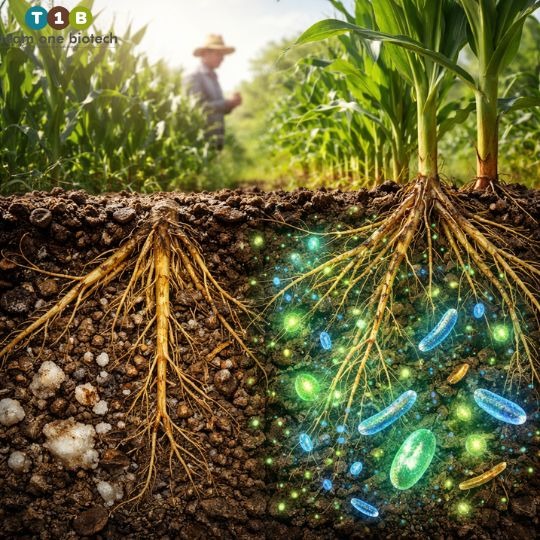
The United Arab Emirates is rewriting the rulebook on food production. In a nation where less than 1% of land is arable, vertical farms rise from desert sand, aquaculture facilities operate in former oil infrastructure, and government mandates are driving billions into agricultural innovation. This is not incremental progress, this is a fundamental reimagining of food security in one of the world’s most resource-constrained environments.

For investors and farm operators across the GCC, the moment has arrived. UAE Vision 2031 and the National Food Security Strategy 2051 have created a policy environment where sustainable Agri-Tech is not just encouraged, it’s essential. The question is no longer whether to invest in biological solutions for farming and aquaculture, but how to capture market share before the opportunity window closes.

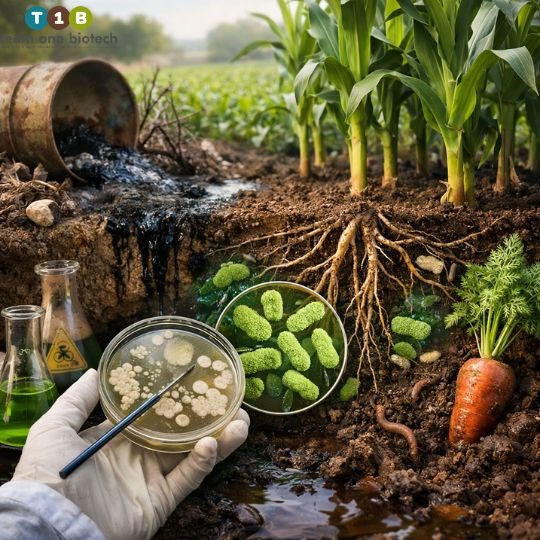
The answer lies in Agri-Biotech white labeling UAE, a strategic pathway that allows you to launch your own branded bioremediation and probiotic solutions without the decade-long R&D cycle, regulatory navigation, or manufacturing infrastructure typically required.

The GCC Agri-Biotech Gold Rush: Why This Moment Matters

The GCC Agri-Biotech Gold Rush: Why This Moment Matters

The convergence of three powerful forces has created an unprecedented opportunity for Agri-Tech entrepreneurs in the Emirates:

Policy-Driven Demand
The UAE government has committed to increasing local food production from 30% to 50% by 2031. Dubai’s Food Security Strategy specifically prioritizes sustainable farming technologies that reduce water consumption and chemical dependence. These are not aspirational goals, they are backed by sovereign wealth fund investment and regulatory incentives.

Environmental Necessity
Traditional agriculture faces insurmountable challenges in the GCC climate. Summer temperatures routinely exceed 45°C, groundwater salinity levels can reach 15,000 ppm, and water scarcity makes conventional chemical-intensive farming economically unsustainable. Bioremediation for aquaculture and probiotic soil amendments are not premium add-ons, they are survival requirements.

Market Vacuum
While demand for biological solutions is exploding, most international biotech brands treat the Middle East as an afterthought. Distribution is fragmented, products are often poorly adapted to extreme salinity and heat conditions, and technical support is minimal. The entrepreneur who establishes a credible “Made in UAE” biotech brand with localized formulations will dominate this emerging market.

What Is White Labeling? Your Fast Track to Market Leadership

What Is White Labeling? Your Fast Track to Market Leadership

White labeling allows you to sell proven, scientifically validated products under your own brand name. Rather than spending years developing formulations, navigating biosafety approvals, and building manufacturing capacity, you partner with an established biotech producer who handles the complex backend while you focus on brand building and customer relationships.

Here is what Agri-Biotech white labeling UAE specifically means for your business:

Skip the Lab Phase
Team One Biotech (T1B) has already invested in the R&D infrastructure, microbial strain selection, fermentation protocols, and stability testing required for commercial-grade bioremediation products. Your partnership grants immediate access to formulations proven in field trials across Asia, Africa, and the Middle East.

Regulatory Shortcut
Product registrations with UAE Ministry of Climate Change and Environment (MOCCAE) and similar GCC regulatory bodies can take 18-24 months. T1B’s existing compliance frameworks and documentation accelerate this timeline significantly, getting your branded products into customers’ hands faster.

Customization Without Complexity
Need specific bacterial strain combinations for high-salinity shrimp ponds? Want packaging sizes optimized for UAE vertical farms? White label partnerships allow formulation customization and regional adaptation without building your own lab team.

Capital Efficiency
Manufacturing biotechnology products requires bioreactor facilities, quality control laboratories, cold chain logistics, and specialized personnel. White labeling converts these massive capital expenditures into manageable operational costs, preserving your investment capital for marketing and customer acquisition.

The Aquaculture Opportunity: Where Biotech Delivers Immediate ROI

The Aquaculture Opportunity: Where Biotech Delivers Immediate ROI

The GCC’s sustainable farming GCC revolution is particularly pronounced in aquaculture. The UAE alone has committed to tripling domestic seafood production by 2030, with major expansions in shrimp farming, seabass cultivation, and recirculating aquaculture systems (RAS).

This creates massive demand for probiotic water treatment UAE solutions that address the sector’s most pressing operational challenges:

Water Quality Management
In intensive aquaculture systems operating in the Arabian Gulf’s high-salinity conditions, ammonia and nitrite accumulation can reach toxic levels within 48 hours. Probiotic bioremediation products containing Bacillus and Lactobacillus strains rapidly convert these toxic compounds into harmless nitrates, maintaining stable water parameters even at stocking densities that would crash conventional systems.

Feed Conversion Ratio Improvement
Feed costs represent 60-70% of aquaculture operating expenses. Probiotic supplements added to feed or water improve gut health in shrimp and fish, enhancing nutrient absorption and reducing feed requirements by 12-18%. For a mid-scale operation producing 500 tons annually, this translates to AED 400,000+ in annual savings.

Disease Suppression
Vibrio outbreaks, Early Mortality Syndrome (EMS), and white spot syndrome virus (WSSV) can destroy entire harvest cycles. Probiotic water treatment establishes beneficial bacterial populations that outcompete pathogenic species through competitive exclusion, dramatically reducing disease incidence without antibiotics.

Sludge Reduction
Organic waste accumulation in pond bottoms creates anaerobic conditions that produce hydrogen sulfide and methane, toxic gases that stress aquatic animals and reduce yields. Specialized bioremediation products accelerate sludge decomposition, maintaining healthy pond environments and extending operational cycles before cleanout becomes necessary.

For an Agri-Tech investment Dubai portfolio, aquaculture biotech offers something rare: measurable, immediate returns. Farm operators can quantify improvements in water quality, survival rates, and feed efficiency within a single production cycle, making the value proposition undeniable.

Beyond Aquaculture: Terrestrial Agriculture Applications

Beyond Aquaculture: Terrestrial Agriculture Applications

While aquaculture represents the fastest ROI opportunity, the broader agricultural sector in the GCC is equally hungry for biological solutions:

Desert Soil Rehabilitation
Emirate soils are predominantly sandy, low in organic matter, and high in salt content. Microbial soil amendments containing nitrogen-fixing bacteria, phosphate-solubilizing organisms, and organic matter decomposers transform marginal soils into productive growing media for greenhouse operations and controlled-environment agriculture.

Vertical Farm Optimization
The UAE leads the Middle East in indoor farming infrastructure. However, closed-loop hydroponic and aeroponic systems face unique challenges with biofilm formation and root disease pressure. Probiotic inoculants designed for soilless systems prevent Pythium and Fusarium outbreaks while maintaining optimal nutrient availability.

Date Palm Plantation Management
As the UAE’s agricultural heritage crop, date cultivation faces increasing pressure from red palm weevil infestations and declining soil fertility. Biological control agents and soil probiotics offer sustainable solutions that preserve the cultural and economic value of this critical sector.

The White Label Launch Roadmap: Your 6-Month Path to Market

Establishing your branded Agri-Biotech presence in the UAE requires strategic execution across six critical phases:

Phase 1: Market Positioning and Brand Development (Month 1)

Define your target customer segment: Are you serving commercial shrimp farms, greenhouse operators, or government agricultural initiatives? Your brand identity, messaging, and product portfolio must align with specific customer pain points.

Develop brand assets: company name, logo, packaging design that communicates both scientific credibility and regional relevance. The most successful UAE biotech brands balance modern biotechnology imagery with cultural authenticity.

Phase 2: Product Selection and Customization (Month 1-2)

Partner with T1B to identify which formulations best match your market segment and environmental conditions. For GCC aquaculture, prioritize products proven in high-salinity, high-temperature conditions.

Specify any regional customizations: packaging sizes, application instructions in Arabic, concentration adjustments for local water chemistry. This is where white labeling’s flexibility delivers competitive advantage.

Phase 3: Regulatory Navigation (Month 2-4)

Initiate product registration processes with UAE MOCCAE and equivalent bodies in target GCC markets (Saudi Food and Drug Authority, Kuwait EPA). Your white label partner should provide technical documentation, safety data sheets, and efficacy studies to support applications.

For aquaculture products specifically, engage with local fish health authorities early. Demonstrating antibiotic-free disease management aligns perfectly with GCC food safety priorities.

Phase 4: Manufacturing and Quality Verification (Month 3-4)

Place your initial production order with specifications for branded packaging. For UAE market entry, most entrepreneurs start with container-load quantities (20-foot refrigerated container) to balance inventory investment with per-unit costs.

Before committing to large-scale orders, leverage the Team One Biotech Official Alibaba Store to sample products and verify quality. This strategic gateway allows you to test formulations in your specific environmental conditions, conduct small-scale trials with target customers, and validate efficacy claims before investing in branded bulk orders.

Phase 5: Market Entry and Customer Acquisition (Month 4-6)

Launch with a focused pilot program: identify 3-5 early adopter customers willing to conduct side-by-side trials comparing your products against current solutions. Document improvements in water quality parameters, survival rates, or crop yields with data and testimonials.

Invest in technical sales support. GCC farm operators are sophisticated buyers who demand proof. Your ability to provide application guidance, troubleshoot challenges, and quantify ROI will differentiate your brand from generic import competitors.

Phase 6: Scale and Geographic Expansion (Month 6+)

Once you have established case studies and customer references in the UAE, geographic expansion into Saudi Arabia, Oman, Qatar, and Kuwait becomes substantially easier. GCC countries share similar environmental challenges, creating natural product-market fit across the region.

Consider vertical integration into complementary services: water quality testing, farm management consulting, or integrated pest management programs that position your branded products within comprehensive solutions.

Why Team One Biotech Is Your Ideal White Label Partner

The success of your Agri-Biotech white labeling UAE strategy depends entirely on your manufacturing partner’s capabilities. Team One Biotech offers several critical advantages:

Proven Middle Eastern Experience
Unlike biotech manufacturers focused exclusively on Asian or Western markets, T1B has extensive operational history in high-salinity, high-temperature environments similar to the GCC. Products are proven in conditions that mirror UAE aquaculture and agricultural realities.

Flexible Minimum Order Quantities
Many international biotech companies require prohibitively large initial orders. T1B’s white label program accommodates emerging brands with realistic MOQs that allow market validation before massive capital commitment.

Technical Support Infrastructure
Your brand’s reputation depends on effective customer support. T1B provides technical training, application protocols, and troubleshooting guidance that enables your team to deliver professional service even without extensive microbiology backgrounds.

Formulation Customization
The ability to adjust strain combinations, concentration levels, and carrier formulations for specific GCC applications creates genuine differentiation. Your competitors selling off-the-shelf imports cannot match products optimized for local conditions.

The Gateway: T1B Official Alibaba Store

Before committing to full white label partnership, prudent entrepreneurs validate product quality and market fit. The Team One Biotech Official Alibaba Store serves as your strategic entry point:

Sample and Test
Order commercial samples of T1B’s core aquaculture and agriculture products. Conduct trials in your target customers’ actual operations to generate preliminary efficacy data before branding investment.

Build Confidence
Alibaba’s transaction security, product ratings, and verified supplier status reduce risk for international partners. Review existing customer feedback and product performance data from global buyers.

Establish Relationship
Use initial sample orders to evaluate T1B’s responsiveness, technical knowledge, and willingness to customize solutions. The best white label partnerships are built on trust and communication, start small and scale strategically.

The Vision: Building a Regional Biotech Powerhouse

The UAE’s transformation from resource importer to agricultural innovator represents more than food security policy, it is a fundamental economic diversification strategy. The entrepreneurs who establish credible, locally-relevant Agri-Biotech brands in this environment are positioning themselves at the center of a multi-billion dirham market expansion.

Agri-Tech investment Dubai is no longer about betting on uncertain technologies. The science is proven. The regulatory environment is supportive. The customer demand is urgent and growing.

What remains is execution: partnering with the right biotech manufacturer, building a brand that resonates with GCC values and priorities, and delivering measurable value to farm operators facing unprecedented environmental challenges.

White labeling eliminates the traditional barriers, time, capital, expertise, that have kept regional entrepreneurs out of the biotech sector. The pathway is clear. The opportunity window is open.

The question is simple: Will you watch the GCC Agri-Biotech revolution unfold, or will you build a brand that defines it?

Ready to Launch Your Agri-Biotech Brand?

Team One Biotech partners with visionary entrepreneurs and farm operators across the GCC who are ready to establish market-leading biological solutions for agriculture and aquaculture.

Contact us today to discuss white label opportunities, request product samples through our Official Alibaba Store, or schedule a consultation about customized formulations for UAE environmental conditions.

The future of sustainable farming in the Emirates is biological. Your branded presence in this market starts now.

Looking to improve your ETP/STP efficiency with the right bioculture?
Talk to our experts at Team One Biotech for customised microbial solutions.

Contact+91 8855050575

Email:  sales@teamonebiotech.com

Visit: www.teamonebiotech.com

Discover More on YouTube – Watch our latest insights & innovations!-

Connect with Us on LinkedIn – Stay updated with expert content & trends!

Increasing Crop Resilience Against Drought and Heat Stress Using Microbes

The loo winds swept across the wheat fields of Bathinda in April 2024, carrying with them temperatures that touched 47°C. Harjit Singh watched his crop wilt despite having applied the recommended doses of urea and DAP. His tubewell ran dry by mid-May. That season, he lost 40% of his expected yield.

Harjit’s story is not isolated. Across Punjab, Haryana, Madhya Pradesh, and Maharashtra, farmers are confronting a harsh new reality: the fertilizers that once promised abundance are now powerless against the twin crises of erratic rainfall and relentless heat. The 2025 monsoon arrived three weeks late in parts of Vidarbha. When it did come, it brought flooding, not relief. Between these extremes, the soil, exhausted from decades of chemical dependency, has lost its ability to buffer crops against stress.

Restoring microbial life starts with a shift in management. Learn how to rebuild your soil’s resilience in our comprehensive guide: The Future of Indian Farming: A Guide to Bio-fertilizers and Soil Health.

This is not a problem that can be solved with another bag of NPK. The solution lies beneath our feet, in the billions of microorganisms that once made Indian soils among the most fertile on earth. Restoring that microbial life is not just about yields. It is about survival.

The Hidden Crisis Beneath Indian Farms

Walk into any agricultural supply store in rural India, and the shelves tell a story: stacks of urea, DAP, potash, and an ever-growing array of pesticides. For fifty years, this chemical-intensive model delivered results. But the soil has a memory, and it is now demanding payment.

Consider the numbers. Groundwater tables in Punjab have dropped by over 20 meters in the past two decades. Coastal regions in Gujarat and Andhra Pradesh battle increasing soil salinity as seawater intrusion worsens. In the black cotton soils of Maharashtra, organic carbon content has fallen below 0.5%, a threshold below which soil is considered biologically dead.

The problem is structural. Chemical fertilizers provide nutrients, but they do nothing to build soil structure or water-holding capacity. Repeated applications have disrupted the soil’s natural pH balance, killed beneficial microbes, and left behind residues that actually inhibit plant growth under stress conditions. When a heatwave strikes or rains fail, these soils have no resilience. They crack, harden, and release whatever moisture they held within hours.

This is where the conversation must shift. The question is no longer “how much fertilizer should I apply?” but rather “how do I rebuild my soil’s ability to protect my crops when nature turns hostile?”

The Invisible Shield: How Microbes Build Crop Resilience

How Microbes Build Crop Resilience

Soil is not merely a growing medium. It is a living ecosystem, home to bacteria, fungi, protozoa, and countless other organisms that form symbiotic relationships with plant roots. When these relationships are intact, crops can withstand stress that would otherwise be catastrophic.

At the heart of this system are Plant Growth-Promoting Rhizobacteria (PGPR) and mycorrhizal fungi. These microbes do not just feed the plant, they fundamentally alter how the plant responds to environmental stress.

What PGPR do during drought:

  • Produce ACC-deaminase enzymes that break down ethylene, the plant’s stress hormone
  • Synthesize osmolytes (compounds like proline and glycine betaine) that help plant cells maintain water balance
  • Secrete exopolysaccharides (EPS) that bind soil particles together, improving water retention
  • Enhance root branching and depth, allowing plants to access moisture from deeper soil layers

What mycorrhizal fungi contribute:

  • Extend root systems through fungal networks that can reach water sources up to 100 times farther than roots alone
  • Increase phosphorus uptake even in water-stressed conditions
  • Form protective sheaths around roots that reduce water loss
  • Break down organic matter, releasing nutrients slowly over time

The difference is measurable. Studies conducted on wheat in water-stressed conditions in Haryana showed that crops treated with PGPR maintained 65% higher relative water content in leaves compared to chemical-only treatments. In tomato crops subjected to 42°C heat stress in Karnataka, mycorrhizal inoculation reduced leaf wilting by 50% and maintained photosynthetic efficiency.

This is not theoretical. This is biology doing what chemistry cannot, preparing plants for uncertainty.

The Mechanics of Microbial Resilience

The Mechanics of Microbial Resilience

Understanding how microbes confer stress tolerance requires looking at what happens at the cellular level when a plant faces extreme heat or water scarcity.

When temperatures exceed 40°C, plants produce ethylene, a hormone that triggers premature aging, leaf abscission, and flower drop. PGPR bacteria containing ACC-deaminase cleave the ethylene precursor (ACC) before it can be converted into the stress hormone. The result: plants stay greener longer, retain flowers, and continue photosynthesis even under thermal stress.

During drought, plant cells lose turgor pressure and collapse. Microbes counter this by inducing the production of compatible solutes, organic compounds that stabilize proteins and cell membranes. Proline, for instance, acts like an internal antifreeze, protecting cellular machinery even as external water becomes scarce. Crops inoculated with proline-producing bacteria show significantly lower membrane damage and maintain higher stomatal conductivity.

Perhaps most importantly, microbial activity rebuilds soil architecture. Exopolysaccharides secreted by beneficial bacteria act as a biological glue, binding clay, silt, and organic matter into stable aggregates. These aggregates create pore spaces that hold water like a sponge while still allowing excess moisture to drain. In field trials across drought-prone regions of Rajasthan, soils treated with microbial consortia retained 30% more water at field capacity compared to untreated controls.

The heat tolerance mechanism is equally elegant. Certain thermotolerant bacteria produce heat shock proteins (HSPs) that transfer to plant roots. These proteins help stabilize enzymes and cell membranes, essentially teaching the plant to function at temperatures that would otherwise denature its critical proteins.

Bioremediation: Healing Soil Before Rebuilding It

Bioremediation: Healing Soil Before Rebuilding It

Here is where Team One Biotech’s expertise becomes essential. Introducing beneficial microbes into chemically saturated soil is like planting seeds in concrete. The soil must first be detoxified.

Bioremediation addresses the legacy of chemical agriculture by using specialized microorganisms to break down pesticide residues, heavy metals, and excess salts that have accumulated over decades. This is not a cosmetic fix. It is a restoration of the soil’s biological capacity.

In coastal Andhra Pradesh, where soil salinity has made large tracts unviable for traditional crops, bioremediation protocols using halotolerant bacteria have reduced electrical conductivity (EC) levels by up to 40% within two cropping seasons. In Punjab fields contaminated with lindane and chlorpyrifos residues from decades of pesticide use, targeted microbial consortia degraded these compounds, allowing subsequent bio-fertilizer applications to establish successfully.

The principle is simple: you cannot expect beneficial microbes to colonize hostile environments. Bioremediation creates the conditions for biological regeneration. It is the foundation upon which microbial crop resilience is built.

Team One Biotech approaches this systematically. Soil testing identifies specific contaminants and deficiencies. Custom microbial formulations target those issues. Over time, the native microbial population rebounds, creating a self-sustaining system where beneficial organisms proliferate naturally.

This is not a one-season intervention. It is a multi-year commitment to soil health that pays dividends in drought resistance, heat tolerance, and ultimately, stable yields regardless of weather extremes.

Practical Steps for Indian Farmers: Transitioning to Bio-Integrated Systems

Practical Steps for Indian Farmers: Transitioning to Bio-Integrated Systems

The shift from chemical dependency to biological resilience does not happen overnight, nor does it require abandoning conventional inputs entirely, at least not initially. The goal is integration, not replacement.

Year One: Assessment and Foundation

  • Conduct comprehensive soil testing including microbial biomass, organic carbon, and contaminant screening
  • Apply bioremediation formulations to address chemical residues and pH imbalances
  • Reduce chemical fertilizer input by 25%, replacing with microbial seed treatments and soil inoculants
  • Focus on PGPR formulations that contain ACC-deaminase producing strains

Year Two: Expansion

  • Introduce mycorrhizal fungi alongside bacterial inoculants
  • Incorporate organic amendments (vermicompost, farm yard manure) to feed the growing microbial population
  • Reduce chemical inputs by another 25%
  • Monitor water retention capacity and crop stress indicators

Year Three: Optimization

  • Aim for 50% reduction in chemical fertilizers while maintaining or exceeding previous yield levels
  • Implement cover cropping during off-seasons to maintain microbial activity
  • Use bio-fertilizers as the primary nutrient source with chemicals only as targeted supplements

Critical practices throughout:

  • Avoid broad-spectrum fungicides that kill beneficial microbes along with pathogens
  • Maintain soil moisture during establishment phase through drip irrigation or mulching
  • Test soil microbial counts annually to track biological recovery

Farmers in Jalgaon, Maharashtra, following this protocol reported 35% lower irrigation requirements by the third year while maintaining comparable cotton yields despite two consecutive low-rainfall seasons. The soil’s improved structure and active microbial community created a buffer against climatic variability that chemicals alone could never provide.

A Living Future for Indian Agriculture

The Second Green Revolution will not be written in fertilizer bags. It will be measured in the invisible life beneath our feet, the bacteria that teach plants to conserve water, the fungi that extend roots into untapped reserves, the enzymes that neutralize stress before it can damage yields.

Team One Biotech’s work in bioremediation and bio-solutions represents more than products. It is a recognition that Indian agriculture needs healing before it can become resilient. The degraded soils of Punjab, the saline fields of Gujarat, the heat-stressed farms of Vidarbha, these are not lost causes. They are ecosystems waiting to be reawakened.

Microbial crop resilience is not about returning to pre-modern farming. It is about applying cutting-edge biological science to restore the natural mechanisms that made Indian soils legendary. When PGPR reduces ethylene stress, when mycorrhizae extend water access, when bioremediation clears decades of chemical burden, we are not romanticizing tradition. We are deploying precision biology to solve modern problems.

The farmers who adopt these systems will not do so because of sentiment. They will do so because when the loo winds blow at 47°C, when the monsoon fails for the third year running, their crops will still stand. Their soil will still hold water. Their families will still eat.

Ready to transform your farm’s resilience against climate extremes? Connect with Team One Biotech’s agronomy team for a customized soil health assessment and microbial solution plan tailored to your region’s specific challenges. Because sustainable yields begin with living soil.

Looking to improve your ETP/STP efficiency with the right bioculture?
Talk to our experts at Team One Biotech for customised microbial solutions.

Contact+91 8855050575

Email:  sales@teamonebiotech.com

Visit: www.teamonebiotech.com

Discover More on YouTube – Watch our latest insights & innovations!-

Connect with Us on LinkedIn – Stay updated with expert content & trends!

Bio-fertilizers for Drip Irrigation: Benefits and Best Practices

Ramesh Patil had done everything right. Or so he thought.

The 48-year-old sugarcane farmer from Sangli district had invested heavily in drip irrigation five years ago, convinced it would solve his water problems and boost yields. He’d followed the advice of every fertilizer dealer in the market, pumping his fields with potassium nitrate, phosphoric acid, and urea through those precision emitters. His soil test reports showed adequate NPK levels. Yet, season after season, his yields plateaued and then began to decline.

The earth had become hard. Unresponsive. Dead.

What Ramesh didn’t know, what thousands of Indian farmers are only now discovering, is that he’d been feeding the plant while starving the soil. His drip system, that marvel of modern agriculture, had become a delivery mechanism for a slow poisoning. The chemical salts had built up. The soil pH had crashed. And most critically, the billions of microorganisms that once made his soil alive had simply disappeared.

This is the hard earth reality facing Indian agriculture today. But it’s also the doorway to a profound transformation, one that begins not with more chemicals, but with restoring the biological intelligence of our soils through bio-fertilizers in drip irrigation.

To understand how to implement these biological solutions in your own fields, read our full report: The Future of Indian Farming: A Guide to Bio-fertilizers and Soil Health.

The Silent Crisis in Indian Soils

Let’s speak plainly about what’s happening beneath our feet.

The Punjab breadbasket, which fed the Green Revolution, now suffers from such severe micronutrient deficiency and organic carbon depletion that wheat yields have stagnated for over a decade. In Maharashtra’s grape belt, soil salinity has rendered thousands of hectares marginal. Cotton farmers in Vidarbha pump more DAP every year while watching their input costs devour their profits and their soil structure collapse into powder.

The government’s Soil Health Card scheme has confirmed what traditional farmers always knew: healthy soil is living soil. Current data shows that over 60% of Indian agricultural soils are deficient in organic carbon, with levels below the critical 0.5% threshold. When organic matter dies, so does the soil’s capacity to hold water, cycle nutrients, or support plant immunity.

Chemical fertilizers deliver nutrients, yes, but they’re hardware without software. They don’t build soil structure. They don’t create nutrient banks. They don’t protect roots from pathogens or help crops withstand drought stress. They’re a transaction, not a relationship.

Bio-fertilizers, by contrast, are the soil’s software engineers.

Understanding the Science of Bio-Fertigation

Understanding the Science of Bio-Fertigation

Fertigation, the practice of delivering fertilizers through irrigation systems, revolutionized precision agriculture. When you combine this precision with biological inputs rather than chemical ones, you create something entirely new: a living delivery system that rebuilds soil health while feeding crops.

Here’s how the science works:

Nitrogen Fixation Through the Drip Line

Liquid bio-fertilizers containing Azotobacter and Rhizobium species don’t just supply nitrogen, they colonize the root zone and manufacture it from atmospheric sources. When delivered through drip irrigation, these bacteria establish themselves in the exact zone where root activity is highest. In a properly managed system, these microbes can fix 20-30 kg of nitrogen per hectare per season, reducing chemical nitrogen dependence by up to 25%.

Phosphorus Solubilization at the Emitter Point

Phosphate-solubilizing bacteria (PSB) like Bacillus megaterium and Pseudomonas species work differently than DAP. They don’t add phosphorus, they unlock what’s already there. Indian soils often contain 300-500 kg of bound phosphorus per hectare that plants cannot access. PSB produce organic acids that release this locked phosphate, making it bioavailable exactly where the drip emitter creates that moist, active root zone.

The Potassium Connection

Potash-mobilizing bacteria work on the same principle, transforming insoluble potassium minerals in the soil into plant-available forms. This is particularly crucial for crops like pomegranate and grapes, which are heavy potassium feeders.

The beauty of bio-fertigation is precision meets biology. You’re not broadcasting microbes across a field and hoping they survive. You’re placing them, with water, directly into the active root zone where they can immediately begin their work.

The Technical Challenge: Making Biology Work in Drip Systems

The Technical Challenge: Making Biology Work in Drip Systems

Here’s where many farmers stumble, and understandably so. Drip irrigation systems are engineered for liquid chemicals, inert, stable, predictable. Living organisms are none of these things. They need oxygen. They can clump. They can potentially clog those tiny emitter holes that cost thousands of rupees per acre to install.

But these challenges are entirely solvable with proper technique.

Filtration is Non-Negotiable

Your drip system should already have screen or disc filters for preventing sediment clogging. For bio-fertilizers, these same filters work, but you need to be more vigilant. Use filters in the 120-200 mesh range. After applying bio-fertilizers, flush the system with clean water for 10-15 minutes. This prevents any bacterial biomass from settling in the laterals overnight.

Quality liquid bio-fertilizers formulated for fertigation should have minimal suspended solids. If you’re seeing thick sludge or sediment in the bottle, that’s a red flag about manufacturing quality.

Timing Matters More Than You Think

Apply bio-fertilizers during the cooler parts of the day, early morning before 9 AM or late evening after 5 PM. This isn’t just folklore. UV radiation kills beneficial bacteria. High temperatures stress them. Applying during midday in the Indian summer is essentially sterilizing your product in the field.

Moreover, cooler temperatures mean the irrigation water itself is cooler, and these microorganisms are sensitive to thermal shock. Water temperature above 35°C significantly reduces bacterial survival.

The Farmer’s Manual: Best Practices for Bio-Fertigation

The Farmer's Manual: Best Practices for Bio-Fertigation

Let me give you a protocol that works, tested across thousands of acres from Nashik’s grape farms to Davangere’s cotton fields.

Pre-Application: The Jar Test

Before you inject any bio-fertilizer into your system, do this simple compatibility test. Take a clean glass jar. Add 100 ml of your irrigation water. Add the recommended dose of bio-fertilizer. If you’re using any other inputs, add them in sequence. Wait 30 minutes.

What you’re looking for: the solution should remain uniformly mixed without precipitation, flocculation, or phase separation. If you see particles settling or layers forming, you have a chemical incompatibility. Bio-fertilizers are generally incompatible with strongly acidic fertilizers (pH below 4) or heavy metal-containing compounds.

Application Protocol

Step 1: Irrigate First Run your drip system with plain water for 15-20 minutes. This primes the soil, creates uniform moisture, and ensures your emitters are functioning properly.

Step 2: Prepare the Bio-Fertilizer Solution In a clean container, mix the liquid bio-fertilizer with water at the manufacturer’s recommended dilution. For most products, this is 2-5 liters per acre diluted in 50-100 liters of water. Never mix concentrated bio-fertilizer directly into your fertilizer tank.

Step 3: Inject and Monitor Using your venturi system or fertilizer tank, inject the bio-fertilizer solution over 30-45 minutes. This slow injection ensures even distribution. Walk your field and check that all emitters are flowing uniformly.

Step 4: Flush the System This is the step farmers skip, and it’s costly. After bio-fertilizer injection, continue irrigation with clean water for another 15-20 minutes. This pushes the solution out of the laterals and into the root zone, preventing microbial buildup in the lines.

Storage Discipline

Liquid bio-fertilizers are living products with shelf lives. Store them in a cool, shaded location, never in direct sunlight or in a tin shed where summer temperatures exceed 40°C. Most products remain viable for 12-18 months if stored properly, but check expiration dates. A dead bio-fertilizer is just expensive water.

Frequency and Dosage

For crops like sugarcane and cotton with 5-6 month growth cycles, apply bio-fertilizers through drip every 20-30 days during active growth phases. For perennials like pomegranate and grapes, monthly applications during the growing season yield best results. The key is consistency, you’re building a microbial community, not delivering a one-time nutrient hit.

Chemical Fertigation vs. Bio-Fertigation: The Real Comparison

ParameterChemical FertigationBio-Fertigation
Nutrient DeliveryImmediate, directGradual, continuous through microbial activity
Soil ImpactIncreases salinity, reduces pH, depletes organic matterImproves structure, increases organic carbon, balances pH
Cost Over TimeEscalating (resistance, degradation)Decreasing (builds soil fertility)
Water RequirementHigh (leaching needed)Lower (improved moisture retention)
Crop ImmunityNoneEnhanced through root colonization
Compatibility IssuesAcidic products can corrodeMinimal if pH managed
Residual EffectNoneMicrobial populations persist season-to-season
Environmental ImpactGroundwater contamination, emissionsRegenerative, carbon-sequestering

This table tells a story. Chemical fertigation is a sprint that exhausts the runner. Bio-fertigation is training that builds endurance.

The Bioremediation Dimension: Healing Damaged Soils

The Bioremediation Dimension: Healing Damaged Soils

Here’s where we need to talk about soils that are already compromised, and there are millions of hectares in this category across India.

Bioremediation is the use of living organisms to restore degraded environments. In agriculture, it means using specific microbial consortia to reverse chemical damage, break down pesticide residues, and rebuild soil organic matter.

Consider a cotton field in Yavatmal that’s received heavy applications of chemical fertilizers and pesticides for 20 years. The soil is compacted, acidic, and biologically depleted. You can’t fix this overnight with compost or organic matter alone, you need microbial intervention to restart the biological processes that make soil healthy.

This is where specialized bio-fertilizers go beyond simple nutrient provision. Products containing diverse microbial communities, nitrogen fixers, phosphate solubilizers, potash mobilizers, and cellulolytic bacteria, work together to:

  • Break down accumulated chemical residues
  • Restore soil pH through organic acid production
  • Rebuild soil structure through bacterial exopolysaccharides
  • Restart nutrient cycling that has been dormant

Think of it as rebooting the soil’s operating system. You’re not just adding inputs, you’re restoring function.

The beauty of delivering these bioremediation agents through drip irrigation is precision. You can target specific problem areas. You can monitor recovery through root zone sampling. And because you’re delivering regularly with irrigation, you maintain consistent microbial populations rather than relying on a single broadcast application that degrades over time.

Why This Matters Now: The Economic and Ecological Imperative

Let’s return to Ramesh Patil, our sugarcane farmer. After learning about bio-fertigation, he made a simple calculation.

His annual chemical fertilizer bill through drip: ₹45,000 per acre. His yield: 85 tons per acre, declining. His soil: degraded, requiring increasing inputs each year.

He switched to an integrated approach, 60% of his previous chemical fertilizers plus regular bio-fertilizer applications. First season cost: ₹38,000 per acre. Yield: 87 tons. Soil organic carbon: increased from 0.42% to 0.51% (measured via Soil Health Card).

Second season: ₹35,000 per acre. Yield: 92 tons. Water requirement: reduced by 12% due to improved soil moisture retention.

Third season: ₹32,000 per acre. Yield: 95 tons. Disease pressure: noticeably reduced.

The economics work because biology compounds. Chemical inputs deplete and require more. Biological inputs build and require less.

Moving Forward: Your Soil’s Future Starts Today

The transition to bio-fertigation isn’t about abandoning modern agriculture, it’s about upgrading it. Your drip system isn’t the problem; it’s the solution delivery mechanism. The question is: what are you delivering?

Indian farming stands at an inflection point. We can continue down the path of increasing chemical dependence, declining soil health, and marginal economics. Or we can recognize that the most sophisticated agricultural technology isn’t in a factory, it’s in the soil, waiting to be awakened.

Bio-fertilizers through drip irrigation represent the convergence of precision agriculture and biological intelligence. They’re not a return to the past, but a step into a more sophisticated future where we work with nature’s systems rather than against them.

Your soil is not dead. It’s dormant. And every time you run that drip line, you have a choice: suppress or support, deplete or restore, extract or regenerate.

Ready to transform your soil from hard earth to living ecosystem? Team One Biotech specializes in bioremediation and soil health solutions designed specifically for Indian farming conditions. Our liquid bio-fertilizer range is engineered for drip irrigation systems, combining nitrogen fixers, phosphate solubilizers, and potassium mobilizers in formulations that won’t clog your emitters or compromise your investment. Visit our website or contact our agronomy team for a customized soil restoration plan. Because healthy soil isn’t just about this season’s yield, it’s about the next generation’s inheritance.

Looking to improve your ETP/STP efficiency with the right bioculture?
Talk to our experts at Team One Biotech for customised microbial solutions.

Contact+91 8855050575

Email:  sales@teamonebiotech.com

Visit: www.teamonebiotech.com

Discover More on YouTube – Watch our latest insights & innovations!-

Connect with Us on LinkedIn – Stay updated with expert content & trends!

What is PGPR (Plant Growth Promoting Rhizobacteria) and Why Your Crops Need It? 

There is a conversation happening in farmhouses across Punjab, Haryana, and the Deccan plateau that rarely reaches urban India. It is not about market prices or monsoon delays. It is about exhaustion, the exhaustion of soil that has been asked to produce without pause for over five decades.

An elderly farmer in Bathinda told me last monsoon season that his grandfather’s fields once required only farmyard manure and the wisdom of crop rotation. Today, even with three bags of DAP per acre, his wheat yield plateaus at 45 quintals, the same output his father achieved in 1995 with half the chemical inputs. The land, he said, has become “addicted but never satisfied.”

This is not poetic exaggeration. This is the documented reality of Indian soil health in 2026. The Green Revolution, which saved millions from hunger, came with a hidden invoice. Continuous cropping of rice-wheat systems, reliance on high-analysis NPK fertilizers, and the abandonment of organic amendments have created what soil scientists call “biological desertification.” Soil Organic Carbon levels in the Indo-Gangetic plains have crashed from approximately 1% in the 1960s to a dangerously low 0.3% in many intensive cropping zones. The microbiome, the invisible workforce of billions of bacteria, fungi, and actinomycetes, has been decimated.

The NPK ratio tells the story in numbers. The ideal fertilizer application ratio is 4:2:1 (Nitrogen:Phosphorus:Potassium). In 2026, India’s average application ratio has distorted to 7.7:3.1:1. We are force-feeding nitrogen while creating phosphorus and potassium imbalances. Worse, over 60% of applied phosphorus becomes “locked” in soil through chemical fixation, unavailable to plants despite its presence.

To learn how to implement these biological corrections on your own land, explore our comprehensive resource: The Future of Indian Farming: A Guide to Bio-fertilizers and Soil Health.

This is where Plant Growth Promoting Rhizobacteria emerges not as a trendy agricultural fad, but as a biological correction to a systemic crisis.

For the Time-Pressed Farmer:

  • PGPR biofertilizers India are beneficial bacteria that colonize plant roots, fixing nitrogen and solubilizing phosphates naturally
  • Indian soils have degraded from 1% to 0.3% Soil Organic Carbon in major grain belts, creating a biological crisis
  • PGPR microbial consortiums offer nitrogen fixation, phosphate solubilization, heavy metal detoxification, and stress resistance
  • Traditional chemical NPK ratios have shifted from the ideal 4:2:1 to an alarming 7.7:3.1:1, causing nutrient imbalances
  • Bioremediation in agriculture using PGPR can restore soil health while reducing input costs by 30-40% over three seasons
  • Team One Biotech solutions combine decades of bioremediation expertise with India-specific microbial formulations

Defining the Hero: What Exactly is PGPR?

Defining the Hero: What Exactly is PGPR?

Plant Growth Promoting Rhizobacteria are naturally occurring soil bacteria that establish symbiotic or associative relationships with plant roots. They colonize the rhizosphere, the narrow zone of soil directly influenced by root secretions and associated soil microorganisms. Think of the rhizosphere as the plant’s gut. Just as your digestive system relies on beneficial bacteria to break down food and synthesize vitamins, plants depend on rhizosphere microbes to mobilize nutrients, defend against pathogens, and regulate stress responses.

PGPR species include genera such as Azotobacter, Azospirillum, Bacillus, Pseudomonas, Rhizobium, and Paenibacillus. These are not genetically modified organisms. They are indigenous soil inhabitants that modern agriculture has inadvertently suppressed through chemical intensity. Sustainable farming solutions now focus on reintroducing these microbial allies through carefully formulated bio-fertilizers.

The difference between chemical fertilizers and PGPR biofertilizers is fundamental. Chemical fertilizers supply nutrients directly, often in excess, creating dependency and environmental runoff. PGPR biofertilizers restore the soil’s biological capacity to mobilize, cycle, and protect nutrients. They teach the soil to feed itself again.

The 4 Pillars of PGPR Power

The 4 Pillars of PGPR Power

1. Nitrogen Fixation: The Atmospheric Harvest

Certain PGPR strains possess the enzymatic machinery to convert atmospheric nitrogen into ammonia through biological nitrogen fixation. Bacteria like Azotobacter and Azospirillum can provide 20-40 kg of nitrogen per hectare per season. For leguminous crops, Rhizobium species form root nodules, fixing up to 100-200 kg N per hectare.

This is nitrogen that costs nothing, produces no greenhouse gases, and requires no fossil fuel synthesis. In a country where urea subsidies strain government budgets and farmer purchasing power alike, biological nitrogen fixation represents economic and ecological liberation.

2. Phosphate Solubilization: Unlocking the Frozen Bank

Indian soils contain vast reserves of phosphorus, but 95% of it is locked in insoluble mineral forms that plant roots cannot access. PGPR species like Bacillus megaterium and Pseudomonas fluorescens secrete organic acids (gluconic acid, citric acid) and phosphatase enzymes that dissolve these mineral phosphates, converting them into plant-available forms.

This is not hypothetical. Field trials across Maharashtra and Andhra Pradesh have demonstrated that phosphate-solubilizing bacteria can reduce the need for DAP by 25-30% while maintaining or improving yields. The phosphorus was always there. It simply needed the right biological mediator.

3. Siderophore Production: The Iron Cavalry

Iron is the fourth most abundant element in soil, yet plants frequently suffer iron deficiency because available iron oxidizes into insoluble ferric forms. PGPR produce siderophores, organic compounds that chelate (grab) iron and transport it to plant roots. This mechanism also competitively starves pathogenic fungi and bacteria of iron, acting as a biological defense system.

4. Phytohormone Regulation: The Stress Resistance Shield

PGPR synthesize plant hormones including indole-3-acetic acid (IAA), cytokinins, and gibberellins. These hormones enhance root architecture, improve water uptake efficiency, and activate stress tolerance pathways. During drought, salinity, or temperature stress, conditions increasingly common in India’s changing climate, PGPR-inoculated crops show measurably higher resilience.

Research from Tamil Nadu Agricultural University documented that cotton plants treated with PGPR microbial consortiums maintained 22% higher relative water content during drought stress compared to untreated controls.

Why Chemical-Only Farming is Failing: The Nutrient Lock-In Trap

Why Chemical-Only Farming is Failing: The Nutrient Lock-In Trap

The paradox of modern Indian agriculture is this: we apply more fertilizer than ever, yet nutrient use efficiency declines yearly. The average nitrogen use efficiency in Indian agriculture is barely 30-35%. That means for every 100 kg of urea applied, the crop utilizes only 30-35 kg. The remainder volatilizes into the atmosphere, leaches into groundwater, or remains locked in soil complexes.

Continuous chemical application also disrupts soil pH. Overuse of urea acidifies soil, while excess DAP increases soil alkalinity in certain conditions. Both extremes reduce microbial activity and nutrient availability. Soil salinity, already affecting 6.73 million hectares of Indian land, worsens under high-intensity chemical regimes, particularly in canal-irrigated regions.

Chemical fertilizers deliver nutrients but destroy the biological infrastructure needed to cycle them. PGPR biofertilizers rebuild that infrastructure. They are not a replacement for all chemical inputs immediately, but they are the bridge back to biological competence.

Bioremediation: PGPR as Soil Detoxification Agents

Bioremediation: PGPR as Soil Detoxification Agents

One of the least discussed yet most critical functions of PGPR is bioremediation in agriculture. Decades of pesticide application, industrial pollution, and irrigation with contaminated water have left many Indian soils laden with heavy metals (lead, cadmium, chromium) and persistent organic pollutants.

Specific PGPR strains possess remarkable bioremediation capabilities. They can:

  • Immobilize heavy metals: Bacteria secrete exopolysaccharides that bind heavy metals, preventing plant uptake and groundwater contamination
  • Degrade pesticide residues: Strains of Pseudomonas and Bacillus enzymatically break down organophosphates and chlorinated pesticides
  • Reduce soil toxicity: By restoring microbial diversity, PGPR create competitive environments that suppress toxin-producing organisms

Team One Biotech’s expertise in bioremediation positions us uniquely in this space. We do not simply sell bio-fertilizers. We engineer microbial consortiums tested for efficacy in contaminated soils, validated through third-party field trials across diverse Indian agro-climatic zones.

Application Guide: Practical Deployment for Indian Farmers

Seed Treatment Method

For crops like wheat, rice, pulses, and millets:

  • Mix 10 ml of liquid PGPR formulation per kg of seed
  • Add a sticking agent (jaggery solution or gum arabica)
  • Dry seeds in shade for 30 minutes
  • Sow within 24 hours for maximum bacterial viability

Soil Drenching Method

For transplanted crops (tomato, chili, brinjal, paddy):

  • Dilute 2-3 liters of PGPR liquid formulation in 200 liters of water
  • Drench soil near root zone immediately after transplanting
  • Repeat application at 30-day intervals during vegetative growth

Application Timing

  • Apply during cooler parts of the day (early morning or late evening)
  • Ensure adequate soil moisture for bacterial establishment
  • Avoid application immediately after chemical pesticide use (wait 7-10 days)

Storage Protocols

PGPR formulations are living products. Store in cool, shaded conditions. Do not expose to direct sunlight or temperatures above 35°C. Check expiry dates and viable bacterial counts before purchase.

Traditional Chemical Fertilizers vs. PGPR-Enhanced Bio-fertilizers

ParameterTraditional Chemical FertilizersPGPR-Enhanced Bio-fertilizers
Yield StabilityHigh initial yield spike followed by plateau or decline over 3-5 yearsGradual yield improvement with sustained stability over long term
Soil Health ImpactDepletes Soil Organic Carbon, reduces microbial diversity, increases salinity riskRebuilds soil microbiome, improves soil structure, enhances organic carbon sequestration
Long-term CostEscalating input costs due to nutrient lock-in and increasing application ratesReduced input dependency, 30-40% cost savings after 3 seasons, improved nutrient use efficiency
Environmental FootprintHigh greenhouse gas emissions, groundwater nitrate contamination, eutrophication of water bodiesMinimal environmental impact, carbon negative, promotes ecosystem services
Drought/Stress ResilienceNo inherent stress mitigationEnhanced drought, salinity, and temperature stress tolerance through phytohormone regulation

The Team One Biotech Edge: Scaling Soil Health Restoration for the Modern Indian Farm

Team One Biotech does not approach bioremediation and bio-fertilizer development as a laboratory curiosity. We bring decades of environmental remediation experience, from treating industrial effluents to restoring mining-affected lands, into agricultural applications.

Our PGPR formulations are:

  • Region-specific: Isolated from Indian soils, adapted to Indian climatic stresses
  • Multi-strain consortiums: Not single-strain products, but synergistic combinations that address nitrogen fixation, phosphate solubilization, and stress resistance simultaneously
  • Quality-assured: Minimum viable bacterial counts of 10^8 CFU/ml, validated shelf life, contamination-free production
  • Field-tested: Demonstrated efficacy across rice, wheat, cotton, pulses, and horticultural crops in over 15 states

We understand that Indian farmers need solutions that work within their economic realities and cropping calendars. Our technical support extends beyond product sales to soil testing, application training, and season-long agronomic guidance.

Restoration, Not Just Production

The future of Indian farming will not be written by those who extract maximum yield from minimum biology. It will be authored by farmers who understand that soil is not a substrate, but a living system. PGPR biofertilizers India represent more than a product category. They are a recognition that the biology we removed in the pursuit of yield must be consciously restored if agriculture is to remain viable.

The transition to sustainable farming solutions is not romantic idealism. It is survival economics. As input costs rise, groundwater depletes, and climate volatility intensifies, the farms that endure will be those that rebuild biological resilience.

Your soil is not dead. It is waiting to be reawakened.

Is your soil ready for the future?

Contact Team One Biotech for a comprehensive soil health assessment and customized PGPR application plan tailored to your crops, region, and soil conditions.

Let us partner in restoring not just your yields, but the biological legacy of your land. The soil remembers. It is time we helped it heal.

Looking to improve your ETP/STP efficiency with the right bioculture?
Talk to our experts at Team One Biotech for customised microbial solutions.

Contact+91 8855050575

Email:  sales@teamonebiotech.com

Visit: www.teamonebiotech.com

Discover More on YouTube – Watch our latest insights & innovations!-

Connect with Us on LinkedIn – Stay updated with expert content & trends!
The Science Behind Soil Microbes and Plant Growth
The Science Behind Soil Microbes, biofertilizers and Plant Growth

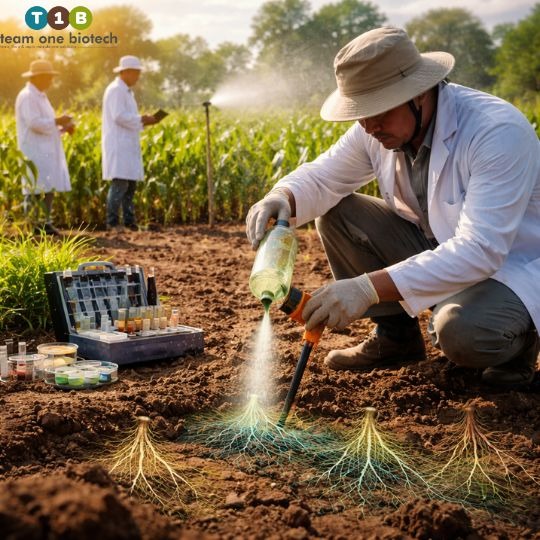
Healthy soil is alive with activity. Beneath the surface, billions of soil microbes such as bacteria, fungi, protozoa, and actinomycetes are constantly working. These tiny organisms may be invisible to the eye, but they play a vital role in soil health, plant growth, and sustainable farming. They act as nature’s hidden workforce, transforming soil into a living ecosystem that supports agriculture. Connect with us today to discover how our beneficial microbes can boost soil health and crop productivity naturally.

In the rapidly evolving landscape of agricultural biotechnology, understanding soil microbiology has become crucial for crop science professionals, agronomists, and agricultural consultants worldwide. The global biofertilizer market is projected to reach unprecedented heights, driven by increasing demand for organic farming solutions and sustainable agriculture practices.

Our Plant Growth Promoter integrates eco-friendly microbial technology to support sustainable agriculture and soil health.

Microbes as Nature’s Engineers: The Foundation of Precision Agriculture

Soil microbes are central to nutrient cycling, which directly impacts crop productivity. Nitrogen-fixing bacteria like Rhizobium form symbiotic relationships with legume roots, converting atmospheric nitrogen into forms plants can use. Phosphate-solubilizing microbes unlock phosphorus bound in the soil, making it available for plant uptake. Without these essential processes, plants would struggle to access nutrients critical for strong growth and higher yields.

Modern agro-biotechnology companies are developing innovative microbial formulations that enhance nutrient availability, improve crop yields, and reduce the use of synthetic fertilizers. By leveraging microbial inoculants, farmers are achieving precision agriculture outcomes with reduced input costs and improved soil sustainability.

Advanced Microbial Technologies in Modern Agriculture

The agricultural input industry has witnessed revolutionary developments in microbial biotechnology. Leading biofertilizer manufacturers are now producing sophisticated microbial consortium that combine multiple beneficial microorganisms for enhanced efficacy. These bio-based fertilizers represent a paradigm shift from traditional chemical fertilizers to eco-friendly agricultural inputs.

Plant growth promoting rhizobacteria (PGPR) and beneficial soil microorganisms are increasingly being used in commercial agriculture, greenhouse cultivation, and controlled environment agriculture. The integration of soil microbiome analysis with precision farming technologies is enabling farmers to make data-driven decisions about microbial inoculation strategies.

Building Stronger Roots with Mycorrhizal Fungi: The Natural Network Revolution

Fungi, especially mycorrhizal fungi, extend a plant’s root system through underground networks. This “natural internet” allows roots to access water and nutrients far beyond their reach, particularly phosphorus. In exchange, fungi receive sugars from plants. This mutual relationship improves soil fertility, strengthens root systems, and enhances overall crop performance, making it a cornerstone of modern sustainable agriculture.

Industries such as organic farming, horticulture, floriculture, and commercial agriculture are adopting mycorrhizal-based biostimulants to promote healthier crops, improve nutrient uptake, and ensure resilience against drought stress. These eco-friendly solutions are replacing chemical-intensive practices and are in demand across both domestic and international agricultural markets.

Mycorrhizal Applications Across Agricultural Sectors

The mycorrhizal fungi market is experiencing significant growth across multiple agricultural segments. Arbuscular mycorrhizal fungi (AMF) applications are particularly valuable in vegetable production, fruit cultivation, and ornamental plant growing. Agricultural biotechnology companies are developing specialized mycorrhizal inoculants for specific crops including tomatoes, peppers, strawberries, and citrus fruits.

Ectomycorrhizal fungi play crucial roles in forestry applications and tree nursery management, while endomycorrhizal associations are essential for cereal crop production and cash crop farming. The integration of mycorrhizal technology with drip irrigation systems and fertigation practices is revolutionizing water-efficient agriculture and nutrient use efficiency.

Soil Microbes and Plant Immunity: Biological Crop Protection Solutions

Soil microbes not only feed plants but also protect them. Beneficial microbes compete with harmful pathogens in the rhizosphere (the root zone), reducing the risk of disease. Some even stimulate a plant’s natural defence system, boosting immunity and resilience against stress. This biological protection reduces dependence on chemical pesticides and aligns with eco-friendly farming practices.

In today’s agri-industrial landscape, biological crop protection is gaining global attention. With the rising demand for sustainable pest management, products based on Trichoderma, Bacillus subtilis, and Pseudomonas fluorescens are widely used to minimize crop losses. Such microbial crop-care solutions play a key role in integrated pest management (IPM), reducing chemical pesticide residues in food and enhancing export compliance for agricultural producers.

Biocontrol Agents and Sustainable Pest Management

The biological pesticides market is rapidly expanding as agricultural producers seek alternatives to synthetic pesticides. Microbial biocontrol agents including Trichoderma harzianum, Bacillus thuringiensis, and Beauveria bassiana are becoming standard components of integrated pest management programs.

Biopesticide manufacturers are developing targeted solutions for specific pest problems, including soil-borne pathogens, root rot diseases, and fungal infections. These biological control products are particularly important for organic certification compliance and residue-free crop production demanded by export markets and premium food chains.

Plant immunomodulators and resistance inducers derived from beneficial microbes are emerging as powerful tools for prophylactic plant protection. The combination of beneficial bacteria and bioactive compounds is creating new categories of plant health products that enhance crop resilience and stress tolerance.

The Bigger Picture of Soil Health: Industrial Applications and Market Trends

Rich microbial diversity in soil leads to healthier, faster-growing plants with stronger resistance to stress. Depleted soils, on the other hand, result in weak crops and declining yields. To restore soil fertility, farmers are increasingly adopting practices like composting, crop rotation, and the use of biofertilizers. These approaches not only boost plant growth but also build long-term soil health for sustainable farming.

From an industrial perspective, biofertilizer manufacturing companies are playing a major role in addressing challenges faced by large-scale farming, greenhouse cultivation, and precision horticulture. By offering soil conditioners, microbial consortia, and enzymatic soil enhancers, these companies contribute to climate-smart agriculture and long-term soil regeneration.

Market Dynamics and Industrial Applications

The global agricultural biologicals market is experiencing unprecedented growth, driven by increasing awareness of sustainable farming practices and environmental stewardship. Agricultural input companies are investing heavily in research and development of next-generation biofertilizers and soil health products.

Soil rehabilitation products are gaining traction in post-harvest residue management and land reclamation projects. Carbon sequestration technologies based on soil microbiome enhancement are attracting attention from carbon credit markets and climate-smart agriculture initiatives.

Precision agriculture platforms are integrating soil microbiome data with satellite imagery and IoT sensors to provide real-time soil health monitoring. This convergence of agricultural technology and microbiology is creating new opportunities for digital agriculture solutions and farm management software.

Industrial Manufacturing and Quality Standards

Biofertilizer production facilities must adhere to strict quality control standards and regulatory compliance requirements. Good Manufacturing Practices (GMP) and ISO certification are becoming mandatory for agricultural biologicals manufacturers seeking global market access.

Supply chain management for microbial products presents unique challenges related to product stability, shelf life optimization, and cold chain logistics. Contract manufacturing and private label production services are emerging as viable business models for smaller agricultural biotechnology companies.

Research and development partnerships between universities, agricultural research institutes, and commercial entities are accelerating innovation in microbial technology and soil science applications.

Future Trends in Agricultural Microbiology

The convergence of artificial intelligence, machine learning, and soil microbiology is creating new possibilities for predictive agriculture and customized microbial solutions. Microbiome engineering and synthetic biology approaches are being explored for developing designer microbial consortium tailored to specific crop-soil combinations.

Genomic sequencing technologies and metagenomics analysis are providing deeper insights into soil microbiome functionality and microbial interaction networks. This knowledge is driving the development of precision microbiology approaches for targeted soil health interventions.

Regulatory frameworks for agricultural biologicals are evolving to accommodate novel microbial products while ensuring environmental safety and human health protection. Harmonized registration processes and international standards are facilitating global trade in biological agricultural inputs.

Conclusion: The Future of Sustainable Agriculture

Soil microbes are not just helpers; they are essential partners in agriculture. By supporting soil biology, we nurture crops, improve soil fertility, and secure a more resilient food system for the future.

The integration of microbial technologies with digital agriculture tools and sustainable farming practices represents the future of modern agriculture. As climate change challenges intensify and food security concerns grow, soil microbiome management will become increasingly critical for agricultural sustainability and global food production.

Investment opportunities in agricultural biotechnology and soil health solutions continue to attract venture capital and strategic partnerships. The sector’s growth trajectory indicates strong potential for innovation-driven companies focused on biological solutions for agricultural challenges.

Transform your agricultural operations with cutting-edge microbial solutions. Boost your soil fertility and crop productivity with advanced microbial technologies used in plant growth promoters.

Contact Team One Biotech – Your trusted partner in agricultural biotechnology:

Phone: +91 8855050575

Email: sales@teamonebiotech.com

Visit: www.teamonebiotech.com

Discover More on YouTube – Watch our latest insights & innovations!-

Connect with Us on LinkedIn – Stay updated with expert content & trends!

Scan the code