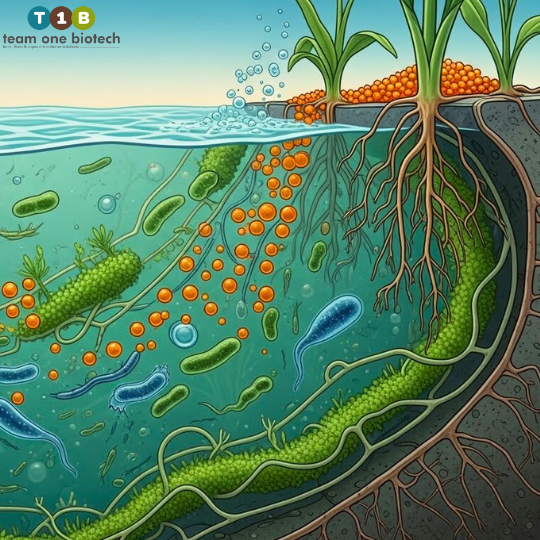
Anaerobic Wastewater Treatment: Demystifying Methanogenesis

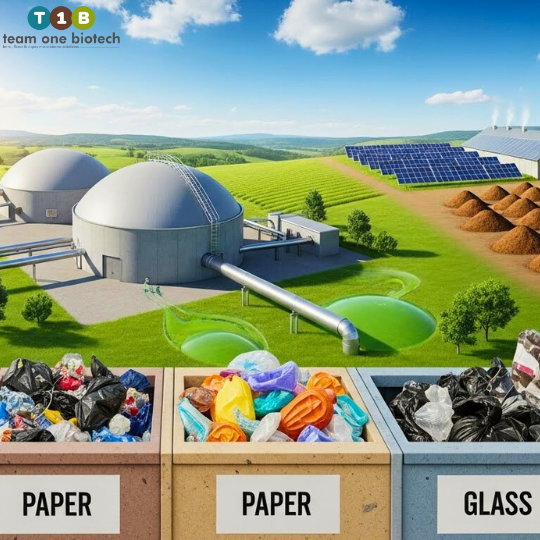
The wastewater treatment world is an unending sea of types of processes and variations. One such process, the anaerobic treatment, holds a prominent and popular reputation due to its low CAPEX-OPEX and generation of byproducts such as methane, which is valuable as well as a clean energy source.

The process that leads to methane production is known as methanogenesis-which is the final and slowest step in the anaerobic digestion chain, where intermediate acids and hydrogen are converted into methane.

However, the process is mostly underperforming in the industries due to its bottlenecks and variable mechanism. This blog helps readers understand the intricacies of methanogenesis and helps understand the concept and mechanism.

In the rapidly evolving landscape of anaerobic wastewater treatment, industries are recognizing the limitations of traditional systems and turning toward advanced, high-efficiency strategies. With increasing load from industrial effluent treatment, especially containing high COD and toxic compounds, the need for anaerobic bioreactor optimization is more critical than ever.

With the increasing demand for bacteria solutions for wastewater treatment, industries are actively seeking partners who understand both biology and process engineering.

Companies like Team One Biotech lead the way among bioculture companies and microbial companies in India, delivering high-performance strains suited for industrial ETPs.

We provide expert consulting and microbial formulations tailored for anaerobic systems. Contact us today to learn more about our solutions and transform your treatment process.

What is Methanogenesis?

Methanogenesis is the last step in anaerobic digestion, where the end products from acetogenesis and acedogenesis process are converted into methane gas and CO2 by methanogenic archaea.

Modern facilities strive for not just compliance but profitability through biogas production efficiency, transforming waste streams into energy assets. The use of engineered microbial consortia, such as T1B Anaerobio, ensures higher methane recovery from wastewater even under challenging conditions like salinity and shock loads.

Core stages of Anaerobic Digestion:

  1. Hydrolysis: Breakdown of complex organics (proteins, carbs, Fats)
  2. Acidogenesis: Fermentation into VFAs (volatile fatty acids), alcohol, H2.
  3. Acetogenesis: Conversion of VFAs into acetate, H2, and CO2.
  4. Methanogenesis: Final step producing CH4 and CO2.

Types of methanogens:

Pathway Microbial Group Substrate
Acetoclastic Methanosaeta, Methanosarcina Acetate → CH₄ + CO₂
Hydrogenotrophic Methanobacterium, Methanococcus H₂ + CO₂ → CH₄


These microbes are obligate anaerobes, extremely sensitive to environmental shifts-and incredibly slow-growing.

Why does methanogenesis often fail?

As evident, it is important to have success in all three processes i.e. Hydrolysis, Acidogenesis, and Acetogeneis, before Methanogenesis  to succeed. This requires proper management of pH, temperature, HRT and induction of right biomass. However, in most cases all the three preceding processes are comparatively easier to get executed, it is this methanogenetic process only where most plants struggle due to:

  1. Acid accumulation/VFA Buildup
  • Acidogenesis is rapid, while methanogenesis is slow.
  • Result: VFA overload, which causes pH to drop below 6.8—a toxic zone for methanogens.


  1. Toxic Inhibitors

Common industrial effluents contain:

  • Heavy metals (Zn, Cu, Cr)
  • Sulfides
  • Phenols
  • Ammonia >2000 mg/L

These compounds directly inhibit methanogenic enzyme systems.

  1. Salinity and TDS stress

TDS above 15000-20000 ppm imposes osmotic stress, especially on Methanosaeta, which is already slow-growing.


  1. Lack of Granular Structure in Reactors

Granules in the sludge allow the methanogens to thrive in micro-environments.

  • Poor granulation = less protection = washout
How to Improve Methanogenesis- Practical Strategies

Improving methanogenesis requires a holistic approach involving operational tuning, microbial reinforcement, and environmental stability.

  1. Maintain Optimal pH: 6.8 – 7.4

Methanogens are extremely pH sensitive; any fluctuation can halt the methanogenic process that leads to unwanted reverses.

  1. Control Organic Loading Rate (OLR)

Gradually ramp up OLR during commissioning, ideal OLR: 1.5-3.5 kg COD/m3/day for stable systems. Overfeeding typically leads to acid overload and ultimately methanogen collapse.

  1. Ensure Adequate Retention Time

The ideal HRT should be between 8-15 days (depending on the substrate). The SRT should be even longer in high-loading systems.

  1. Use advanced Biocultures enriched in Methanogens

Key Traits of Effective Methanogenic Biocultures:

  • Contains both acetoclastic and hydrogenotrophic strains
  • High cell viability in anaerobic, low-oxygen environments
  • Pre-adapted to shock loads, high COD, and salinity

At Team One Biotech, our T1B Anaerobio blend includes halotolerant Methanobacterium and facultative syntrophic partners that stabilize early acid-phase products and prevent VFA accumulation.

  1. Add Conductive Materials (Bio-Stimulation)
  • Use activated carbon, biochar, or magnetite in digesters.
  • These promote direct interspecies electron transfer (DIET), bypassing slower H2 pathways
  • Result: Faster methanogenesis and increased CH4 yield
  1. Control Sulfates and Heavy Metals

 Sulfate-reducing bacteria (SRB) compete with methanogens for substrate.

  • High sulfide also directly poisons methanogens
Key Indicators of Methanogenesis Health
Parameter Healthy Range
pH 6.8 – 7.4
VFA/Alkalinity ratio <0.3
ORP -300 to -400 mV
Biogas CH₄ content >60%
Foaming Minimal (indicates balance)
Gas production rate Steady increase or plateau
Methanogenesis is Fragile, but Fixable

Methanogenesis is the most sensitive yet rewarding step in anaerobic treatment. It’s where the “waste” becomes “resource,” and the environmental liability transforms into a clean, combustible asset.

But to get there, industries must move beyond legacy systems and general-purpose biology.

They must:

  • Understand the microbial bottlenecks
  • Deploy engineered or acclimated methanogens
  • Support them with pH buffering, controlled feeding, and granular retention

Only then can your anaerobic system realize its full potential — both in COD removal efficiency and renewable methane production.

Conclusion:

Achieving high COD removal technology performance depends heavily on maintaining organic loading rate control, optimal pH, and reducing VFA accumulation. Furthermore, granular sludge formation enhances microbial retention and process stability, which is vital in high-strength wastewater treatment systems.

Through targeted bioaugmentation for anaerobic digestion, enriched with salinity resistant methanogens, it’s now possible to manage volatile environments and optimize yield. These microbial consortium for ETP solutions include both acetoclastic and hydrogenotrophic archaea, enabling efficient conversion pathways and reduced inhibition.

One promising method includes introducing conductive material in digesters, which boosts DIET and facilitates faster VFA to methane conversion. This, combined with proper HRT/SRT balance and T1B Anaerobio application, unlocks new levels of process performance.

As we progress towards zero-waste water solutions and advanced ETP solutions, methanogenesis is no longer just a biological reaction—it’s a cornerstone of sustainable industrial practice.

In recent years, several biotech companies in India have made significant strides in anaerobic treatment technologies, offering customized microbial formulations.

Team One Biotech is one of the leading Biotech Companies in India, providing advanced microbial solutions like bacteria for ETP treatment and bacteria culture for wastewater treatment.
???? Reach out now to enhance your wastewater treatment efficiency.

???? Email: sales@teamonebiotech.com

???? Visit: www.teamonebiotech.com

???? Discover More on YouTube – Watch our latest insights & innovations!-

???? Connect with Us on LinkedIn – Stay updated with expert content & trends!

industrial holidays Anaerobic Wastewater Treatment in Industries
The effect of industrial holidays on ETP health

The ecosystem of industries is complex as well as consistent. However, shutdowns due to festivals, season, operational failure, or force give a halt to the whole system. Although mostly planned, these industrial holidays are intended to give relief, but deep down in the concrete basins of effluent treatment plants brews a storm of crisis, whether it may be in the primary, secondary, or tertiary systems.

Looking for expert solutions to manage ETP shutdown challenges? Contact Us today for tailored advice and services!

And if we focus on the secondary system, the microbial population gets the worst hit. This blog focuses on what happens inside the secondary system during an industrial holidays, its effects, precautions, and prevention.

The living Microbial world of ETP:

The secondary system is like a society where microbial populations i.e, bacteria, fungi, yeast, metazoans etc. thrive on:

Food: Readily biodegradable organic matter.

Shelter: Biofilms, flocs, or suspended habitats.

Environmental Comfort: pH, temperature, DO, and nutrients in a narrow optimal range.

Maintaining microbial diversity and stability is crucial for consistent ETP performance.

Microbial Starvation- A Hidden Shutdown Crisis

A 10-15 day shutdown without influent feed creates what we call a starvation phase in the bioreactor. The period can trigger several microbial stress responses:

Autolysis Begins:
  • Without food, heterotrophic bacteria begin digesting their own cellular reserves.
  • When reserves run out, cell walls rupture, releasing intracellular enzymes and ammonia into the mixed liquor.
Shift in Community Structure:
  • Fast-growing, high-COD degraders die off first.
  • Resilient microbes like filamentous bacteria and nitrifiers may survive longer, but their metabolic activity drops drastically.
Dissolved Oxygen (DO) Becomes Redundant:


  • With no substrate to oxidize, aeration continues but becomes wasteful.
  • High DO levels can paradoxically stress certain facultative anaerobes used to fluctuating oxygen levels.


MLSS/MLVSS Decline:
  • The Mixed Liquor Volatile Suspended Solids (MLVSS)- the biologically active portion of MLSS drops due to decay.
  • Settling characteristics deteriorate, and the SVI (Sludge Volume Index) can spike due to deflocculation.
Recovery is Not Instant – The Myth of “Rest and Run”

When production resumes, many assume the ETP will bounce back like a machine switched on. But biological wastewater treatment systems have no reset button.

Lag Phase in COD Reduction
  • Microbial populations take time to rebuild numbers and enzyme systems.
  • Expect 2-5 days of poor performance and higher COD/BOD in the outlet, especially in systems with no pre-seeding plan.
Sludge Age Misbalance
  • Sludge that has aged during the shutdown may have lost its settling efficiency.
  • Decayed sludge may also release toxins and nutrients, creating internal loading.
Shock Loads on Restart
  • Sudden reintroduction of full-strength effluent can lead to shock loading.
  • This exacerbates foaming, odor, and even system upset.
Preventive Measures

ETP health during shutdowns doesn’t have to be a gamble. Here are proven strategies, drawn from both research and field practices.

1.Feed Synthetic System:
  • Use glucose, molasses, milk whey, or diluted Urea/COD substitutes to mimic organic load at low levels (10-20% of actual COD).
  • Feed once or twice daily to maintain microbial respiration and floc integrity.\
2.Aerate intermittently:
  • Continuous aeration is wasteful. Instead, apply 4-6 hours/day intermittent aeration to maintain DO and prevent anoxic.
3.Monitor pH and ORP
  • During starvation, microbial metabolism can skew pH or ORP. Keep these in range to avoid unfavorable drift.
4.Bioaugmentation on Restart
  • Introduce high-count commercial biocultures tailored to your effluent type. This accelerates recovery.
  • Use starter cultures or preserved sludge from pre-holiday if available.
5.Sludge Management 
  • Remove aged or decaying sludge before shutdown. 
  • During long holidays, periodic recirculation or RAS/WAS adjustments prevent septic conditions.
Maintaining ETP Efficiency During Industrial Holidays with Bioculture Support

When industrial units pause operations during holidays, the ETP treatment process often slows down due to the absence of organic load. Microbes inside the aeration tank gradually lose activity, leading to poor degradation once the plant restarts. That’s where a bioculture for ETP operations becomes critical — it revitalizes the microbial community, improves resilience, and stabilizes performance without costly chemical interventions.

During downtime, parameters like ETP sludge volume, dissolved oxygen, and pH can fluctuate drastically. A pre-dosage of selected microbial strains helps maintain a balanced environment and prevents sludge bulking or odour generation. When operations resume, the system achieves faster recovery and reduced start-up lag.

To ensure long-term system reliability, work with trusted ETP plant manufacturers in India who understand the importance of integrating biological solutions into design. Many modern ETP and STP systems now include dedicated dosing points for microbial formulations and smart monitoring dashboards that track ETP standard parameters such as BOD, COD, TSS, and MLSS.

Whether you operate a textile, chemical, or food processing unit, maintaining your ETP treatment plant during holidays means safeguarding compliance and avoiding post-shutdown surges in effluent load. Explore how Team One Biotech’s Bioculture Solutions ensure consistent ETP water treatment efficiency even under variable operating conditions.

For more insights on biological treatment technologies, check out our detailed blog on What Are Biocultures for Wastewater Treatment — A Complete EHS Guide and a practical case study Bioculture for ETP- How a Textile Unit Stabilized ETP Performance with T1B Aerobio . Both resources complement this article by showing how bioculture for ETP transforms operational challenges into measurable efficiency gains.

Conclusion:

Industrial holidays are an unavoidable part of operations across industries such as textiles, pharmaceuticals, and chemicals and can’t be avoided but the problems related to it in an ETP can surely be avoided by taking the right steps, proper planning, and taking proactive measures.Investing in bioaugmentation, sludge handling, and strategic aeration ensures microbial resilience during shutdowns.

Team One Biotech is one of the leading Biotech Companies in India, providing advanced microbial solutions like bacteria for ETP treatment and bacteria culture for wastewater treatment.
Reach out now to enhance your wastewater treatment efficiency.

Email: sales@teamonebiotech.com

Visit: www.teamonebiotech.com

Discover More on YouTube – Watch our latest insights & innovations!-

Connect with Us on LinkedIn – Stay updated with expert content & trends!
Thermophilic vs Mesophilic Anaerobic Wastewater Treatment in Industries

The anaerobic treatment of wastewater heavily relies on trends, and unfortunately, adaptation and innovation are very slow in progression compared to rising pollution. 

Although we are all talking about the use of AIs, sensors, IOTs, and efficient hardware, unfortunately, when we consider the industrial wastewater treatment,and broader industrial effluent treatment, we are still stuck at the same processes we were 30 years ago. If you would like to know how we are optimising wastewater treatment methods in diverse environments, feel free to connect with us today.

There needs to be a continuous update at the process level, because 99 % anaerobic plants are mesophilic, i.e, work at a temperature of 30-38 *c. In regards to biocultures for wastewater treatment, the mesophilic treatment is prominent; however, the thermophilic treatment is much more effective and compatible. 

Although it is an uncommon type of ETP water treatment, when it comes to tough-to-degrade effluents such as those with recalcitrant COD, or those with phenols, Aldehydes, etc., the thermophilic microbes treatment can be a game changer in anaerobic digestion.

This blog explores when it makes sense to shift from mesophilic to thermophilic wastewater systems, the practical advantages and challenges, and what it means for plant operators and environmental engineers.

Let us start with the basics:

Parameter Mesophilic (30–38°C) Thermophilic (50–60°C)
Microbial growth rate Moderate High
Biogas yield Moderate Higher (10–25% increase)
Pathogen kill Limited Excellent (>99%)
Energy input required Lower Higher
Process stability High Sensitive to changes
Start-up time Shorter Longer

The core of the thermophilic system lies in its high-energy fast result mechanism. The hydrolysis process is much faster, resulting in increased metabolic rate and superior pathogen control in biological wastewater treatment.

Issues where thermophilic treatment can be effective:
  1. High-Strength Industrial Wastewaters:

Effluents from industries such as dairies, food processing, slaughterhouses, distilleries and starch industries have higher levels of protiens, lipids, and polysaccharides. Thermophilic systems hydrolyze and degrade these faster, leading to:

  • Higher COD, BOD degrading efficiency.
  • Higher biogas production
  • Shorter HRT (hydraulic retention time)
  • Enhanced treatment of high-strength wastewater

2. Excess Sludge and Biomass Handling Issues:

  • While most mesophilic anaerobic systems produce higher sludge, the thermophilic system produces lower quantities of excess sludge and reduces volatile solids.

3. Strict Pathogen and Odor Control

  • The thermophilic systems give 99% pathogen elimination in STP/Centralized ETPs that handle fecal sludge or pathogen prone waste, which is crucial if:
  • Sludge is reused in agriculture
  • Water is recycled for non-potable uses
  • Especially relevant for optimized wastewater microbiome management

4. Waste Heat:

  • In case of high waste steam, condensate, or cogeneration (CHP) units, the thermal energy can be internally sourced.
  • This supports efficient energy recovery within the plant
Microbial Diversification: Fragility Meets Efficiency

In case of the microbial cultures for wastewater treatment, the thermophilic microbes are completely different from mesophilic ones. Although thermophiles are fewer but are formidable with higher metabolic abilities in the organic waste degradation.

Key Observations:

  • Thermophilic methanogens are more sensitive to pH, VFA spikes, and loading rates.
  • Shock loads (especially of fats, solvents, or salts) can cause faster crashes.
  • Granular sludge formation is more difficult at thermophilic temperatures; biofilms or hybrid systems are better suited.
Biogas enhancement: Quantitative and Qualitative

Thermophilic systems offer 10-25 % higher biogas yield per unit COD removed. More importantly, the methane content is often higher (up to 70-75%) compared to 60-65% in mesophilic digestion.

This makes the Thermophilic process enticing where:

  • On-site biogas is used for power/steam
  • Fossil fuel replacement is a business or ESG goal
  • Carbon credit mechanisms or green energy policies apply
  • Also aligns with zero liquid discharge (ZLD) and carbon neutrality efforts
Operational & Engineering Challenges in sewage treatment process

1. Temperature maintenance:

Temperature maintenance is the key of thermophilic processes, which is altogether challenging both technically and economically, especially in large tanks and in colder environments. 

2. Narrower process Window

Thermophiles work in a smaller range.  Any variation in:

  • pH (ideal: 7.2-7.6)
  • Alkalinity ratio (IA/TA < 0.3 )
  • VFA accumulation

Can lead to performance drops

3. Start-Up Lag

Thermophilic start-up can take 30-60 days, requiring:

  • Seeding with adapted sludge
  • Step-wise temperature ramping
  • High monitoring effort

4. Foaming & Scum

Due to high gas production and surfactant sensitivity, thermophilic systems foam more easily, especially during acidification.

Know the Process, Not just the Temperature:

To be precise, a thermophilic system is not for every ETP (Eluent treatment plant), however, it is effective for any ETP where it is applied. It no doubt is high energy, difficult in operations, and with fragile microbial populations, but it always outpaces mesophilic treatment in COD/BOD control, methane gas production, and cleaner sludge.

et, it’s not a plug-and-play upgrade. You must rethink your sludge management, monitoring protocols, nutrient balancing, and energy integration.

The question isn’t whether thermophilic digestion works—it’s whether your plant is ready to manage the precision and potential that comes with it.”

If you’re designing or upgrading an anaerobic system and want to make it future-proof—especially for energy recovery or zero-liquid discharge (ZLD) ambitions—don’t ignore the thermophilic path. Just walk it carefully.

Partner with Team One Biotech for expert guidance in optimizing your ETP’s aeration and biological treatment processes. Our tailored bioculture solutions and technical expertise ensure enhanced treatment efficiency in anaerobic digestion and wastewater microbiome optimization.

Learn more at www.teamonebiotech.com or reach out at sales@teamonebiotech.com/8855050575

???? Discover More on YouTube – Watch our latest insights & innovations!

???? Connect with Us on LinkedIn – Stay updated with expert content & trends!

Toxic Shockwaves Travel Through ETPs How to Deal
How Toxic Shockwaves Travel Through ETPs: A Deep Dive into Impact, Zone-Wise Failure, and Recovery

A sudden or abrupt change from regular mechanisms, schedules, habits, or play is detested everywhere, right from living to non-living beings and from nature to industries or the metropolis.  These sudden changes sometimes come with the signs of change that, if identified at the right time, either prevent or make one prepare. But not all thunders come up with lightning.

Here, as we talk about wastewater treatment in ETPs, shock loads remain one of the most common and feared issues.With the onset of shock loads or the sudden introduction of a toxic system with lethal compounds leads to complete disarray in the system, and the whole microbial population gets attacked and damaged and it a tough task to reboot it and get it back to its normal stage.

However, if we know how toxic shockwaves in ETP travel in different systems and what signs the system produces before and during the onset, we can empower us to control this unwanted phenomenon.???? Need expert support in handling or preventing toxic shockwaves in ETP? Contact our team at TeamOne Biotech for consultation, solutions, and support.

Let’s explore the shockwave travel mechanisms, early signs of warning, zone-wise failure and how to recover.

What is Toxic Shock ?

A sudden short-terms ingress of physical or chemical conditions that disrupts routine mechanisms an d disrupts microbial populations.

The Culprits: Common Toxic Agents:

  • Heavy metals (e.g., Cr⁶⁺, Zn²⁺, Cu²⁺): Inhibit enzymes and damage membranes.
  • Phenols and aromatic solvents: Disrupt cell walls, denature proteins.
  • Quaternary ammonium compounds (QACs): Destroy microbial membranes.
  • Strong acids or alkalis: Denature enzymes and destroy extracellular polymeric substances (EPS).
  • High TDS or salts: Cause osmotic shock, dehydration of microbial cells.
  • Temperature spikes: Above 40°C can be lethal to most ETP microbes.

A high COD  is not always directly proportional to toxicity. Even in a batch with COD of 2000 ppm, a 50 ppm phenol will cause disruptions.

How do toxic shockwaves in ETP travel through each zone?

1.Anaerobic Zone:

The anaerobic digestors or UASB reactors break down organics into methane or carbon dioxide by acidogenic and methanogenic bacteria.

The Effect of Toxic Shock:

Methanogens are more prone to shock as they are highly sensitive to pH shifts, metals, and aromatic solvents. A toxic load here may: 

  • Kill methanogens outright, collapsing methane production.
  • Lead to accumulation of VFAs (volatile fatty acids), crashing the pH below 6.5.
  • Result in black sludge, gas bubbles, and floating scum layers.
Indicators:

  • Drop in biogas flow rate (if monitored).
  • pH drop in digester effluent.
  • Sulphide-like odor and gas toxicity.
  • Foaming or bubbling at inlet distribution zones.
Recovery Options :

  • Stop influent flow immediately
  • Neutralize VFAs to bring pH back to 7.2 to 7.6
  • Inoculate with fresh anaerobic bioculture.
  • Feed diluted influent after 3-5 days of stabilization
2.Anoxic Zone: The Invisible Impact Zone

The function of the anoxic zone is highly dependent on nitrifying and denitrifying bacteria. 

The Effect of Toxic Shock:

Denitrifiers are facultative—more robust than methanogens—but still impacted by solvents, surfactants, and metals.

  • Nitrate remains unreduced.
  • Partial reduction leads to nitrite accumulation, which is also toxic.
  • Disruption in redox balance halts nitrogen removal.
Indicators:

  • Rising NO₃⁻ or NO₂⁻ in secondary-treated water.
  • No bubbles or gas generation from the anoxic tank surface.
  • Slight odor of chlorine or nitric oxide due to nitrite oxidation.
  • No apparent foaming or color change—this failure is usually silent.
Recovery Options :

  • Supplement the carbon source ( eg, methanol or acetate ) to restart denitrification.
  • Check and adjust DO and ORP to stay below 0.3 mg/L and -100 to -300 mV, respectively.
  • Restart mixing gently—denitrification is sensitive to turbulence.
3.Aerobic Zone: 

Aerobic microbes (heterotrophs, nitrifiers) oxidize organics and nitrogen, producing CO₂, nitrate, and water.

The effect of Toxic Shock:

It is comparatively easier to identify shocks easily in Aerobic Zones:

  • Increase in soluble COD and turbidity due to Cell lysis.
  • Release of ammonia and phosphates into the water.
  • Poor settling followed by clarifier overflows due to the disintegration of flocs.
  • Pathogen population surge due to collapsed microbial competition.
Indicators:

  • Septic-like: conditions-black, greasy foam with foul smell.
  • A sharp increase in SVI.
  • Filamentous and Nocardia become prominent.
  • Sudden DO depletion even with aeration on.
Recovery:

  • Stop the influent
  • Maintain DO at 3-4 mg/l
  • Slowly start the hydraulic load with 25-30% for the first 5-6 days and then gradually increase.
  • Waste heavily to remove lysed or decayed biomass.
  • Start adding bioculture with robust and shock-tolerant bacteria.
System-Wide Effects Ripple effects:

Secondary Clarifier:

  • Overloaded with dispersed solids → turbid effluent.
  • Sludge blanket floats or rises.
  • Polymer usage increases for sludge settling.
Sludge Dewatering:

  • Decayed biomass becomes non-dewaterable.
  • Centrifuges and belt presses clog easily.
  • Sludge has high moisture content and low calorific value.
Tertiary Treatment:

  • UF/RO membranes foul rapidly with organic colloids.
  • Sand filters choke with fine, dispersed flocs.
  • Chemical dosing (PAC, alum) surges.
Recovery Timeline Framework

PhaseActionTypical Duration
Initial ArrestStop feeding, start aeration, dose buffers0–24 hours
StabilizationAdd bio-culture, monitor parameters1–3 days
Gradual LoadingResume with diluted or treated influent4–7 days
Full RecoveryReturn to design load with full microbial function7–15 days
Conclusion:

AN ETP is like a living ecosystem with uncertainties. If we can find our early warning signs, we can prevent the discrepancies arising due to toxic shock waves in ETP. Although it is a very tough scenario to tackle but if prevented in time, the chances of vulnerability become very less. 

???? Facing recurring issues or need expert intervention? Reach out to TeamOne Biotech — your partners in effective wastewater treatment and process recovery.

???? Email: sales@teamonebiotech.com

???? Visit: www.teamonebiotech.com

???? Discover More on YouTube – Watch our latest insights & innovations!

???? Connect with Us on LinkedIn – Stay updated with expert content & trends!

Phosphate Removal with Biocultures
The menace of Phosphate- How to deal with it using Biocultures?

Phosphates are one of the prominent water pollutants, as designated by the NGT in 2019. A Suo-motu cognizance was also taken by the NGT on detergents and especially phosphate accumulation in rivers and water bodies, causing toxic foam, algal deposition, and eutrophication. Phosphates also exert odour and color. Strict limits have been issued to control phosphate accumulation. However, at the wastewater treatment levels, phosphate removal is a bit tough job as it requires multiple stages, effective bioculture solutions, and technical expertise to do so. 

Although chemical and physical separation are essential, it is the bioculture that act as  game changers in phosphate reduction.???? Want to know how to integrate biocultures in your treatment process? Contact Us to learn more.

Let’s explore the effectiveness and correct mechanism of phosphate removal using biocultures:

1.What are Phosphates?

Phosphates (PO₄³⁻)  are chemical compounds that contain phosphorus.  In industry, mostly chemical intermediates and food processing units have a high amount of phosphates.

2.Why is it a problem for ETP/STP?

  • Poor effluent quality: NGT and most pollution control boards are very stringent in the phosphate levels in the final outlet. If the criteria are not met, it may lead to a bad ESG report and even shutdowns.
  • Eutrophication: Phosphates promote excessive algal deposition and plant growth, leading to depletion of oxygen in receiving water bodies.
  • Effect on biological treatment: High phosphate content may disturb the biological/microbial population. It leads to even growth of filamentous bacteria, leading to sludge bulking, poor biomass settling, and compromising the efficiency of BOD/COD removal.
  • Increased Chemical Dosing costs: High phosphate = higher chemical use → higher sludge production → more dewatering and disposal costs.
  • Risk of Struvite Scaling:  in systems with high phosphate and ammonia, struvite (MgNH₄PO₄) may precipitate, causing scaling in pipes, pumps, and digestors, increasing OPEX and CAPEX.
3. Enhanced biological phosphorus removal (EBPR)

Enhanced biological phosphorus removal (EBPR) processes are designed to culture communities of microorganisms in MLSS that have the Phosphorus Treatment and Removal Technologies. It involves use of specific microbial strains and put in ETP as biocultures. The strains absorb phosphate and are PAOs (polyphosphate-accumulating organisms). These are likely to comprise a variety of bacterial subpopulations, including Acinetobacter, Rhodocyclus, and some morphologically identified coccus-shaped bacteria.

An ideal EBPR process starts with:

  • Anaerobic Zone: The PAOs are first subjected to an Anaerobic environment where Biodegradable COD is fermented into VFA (Volatile Fatty Acids), particularly acetate and propionate, which serve as food for PAOs. PAOs thus metabolize polyphosphate reserve and release phosphorus.
  • Aerobic Zone: In the Aerobic zone, the PAOs take up the released phosphates by multiplying and oxidizing carbon reserves built in the anaerobic phase. Here, WAS (Waste Activated Sludge ) and RAS (Return Activated Sludge) play a very important role.
Critical factors for the success of EBPR:

  • Influent Characteristics:  a minimum influent BOD:P ratio of 25:1 is necessary in order to provide adequate conditions for PAOs to thrive. Note that this ratio is applicable to the influent of the anaerobic phase of the EBPR process.
  • Integrity of the Anaerobic zone: Establishing and maintaining strict anaerobic conditions in the anaerobic zone is critical for PAOs to be able to consume VFAs and store carbon compounds. The presence of oxygen or nitrates will disrupt the process by placing PAOs at a competitive disadvantage with other bacterial populations.
  • Variability: Variability in flows can result in variable anaerobic and aerobic contact times, which can disrupt the process. Flow and load variability can also impact the influent BOD:P ratio. 
  • Dissolved Oxygen: Excessive dissolved oxygen should not travel back to the anaerobic zone hence, DO should be maintained between 0.5 to 1.0 mg/l at the end of the aeration zone.
Conclusion: 

Phosphate removal is different from conventional ETP operations. It requires the right microbes, technical know-how, and physical and chemical treatments. And when physical and chemical treatments are combined with biocultures, can enhance phosphate removal by up to 90%, and also improve microbial population management in wastewater.Ready to revolutionize your wastewater treatment system with biocultures? Contact Us today for customized solutions.

Inference: Phosphorus Treatment and Removal Technologies

To know more Call us @ 7769862121 or Mail : sales@teamonebiotech.com

T1B SustainX can solve the malnutrition of ETP! How and Why?

What you read in the book is always different in the real-world hook!! A quote so accurately framed that and can be applied in every professional aspect, including wastewater treatment. No matter how many SOPs or books we read, the ground reality is different, each ETP is different, each industrial effluent is different and one of the most overlooked challenges across these systems is the malnutrition of ETP, where the biological treatment process suffers due to imbalanced or inadequate nutrient supply.

In the world of industrial wastewater treatment, biological systems are the backbone of sustainable and cost-effective operations. But even the best industrial application of microorganisms can’t function without the right nutrients. And for the right nutrients, the same old C:N:P ratio is followed. And to make up this ratio, unfortunately, the conventional nutrient sources such as UREA-DAP, which are supposed to be used for agriculture, are often used in abundance in common effluent treatment plants (CETPs), which is itself a self-sabotage practice.This leads to a common but critical issue—malnutrition of ETP, where effluent treatment plants suffer from poor nutrient availability or imbalance despite excessive chemical input.

Now, readers must be wondering as to what the ideal solution should be for this, as for every nutrient requirement, we need separate chemicals, like for nitrogen, it’s UREA, for phosphorus, it’s DAP, etc.

Well, Team One Biotech has a solution to this universal problem as well. Introducing T1B SustainX- a natural blend of nutrients in powdered form. A 100% replacement of UREA, DAP, Phosphoric acid, and other conventional nutrients.

Team One Biotech’s T1B SustainX offers a smart, eco-friendly, and efficient alternative. Here’s why it’s time to reconsider your ETP nutrient strategy—and how SustainX provides a smart, eco-friendly, and efficient alternative. Contact Us to know how SustainX can transform your operations.

The problem of using fertilizers in Industries as the nutrient source:

Despite their widespread use, these fertilizers contribute to the malnutrition of ETP, disrupting microbial health and system performance.Industrial effluent is not same as soil where we can put the traditional fertilizers. Using such products may give results, but it has some side effects too such as:

  • Nutrient Spikes & Imbalances: Urea, DAP and other products tend to release ammonia and phosphorous very rapidly causing sudden spike in nutrient availability leading to shock induction in the microbes present.
  • Limited Bioavailability: A significant portion of these nutrients is lost through runoff or chemical interactions, offering poor uptake efficiency.
  • Sludge Bulking & Odors: Excess ammonia from urea or phosphorus from DAP can trigger undesirable side effects like bulking, foaming, and odor removal.
  • Eutrophication Risk: Residual nutrients in treated effluents can pollute water bodies, leading to algal blooms and ecological damage.
T1B SustainX: One stop Nutrition Solution

It is a revolutionary and advanced nutritional solutions consists of balanced C:N:P , which is bioavailable.

Key Benefits of SustainX:

  • Scientifically designed pre-balanced ratio — no need for DAP/urea
  • Boosts microbial growth under anaerobic process and stress
  • Enhances COD/BOD reduction
  • Reduces sludge and odor removal issues
  • Improves methane yield in anaerobic digestion of biomass
  • Improves sludge quality and settleability
  • Reduced operational upsets and foaming
  • Stable system performance over time
  • Reduces operational hassle of doing multiple products
Practical Replacement comparison:

ParameterDAP/Urea/Phosphoric AcidT1B SustainX (Science Power)
Nutrient AvailabilityImmediate (risk of spike)Gradual (consistent)
BioavailabilityMedium to lowHigh (organic complex)
Microbial DiversityLimited impactSignificant positive impact
Sludge ProductionModerate to highReduced and stabilized
Residual NutrientsHigh risk (eutrophication)Minimal residual nutrients
Environmental ImpactHigher pollution potentialEco-friendly and sustainable
T1B SustainX- Nutrient Profile

T1B SustainX is a one blend-multiple nutrient product that gives all the necessary nutrients in one dose:

  • Organic Carbon → Primary electron donor and carbon source for microbial growth and co-metabolic degradation.
  • Total Nitrogen → Essential for amino acids, nucleic acids, and enzyme production, driving biomass formation.
  • Phosphate → Supports ATP synthesis, genetic material integrity, and membrane stability.
  • Calcium → Strengthens cell walls, stabilizes enzymes, and enhances bioflocculation and sludge settling.
  • Magnesium → Key cofactor for ribosomes, ATP handling, and enzyme regulation.
  • Sulfur → Needed for sulfur-containing amino acids, coenzymes, and redox balance.
  • Essential Micronutrient Metal Cofactors + Organic Micronutrient Coenzyme Precursors + Nitrogenous Organic Monomers and Metabolic Precursors

It also includes essential micronutrient metal cofactors, organic precursors, and nitrogenous metabolic compounds to enrich biological sewage treatment plants.

Real-World Impact:

SustainX has proven effective across a wide range of industrial effluents, including:

  • Pharmaceutical & Chemical Wastewater
  • Distilleries, Dairies & Food Units
  • Textiles & Detergents
  • CETPs and STPs
  • Petroleum & Pesticide Industries

Whether dealing with high COD, high TDS, or complex toxic loads, SustainX addresses the root causes of malnutrition of ETP by offering a complete, bioavailable nutrient solution for stable, high-performance biological treatment.

Upgrade Your ETP Nutrition- A Smarter and Sustainable Way:

With increasing regulatory scrutiny and rising sustainability expectations, continuing with outdated nutrient practices is no longer viable. T1B SustainX empowers ETP operators to:

  • Reduce chemical dependency
  • Improve operational efficiency
  • Cut down secondary pollution
  • Foster robust microbial ecosystems

Learn more at www.teamonebiotech.com or reach out at sales@teamonebiotech.com/8855050575

???? Discover More on YouTube – Watch our latest insights & innovations!

???? Connect with Us on LinkedIn – Stay updated with expert content & trends!

Lake and Pond Bioremediation in India
Lake and Pond Bioremediation in India: Sustainable Natural Restoration Solutions
Introduction

India’s lakes and ponds were once serene havens, thriving with aquatic life and offering peace to surrounding communities. Today, many have turned into polluted, stagnant zones. Sewage discharge, industrial waste, and unplanned urban sprawl have choked these water bodies, stripping them of oxygen, beauty, and biodiversity.Want to restore your lake or pond the natural way? Contact us for expert lake and pond bioremediation services.

What’s the Difference Between a Lake and a Pond?

Compared to a lake, which is deeper and more expansive, a pond is usually smaller, shallower, and frequently experiences less wave activity. Ponds and lakes have similar problems, like excessive algae growth, low oxygen levels, and hazardous sludge, despite their different sizes. For this reason, bioremediation is essential to the restoration of both habitats, as is pond and lake management. To properly revitalize these aquatic bodies, the same principles apply whether pond aeration, pond filtration, or full pond care services are used.


What’s the solution? Dredging with machines? Only temporarily. Chemical methods? 


What we need is something that is sustainable — something that works in harmony with nature, not against it. Enter, bioremediation — the intelligent, natural, and safe solution to revive dying lakes.


The Status of Indian Lakes Today


Our lakes are gasping — literally.From Kashmir to Kanyakumari, lakes are dying. They are now stagnant dumps, chock-full of weeds, floating trash, and that unmistakable smell. Why? A mix of sewage, chemicals, and apathy.


Why Bioremediation is the Need of the Hour


From Dal Lake in Kashmir to the lakes of Bengaluru, India’s water bodies are suffocating.

  • Weeds choke the surface.

  • Sludge forms at the bottom.

  • Oxygen levels crash.

  • And yes, the smell is real.

Why? Because untreated sewage, industrial effluents, and nutrient overload have created a toxic mix.


Chemicals? Hazardous.  


Pouring algaecide on ponds or other chemical solutions not only kills algae. It kills entire ecosystems — good microbes, aquatic plants, and animals. That’s just trading one problem for another.


Therefore, what is effective, accessible, and truly safe?


Bioremediation. Microbial bioremediation and natural filtration are driving a silent revolution in both lake and pond management.


What Is Polluting Our Lakes?


Algal Blooms and Eutrophication


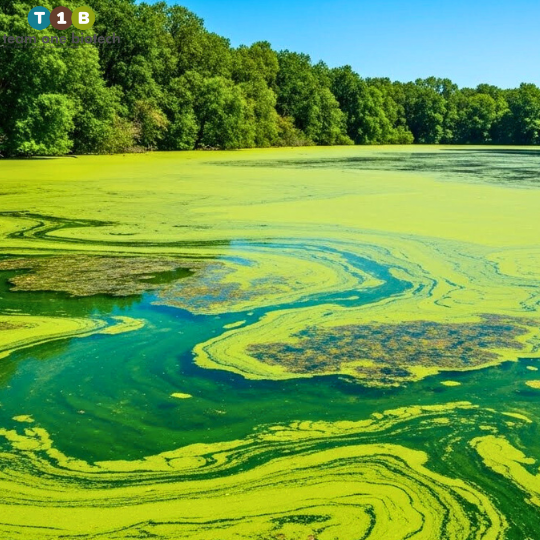
Ever seen lakes full of green slime? That’s algae gone wild — and it’s caused by sewage that’s chock-full of nutrients such as nitrogen and phosphorus. These algae blooms smother the water and strangle water creatures who are trying to breathe.


Sewage Inflow and Toxic Sludge


When pond maintenance is neglected and untreated sewage flows into water bodies, sludge accumulates. This mushy film releases methane, hydrogen sulfide, and killing stenches.


Low Oxygen Levels and Water Fatalities


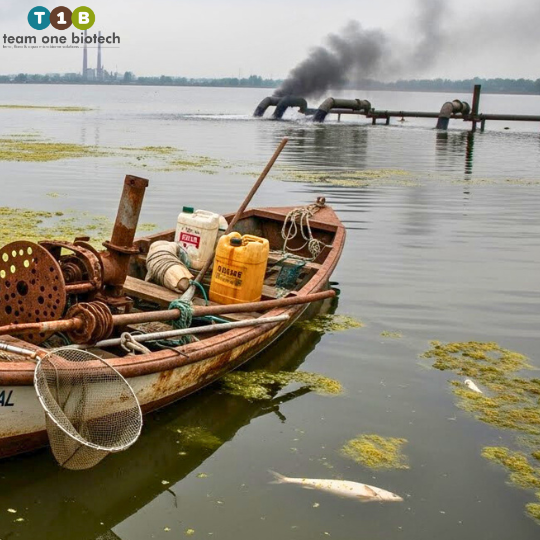
The decomposition of the organic waste reduces dissolved oxygen (DO) levels by enormous amounts. What’s the result? Mass fish kills and the destruction of the entire aquatic food web.


Increase in Mosquito-Borne Diseases


Mosquitoes have a heaven in still water. The surge in dengue and malaria cases around dirty lakes and fresh pond reservations is no accident.


Limitations of the Conventional Lake Purification Process


Mechanical Dredging is a Temporary Solution


Heavy machinery can remove the top layer of muck but avoid the root cause — excess nutrients and microbial imbalance.


Chemical Treatments — At What Cost?


Yes, pond algae remover will take the green away in the morning. But what is happening to the bioremediation bacteria that are performing the task of making the water clean? Gone. Dead. Killed.


Bioremediation: Cleanup by Nature
What is Bioremediation?


It’s using naturally occurring organisms — such as bacteria, fungi, and enzymes — to cleanse polluted environments. It’s the ocean equivalent of a detox cleanse, but a working one that makes life better.


How Biological Processes Surpass Others


Bioremediation is an auto-sustaining, cost-effective, and environmentally friendly process. Unlike chemical or mechanical systems, bioremediation microbes adjust to the lake environment and work 24/7.Team One Biotech is leading the way when it comes to organic pond cleaning solutions. We’re not selling products — providing holistic solutions to revive lakes.


A Triple-Action Strategy


High-Efficiency Microbial Consortia


T1B Pond & Lake Cleaner holds bioremediation bacteria which:


  • Degrade sludge


  • Enhance water transparency


  • Stop algae and pathogens


  • Increase pond aeration and DO levels


  • Natural odor removal


  • Support pond fisheries and aquatic biodiversity


Enzyme Bioremediation Stimulators


These enzymes act as scissors on toxins — cutting them to size into biodegradable pieces for microbes to digest.


Constructed Wetlands & Phytoremediation


In addition to water grasses such as vetiver and water hyacinth, Team One Biotech builds living filters that eliminate the contaminants and boost biodiversity.


Star Products of TeamOne Biotech:


  • T1B Pond & Lake Cleaner: Specifically designed for India’s climate and water situation, this bio-culture mix is your solution for pond algae removal, odor elimination, and organic waste breakdown.


  • Nano Bubble Generator: Micro-oxygenation is the way of the future! This cutting-edge pond aeration system releases minute oxygen bubbles, encouraging microbial growth and increasing DO levels across the lake.


How Team One Biotech Naturally Manages Algae


Probiotics vs Algae


By introducing beneficial bacteria to compete with the algae for nutrition, blooms are prevented from occurring in the first place. The result? No chemicals. No blooms and healthy water for fish for pond stocking.


Oxygenation Strategies to Re-Establish Equilibrium


When DO levels are at normal levels, anaerobic sludge loses its hold. Improving oxygen through pond aeration or by adding a Nano Bubble Generator you’ve got a balanced, healthy aquatic system.


Why Team One Biotech?


Customized Solutions for Lakes


We research local water chemistry, weather, and vegetation in order to deliver tailored solutions – whether a hill lake or a new pond reservation.


Full Lake Rejuvenation Service


From planning pond management to tracking post-treatment, TeamOneBiotech has it all under control — placing them among India’s top bioremediation companies.


Sustainable, Scalable, Environmentally Friendly


All of the products are non-GMO and biodegradable, and scalable to perform anything from pond maintenance service to lake rejuvenation projects.


Applications in India


Government Projects


Implementing public lake rejuvenation through coordination with ULBs and government departments under NPCA and NLCP.


NGO and CSR Initiatives


Assisting business corporations and NGOs in planning community pond cleaning and awareness programs. Industrial Ponds and Urban Lakes Effective even in high effluent areas by using specially designed filtration for ponds and bacteria and bioremediation combinations. 


Future of Lake Bioremediation in India 


As awareness grows, tougher environmental laws, and forward-thinking companies such as TeamOne, bioremediation is no longer an option — it’s the standard. Let’s reclaim India’s lakes to be swimmable, fishable, and livable again. 


FAQs: 


  1. What is bioremediation and how does it happen? 


Bioremediation employs bioremediation microorganisms such as bacteria and enzymes available in nature to degrade pollutants and recover lakes to a healthier condition. 


  1. Are Team One Biotech products safe for aquatic life and fish?


True enough! Our products are non-toxic, biodegradable, and are healthy for pond fisheries.


  1. When can we anticipate to realize impacts from lake bioremediation? 


Visible change can occur in 4–12 weeks, depending on lake size and level of contamination. 


  1. Can this technology be used in small societies or housing societies? 


Yes, TeamOneBiotech supports pond cleaners nearby and works in association with local NGOs, CSR agencies, and private contractors. 


Conclusion:


Restoring India’s Blue Treasures India’s water bodies are in danger — but nature has provided us with the tools to save them. Bioremediated products such as the latest technologies of Nano Bubbles, and we as TeamOneBiotech make a blue revival not only possible — but inevitable. We will do it ourselves, sludge to sanctuary. Contact us today and be part of India’s water revolution.


???? Email: sales@teamonebiotech.com


???? Visit: www.teamonebiotech.com


???? Discover More on YouTube – Watch our latest insights & innovations!-

???? Connect with Us on LinkedIn – Stay updated with expert content & trends!
The Menace of High TDS in Chemical Intermediates- Halophiles at rescue

Salts are one of the most omnipotent components present on Earth. Their presence and absence are significant in almost every chemical, physical, or biological process. Their concentration either depletes or enhances biological growth, preservation, and destruction. However, in effluent treatment plants, salts always have a destructive effect. High TDS in chemical intermediates is never welcomed by any ETP operator as it comes with operational ineffectiveness, damage to infrastructure, extreme difficulty in handling the effluent, non-compliance and high OPEX/CAPEX. Elevated TDS not only jeopardizes downstream operations, leading to scaling, corrosion, and product contamination, but also complicates effluent management, often forcing plants to deploy energy-intensive physicochemical treatments such as Multi-Effect Evaporators (MEE) and Reverse Osmosis (RO).

Although MEE/RO is effective, but is cost-intensive! so, what might be the alternative?  Well, here is the answer, HALOPHILES! Also known as halophilic bacteria, these salt-loving microbes offer a promising solution. This blog will help readers explore how halophiles in the form of microbial culture can help industries achieve operational excellence and reduce the effects and cost.

For more information or to discuss how our solutions can assist your operations, please contact us

The Impacts of High TDS :

High TDS streams in chemical intermediates plants often arise from:

  • Salt‐based reactants and catalysts: e.g., chlorides, sulfates, nitrates
  • Neutralization and pH control: addition of acid/base produces salts
  • Process by-products: dissolved organics, chelating agents, metal complexes
Operational Challenges
Effects of high TDS in chemical intermediates include:
  1. Scaling & Fouling
    • Precipitation of sparingly soluble salts (e.g., CaSO₄, BaSO₄) on heat‐exchange surfaces leads to reduced heat transfer and frequent downtime.
  2. Corrosion
    • Chloride‐rich brines attack stainless steels and other alloys, raising maintenance costs.
  3. Product Quality Risks
    • Carryover of salts compromises the purity of intermediates, requiring additional downstream purification.
Hampers Biological treatment: 
  • Due to high TDS, most of the biological wastewater treatment processes fail to generate effective biomass, hence hampering the efficiency.
Regulatory and Discharge Constraints
  • Effluent quality limits: Most jurisdictions cap TDS in discharge at 2,000–5,000 mg/L.
  • Brine disposal: Concentrated RO or evaporator brines often exceed tolerable disposal limits, leading to high disposal fees or zero-liquid discharge (ZLD) mandates.
  • Membrane/Equipment Damages:  Due to hampered biological wastewater treatment efficiency, most of the COD and dead biomass is carried into RO membranes results into their scaling or fouling in MEE.
Physicochemical Solutions: MEE & RO
Reverse Osmosis (RO)

Principle: Semi-permeable membranes allow water to pass under pressure while retaining salts.

  • Recovery ratio (R):
  • Typical performance: Recovery up to 75–85% for moderate TDS (<10,000 mg/L).
Pros:
  • Modular and relatively compact
  • High salt rejection (>99%)
Cons:
  • Membrane fouling/scaling requiring frequent cleaning
  • High‐pressure energy costs (2–6 kWh/m³)
  • Brine at 15–30% of feed volume
Multi‐Effect Evaporator (MEE)

Principle: A Series of evaporators reuses steam from one stage as the heating medium for the next, concentrating brine.

  • Steam economy: up to 8–10 kg steam/kg water evaporated.
Pros:
  • Handles very high TDS (>100,000 mg/L) and organics
  • Robust to feed variability
Cons:
  • Large footprint and capex
  • High thermal energy demand (often >500 kWh thermal/m³)
  • Generates a highly concentrated sludge

Halophilic Biocultures: A Biological Alternative

What Are Halophiles?
  • Definition: Microorganisms—including bacteria, archaea, and some fungi—that not only tolerate but require high salt concentrations (≥3% w/v NaCl) for optimal growth.
  • Types:
    • Moderate halophiles: 3–15% w/v NaCl
    • Extreme halophiles: 15–30% w/v NaCl
Mechanisms of Pollutant Removal
  1. Organic Degradation
    • Many halophiles express salt-stable enzymes (e.g., dehydrogenases, esterases) that mineralize refractory organics, aiding in biological TDS reduction.
  2. Biosorption of Inorganics
    • Cell walls and extracellular polymeric substances (EPS) bind heavy metals and ammonium ions, reducing dissolved load.
  3. Biomineralization
    • Certain strains precipitate metal sulfides or carbonates, facilitating solids separation.
Case Study: Halomonas spp. in High-Salinity Effluent:
ParameterUntreated EffluentAfter Halophilic TreatmentRemoval Efficiency
TDS (mg/L)45,00028,00038%
COD (mg/L)5,2001,10079%
NH₄⁺-N (mg/L)3104585%

In a pilot study, a consortium dominated by Halomonas elongata achieved near‐complete organic removal and 30–40% TDS reduction within 48 hours, showcasing the potential of TDS reduction using microorganisms.

Integration Strategies:
4.1 Hybrid Biological‐Physicochemical Systems
  1. Pre‐treatment with Halophiles + RO
    • Step 1: Use halophilic bioreactor to ingest organics and bind metals, lowering fouling precursors.
    • Step 2: Send biologically pre-treated stream to RO, extending membrane life and improving recovery.
  2. Post‐MEE Biological Polishing
    • Concentrate via MEE to moderate brine TDS (e.g., 80,000 mg/L → 120,000 mg/L).
    • Dilute and treat with halophiles to remove residual COD and ammonia, enabling partial recycling.
4.2 Reactor Configurations
  • Sequencing Batch Reactors (SBR): Ideal for flexible loading and high-salt adaptation cycles.
  • Membrane Bioreactors (MBR): Combine biomass retention with ultrafiltration, ensuring high mixed liquor suspended solids (MLSS).
  • Fixed-Film Reactors (e.g., Biofilm Carriers): EPS‐rich biofilms on carriers that thrive in saline feed.
Design & Operational Best Practices:
AspectRecommendation
Salinity GradientsGradual acclimation: start at 3% NaCl, ramp to process levels over 2–3 weeks.
pH ControlMaintain 7.5–8.5; extremes impair enzymatic activity.
Nutrient SupplementationC:N:P ratio of ~100:5:1 for robust growth.
Temperature30–37 °C to optimize halophilic metabolism.
Hydraulic Retention Time24–72 hours, depending on target removal efficiencies.
Mixing & OxygenationEnsure DO ≥2 mg/L for aerobic halophiles; N₂ sparging for anaerobic strains.
Economic & Environmental Benefits:
MetricConventional MEE/RO OnlyHybrid with Halophiles
Energy Consumption (kWh/m³)6–10 (electrical) + 500 (thermal)3–5 (electrical) + 300 (thermal)
Membrane Cleaning FrequencyEvery 2–4 weeksEvery 8–12 weeks
Brine Volume for Disposal (%)20–3010–15
Chemical Usage (antiscalants)HighModerate
Carbon Footprint (kg CO₂e/m³)15–208–12

By biologically reducing foulants and salinity, plants can halve brine volumes, extend membrane life, and cut overall energy and chemical costs by up to 30%. Moreover, the biodegraded organics lessen the environmental hazards of any unavoidable discharges, promoting eco-friendly chemical processing.

Conclusion:

High TDS in chemical intermediates has traditionally been corralled by MEE and RO—solutions that are effective but capital- and energy-intensive, and that generate challenging brines. Halophilic biocultures, however, offer a compelling biological route to alleviate TDS and organic loads, enhancing and de-risking conventional treatment trains. By integrating salt-adapted microbes—either as a pretreatment before RO or as a polishing step after evaporation—plants can achieve lower energy footprints, reduced chemical consumption, and more manageable brine streams.

As the industry seeks sustainability and cost-efficiency, harnessing the power of halophiles represents a strategic pivot: one that turns the very menace of high salinity into an opportunity for greener, sharper operations.

Are high TDS levels threatening your effluent compliance? Discover how a customized biological approach can turn the tide. Contact us to discuss a no-obligation site assessment and see how TeamOne’s expertise can optimize your industrial wastewater treatment.

???? Email: sales@teamonebiotech.com

???? Visit: www.teamonebiotech.com

???? Discover More on YouTube – Watch our latest insights & innovations!-

???? Connect with Us on LinkedIn – Stay updated with expert content & trends!

Scan the code