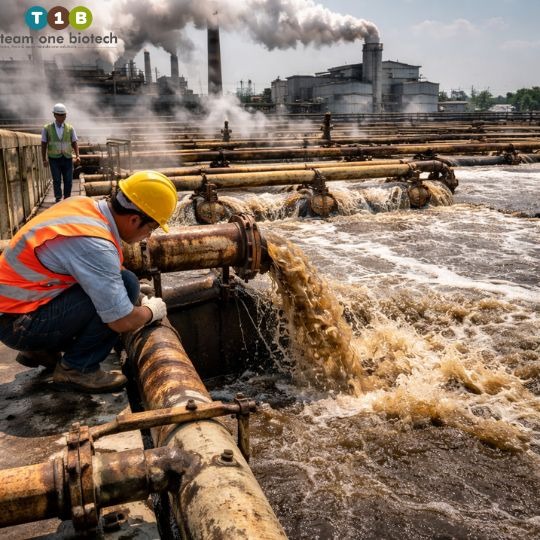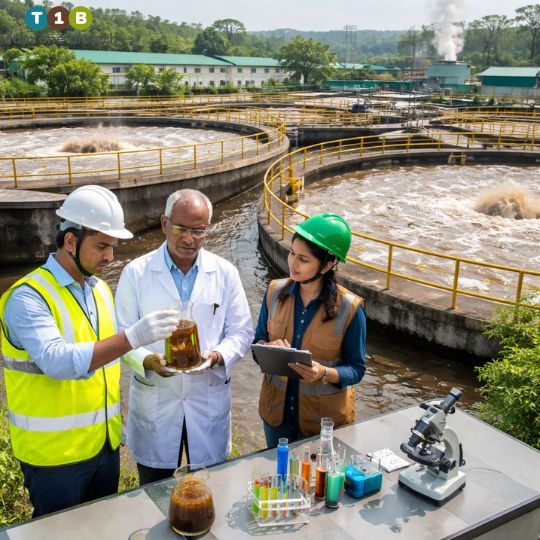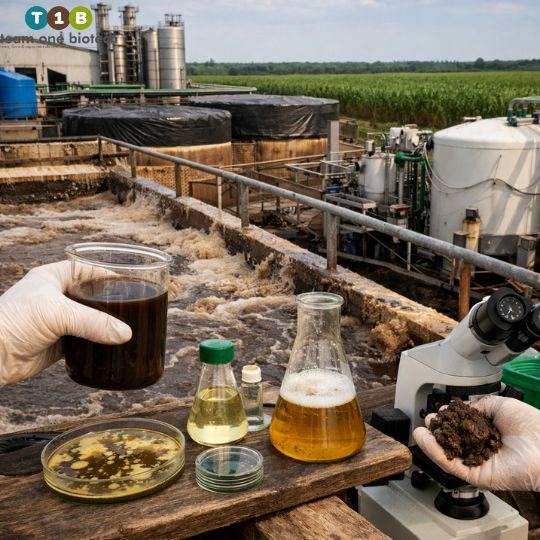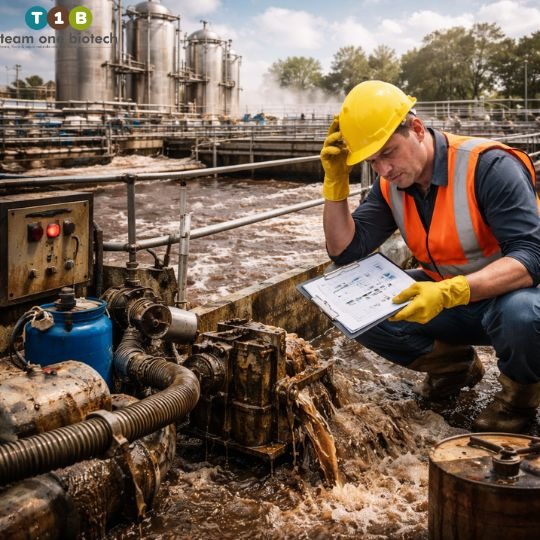
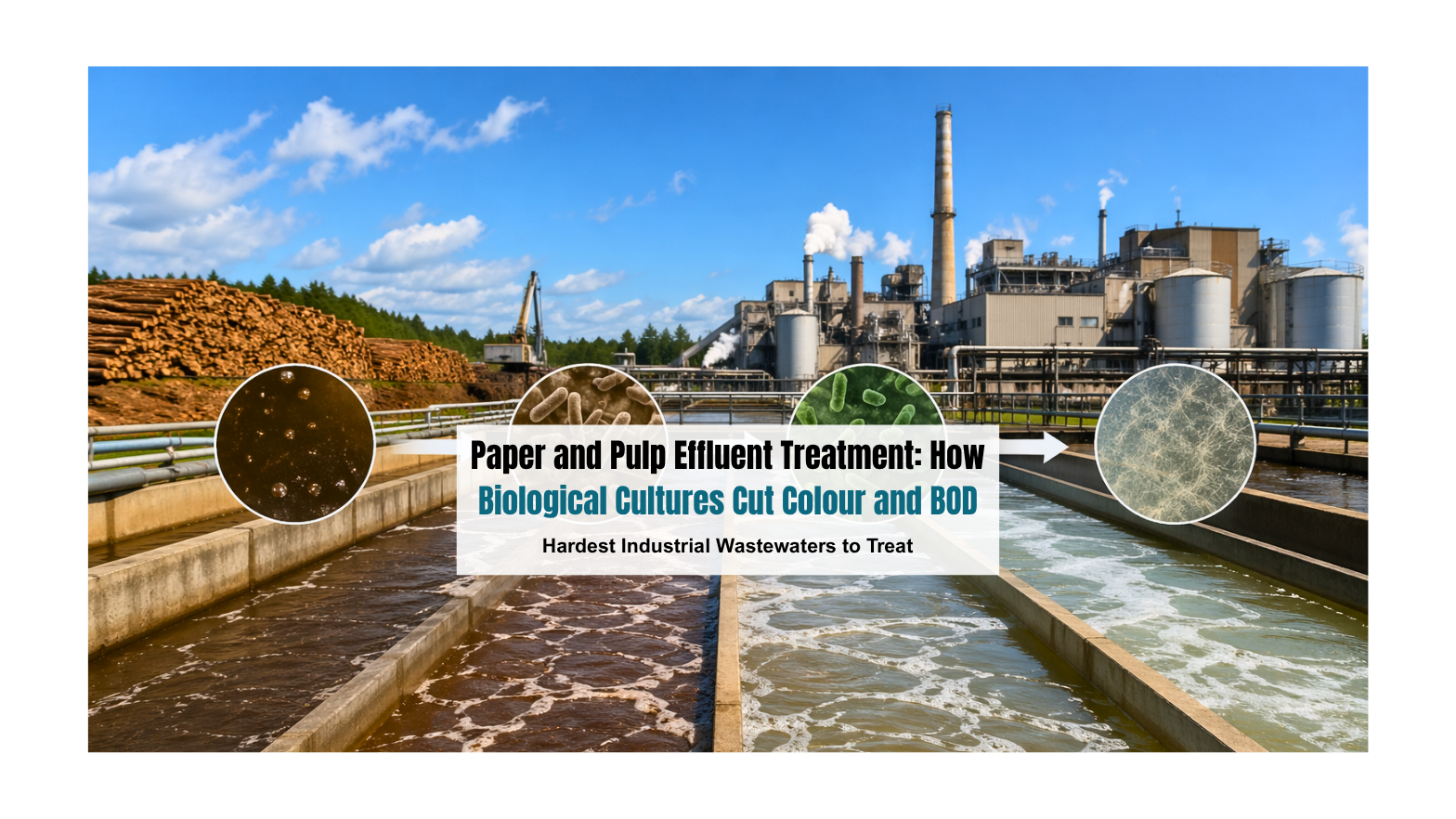
Paper and Pulp Effluent Treatment: How Biological Cultures Cut Colour and BOD

If you manage an ETP at a paper or pulp mill in India, you already know the feeling. The consent conditions sit on your desk. The CPCB ambient water quality norms have been tightened. Your State Pollution Control Board inspector is due next quarter, and the treated effluent flowing out of your clarifier still carries that unmistakable brown tint.

Paper mill effluent treatment is not a checkbox exercise anymore. In the current regulatory climate, with the National Green Tribunal actively penalizing non-compliant industrial units and SPCBs empowered to issue closure notices, the margin for error at your ETP is essentially zero. Real-time online monitoring systems (OCEMS) now transmit your treated effluent data directly to CPCB servers. There is no hiding a bad day at the plant.

The operators who are sleeping soundly at night are the ones who have moved beyond conventional treatment and invested in understanding the biology of their wastewater. This post explains exactly how Biological Cultures for Paper and Pulp Effluent Treatment are now doing what chemicals and physical processes alone never could: breaking down the stubborn organic load in paper and pulp effluent and delivering consistent compliance, month after month.

Why Paper Mill Effluent Is Among the Hardest Industrial Wastewaters to Treat
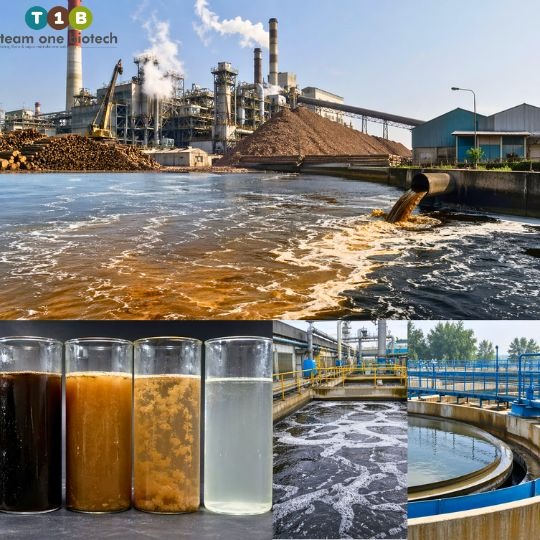
Why Paper Mill Effluent Is Among the Hardest Industrial Wastewaters to Treat

Before we discuss solutions, we need to respect the problem. Paper mill effluent treatment is uniquely challenging, and anyone who tells you otherwise is selling something oversimplified.

The core difficulty comes down to three factors:

1. Lignin-based colour is chemically recalcitrant

Lignin is the structural polymer that gives wood its rigidity. During the pulping process, whether kraft, sulphite, or mechanical, lignin is broken down and released in large quantities into the process water. The resulting effluent carries complex, high-molecular-weight chromophores that give paper mill discharge its characteristic dark brown to black colour.

These compounds do not respond well to conventional biological treatment because most common heterotrophic bacteria simply lack the enzymatic machinery to attack aromatic ring structures. Chlorine bleaching in older mills adds chlorinated lignin derivatives to the mix, further complicating biodegradation and potentially pushing you into the territory of acute aquatic toxicity.

2. High and variable Organic Loading Rates (OLR)

Paper mills do not produce uniform effluent. A mill running 100% recycled fibre will generate a different effluent profile than one using virgin wood pulp. OLR can swing dramatically based on:

  • Grade of paper being produced (tissue, kraft board, newsprint, writing paper)
  • Seasonal raw material variations
  • Machine wash-down cycles and felt changes
  • Chemical recovery system upsets

This variability is the enemy of a stable biological treatment system. A conventional activated sludge process tuned for average conditions will underperform on peak-load days, precisely the days when you can least afford it.

3. The BOD:COD ratio problem

Healthy aerobic digestion processes thrive on a favourable BOD:COD ratio. In paper mill effluent, the presence of non-biodegradable COD, principally from lignin and its derivatives, can push the BOD:COD ratio to values where standard microbial communities struggle to deliver meaningful COD removal. You can have perfectly functioning biomass and still fail your discharge norms because the recalcitrant fraction passes through untouched.

The Biological Solution: Bio-Augmentation for Lignin Degradation and BOD Reduction
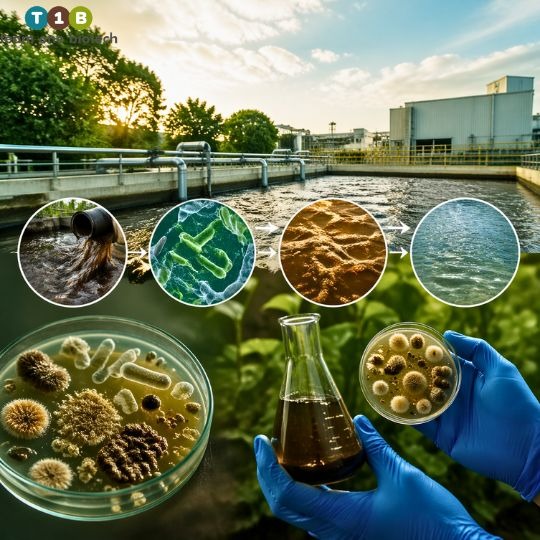
The Biological Solution: Bio-Augmentation for Lignin Degradation and BOD Reduction

This is where the science becomes genuinely powerful, and where paper mill effluent treatment has seen the most significant advances in the last decade.

Bio-augmentation refers to the deliberate introduction of selected microbial strains or consortia into an existing biological treatment system. These are not generic cultures. For paper and pulp applications, the relevant organisms are typically:

  • White-rot fungi such as Phanerochaete chrysosporium and related basidiomycetes, which produce lignin peroxidase and manganese peroxidase, extracellular enzymes specifically evolved to depolymerise lignin
  • Laccase-producing bacteria including select Bacillus, Pseudomonas, and Streptomyces strains capable of oxidising phenolic compounds
  • Specialised heterotrophic consortia that efficiently convert the lower-molecular-weight fragments produced by the above into carbon dioxide and water through conventional aerobic metabolism

The process works in a cascade. Lignin peroxidase and laccase break the high-molecular-weight chromophores into smaller, more biodegradable units. Downstream heterotrophic bacteria then mineralise these fragments, reducing both colour and soluble BOD simultaneously.

What does this look like in practice?

When properly applied and acclimatised to your specific effluent, a well-designed bio-augmentation programme targeting paper mill wastewater can be expected to deliver:

  • BOD reduction in the range of 85% to 95%
  • COD reduction in the range of 70% to 88%
  • Colour reduction (ADMI units) in the range of 60% to 80%

Important Disclaimer: The numerical ranges cited in this article are general performance benchmarks drawn from field experience across multiple installations. Actual results will vary based on your specific ETP design, hydraulic retention time (HRT), sludge retention time (SRT), influent chemistry, temperature, and operational discipline. Contact Team One Biotech for a site-specific performance assessment before setting internal targets.

Paper Mill Effluent Treatment in the Indian Context: The Challenges Nobody Talks About
Paper Mill Effluent Treatment in the Indian Context: The Challenges Nobody Talks About

Global case studies are useful. Indian field realities are what matter when your phone rings at 2 AM because the final effluent is failing colour.

Seasonal temperature swings

Biological treatment systems are temperature-sensitive. In northern and central India, effluent temperatures in January can drop to 12°C to 16°C, dramatically slowing microbial metabolism. The same system in May may see influent temperatures exceeding 38°C to 42°C, stressing mesophilic organisms and risking process upset. A culture formulation that works in Maharashtra in February may behave very differently in Uttarakhand in December.

Effective bio-augmentation for Indian mills must account for this range. The microbial consortia supplied should demonstrate metabolic activity across a broad thermal window, and dosing protocols should be adjusted seasonally, not set once and forgotten.

Raw material and process variability in Indian mills

Many Indian paper mills operate on a mixed furnish, recycled OCC, agricultural residues like bagasse and wheat straw, and imported pulp. This creates an influent with a compositional complexity that European or North American mills rarely encounter. Bagasse-based effluents carry different hemicellulose fractions and silica loading than wood-based effluents. Your biological culture needs to be acclimated to your specific substrate chemistry, not a generic paper mill profile.

MLSS management under load shock

Maintaining Mixed Liquor Suspended Solids (MLSS) within the target range during production upsets is a persistent operational challenge. When a mill runs a grade change or recovers from a machine breakdown, the OLR spike that hits the aeration tank can crash a fragile biomass within 24 to 48 hours, setting back your compliance position by weeks.

Bio-augmented systems, particularly those using spore-forming bacterial strains, show significantly higher resilience to OLR shocks than conventional activated sludge alone. Dormant spores survive the upset and germinate rapidly once conditions stabilise, shortening recovery time considerably.

The push toward Zero Liquid Discharge

ZLD is no longer a future aspiration for many Indian paper mills, it is a regulatory condition of consent in several states. Biological pre-treatment quality directly determines the efficiency and cost of the downstream ZLD train (ultrafiltration, RO, MEE, and ATFD). Poor COD and colour removal at the biological stage means your RO membranes foul faster, your evaporator scaling increases, and your overall cost per kilolitre of recovered water rises sharply.

Investing in high-performance biological cultures is not just a compliance decision. In a ZLD framework, it is an operational cost management decision.

How Team One Biotech’s Biological Cultures Are Formulated for Paper Mill Applications

At Team One Biotech, our approach to paper mill effluent treatment begins with understanding that no two mills are identical. Our process:

Step 1, Influent characterisation. We analyse your raw effluent for BOD, COD, colour (ADMI), TSS, pH, TDS, sulphate, chloride, and the BOD:COD ratio. This tells us the biodegradable fraction we are working with and the recalcitrant COD we need to attack enzymatically.

Step 2, Culture selection and acclimation. Based on your effluent chemistry, we select and acclimate a consortium specifically prepared for your substrate. This is not an off-the-shelf product, it is a living, engineered microbial community tuned to your wastewater.

Step 3, Dosing protocol and integration. We provide a structured seed dosing protocol, typically delivered over a phased startup period of two to four weeks, followed by a maintenance dosing regime. Our technical team supports your plant operators through the process.

Step 4, Performance monitoring. We recommend a monitoring schedule targeting BOD, COD, MLSS, SVI, and colour at defined intervals through the startup phase to verify culture establishment and performance trajectory.

The result is a biological system that is more robust, more consistent, and better positioned to absorb the operational variability inherent in Indian paper mill production.

Practical Guidance for ETP Operators Running Paper Mill Wastewater
Practical Guidance for ETP Operators Running Paper Mill Wastewater

Whether or not you are currently using bio-augmentation, the following operational disciplines will strengthen any paper mill effluent treatment system:

  • Monitor your F/M ratio regularly. Food-to-microorganism ratio is your early warning system for biomass health. A declining F/M in the face of consistent loading often signals a culture quality issue before it becomes a compliance event.
  • Maintain dissolved oxygen in the aeration basin between 2.0 and 3.5 mg/L. Lignin-degrading organisms are obligate aerobes with high oxygen demand. Inadequate DO is the single most common reason bio-augmentation programmes underperform.
  • Track SVI (Sludge Volume Index) weekly. Bulking sludge is a frequent consequence of low F/M and poor selector design in paper mill ETPs. High SVI will compromise your secondary clarifier and push TSS into your final effluent.
  • Avoid sudden pH swings. Maintain aeration basin pH between 6.8 and 7.6. Paper mill effluents can be acidic or alkaline depending on the process stage contributing to the drain. Buffering capacity matters.
  • Document OLR trends. If you can predict the days your OLR spikes, grade changes, week-end startups, rainy-season dilution events, you can pre-dose your biological cultures to have elevated biomass activity ready before the shock arrives, rather than reacting after.

The Bottom Line for EHS Managers

Colour and BOD in paper mill effluent are not problems that chlorine dosing or coagulant overdosing will solve sustainably. They are fundamentally biological problems that require biological solutions, specifically, the right microbial consortia, properly acclimated, correctly integrated, and operationally supported.

With CPCB and SPCB enforcement intensifying and ZLD mandates expanding, the question is no longer whether to invest in biological treatment performance. The question is whether you are getting the best possible biological performance from your current system.

If you are not consistently achieving your consent conditions, or if you are achieving them on borrowed time through chemical patches, it is time for a professional audit of your ETP’s biological health.

Team One Biotech offers site-specific ETP audits and customised microbial culture formulations for paper and pulp mills across India. Our technical team works directly with your plant operators, not just your corporate procurement team, because we understand that compliance is won or lost at the plant floor level.

Reach out to Team One Biotech today to schedule your consultation. Bring your last three months of influent and effluent data, and we will bring the science.

This Blog is intended for informational purposes for ETP/STP operators and EHS professionals. All performance ranges cited are general benchmarks only and do not constitute guaranteed outcomes. Actual treatment performance is dependent on site-specific conditions including ETP design, hydraulic and sludge retention times, influent chemistry, temperature, and operational management. Team One Biotech recommends a site-specific technical assessment before implementing any biological treatment programme.

Looking to improve your ETP/STP efficiency with the right bioculture?
Talk to our experts at Team One Biotech for customised microbial solutions.

Contact+91 8855050575

Email:  sales@teamonebiotech.com

Visit: www.teamonebiotech.com

Discover More on YouTube – Watch our latest insights & innovations!-

Connect with Us on LinkedIn – Stay updated with expert content & trends!
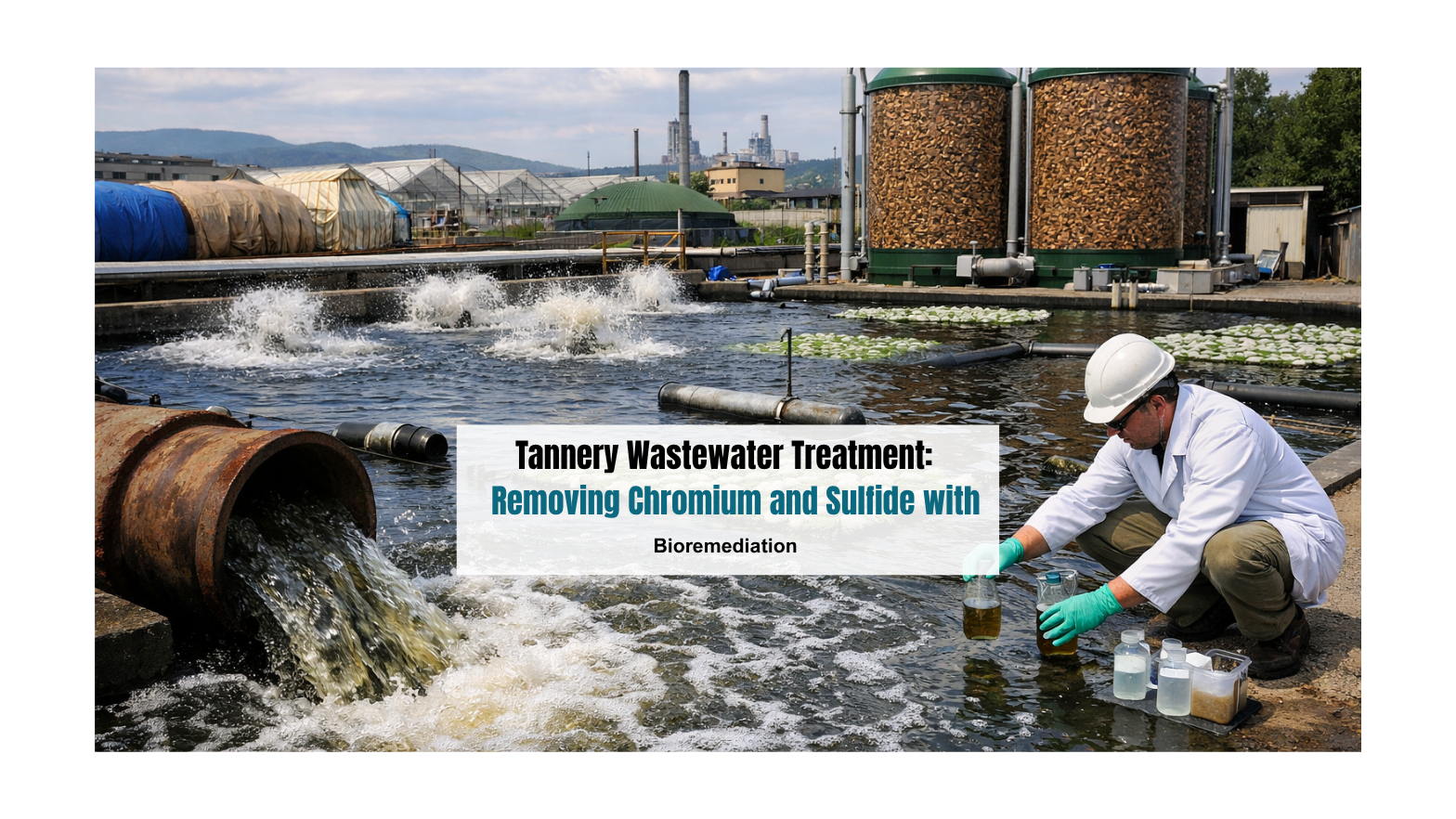
Tannery Wastewater Treatment: Removing Chromium and Sulfide with Bioremediation

If you manage environmental health and safety at a tannery unit in Kanpur, Ambur, or Ranipet, you already know what it feels like to walk into your ETP shed at 6 AM and wonder whether today is the day an SPCB inspection team shows up unannounced. You know the weight of being responsible for what goes into the drain, and what that means for a river downstream, for a community nearby, and for your facility’s operating license.

Bio Cultures for Tannery Wastewater Treatment is not a back-of-house problem. It sits at the intersection of industrial survival and environmental accountability. The leather industry contributes billions to India’s export economy and employs millions of workers, but it also produces one of the most chemically complex effluent streams in any industrial sector. Chromium. Sulfides. High BOD. Extreme pH swings. And CPCB norms that grow stricter with every revision of the Environmental Protection Act.

For EHS managers who have been navigating this pressure for years, the real question is no longer whether to treat, it is how to treat smarter, at lower cost, with less sludge, and with outcomes that actually hold up during third-party audits. That is where bioremediation is changing the conversation.

What Makes Tannery Effluent So Difficult to Treat

What Makes Tannery Effluent So Difficult to Treat

Before talking solutions, it helps to be honest about the problem, because too many vendors oversimplify it.

Traditional chrome tanning processes use trivalent chromium (Cr III) as a tanning agent. Under most ETP conditions, this is manageable. The challenge emerges when your ETP is not optimized: pH fluctuations, oxidizing conditions, and high redox potential can convert Cr(III) to hexavalent chromium (Cr VI), a compound classified as a carcinogen under multiple international standards and explicitly listed under CPCB’s hazardous waste rules.

Indian discharge norms for total chromium in tannery effluent are set at 2 mg/L for inland surface water discharge and 1 mg/L for land application under General Standards for Discharge of Environmental Pollutants (Schedule VI of the Environment Protection Rules, 1986). Facilities operating in river-sensitive zones, particularly those near the Ganga basin in Uttar Pradesh or Palar River basin in Tamil Nadu, face even tighter scrutiny under NGT directives and state-level notifications.

Then there is the sulfide problem. Beam-house operations, liming, de-hairing, and soaking, generate effluent with sulfide concentrations that can range from several hundred to well over a thousand mg/L, depending on process chemistry and hides processed per day. Sulfide in untreated or undertreated discharge creates toxic hydrogen sulfide gas, causes acute aquatic toxicity, and contributes to the foul odor conditions that draw community complaints and media attention to tannery clusters.

The conventional response has been chemical precipitation, adding ferrous sulfate or lime to crash chromium out of solution, and using aeration or chlorination to oxidize sulfide. These methods work, to a point. But they generate enormous volumes of chemical sludge, require significant reagent procurement and storage, and often struggle to consistently hit discharge limits when influent quality fluctuates, which in tanneries, it does frequently.

The Bioremediation Shift: Microbes That Work Where Chemicals Fall Short

Bioremediation in tannery wastewater treatment is not a new concept, but its practical implementation in Indian industrial ETPs has accelerated significantly in the last several years, driven partly by the push for ZLD compliance and partly by the economics of chemical sludge disposal.

What Team One Biotech brings to this domain is a library of specialized microbial consortia that have been selected and conditioned specifically for high-chromium, high-sulfide industrial environments. These are not off-the-shelf bacterial cultures from a generic microbiology catalogue. They are strains that have been adapted to perform under the high-salinity, high-toxicity conditions that are typical of tannery ETPs in the Kanpur cluster or the Ambur-Ranipet belt.

The core distinction between chemical treatment and bio-based treatment is what happens after the contaminant is captured. Chemical precipitation immobilizes chromium in a sludge cake that must then be landfilled or treated as hazardous waste. Bioremediation does something different, and, in many ways, more elegant.

How the Microbial Mechanism Actually Works

How the Microbial Mechanism Actually Works

Chromium Sequestration Through Microbial Reduction

Certain strains of chromate-reducing bacteria, including species from genera such as Bacillus, Pseudomonas, and Desulfovibrio, are capable of enzymatically reducing hexavalent chromium (Cr VI) to the far less toxic trivalent form (Cr III). This reduction typically occurs through electron transfer driven by organic carbon in the effluent, which means the bacteria are using the wastewater’s own chemistry as fuel.

Once reduced, Cr(III) can be further immobilized through biosorption, a process where microbial cell walls, with their negatively charged surface groups, bind to metal cations and remove them from solution. The result is chromium locked into a biomass matrix rather than floating in solution or leaching from a chemically unstable sludge cake.

In optimized bioaugmentation programs, total chromium reduction efficiencies in tannery ETPs have been reported in the range of 70% to 90% in the biological treatment stage alone, before any final polishing. Specific results depend on influent loading, hydraulic retention time, microbial acclimatization period, and the baseline performance of the existing ETP. These figures are benchmarks; actual outcomes vary from plant to plant and require site-specific evaluation.

Sulfide Oxidation Through Microbial Metabolism

The sulfide challenge is addressed through a different but equally elegant mechanism. Sulfur-oxidizing bacteria, which naturally thrive in environments rich in reduced sulfur compounds, convert sulfide (S²⁻) to elemental sulfur and ultimately to sulfate (SO₄²⁻), which is far less toxic and odorous.

In a bioaugmented ETP, this process is accelerated and stabilized compared to what happens in a conventional aeration system. The biological pathway does not require continuous addition of chemical oxidants, and it does not produce the chlorinated by-products associated with hypochlorite-based sulfide control.

Sulfide removal efficiencies in augmented biological treatment stages typically fall in the range of 75% to 92% under stable operating conditions. Again, these are generalized ranges. Actual performance depends on your specific influent sulfide load, reactor configuration, and dissolved oxygen management.

The Indian Industry Context: Why This Matters More Here

The Indian Industry Context: Why This Matters More Here

Indian tannery clusters operate at a scale that makes chemical reagent costs a serious line item. A mid-sized tannery processing 500 to 1,000 hides per day can spend significantly on ferrous sulfate, lime, and acid for pH adjustment alone, before accounting for the cost of sludge disposal, which in hazardous waste categories under the Hazardous and Other Wastes (Management and Transboundary Movement) Rules, 2016 requires authorized TSDF facilities.

Bioaugmentation does not eliminate chemical treatment entirely, most ETPs will continue to use some chemical precipitation for rapid chromium knockdown, but it substantially reduces reagent consumption and sludge volume. Facilities that have integrated microbial treatment into their process have reported reductions in chemical sludge generation in the range of 30% to 55%, though this varies considerably depending on baseline chemistry and process configuration. These figures are indicative and should not be assumed to apply universally without a proper site assessment.

From a ZLD compliance standpoint, reducing the contaminant load entering your RO or evaporation systems also extends membrane life and reduces scaling, which translates directly into lower maintenance costs and longer intervals between system overhauls.

For EHS managers under SPCB scrutiny or NGT compliance orders, particularly those operating in notified zones around the Ganga, Yamuna, or Palar river basins, demonstrating a biological treatment layer in your ETP is increasingly viewed favorably during compliance reviews as evidence of best-available-technology adoption.

If your facility is currently navigating a compliance notice or preparing for a renewal inspection, this is exactly the kind of documented process improvement that regulators want to see. Contact Team One Biotech for a no-obligation audit of your current ETP’s biological treatment potential.

Integrating Bioremediation Into Your Existing ETP: A Practical Path

Retrofitting an existing tannery ETP for bioaugmentation does not require demolishing what you have. The approach is additive, not disruptive. Here is how the implementation typically unfolds:

  • Baseline ETP Assessment, Team One Biotech’s technical team evaluates your current influent parameters: chromium speciation, sulfide load, BOD/COD ratio, pH profile, and sludge generation rates. This gives you a data-backed starting point rather than a guess.
  • Microbial Strain Selection, Based on the assessment, a specific consortium is recommended. High-chromium environments need strains with proven chromate-reduction capacity; high-sulfide environments need dominant sulfur oxidizers. The formulation is not one-size-fits-all.
  • Seeding and Acclimatization, Microbial cultures are introduced into your existing biological treatment tanks, typically the aeration tank or equalization basin. An acclimatization period of two to four weeks is standard before performance benchmarks are meaningful.
  • Monitoring and Optimization, Effluent quality is tracked at defined intervals. Dosing frequency and quantity are adjusted based on observed performance. This is not a one-time application; it is a managed biological process.
  • Documentation for Compliance, Treatment logs, influent and effluent data, and microbial performance records are maintained in a format suitable for SPCB submissions and third-party environmental audits.

Speak to Team One Biotech’s technical team today to understand whether your ETP’s existing infrastructure is ready for bioaugmentation, or what modifications might be needed to maximize outcomes.

Long-Term ROI and the Environmental Legacy You Leave Behind

The economics of bioremediation in tannery wastewater treatment improve over time. In the first year, the primary returns are in chemical savings, reduced sludge disposal costs, and improved consistency in hitting discharge limits. Over a three-to-five year horizon, the return also includes reduced equipment wear on downstream systems, lower compliance-related legal and administrative costs, and the reputational capital that comes with demonstrably responsible effluent management.

For tannery units in clusters like Kanpur, where the Ganga Action Plan and successive NGT orders have made the leather industry a focal point of environmental scrutiny, this is not a peripheral benefit. It is a strategic necessity.

The EHS managers who are building facilities that will still be operating a decade from now are not just chasing compliance thresholds. They are making a considered decision about the kind of industrial legacy their facility leaves in the local ecosystem, the local water table, and the communities around them.

Bioremediation is one of the most credible tools available to make that decision count.

To explore a site-specific bioremediation strategy for your tannery ETP, reach out to Team One Biotech for a detailed technical audit and customized treatment recommendation.

Disclaimer: All numerical values, reduction percentages, and concentration ranges cited in this article are general industry benchmarks compiled from published literature and field observations. Actual results vary from plant to plant and depend on influent characteristics, ETP design, operational parameters, and site-specific conditions. These figures should not be used as guaranteed performance indicators without a formal site assessment.

Looking to improve your ETP/STP efficiency with the right bioculture?
Talk to our experts at Team One Biotech for customised microbial solutions.

Contact+91 8855050575

Email:  sales@teamonebiotech.com

Visit: www.teamonebiotech.com

Discover More on YouTube – Watch our latest insights & innovations!-

Connect with Us on LinkedIn – Stay updated with expert content & trends!
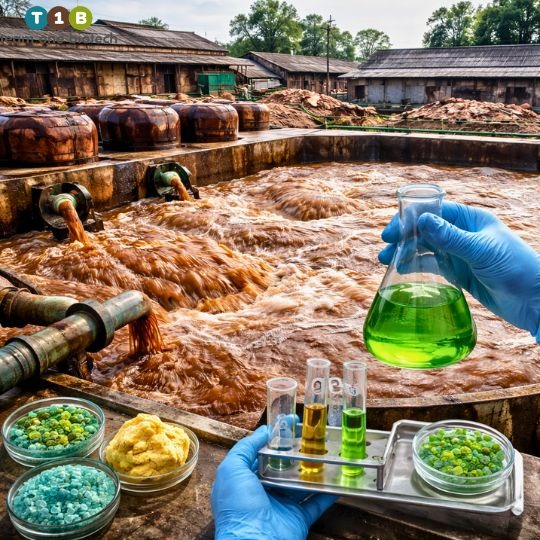
Sugar Mill Effluent Under Pressure: Biological Solutions for High-Load Shocks and CPCB Compliance

Every October, the same alarm starts ringing across sugar belt states,  Uttar Pradesh, Maharashtra, Karnataka, Tamil Nadu. The cane arrives faster than any ETP was designed to absorb. Clarifier overflow. Sludge turning grey. COD spiking to levels that would make an inspector reach for his clipboard before he even finishes his chai.

For an EHS manager standing between a 24-hour production cycle and an SPCB show-cause notice, this is not a theoretical problem. This is a recurring operational crisis,  one that can trigger NGT fines, plant shutdowns, and reputational damage that lingers long after the season ends.

The hidden cost of non-compliance is rarely just the penalty. It is the productivity loss during corrective shutdowns, the cost of emergency chemical dosing, the overtime hours troubleshooting a biological system that was never built for the load it is receiving. And increasingly, with CPCB tightening effluent discharge standards under the Environment Protection Act and NGT maintaining active oversight on Red Category industries, the margin for error has narrowed to almost nothing.

Biological treatment for sugar mills done right is not a backup plan. It is the foundation of a compliant, resilient sugar mill operation.

What Makes Sugar Mill Effluent a Biological Treatment Challenge

Sugar mill effluent is not ordinary wastewater. It is a concentrated, chemically complex mix that includes washings from cane preparation, barometric condenser water, juice spillage, molasses residues, and floor washdowns from the boiling house. During peak crushing, this mix arrives in volumes and concentrations that fluctuate dramatically,  sometimes hour to hour.

The core parameters that drive treatment difficulty:

COD loads typically range from 2,000–15,000 mg/L depending on the unit operation and dilution, though values outside this range are documented during startup and peak throughput.

BOD values commonly fall in the 800–6,000 mg/L range in raw influent, with significant variation tied to molasses carryover and process leakages.

pH swings across 4.5–9.5 in untreated streams, driven by fermentation of residual sugars in collection channels and alkaline process water from sulphitation.

Suspended solids, including bagasse fines and soil from cane washing, regularly read between 500–3,000 mg/L in raw streams entering primary treatment.

Colour, primarily from melanoidins,  the compounds formed when amino acids react with reducing sugars under heat,  is one of the most persistent treatment challenges and a visible indicator of non-compliance even when COD numbers look acceptable.

All values expressed throughout this article represent general industry ranges. Actual figures vary significantly based on plant-specific machinery, cane variety, feedstock quality, process water management, and ETP/STP design configuration. Site-specific characterisation is essential before any treatment design decision.

The Science Behind Biological Degradation of Sugar Mill Wastewater

The Science Behind Biological Degradation of Sugar Mill Wastewater

Why Microbial Consortia Outperform Chemical Treatment Alone

Chemical treatment,  coagulation, flocculation, lime dosing,  addresses the physical load. It does not address the dissolved organic fraction that drives your COD reading and determines whether your discharge will pass consent conditions.

That work is done by microorganisms. Specifically, by diverse consortia of aerobic heterotrophs, facultative anaerobes, and specialised fermenters that collectively degrade the complex organic matrix of sugar mill effluent.

The primary substrates these organisms are breaking down include:

Sucrose, glucose, and fructose,  rapidly consumed fermentable sugars that provide a fast-acting BOD spike in the early stages of biological treatment.

Polysaccharides and starches,  from bagasse and cane pith, which require cellulolytic and amylolytic bacterial populations to hydrolyse before further degradation is possible.

Organic acids,  acetic, lactic, and butyric acids formed during fermentation of residual sugars in collection sumps and anaerobic pockets of the treatment system.

Melanoidins,  high-molecular-weight recalcitrant compounds requiring specialised peroxidase-producing fungi and bacteria, such as Phanerochaete-type organisms or ligninolytic populations, that many generic microbial seed cultures simply do not contain in sufficient density.

The Anaerobic-Aerobic Sequence: Getting the Biology Right

Well-designed biological treatment of sugar mill effluent typically follows a staged approach:

Anaerobic pretreatment,  UASB reactors or anaerobic lagoons reduce the gross organic load, converting 55–70% of incoming COD to biogas and reducing the aerobic stage loading. COD reduction across the anaerobic stage typically falls in the 50–65% range.

Aerobic biological treatment,  Extended aeration, activated sludge, or sequencing batch reactors (SBRs) handle the residual BOD and COD. Well-seeded and maintained aerobic systems achieve BOD reductions of 88–96% across the combined treatment train.

Tertiary polishing,  Filtration, constructed wetlands, or advanced oxidation handles colour and residual suspended solids before ZLD or discharge.

The biology only performs at this level when the microbial population is correctly seeded, adequately fed, and protected from shock events.

Where Operations Go Wrong, The Most Common ETP Failures in Sugar Mills

Sludge Bulking and Settleability Collapse

One of the most frequently reported operational failures in sugar mill ETPs is filamentous sludge bulking,  the proliferation of thread-like bacterial species that create a voluminous, poorly settling sludge blanket. This typically occurs when:

Carbon-to-nitrogen ratios are skewed by high sugar loads without proportional nitrogen supplementation. The ideal C:N:P ratio for aerobic biological treatment is approximately 100:5:1, but in sugar mill systems, this ratio can be thrown to 300:5:1 or worse during high-load periods.

Dissolved oxygen sags below 1.5–2.0 mg/L in aeration tanks during peak load, favouring filamentous organisms over floc-forming bacteria.

Hydraulic retention times are shortened during peak production to maintain inlet flow acceptance, starving the biological population of contact time.

The Failure of Generic Microbial Seeding

This is a pattern that repeats across sugar mills that are attempting biological recovery without specialist input. The plant inoculates with cow dung slurry or municipal sludge,  standard practice passed down through operating teams,  and then waits for the biomass to establish.

The problem is selection pressure. The microbial populations in generic seed material were never exposed to the specific substrates in sugar mill effluent,  melanoidins, complex polysaccharides, high-temperature process water. Establishment is slow, COD reduction remains in the 40–60% range instead of the 85–95% range a specialist consortium can achieve, and the plant operates in a perpetual state of marginal compliance.

Monsoon-Season Biomass Instability

Monsoon creates specific problems for sugar mill ETPs in India that are rarely addressed in treatment design documents but are felt acutely by every plant operator.

Temperature drops across aerobic tanks of 8–14°C relative to pre-monsoon conditions can reduce microbial metabolic rates by 30–50%, stretching biological treatment response times and elevating discharge COD.

Stormwater ingress dilutes mixed liquor suspended solids (MLSS),  the active biological mass,  from stable operating ranges of 2,500–4,000 mg/L down to values below 1,000 mg/L in poorly bunded facilities.

Additionally, the crushing season in northern states begins immediately post-monsoon, meaning biomass is already stressed before it faces the season’s peak organic shock.

Regulatory Pressure and ZLD,  What CPCB and NGT Are Actually Demanding

Regulatory Pressure and ZLD,  What CPCB and NGT Are Actually Demanding

Under CPCB’s effluent standards for sugar industries and the downstream pressure from NGT judgments on critically polluted areas, many large sugar mills are now operating under consent conditions that require discharge COD below 250 mg/L,  and in some states, below 150 mg/L,  into inland surface water bodies.

ZLD aspirations are growing. Several state pollution control boards have begun mandating ZLD compliance for sugar mills in water-stressed districts of Maharashtra, Rajasthan, and parts of Uttar Pradesh. ZLD shifts the entire treatment objective from effluent quality to volume reduction, a target that cannot be achieved without a stable, high-performing biological treatment stage at the base of the system.

For EHS managers preparing for SPCB renewals or NGT submissions, the biological treatment performance records , MLSS logs, SV30 data, effluent quality trends,  are no longer optional documentation. They are evidence.

Download Team One Biotech’s ETP Health Checklist for Sugar Mills,  a field-tested audit framework covering biological performance indicators, sludge management, and CPCB compliance documentation.

The Team One Biotech Approach,  Specialised Biology for Specialised Loads

Team One Biotech works with sugar mills not as a chemical supplier, but as a biological treatment partner. The difference is in the specificity of the microbial products and the depth of the technical support behind them.

The core of the approach involves:

Strain-selected microbial consortia formulated specifically for high-sucrose, melanoidin-heavy wastewater streams. These are not general-purpose cultures,  they carry cellulolytic, lipolytic, and ligninolytic populations capable of degrading the recalcitrant organic fraction that generic seed material misses.

Nutrient balancing protocols that accompany every dosing plan, addressing the N:P deficiencies that are almost universal in sugar mill treatment systems.

Biomass protection strategies ahead of the crushing season,  a pre-seeding programme that builds MLSS levels and microbial diversity before the high-load shock arrives, rather than attempting biological recovery in the middle of peak production.

Ongoing monitoring support across aerobic and anaerobic stages, with dosing adjustments tied to incoming load data rather than fixed schedules.

Team One Biotech’s product range spans industrial wastewater treatment, agricultural soil health, and aquaculture water quality,  a breadth of biological expertise that brings cross-sector learning into every site-specific solution.

Request a site audit from Team One Biotech’s technical team,  field diagnostics, effluent characterisation, and a biological treatment gap analysis built around your plant’s specific operational profile.

Moving From Firefighting to Forward Management

The sugar mill operations that achieve consistent CPCB compliance and are positioned for ZLD mandates are not necessarily those with the most capital-intensive infrastructure. They are the ones whose biological treatment is actively managed,  seeded correctly at the start of the crushing season, supported through monsoon transition, monitored through the season’s peak loads, and backed by a technical partner who understands the difference between sugar mill effluent and generic industrial wastewater.

The shift from reactive crisis management to proactive biological stability is not a technology upgrade. It is an operational philosophy, supported by the right microbial science.

Sugar mill effluent treatment has a biological solution. The season does not have to be a crisis every year.

Contact Team One Biotech today for a customised microbial dosage plan built around your mill’s effluent profile, crushing schedule, and compliance targets. Treatment that works with your biology, not against your operational calendar.

Looking to improve your ETP/STP efficiency with the right bioculture?
Talk to our experts at Team One Biotech for customised microbial solutions.

Contact+91 8855050575

Email:  sales@teamonebiotech.com

Visit: www.teamonebiotech.com

Discover More on YouTube – Watch our latest insights & innovations!-

Connect with Us on LinkedIn – Stay updated with expert content & trends!
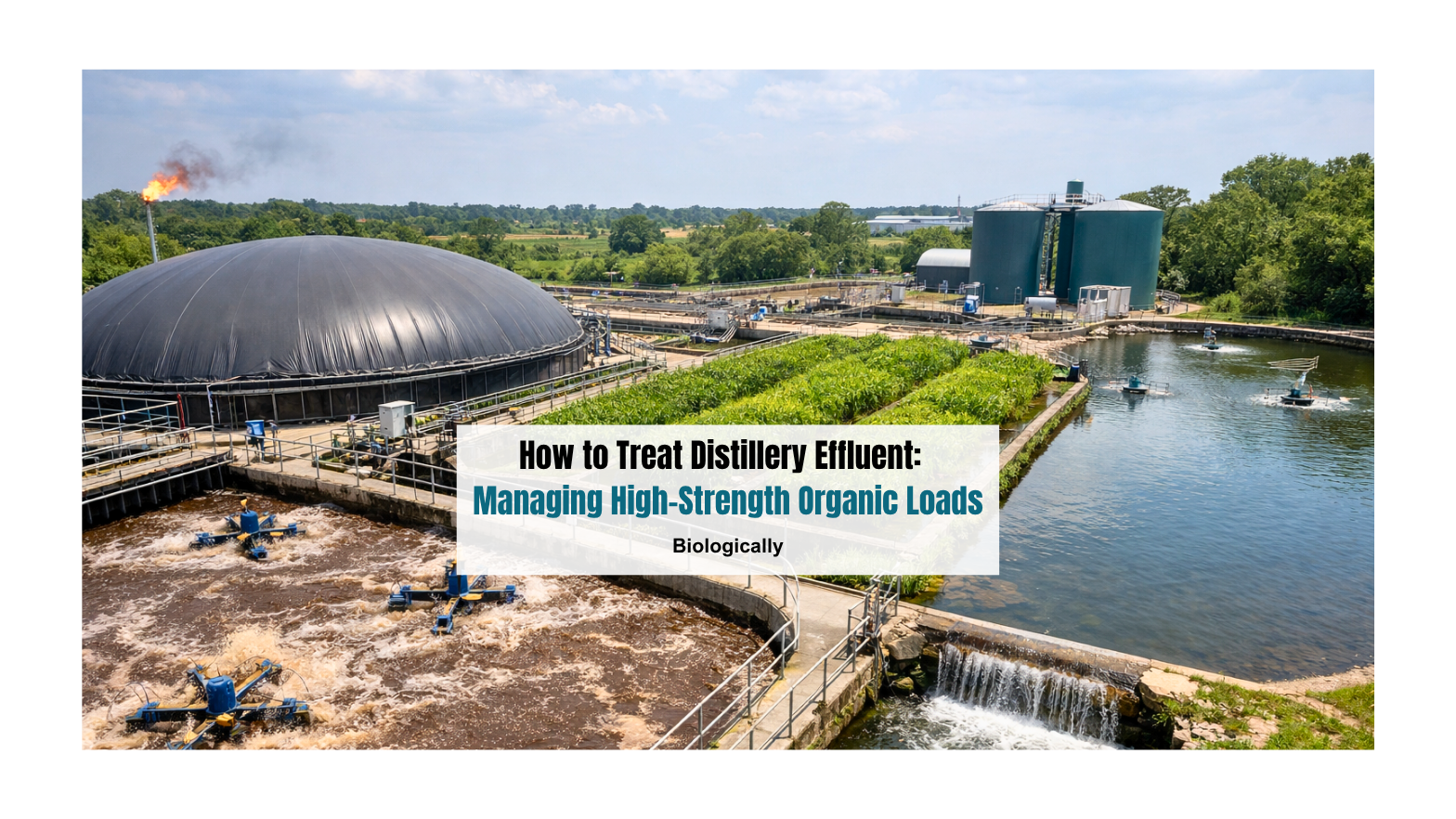
How to Treat Distillery Effluent: Managing High-Strength Organic Loads Biologically

The modern industrial landscape in India has reached a critical juncture. The dual pressures of economic expansion and environmental preservation are no longer negotiable; they are the two pillars upon which any successful enterprise must stand.

For the seasoned plant operator or the Environmental Health and Safety (EHS) manager, the transition from conventional treatment to the current era of Zero Liquid Discharge (ZLD) has been a profound paradigm shift. There is a specific, visceral kind of stress that only a professional in this field truly understands: standing on the catwalk of a treatment plant at two in the morning during a peak monsoon downpour, watching the foam rise in an aeration tank. In those moments, the weight of responsibility is heavy; a single non-compliant discharge could lead to a permanent closure notice from the National Green Tribunal (NGT) or the Central Pollution Control Board (CPCB).

The “hidden” cost of non-compliance is not merely the financial penalty, though those can reach into the crores, but the existential threat to the business itself. In today’s regulatory climate, authorities no longer just issue warnings; they revoke the Consent to Operate (CTO).

To thrive, the industry is moving away from a “hardware-centric” approach of simply building larger tanks. Instead, we are seeing a sophisticated, “biology-first” movement that prioritizes the optimization of microbial systems as the primary engine of detoxification. For the distillery sector, where organic loads are exponentially higher than municipal sewage, mastering this biological wastewater management is the only viable path forward.

The Anatomy of a High-Strength Challenge: Understanding Spent Wash

Distillery effluent, often called spent wash, stillage, or vinasse, is widely considered one of the most difficult industrial waste streams to treat globally. In India, where molasses is the primary feedstock for ethanol, the volumes are staggering. For every liter of alcohol produced, a typical distillery generates between 8.0 to 15.0 liters of spent wash.

The raw effluent is a dark brown, foul-smelling liquid that exits the process at high temperatures (up to 81°C) and with a highly acidic pH. Its organic strength is almost unparalleled. The Chemical Oxygen Demand (COD) and Biological Oxygen Demand (BOD) values are so high that direct discharge into a water body would result in the immediate and total depletion of dissolved oxygen, creating “dead zones” in our aquatic ecosystems.

Typical Characteristics of Raw Distillery Spent Wash

ParameterTypical Value Range (Raw)Units
pH3.8–4.5
Temperature71.0–81.0°C
Chemical Oxygen Demand (COD)70,000–150,000mg/L
Biological Oxygen Demand (BOD)35,000–60,000mg/L
Total Dissolved Solids (TDS)58,000–76,000mg/L
Potassium (K_2O)5,000–15,475mg/L

The persistent brown color isn’t just an aesthetic problem. It is caused by melanoidins, complex polymers formed during fermentation. These compounds are remarkably resistant to standard treatment; they act as antioxidants that can actually be toxic to the very microorganisms meant to break them down. Furthermore, they block sunlight from entering rivers, halting photosynthesis and disrupting the entire food chain.

The Indian Regulatory Evolution: CPCB, NGT, and the ZLD Mandate

The regulatory landscape in India has evolved from simple “end-of-pipe” standards to a comprehensive, life-cycle approach. The mandate for Zero Liquid Discharge (ZLD) is now a baseline requirement for “Red Category” sectors like distilleries.

Under ZLD, no liquid waste is permitted to cross the plant boundary. Every drop must be treated, recovered, and recycled, leaving only dry solids for disposal. In states like Uttar Pradesh, the state pollution boards have been aggressive in enforcing these rules through Online Continuous Effluent Monitoring Systems (OCEMS).

Digital Surveillance and Continuous Compliance

With OCEMS, regulators have a 24/7 window into your plant’s performance. Parameters like pH, COD, and flow rate are transmitted directly to government servers. Deviations for even short durations can trigger automatic alerts and closure orders. This “digital surveillance” makes the role of specialized microbial cultures even more critical, as they provide the biological resilience needed to handle the “shock loads” that often lead to regulatory red flags.

The Science of Bioremediation: How Microbes Conquer Pollutants

At the heart of a successful distillery Effluent Treatment Plant (ETP) is a complex ecosystem. Bioremediation is the strategic use of microbes to transform toxic substances into harmless forms. This is typically divided into two crucial phases.

1. Anaerobic Digestion: The First Line of Defense

The heavy lifting begins in anaerobic reactors, such as the Upflow Anaerobic Sludge Blanket (UASB). Here, a consortium of bacteria breaks down 60% to 85% of the COD, producing valuable biogas as a byproduct.

However, this stage is a delicate balancing act. If the organic loading rate is increased too quickly, the system can “acidify.” This is where the production of volatile fatty acids outpaces their conversion to methane, leading to a total system crash.

2. Aerobic Polishing and the Challenge of Recalcitrance

The effluent exiting the anaerobic stage still carries a significant organic load and that signature dark color. This is where aerobic treatment, the Activated Sludge Process (ASP), takes over.

To break down the stubborn melanoidins, you need “specialist” microbes like Bacillus, Pseudomonas, and Nitrosomonas. These microbes act like mini-biochemical factories, producing extracellular enzymes that function like chemical scissors to snip apart complex polymers.

EnzymeMechanism of ActionImpact
LaccaseBreaks down aromatic ringsKey for decolourisation
Manganese PeroxidaseDegrades phenolsDeep COD reduction
Lignin PeroxidaseCleaves complex C-C bondsBreaks down recalcitrant matter

Operational Hurdles: The “Pain Points” of the ETP Operator

Operational Hurdles: The "Pain Points" of the ETP Operator

Maintaining a high-load ETP is a constant battle against biological instability. Operators often face three recurring nightmares:

Sludge Bulking

This occurs when the microbial mass becomes less dense and refuses to settle. Often caused by an overgrowth of filamentous bacteria during low oxygen levels, it can lead to a total loss of biological capacity as the biomass washes out of the system.

The Nutrient Imbalance

Microbes need a balanced diet. While distillery effluent is rich in nitrogen, it is often deficient in phosphorus. Without the right BOD:N:P ratio (generally 100:5:1), the microbes produce a “slimy” coating that makes the sludge notoriously difficult to manage.

The Monsoon Shock

In India, the monsoon is the ultimate test. Heavy rains can dilute effluent or cause rainwater ingress that exceeds the plant’s capacity. Power fluctuations during storms can also disrupt aeration, quickly turning a healthy aerobic tank into a foul-smelling swamp.

The Team One Biotech Advantage: Engineering Nature’s Solutions

Team One Biotech was founded on a simple principle: the world’s most significant pollution problems can be solved by its smallest inhabitants, microbes. Founded by Tejas Gathani, a veteran with nearly three decades of hands-on experience, the company addresses the “software” gap in wastewater treatment.

While many companies focus on selling heavy machinery, Team One Biotech positions itself as a strategic partner. They optimize existing infrastructure by enhancing the microbial engine that performs the actual detoxification.

Case Study: A Turnaround in Performance

A distillery struggling with high COD and unstable biomass implemented a targeted bioaugmentation program using the T1B Aerobio consortia. The results were transformative:

  • COD Reduction: Effluent COD fell to a stable range of 650–870 ppm (an 80–89% improvement).
  • Capacity Restoration: The plant returned to its full design capacity of 1,500 KLD from a restricted 500 KLD.
  • Energy Savings: Improved oxygen transfer efficiency led to significantly lower power consumption for aeration.

Beyond Wastewater: A Holistic Ecosystem

The expertise of Team One Biotech extends across the entire environmental spectrum:

  • Agriculture: Products like T1B Soil Biome enhance soil productivity and reduce the need for chemical fertilizers.
  • Aquaculture: Probiotic solutions improve water quality and gut health for shrimp and fish farming without antibiotics.
  • Lake Restoration: Reviving polluted urban water bodies using nano-bubble technology and microbial consortia.
  • Commercial Cleaning: Nature-based enzyme cleaners that provide sanitation without a harsh chemical footprint.

Future-Proofing: The Path to Resource Recovery

As we move toward 2026, “success” is being redefined. The most advanced distilleries are no longer viewing effluent as waste, but as a source of revenue.

  • Bio-CNG: The high organic content of spent wash is ideal for methane production, which can meet up to 60% of a plant’s energy requirements.
  • Potash Recovery: Molasses-based wash is rich in potassium. The salts recovered during the ZLD process can be turned into potash-rich ash, a valuable fertilizer.
  • Water Circularity: By optimizing biological treatment, distilleries can achieve water recovery rates of up to 98%, providing a stable water supply even in water-stressed regions.

A Vision for Sustainable Growth

The era of “dilution as the solution to pollution” is over. For the modern distillery, survival depends on a deep commitment to environmental stewardship. The regulatory pressure from the NGT and CPCB is not a hurdle to be jumped, but a permanent feature of the landscape.

Achieving excellence requires a shift in mindset. A treatment plant is not just a collection of steel and concrete; it is a living, breathing biological entity. By prioritizing the health of your microbial population and leveraging advanced bioaugmentation, you can transform your ETP from a source of stress into a cornerstone of operational stability.

The future of the Indian distillery sector is green, and it is powered by the intersection of science and nature. By embracing these biological solutions, we can ensure long-term viability, providing economic value to the nation and a cleaner environment for generations to come.

Move from compliance stress to process stability. Partner with Team One Biotech for your next biological audit.

Looking to improve your ETP/STP efficiency with the right bioculture?
Talk to our experts at Team One Biotech for customised microbial solutions.

Contact+91 8855050575

Email:  sales@teamonebiotech.com

Visit: www.teamonebiotech.com

Discover More on YouTube – Watch our latest insights & innovations!-

Connect with Us on LinkedIn – Stay updated with expert content & trends!

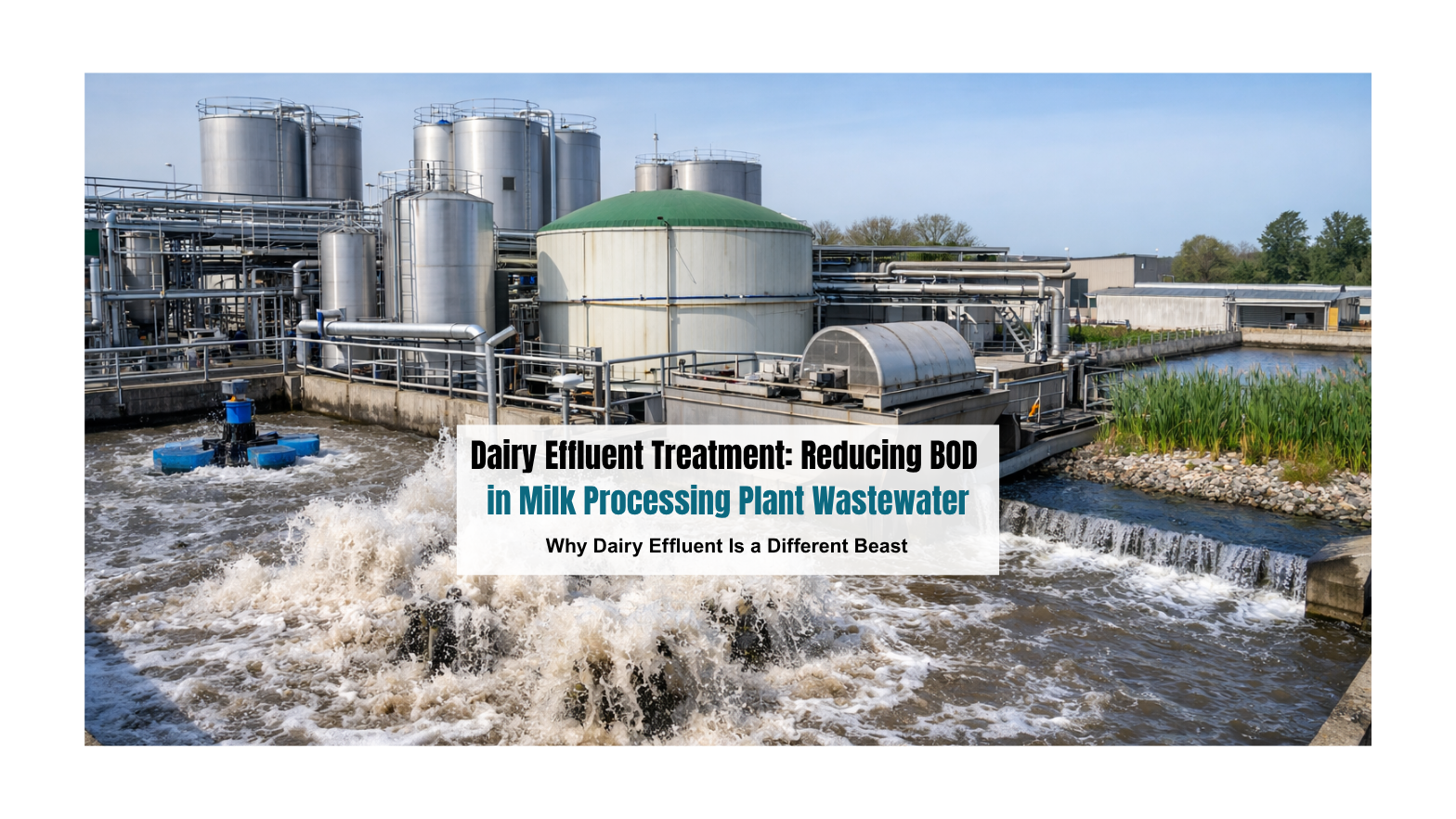
Dairy Effluent Treatment: Reducing BOD in Milk Processing Plant Wastewater

You know the feeling. A notice from the Pollution Control Board lands on your desk, and suddenly your entire week pivots. The ETP that has been “managing” your dairy plant’s effluent is now under a microscope, and the BOD levels in your discharge report are not going to make the conversation easy.

For dairy plant managers across India, this is not a hypothetical. It is Tuesday morning.

The Indian dairy industry is among the country’s most economically vital sectors, processing millions of litres of milk daily across states like Punjab, Rajasthan, Uttar Pradesh, and Maharashtra. But behind every chilled packet and processed dairy product is a wastewater story that does not get told enough. Milk processing generates some of the most organically loaded effluent in the food industry, high in BOD, COD, fats, oils, and suspended solids. Left inadequately treated, it does not just attract regulatory action. It ferments. It smells. It kills aquatic life in nearby water bodies and quietly poisons the groundwater your neighbouring community depends on.

This piece is for the EHS manager who is tired of patching a broken system with chemicals and hoping the next inspection goes smoothly. There is a better way, and it starts with understanding what you are actually dealing with.

Why Dairy Effluent Is a Different Beast

Why Dairy Effluent Is a Different Beast

Most industrial wastewater is complicated. Dairy wastewater is complicated and stubborn.

When your plant cleans processing equipment, rinses pasteurisation lines, flushes out cheese vats, or disposes of off-spec batches, what goes down the drain is a concentrated cocktail of organic matter. Milk proteins, lactose, casein, butter fat, cleaning chemical residues, and in some cases animal waste from nearby collection points, all of it lands in your ETP. BOD levels in untreated dairy effluent routinely range across a broad spectrum, from a few hundred to several thousand mg/L depending on the product mix and plant hygiene practices. COD follows a similar trajectory, often running two to three times the BOD value.

This is what makes dairy effluent treatment technically demanding:

  • FOG (Fats, Oils, and Grease): These float to the surface, coat pipes, clog biological treatment media, and create a suffocating layer over aeration basins that kills the microbial activity you need.
  • High Nitrogen Load: Casein degradation releases ammonia-nitrogen into the effluent stream, complicating secondary treatment and raising Kjeldahl nitrogen values.
  • Fluctuating Organic Load: Seasonal milk procurement peaks, post-monsoon flush milk, festival season production surges, mean your ETP experiences dramatic influent swings, which destabilise conventional treatment systems.
  • Low pH Events: Acidic whey from paneer or curd production can crash your aeration basin’s pH and wipe out your microbial population almost overnight.

When untreated or poorly treated dairy effluent reaches surface water bodies, the consequences are severe. Dissolved oxygen depletes rapidly as microorganisms consume the organic load. Fish kills, algal blooms, and foul odours in surrounding areas follow. For a plant operating near agricultural land or a town water source, the liability, legal and reputational, is immense.

Bioremediation: The Green Future for Dairy Wastewater

Bioremediation: The Green Future for Dairy Wastewater

The conventional approach to dairy effluent treatment has largely relied on coagulation-flocculation, chemical dosing, and extended aeration. These methods work, partially. They are also expensive to run continuously, sensitive to load fluctuations, and generate large volumes of chemical sludge that create their own disposal headache.

Bioremediation offers a fundamentally different model.

At Team One Biotech, we have spent years developing and refining microbial consortia specifically engineered for high-FOG, high-BOD industrial wastewater. The principle is straightforward: instead of fighting the organic load chemically, you deploy the right microbial strains to consume it biologically, faster, more completely, and at a fraction of the residual impact.

Here is what happens when you introduce our specialised bacterial cultures into your ETP:

  • Lipase-producing bacteria break down FOG fractions that would otherwise coat your aeration tank surfaces and reduce oxygen transfer efficiency.
  • Protease-active strains digest milk proteins and casein, reducing nitrogen loading and preventing the build-up of putrefying solids.
  • Facultative and aerobic heterotrophs drive BOD reduction through accelerated organic oxidation.
  • Biosurfactant producers enhance the bioavailability of emulsified fats, allowing microbial attack on compounds that conventional systems simply cannot degrade.

The result is a measurable, consistent reduction in BOD and COD, without the chemical costs, without the sludge volume spike, and with a microbial community that adapts to your plant’s specific effluent fingerprint over time.

This is not a theoretical promise. It is applied microbiology in action.

Reducing BOD Step by Step: A Practical Framework

Reducing BOD Step by Step: A Practical Framework

Step 1, Primary Treatment (Physical Separation First)

Before any biological intervention can work effectively, your ETP needs a clean primary stage:

  • Screening and Grit Removal: Remove coarse solids and packaging remnants.
  • Grease Traps and DAF (Dissolved Air Flotation): Critical for dairy. A well-maintained DAF unit removes a significant fraction of FOG before it reaches biological treatment. This alone reduces the organic load entering secondary treatment substantially.
  • Equalisation Tank: Given the fluctuating nature of Indian dairy plant operations, an adequately sized equalisation basin is non-negotiable. It buffers pH swings and load spikes before they damage your microbial culture in the aeration basin.

Step 2, Secondary (Biological) Treatment

This is where bioremediation does its most important work:

  • Activated Sludge Process (ASP) or Sequential Batch Reactor (SBR): Both are viable platforms for microbial treatment. The key variable is MLSS (Mixed Liquor Suspended Solids), maintaining this within the right operational range ensures your biological community has enough active biomass to handle the load.
  • Sludge Age Management: One of the most overlooked parameters in dairy ETPs. Too short a sludge retention time, and nitrifying organisms wash out. Too long, and you accumulate inert solids that reduce treatment efficiency. Team One Biotech’s bioaugmentation products help stabilise this balance, particularly after a load shock or chemical dosing event that has crashed your native microbial population.
  • Nutrient Dosing: High-carbohydrate, high-protein dairy effluent sometimes lacks sufficient phosphorus for optimal microbial growth. Balancing the BOD:N:P ratio supports a more robust biological community.

Step 3, Tertiary Treatment and ZLD Compliance

Zero Liquid Discharge (ZLD) is increasingly mandated by CPCB and various SPCBs for food processing units in ecologically sensitive zones and those drawing on groundwater. For dairy plants, ZLD means:

  • Treated effluent passing through filtration, ultrafiltration, and Reverse Osmosis (RO) stages before water recovery.
  • The biological quality of effluent entering the tertiary stage directly impacts RO membrane life and fouling rates, which is why effective secondary BOD reduction is not optional, it is foundational.
  • Recovered water can be cycled back into CIP (Clean-in-Place) operations, cooling towers, or utility use, reducing freshwater consumption.

Our bioaugmentation programme reduces the organic burden reaching RO systems, extending membrane replacement intervals and lowering your tertiary treatment operational costs.

Compliance, Climate, and Cost For Dairy Effluent Treatment

Compliance, Climate, and Cost For Dairy Effluent Treatment

CPCB guidelines set discharge standards for food processing industry effluent that include specific BOD, COD, suspended solids, and oil-grease thresholds. State Pollution Control Boards often apply additional, more stringent norms. Non-compliance attracts penalties, closure notices, and in repeat cases, criminal liability under the Environment Protection Act.

But Indian dairy plants face a challenge that CPCB norms do not account for: seasonality. Post-monsoon flush milk production in states like UP, Punjab, and Gujarat significantly increases both milk procurement and processing volumes, and therefore effluent generation, over a relatively short window. Conventional chemical treatment systems, sized for average loads, are overwhelmed. Microbial systems, by contrast, scale biologically. A higher substrate load simply means more microbial growth and accelerated BOD removal, provided the system is seeded with the right culture and given adequate oxygen and nutrients.

Hot-climate fermentation is another reality. Organic matter in Indian dairy ETPs degrades faster in summer months, generating odours that affect community relations and invite complaints to the local SPCB. Deploying odour-control microbial blends alongside your treatment programme addresses this at the source rather than masking it with deodorants.

Team One Biotech: Your Compliance Partner, Not Just a Product Supplier

Team One Biotech’s product portfolio for industrial wastewater treatment India covers the full spectrum of dairy ETP needs:

  • Bioaugmentation cultures for BOD/COD reduction in ASP and SBR systems.
  • FOG-degrading microbial blends for grease trap and DAF system enhancement.
  • Odour management bioproducts for equalisation tanks and sludge handling areas.
  • Sludge volume reduction formulations that lower your dewatering and disposal costs.

Beyond dairy, our solutions are trusted across pharma effluent treatment, paper and pulp, sugar mill wastewater, and food processing sectors, which means if your facility handles multiple product lines or if you manage a diversified portfolio of plants, we have a solution tailored for each.

We do not hand you a product catalogue and leave. Our team conducts site-specific assessments, reviews your current ETP performance data, and recommends a dosing protocol calibrated to your actual effluent characteristics. We stay engaged through the stabilisation period, adjusting the programme as your plant’s operational conditions evolve.

Stop Reacting. Start Treating Properly.

The next PCB inspection is coming. The question is whether you will be explaining a compliance failure or presenting a treatment system that actually works.

BOD reduction in dairy is not a one-time fix, it is an ongoing operational commitment. Bioremediation, done right, makes that commitment sustainable, cost-effective, and genuinely compliant with CPCB wastewater compliance standards.

Ready to get your dairy ETP under control?

Request a Free Site Audit, Let our bio-experts assess your current ETP performance and identify gaps. Consult Our Industrial Wastewater Specialists, Speak with a senior team member about bioremediation for milk plants and get a customised treatment roadmap.

Team One Biotech. Bioremediation that works. Compliance you can stand behind.

Looking to improve your ETP/STP efficiency with the right bioculture?
Talk to our experts at Team One Biotech for customised microbial solutions.

Contact+91 8855050575

Email:  sales@teamonebiotech.com

Visit: www.teamonebiotech.com

Discover More on YouTube – Watch our latest insights & innovations!-

Connect with Us on LinkedIn – Stay updated with expert content & trends!
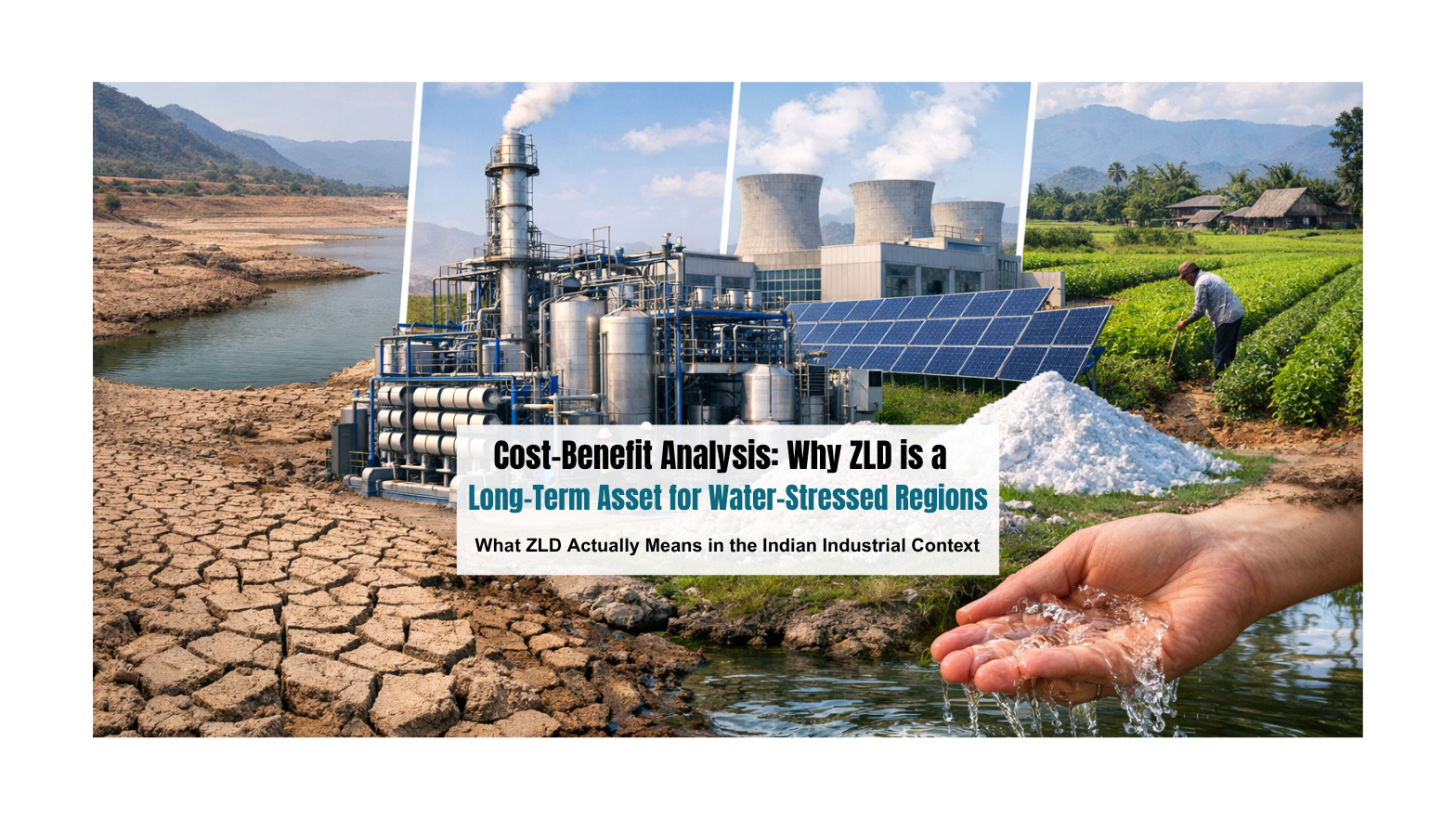
Cost-Benefit Analysis: Why ZLD is a Long-Term Asset for Water-Stressed Regions

Walk into any plant manager’s office in Tiruppur right now and you will likely find two things on the desk: a production schedule and a borewell depth report. Ten years ago, only one of those documents mattered for daily operations. Today, both carry equal weight.

That shift, quiet, gradual, and now impossible to ignore, is reshaping how India’s industrial leadership thinks about water. Not as a utility that flows from a tap and exits through a drain, but as a finite resource that entire communities, ecosystems, and production lines are competing for simultaneously.

In Tamil Nadu, Gujarat, and Maharashtra, the pressure is no longer theoretical. Groundwater levels in key industrial corridors have been declining for years. The National Green Tribunal has shut down hundreds of units for non-compliance. CPCB and SPCB enforcement is no longer occasional, it is systematic. And the question facing every C-suite executive, plant manager, and sustainability officer who depends on water-intensive processes is no longer “should we invest in better water management?” It is “how much longer can we afford not to?”

Zero Liquid Discharge is the answer that keeps coming up. Not because it is fashionable, and not simply because regulators are pushing for it, but because implementing Zero Liquid Discharge (ZLD) Systems ensures that the economics, when looked at honestly and in full, are becoming increasingly difficult to argue against.

This article is that honest look.

What ZLD Actually Means in the Indian Industrial Context

From Treatment to Recovery: A Fundamental Shift in Thinking

For decades, effluent treatment was designed around one core assumption: the water leaves. You treat it to an acceptable standard, you discharge it into a drain or waterbody, and your obligation ends at the boundary wall. The entire infrastructure of conventional ETPs, equalization tanks, aeration basins, secondary clarifiers, was built to service that assumption.

Zero Liquid Discharge tears that assumption up entirely.

In a zero liquid discharge plant, the target is exactly what the name suggests. No liquid waste leaves the facility. Every litre of wastewater that enters the treatment system either comes out the other end as clean, reusable process water, or it gets concentrated down to a solid or semi-solid waste that can be managed, and in some cases, monetized. The drain is no longer the destination. Recovery is.

Making that shift work demands a much more granular understanding of water quality parameters than a conventional ETP ever required. You are no longer just treating to a discharge standard, you are managing a recovery system. And that system is sensitive to everything in the water.

The parameters that ZLD operations must track and control include:

  • Total dissolved solids (TDS) in water, the single most operationally critical parameter in most ZLD systems, because TDS concentration governs how hard your membranes have to work and how much energy your evaporators consume
  • COD and BOD, organic load that must be substantially reduced before water reaches membrane or thermal concentration stages
  • Suspended solids, fine particulates that foul membrane surfaces and reduce system life if not adequately managed upstream
  • pH, conductivity, and specific ionic concentrations, sulfates, chlorides, calcium, heavy metals, all of which influence scaling behavior in evaporation systems
  • Temperature, relevant for both biological activity in pre-treatment and thermal efficiency in concentration stages

Of all these, high TDS in water is what stops most Indian industrial effluent treatment systems in their tracks. Whether you are running a textile dyeing unit in Surat, a pharmaceutical API plant in Hyderabad, a distillery in Uttar Pradesh, or a chemical processing facility in Ankleshwar, managing TDS economically, without sacrificing water recovery, is the central engineering and financial challenge of ZLD implementation.

The Technology Stack Behind a Zero Liquid Discharge Plant

A full-scale ZLD system is not a single piece of equipment. It is a treatment train, a carefully sequenced set of processes, each dependent on the one before it performing to specification:

  • Primary Treatment: Screening, equalization, neutralization, and primary settling to remove gross solids and stabilize the flow
  • Biological Treatment: Aerobic and/or anaerobic systems to reduce organic load before the water reaches membranes
  • Tertiary Polishing: Ultrafiltration or multimedia filtration to remove residual suspended solids and protect downstream membrane systems
  • Reverse Osmosis: Membrane-based concentration to separate clean permeate water from a high-TDS reject stream
  • Evaporation: Multi-effect evaporators (MEE) or mechanical vapor recompression (MVR) systems to concentrate the RO reject further
  • Crystallization or Drying: Final stage to convert concentrated brine into a dry, manageable solid

Each of these stages must be designed for the specific effluent it will handle. A textile mill running reactive dye effluent has a completely different ZLD design requirement than a pharma plant managing solvent-laden process wastewater. That specificity is not a complication, it is a quality marker. Any ZLD proposal that does not begin with detailed effluent characterization is not a proposal worth accepting.

The Cost-Benefit Deep Dive

The Cost-Benefit Deep Dive

CAPEX: Understanding What You Are Actually Paying For

Let us be direct about something that often gets smoothed over in vendor conversations: ZLD systems cost more to build than conventional ETPs. Depending on the industry, effluent volume, and TDS levels involved, the capital expenditure for a zero liquid discharge plant can run 2x to 4x higher than a comparable conventional treatment system. That is a real number, and pretending otherwise does not serve anyone well.

These are general values and estimates; actual performance and costs vary based on the specific ETP/STP configuration and influent characteristics.

Where does that CAPEX go?

  • Membrane systems, UF and RO arrays are precision equipment with significant procurement costs, and they need to be sized generously to handle peak loads without sacrificing recovery
  • Evaporation systems, the MEE or MVR unit is typically the most expensive line item in the entire ZLD capital budget, driven by the materials, engineering complexity, and energy infrastructure required
  • Pre-treatment upgrades, in most Indian facilities, the existing ETP was not built to feed a ZLD system, and bringing it up to standard requires meaningful investment
  • Automation and instrumentation, ZLD systems cannot be run on manual checks and periodic grab samples; they require real-time monitoring, automated dosing controls, and SCADA integration to operate reliably

That CAPEX number is often where the internal conversation stalls. A finance committee sees the figure, compares it to the cost of continuing with existing treatment, and questions whether the investment is justified. That question is valid, but it is only answerable if the comparison includes the full financial picture, not just the build cost.

OPEX: Where the Long-Term Argument Lives

ZLD systems do carry higher operating costs than conventional ETPs. The energy consumption of evaporation systems is the primary driver of this, and it is a legitimate operational cost that any honest analysis must account for.

But here is what that same honest analysis must also account for:

Water recovery in a well-designed ZLD system can reach 80% to 95% of the total inlet volume. That recovered water goes back into the production process as clean, reusable supply. In a district where groundwater extraction is restricted, borewell levels are declining, or industrial water tariffs are rising, which describes a growing number of industrial zones across India, that recovery is not a convenience. It is a direct replacement for freshwater that would otherwise need to be purchased, transported, or extracted. The procurement savings compound over time.

Newer MVR-based evaporation technology is also shifting the energy equation. MVR systems recover and reuse the thermal energy from the evaporation process itself, substantially reducing the power consumption that made older MEE-based ZLD systems expensive to run. For facilities investing in ZLD today, the long-term OPEX profile looks meaningfully better than it did five years ago.

Some industries also recover tangible value from the solid or concentrated byproducts of ZLD processing. Distilleries can recover potassium-rich condensate from evaporation stages. Certain chemical processes generate concentrated salt streams that can be refined and resold. These recoveries are industry-specific and should not be assumed without technical analysis, but where they exist, they directly improve the ZLD business case.

These are general values and estimates; actual performance and costs vary based on the specific ETP/STP configuration and influent characteristics.

The Hidden Costs of Non-Compliance: The Number Nobody Puts in the Spreadsheet

Here is the calculation that most facilities skip, because it involves acknowledging a scenario nobody wants to plan for:

What does it actually cost when things go wrong?

Regulatory fines are the visible tip. The deeper damage runs much further:

  • A single SPCB closure notice, even a temporary production suspension pending compliance verification, can cost more in lost output, missed shipments, and broken contracts than an entire year of ZLD OPEX. Fixed costs do not pause while the legal process runs its course.
  • Legal battles to reverse environmental enforcement orders are slow, expensive, and rarely clean. They consume management bandwidth, legal budgets, and board attention for months, sometimes years.
  • Water procurement costs in genuinely water-stressed districts are already escalating and will continue to do so. Facilities running on tanker water or unreliable borewells are not operating on a stable cost base, they are absorbing an inflation risk that gets worse every dry season.
  • Global buyers in apparel, pharmaceuticals, agrochemicals, and food processing are conducting supplier environmental audits with increasing seriousness. A facility with a non-compliance record risks losing export contracts, failing ESG due diligence reviews, and becoming ineligible for the institutional supply chains that offer the best margins.
  • Operating license renewals in several Indian states are now directly tied to environmental compliance history. A poor track record introduces structural uncertainty into long-term capital planning that no amount of operational efficiency can fully offset.

None of these costs appear in the CAPEX-versus-OPEX comparison that gets presented to the finance committee. They should.

The Hidden Gains: What ZLD Gives You That Nobody Markets Loudly Enough

Beyond avoiding the downside, ZLD adoption creates real, measurable value that pre-implementation analysis consistently undercounts:

  • Water independence is perhaps the most strategically significant. A facility that recycles 80% to 95% of its process water is not merely compliant, it has fundamentally de-risked its operations against water scarcity. That resilience has a value that grows every year as regional water stress intensifies.
  • Reduced freshwater draw lowers exposure to tariff increases and regulatory restrictions on industrial groundwater extraction, both of which are accelerating across multiple states.
  • ESG and sustainability reporting value is real and growing. Companies reporting under BRSR, GRI, or preparing for international ESG disclosures benefit from documented water recovery metrics. For businesses seeking institutional investment or public market access, this is increasingly material.
  • The narrative shift from “compliance obligation” to “resource stewardship” matters in ways that are difficult to put on a spreadsheet but very easy to see in stakeholder conversations, investor presentations, and community relations.

Bioremediation and ZLD: The Upstream Partnership That Changes the Economics

Bioremediation and ZLD: The Upstream Partnership That Changes the Economics

Why the Quality of Pre-Treatment Determines the Fate of Your ZLD Investment

This is the part of the ZLD conversation that does not get enough attention, and it is directly relevant to why so many Indian facilities see worse-than-expected performance from ZLD systems they have invested heavily in.

Membrane systems and evaporators are the most capital-intensive components of any zero liquid discharge plant. They are also the most sensitive. Feed them effluent that is too high in COD, too loaded with biological material, or carrying specific contaminants that drive scaling and fouling, and they will underperform, require more frequent cleaning, consume more chemicals, and degrade faster than the design life you were promised.

The performance of your ZLD system is, in very large part, a downstream consequence of the quality of your upstream biological treatment.

This is where advanced bioremediation changes the economics of ZLD at a system level, not just a pre-treatment level.

Team One Biotech’s bioaugmentation formulations introduce highly specialized microbial consortia into industrial effluent streams, targeting the organic compounds, specific contaminants, and biological load that standard biological treatment either handles poorly or cannot manage at all. In practice, this translates to:

  • COD reductions of 60% to 85% upstream of membrane systems, directly reducing fouling frequency, extending membrane replacement intervals, and lowering cleaning chemical costs
  • Improved management of TDS load by degrading certain organic dissolved solids before they reach the concentration stages, reducing the thermal energy burden on evaporators
  • Sludge volume reduction through more efficient biological activity, lowering the handling and disposal costs that are an often-underestimated component of ZLD OPEX
  • Targeted degradation of complex, recalcitrant molecules, pharmaceutical compounds, reactive dye intermediates, pesticide residues, that physical-chemical treatment alone cannot efficiently address

These are general values and estimates; actual performance and costs vary based on the specific ETP/STP configuration and influent characteristics.

The integration of bioremediation upstream of ZLD infrastructure is not a supplementary add-on for facilities that want to go the extra mile. It is an economic optimization that improves the cost-per-litre-recovered across the full operational life of the plant. The membrane lasts longer. The evaporator runs cleaner. The overall system performs closer to its designed recovery targets.

Meeting CPCB and SPCB Standards Through Biological Intelligence

There is another dimension to bioremediation in the ZLD context that matters specifically for Indian regulatory compliance. Facilities operating in red-category industry classifications, textiles, pharmaceuticals, chemicals, distilleries, tanneries, are expected to demonstrate water quality parameter management that goes well beyond volume control. CPCB and SPCB compliance inspections look at the full profile of what is in the water, not just how much of it there is.

Biological treatment offers something that chemical dosing cannot: adaptive capacity. Microbial systems respond to changes in influent load and composition in ways that chemical systems cannot, without the proportional increase in reagent cost and secondary waste generation. For Indian industrial facilities dealing with seasonal production variation, changing raw material inputs, and the inherent variability of complex effluent streams, that adaptability is not a minor technical advantage. It is operational resilience built into the treatment process itself.

Is ZLD the Right Decision for Your Facility Right Now?

Is ZLD the Right Decision for Your Facility Right Now?

Asking the Right Questions Before You Ask About the Price

ZLD adoption is not one-size-fits-all, and the right answer depends on your specific situation, not on a general industry position. Before any serious investment conversation begins, a facility needs clear answers to:

  • What does your current effluent look like, volume, COD, TDS, specific contaminants, and seasonal variability?
  • What is the condition and capacity of your existing ETP or STP infrastructure?
  • Are you operating under an active CPCB or SPCB compliance notice, or planning proactively?
  • How water-stressed is your specific location, what do borewell trends, district water availability data, and local regulatory signals tell you about your five-year supply risk?
  • What is your production growth plan, and what does that mean for your water demand trajectory?

The worst implementation of ZLD is a rushed one, driven by a regulatory deadline, executed without adequate site characterization, and optimized for speed rather than performance. Those systems underdeliver on recovery, overspend on OPEX, and create the impression that ZLD is more expensive than it needs to be. Proactive planning changes that outcome fundamentally.

The Facilities That Will Thrive Are Not the Ones That Spent the Least on Compliance

There is a version of this decision where a facility waits. It manages the existing ETP, addresses enforcement notices reactively, and defers the ZLD conversation until the regulatory or operational pressure becomes unavoidable. That is a coherent short-term position.

It is also, in the vast majority of water-stressed industrial contexts across India, a strategically costly one.

The facilities that will operate with confidence through the next decade of industrial growth are the ones that made the decision early enough to do it right. They designed their zero liquid discharge plant with adequate pre-treatment. They integrated bioremediation upstream to protect their membranes and optimize their recovery rates. They used the transition to reduce their freshwater dependence, improve their compliance standing, and build the kind of water resilience that turns a potential shutdown risk into a genuine competitive advantage.

Water stewardship, at this scale and in this moment in Indian industrial history, is not just good environmental practice. It is good business.

Talk to Team One Biotech Before the Next Dry Season Forces the Conversation

If your facility is in a water-stressed district, running under compliance scrutiny, or expanding operations in a zone where groundwater availability is declining, the right time for a ZLD feasibility analysis is now, not after the next enforcement notice arrives.

Team One Biotech works with industrial clients across India to design and optimize integrated wastewater treatment systems that combine advanced bioremediation with ZLD-ready infrastructure. A site audit from our team means a detailed look at your actual effluent profile, a clear-eyed assessment of your treatment gaps, and a realistic investment framework, CAPEX, OPEX, and recovery projections, built around your specific industry, volume, and regulatory environment.

No generic proposals. No theoretical frameworks that do not account for what is actually in your water.

Contact Team One Biotech today to schedule your site-specific water and compliance audit. The cost of that conversation is zero. The cost of the alternative is something most facilities only calculate once, after it is already too late.

Looking to improve your ETP/STP efficiency with the right bioculture?
Talk to our experts at Team One Biotech for customised microbial solutions.

Contact+91 8855050575

Email:  sales@teamonebiotech.com

Visit: www.teamonebiotech.com

Discover More on YouTube – Watch our latest insights & innovations!-

Connect with Us on LinkedIn – Stay updated with expert content & trends!
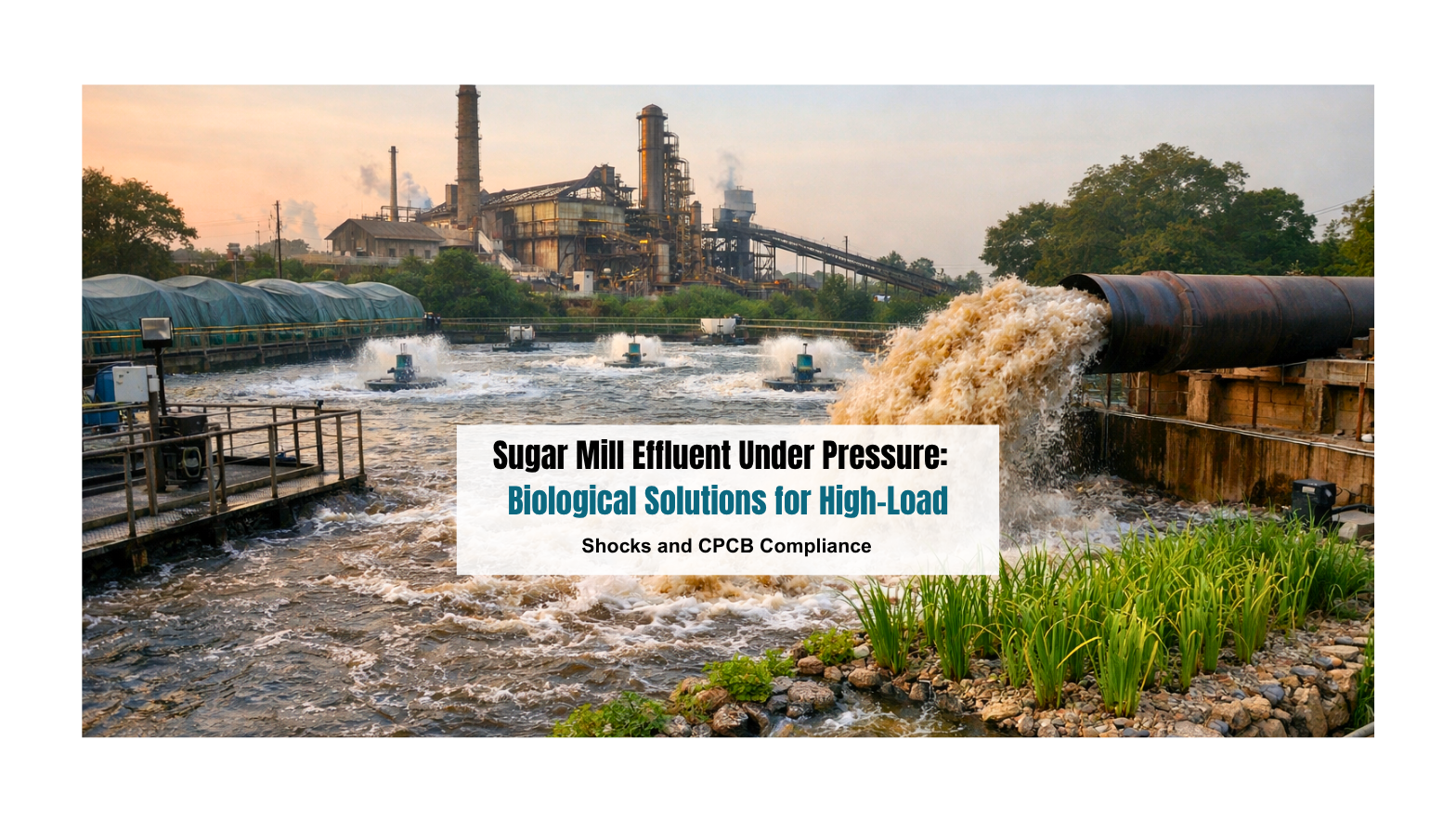
The Role of Industrial Water Purification Systems in Zero-Waste Manufacturing

India stands at a critical crossroads where industrial expansion meets an escalating hydrological crisis. As groundwater levels deplete and the Central Pollution Control Board (CPCB) tightens its grip on discharge norms, the “business as usual” approach to wastewater is no longer viable. For plant managers and environmental stakeholders, the transition to zero-waste manufacturing via Zero Liquid Discharge (ZLD) Systems isn’t just an ethical choice, it is a prerequisite for operational survival.

The paradigm shift toward Zero Liquid Discharge (ZLD) represents the pinnacle of industrial water stewardship. By viewing effluent not as a liability to be discarded, but as a resource to be reclaimed, industries can insulate themselves against water scarcity while ensuring absolute environmental compliance.

The Mechanics of Zero Liquid Discharge (ZLD)

The Mechanics of Zero Liquid Discharge (ZLD)

A Zero Liquid Discharge plant is a sophisticated engineering ecosystem designed to ensure that no liquid waste leaves the facility boundaries. Rather than a single machine, think of it as a symphony of mechanical, chemical, and biological treatments that work in harmony to recover purified water and reduce contaminants to a solid, manageable form.

The typical ZLD lifecycle follows a rigorous progression:

  • Pre-treatment: This is the first line of defense, utilizing chemical precipitation and biological oxidation to remove suspended solids and heavy organic loads.
  • Filtration and Concentration: Advanced membrane technologies, such as Reverse Osmosis (RO), act as a high-tech sieve. This stage concentrates the waste stream, recovering a significant portion of the water for immediate reuse.
  • Evaporation and Crystallization: The final stage deals with the “brine.” Thermal evaporators drive off the remaining moisture, leaving behind solid crystals that can be safely handled or, in some cases, repurposed for industrial use.

Note: These are general values provided for illustrative purposes and vary significantly based on specific ETP configurations, local discharge norms, and influent characteristics.

The Science of TDS: Managing the Silent Barrier to Recovery

One of the most persistent hurdles in ZLD water treatment is the management of Total Dissolved Solids (TDS) in water. TDS represents the inorganic salts and organic matter trapped in solution. In an industrial setting, high TDS levels act like sandpaper on your equipment, they are corrosive to machinery and can quickly ruin expensive recovery membranes.

Effective TDS management requires a dual-pronged strategy:

  • Source Reduction: Analyzing the manufacturing line to minimize the intake of salts before they even reach the water.
  • High-Recovery Membranes: Utilizing specialized RO systems specifically engineered to handle high osmotic pressures without failing.

When TDS is managed with precision, the recovery rate of a plant can reach between 75% to 95%, drastically reducing the volume of water that must undergo the more expensive thermal evaporation process.

Critical Water Quality Parameters

Critical Water Quality Parameters

To achieve consistent water recovery goals, plant operators must move beyond “guesswork” and maintain a granular understanding of their effluent’s chemistry. Monitoring these water quality parameters is the difference between a smooth operation and a compliance nightmare:

  • pH Levels: Maintaining a neutral range is vital. Extreme acidity or alkalinity can “kill” the helpful bacteria in your biological stages and corrode your infrastructure.
  • Chemical Oxygen Demand (COD): This measures the total oxidation required. A high COD is a red flag, indicating a heavy load of industrial pollutants.
  • Biochemical Oxygen Demand (BOD): This measures how much oxygen bacteria consume while breaking down organic matter. Lowering BOD is the primary goal of any effective bioremediation stage.
  • Total Suspended Solids (TSS): These are the physical particles that must be caught early to prevent “fouling” or clogging downstream filters.

Is your system hitting these benchmarks? Consult with the experts at Team One Biotech today to schedule a comprehensive audit of your water quality metrics.

Challenges in the Indian Industrial Landscape

Implementing industrial effluent treatment in India isn’t a “one-size-fits-all” task. Local manufacturers face unique hurdles that international blueprints often overlook:

1. Monsoon Variability

The sudden, massive influx of rainwater during the monsoon can dilute influent characteristics, often “shocking” the biological balance of an Effluent Treatment Plant (ETP). Systems must be designed to stay resilient despite these fluctuating concentrations.

2. Regulatory Pressure

State Pollution Control Boards (SPCBs) are no longer flexible. For “Red Category” industries, like textiles, pharmaceuticals, and tanneries, ZLD is increasingly a mandatory “license to operate.”

3. The CAPEX vs. OPEX Balance

Mechanical ZLD systems are a significant investment. The challenge for Indian businesses is finding a way to balance high initial costs with biological interventions that lower long-term power and chemical consumption.

Bioremediation: The Intelligent Engine of Modern ZLD

Bioremediation: The Intelligent Engine of Modern ZLD

While steel tanks and filters handle the physical separation, bioremediation serves as the “brain” of the operation. At Team One Biotech, we specialize in integrating advanced biological solutions that work alongside mechanical hardware to make the whole system more efficient.

By introducing specialized microbial strains, we can drastically reduce the organic load (BOD/COD) before the water hits the membranes. This “pre-conditioning” acts like a protective shield, preventing the scaling and fouling of RO units and reducing the energy needed for final evaporation.

Why Bio-Augmentation Matters:

  • Better Settling: Enhanced flocculation helps solids settle faster, taking the pressure off your primary clarifiers.
  • Toxic Resilience: Tailored microbes are “tougher” and can survive the chemical shocks common in industrial waste.
  • Reduced Waste: Efficient biological digestion can actually shrink the volume of secondary sludge by 20% to 40%.

Note: These are general values provided for illustrative purposes and vary significantly based on specific ETP configurations, local discharge norms, and influent characteristics.

Building a Circular Future

The ultimate goal of a Zero Liquid Discharge plant is to move away from the old “take-make-waste” mindset. In a truly zero-waste facility, water is treated as a revolving asset. Purified effluent is cycled back into cooling towers, boilers, or process lines. Even the recovered salts can sometimes find a second life in the chemical supply chain.

By investing in high-end purification today, companies aren’t just following the law, they are securing their operational future against rising water costs and dwindling resources.

Securing Your Operational Future

The journey to zero-waste manufacturing is a complex one, but you don’t have to navigate it alone. Team One Biotech provides the technical depth and biological innovation needed to turn environmental compliance from a burden into a competitive advantage.

Is your facility ready for the next generation of water recovery?

Contact Team One Biotech for a bespoke compliance roadmap and ETP optimization strategy. Let’s work together to turn your wastewater into a sustainable asset.

Don’t wait for a compliance notice. Our technical team is ready to perform on-site system audits to identify bottlenecks and implement high-efficiency biological upgrades immediately.

Looking to improve your ETP/STP efficiency with the right bioculture?
Talk to our experts at Team One Biotech for customised microbial solutions.

Contact+91 8855050575

Email:  sales@teamonebiotech.com

Visit: www.teamonebiotech.com

Discover More on YouTube – Watch our latest insights & innovations!-

Connect with Us on LinkedIn – Stay updated with expert content & trends!
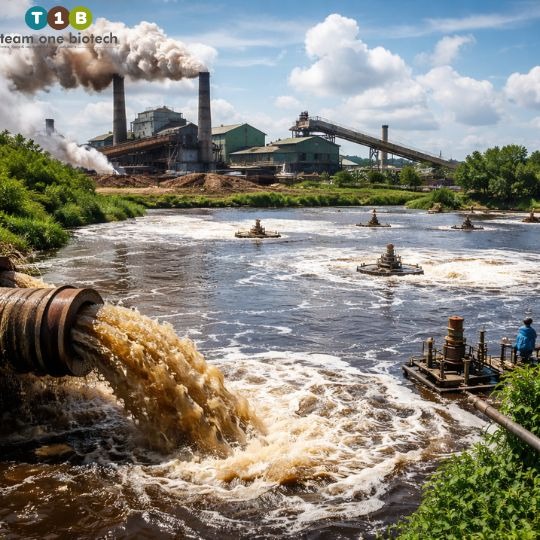
Understanding Water Quality Parameters: How to Manage TDS and COD for High-Recovery ZLD Systems

Walk into any large textile plant in Surat or a distillery on the outskirts of Lucknow, and you will find the same conversation happening in the plant manager’s office. It usually starts with a compliance notice pinned to a file, a membrane replacement quote that seems too high, and someone asking why the RO system is not delivering the recovery numbers it promised on paper.

The answer, almost always, comes back to two things: TDS and COD. Get those wrong, and nothing downstream works the way it should. By implementing efficient Zero Liquid Discharge (ZLD) Systems, these challenges are mitigated. Get them right, and a zero liquid discharge plant stops being a burden and starts behaving like an asset.

But before we get into the engineering of it, let us be honest about the situation Indian industry is actually operating in.

The Pressure Is Real, And It Is Not Going Away

Water scarcity in India is no longer a distant environmental concern. It is a present operational reality. Industries in Red Category classifications, textiles, pharma, chemicals, distilleries, are under closer CPCB and SPCB scrutiny than at any point in the last two decades. Consent renewals are being held up. Effluent discharge violations are triggering shutdowns, not just warnings. And in several industrial clusters, the message from regulators has shifted from “comply by this date” to “you should have complied already.”

For plant managers and sustainability heads navigating this environment, the stress is not just regulatory. It is financial. A shutdown costs more than a compliance upgrade. A membrane array replaced two years ahead of schedule costs more than the biological treatment that could have protected it. The economics of inaction, when you lay them out clearly, are far worse than the economics of investment.

This is the context in which Zero Liquid Discharge has to be understood, not as a government imposition, but as the smarter industrial strategy for anyone serious about long-term operations in India.

What ZLD Actually Demands From Your System

Zero Liquid Discharge means exactly what it says. No treated or untreated effluent crosses your plant boundary. Every drop of process water, cooling water, boiler blowdown, and wash water is captured, treated, and returned to your operations.

In practice, a ZLD water treatment system works in stages. Biological treatment in your ETP handles the bulk of the organic load. Advanced physico-chemical polishing follows. Then comes Reverse Osmosis for water recovery, and finally, thermal evaporation, Multi-Effect Evaporators or Mechanical Vapor Recompression systems, to manage the concentrated reject that RO cannot recover.

Each of these stages has a tolerance ceiling. Feed water that exceeds those tolerances does not just reduce efficiency. It degrades equipment, accelerates fouling cycles, and compresses the operational life of assets that cost crores to install.

And the two water quality parameters that most often push systems past those ceilings are Total Dissolved Solids and Chemical Oxygen Demand. They are distinct problems, but they share one consequence when mismanaged: they make every downstream stage of your ZLD system work harder, cost more, and fail sooner.

Total Dissolved Solids, What the Numbers Actually Mean for Your Plant

Total Dissolved Solids, What the Numbers Actually Mean for Your Plant

Understanding TDS in Industrial Effluent

Total dissolved solids in water is the aggregate of everything dissolved in your effluent, salts, minerals, ionic compounds, dissolved organics, trace metals. In a laboratory, it shows up as a single number. In an actual industrial plant, it is the cumulative signature of every chemical used, every salt addition made, and every process event that has touched the water before it reaches your ETP inlet.

The TDS profile varies sharply by industry. Textile dyeing units, particularly those processing reactive dyes, regularly generate raw effluent with TDS concentrations in the range of 8,000 to 25,000 mg/L. This is driven largely by the volumes of salt used in dye fixation, and it does not wash out easily. Pharmaceutical plants running multi-product batch operations typically see TDS in the range of 5,000 to 15,000 mg/L, with significant variation depending on which API is being synthesized at any given time. Distilleries sit at the most challenging end of the spectrum, spent wash streams can carry TDS concentrations ranging from 80,000 to 1,00,000 mg/L before any treatment has occurred.

These are not abstract figures. They are the incoming reality that your ZLD equipment has to handle.

Disclaimer: These values are general benchmarks and can vary significantly based on specific Effluent Treatment Plant (ETP) configurations and influent characteristics.

What High TDS Does to Your RO and Evaporation Assets

Here is where the engineering gets personal for anyone managing a zero liquid discharge plant.

Reverse Osmosis membranes operate within a defined osmotic pressure envelope. When TDS in the feed water climbs beyond the membrane’s design tolerance, typically somewhere in the 5,000 to 10,000 mg/L range for standard industrial RO configurations, the physics of the situation turns against you. The osmotic pressure required to push water through the membrane rises. You either reduce recovery rates to compensate, increase operating pressure and absorb the energy cost, or accept that your membranes will foul faster and need replacement sooner.

A TDS spike of 20% to 30% above design values can pull your membrane recovery down from a target band of 70% to 80% to somewhere between 50% and 60%. That gap in recovery represents water you are not reclaiming, and energy you are spending without return.

The effect carries through to your evaporation stage as well. When the RO reject entering your MEE or MVR unit carries a higher-than-designed TDS load, scaling on heat exchanger surfaces accelerates. Cleaning cycles become more frequent. Steam consumption rises. What was planned as a scheduled maintenance event becomes a reactive one, and reactive maintenance in a ZLD context is always more expensive than the problem it was supposed to prevent.

Most SPCBs mandate TDS limits in treated effluent as a condition of consent renewal, inland surface water discharge norms generally specify TDS not exceeding 2,100 mg/L, though many state boards apply tighter standards to specific industrial clusters. But within a ZLD framework, meeting the discharge limit is almost a secondary concern. The primary concern is protecting the recovery infrastructure you have invested in.

Disclaimer: These values are general benchmarks and can vary significantly based on specific Effluent Treatment Plant (ETP) configurations and influent characteristics.

Managing COD Through Bioremediation, The Case for Getting the Biology Right First

Managing COD Through Bioremediation, The Case for Getting the Biology Right First

Why COD Is Where ZLD Economics Are Won or Lost

Chemical Oxygen Demand tells you how much oxygen it would take to chemically oxidize all the organic and inorganic matter in your effluent. In the context of a ZLD water treatment system, COD is the single most consequential parameter upstream of your membrane stage.

The reason is straightforward. Most industrial RO systems are designed to receive feed water with COD in the range of 100 to 250 mg/L. Raw effluent from textile, chemical, and pharmaceutical operations regularly arrives at the ETP inlet at 2,000 to 15,000 mg/L. Distillery spent wash, in untreated form, can present COD concentrations of 80,000 to 1,20,000 mg/L.

When COD is not adequately reduced before the RO stage, what follows is predictable and expensive. Organic fouling takes hold on membrane surfaces. Biofilm establishes itself. Chemical precipitation events become more frequent. Membranes that should last several years are being pulled and replaced in under two. And each replacement cycle adds to an operating cost burden that was never part of the original ZLD business case.

Disclaimer: These values are general benchmarks and can vary significantly based on specific Effluent Treatment Plant (ETP) configurations and influent characteristics.

What Bioremediation Actually Does, and Why Generic Products Fail in Indian Plants

This is where biological treatment, and specifically bioremediation, enters the picture. The principle is not complicated: you deploy specialized microbial consortia, naturally occurring bacteria and enzyme complexes, or bio-augmented cultures developed for specific effluent profiles, to break down complex organic molecules before they reach your expensive downstream equipment.

What makes bioremediation genuinely valuable in a ZLD context is not just that it reduces COD. It is that it reduces COD at a fraction of the cost of thermal or chemical intervention. Every kilogram of COD that a well-configured biological system eliminates in the ETP stage is a kilogram that does not need to be managed by your RO membranes, your evaporators, or your chemical dosing systems. In a well-functioning biological treatment stage, COD reduction can range between 70% to 92%, depending on effluent composition, hydraulic retention time, and the specificity of the microbial cultures deployed.

But here is where a lot of Indian plants fall short, and it is worth being direct about this. Generic microbial products purchased off a catalogue and applied without any real understanding of the plant’s specific effluent matrix rarely deliver consistent results. Indian industrial environments are genuinely complex. Effluent quality shifts with seasonal variation in raw materials. Production schedules are irregular. Multi-product facilities create effluent compositions that can look completely different from one week to the next. A biological treatment strategy that does not account for this variability will underperform precisely when you need it most, during a high-load period, a product changeover, or a regulatory inspection cycle.

If your RO membranes are fouling faster than their design life, or if COD is breaking through into your membrane feed despite what looks like adequate ETP operation, the answer is almost certainly in the biology, and the biology needs to be understood at the site level, not guessed at from a product datasheet.

This is exactly what Team One Biotech’s site-specific bioremediation audits are designed to address. Our environmental engineers work alongside your ETP operators, analyze your actual effluent matrix, and develop microbial intervention strategies that are calibrated to your plant’s real operating conditions, not a theoretical average. Reach out to Team One Biotech to schedule an audit and find out where your biological treatment is leaving performance on the table.

How Managing Both Parameters Builds a High-Recovery System

The most effective zero liquid discharge plant configurations operating in Indian industry today are not the ones with the most expensive equipment. They are the ones where each treatment stage is configured to protect the one that follows it.

When TDS and COD are both managed deliberately, a cascade of operational benefits follows:

  • Biological Treatment Stage: A well-augmented ETP reduces COD from inlet concentrations of 3,000 to 10,000 mg/L down to the 200 to 500 mg/L range, while TSS reduction through settling reduces the suspended load carried forward. TDS is not significantly changed at this stage, but the organic fouling potential of the water drops substantially.
  • Physico-Chemical Polishing: Coagulation, flocculation, pH correction, and media filtration refine what the biological stage has already improved. This stage is cheaper and more reliable to operate when the upstream biology has done its job.
  • RO Membrane Stage: With COD managed upstream and TDS within the membrane’s design tolerance, recovery rates hold in the 70% to 85% range. Membrane life extends toward design specifications. Energy consumption stays within the operating budget rather than creeping above it.
  • Thermal Evaporation (MEE/MVR): The concentrate arriving at the evaporator carries a predictable TDS load. Scaling is controlled. Cleaning cycles are planned events rather than emergency interventions. The system delivers consistent ZLD compliance without the operational firefighting that characterizes poorly integrated plants.

None of this happens by accident. It happens because someone took the time to understand each water quality parameter and its downstream consequences, and then built a treatment strategy around that understanding rather than around the lowest upfront cost.

Disclaimer: These values are general benchmarks and can vary significantly based on specific Effluent Treatment Plant (ETP) configurations and influent characteristics.

Water Independence Is a Strategy, Not Just a Compliance Target

The industries that will be in the strongest operational position five years from now are not those that installed a ZLD system to satisfy a regulatory condition and moved on. They are the ones that understood what their ZLD water treatment system actually needed to perform well, and invested in managing total dissolved solids in water and COD upstream, so the expensive hardware downstream could do its job reliably.

The compliance pressure from CPCB and state boards is real, and it is intensifying. But the smarter frame for this conversation is not “how do we avoid a shutdown.” It is “how do we build a water treatment architecture that gives us operational continuity, cost predictability, and genuine water independence.”

That architecture starts with getting the biology right.

Team One Biotech works with large-scale Indian industries, textile, pharma, chemical, distilleries, to deliver site-specific bioremediation strategies that protect ZLD infrastructure, reduce operating costs, and strengthen compliance standing. If your plant is navigating the challenges of TDS management, COD reduction, or ZLD system optimization, our team is ready to conduct a detailed on-site audit and help you build a treatment approach grounded in your actual operating conditions. Get in touch with Team One Biotech and take the first step toward water independence that is engineered, not improvised.

Looking to improve your ETP/STP efficiency with the right bioculture?
Talk to our experts at Team One Biotech for customised microbial solutions.

Contact+91 8855050575

Email:  sales@teamonebiotech.com

Visit: www.teamonebiotech.com

Discover More on YouTube – Watch our latest insights & innovations!-

Connect with Us on LinkedIn – Stay updated with expert content & trends!
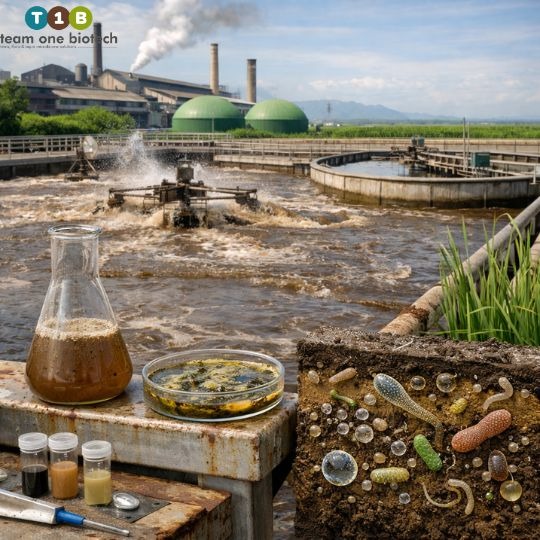
Scan the code