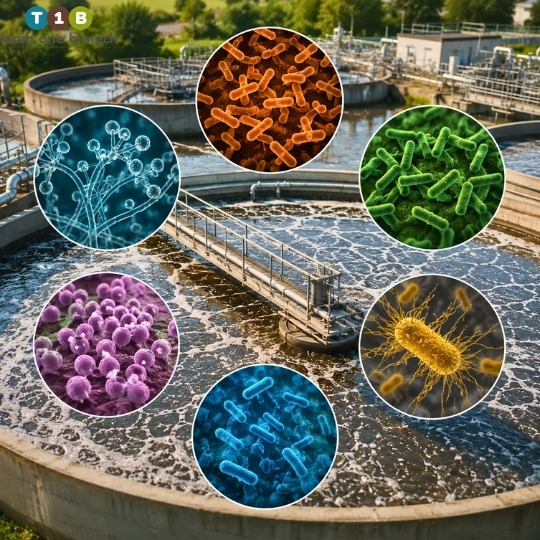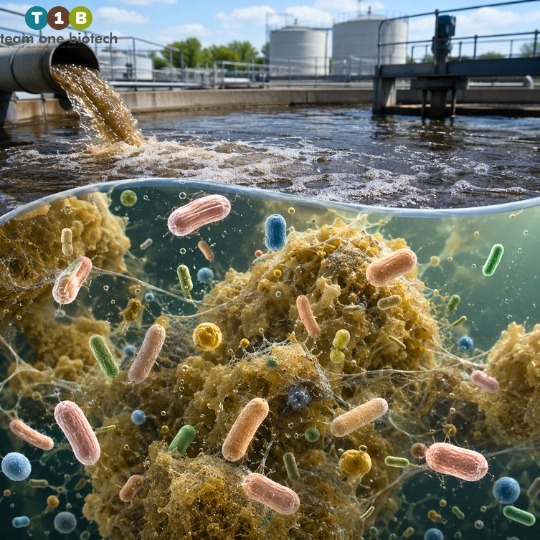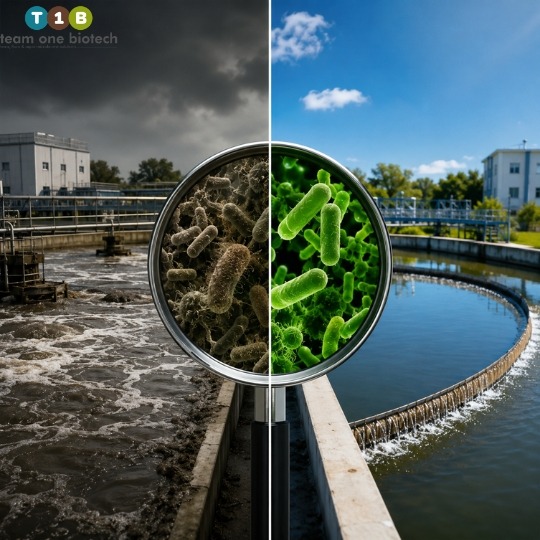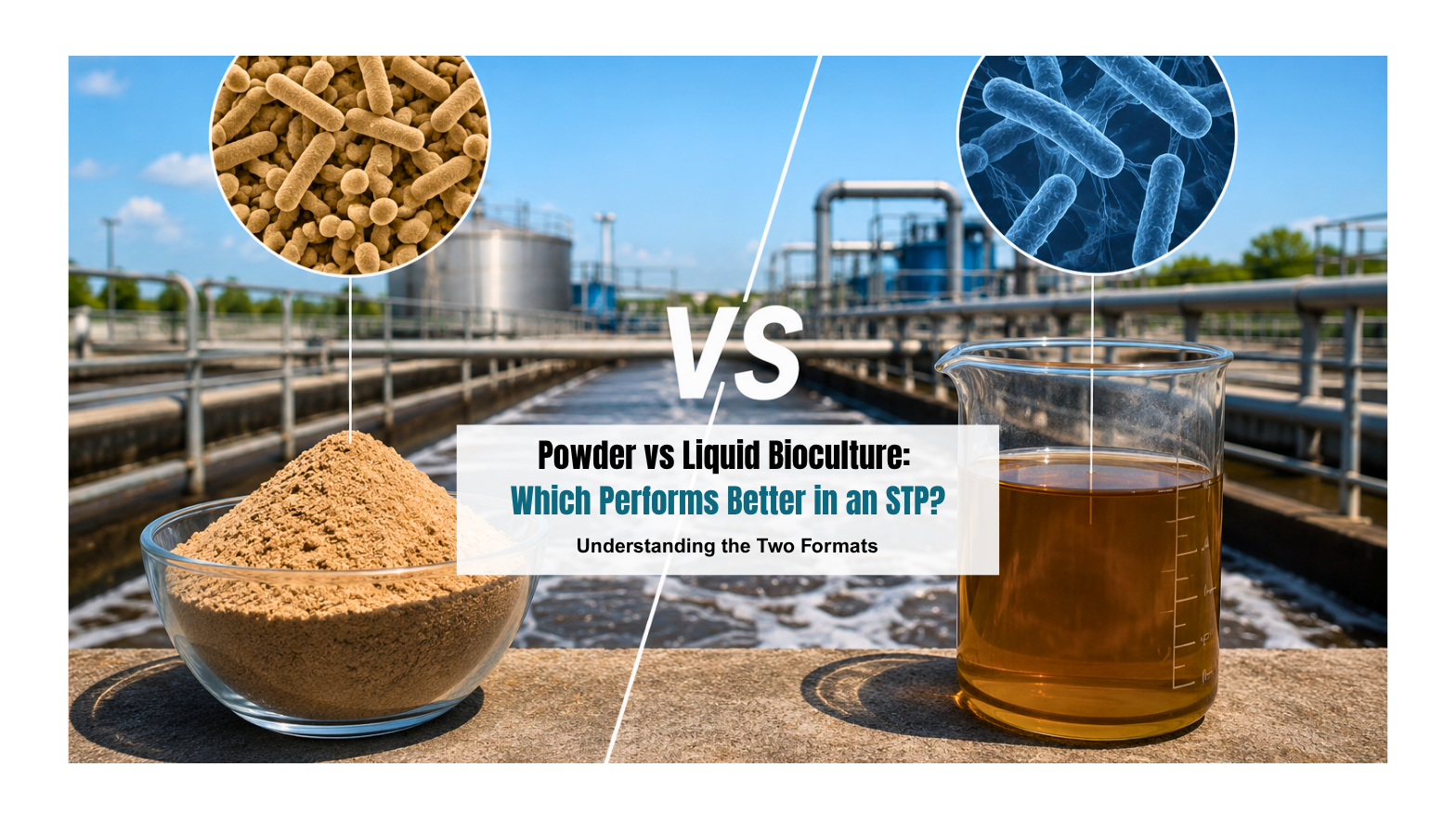
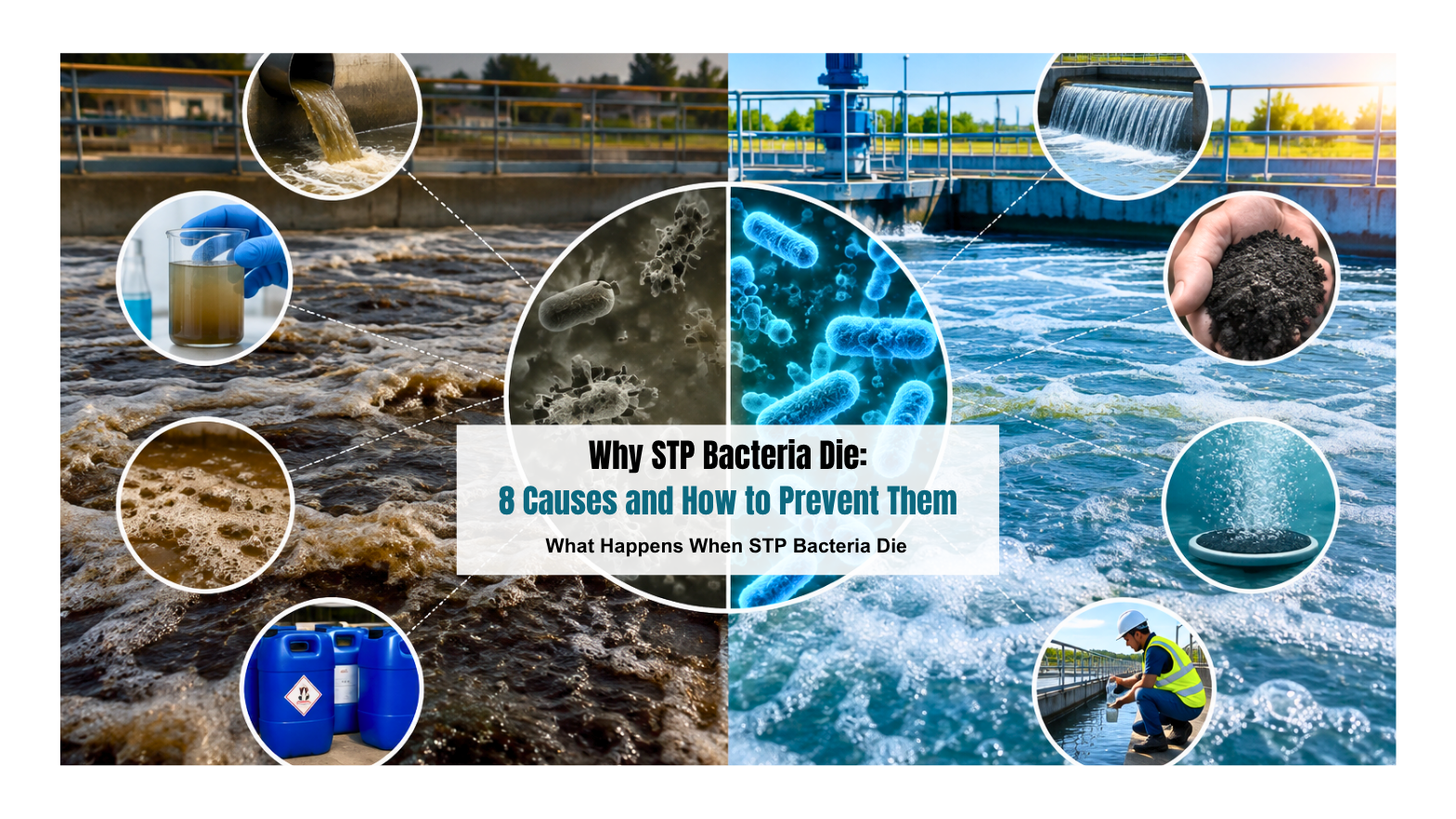
Why STP Bacteria Die: 8 Causes and How to Prevent Them

You walk into the plant on a Monday morning and something is already wrong. The effluent looks cloudy. The mixed liquor in the aeration tank has lost its usual brown earthy appearance, it looks thin, almost grey. You pull up the MLSS readings from the night shift log and your stomach drops. It has fallen sharply, and nobody flagged it. The BOD numbers from last week’s lab report are creeping upward. And somewhere in the back of your mind, you remember that the CPCB inspector is scheduled for a site visit in ten days.

This is not a hypothetical. This is the moment that STP operators across India dread, and it happens more often than most plant managers publicly admit.

STP bacteria dying is not always a dramatic, overnight event. More often, it is a slow biological unravelling that builds quietly in the background until the day it becomes impossible to ignore. By that point, you are no longer dealing with a process problem. You are dealing with a compliance crisis, a potential CPCB or SPCB discharge violation, and the very real possibility of a plant shutdown notice.

The good news is this: biological crashes in sewage treatment plants are almost always preventable. And they are almost always traceable to one of eight specific causes. Understanding those causes, and the warning signs they leave behind, is the difference between an operator who reacts and an operator who prevents.

In this article, we are going to walk through all eight causes of STP bacteria dying, explain what each one does to your biomass, tell you what to watch for before it escalates, and give you a clear picture of how to protect your plant’s biological stability. We will also cover what to do if you are already in a crash.

If your plant is already showing signs of biological stress, our team can help you diagnose the root cause, reach out to Team One Biotech for a consultation.

What Happens When STP Bacteria Die, The Cascade Effect
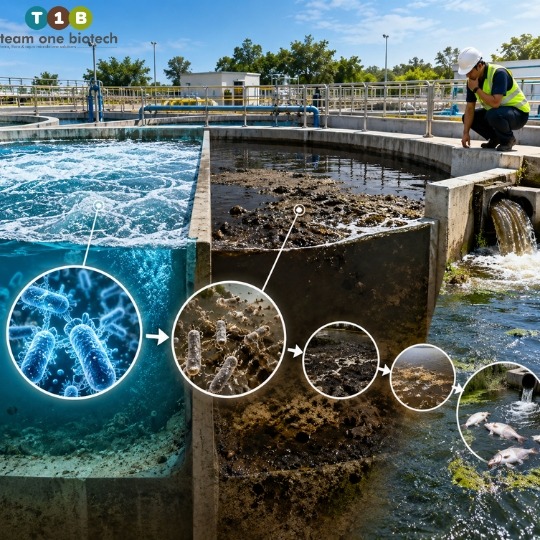
What Happens When STP Bacteria Die, The Cascade Effect

Before getting into the causes, it helps to understand what is actually at stake when the biology fails.

MLSS, Mixed Liquor Suspended Solids, is the measure of the microbial biomass concentration in your aeration basin. It is, in practical terms, the measure of your plant’s treatment capacity. When MLSS drops, so does your plant’s ability to break down BOD, COD, and ammonia. What follows is a cascade: effluent turbidity rises, BOD and COD in the discharge start climbing, TSS violations appear, and you move from a functioning treatment plant to a system that is essentially passing raw or partially treated sewage toward the discharge point.

What makes this especially dangerous is that the damage often builds silently. Bacteria under stress do not announce themselves. The mixed liquor can look visually acceptable even as the active, healthy fraction of your biomass declines. By the time MLSS drops to a visibly alarming level, the plant has usually been struggling for days or even longer.

This is why the eight causes below matter, not just as diagnostic categories, but as early warning systems.

Note: MLSS values vary considerably based on plant design, treatment configuration (ASP, SBR, MBR), and influent characteristics. Always refer to your plant-specific process design document or consult a qualified STP process engineer for target values.

8 Primary Causes of STP Bacteria Dying
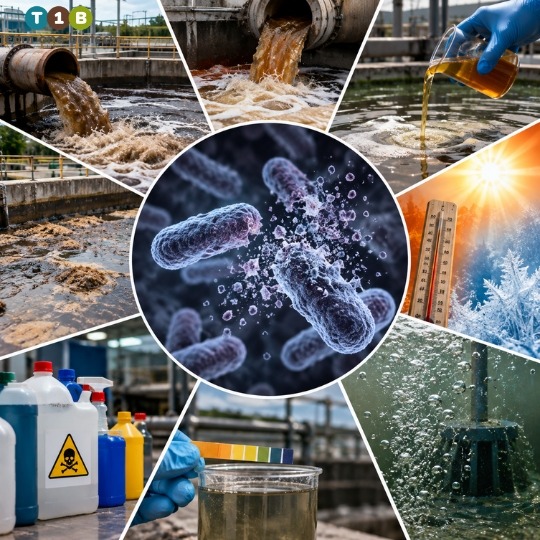
8 Primary Causes of STP Bacteria Dying

Cause 1, Toxic Chemical Shock

What it is: A sudden entry of disinfectants, cleaning agents, industrial solvents, or high-strength chemical waste into the STP feed. This can happen when a facility does a deep cleaning, when a connected industrial tenant flushes chemical waste, or when disinfectant overuse reaches the biological tank without dilution.

How it harms the biomass: Many common chemicals, bleach, quaternary ammonium compounds, strong acids, industrial solvents, are bactericidal even at relatively low concentrations. A short-duration toxic slug can cause mass bacterial lysis across both heterotrophic and nitrifying populations. Nitrifying bacteria, which are slower-growing and more sensitive than general heterotrophs, may be entirely wiped out while the rest of the biomass is still partially recovering. The result is not just MLSS loss, it is loss of treatment function across multiple parameters simultaneously.

Warning signs: Sudden MLSS drop that does not correspond to any change in wasting rate, unexplained foaming, a visible change in mixed liquor colour, a sharp spike in effluent turbidity, and sometimes a strong chemical odour from the aeration basin.

Prevention: Equalization tank monitoring, influent screening protocols that flag unusual conductivity or pH changes, upstream source control agreements with industrial tenants or connected facilities, and periodic toxicity checks on the incoming feed. The equalization tank is your first line of defence, it absorbs and dilutes shock loads before they reach the biology.

Cause 2, Extreme pH Fluctuations

What it is: pH swings outside the stable operating window, driven by acidic or alkaline industrial waste discharging into the sewer network, improper chemical dosing within the plant, or gradual alkalinity depletion in the system.

How it harms the biomass: STP bacteria, particularly nitrifying bacteria, operate within a relatively narrow pH band. When pH swings beyond this range in either direction, enzyme activity is suppressed, cell membranes are damaged, and bacterial mortality rates rise sharply. Nitrifying bacteria are particularly vulnerable and are often the first population to collapse during a pH excursion, leading to ammonia breakthrough in the effluent even before overall MLSS visibly declines.

Warning signs: Rapid pH swings in the aeration basin, reduced or failed nitrification, rising ammonia levels in effluent, MLSS instability, and in severe cases, visible foaming or discolouration of the mixed liquor.

Prevention: Continuous online pH monitoring in the aeration basin, automated caustic or acid dosing controls, regular buffer capacity checks on the influent, and operator awareness of upstream industrial discharges that could alter incoming pH. Maintaining adequate alkalinity in the system provides a buffer that dampens the impact of incoming pH fluctuations.

Disclaimer: Optimal pH ranges are generally referenced as indicative guidance. Specific tolerance may vary based on your plant’s dominant microbial community, temperature, and treatment configuration. Consult your process engineer for plant-specific targets.

Cause 3, Dissolved Oxygen (DO) Depletion

What it is: Oxygen levels in the aeration basin falling below the minimum threshold required for sustained aerobic bacterial metabolism. This can happen due to aeration equipment failure, blower trips, DO probe drift, or a sudden organic load surge that overwhelms the current aeration rate.

How it harms the biomass: Aerobic bacteria cannot survive without oxygen. When dissolved oxygen in the STP drops to critically low levels, aerobic metabolic pathways shut down. The system begins to shift toward anaerobic or anoxic conditions. Bulking sludge can develop as filamentous organisms that thrive under low-DO conditions begin to dominate. BOD removal efficiency drops, effluent quality deteriorates, and foul odours are generated. Prolonged DO depletion results in mass bacterial death and a collapsed MLSS.

Warning signs: Low or zero DO readings from probes, dark or septic-smelling mixed liquor, rising effluent BOD and COD, sludge with poor settleability, and in some cases, visible gas bubbles rising through the basin from anaerobic decomposition.

Prevention: Regular aeration system audits, monthly or quarterly DO probe calibration checks, redundant blower capacity for critical plants, and where possible, load-based aeration controls that automatically ramp up airflow during high-influent periods. Never assume your DO probe is reading correctly without field verification.

Cause 4, Hydraulic Overloading and Surge Flows

What it is: A sudden influx of wastewater volume far exceeding the plant’s design capacity. This is common during monsoon season in India when stormwater enters the sewer network, or during industrial peak discharge events when multiple high-volume sources flush simultaneously.

How it harms the biomass: When hydraulic loading exceeds design capacity, the sludge retention time in the system drops dramatically. Bacteria, especially slow-growing species like nitrifiers, are physically washed out of the system before they can reproduce and replenish the population. This is called sludge washout, and it results in a sharp, rapid MLSS decline that can persist for days or weeks until the biomass rebuilds. The effluent quality during this period is severely compromised, creating direct CPCB discharge norm violation risk.

Warning signs: Rising effluent TSS, MLSS declining without a corresponding change in wasting rate or any identifiable toxicity cause, abnormal SVI readings, and high effluent turbidity during or after heavy rainfall or surge events.

Prevention: Influent flow equalization using buffer or surge tanks, overflow diversion controls, and close MLSS monitoring during identified high-flow risk periods. Operators in monsoon-prone regions should have a seasonal surge management protocol built into their standard operating procedures.

Cause 5, Thermal Stress from Temperature Drops

What it is: A significant drop in aeration basin water temperature caused by cold weather, cold-water industrial discharges, or cool groundwater infiltration into the sewerage system.

How it harms the biomass: Bacterial metabolic rates are temperature-dependent. As temperature falls, enzymatic reaction rates slow, and the biological processes that drive BOD, COD, and ammonia removal become increasingly sluggish. Nitrification is especially temperature-sensitive, ammonia oxidising bacteria can become functionally inactive at lower temperatures well before heterotrophic bacteria show comparable stress. The result is ammonia breakthrough in effluent and partial treatment failure even when MLSS appears visually stable.

Warning signs: Nitrification failure appearing in winter months, ammonia spikes in effluent without corresponding changes in organic loading, sluggish or delayed MLSS response to operational adjustments, and slower sludge settling times.

Prevention: Where feasible, covered or insulated aeration tanks can maintain basin temperature during cold periods. Seasonal bioaugmentation with cold-adapted bacterial cultures is an option for plants that consistently experience winter nitrification failure. Operators should increase monitoring frequency during temperature transitions rather than waiting for effluent data to flag the problem.

Cause 6, Heavy Metal Toxicity

What it is: Entry of metals such as chromium, lead, copper, zinc, nickel, or cadmium into the STP, typically from industrial drainage, mixed commercial-industrial sewage networks, or plating and manufacturing facility discharges.

How it harms the biomass: Heavy metals are non-biodegradable and they do not flush through the system the way organic toxins sometimes can. Instead, they accumulate in the sludge and inhibit bacterial enzyme systems at a fundamental cellular level. Even sub-lethal concentrations can suppress biological activity over time, gradually degrading MLSS health and treatment performance without triggering the dramatic visual signals that a chemical shock does. The insidious nature of heavy metal toxicity is that operators often attribute the slow performance decline to other causes before the true culprit is identified.

Warning signs: Gradual, unexplained MLSS decline despite no operational changes or identified chemical events, progressive darkening of the sludge colour, slow creep in effluent COD over weeks or months, and poor sludge settleability that worsens gradually rather than suddenly.

Prevention: Upstream metal screening in the influent, periodic metal analysis on both the influent feed and the sludge, source segregation requirements for industrial tenants, and pre-treatment mandates for any connected industrial dischargers. Plants operating near industrial estates should treat heavy metal monitoring as routine, not optional.

Cause 7, Nutrient Deficiency and Nitrogen or Phosphorus Imbalance

What it is: Bacteria need balanced macro-nutrients, particularly nitrogen and phosphorus, for cell synthesis and healthy growth. STP feeds that are very low in these nutrients, or feeds where the carbon-to-nitrogen-to-phosphorus ratio is significantly skewed, create a nutrient-starved biological environment.

How it harms the biomass: Nutrient-starved bacteria become weak and non-viable. They lose the ability to form proper flocs, which means the sludge begins to settle poorly. Filamentous organisms that are better adapted to nutrient-limited conditions may begin to dominate, leading to sludge bulking. MLSS instability follows as the active, healthy biomass fraction declines. BOD carryover in the effluent increases because the bacteria simply lack the cellular resources to sustain normal metabolic activity.

Warning signs: Poor sludge settleability with rising SVI values, pale or dispersed mixed liquor appearance, unexplained BOD carry-over in the effluent, and sludge that does not compact well in the settling tank even when everything else looks operationally normal.

Prevention: Regular nutrient ratio monitoring in the influent, supplemental nitrogen or phosphorus dosing when the feed is nutrient-deficient, and routine influent feed quality analysis, particularly for plants that receive predominantly commercial or institutional sewage rather than domestic sewage, which can have more variable nutrient profiles.

Cause 8, Improper Wasting and Sludge Retention Time Mismanagement

What it is: Either over-wasting, removing too much sludge too quickly, or under-wasting, allowing excessively old sludge to accumulate, disrupts the active biomass balance that biological treatment depends upon. Sludge Retention Time (SRT) management is one of the most powerful and most frequently mismanaged levers in STP operations.

How it harms the biomass: Over-wasting physically removes active bacteria from the system faster than they can reproduce, causing MLSS to drop and treatment capacity to collapse. Under-wasting fills the system with old, endogenous cells that are metabolically inactive, crowding out productive bacteria and reducing effective treatment capacity even as total MLSS appears adequate. Both extremes lead to compromised effluent quality and create the conditions for a biological crash if another stressor is introduced simultaneously.

Warning signs: MLSS trending consistently downward or upward without stable corresponding effluent quality, erratic SVI values, poor and inconsistent sludge settling behaviour, and effluent quality that does not match what MLSS levels would predict.

Prevention: SRT-based wasting calculations rather than volume-based or time-based wasting routines, regular MLSS and VSS monitoring to track the active fraction of the biomass, and calibrated wasting frequency adjustments that respond to seasonal changes in temperature, influent load, and plant performance data.

How to Prevent STP Bacteria from Dying, An Operator’s Checklist

How to Prevent STP Bacteria from Dying, An Operator's Checklist

Prevention is dramatically less expensive than recovery, in operational cost, in downtime, and in regulatory risk. Here is what a proactive biological monitoring routine looks like in practice:

  • Monitor DO continuously in the aeration basin; calibrate probes on a regular schedule and verify with field DO meters
  • Check aeration basin pH daily; flag any deviation beyond your plant’s defined operating range immediately
  • Screen influent for unusual conductivity, colour, or odour as an early signal of chemical or industrial discharge events
  • Track MLSS and VSS at a minimum twice weekly; daily tracking during any period of operational stress or unusual influent quality
  • Manage SRT using calculated wasting, not intuition, keep records and adjust for seasonal changes
  • Perform monthly influent nutrient ratio analysis to catch deficiencies before they become biomass problems
  • During monsoon season, increase monitoring frequency and ensure surge buffer capacity is operationally ready
  • Conduct periodic heavy metal testing on both influent and sludge for plants receiving any industrial drainage
  • Consider seasonal bioaugmentation with specialist bacterial cultures during known stress periods, cold weather, post-shutdown restarts, or following a toxic shock event

Not sure where your plant stands? Team One Biotech offers on-site STP biological health assessments. Get in touch with our technical team today.

How to Recover a Crashed STP, Immediate Response Steps
How to Recover a Crashed STP, Immediate Response Steps

If you are already in a crash situation, the priority is stabilisation before recovery. Acting without identifying the root cause first typically makes the situation worse.

Start by identifying and isolating the cause. Pull your DO, pH, MLSS, and influent data from the past seventy-two hours and look for the trigger. Without understanding what caused the crash, you cannot stop it from happening again during recovery.

Stabilise DO and pH in the aeration basin before anything else. The bacteria that survive the crash need a stable environment to rebuild. Reduce organic loading temporarily if possible, this takes pressure off the depleted biomass and gives it a chance to begin recovering without being overwhelmed.

Consider seeding with fresh activated sludge from a healthy plant or using a bioaugmentation product with high-concentration viable bacterial cultures. This accelerates the recovery timeline significantly compared to waiting for the native biomass to rebuild from a depleted state on its own.

Monitor MLSS daily during recovery. Recovery timelines vary depending on the cause, the severity of the crash, and the temperature, expect a process measured in days to weeks rather than hours, particularly if nitrifying bacteria were impacted.

Team One Biotech’s bioaugmentation cultures for STP are specifically formulated to accelerate STP recovery after biological crashes, reducing the time between crash and restored compliance performance.

Frequently Asked Questions

Q1: What is a safe MLSS range for an STP aeration tank?

Typical STP aeration basins are generally designed to operate within a broad MLSS range, with the appropriate target varying by treatment configuration, HRT, and SRT. Disclaimer: These are general indicative ranges only. Your plant’s target MLSS depends on its specific process design. Consult your process engineer or the plant’s original design document for plant-specific guidance.

Q2: How do I know if my STP bacteria are stressed or dead?

Stressed biomass typically shows poor settleability, rising SVI, sluggish DO uptake, and declining treatment efficiency before MLSS visibly drops. A crashed biomass shows dramatic MLSS decline, very poor settling, near-zero DO uptake response, and severely deteriorated effluent. Microscopic examination of the mixed liquor can confirm whether active, diverse protozoan populations are still present, their disappearance is a reliable indicator of biomass collapse.

Q3: Can bacteria in an STP recover after a crash?

In most cases, yes, if the cause is identified and corrected, the biomass will recover over time. Full re-seeding is generally required only when the crash is severe, prolonged, or caused by persistent toxicity such as heavy metal accumulation. Bioaugmentation with fresh cultures significantly shortens the recovery timeline.

Q4: How quickly can MLSS drop after a toxic shock?

This depends on the type and concentration of the toxic substance and the size and resilience of the biomass at the time of exposure. In severe cases, a meaningful MLSS decline can become apparent within hours to a day or two. Nitrifying bacteria, being slower-growing and more sensitive, may be functionally impaired even before MLSS shows a statistically significant drop.

Q5: Does Team One Biotech provide STP bacteria products for recovery?

Yes. Team One Biotech supplies bioaugmentation cultures specifically formulated for STP recovery and stabilisation, including nitrifier-enriched products for ammonia control and heterotrophic cultures for BOD and COD crash recovery. Reach out to our technical team to discuss the right solution for your plant’s situation.

Protect Your Biomass Before the Regulator Shows Up

Think back to that operator at the start of this article, standing in front of a failing aeration tank, watching MLSS numbers that should not be where they are, with a CPCB inspection less than two weeks away. That moment of helplessness is avoidable. In the vast majority of cases, the biological crash that creates it was building for days or weeks before it became visible, and at multiple points along the way, it could have been caught and corrected.

The eight causes covered in this article, toxic chemical shock, pH fluctuations, DO depletion, hydraulic overloading, thermal stress, heavy metal toxicity, nutrient deficiency, and SRT mismanagement, account for nearly every biological failure seen in operating sewage treatment plants. Knowing them is not just useful knowledge. It is operational insurance.

Biology is the backbone of STP performance. When it fails, everything downstream fails, effluent quality, TSS compliance, BOD and COD discharge norms, and ultimately your plant’s standing with CPCB and SPCB regulators. Protecting that biology is not a reactive task. It is a daily discipline.

Your STP’s biological stability is not something to leave to chance. If you are seeing early warning signs, dropping MLSS, rising BOD, or unexplained sludge behaviour, reach out to Team One Biotech. Our bioremediation experts help STP operators diagnose, stabilise, and prevent biological failures before they become compliance crises. Contact us today.

Looking to improve your ETP/STP efficiency with the right bioculture?
Talk to our experts at Team One Biotech for customised microbial solutions.

Contact: +91 8855050575

Email:  sales@teamonebiotech.com

Visit: www.teamonebiotech.com

Discover More on YouTube – Watch our latest insights & innovations!-

Connect with Us on LinkedIn – Stay updated with expert content & trends!
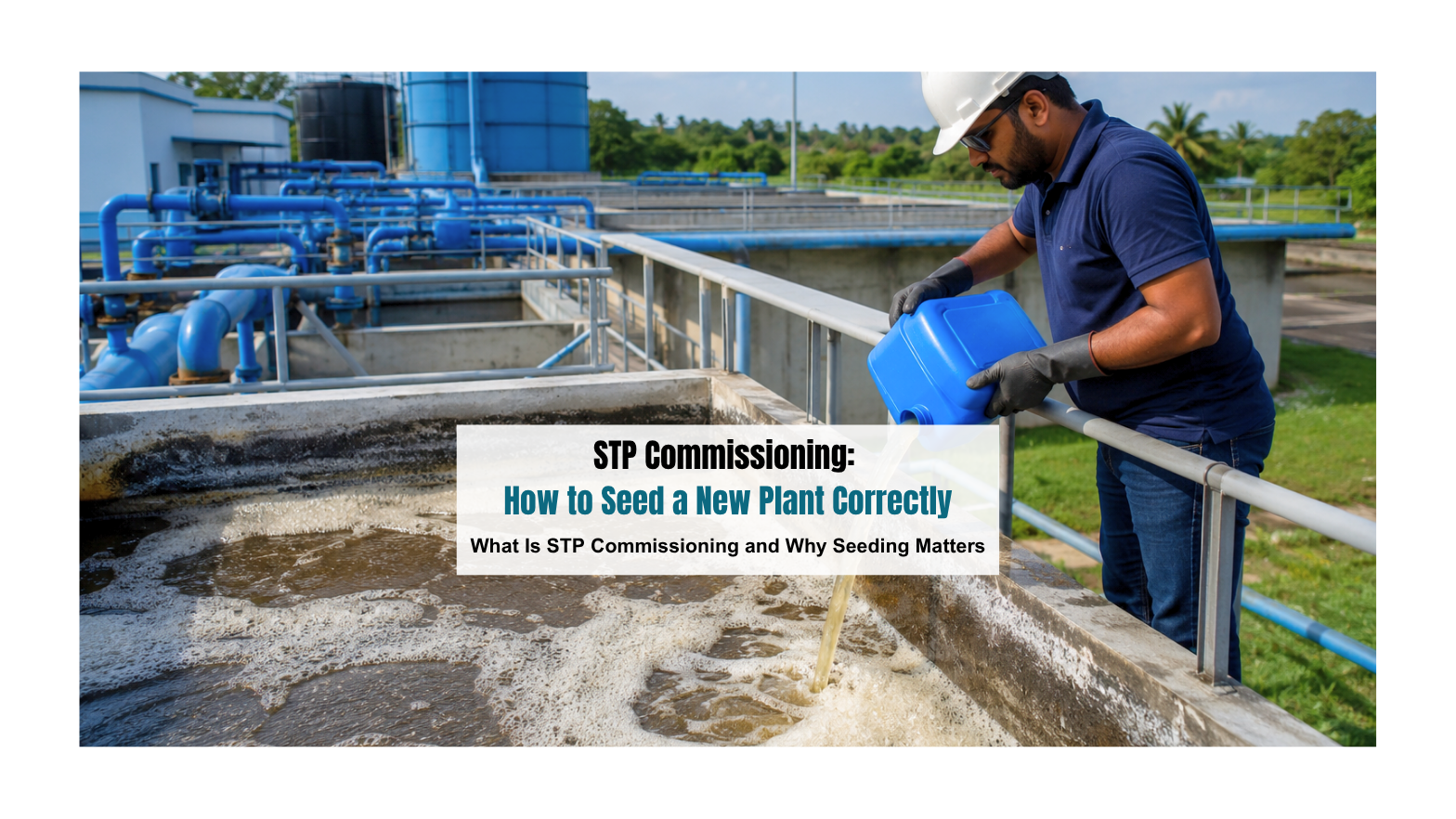
STP Commissioning: How to Seed a New Plant Correctly

You have been on-site for months. The civil work is done, the blowers are running, the tanks are full of water, and the client is standing next to you with a handover checklist. Somewhere in the background, the regulatory clock is already ticking. The consent to operate has been issued. The first self-monitoring report is due in weeks.

And biology? Biology is nowhere near ready.

This is the moment that separates engineers who understand STP commissioning from those who are about to learn a very expensive lesson. A newly constructed plant is nothing more than an empty vessel until a functioning microbial community has been established inside it. The tanks are clean, the equipment works, but the treatment capacity is essentially zero. Raw sewage entering an un-seeded system will pass through with BOD and COD levels barely changed, TSS readings that would alarm any inspector, and effluent that is nowhere close to CPCB discharge norms.

The mistake we see repeatedly on-site is simple: teams under pressure introduce full sewage load into an un-seeded system, wait two weeks, check the effluent quality, and cannot understand why the numbers are still dangerously off. The biology of an STP does not self-assemble overnight. It has to be deliberately established, carefully managed, and given time to stabilize.

This guide covers exactly how to do that, the right way.

What Is STP Commissioning and Why Seeding Matters

What Is STP Commissioning and Why Seeding Matters

STP commissioning is the process of transitioning a newly constructed plant from mechanical readiness to stable biological operation. It is not the same as dry testing. Dry testing checks whether your blowers are rotating, your pumps are delivering the right flow rates, your instrumentation is calibrated, and your civil structures are watertight. Dry testing is necessary. But it tells you nothing about whether your plant can actually treat sewage.

Biological startup is a different discipline entirely. It is the process of establishing a living, functioning microbial ecosystem inside your aeration tanks, biofilm carriers, or membrane chambers, an ecosystem capable of breaking down organic pollutants, reducing ammonia, and delivering treated effluent that meets regulatory standards.

Seeding new STP systems with the right microbial consortia is not an optional step that some engineers choose to take. It is the critical foundation on which everything else depends. It determines how quickly your plant reaches stable effluent quality. It determines whether you can meet CPCB and SPCB discharge norms from your very first regulated sample collection. It determines how resilient your system is during the vulnerable startup phase, when the microbial population is still thin and susceptible to washout or souring under hydraulic or organic shock.

Our team at Team One Biotech has spent years formulating specialized STP commissioning bacteria products specifically for rapid biofilm establishment and high BOD/COD reduction performance in new plants across India. We have seen what happens when seeding is done correctly, and we have seen the consequences when it is skipped or done poorly.

Need the right biological culture for your plant startup? Contact Team One Biotech’s technical team for a site-specific seeding recommendation.

Understanding the Microbial Ecosystem You Are Building

Understanding the Microbial Ecosystem You Are Building

Before you can manage a startup effectively, you need to understand what you are actually building. A functioning STP bioreactor is not a single species, it is a diverse, interdependent community of microorganisms, each playing a specific functional role in the treatment process.

Heterotrophic bacteria are your workhorses. They consume soluble organic matter and are directly responsible for BOD and COD reduction. They are relatively fast-growing, relatively tolerant of variable conditions, and typically the first population to establish itself during STP startup.

Nitrifying bacteria are the slow-movers. These organisms, primarily Nitrosomonas and Nitrobacter, convert ammonia to nitrite and nitrate respectively. They are far more sensitive than heterotrophs. They are inhibited by low dissolved oxygen, by low pH, by sudden temperature changes, and by a wide range of industrial compounds. Their generation times are measured in days rather than hours. Getting nitrification established is often the longest and most technically demanding part of biological treatment startup.

Denitrifying bacteria handle total nitrogen reduction. In extended aeration systems and designs with anoxic zones, these organisms convert nitrate to nitrogen gas, completing the nitrogen removal cycle. Their establishment depends on proper anoxic zone management and substrate availability.

Facultative and anaerobic organisms play important roles in sludge digestion, fermentation zones, and pre-treatment stages. Their community composition will vary significantly depending on your plant design.

The reason this taxonomy matters during plant commissioning is simple. If your seeding strategy does not account for the diversity of organisms you need, or if your early operating conditions suppress the growth of slow-establishing populations like nitrifiers, you will have a plant that partially works, that reduces BOD adequately but cannot control ammonia, or that performs well on low loads but collapses under normal flow.

Understanding what you are building allows you to protect the populations that are most at risk during the startup phase.

Step-by-Step Guide to Seeding a New STP Correctly

Step-by-Step Guide to Seeding a New STP Correctly

This is the section that matters. The steps below represent a commissioning sequence that our application engineers have refined across dozens of STP startup projects in municipal, residential, and commercial settings.

Step 1: Complete Dry Testing Before Any Biological Work Begins

Before a single microorganism enters your system, every piece of mechanical and electrical equipment must be tested and verified. Blowers, aerators, return activated sludge (RAS) pumps, mixers, sludge transfer equipment, and instrumentation must all be functioning correctly and consistently.

Introducing a microbial seed into a system with faulty aeration, erratic pump behavior, or malfunctioning DO sensors is not just ineffective, it will kill the culture before it has any chance to establish. Biological startup amplifies problems in your mechanical systems. Fix them first.

Step 2: Fill the Bioreactor and Stabilize Operating Conditions

Fill the aeration tank with clean water or appropriately diluted sewage before introducing any biological seed. Allow the system to run and stabilize before you introduce any culture. Key parameters to confirm at this stage include dissolved oxygen levels, pH, and temperature, all of which need to be within appropriate operating ranges before seeding begins.

Typical indicative ranges for biological activity are dissolved oxygen between approximately 1.5 to 3.0 mg/L, pH in the range of approximately 6.5 to 8.5, and temperature in ranges broadly consistent with mesophilic bacterial activity.

Disclaimer: These are general indicative values. Actual parameters vary based on plant design, influent characteristics, and applicable regulatory norms. Always refer to your specific CPCB/SPCB consent conditions.

Do not rush this stabilization phase. Seeding into an unstable system is a waste of product and time.

Step 3: Introduce the Microbial Seed

This is the most consequential step in the entire STP startup sequence. The quality, concentration, and composition of the seed culture you introduce will directly determine how quickly your plant reaches biological stability.

Using a high-density, broad-spectrum STP commissioning bacteria product, formulated specifically for new plant startup, significantly shortens the acclimatization period compared to relying solely on naturally occurring microorganisms or opportunistic colonization from raw sewage. Commercial bioaugmentation products from manufacturers like Team One Biotech are formulated to contain the full range of organisms your plant needs: fast-establishing heterotrophs to begin BOD reduction immediately, and robust nitrifier populations to begin building the ammonia-oxidizing community as conditions stabilize.

Seed sludge from an existing operating STP is sometimes used to supplement or partially replace a commercial seed. There is value in this approach when the donor plant is well-run, treats a similar quality of sewage, and is free of disease outbreak-related conditions. However, there are real risks: importing pathogenic organisms adapted to another facility, introducing populations poorly suited to your plant’s specific design loading, or bringing in organisms that perform well at the donor plant’s conditions but poorly in your new system. Use donor sludge as a supplement, not as your primary seeding strategy.

Step 4: Begin Nutrient Dosing

A freshly seeded system often lacks the nutritional balance required for rapid microbial growth. In biological treatment, the critical nutrient ratio is the relationship between carbon (approximated by BOD), nitrogen, and phosphorus. If incoming sewage is nutrient-deficient, as is sometimes the case with certain industrial or mixed-use streams, supplemental nitrogen and phosphorus dosing is required to fuel microbial growth during the early startup phase.

Indicative nutrient ratios for aerobic biological treatment are broadly in the range of approximately 100:5:1 for BOD:N:P.

Disclaimer: These are general indicative values. Actual parameters vary based on plant design, influent characteristics, and applicable regulatory norms. Always refer to your specific CPCB/SPCB consent conditions.

Under-dosing nutrients during seeding new STP systems is one of the most overlooked mistakes in early-stage commissioning. Do not assume the incoming sewage is nutritionally balanced.

Step 5: Monitor and Maintain Alkalinity

Nitrification, the biological conversion of ammonia to nitrate, is an acid-generating process. Each unit of ammonia oxidized consumes alkalinity from the system. In plants with significant nitrification demand, alkalinity depletion can cause pH to drop sharply during the STP startup phase. A falling pH inhibits the very nitrifying bacteria you are trying to establish, creating a feedback loop that is difficult to break once it begins.

Monitor alkalinity regularly throughout the commissioning period. Maintain it within ranges that provide adequate buffering capacity, typically in the region of approximately 100 to 200 mg/L as CaCO₃ or higher depending on ammonia loading.

Disclaimer: These are general indicative values. Actual parameters vary based on plant design, influent characteristics, and applicable regulatory norms. Always refer to your specific CPCB/SPCB consent conditions.

Sodium bicarbonate is the most commonly used alkalinity supplement in STP commissioning. Have it available and dose proactively, not reactively.

Step 6: Ramp Up Organic and Hydraulic Loading Gradually

This is the step most often compromised under project timeline pressure, and it is the step most responsible for startup failures. Do not introduce full design flow or full organic load immediately after seeding. Begin at a fraction of design loading, typically somewhere in the range of approximately 20 to 30 percent, and increase incrementally over several weeks as the microbial population grows, the biofilm establishes, and effluent quality trends improve.

Disclaimer: These are general indicative values. Actual parameters vary based on plant design, influent characteristics, and applicable regulatory norms. Always refer to your specific CPCB/SPCB consent conditions.

The biological community in a newly seeded plant is fragile. Hydraulic washout, caused by introducing flows that exceed the settling or retention capacity of a still-thin sludge blanket, is one of the fastest ways to undo weeks of careful startup work. Organic overloading can suppress dissolved oxygen, shift the microbial community toward fermentative pathways, and produce the foul odors and poor effluent quality that are the hallmarks of a troubled plant commissioning.

Patience at this stage pays dividends for the operational life of the plant.

Step 7: Monitor Key Parameters Daily

During the commissioning period, monitoring is not a weekly task. It is a daily discipline. The parameters that matter during biological startup include BOD, COD, TSS, dissolved oxygen, pH, MLSS (mixed liquor suspended solids), and where relevant, ammonia nitrogen and alkalinity.

What you are looking for is not a single passing reading. You are tracking trends. A stable or improving trend across multiple days in BOD reduction, increasing MLSS, and rising sludge volume index (SVI) is a sign that your biological community is growing and stabilizing. A sudden drop in DO despite consistent aeration, or rising COD on a flat organic load, tells you something is wrong and needs immediate investigation.

Step 8: Evaluate Effluent Against Discharge Norms as Loading Ramps Up

As the plant approaches design loading and effluent quality begins to stabilize, begin formal evaluation of treated effluent against your applicable CPCB or SPCB discharge norms. Begin documenting results from the earliest possible stage. Establishing a positive regulatory record, even before formal monitoring is mandated, is an asset that demonstrates competence and builds goodwill with the regulatory authority.

Common STP Commissioning Mistakes That Set Plants Back

Common STP Commissioning Mistakes That Set Plants Back

These are not theoretical errors. They are patterns our engineers have observed repeatedly during plant commissioning across India.

  • Flooding the system with full sewage load before the microbial population has established, the single most common mistake, usually driven by project timeline pressure.
  • Skipping or under-dosing nutrient supplementation during the first weeks of startup, starving the microbial population when it should be growing fastest.
  • Ignoring alkalinity until the pH crashes and nitrification collapses, then spending weeks trying to rebuild a suppressed nitrifier population.
  • Using seed sludge from an industrial ETP to start a domestic sewage plant, the microbial communities are shaped by very different substrates and will not perform optimally in a mismatched environment.
  • Failing to calibrate and verify DO sensors before startup, then operating blind on aeration management during the most sensitive phase of biological treatment startup.
  • Treating the commissioning period as a bureaucratic formality rather than a critical biological engineering phase, with insufficient qualified staff on-site and no daily monitoring protocol in place.
  • Introducing seed and then reducing aeration to save power, a false economy that starves the aerobic population exactly when it needs oxygen most.

Getting the seeding phase wrong is not just an operational problem. It is a compliance risk that can delay commercial operation, attract regulatory attention, and cost far more to remediate than a properly executed startup would have cost from the beginning.

How Team One Biotech Supports STP Startup and Commissioning

Team One Biotech’s role in the commissioning process goes beyond supplying a product and walking away. Our involvement is technical and application-specific.

Our core offering for plant commissioning is a range of specialized STP commissioning bacteria products, high-density, broad-spectrum microbial cultures formulated to establish rapidly in new plants, deliver measurable BOD and COD reduction within the first weeks of operation, and build the resilient nitrifier populations that are critical for long-term ammonia compliance.

Beyond the product, our application engineers work directly with project teams to develop site-specific dosing protocols, loading ramp-up schedules, nutrient management plans, and parameter monitoring frameworks. We understand that no two plants are identical. Influent characteristics, reactor design, ambient temperature, and applicable discharge norms all vary. Our commissioning support is tailored to those specifics, not delivered as a one-size-fits-all recommendation.

We have supported STP startup projects across municipal, large-scale residential, commercial, and hospitality segments across India. Our track record includes plants that have achieved compliance from their first regulated monitoring cycle, not because we were lucky, but because the commissioning process was engineered correctly from the start.

As an Indian manufacturer of bioremediation and STP biological treatment solutions, our products and support are designed around the regulatory framework and operating conditions that Indian engineers actually work within.

Planning a new STP startup? Let Team One Biotech’s application engineers design a commissioning protocol tailored to your plant configuration and discharge norms. Get in touch today.

Frequently Asked Questions on STP Commissioning

Q: How long does it typically take to commission a new STP biologically?

The timeline depends significantly on plant design, organic loading, ambient temperature, and the quality of the seeding strategy. Heterotrophic BOD reduction can begin showing measurable improvement within the first one to two weeks of startup. Full nitrification, and therefore complete compliance with ammonia-based discharge norms, typically requires a longer period, often several weeks to a few months, depending on conditions. Using a quality STP commissioning bacteria product with a strong nitrifier component, and managing the ramp-up carefully, can substantially shorten this timeline compared to relying on natural colonization alone.

Q: Can I use sludge from another STP to seed my new plant?

Yes, with appropriate caution. Donor sludge from a well-operated plant treating similar sewage can provide a useful supplementary seed. However, it introduces risks: potential import of pathogenic or poorly adapted organisms, variability in community composition, and dependence on the operational health of the donor plant. Commercial bioaugmentation products offer a more controlled, consistent, and concentrated alternative. For most plant commissioning scenarios, we recommend using a purpose-formulated commercial seed as the primary inoculant, with donor sludge as an optional supplement.

Q: What happens if I skip the seeding phase entirely and rely on natural colonization?

The plant will eventually develop a microbial community, but the timeline is unpredictable, often significantly longer, and the startup period will be characterized by poor BOD reduction, high COD, and effluent that consistently fails to meet CPCB norms. The risk of regulatory non-compliance during this extended startup window is real. In competitive project environments where clients and regulators expect performance from the first weeks of operation, relying on natural colonization is a risk that is difficult to justify.

Q: What role does aeration play during STP startup?

Dissolved oxygen is the limiting factor for aerobic microbial growth. Without adequate aeration, the biological community cannot establish effectively, heterotrophic BOD reduction is incomplete, and nitrification, which is extremely sensitive to oxygen depletion, will not proceed. During STP startup, aeration management is more nuanced than during normal operation. Too little oxygen starves the culture. Too much can cause excessive turbulence that disrupts floc formation or strips out the biomass before it has settled into a stable sludge blanket. Aeration must be calibrated carefully during the ramp-up phase, and DO should be monitored daily.

Get the Biology Right Before You Open the Gates

Successful STP commissioning is fundamentally a biological engineering challenge. The microbial community you establish during the startup phase will define the treatment performance, the regulatory compliance trajectory, and the operational resilience of that plant for years to come. Cutting corners at this stage, under timeline pressure, under budget pressure, or simply through underestimating the complexity of biological startup, creates problems that are costly to fix, difficult to explain to regulators, and sometimes impossible to reverse without a full restart.

Approach seeding new STP systems as a science. Understand what organisms you need, create the conditions for them to establish, protect them during the vulnerable early phase, and ramp up loading with patience and discipline. The plants that hit compliance from their first monitoring cycle are not lucky, they are the product of commissioning processes that were planned and executed correctly from day one.

The right STP commissioning bacteria, the right dosing protocol, and the right technical support make all of this achievable, on time and within scope. Talk to Team One Biotech’s technical team before your next STP commissioning. Our biological products and application support are designed to help your plant achieve compliance from the very first cycle of operation.

Looking to improve your ETP/STP efficiency with the right bioculture?
Talk to our experts at Team One Biotech for customised microbial solutions.

Contact: +91 8855050575

Email:  sales@teamonebiotech.com

Visit: www.teamonebiotech.com

Discover More on YouTube – Watch our latest insights & innovations!-

Connect with Us on LinkedIn – Stay updated with expert content & trends!
How Much Bacteria Does an STP Need? Dosage Calculation Explained

Underdose your bioculture and your STP begins to fail, BOD climbs, COD spikes, and the regulator’s notice arrives before you notice the problem. Overdose it and you are burning the budget without any performance gain. The question every STP operator eventually faces is the same: exactly how much bacteria does this plant need?

It is a deceptively simple question with a genuinely complex answer. STP bacteria dosage is not a single number you can read off a chart. It is a calculation, one that depends on where your plant currently stands biologically, how much organic load it is processing, and what product you are dosing. Get that calculation right, and your plant runs cleanly within CPCB norms. Get it wrong, and you are either fighting effluent violations or wasting money on bioculture that is doing nothing measurable.

This guide walks you through both the parameters you need to understand and the step-by-step framework for calculating bioculture dosage for your STP with confidence.

Why Getting the Dosage Wrong Costs More Than You Think

Why Getting the Dosage Wrong Costs More Than You Think

Most STP operators who struggle with dosage decisions are not making careless mistakes. They are working with incomplete frameworks. They know bioculture is necessary; they are less certain about how to size it correctly. That uncertainty has real consequences.

When you underdose, the biological community inside your aeration tank becomes numerically insufficient relative to the organic load arriving in your influent. The microorganisms present are overwhelmed. BOD and COD removal efficiency drops. The effluent that exits your secondary clarifier carries more suspended solids, more organics, and more biological oxygen demand than CPCB and SPCB discharge standards permit. What follows is familiar to any veteran operator, escalating notices, potential shutdowns, and the expense of emergency remediation that always costs far more than prevention would have.

Overdosing creates a different class of problem. Excess bacterial mass that cannot find sufficient food substrate does not simply disappear. It dies, autolyses, and contributes to your sludge burden. Sludge handling, dewatering, and disposal costs rise. Your F/M ratio shifts unfavourably. The additional bioculture product you purchased generates no treatment benefit. From a budget perspective, it is dead spend.

Both scenarios are preventable. The path between them is a structured, data-driven dosage calculation framework, and that is exactly what this article provides.

The Key Parameters You Must Know Before Calculating Dosage

The Key Parameters You Must Know Before Calculating Dosage

Bacterial dosage calculation for sewage treatment plants is grounded in four operational parameters. Understanding these before touching a dosage calculator is not optional, it is the foundation everything else is built on.

Mixed Liquor Suspended Solids (MLSS)

MLSS is the concentration of suspended solids, biological and inert, in your aeration tank. It is the primary proxy for biological mass in an active STP. When operators talk about “how much biology is in the tank,” they are talking about MLSS.

A healthy, functioning STP aeration tank maintains MLSS within a range that balances sufficient microbial density with manageable sludge settleability. When MLSS falls below the lower threshold of that range, the biological community is too sparse to efficiently process incoming organic load. This is the primary trigger condition for bioaugmentation, the deliberate addition of concentrated external bioculture to supplement or rebuild the in-situ microbial population.

Disclaimer: The values mentioned above are general indicative ranges. Actual parameters vary significantly depending on plant design, influent composition, temperature, SRT, and operational history. Always calibrate dosages based on site-specific testing.

Food-to-Microorganism (F/M) Ratio

The F/M ratio describes the relationship between the organic food available in your system and the microbial population present to consume it. Think of it as a feeding balance. Too much food relative to microorganisms and your biology is overwhelmed, leading to poor BOD/COD removal. Too little food and you have excess biomass with nowhere to put its energy, leading to endogenous decay, poor sludge quality, and operational instability.

A balanced F/M ratio is the hallmark of a well-managed biological treatment process. When the ratio is off, the symptoms are visible in your aeration tank and clarifier: bulking sludge that refuses to settle properly, effluent turbidity that persists despite normal operations, and foam that builds up in ways it should not. Operators who regularly monitor F/M ratio alongside MLSS are equipped to catch these imbalances before they become compliance failures.

Disclaimer: Optimal F/M values are indicative and must be calibrated to individual plant conditions.

Organic Loading Rate (OLR)

Organic Loading Rate connects your influent quality to your biological demand. It is calculated from two variables you should be measuring consistently, your daily flow rate and the BOD or COD concentration of the incoming sewage. Together, these give you the total mass of organic material your system must process each day, typically expressed in kilograms of BOD or COD per day.

OLR matters for STP bacteria dosage because it directly determines how much biological mass your system needs. A plant receiving a high organic load requires a proportionally denser and more active microbial community to achieve the same treatment efficiency as a lightly loaded plant. This is why static dosage rules, “add this much per MLD”, consistently underperform. They ignore the actual organic challenge the biology is facing.

Seasonal and diurnal fluctuations in influent composition make OLR a moving target, which is why dosage decisions made annually or even quarterly tend to drift out of calibration over time.

Hydraulic Retention Time (HRT)

HRT is the average length of time that wastewater spends inside your aeration tank before moving to the clarifier. It determines how long your microbial population has to act on incoming organics before they pass through.

Shorter HRT means less contact time between biology and substrate. To compensate, your system needs a denser, more active microbial population, which pushes your dosage requirement upward. Plants with generous HRT have more contact time to work with and can achieve similar removal efficiencies at lower MLSS concentrations. When you are calculating bioculture dosage for your STP, HRT is a critical multiplier that shapes how aggressively you need to supplement your biological community.

Disclaimer: All parameter ranges and dosage figures referenced in this article are general indicative values intended for educational purposes. Actual bioculture dosage requirements vary significantly based on plant design, influent composition, temperature, HRT, SRT, and current biological health. Always conduct site-specific testing and consult a qualified process engineer before making dosage decisions.

How to Calculate Bioculture Dosage for Your STP, A Practical Framework

How to Calculate Bioculture Dosage for Your STP, A Practical Framework

Now that the foundational parameters are clear, the dosage calculation itself becomes structured and logical. The important thing to understand at the outset is that bioculture dosage STP calculation is not a lookup, it is a function of your plant’s current biological health, its organic load, and the concentration of the specific product you are using. Here is how to work through it systematically.

Step 1, Assess Your Current Biological Health

Begin with a clear picture of where your aeration tank biology currently stands. Pull a fresh MLSS measurement. Compare it against the target MLSS range appropriate for your plant design and influent type.

The difference between your current MLSS and your target MLSS is your biomass deficit. This deficit is what your initial dosage must address. A plant that is operating at sixty percent of its target MLSS has a substantially larger deficit than a plant running at ninety percent, and the dosage required to correct the first condition is meaningfully larger than what the second needs.

If your plant is recovering from a biological crash, a high chlorine dosing event, a severe pH excursion, or a toxic influent spike, your effective MLSS may be significantly lower than what the reading suggests, because a portion of the suspended solids you are measuring may be dead or dying biomass rather than active, viable microorganisms. In these conditions, assume a larger deficit and plan a more aggressive corrective dose.

Step 2, Determine Your Organic Load

Calculate your current organic loading rate using your most recent influent flow and BOD or COD measurements. Express this as kilograms of BOD or COD per day.

This figure tells you what your biological system is being asked to process. From your plant design parameters or your baseline operational data, you should have a sense of the MLSS density required to process that specific load to the required effluent standard. If the MLSS required to handle your current organic load is higher than what Step 1 revealed you actually have, the difference further confirms the dosage requirement identified in Step 1.

For plants where influent quality is variable, residential STPs receiving fluctuating loads, commercial facilities with intermittent industrial discharge, calculate OLR on a rolling average rather than a single data point. This prevents you from dosing for a single high-load day and then being under-dosed the rest of the month, or vice versa.

Step 3, Factor in the Bioculture Concentration

Not all bioculture products are equivalent. The amount of product you need to achieve a target biomass addition depends directly on the viable cell count per unit volume or weight of the specific formulation you are using, expressed as CFU per millilitre or CFU per gram.

This is where generic “rules of thumb” reliably fail operators. A bioculture product with a high viable cell count delivers significantly more active biology per kilogram than a diluted or degraded product with lower CFU. Using the same dosage volume for both gives you very different biological outcomes.

Always work from the product data sheet. Obtain the specified potency, CFU/mL or CFU/g, and use that figure to convert your calculated biomass requirement into an actual product quantity. Team One Biotech’s bioculture formulations carry specified potency data, and dosing recommendations are built around product-specific parameters rather than general approximations. This is the difference between a calculated dose and a guessed one.

Step 4, Differentiate Between Startup and Maintenance Dosing

One of the most common bioculture dosage STP errors is applying the same dosage logic to two fundamentally different scenarios: startup and maintenance. These are not the same situation, and treating them identically produces consistently poor results.

Startup dosing applies when you are seeding a new plant, restarting after shutdown, or recovering from a biological crash. The objective is to establish or re-establish a functional microbial population from a near-zero baseline. This requires a significantly higher dose, sometimes multiples of what the steady-state maintenance dose will be, delivered over a compressed initial period, with daily monitoring to track the biological response.

Maintenance dosing applies during normal operations when a functioning microbial population already exists. The objective here is to replenish natural die-off, compensate for washout via sludge wastage, and sustain the target MLSS and F/M ratio over time. Maintenance doses are lower in volume, applied at regular intervals, and adjusted based on the monitoring trends that emerge between doses.

A practical way to think about the distinction:

  • Startup scenario, higher dose volume, shorter dosing interval, daily MLSS and SVI monitoring, response assessment within the first 72 to 96 hours, dose adjustment based on observed ramp-up rate
  • Maintenance scenario, lower dose volume, weekly to monthly interval depending on plant stability, monitoring tied to routine operational checks, adjustments triggered by trend deviation rather than daily variation

Disclaimer: All parameter ranges and dosage figures referenced in this article are general indicative values intended for educational purposes. Actual bioculture dosage requirements vary significantly based on plant design, influent composition, temperature, HRT, SRT, and current biological health. Always conduct site-specific testing and consult a qualified process engineer before making dosage decisions.

Step 5, Monitor, Adjust, and Log

STP bacteria dosage is not a set-and-forget decision. Biological systems are dynamic. The organic load your plant receives today may not be what it receives in six weeks. Seasonal shifts, population changes, industrial discharge patterns, and temperature fluctuations all alter the biological demand on your system, and your dosage must track those changes.

After each dosing cycle, monitor MLSS, Sludge Volume Index (SVI), and effluent BOD and COD. These three metrics together tell you whether the biology is responding as expected. Rising SVI alongside stable or declining MLSS is a warning sign. Effluent quality that is not improving in proportion to your dosage suggests either a product quality issue or an environmental stressor that is suppressing biological activity.

Maintain a dosing log, dates, quantities, product batch, pre- and post-dose measurements, and any operational anomalies. Beyond helping you optimise your dosage protocol over time, this log is a critical asset during regulatory audits. A well-documented dosing record demonstrates biological process management competence to CPCB and SPCB inspectors in a way that verbal assurances simply cannot.

Common Dosage Mistakes That Lead to Compliance Failures

Common Dosage Mistakes That Lead to Compliance Failures

Even operators who understand the calculation framework can fall into patterns that undermine their results. These are the most consistently observed mistakes that contribute to effluent quality failures and regulatory non-compliance:

  • Dosing based on tank volume alone, without calculating actual organic load, this produces arbitrary numbers that have no biological basis
  • Applying a single fixed dose year-round despite significant seasonal variation in influent temperature, flow, and concentration
  • Skipping post-dose monitoring and assuming the bioculture is working without verifying effluent quality or MLSS response
  • Selecting bioculture products with unverified or inflated CFU claims, a product with poor viability delivers far less biology than the label suggests, even when dosed correctly
  • Failing to identify environmental stressors, chlorine carry-over, pH shock, or antibiotic contamination in the influent, that kill dosed bacteria before they can establish
  • Treating bioculture dosage as a one-time corrective action rather than an ongoing biological management practice integrated into routine operations

Each of these mistakes is correctable. But all of them become much less likely when the dosage process is grounded in structured monitoring and documented methodology.

Why Bioculture Quality Is as Important as Dosage Quantity

A precisely calculated dose of a poor-quality bioculture product delivers poor results. The dosage calculation framework described above assumes that the product you are dosing contains the viable microbial population it claims to contain. When that assumption fails, because the product was stored incorrectly, has passed its effective shelf life, or was formulated with inadequate strain diversity, the calculation breaks down at the last step regardless of how accurately the first four steps were executed.

When evaluating bioculture products for your STP, the quality markers that matter operationally are viable cell count expressed as CFU per unit, strain diversity appropriate to the treatment objective (BOD and COD degradation, nitrogen removal, or a combined profile), shelf life and storage requirements, and compatibility with your plant’s operating temperature and pH range.

Team One Biotech’s bioculture formulations are developed specifically for sewage treatment applications under Indian operating conditions, accounting for the influent characteristics, temperature ranges, and regulatory standards that define the compliance environment most operators in this market are working within. The technical specifications behind each product are designed to support accurate dosage calculations, not approximate them.

Talk to our process engineers to get a dosage recommendation tailored to your plant’s capacity and current MLSS levels. Contact Team One Biotech.

Frequently Asked Questions

How do I know if my STP is underdosed with bioculture?

Signs include rising effluent BOD and COD beyond discharge limits, poor sludge settling in the secondary clarifier, a thin and visually pale MLSS, persistent foam or odour from the aeration tank, and an SVI that is trending upward without a corresponding increase in organic load.

Can I add too much bioculture to an STP?

Yes. Excessive dosing upsets the F/M ratio by creating more biological mass than the available food substrate can support. The result is increased sludge production without proportional treatment improvement, higher sludge handling costs, and potential secondary effects on clarifier performance. More bioculture is not always better, calibrated bioculture is better.

How often should bioculture be dosed in an STP?

Dosing frequency depends on your operational phase. During startup or biological recovery, dosing intervals are short and monitoring is intensive. During steady-state maintenance operations, intervals typically range from weekly to monthly, but this must be determined based on your specific plant’s MLSS trends, organic loading patterns, and sludge wastage rate. There is no universal answer.

Disclaimer: Dosing frequency ranges referenced here are general indicative values. Actual intervals must be determined based on site-specific monitoring.

Does temperature affect bioculture dosage requirements?

Yes, significantly. Microbial metabolic activity is temperature-dependent. In colder months, or in plants operating in lower ambient temperature conditions, enzymatic reaction rates slow, microbial growth rates decline, and the biological system’s ability to process organic load at a given MLSS density is reduced. This typically requires higher or more frequent dosing during cold periods to maintain equivalent treatment performance.

What is the difference between seed culture and maintenance culture in an STP?

Seed culture establishes a new microbial population in a plant that has none, either during initial commissioning or after a biological crash. It requires a high-volume, high-frequency dosing protocol until the MLSS reaches a functional level. Maintenance culture sustains an already-established population during normal operations. The two products may be similar in microbial composition but differ significantly in required dosage volume and application frequency.

Conclusion, Dose Right, Stay Compliant

Getting STP bacteria dosage right is not guesswork, and it is not a fixed number on a product label. It is a structured, data-driven process grounded in four operational parameters, MLSS, F/M ratio, organic loading rate, and HRT, translated into a product quantity through your bioculture’s specified potency, and differentiated clearly between startup and maintenance scenarios.

Plants that manage bioculture dosage STP correctly through this kind of structured approach consistently outperform those that rely on intuition, historical habit, or generic rules of thumb. The biological system is stable. Effluent quality is predictable. Regulatory compliance with CPCB and SPCB discharge norms is far easier to maintain when your aeration tank biology is neither starved nor overwhelmed. The operators who get this right are not doing anything exotic, they are simply working with a proper calculation framework and monitoring their results.

BOD and COD reduction targets are achievable. MLSS in the healthy range is maintainable. The compliance record you want is within reach, but it requires treating bacterial dosage calculation for sewage treatment as the disciplined, ongoing biological management practice it is.

Team One Biotech offers both high-quality bioculture products formulated for Indian STP operating conditions and the technical support to help you calculate and implement the right dosage strategy for your specific plant.

Do not leave your STP’s compliance to chance. Reach out to Team One Biotech’s technical team today for a plant-specific bioculture dosage assessment, and keep your effluent consistently within discharge limits.

Looking to improve your ETP/STP efficiency with the right bioculture?
Talk to our experts at Team One Biotech for customised microbial solutions.

Contact: +91 8855050575

Email:  sales@teamonebiotech.com

Visit: www.teamonebiotech.com

Discover More on YouTube – Watch our latest insights & innovations!-

Connect with Us on LinkedIn – Stay updated with expert content & trends!
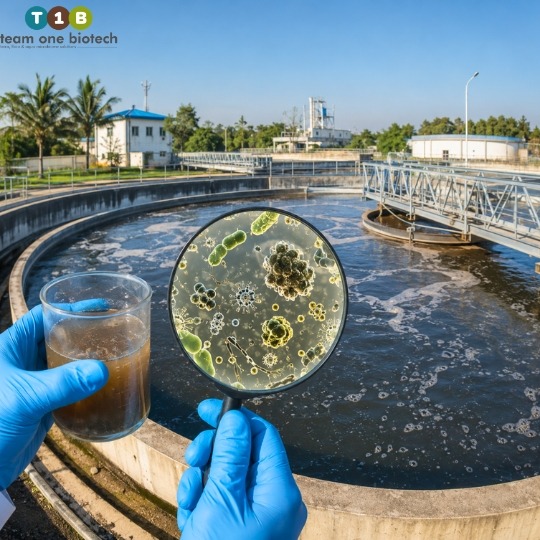
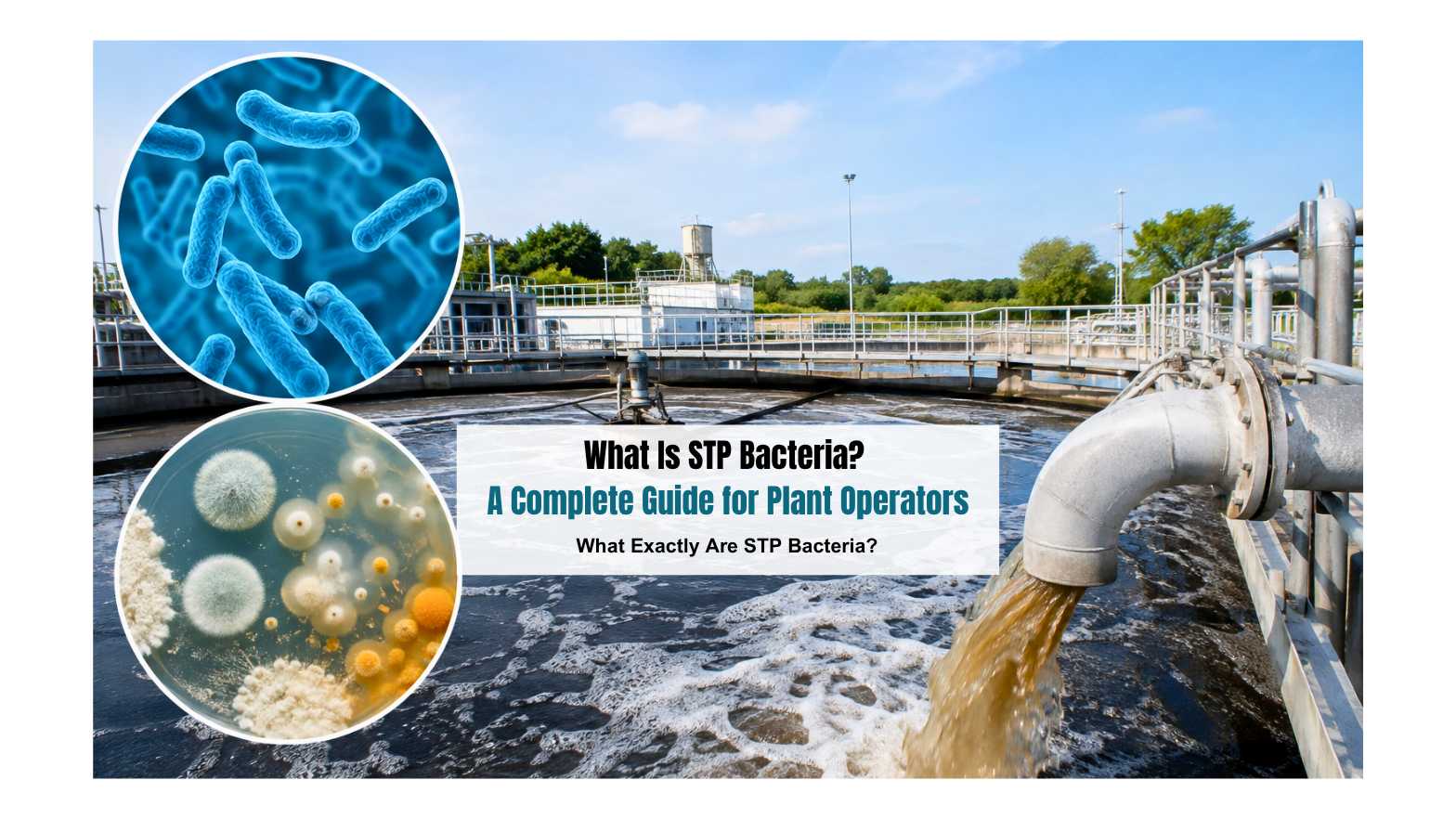
What Is STP Bacteria? A Complete Guide for Plant Operators

Every STP operator has faced this moment, the effluent looks off, BOD levels are climbing, and nobody can pinpoint why. You check the aerators, inspect the pumps, run through the mechanical checklist. Everything looks fine on paper. But the plant is not performing. More often than not, the answer is not mechanical. It is biological.

The invisible workforce running your sewage treatment plant is not steel and concrete, it is bacteria. Understanding what is STP bacteria, how these microorganisms function, and what keeps them healthy is the difference between a plant that consistently meets discharge norms and one that keeps you up at night. This guide covers everything a working operator needs to know: the types of bacteria active in your system, how they break down sewage, what makes them fail, and how to keep your microbial population in peak condition.

What Exactly Are STP Bacteria?

What Exactly Are STP Bacteria?

STP bacteria are microorganisms, primarily bacteria, but also fungi and protozoa, that are either naturally established or deliberately cultivated within a sewage treatment system to break down organic matter in wastewater. They are not contaminants. They are not a sign that something has gone wrong. They are the core biological engine of every functional sewage treatment plant in operation.

When a manufacturer like Team One Biotech supplies an STP bioculture product, what they are delivering is a concentrated, carefully selected blend of bacterial strains, organisms chosen for their ability to perform specific treatment functions efficiently and reliably. Think of it as seeding your plant with a purpose-built microbial workforce rather than waiting months for a natural population to develop on its own.

The term “sewage bacteria” often triggers the wrong association in operators who are newer to biological wastewater treatment. These organisms are not the dangerous pathogens you are trying to remove. They are beneficial, process-driving microbes that consume the very pollutants that pathogens feed on. Removing pathogenic organisms is largely a function of disinfection at the tail end of treatment. The bacteria we are discussing here are your allies at every stage before that.

Different treatment stages host fundamentally different bacterial communities, each adapted to local oxygen levels, organic load, and chemical environment. Understanding which bacteria belong where, and what each type does, is what separates an operator who reacts to problems from one who prevents them.

The Main Types of Bacteria Found in an STP

The Main Types of Bacteria Found in an STP

No single type of bacterium handles everything inside a sewage treatment plant. The system works because different microbial communities operate in sequence, each tackling a different fraction of the pollutant load. Here is what you need to know about each major group.

Aerobic Bacteria, The Primary BOD Destroyers

Aerobic bacteria are the workhorse organisms of biological wastewater treatment. They operate in oxygen-rich zones, primarily the aeration tank, and are responsible for breaking down the bulk of the carbonaceous biochemical oxygen demand (BOD) present in incoming sewage.

Key genera found in healthy aerobic zones include Pseudomonas, Bacillus, and Zoogloea, among others. These are not exhaustive categories, a mature aeration tank hosts hundreds of species, but these genera are commonly associated with strong BOD removal and stable floc formation. Floc formation is critical: aerobic bacteria aggregate into clusters that make sludge heavier and more settleable, which is what allows your secondary clarifier to function properly.

What aerobic bacteria need to thrive:

  • Adequate dissolved oxygen in the aeration zone (maintain within an appropriate operational range, see disclaimer below)
  • Sufficient organic substrate without overloading
  • Stable temperature and pH conditions
  • Absence of toxic inhibitors such as heavy metals or concentrated disinfectants

What happens when dissolved oxygen drops below adequate levels: aerobic populations crash, filamentous organisms proliferate, sludge bulks, and your clarifier performance deteriorates rapidly.

Disclaimer: The values indicated above are general reference ranges. Actual figures vary based on plant design, influent characteristics, organic load, temperature, and site-specific operational conditions.

If your aerobic zone is underperforming, a targeted aerobic bioculture can dramatically restore microbial density. Reach out to Team One Biotech’s technical team to understand which formulation suits your plant’s specific conditions.

Anaerobic Bacteria, The Deep Decomposers

Anaerobic bacteria thrive in the complete absence of oxygen and are most active in sludge digesters, septic zones, and the deeper layers of settled sludge. Their primary role is breaking down complex organic compounds, particularly the heavier, slower-degrading fraction of organic matter, into simpler end-products, including methane gas as a useful byproduct in plants equipped for biogas recovery.

In sludge digesters, anaerobic activity is responsible for a significant reduction in sludge volume, which directly reduces the cost and frequency of sludge disposal. In plants that recover biogas, well-functioning anaerobic digestion is also a source of energy.

Where operators need to be careful is in zones designed to be aerobic. If dissolved oxygen management fails and sections of your aeration tank go anaerobic, you will see it in odour complaints, typically hydrogen sulphide, and in deteriorating effluent quality. Anaerobic activity in the wrong zone is a signal to check your aeration system immediately.

What anaerobic bacteria require:

  • Complete absence of dissolved oxygen
  • Stable pH within a neutral to mildly alkaline range (add site-specific calibration, see disclaimer)
  • Adequate retention time in the digester
  • Absence of toxic compounds at inhibitory concentrations

Disclaimer: The values indicated above are general reference ranges. Actual figures vary based on plant design, influent characteristics, organic load, temperature, and site-specific operational conditions.

Facultative Bacteria, The Adaptable Operators

Facultative bacteria are the most operationally resilient category in your plant. These organisms can shift their metabolism depending on whether oxygen is available or not, functioning aerobically when dissolved oxygen is present and switching to anaerobic or fermentative pathways when it is not.

Their practical importance is often underestimated. In transition zones between aerobic and anoxic conditions, and during operational disturbances like power failures, aeration equipment breakdowns, or sudden organic load spikes, facultative bacteria are frequently what prevents a complete process collapse. They bridge the gap while conditions are re-established.

For operators managing plants with variable influent loads, frequent power interruptions, or older aeration infrastructure, understanding and protecting facultative populations is not a theoretical exercise. These organisms buy you time when your process is under stress.

Nitrifying Bacteria, The Compliance-Critical Microbes

If there is one category of STP bacteria that deserves the most careful operational attention, it is the nitrifying bacteria. These organisms are responsible for the conversion of ammoniacal nitrogen, ammonia and ammonium, into nitrate, a process called nitrification. Under tightening CPCB and SPCB discharge norms that regulate total nitrogen in treated effluent, nitrifier health is directly linked to your compliance status.

Nitrification is a two-stage biological process. The first stage is carried out by organisms like Nitrosomonas, which oxidise ammonia to nitrite. The second stage involves organisms like Nitrobacter, which convert nitrite to nitrate. Both genera are mentioned here as representative examples, not as an exhaustive classification.

What makes nitrifying bacteria uniquely vulnerable is their biology. They are slow-growing organisms, much slower than the heterotrophic aerobic bacteria responsible for BOD removal. This means that once a nitrifier population is damaged or lost, rebuilding it takes considerable time. They are also highly sensitive to operational stress:

  • pH swings outside a stable biological range will rapidly inhibit nitrifier activity
  • Temperature drops, particularly in winter months in northern India, significantly slow nitrification rates
  • Toxic shock events from industrial effluent, heavy metals, or disinfectant overdose can effectively eliminate nitrifier populations almost overnight
  • Insufficient sludge age (mean cell residence time) washes nitrifiers out of the system before they can reproduce and maintain population density

If your plant is showing ammonia breakthrough in final effluent, the nitrifiers are telling you something is wrong. Do not wait for your regulator to tell you first.

Nitrifier populations are the first casualty of operational stress. Team One Biotech’s nitrification bioculture is formulated to restore and sustain this critical microbial community in plants recovering from process upsets or establishing nitrification for the first time. Contact us to understand how targeted seeding can accelerate your compliance recovery.

Disclaimer: The values indicated above are general reference ranges. Actual figures vary based on plant design, influent characteristics, organic load, temperature, and site-specific operational conditions.

Denitrifying Bacteria, Closing the Nitrogen Loop

Denitrifying bacteria complete the nitrogen removal process that nitrifiers begin. Where nitrifiers convert ammonia into nitrate, denitrifiers convert nitrate into harmless nitrogen gas, which exits the system through the atmosphere. This is the only biological pathway that actually removes nitrogen from the effluent rather than converting it from one form to another.

Denitrifiers are anoxic-zone organisms. They require nitrate as their electron acceptor but cannot tolerate free dissolved oxygen, which means they are typically active in dedicated anoxic zones positioned upstream of the aeration tank in more sophisticated STP configurations.

What denitrifying bacteria need:

  • Absence of free dissolved oxygen in the anoxic zone
  • Adequate nitrate supply, typically recycled from the aerobic zone
  • A carbon source for their metabolic activity (often provided by the incoming wastewater itself)
  • Sufficient hydraulic retention time in the anoxic zone

Operators who underestimate the importance of denitrification increasingly find themselves on the wrong side of nitrogen discharge limits. As CPCB norms evolve and more plants fall under stricter nutrient removal requirements, denitrification is shifting from an optional upgrade to a compliance necessity.

How Do STP Bacteria Actually Break Down Sewage?

How Do STP Bacteria Actually Break Down Sewage?

The biological treatment process is not a single event, it is a continuous, dynamic series of microbial interactions happening simultaneously throughout your plant. Here is what actually occurs when bacteria go to work on incoming sewage.

When wastewater enters the biological treatment zone, bacteria colonise organic particles and suspended solids immediately. They secrete extracellular enzymes that break complex organic molecules into simpler compounds that can be absorbed across bacterial cell membranes. Inside the cell, these compounds are metabolised through aerobic or anaerobic respiration, depending on the organism and the available oxygen, producing energy for growth and reproduction, with carbon dioxide, water, and stable biological solids as end-products.

This is what BOD removal actually looks like at the microbial level: bacteria consuming dissolved and suspended organic matter and converting it into their own biomass and stable by-products that either escape as gas or settle as sludge.

Two operational parameters that every plant operator encounters daily reflect the health of this biological process. Mixed Liquor Suspended Solids (MLSS) measures the concentration of biological solids, active bacteria and associated organic matter, in your aeration tank. Maintaining MLSS within an appropriate operational range is essential for adequate treatment capacity. Sludge Volume Index (SVI) reflects how well your sludge settles: healthy aerobic floc settles compactly, giving a low SVI, while bulking sludge, often a sign of filamentous bacteria dominating the population, gives a high SVI and poor clarifier performance.

The critical operational insight is this: your STP is a living system. Unlike a pump or a clarifier, it cannot be repaired by replacing a part. It responds to conditions, oxygen, temperature, pH, toxic load, retention time, and the microorganisms inside it either thrive or deteriorate based on how well those conditions are managed. That is why operators who understand the biology consistently outperform those who only understand the equipment.

Disclaimer: The values indicated above are general reference ranges. Actual figures vary based on plant design, influent characteristics, organic load, temperature, and site-specific operational conditions.

Why Bacterial Health Directly Determines Your Compliance Outcome

Why Bacterial Health Directly Determines Your Compliance Outcome

Every discharge norm that your plant is measured against, BOD in final effluent, total suspended solids, ammoniacal nitrogen, total nitrogen, is ultimately a measure of how well your bacterial populations are doing their job. The connection between microbial health and regulatory compliance is not indirect. It is direct, causal, and measurable on every monitoring report you submit.

BOD reduction is primarily the work of aerobic heterotrophic bacteria in your aeration tank. If that population is stressed, underfed, over-loaded, or oxygen-deprived, your effluent BOD climbs. TSS removal depends on floc-forming bacteria that produce settleable biomass. If they are outcompeted by filamentous organisms, your clarifier overflows with suspended solids. Nitrogen removal, as detailed above, depends entirely on the health of nitrifying and denitrifying bacterial communities that are slow to recover once damaged.

The signals that your microbial population is in distress are identifiable before your effluent test results confirm it:

  • Rising effluent BOD that does not respond to increased aeration
  • Bulking sludge or persistently poor settlement in the secondary clarifier
  • Excessive or persistent foaming in the aeration tank
  • Ammonia breakthrough appearing in final effluent samples
  • Persistent foul odour from zones that should be aerobic

Each of these is a biological symptom, not a mechanical one. Treating them as mechanical problems, adjusting pumps, increasing aeration blindly, dosing chemicals, without addressing the underlying microbial health will produce temporary improvements at best.

Is your STP consistently meeting CPCB discharge norms? If the answer is no, or even sometimes, the root cause is almost always biological. Get in touch with Team One Biotech for a technical process assessment, we work with plant operators to identify what the microbiology is telling them before compliance becomes a crisis.

How to Maintain a Healthy STP Microbial Population

Maintaining microbial health is a daily operational discipline, not a one-time intervention. Here are the key parameters and practices that determine whether your bacterial population thrives or deteriorates.

Dissolved Oxygen Management

Maintain dissolved oxygen in your aeration zone within an appropriate operational range for aerobic treatment. Too low and aerobic bacteria are starved; too high and you are wasting energy while potentially disrupting the anoxic zones needed for denitrification. Monitor DO continuously rather than on fixed schedules.

Disclaimer: The values indicated above are general reference ranges. Actual figures vary based on plant design, influent characteristics, organic load, temperature, and site-specific operational conditions.

pH Control

Biological activity in your STP depends on maintaining pH within a range that supports both heterotrophic and nitrifying bacteria. Nitrifiers in particular are sensitive to pH excursions. Monitor influent pH carefully, especially if your plant receives any industrial contribution, and dose neutralising agents proactively rather than reactively.

Avoiding Toxic Shocks

Industrial effluent containing heavy metals, strong acids or alkalis, solvents, or concentrated disinfectants can devastate microbial populations with little warning. If your plant receives combined municipal and industrial inflow, establish clear pre-treatment requirements at source and monitor for unusual influent characteristics. A single toxic shock event can set back biological recovery by weeks.

Sludge Age Management

Maintaining an appropriate mean cell residence time (sludge age) is essential, particularly for retaining slow-growing nitrifiers. Too short a sludge age washes these organisms out of the system faster than they can reproduce. Too long and you accumulate excess biomass that strains your sludge handling infrastructure. Find the operational range appropriate for your plant configuration and influent load.

Bioaugmentation During Startup and Recovery

When commissioning a new plant, restarting after a shutdown, or recovering from a process failure, seeding your system with a high-quality STP microbial culture dramatically reduces the time needed to establish an active, balanced biological population. Rather than waiting for indigenous bacteria to colonise and multiply over weeks, a commercial STP bioculture delivers a concentrated, proven microbial community ready to perform from day one.

Regular Monitoring

Track MLSS, SVI, dissolved oxygen, influent and effluent BOD, and ammoniacal nitrogen consistently. These parameters tell you the biological story of your plant. Gaps in monitoring are gaps in your early warning system.

Frequently Asked Questions About STP Bacteria

Q1: What is STP bioculture and how is it different from naturally occurring sewage bacteria?

STP bioculture refers to a concentrated, commercially prepared blend of selected bacterial strains that are specifically chosen for their ability to perform treatment functions, BOD removal, nitrification, sludge reduction, reliably and efficiently. Naturally occurring sewage bacteria develop through environmental colonisation over time, often including a wide range of organisms that are not particularly suited to treatment performance. A commercial bioculture gives you a defined, high-density starting population that reduces startup time and improves process stability.

Q2: How long does it take for STP bacteria to establish after a plant startup?

Startup periods vary considerably based on organic load, temperature, seeding method, and plant configuration. Natural colonisation without bioaugmentation can take several weeks to months before stable biological treatment is achieved. With commercial STP bioculture seeding, this period can be reduced substantially, though the exact timeline depends on site-specific conditions.

Disclaimer: The values indicated above are general reference ranges. Actual figures vary based on plant design, influent characteristics, organic load, temperature, and site-specific operational conditions.

Q3: Can STP bacteria survive toxic shocks from industrial effluent?

Toxic shocks, from heavy metals, strong disinfectants, or sudden pH swings, can severely reduce or effectively eliminate active bacterial populations, particularly nitrifiers. Resilience depends on the concentration and duration of the toxic exposure, as well as the overall health and density of the microbial population beforehand. Prevention through influent monitoring and pre-treatment is far more effective than post-shock recovery.

Q4: What are signs that bacterial activity in my STP has dropped?

Rising effluent BOD, poor sludge settleability resulting in high SVI, increased foaming in the aeration tank, and ammonia breakthrough in final effluent are the clearest operational indicators. Persistent foul odour from aerobic zones is another sign worth investigating immediately.

Q5: Is it safe to add commercial microbial cultures to an STP?

Yes. High-quality STP microbial cultures are formulated from non-pathogenic, GRAS-classified bacterial strains that are safe for operators, the surrounding environment, and receiving water bodies. Team One Biotech’s bioculture products are formulated to meet these safety standards and are intended for use in municipal and commercial STPs by trained operators.

Your STP Runs on Biology, Not Just Equipment

Every mechanical system in your sewage treatment plant exists to create the right conditions for one thing: microbial activity. The aerators feed oxygen to bacteria. The clarifiers settle bacterial biomass. The sludge digesters give anaerobic organisms time to work. Strip the biology out of the equation and what remains is expensive infrastructure that treats nothing.

Understanding what is STP bacteria, what types exist, what each one does, and what conditions each one needs, is foundational knowledge for anyone responsible for plant performance. Aerobic bacteria drive BOD removal and floc formation. Anaerobic bacteria reduce sludge and recover energy. Facultative bacteria provide process resilience during operational stress. Nitrifying and denitrifying bacteria determine whether your plant meets nitrogen discharge norms under CPCB and SPCB regulations. All of these microbial communities are interdependent, and all of them respond, positively or negatively, to how you manage your plant every single day.

Maintaining a healthy STP microbial culture is not a luxury or an add-on. It is the core operational task of biological wastewater treatment. When that culture is healthy, your plant performs. When it is compromised, no amount of mechanical adjustment or chemical dosing will fully compensate.

If you are looking to optimise your STP’s biological performance, reduce compliance risk, or recover from a process failure, Team One Biotech’s range of STP bioculture solutions is engineered for exactly that. Get in touch with our technical team today, because your plant deserves biology that works.

Looking to improve your ETP/STP efficiency with the right bioculture?
Talk to our experts at Team One Biotech for customised microbial solutions.

Contact: +91 8855050575

Email:  sales@teamonebiotech.com

Visit: www.teamonebiotech.com

Discover More on YouTube – Watch our latest insights & innovations!-

Connect with Us on LinkedIn – Stay updated with expert content & trends!
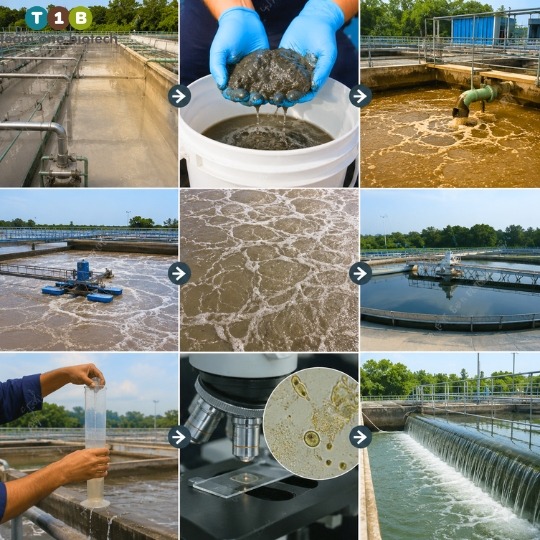
Powder vs Liquid Bioculture: Which Performs Better in an STP?

There is a particular kind of dread that settles in when a discharge report comes back non-compliant. The calls start, the paperwork stacks up, and somewhere in the middle of it all, someone asks the question that should have been asked earlier: did biology fail us, or did we fail biology?

For STP operators, plant superintendents, and biological process engineers working under the constant watch of CPCB and SPCB discharge standards, biological performance is not an abstract concern. It is a daily operational reality. BOD, COD, and suspended solids limits do not wait for your biomass to recover from a rough week. And when something goes wrong with the microbial community in your aeration tank, every hour of delay carries a compliance cost.

One of the decisions that sits quietly beneath this pressure, often made once and rarely revisited, is the choice of bioculture format. Specifically, the powder vs liquid bioculture question. Both are used in biological sewage treatment, but across the diverse operational landscape of Indian STPs, powder bioculture has emerged as the format that works reliably across a broader range of real-world conditions. This article explains why, while giving liquid bioculture its fair assessment where it genuinely earns it.

Understanding the Two Formats: What You Are Actually Buying

Understanding the Two Formats: What You Are Actually Buying

Before comparing, it helps to understand what each format fundamentally is and how it behaves from the moment it leaves the manufacturer’s facility to the moment it enters your aeration tank.

What Is Powder Bioculture?

Powder bioculture is a dry, shelf-stable microbial formulation. The organisms within it have been processed, typically through spray-drying or lyophilisation, into a dormant or spore-based state. This processing is not just a preservation technique. It is an engineering decision that gives powder bioculture a resilience that liquid formats cannot match across varied storage environments, transport conditions, and procurement timelines.

When you open a bag of powder bioculture, you are handling dormant organisms that need to be rehydrated and activated before they begin working in your system. That activation step, done correctly in clean, dechlorinated water at the right temperature, is straightforward and well within the capability of any competent STP operator. The lag between dosing and observable biological activity is a known, manageable variable, not a hidden risk.

What makes powder bioculture particularly well-suited to Indian STP conditions is its stability. From a municipal plant in the hills of Uttarakhand to a housing society STP on the outskirts of Chennai, powder bioculture can be transported without refrigeration, stored without cold infrastructure, and drawn from inventory months after procurement without meaningful loss of viability. That kind of operational flexibility is not a minor benefit. For the majority of STP facilities operating across this country, it is the difference between a dependable biological tool and one that requires constant management.

What Is Liquid Bioculture?

Liquid bioculture is a suspension of live or semi-active microorganisms in a liquid medium. The organisms have not been placed into dormancy, which means they are already metabolically active or close to it at the time of dosing. This gives liquid bioculture a faster integration time into your biological system, and in time-critical scenarios like post-upset recovery, that speed can matter.

The trade-off is significant, however. Live organisms are sensitive organisms. Liquid biocultures require refrigerated storage throughout their usable life, from the manufacturer’s facility through transit and right to your dosing point. Any gap in that cold chain, a delay at a transshipment point, a power cut in your storage room, an unusually warm transit vehicle, can degrade viability in ways that are not always visible on inspection. By the time a liquid product is introduced into your aeration tank, you may be working with a meaningfully reduced effective microbial count without knowing it.

For plants with reliable cold infrastructure and frequent, predictable procurement, liquid bioculture is a workable option. For the broader population of Indian STPs, particularly those in Tier 2 and Tier 3 cities or peri-urban locations where cold-chain reliability cannot be assumed, the format carries a structural vulnerability that operators should weigh carefully.

Head-to-Head Comparison: The Four Parameters That Matter Most

Head-to-Head Comparison: The Four Parameters That Matter Most

1. Shelf Life and Storage Stability

This is where powder bioculture’s advantage is most clear-cut and most practically significant.

Powder bioculture, depending on the formulation, can remain viable at ambient temperatures for several months to well over a year. It does not require refrigeration. It tolerates the temperature variation that is an everyday reality of Indian logistics and storage environments. Bulk procurement is straightforward: you procure, you store, you dose on schedule without worrying about what happened to the product between the manufacturer’s warehouse and your dosing point.

Liquid bioculture’s usable shelf life is measured in weeks to a few months, and that shelf life is conditional on maintained refrigeration at every stage. Procurement must be more frequent, cold storage must be reliable, and the margin for error in handling is narrower. Every procurement cycle is an opportunity for a cold-chain failure to compromise the product before it reaches your system.

For most STP operators managing real-world logistics, this distinction alone is a strong argument for powder bioculture as the default format.

2. Activation Time and Lag Before Performance

Powder bioculture requires a pre-activation step. The organisms need to be rehydrated and given time to transition from dormancy to metabolic activity before they are introduced into your aeration tank. Depending on the strains, the system temperature, and the organic loading at the time of dosing, this lag can range from several hours to a couple of days.

This is the parameter where liquid bioculture holds a genuine, legitimate advantage. Because the organisms are already active, liquid bioculture integrates into the biological system faster, and in acute emergency scenarios, that speed can translate to a measurably faster recovery curve.

However, it is worth putting this in operational context. The majority of bioculture dosing in a well-run STP is not emergency dosing. It is routine biological supplementation, scheduled seeding, planned system maintenance, and proactive biomass support. In all of these scenarios, the activation lag of powder bioculture is a predictable, manageable variable that experienced operators factor into their dosing schedule without difficulty. The lag only becomes a liability when a plant is in crisis mode, and the response to a biological crisis should not rest primarily on bioculture format. It should rest on early warning indicators, robust monitoring, and proactive biomass management that prevents the crisis from developing in the first place.

Powder bioculture’s slightly longer path to activation is a fair trade for its substantially superior storage reliability, procurement flexibility, and resistance to handling variability.

3. Bacterial Concentration and Effective Dosing

This is the area where the most misleading comparisons tend to circulate, and it deserves a careful look.

Powder biocultures are presented with CFU-per-gram figures that can look impressive on a datasheet. The organism that matters to your STP, however, is not the one on the label. It is the viable, metabolically active organism that successfully arrives in your aeration tank after activation, at a concentration sufficient to compete, establish, and perform in your mixed liquor. Recovery rate from dormancy is the variable that closes the gap between the label claim and the operational reality, and it is influenced by activation conditions, water quality, temperature, and how the product was handled prior to use.

Liquid bioculture delivers organisms that are already active, and the label concentration more directly represents what reaches your system, assuming the cold chain held and the product is well within its shelf life.

The practical implication is this: for powder bioculture, reliable performance is achieved when the activation protocol is followed correctly and consistently. For liquid bioculture, reliable performance is achieved when the cold chain is maintained correctly and consistently. The difference is that getting an activation protocol right is operationally simpler and more controllable for most STP teams than guaranteeing cold-chain integrity across an entire procurement and delivery cycle in Indian conditions.

When powder bioculture is handled correctly, the effective delivery to your system is predictable and reliable. That predictability is operationally valuable.

4. Cost-Efficiency Over the Long Term

The honest cost picture strongly favours powder bioculture for the majority of STP operations.

Powder bioculture generally carries a lower per-unit cost. Its extended shelf life means that bulk procurement is commercially advantageous and logistically practical, and the risk of product wastage due to expiry or mishandling is lower. There is no cold storage infrastructure to invest in or maintain, no running refrigeration cost, and no cold-chain management burden on your procurement team.

Liquid bioculture may offer a faster biological response in specific scenarios, and proponents argue that this can reduce total dosing volume in those scenarios, partially offsetting a higher per-dose cost. That argument has some merit in the right conditions. But when you account for the full cost picture, including refrigeration infrastructure, more frequent procurement cycles, greater wastage risk from cold-chain failures, and the higher per-unit price, liquid bioculture’s total cost of ownership is meaningfully higher for most plants.

The compliance cost perspective reinforces this. A non-compliance event carries costs that dwarf the price difference between formats. A powder bioculture that is correctly stored, correctly activated, and correctly dosed provides consistent, reliable biological support at a lower total cost, and consistent biological support is precisely what prevents compliance events.

What Does Compliance Demand of Your Bioculture?

What Does Compliance Demand of Your Bioculture?

CPCB and SPCB discharge standards require consistent, reliable reduction of BOD, COD, and suspended solids to within prescribed limits, not occasionally, not only when conditions are ideal, but discharge after discharge, across seasonal variation and influent fluctuation.

What this means in practice is that your bioculture choice must deliver biological stability across your plant’s actual operating conditions, not just its ideal ones. Powder bioculture’s resilience to storage variability, its procurement flexibility, and its lower sensitivity to handling conditions make it the more reliable foundation for that kind of consistent biological performance across a wide range of Indian STP environments.

Biological consistency is the compliance requirement. Powder bioculture, for most plants, is the more reliable path to achieving it.

So, Which Format Actually Performs Better?

So, Which Format Actually Performs Better?

For the majority of STPs operating in India, powder bioculture is the more practical, more reliable, and more cost-effective choice. Its shelf life advantage, storage flexibility, procurement simplicity, and lower total cost of ownership align well with the operational realities that most plant operators actually face.

Liquid bioculture has a real and legitimate place in specific scenarios: acute biological recovery situations where time is critical, plants with fully reliable cold-chain infrastructure and frequent procurement capability, and high-load systems where the speed-to-performance advantage justifies the additional handling requirements. In those conditions, it is a credible and effective tool.

But for routine biological supplementation, scheduled seeding, planned system maintenance, and general biomass support across a broad range of operating environments, powder bioculture is the format that delivers reliable performance without the logistical complexity.

Consider powder bioculture your primary format if:

Your plant is in a location where cold storage reliability cannot be fully guaranteed. You procure in advance and need inventory to remain viable over weeks or months. Your dosing schedule is planned and regular rather than crisis-driven. Cost efficiency across the full procurement and storage cycle is a meaningful factor in your decisions. You want a format that your operations team can handle correctly without specialised cold-chain management.

Consider liquid bioculture if:

You are responding to an acute biological upset where time-to-performance is critical and cold-chain capability at your facility is fully reliable. Your plant operates under consistently high organic loading and your procurement cycle is frequent and dependable. You have the infrastructure and operational discipline to maintain cold-chain integrity from procurement through dosing without exception.

The right bioculture is the one correctly matched to your plant’s actual conditions. For most plants, that match points clearly to powder.

Frequently Asked Questions

Can I switch between powder and liquid bioculture mid-operation in my STP?

Switching formats mid-operation is possible but should be managed carefully with guidance from your supplier. A controlled transition with appropriate biological parameter monitoring is recommended to avoid disrupting your established microbial community.

Does powder bioculture need to be pre-mixed before dosing into the STP?

Yes. Rehydration and pre-activation in clean, dechlorinated water for the period specified by your supplier is a required step, not an optional one. Skipping or shortening it will reduce the effective viable count reaching your aeration tank.

How do I know if my bioculture is still viable before dosing?

Check manufacturing and expiry dates. Confirm that storage conditions have been correctly maintained. When in doubt, conduct a jar test using your plant’s mixed liquor and influent, and consult your supplier before committing a full dose.

Which format is better for a newly commissioned STP during initial seeding?

Both are used effectively for initial seeding. Powder bioculture with a well-structured pre-activation and ramp-up protocol is a reliable, cost-effective approach for most new plant commissionings. Liquid bioculture may offer a marginally faster startup trajectory where timeline pressure is acute and cold-chain management is fully in place.

Does the choice of bioculture format affect CPCB compliance outcomes?

Indirectly, yes. A format that does not perform consistently under your specific storage and operational conditions creates biological instability risk, which in turn creates compliance risk. Powder bioculture’s greater resilience to storage and handling variability makes it the lower-risk format for most Indian STP operations.

Make the Decision That Serves Your Biology and Your Operations

Powder bioculture is not the right answer for every plant in every scenario. But it is the right answer for most plants across most scenarios that Indian STP operators actually face. Its shelf life, storage flexibility, cost efficiency, and resistance to handling variability give it a structural advantage that is difficult to match in the real-world operating environment of most facilities.

Team One Biotech manufactures both powder and liquid bioremediation solutions engineered specifically for Indian STP conditions and influent characteristics. Reach out to our technical team today to evaluate the right format for your plant, before your next compliance audit does it for you.

Looking to improve your ETP/STP efficiency with the right bioculture?
Talk to our experts at Team One Biotech for customised microbial solutions.

Contact: +91 8855050575

Email:  sales@teamonebiotech.com

Visit: www.teamonebiotech.com

Discover More on YouTube – Watch our latest insights & innovations!-

Connect with Us on LinkedIn – Stay updated with expert content & trends!
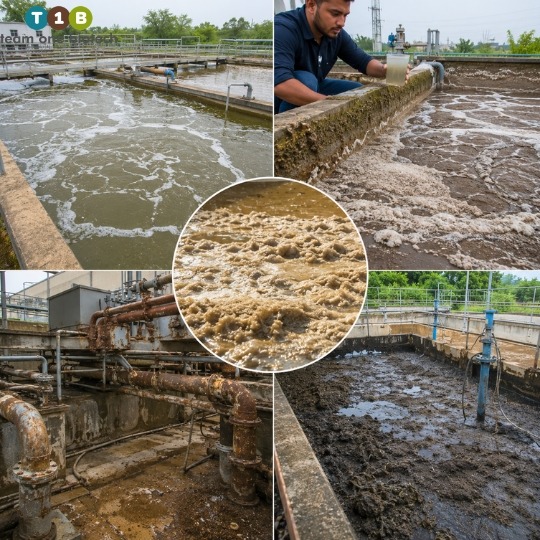
Biotic and Abiotic Stress in Crops: How Biological Inputs Improve Plant Resilience

You did everything right this season. The seed variety was carefully selected, irrigation was timed well, fertilizers went in on schedule, and crop protection applications were made as recommended. And yet, when harvest came around, the yields told a different story. Patchy performance. Stunted growth in some sections. Disease pressure that seemed to arrive from nowhere. A result that simply did not match the effort invested.

If this sounds familiar, you are not alone, and more importantly, you are not at fault. What many commercial farmers and agronomists are encountering, often without naming it clearly, is the compounding effect of plant stress. Not one problem, but a category of problems that silently erode yield potential across every growth stage.

Plant stress broadly refers to any condition that forces a plant to divert energy away from growth, reproduction, and yield formation toward self-protection and survival. That diversion is costly. It shows up as reduced grain fill, poor fruit set, heightened susceptibility to disease, and stubborn underperformance despite good inputs.

There are two distinct categories of stress that every crop faces: biotic stress, which originates from living organisms, and abiotic stress, which comes from the physical and chemical environment. Understanding both, and crucially, understanding how they interact, is the foundation of any serious crop resilience strategy. This is where biological inputs enter the picture, not as a trend, but as a scientifically validated tool for building plant immunity from the ground up.

Biotic Stress, The Living Threats to Your Crops

Biotic stress is caused by living organisms that attack, compete with, or parasitize the crop. These include fungal pathogens, bacterial infections, viral diseases, insect pests, root-knot nematodes, and competitive weeds. The living nature of these threats makes them dynamic, they adapt, evolve, and respond to the defenses both the plant and the farmer deploy.

When a plant detects a biotic threat, it mounts an immune response. Molecular signals travel through the plant’s vascular system, triggering the production of defensive compounds, structural reinforcements in cell walls, and in some cases, programmed cell death to contain the spread of infection. These responses are metabolically expensive. Every calorie spent on defense is a calorie not directed toward seed fill or canopy development.

Common biotic stressors by crop category include:

  • Cereals and pulses: Fungal blights (Fusarium, Alternaria), aphids, stem borers, root-knot nematodes
  • Vegetables: Bacterial wilt, downy mildew, whitefly-transmitted viral diseases, spider mites
  • Oilseeds: Sclerotinia stem rot, mustard aphid, pod borers
  • Plantation crops: Phytophthora root rot, thrips, mealybugs, bacterial leaf spot

Biotic stress management in crops has historically leaned heavily on chemical pesticides, fungicides, insecticides, and bactericides applied on calendar schedules or at the first sign of infestation. This model is under serious pressure. Pesticide resistance has emerged as a structural challenge across virtually every major crop-pest combination in India. Changing pest population dynamics, linked to both climate shifts and intensive monoculture systems, mean that biotic threats are becoming less predictable and harder to manage with single-mode-of-action chemistry alone.

Biotic and abiotic resistance in plants, the plant’s own capacity to withstand and recover from these attacks, is therefore not a passive trait. It is something that can be deliberately built, supported, and sustained through the right inputs.

Abiotic Stress, When the Environment Works Against the Plant

Abiotic stress refers to non-living environmental factors that push a plant beyond its physiological comfort zone. Drought, heat, cold, salinity, waterlogging, excessive UV radiation, nutrient imbalance, and heavy metal toxicity are the primary categories. Unlike biotic stressors, abiotic stressors cannot be treated or eliminated, they can only be managed through better crop physiology and input strategy.

Climate change has made abiotic stress in plants a significantly more urgent concern across Indian agricultural zones. Irregular rainfall patterns, extended dry spells interspersed with intense precipitation events, and rising ambient temperatures are not future scenarios, they are current-season realities that agronomists and farmers are navigating every crop cycle.

Physiologically, when a plant encounters abiotic stress, the consequences are cascading. Under drought, stomata close to prevent water loss, but this simultaneously shuts down gas exchange and photosynthesis. Photosynthetic output falls, carbon assimilation drops, and growth stalls. Under heat stress, enzymatic processes that govern everything from nutrient absorption to pollen viability are disrupted. Under salinity stress, osmotic imbalance makes it progressively harder for the plant to draw water and nutrients from the soil, even when both are technically present. Oxidative stress, the accumulation of reactive oxygen species, accompanies virtually every major abiotic stress event, causing cellular damage that accelerates aging and tissue death.

Key abiotic stress indicators that farmers and agronomists should monitor include:

  • Leaf rolling or wilting during cooler parts of the day (early drought signal)
  • Marginal leaf scorch or tip burn (salinity or heat)
  • Stunted root systems with poor nodulation in legumes (waterlogging or compaction)
  • Pale or chlorotic young leaves (nutrient uptake disruption under salinity or pH stress)
  • Premature flower drop or poor fruit set (heat or osmotic stress during the reproductive stage)

Abiotic stress in plants rarely presents as a single, isolated event. More often, it creates a physiological environment in which the crop becomes increasingly vulnerable to everything that comes next, including the living threats described in the previous section. This is the stress interaction that changes everything.

Foliar spray for plant stress has emerged as a particularly important tool in managing abiotic stress events, and this is explored in detail in the biological inputs section below.

The Hidden Link, How Biotic and Abiotic Stress Compound Each Other

Most crop protection conversations treat biotic and abiotic stress as separate problems with separate solutions. This is one of the most significant gaps in conventional farm advisory practice.

The reality is that biotic and abiotic stress are deeply interconnected in a feedback loop that accelerates crop damage far beyond what either stressor would cause alone. The mechanism is straightforward, but its implications are significant.

When a crop is exposed to abiotic stress, a drought period, an unexpected heat spike, a salinity event, its immune system is the first casualty. The systemic acquired resistance pathways that would normally allow the plant to detect and respond to pathogen attack are energy-intensive. A plant under osmotic stress, with compromised photosynthesis and disrupted cellular metabolism, cannot maintain those defenses at full capacity. It is, in the most direct sense, immunocompromised.

This is precisely the window in which biotic threats, fungal spores, bacterial infections, pest populations, nematode pressure, find their easiest entry points. The logic chain runs: abiotic stress suppresses plant immunity → plant immunity biological inputs are depleted → biotic threats exploit the gap → yield loss accelerates → the farmer responds with emergency pesticide applications that address the symptom but not the underlying vulnerability.

Farmers who have experienced back-to-back seasons of this pattern often describe it as a treadmill. More inputs, more applications, more cost, and still, the crops do not perform the way the investment should allow.

Breaking this cycle requires an approach that addresses both stress types simultaneously, and that specifically supports the plant’s own immune and recovery systems from the soil level upward. This is exactly the role that biological inputs are designed to play.

How Biological Inputs Strengthen Plant Resilience Against Both Stress Types

How Biological Inputs Strengthen Plant Resilience Against Both Stress Types

Biological inputs are not a single product category, they are a spectrum of living organisms and bioactive compounds that work with the plant’s physiology rather than around it. Three categories are most directly relevant to biotic and abiotic stress management.

Microbial Inoculants, Arming the Root Zone

Microbial inoculants introduce beneficial microorganisms, bacteria, fungi, and consortia of both, directly into the crop’s root environment. These organisms compete with soil-borne pathogens for space and resources, produce antifungal and antibacterial metabolites, and help structure the rhizosphere in ways that favor the crop rather than its enemies.

Mycorrhizal fungi are among the most well-documented microbial inoculants for abiotic stress tolerance. By extending the plant’s effective root network many times beyond its physical roots, mycorrhizal associations improve water and phosphorus uptake under drought conditions, directly addressing one of the key physiological vulnerabilities that abiotic stress creates.

What this means for your crop:

  • Improved access to water and nutrients during dry periods
  • Reduced establishment pressure from soil-borne pathogens at the seedling stage
  • Enhanced root architecture that supports better nutrient efficiency throughout the crop cycle
  • Stronger canopy development and recovery post-stress events

Plant Growth Promoting Bacteria (PGPR) for Stress Tolerance

Plant growth promoting bacteria for stress tolerance represent one of the most researched and practically applicable categories of biological inputs available to commercial agriculture today. PGPR are bacteria that colonize the plant root system and produce a range of compounds that directly influence plant growth, immunity, and stress response.

The mechanisms through which PGPR support plant resilience are multiple and well-documented. Induced Systemic Resistance (ISR) is one of the most commercially significant: PGPR trigger a primed immune state in the plant that allows faster and stronger responses to pathogen attack without the metabolic cost of maintaining a fully active defense at all times. This is the biological equivalent of keeping the immune system trained and ready rather than continually reactive.

Under abiotic stress, PGPR contribute through osmotic adjustment, the production of compatible solutes that help plant cells maintain water balance under drought and salinity. Ethylene regulation is another key mechanism: stress conditions cause ethylene levels to spike, which accelerates senescence and tissue death; certain PGPR strains produce an enzyme that degrades the ethylene precursor, effectively slowing the plant’s stress-response clock and extending recovery windows.

Biotic and abiotic resistance in the plant is, in this sense, not simply a genetic trait, it is a dynamic capacity that can be meaningfully enhanced through the right microbial support.

PGPR registered under FCO and CIBRC guidelines are available as compliant formulations that can be integrated into standard seed treatment and soil application programs. Compliance registration matters here: it ensures strain identity, viability at point of application, and dosage accuracy, all of which directly affect efficacy in the field.

What this means for your crop:

  • Primed immune response against fungal and bacterial pathogens
  • Improved root function under drought and salinity conditions
  • Reduced ethylene-driven senescence during stress events
  • Consistent performance when sourced from CIBRC-registered, FCO-compliant products

Biostimulants and Foliar Sprays, Rapid Stress Response Support

Biostimulants occupy a distinct regulatory and functional category from both fertilizers and pesticides. They do not supply nutrients in the conventional sense, nor do they kill pests or pathogens directly. Instead, they activate the plant’s own metabolic pathways, triggering antioxidant production, improving water use efficiency, enhancing nutrient assimilation, and accelerating recovery from stress-induced damage.

Foliar spray for plant stress is particularly valuable in this context because it bypasses the root uptake system entirely. During acute abiotic stress events, drought spells, heat waves, post-flood recovery periods, the root system is often the most compromised organ in the plant. Stomata are closed, root function is disrupted, and the plant’s ability to draw materials from the soil is severely limited. Foliar delivery of amino acids, seaweed-derived compounds, humic substances, and targeted micronutrients reaches the leaf tissue directly, providing the metabolic inputs the plant needs precisely when its normal uptake routes are blocked.

This makes foliar applications not a supplement to the biological input program, but a critical rapid-response component of it, particularly during the stress windows that create maximum yield risk.

All biostimulant formulations used in commercial agriculture in India must carry appropriate CIBRC registration and comply with FCO standards for labeling, dosage, and storage. Label compliance is not bureaucratic box-ticking, it is the farmer’s assurance that the strain, concentration, and formulation in the product are what the science supports.

What this means for your crop:

  • Fast-acting metabolic support during and immediately after acute stress events
  • Antioxidant activation that limits cellular damage from oxidative stress
  • Improved recovery speed following drought, heat, or pest damage
  • Compliant, documented product performance when sourced from registered manufacturers

Looking for FCO and CIBRC compliant biological input solutions designed for Indian field conditions? Connect with Team One Biotech’s agri-science team to explore the right formulation for your crop and stress profile.

What Compliant Biological Input Programs Look Like in Practice

Understanding the science of biological inputs is important. Knowing how to integrate them into an actual crop program is what makes the difference in the field.

A well-designed biological input program is built around timing and layering. At the pre-sowing stage, seed treatment with PGPR and microbial inoculant formulations establishes the beneficial microbial population at the root zone before crop establishment, giving beneficial organisms a competitive head start over soil-borne pathogens. At transplanting or early vegetative stages, soil applications of microbial consortia reinforce rhizosphere populations as root systems expand into new soil volume.

During the crop cycle, foliar spray applications of biostimulants should be timed to anticipated stress windows, pre-flowering under heat stress forecasts, immediately following pest pressure, or during extended dry periods. Post-stress recovery applications, particularly after hailstorm, flood, or intense pest infestation, can significantly reduce the crop’s recovery time and protect yield formation in subsequent growth stages.

Integration with existing Integrated Pest Management programs is both feasible and advisable. Biological inputs do not compete with IPM, they enhance it by building the plant immunity layer that makes IPM interventions more effective and reduces the threshold at which chemical interventions become necessary.

Compliance is not optional. All biological inputs applied in commercial agriculture must carry valid CIBRC registration, carry FCO-compliant labeling with clear dosage and storage instructions, and be applied as directed on the registered label. Products from registered manufacturers provide not just efficacy data, but the regulatory documentation that protects the farmer and the agronomist.

Disclaimer: Application rates, timelines, and outcomes described here represent general guidance based on typical field conditions. Actual performance may vary significantly depending on soil type, crop variety, local climate, pest pressure, and specific product formulations. Always consult a registered agronomist and refer to product-specific FCO/CIBRC-compliant labels before application.

Frequently Asked Questions

Q1: What is the difference between biotic and abiotic stress in crops?

Biotic stress is caused by living organisms, fungal pathogens, bacteria, viruses, insect pests, nematodes, and competitive weeds. Abiotic stress is caused by non-living environmental factors, drought, heat, cold, salinity, waterlogging, and nutrient imbalance. Both categories directly reduce yield potential, and they frequently co-occur: crops weakened by abiotic stress become significantly more susceptible to biotic threats. Managing biotic and abiotic stress together, rather than in isolation, is the foundation of effective crop resilience planning.

Q2: How do plant growth promoting bacteria help with stress tolerance?

PGPR support stress tolerance through several mechanisms. Induced Systemic Resistance (ISR) primes the plant’s immune system against pathogen attack. Under drought or salinity, PGPR produce compounds that help plant cells maintain water balance through osmotic adjustment. Certain strains also regulate ethylene, the stress hormone that accelerates leaf drop and senescence, giving the plant more time to recover. PGPR registered under CIBRC guidelines are available as compliant seed treatment and soil application formulations suited to Indian field conditions.

Q3: Are foliar sprays effective for managing abiotic stress in plants?

Yes, foliar sprays are among the most practical tools available for managing acute abiotic stress in plants. During drought, heat, or post-flood recovery, the root system is often compromised and cannot efficiently absorb soil-applied inputs. Foliar delivery of amino acids, seaweed extracts, and targeted micronutrients reaches leaf tissue directly, providing metabolic support precisely when it is most needed. Foliar spray for plant stress is most effective when timed to stress events and applied as per CIBRC-registered label instructions.

Q4: What makes biological inputs different from chemical pesticides for biotic stress management?

Chemical pesticides typically work by directly killing or suppressing the pest or pathogen. Biological inputs for biotic stress management work by activating and strengthening the plant’s own defense systems, a mode of action that reduces selection pressure for resistance and leaves no chemical residue on the crop. Biological inputs and chemical pesticides are best understood as complementary tools rather than competing ones. Under high biotic pressure, a robust biological input program reduces the frequency and intensity of chemical interventions needed, improving both economics and sustainability outcomes.

Q5: How do I know if a biological input product is compliant with Indian agricultural regulations?

Look for a CIBRC registration number on the product label, this confirms that the specific strain, formulation, and dosage have been evaluated and cleared for commercial use. FCO-compliant labeling will include clear information on crop recommendation, dosage, method of application, and storage conditions. Manufacturer documentation, including batch testing records and strain identity certificates, provides additional verification. When in doubt, consult a certified agronomist and cross-reference with the CIBRC registered products list before purchase and application.

Build Crop Resilience That Lasts, The Biological Way

The evidence is clear and the field experience is consistent: biotic and abiotic stress are not isolated seasonal inconveniences. They are interconnected, compounding pressures that intensify with every season of climate variability and every crop cycle in which the plant’s underlying resilience is not actively supported.

Chemical inputs alone are no longer sufficient to carry the full burden of crop protection. Resistance development, regulatory evolution, market demands for residue reduction, and the sheer unpredictability of modern stress patterns have created a gap that chemistry cannot close by itself. The biological inputs category, microbial inoculants, PGPR, biostimulants, and compliant foliar spray formulations, fills that gap with tools that work with plant physiology rather than around it.

This is not a compromise between performance and sustainability. It is how plant immunity biological inputs deliver resilience that is genuinely durable, season after season, crop after crop, in conditions that are becoming harder to predict and increasingly costly to manage reactively.

The shift toward biological inputs is a commercial decision as much as it is an agronomic one. Farmers and agribusinesses that integrate these tools into structured, compliant programs are building something more valuable than a single good season. They are building a cropping system that is inherently better prepared for what comes next.

The time to start is not after the next stress event damages the crop. It is now, before the season begins, when the decisions about soil health, microbial populations, and plant immunity can be made deliberately rather than reactively.

Looking to improve your ETP/STP efficiency with the right bioculture?
Talk to our experts at Team One Biotech for customised microbial solutions.

Contact: +91 8855050575

Email:  sales@teamonebiotech.com

Visit: www.teamonebiotech.com

Discover More on YouTube – Watch our latest insights & innovations!-

Connect with Us on LinkedIn – Stay updated with expert content & trends!
Biofloc Technology for Beginners: Setup, Water Quality, and Input Selection

Many first-time fish farmers invest their savings into a pond, only to watch water quality collapse within weeks, not because they lacked effort, but because no one told them about the invisible microbial ecosystem that runs beneath the surface. Biofloc technology changes that equation entirely.

Biofloc Technology (BFT) is a microbial-based aquaculture system where beneficial bacteria, microalgae, and organic matter combine to form suspended clusters called “flocs.” These flocs do two remarkable things simultaneously: they purify your water by consuming toxic nitrogen compounds, and they serve as a nutritious, protein-rich natural feed source for your fish or shrimp.

For farmers looking at biofloc technology for fish farming seriously, the appeal is real, significantly reduced water exchange requirements, lower dependence on commercial feed, the ability to stock at higher densities, and a farming model that is far gentler on the surrounding environment. Whether you are setting up your first tank or planning a commercial-scale pond, this guide is designed specifically for beginners who want to understand the system before they spend a single rupee on inputs.

Understanding How Biofloc Works, The Science Made Simple

Understanding How Biofloc Works, The Science Made Simple

At its core, biofloc pond management is about one thing: managing nitrogen.

Every time your fish or shrimp eat, they excrete ammonia. Uneaten feed decomposes and releases more ammonia. In a conventional pond, this nitrogen accumulates and eventually poisons your stock. In a biofloc system, you introduce a community of beneficial bacteria, primarily heterotrophic bacteria, that consume this excess nitrogen and convert it into microbial biomass. That biomass aggregates with algae, protozoa, and organic particles to form the visible brown or grey floc clusters you will see suspended in a healthy pond.

The key to making this process work is maintaining the right carbon-to-nitrogen (C:N) ratio. Heterotrophic bacteria need significantly more carbon than nitrogen to grow efficiently. When carbon is insufficient, bacteria cannot outcompete ammonia accumulation and your system becomes toxic. Aquaculture water quality management in a biofloc context, therefore, revolves around consistently supplying an appropriate carbon source relative to the nitrogen being generated by your stock.

The ideal C:N ratio falls within a range rather than a single fixed value, and it shifts depending on your stocking density, the protein content of your feed, and how mature your system is.

The values mentioned above are general reference ranges based on commonly adopted industry practices. Actual parameters will vary depending on your pond environment, species, stocking density, water source, and local climatic conditions. Always consult a qualified aquaculture expert or NFDB-registered consultant for site-specific guidance.

Here is the biological process in simplified steps:

  • Fish and shrimp excrete ammonia; uneaten feed decomposes, adding to the nitrogen load
  • Beneficial bacteria consume nitrogen and carbon, forming microbial biomass
  • This biomass, along with algae and organic particles, aggregates into visible floc clusters that serve as a supplementary feed and a living biofilter

Step-by-Step: How to Set Up a Biofloc System

Biofloc formation in shrimp ponds and fish tanks follows the same fundamental setup logic. Here is how to get your system started correctly.

Step 1, Choose Your Pond or Tank Setup

You can run a biofloc system in lined earthen ponds, outdoor cement ponds, or indoor circular tanks. Each has trade-offs in terms of cost, control, and scalability. Regardless of the structure you choose, continuous aeration is non-negotiable in a biofloc system, it keeps floc particles suspended, prevents them from settling and turning anaerobic, and maintains dissolved oxygen levels for your stock.

Water depth in a biofloc system typically falls within a recommended range rather than a single fixed value, and that range varies depending on your aeration capacity, species requirements, and local climate. Deeper water can buffer temperature fluctuations but demands stronger aeration.

Always confirm appropriate depth recommendations with your aquaculture extension officer or NFDB-registered consultant based on your specific setup.

Step 2, Prepare and Fill the Water

Before you add anything to your pond, test your source water. Check for pH, dissolved oxygen, heavy metals if relevant to your region, and any existing chemical contamination. Pre-treat if necessary.

For vannamei shrimp farming inputs, salinity adjustment at this stage is critical. This is where raw salt for biofloc systems enters the picture. Non-iodized raw salt is strongly preferred over regular table salt or iodized salt because iodine actively inhibits the beneficial bacterial communities you are trying to establish. Even small quantities of iodine can set back your biofloc formation significantly.

The appropriate salinity range for vannamei shrimp depends on the life stage of the shrimp, the source of your seed, and your farming region.

Salinity requirements vary by species, life stage, and farming region. Ranges given by equipment or input suppliers are indicative, always follow guidance from your hatchery supplier or an NFDB-registered consultant before adjusting salinity.

Step 3, Seed the System with Probiotics

You must inoculate your pond with beneficial bacteria before you ever introduce fish or shrimp. This process, called seeding, is what initiates biofloc formation. Without it, you are essentially waiting for bacteria to arrive on their own, which is slow, unreliable, and risky.

Aquaculture probiotics used in BFT typically contain strains such as Bacillus species, nitrifying bacteria, and other microorganisms suited to nitrogen cycling and floc formation. When it comes to biofloc probiotics dosage, there is no single universal number. Dosage varies significantly based on the CFU (colony forming unit) count of the product, the volume of your pond, your stocking density, and the bacterial strains included.

As a general principle, initial seeding doses are typically higher than the maintenance doses you will apply after the system is running. Your probiotic label will specify dosage, follow it.

Probiotic dosage guidelines differ significantly between products and manufacturers. The above is a general principle, not a universal value. Always follow the dosage instructions on the product label or consult your supplier before application.

Step 4, Add a Carbon Source

Carbon is the fuel that drives heterotrophic bacterial growth in your pond. Without consistent carbon supplementation, the C:N ratio falls, bacterial activity slows, and ammonia begins to climb.

Common carbon sources used in biofloc systems include molasses, tapioca starch, rice bran, and wheat flour. Molasses is widely available and fast-acting, but it is not always the best choice for every system, it can cause rapid oxygen depletion if overdosed and may not suit all species. Newer, more refined carbon supplement options are increasingly available through aquaculture input suppliers.

The quantity of carbon you need to add is directly tied to how much you are feeding, because feeding drives nitrogen input. The concept is straightforward: higher feeding rate equals more nitrogen, which requires proportionally more carbon to maintain balance. The exact calculation, however, should be based on actual feed analysis and water test results rather than generic formulas.

Carbon source type and quantity must be calculated based on your specific feed composition, stocking density, and ongoing water quality test results. Work with your input supplier or aquaculture consultant to establish a carbon supplementation schedule for your system.

Step 5, Establish Aeration

In a biofloc system, aeration is not an optional comfort feature, it is the engine that keeps everything alive and functioning. Continuous aeration ensures that floc particles remain suspended (preventing toxic anaerobic zones), maintains dissolved oxygen for your stock, and supports the oxygen demands of the microbial community itself.

Paddle wheel aerators, blower-diffuser systems, and venturi aerators are all commonly used in BFT setups, each with different efficiencies and power requirements. The right choice depends on your pond size, shape, and budget.

Dissolved oxygen targets in a biofloc pond fall within a recommended range that varies by species and water temperature.

The values mentioned above are general reference ranges. Actual dissolved oxygen requirements will vary depending on your species, stocking density, temperature, and time of day. Always consult a qualified aquaculture expert for site-specific aeration design.

Step 6, Monitor and Stabilise Before Stocking

One of the most common mistakes beginners make is stocking too early. Your biofloc system needs time to mature before it can safely support fish or shrimp. The waiting period depends on how well your probiotic seeding took hold and what your water quality tests are showing.

Visual signs of healthy floc development include the characteristic brown or grey coloration of the water, visible suspended particles, and stable or improving ammonia readings. Before stocking, run water quality tests for ammonia, nitrite, pH, dissolved oxygen, and floc volume. Only stock when these parameters are within acceptable ranges for your target species.

Managing Water Quality in a Biofloc Pond

Managing Water Quality in a Biofloc Pond

This is where biofloc pond management becomes a daily discipline. Aquaculture water quality management in a BFT system is not a one-time task, it is an ongoing practice that determines whether your crop survives or thrives. Here are the key parameters every beginner must monitor:

Dissolved Oxygen (DO)

DO is the single most critical parameter in a biofloc system because both your stock and your microbial community are consuming oxygen simultaneously. If DO drops too low, fish and shrimp begin showing stress behaviours, microbial activity slows, and anaerobic conditions can develop in settled sludge. Monitor DO multiple times daily, especially during early morning hours when levels are typically at their lowest. Maintain continuous aeration and have backup aeration available for power outages.

DO target ranges vary by species and water temperature. Consult your aquaculture expert for species-specific targets applicable to your system.

pH

Microbial activity in a biofloc system naturally consumes alkalinity and can cause pH to drift downward over time. Most species farmed in BFT systems require pH to remain within a stable range, significant fluctuations above or below that range cause stress and increase disease susceptibility. Lime (calcium hydroxide or calcium carbonate) and sodium bicarbonate are commonly used to correct pH. The appropriate corrective dose depends on your pond volume, current pH reading, and alkalinity levels.

pH correction dosage must be calculated based on actual water test results. Directional guidance from your supplier is a starting point, not a substitute for water testing.

Ammonia and Nitrite

Ammonia spikes are most dangerous during the early stages of system setup, before your biofloc community is fully established. Even brief exposures to elevated ammonia or nitrite can cause irreversible gill damage in shrimp and fish. Test daily during the first few weeks. If ammonia rises, your first response is to increase carbon dosing and verify aeration is functioning properly. Do not stock additional animals during an ammonia event.

Floc Volume (Settleable Solids Volume)

Floc volume is measured using an Imhoff cone, you fill the cone with pond water and measure how much sludge settles after a set period. This reading, expressed in mL/L, tells you whether your floc concentration is within the healthy range. Too little floc and your biofilter is underperforming. Too much floc and dissolved oxygen can drop as microbial oxygen demand surges. Excessively high floc volume also physically irritates the gills of shrimp. Remove excess sludge through partial water exchange or sludge drainage when necessary.

Acceptable SSV ranges vary by species and system maturity. Always consult your aquaculture consultant for target ranges relevant to your specific pond conditions.

Alkalinity

Alkalinity acts as a buffer that stabilises pH in your pond. In a biofloc system, nitrification, the conversion of ammonia to nitrite and then nitrate by nitrifying bacteria, consumes alkalinity continuously. If alkalinity falls too low, pH becomes unstable and your entire microbial community is at risk. Monitor alkalinity regularly and supplement with sodium bicarbonate or other approved alkalinity sources as needed.

Managing these parameters consistently is where most beginners struggle, and where choosing the right biofloc inputs makes all the difference. Explore Team One Biotech’s range of aquaculture solutions designed for Indian farming conditions.

Selecting the Right Inputs for Your Biofloc System

Selecting the Right Inputs for Your Biofloc System

Understanding what to buy is just as important as knowing how to use it. Here is what to look for across each key input category for your biofloc system:

Probiotics

A quality aquaculture probiotic for BFT should contain multiple bacterial strains, look specifically for Bacillus species (such as B. subtilis, B. licheniformis), nitrifying bacteria, and strains with demonstrated activity in aquaculture environments. Pay attention to CFU count, which tells you how many viable bacteria are present per gram or millilitre. Higher CFU count does not automatically mean better, strain suitability matters more. Check shelf life and storage requirements carefully, because probiotics lose potency quickly when stored improperly.

Revisiting biofloc probiotics dosage: even the best probiotic on the market will underperform if dosed incorrectly. Initial seeding requires a heavier application than maintenance dosing, and your application schedule should be adjusted based on regular water quality monitoring, not a fixed calendar.

Raw Salt

The role of raw salt for biofloc systems goes beyond salinity adjustment. Salt supports the osmotic regulation of your stock, reduces the energy shrimp expend on ion exchange, and plays a role in maintaining the ionic environment that certain beneficial bacteria prefer. For vannamei shrimp farming inputs specifically, getting salinity right from the start using good quality raw salt is foundational.

For Indian farmers, sourcing non-iodized, food-grade or pharmaceutical-grade raw salt from reliable suppliers is important, salt quality and purity vary significantly between sources, and impurities can introduce unwanted contaminants. Confirm that your supplier can provide consistent quality, particularly if you are scaling up production.

Carbon Sources

Molasses remains the most common carbon source in Indian biofloc farms due to its availability and low cost, but it requires careful dosing to avoid oxygen crashes. Tapioca starch and rice bran are also widely used and may be better suited to certain systems or species. Discuss options with your input supplier, the right carbon source for your pond depends on local availability, cost, your species’ tolerance, and your pond’s existing microbial profile.

Feed Quality

Your feed’s protein content directly determines how much nitrogen enters your system. Higher protein feed means more nitrogen load, which means more carbon supplementation required to maintain C:N balance. Choosing feed with an appropriate protein percentage for your species and growth stage, and managing feed conversion ratio (FCR) carefully to minimise waste, is one of the most effective ways to keep your biofloc system in balance.

Mineral Supplements

Calcium, magnesium, and trace minerals support both fish and shrimp health and contribute to the health of the microbial community. In systems with high water recirculation and low exchange, mineral depletion can become an issue over time. Your water quality tests will indicate when supplementation is needed.

Not sure which inputs are right for your setup? Our team at Team One Biotech works directly with farmers to recommend the right combination of probiotics, carbon supplements, and water treatment solutions. Get in touch with us today.

Compliance and Responsible Biofloc Farming in India

Building a biofloc farm responsibly means more than good pond management, it means operating within India’s regulatory framework from day one.

Before you begin, register your aquaculture unit under your state’s licensing norms and familiarise yourself with NFDB guidelines applicable to your location and species. Biofloc systems accumulate sludge that must be disposed of carefully, do not discharge pond sludge in ways that could contaminate local soil, groundwater, or nearby water bodies. Even though BFT significantly reduces water exchange compared to conventional aquaculture, any water you do discharge must meet local environmental standards.

As you plan to scale, consult your state fisheries department or an NFDB-registered consultant before expanding capacity. Regulatory awareness is not a bureaucratic burden, it protects your investment, your community, and the long-term viability of aquaculture in your region.

Frequently Asked Questions

What is biofloc technology and how does it work for fish farming?

Biofloc technology for fish farming is a system where beneficial bacteria, algae, and organic particles form suspended clusters called flocs inside your pond. These flocs consume toxic nitrogen compounds from fish waste and uneaten feed, convert them into microbial biomass, and serve as a supplementary natural feed source, reducing water exchange needs and feed costs simultaneously.

Why is raw salt used in biofloc systems instead of regular table salt?

Raw salt for biofloc systems is preferred because regular table salt is iodized, and iodine actively inhibits the beneficial bacterial communities that make biofloc work. Non-iodized raw salt supports osmotic regulation in your stock and maintains the ionic environment that beneficial bacteria need, without disrupting your microbial ecosystem.

How do I know when my biofloc pond is ready for stocking?

Your pond is ready for stocking when your water quality tests show stable ammonia and nitrite levels within acceptable ranges, dissolved oxygen is consistent, floc volume is developing appropriately, and pH is stable. Visual signs include the characteristic brown coloration of a healthy biofloc pond. Do not rush this stage, stocking too early is one of the most common and costly beginner mistakes.

What is the right probiotic dosage for a biofloc pond?

There is no single universal answer to biofloc probiotics dosage, it varies significantly depending on the probiotic product’s CFU count, bacterial strains, your pond volume, and stocking density. As a general principle, initial seeding requires a higher dose than ongoing maintenance applications. Always follow the dosage instructions on the product label and consult your supplier for guidance specific to your system. Never apply a generic number without confirming it against your specific product specifications.

Can biofloc technology be used for vannamei shrimp farming?

Yes, biofloc technology is widely used for vannamei shrimp farming, and the system is well-suited to vannamei shrimp farming inputs including raw salt, probiotics, and managed carbon sources. Vannamei shrimp thrive in the controlled, low-exchange environment that BFT provides, though salinity, dissolved oxygen, and floc volume management are especially critical for this species. Consult your hatchery supplier and an aquaculture consultant for species-specific setup guidance.

Start Your Biofloc Journey the Right Way

Biofloc technology for fish farming is not complicated, but it does require understanding the system before you try to run it. Success in BFT depends on getting your setup right, choosing quality inputs, and committing to daily water quality management. Every pond is different, and your results will depend on your water source, local climate, the species you choose, and how consistently you monitor and respond to what your water is telling you.

The difference between a failed first attempt and a thriving biofloc farm often comes down to the quality of guidance and inputs you start with. Team One Biotech has spent years formulating bioremediation solutions built specifically for Indian aquaculture conditions. Connect with our team before you stock your first batch, get the right advice from people who understand your pond, not just the product.

Talk to a Biofloc Expert at Team One Biotech 

Looking to improve your ETP/STP efficiency with the right bioculture?
Talk to our experts at Team One Biotech for customised microbial solutions.

Contact: +91 8855050575

Email:  sales@teamonebiotech.com

Visit: www.teamonebiotech.com

Discover More on YouTube – Watch our latest insights & innovations!-

Connect with Us on LinkedIn – Stay updated with expert content & trends!
Probiotics for Fish Farming: Choosing the Right Product for Your Pond and Species

You have seen it before. The water turns a shade that does not sit right, a murky grey-green where there should be clarity. Your fish are clustering near the inlet, gulping at the surface when they should be feeding in the column. You check dissolved oxygen at dawn and the number makes your stomach drop. By mid-morning, the smell confirms what you already knew: something has gone wrong in the biology of your pond, and every hour you wait costs you yield.

This is not a dramatic edge case. It is the lived reality of thousands of fish farmers across India every season. And the worst part is that by the time the warning signs are visible, the biological imbalance has usually been building for days or weeks. Organic load accumulated quietly. Pathogen populations found their foothold. The microbial ecosystem that should have been protecting your pond was never established in the first place.

The instinct, for many farmers, is to reach for something familiar, a disinfectant, a dose of lime, sometimes an antibiotic treatment. These interventions can suppress symptoms in the short term, but they do not fix what is broken. Worse, they often make it harder to fix later.

The right answer is biological. Specifically, it is probiotics for fish farming, the right strains, in the right form, applied at the right time for your pond type and target species. Done correctly, this is not a speculative or trendy approach. It is how the most consistently productive fish farmers in India are managing pond health today.

By the end of this article, you will know exactly what to look for in an aquaculture probiotic product, what the label is not telling you, how to match a product to your species and system, and what mistakes to avoid. If you want personalized guidance before your next stocking cycle, the Team One Biotech technical team is available to consult on your specific operation.

Why Probiotic Bacteria for Fish Farming Are Not All the Same

Why Probiotic Bacteria for Fish Farming Are Not All the Same

The Strain Problem Most Farmers Never Hear About

Walk into almost any agricultural input shop serving aquaculture farmers in India and you will find shelves of products labelled “aquaculture probiotic” or “beneficial bacteria for fish ponds.” The packaging often features impressive CFU counts, colony-forming units in the billions, alongside photographs of thriving ponds and healthy fish. What the packaging rarely tells you is which bacterial strains are inside, what those strains actually do in a pond environment, and whether they will survive long enough to do anything at all in your specific conditions.

This is the strain problem, and it is the reason so many farmers cycle through probiotic products without seeing consistent results.

Probiotic bacteria for fish farming are not interchangeable. A Bacillus subtilis strain that performs excellently in a freshwater carp polyculture pond, decomposing sludge, stabilising pH, reducing ammonia, may be entirely ineffective in a saline vannamei shrimp system. Not because the organism is poor quality, but because it was not selected for that salinity range, that temperature profile, or that particular biological challenge. Applying a mismatched product is not neutral. In some cases, introducing the wrong microbial load into a pond that is already under stress can compound the problem rather than resolve it.

The principle is straightforward: probiotic bacteria for fish farming must be selected based on target species, water salinity, temperature range, and the specific biological problem you are trying to address, whether that is ammonia accumulation, pathogen pressure, sludge breakdown, or biofloc stability.

What the Label Is Not Telling You

Even when a product lists its strains correctly, CFU count alone does not tell you whether those organisms are viable when they reach your pond. Viability at point of application is what matters, not viability at the point of manufacture.

Liquid probiotic concentrates stored in a warehouse without temperature control lose viability fast. Powder formulations exposed to humidity before being opened may carry a fraction of their stated count. Products applied immediately after a pond has been dosed with disinfectant or chlorine are walking into a hostile environment that will destroy most of the introduced bacteria before they can establish themselves.

Beyond viability, the carrier medium and mode of application shape how effectively the organisms reach their target environment. A granular probiotic broadcast over the water surface needs to sink and dissolve at the pond bottom where organic matter accumulates. A liquid concentrate applied to a deep, stratified pond without mechanical aeration may never penetrate the zone where it is needed most.

Indian aquaculture conditions impose unique stresses on microbial products. High ambient temperatures accelerate microbial metabolism and die-off. Monsoon-driven pH swings can shift pond chemistry faster than many imported or lab-developed strains are designed to handle. Intensive feeding regimens in commercial ponds generate organic loads that generic products from temperate-climate markets were simply not designed for.

This is not a reason to distrust the probiotic category. It is a reason to choose products developed and validated for Indian conditions, and to ask harder questions of manufacturers before buying.

Fish Pond Water Quality Management: What Probiotics Are Actually Fixing

Fish Pond Water Quality Management: What Probiotics Are Actually Fixing

The Ammonia Crisis in High-Density Ponds

In any fish pond with meaningful stocking density and a feeding regime, ammonia is the enemy you cannot ignore. It enters the system through multiple pathways: uneaten feed settling on the pond bottom, fish excretion, and the decomposition of dead organic matter. As organic loading increases, and in commercial ponds it increases quickly, ammonia concentrations build in the water column faster than a poorly functioning biological system can process them.

The consequences are not subtle. Elevated ammonia suppresses immune function across most commercial fish species, making them vulnerable to opportunistic bacterial infections. It reduces feed conversion ratios, meaning your farmers are spending on feed that is delivering less growth. In acute cases, it causes direct gill damage and mortality.

Effective ammonia control in fish pond management is primarily a microbial problem, and it demands a microbial solution. Nitrifying bacteria, particularly Nitrosomonas and Nitrobacter, are the organisms responsible for processing ammonia through the nitrogen cycle, converting it first to nitrite and then to the relatively harmless nitrate form that plants and algae can uptake. Quality aquaculture probiotics that introduce and sustain these nitrifying populations in your pond are the foundation of functional ammonia management.

Disclaimer: Ammonia reduction timelines and target parameters vary significantly based on stocking density, feed type, pond size, species, water source, and seasonal conditions. The processes described here are general industry indicators. Always consult a qualified aquaculture technical advisor for pond-specific benchmarking and protocol design.

Pathogen Suppression Without Antibiotics

The other major function of a well-managed probiotic programme in fish pond water quality management is competitive exclusion of pathogens. In a pond with a healthy, established population of beneficial bacteria, harmful organisms like Aeromonas hydrophila, Vibrio species, and Pseudomonas find it difficult to achieve the population densities needed to cause disease. They are being outcompeted for space, nutrients, and attachment sites by organisms that do not threaten your fish.

This is not a claim that probiotics eliminate disease risk. Ponds are open biological systems and no microbial product can guarantee pathogen-free water. What a good probiotic programme does is shift the microbial balance decisively toward beneficial populations, so harmful bacteria cannot dominate even when environmental stressors, a sudden temperature drop, a heavy rain event, a feeding error, create a temporary opportunity.

The compliance dimension here is increasingly important. Central Aquaculture Authority guidelines and NFDB standards are tightening scrutiny of antibiotic use in Indian aquaculture, particularly for export-grade fish and shrimp. Biological fish health supplement programmes based on well-selected probiotic bacteria offer a regulatory-safe alternative that does not leave residues in the animal or in effluent discharge. Buyers in European, Japanese, and Gulf markets are asking for documentation. Farmers who have built biological control into their standard pond management protocol are far better positioned to meet those requirements than those who have relied on antibiotic intervention.

The critical point to understand is this: biological fish health supplement approaches work as prevention and maintenance tools. They are not rescue measures for a pond already in active disease crisis. If your pond is already showing mortality, you need emergency veterinary intervention first. Probiotics are what you deploy to make sure you do not get there again.

Aquaculture Probiotics in India: Matching the Product to the Species

Aquaculture Probiotics in India: Matching the Product to the Species

Freshwater Species, Catla, Rohu, Tilapia, Pangasius

Freshwater commercial ponds in India, particularly those running traditional polyculture or intensive monoculture systems for carp species, tilapia, and pangasius, face heavy organic loading as a baseline condition. Supplementary feeding generates significant sludge accumulation. Water exchange is often limited. These ponds benefit most from probiotic blends containing Bacillus subtilis, Bacillus licheniformis, Lactobacillus species, and cellulolytic organisms capable of breaking down complex organic matter at the pond floor.

Key targets for freshwater probiotic management:

  • Sludge reduction and BOD stabilisation, breaking down accumulated organic matter before it generates ammonia and hydrogen sulphide
  • Ammonia and nitrite control, through nitrifying bacterial populations that establish a functional nitrogen cycle
  • Feed digestibility support, through probiotic strains applied as a feed coating or mixed into pellets, improving nutrient absorption and reducing waste loading

Preferred product format for freshwater ponds is typically granular or water-soluble powder, broadcast over the pond surface. Application timing should include pre-stocking pond preparation, ideally seven to ten days before fish introduction, and then regular maintenance dosing through the production cycle, adjusted upward during peak feeding periods and after heavy rain events.

Marine and Brackish Species, Vannamei Shrimp, Seabass, Grouper

Brackishwater and marine systems present a fundamentally different set of biological challenges and demand a different set of probiotic strains. Biofloc probiotics for vannamei shrimp are probably the most demanding application in Indian aquaculture today.

In a biofloc system, the microbial community in the water column is not background biology, it is part of the production system itself. The floc provides nutrition to the shrimp, processes ammonia through microbial assimilation rather than nitrification alone, and supports the carbon-to-nitrogen balance that keeps the whole system functional. Introducing a probiotic that is not matched to the salinity range and the microbial ecology of a biofloc pond can disrupt the floc community rather than supporting it.

For vannamei specifically, Vibrio management is the central biological concern. Vibrio harveyi and related species are responsible for significant disease pressure in vannamei ponds across coastal India. Probiotic strains with demonstrated competitive exclusion activity against Vibrio, validated in saline conditions, not just freshwater lab trials, are the critical selection criterion for this species.

Early Mortality Syndrome risk during the first weeks post-stocking makes the microbial health of vannamei pond water in the establishment phase especially consequential. Probiotic application during this window, combined with careful biofloc management, is among the most impactful interventions available to a vannamei farmer.

Key targets for brackishwater and marine probiotic management:

  • Vibrio suppression through competitive exclusion by salinity-tolerant beneficial strains
  • Biofloc stability, maintaining the C:N balance and preventing floc collapse
  • Immune stimulation, particularly in the post-stocking establishment phase

Preferred product format for these systems is liquid concentrate or water-dispersible powder with validated salinity tolerance. Application should begin pre-stocking, continue through the biofloc establishment phase, and move to weekly maintenance dosing through the crop.

Hatchery Environments

Hatchery applications require the most precise strain selection of any aquaculture context. Larval stages of both fish and shrimp are far more immunologically vulnerable than grow-out animals, and the water volumes involved are small enough that microbial imbalances escalate rapidly.

Probiotic use in hatchery water and in larval feeds must be validated specifically for safety at early life stages. This is not an area where a field-grade pond probiotic should be adapted and applied. Product documentation for hatchery use should reference NFDB registration, strain safety data at larval exposure levels, and ideally field trial data from comparable hatchery systems.

Team One Biotech offers species-specific bioremediation formulations developed for Indian pond and hatchery conditions. If you are managing a hatchery or are preparing to stock a new grow-out system, speak to our technical team before making product decisions.

How to Evaluate a Probiotic Product Before You Buy

The aquaculture inputs market in India has no shortage of probiotic products. Separating credible, well-validated options from generic or misrepresented ones requires asking specific questions. Use this checklist before committing to any supplier:

Strain disclosure: Does the manufacturer name the specific bacterial strains and their functions? A label that says only “beneficial bacteria, 10^9 CFU/g” is telling you almost nothing useful.

Viability guarantee: Is the CFU count guaranteed at product expiry, not just at manufacture? The difference between these two numbers can be enormous, particularly for liquid formulations stored in warm conditions.

Tropical validation: Has the product been tested and validated under Indian field conditions, high ambient temperatures, monsoon pH variability, and the organic load typical of commercial Indian ponds? Products developed for European or American conditions may not perform equivalently here.

Regulatory status: Is the product compliant with CAA guidelines and NFDB standards? Can the manufacturer provide the documentation you would need if your farm is audited or if you are exporting to a regulated market?

Application support: Does the company provide dosing guidance specific to your pond size, stocking density, and target species? A one-size-fits-all label instruction is a signal that the product is not designed for professional aquaculture use.

Track record: Can the manufacturer share field data or references from operations similar to yours? Anecdotal claims are easy to make. Ask for documentation.

Compliance note: Farmers operating under CAA licensing or supplying export markets should verify that any biological fish health supplement they use does not contain organisms restricted under their licensing conditions and does not conflict with effluent discharge standards applicable to their zone or state.

Common Mistakes That Kill Probiotic Effectiveness

Common Mistakes That Kill Probiotic Effectiveness

Even the right product fails when application practice is poor. These are the most common errors that waste product investment and leave farmers disappointed in the probiotic category:

  • Applying probiotics immediately after a chlorine or disinfectant treatment without allowing an adequate clearance period, typically at least five to seven days depending on the product and pond size
  • Storing liquid concentrates in direct sunlight or at temperatures above the product’s recommended storage range, destroying viable organisms before the product even reaches the pond
  • Expecting probiotics to rescue a pond already in acute disease crisis, this is not what the category is designed for, and it sets up both the product and the farmer for failure
  • Using a fixed dose regardless of season, when in fact microbial activity slows significantly in cooler months and dosing protocols should be adjusted accordingly
  • Mixing probiotic products with antibiotic-based feed supplements, which neutralises the biological benefit entirely and wastes both products
  • Skipping pre-stocking pond preparation entirely and only beginning probiotic application after water quality has already deteriorated

The consistent theme across all of these mistakes is that probiotics reward a planned, proactive approach and punish reactive, disorganised application. Build the biological system before your fish go in, maintain it through the crop, and adjust based on water quality monitoring data.

Frequently Asked Questions

Can I use probiotics for fish together with feed additives and minerals?

Most high-quality aquaculture probiotics are compatible with mineral supplements and non-antibiotic feed additives. Compatibility with antibiotic treatments is a different matter, mixing probiotic bacteria with antibiotic-based inputs in the same feeding event neutralises the biological benefit. Always confirm compatibility specifics with your supplier before combining products.

How soon will I see results from using probiotic bacteria in my fish pond?

Results depend heavily on your pond’s baseline conditions, stocking density, and organic load. Water quality improvements from nitrifying bacteria populations typically become measurable over a period of several days to a few weeks of consistent application, not overnight. Disclaimer: Timelines are indicative and will vary based on your specific pond environment and management practices.

Are aquaculture probiotics in India regulated?

The regulatory landscape is evolving. Products used on CAA-licensed farms should align with NFDB guidelines, and state fisheries departments may impose additional requirements. Farmers are strongly advised to ask any manufacturer for the compliance documentation relevant to their state, species, and licensing conditions before purchasing.

Is there a meaningful difference between biofloc probiotics for vannamei and standard freshwater fish pond probiotics?

Yes, and the difference matters significantly. Vannamei biofloc systems have unique salinity profiles, carbon-to-nitrogen dynamics, and pathogen pressures, particularly Vibrio, that freshwater pond formulations are not designed to address. Using a freshwater probiotic in a saline biofloc system can disrupt the floc community rather than supporting it. Species-specific formulations are not a marketing distinction. They are a functional one.

How do I manage ammonia control in a fish pond without relying on chemicals?

Sustainable ammonia control in fish ponds combines three elements: reducing feed waste through better feeding management and feed quality, maintaining adequate dissolved oxygen through aeration, and applying nitrifying probiotic bacteria consistently enough to establish and sustain a functional nitrogen cycle in your pond. This approach, when implemented as a standard protocol rather than a crisis response, is more reliable and less expensive than chemical intervention over a full production cycle.

Choose Better Biology, Build a More Resilient Pond

The quality of your pond’s microbial ecosystem is as foundational to your harvest as feed quality, water source selection, or stocking density. Farmers who understand this are the ones building operations that perform consistently across seasons, withstand environmental stress events, and meet the increasingly demanding biological quality standards of regulated export markets.

Probiotics for fish farming are not a luxury input or an experimental trend. In the context of tightening antibiotic restrictions, increasing buyer scrutiny, and the biological pressures that commercial-scale Indian aquaculture imposes on pond systems, they are increasingly the baseline of responsible pond management. The question is not whether to use them. It is whether you are using the right ones.

Team One Biotech manufactures bioremediation solutions built for the conditions Indian fish farmers actually face, the heat, the seasonal variability, the organic loads of intensive production, and the compliance requirements of domestic regulators and export buyers. Whether you manage freshwater polyculture ponds, brackishwater vannamei systems, or a hatchery operation, our technical team will help you identify the right probiotic strains, the right dosing protocol, and the right application schedule for your specific operation.

Contact Team One Biotech today. Take the guesswork out of pond biology and give your next crop the biological foundation it needs.

Looking to improve your ETP/STP efficiency with the right bioculture?
Talk to our experts at Team One Biotech for customised microbial solutions.

Contact: +91 8855050575

Email:  sales@teamonebiotech.com

Visit: www.teamonebiotech.com

Discover More on YouTube – Watch our latest insights & innovations!-

Connect with Us on LinkedIn – Stay updated with expert content & trends!
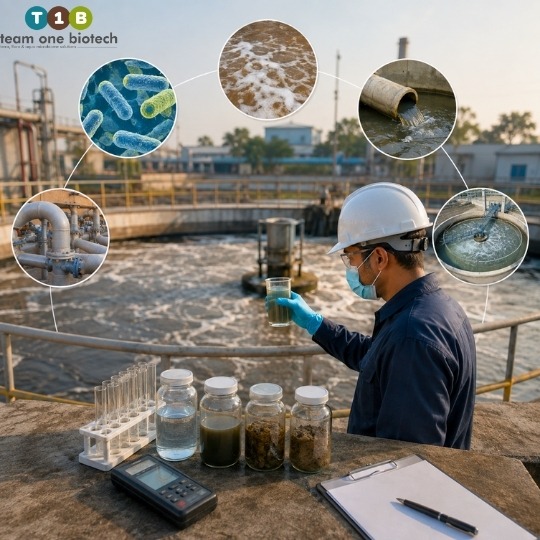
Scan the code