Understanding the need for faecal sludge digestion at source
Compared to wastewater management, the development of strategies and treatment options for faecal sludge management adapted to conditions prevailing in developing countries has long been neglected.
Faecal sludge is the raw or partially digested, slurry or semisolid combination of excreta and black water, with or without greywater. It is the solid or settled content of pit latrines and septic tanks. Duration of storage, temperature, soil condition and groundwater intrusion in pits or septic tanks influence the physical, chemical and biological qualities of faecal sludge, septic tank performance and tank emptying technology and pattern.
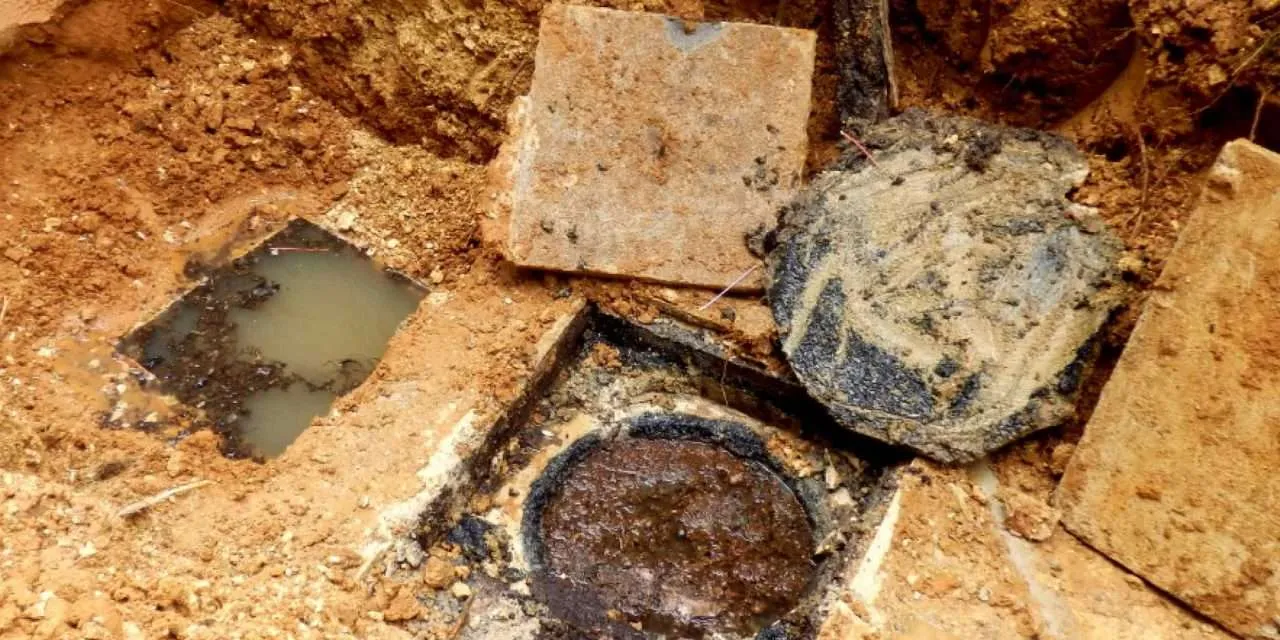
The combination of sludge, liquid and scum that accumulates in septic tanks over time is called septage. Sludge which comprises 20 – 50% of the total septic tank volume when pumped, settles at the bottom, while the scum accumulates at the top. Septic tanks usually retain 60% – 70% of the solids, oil, and grease that enter them. The most conspicuous characteristics of septage are its appearance and offensive odour. It is also host to several disease-causing organisms.
Faecal sludge management should be considered as an integral part of city-wide sanitation planning – unfortunately, it is not so. Faecal sludge and septage management have always been accorded low priority with poor awareness about their inherent link to public health. Technologies have focused on the disposal techniques rather than faecal sludge treatment. Secondly, while manual scavenging is illegal, social and cultural nonchalance encourages its continued use as against technical methods of cleaning tanks. Septic tanks are generally located under toilets or sealed or cemented over, making them difficult to access when cleaning or emptying. Septic tanks attached to individual toilets are often oversized due to poor awareness of design standards among construction contractors. Septic tanks merely act as a large containment tank, with overflow to the drains.
Typically, most small-medium towns and cities lack adequate facilities and designated sites for sewage and septage treatment and disposal. Poor infrastructure like insufficient suction emptier trucks and safety equipment or regulated cleaning schedules or untrained septic management workers all add to the challenges. In urban clusters, community and public toilets are the norms. Still, they are nowhere close to the numbers needed and are shared by several households. These facilities tend to be highly unsanitary and fill up fast because of the high number of users.
Human faeces is largely made up of water (75%), although this differs from person to person. The other 25 percent of faecal matter is made up of mainly organic solids. Around 25-54 percent of the organic material is made up of microbes (dead and living), such as bacteria and viruses. Studies have shown there are around 100 billion bacteria per gram of wet human faeces. About a third of human faecal matter mass is microbes. Some gut microbes are human pathogens and they cause diseases. It can be found in both human and animal faeces.
Health, environmental, and social challenges are associated with poor treatment of septic sludge and septage. Public defecation storage of sludge in drains are often the cause of groundwater contamination, causing illnesses like malaria, dengue, malaria, jaundice, dysentery, cholera, typhoid and skin allergies.
Environmental issues include groundwater contamination that, in turn, affects soil fertility and lack of access to safe drinking water from rivers and well water contamination. An alarming 70% of India’s surface water is now polluted and contaminated by biological, toxic, organic and inorganic pollutants. Almost 80 percent of the water supplied for domestic use comes back as wastewater.
Poor disposal techniques also lead to social disharmony, misunderstanding and quarrels among neighbours. The fundamental right to freshwater is violated, resulting in a poor standard of living and risking children’s health.
In urban areas with community and public toilets, faecal sludge treatment plants are too distant from collection areas leading to unsafe handling and dumping of by public and private service providers. In addition, the treatment plants themselves are more often than not inefficient. There is an absence of affordable and environmentally viable modern technology to handle the sludge safely with no risk to the community, handler or the environment.
In areas where houses have septic tanks, often septic tanks are not connected to soak pits or drains and are over-or undersized. They are not regularly cleaned because residents are unaware this is needed.
Our unique formulation for septic tanks, T1B™ Septic can be used in all kinds of septic tanks, bio-toilets, biodigesters and mobile toilets. It offers fast and effective biodegradation of faecal sludge and effectively treats urine and other organic pollutants. It reduces and controls the generation of harmful obnoxious gases and effectively degrades household chemicals and various pharmaceuticals in the incoming sewage. It performs efficiently under a range of environmental and pH conditions. It lowers disease-causing faecal coliform without the use of any chemicals. It is the most economical approach to biodegrade septage. It is ideal for community and public toilet septic tanks or biodigesters and improves the overall efficiency of septic tanks, soak pits, drains, and leach pits.
With rapid urbanization and increasing population density, the volume of faecal sludge generated across developing countries continues to rise significantly. This has made decentralized sanitation systems such as septic tanks, biodigesters, and community toilet complexes an essential component of sanitation infrastructure. However, without proper maintenance and biological treatment, these systems can quickly become sources of foul odours, pathogen proliferation, blockages, and environmental contamination. Biological solutions based on specialized microbial cultures offer a sustainable alternative to conventional chemical treatments by accelerating the breakdown of organic matter and reducing sludge accumulation. They also help improve percolation in soak pits and leach fields, minimizing the risk of overflow and groundwater pollution. When integrated into regular maintenance programs, bioaugmentation technologies can extend septic tank life, reduce desludging frequency, lower operating costs, and enhance overall sanitation outcomes. As cities and municipalities strive to achieve sustainable sanitation goals, biological faecal sludge management solutions will play an increasingly important role in protecting public health, conserving water resources, and supporting environmentally responsible waste management practices.