

The Complete Handbook for High-Yield Shrimp and Fish Farming
The Farmer’s Dilemma: Understanding the Silent Killers in Indian Aquaculture
Rajesh Kumar mortgaged his ancestral land in coastal Andhra Pradesh to construct a 1-hectare shrimp pond. For the first 45 days, everything appeared perfect. Water clarity was good, feeding response was vigorous, and survival rates exceeded 85 percent. Then, without warning, his Litopenaeus vannamei juveniles began dying at an alarming rate. Within 72 hours, he lost 60 percent of his stock. The diagnosis: acute ammonia toxicity combined with White Spot Syndrome Virus outbreak. His investment of 18 lakh rupees vanished in less than a week.
This scenario repeats itself across thousands of aquaculture farms throughout India every season. The silent killers, ammonia spikes, nitrite accumulation, pathogenic bacterial blooms, and deteriorating pond bottom conditions, destroy livelihoods with devastating efficiency. These problems share a common root cause: the breakdown of natural biological processes within the pond ecosystem.
Traditional approaches focus on reactive interventions: emergency water exchanges, chemical treatments, and antibiotic applications. These solutions provide temporary relief but fail to address underlying ecological imbalances. The accumulated organic matter from uneaten feed, fecal waste, and dead plankton creates an oxygen-depleted zone at the pond bottom. This anaerobic environment becomes a breeding ground for pathogenic bacteria while simultaneously releasing toxic compounds into the water column.
Read Also:- Probiotics in Shrimp Aquaculture: Meeting Global Demand Through Sustainable Farming and Modern Innovation
The financial implications are severe. Indian farmers typically invest between 15 to 25 lakh rupees per hectare for intensive shrimp farming operations. For fish farmers cultivating Indian Major Carps or high-value species, investments range from 5 to 12 lakh rupees per hectare. When disease outbreaks occur or water quality collapses, these investments evaporate. The economic ripple effects extend beyond individual farmers, impacting entire coastal communities dependent on aquaculture for employment and income.
Understanding the biological mechanisms behind pond failure represents the first step toward prevention. Ammonia, produced through protein metabolism and organic decomposition, becomes increasingly toxic as pH levels rise. In the alkaline conditions common to many Indian coastal areas, even moderate ammonia concentrations prove lethal to aquatic species. Nitrite, the intermediate product in the nitrogen cycle, disrupts oxygen transport in the bloodstream of shrimp and fish, causing “brown blood disease” and mortality.
The challenge intensifies because these problems often cascade. Poor pond bottom conditions release ammonia and hydrogen sulfide, which stress the cultured organisms. Stressed animals exhibit weakened immune responses, making them vulnerable to viral and bacterial pathogens. Disease outbreaks further deteriorate water quality as dead organisms decompose, creating a vicious cycle that accelerates pond collapse.
Indian farmers need solutions that address root causes rather than symptoms. This requires shifting from chemical-dependent reactive management to biology-based preventive strategies. Bioremediation offers this fundamental shift by harnessing beneficial microorganisms to restore and maintain ecological balance within pond systems.
The Indian Context: Regional Challenges and Regulatory Landscape
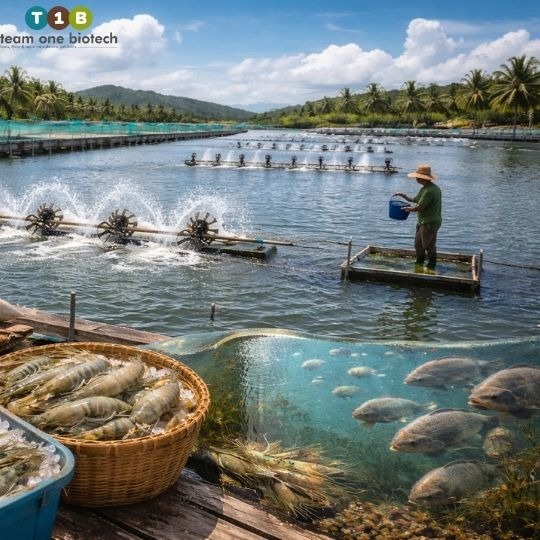
Regional Challenges Across India’s Aquaculture Belt
Coastal Andhra Pradesh and Telangana
The Krishna-Godavari delta region supports the highest concentration of shrimp farming activity in India. Farmers here face unique challenges related to groundwater salinity fluctuations, particularly during monsoon transitions. The coastal alluvial soils, while generally suitable for aquaculture, often contain high organic content that accelerates oxygen depletion during warm weather. Summer temperatures regularly exceed 35 degrees Celsius, creating thermal stress conditions that compromise immune function in cultured species.
Brackish water sources in this region frequently exhibit salinity variations between 5 and 35 parts per thousand within a single growing season. These fluctuations stress osmoregulatory systems in both shrimp and euryhaline fish species, increasing disease susceptibility.
Odisha Coastal Zone
Odisha’s aquaculture sector contends with extended monsoon periods that introduce massive freshwater inputs into coastal farming areas. This sudden salinity reduction can trigger molting complications in shrimp and create favorable conditions for freshwater bacterial pathogens. The state’s extensive mangrove buffer zones, while ecologically valuable, sometimes limit water exchange capabilities for farms, making biological water quality management particularly critical.
Cyclonic activity remains a persistent risk factor. Post-cyclone water quality management requires rapid intervention to prevent disease outbreaks triggered by stress and contamination.
Gujarat Aquaculture Systems
Gujarat’s arid climate and higher baseline salinity levels create distinct management requirements. Evaporative water loss during summer months can push salinity beyond optimal ranges for L. vannamei, necessitating careful monitoring and freshwater supplementation. The region’s alkaline soil conditions elevate pH levels, which increases ammonia toxicity risk even at relatively low total ammonia nitrogen concentrations.
Gujarat farmers increasingly adopt intensive recirculating systems and biofloc technology, both of which demand sophisticated biological management to prevent system crashes.
Regulatory Framework and Compliance
Coastal Aquaculture Authority (CAA) Guidelines
The CAA, established under the Coastal Aquaculture Authority Act of 2005, mandates specific operational standards for farms within coastal regulation zones. Key requirements include:
- Maintenance of minimum dissolved oxygen levels above 4 milligrams per liter
- Effluent discharge standards limiting biochemical oxygen demand (BOD) to below 100 milligrams per liter
- Chemical oxygen demand (COD) restrictions in discharge water
- Prohibition of antibiotic use without proper veterinary prescription
- Mandatory registration and periodic compliance reporting
Bioremediation approaches directly support CAA compliance by reducing organic loading and improving effluent quality without chemical interventions.
Marine Products Export Development Authority (MPEDA) Standards
MPEDA promotes best aquaculture practices aligned with international food safety requirements. The authority emphasizes:
- Traceability systems from hatchery to harvest
- Antibiotic residue monitoring programs
- Good aquaculture practices (GAP) certification
- Environmental sustainability benchmarks
Farms utilizing biological culture systems demonstrate better compliance with these standards, as probiotic approaches reduce reliance on prohibited substances while improving product quality and food safety profiles.
State-Level Regulations
Individual coastal states implement additional requirements addressing local environmental concerns. These typically include setback distances from high tide lines, mangrove protection zones, and groundwater usage restrictions. Understanding and complying with these multilayered regulatory requirements represents a significant operational challenge for farmers.
Bioremediation Fundamentals: The Scientific Foundation for Sustainable Farming
Bioremediation in aquaculture refers to the use of selected beneficial microorganisms to decompose organic waste, transform toxic metabolites into harmless compounds, and suppress pathogenic organisms. This biological approach mimics and enhances natural processes that maintain water quality in healthy aquatic ecosystems.
The Microbial Community Framework
Healthy pond ecosystems maintain diverse microbial communities that perform critical functions:
Heterotrophic Bacteria
These organisms decompose complex organic compounds, proteins, carbohydrates, and lipids, into simpler molecules. In well-managed systems, heterotrophs rapidly process uneaten feed and fecal matter before these materials accumulate on the pond bottom. Products like T1B Acqua S contain specialized heterotrophic strains selected for their ability to function effectively in the wide salinity and temperature ranges typical of Indian aquaculture conditions.
Nitrifying Bacteria
The nitrogen cycle represents the most critical biological process in aquaculture systems. Nitrifying bacteria exist in two functional groups:
- Ammonia-oxidizing bacteria (Nitrosomonas species) convert toxic ammonia to nitrite
- Nitrite-oxidizing bacteria (Nitrobacter species) transform nitrite to relatively harmless nitrate
These organisms are autotrophic, meaning they derive energy from chemical oxidation rather than organic matter. They grow slowly and are easily disrupted by environmental fluctuations, antibiotic use, or pH extremes. Maintaining robust nitrifying populations requires consistent conditions and often benefits from supplementation with specialized formulations like T1B Feed Pro.
Photosynthetic Organisms
Beneficial algae and cyanobacteria provide oxygen through photosynthesis while consuming carbon dioxide and nutrients. These organisms help stabilize pH and provide natural food sources for cultured species. However, excessive algal blooms can cause oxygen depletion during night hours or following die-off events, requiring careful management.
Probiotic Bacteria
Specific bacterial strains, primarily Bacillus and Lactobacillus species, colonize the digestive tract of shrimp and fish. These probiotics improve nutrient absorption, enhance immune function, and competitively exclude pathogenic organisms. When incorporated into feed through products like T1B Feed Pro, these beneficial bacteria significantly improve feed conversion ratios and overall animal health.
Mechanisms of Action
Competitive Exclusion
Beneficial microorganisms compete with pathogenic bacteria for nutrients and attachment sites. By establishing dominant populations in water, on pond surfaces, and within animal digestive systems, these beneficial strains limit the proliferation of disease-causing organisms like Vibrio species.
Enzymatic Degradation
Specialized bacterial strains produce enzymes, proteases, lipases, amylases, and cellulases, that break down complex organic materials. This enzymatic activity prevents the accumulation of sludge and reduces the oxygen demand at the pond bottom.
Immune Stimulation
Certain probiotic strains trigger enhanced immune responses in cultured animals. These microorganisms activate innate immune pathways, increasing disease resistance without the use of antibiotics or chemicals.
Water Quality Improvement
Through metabolic processes, beneficial bacteria reduce concentrations of ammonia, nitrite, hydrogen sulfide, and other toxic compounds. This biological filtration provides continuous water quality improvement without the need for frequent water exchanges or chemical treatments.
Pond Bottom Management: Solving the Black Soil Crisis
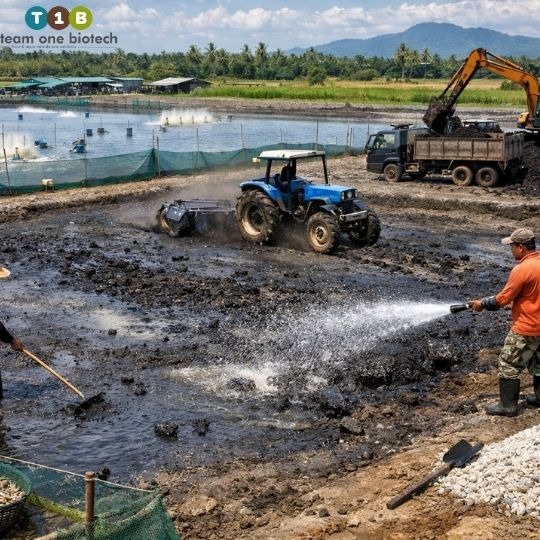
The pond bottom represents the most overlooked yet most critical component of aquaculture systems. Indian farmers often describe failed ponds as having “black soil”, a accurate observation of the anaerobic, sulfide-rich sediment that develops when organic matter accumulates faster than beneficial bacteria can decompose it.
The Black Soil Problem
Black soil conditions develop through a predictable progression:
- Organic matter (feed waste, feces, dead plankton) settles to the pond bottom
- Decomposition consumes dissolved oxygen in sediment layers
- Anaerobic conditions develop, favoring sulfate-reducing bacteria
- These bacteria produce hydrogen sulfide (H2S), which turns sediment black and releases toxic gas
- Anaerobic decomposition releases ammonia, methane, and organic acids into overlying water
- The toxic sediment layer expands, progressively degrading the entire pond environment
This condition proves particularly problematic in intensive farming systems where feed inputs exceed 100 kilograms per hectare daily. Without effective biological management, organic loading overwhelms the pond’s natural capacity for decomposition.
Biological Bottom Management Strategy
Pre-Stocking Preparation
Before introducing shrimp or fish, establish a robust beneficial bacterial community in pond bottom sediments:
- Apply T1B Acqua S at 2-3 kilograms per hectare mixed with fine sand or rice bran as a carrier
- Broadcast uniformly across the dry pond bottom
- Flood the pond gradually over 3-5 days, allowing bacterial colonization
- Maintain water level at 60-80 centimeters for 7-10 days before full filling
- Monitor for the development of brown, floccular material indicating active bacterial growth
This preparatory phase establishes the microbial foundation necessary for sustained organic matter processing throughout the culture period.
Ongoing Maintenance Applications
During the culture period, maintain beneficial bacterial populations through regular supplementation:
- Weekly applications of T1B Acqua S at 500 grams to 1 kilogram per hectare
- Increase dosage to 1.5-2 kilograms per hectare during periods of heavy feeding
- Apply in late afternoon or evening when oxygen levels remain adequate
- Focus applications on feeding areas where organic accumulation is greatest
Monitoring Bottom Conditions
Regular assessment of pond bottom health prevents crisis situations:
Weekly Bottom Quality Checklist:
- Visual inspection for color (brown healthy, black problematic)
- Odor assessment (earthy smell healthy, rotten egg smell indicates H2S)
- Sediment grab samples from multiple pond locations
- Dissolved oxygen measurement 5 centimeters above sediment surface
- Observation of benthic organisms (worms, beneficial microcrustaceans indicate healthy conditions)
Crisis Intervention Protocol
When black soil conditions develop despite preventive measures:
- Increase aeration intensity, particularly bottom aeration if available
- Emergency application of T1B Acqua S at 3-5 kilograms per hectare
- Reduce feeding rates by 30-50 percent for 3-5 days
- Avoid water exchange if possible, as this removes beneficial bacteria
- Monitor ammonia and hydrogen sulfide levels closely
- Resume normal operations only after bottom conditions improve
The Economic Impact of Bottom Management
Effective pond bottom management through bioremediation delivers measurable financial benefits:
- Reduced partial harvest losses (5-15 percent improvement in survival)
- Extended pond lifespan before complete draining and renovation (from 3-4 crops to 6-8 crops)
- Lower disease incidence reducing treatment costs
- Improved growth rates from better environmental conditions
- Reduced water exchange requirements lowering pumping costs
A single hectare of intensive shrimp farming using biological bottom management typically shows 8-12 lakh rupees additional revenue per crop compared to conventionally managed ponds with poor bottom conditions.
Water Quality Management: Mastering the Nitrogen Cycle
Water quality deterioration causes more aquaculture failures in India than all disease outbreaks combined. The nitrogen cycle, the biological transformation of protein waste into less toxic forms, represents the cornerstone of water quality management.
Understanding the Nitrogen Cycle in Aquaculture
The nitrogen cycle in aquaculture systems follows this pathway:
- Feed protein consumed by shrimp/fish
- Approximately 25-30 percent of protein nitrogen excreted as ammonia through gills and in feces
- Uneaten feed decomposes, releasing additional ammonia
- Ammonia-oxidizing bacteria convert ammonia (NH3/NH4+) to nitrite (NO2-)
- Nitrite-oxidizing bacteria convert nitrite to nitrate (NO3-)
- Nitrate assimilation by algae or denitrification to nitrogen gas
The critical challenge: Steps 4 and 5 proceed slowly and are easily disrupted. When nitrifying bacteria cannot keep pace with ammonia production, toxic levels accumulate rapidly.
Ammonia Toxicity Management
Ammonia exists in two forms: ionized ammonium (NH4+) and un-ionized ammonia (NH3). Un-ionized ammonia, the toxic form, increases dramatically with rising pH and temperature. Indian coastal waters often exhibit pH values of 8.0-8.5, meaning even moderate total ammonia concentrations prove dangerous.
Target Levels:
- Total Ammonia Nitrogen: Below 1.0 milligrams per liter (ideal below 0.5 mg/L)
- At pH 8.0 and 28 degrees Celsius: Keep total ammonia below 1.5 mg/L to maintain un-ionized ammonia under 0.05 mg/L
Biological Ammonia Control Strategy:
Application of nitrifying bacterial cultures provides the most sustainable solution:
- Initial pond preparation: Apply T1B Acqua S at 2 kilograms per hectare during water filling
- Maintenance: Weekly applications of 500 grams per hectare
- During heavy feeding periods (Day 60-harvest): Increase to 1 kilogram per hectare twice weekly
- Emergency intervention: 3-5 kilograms per hectare when ammonia exceeds 2 mg/L
The bacterial strains in T1B Acqua S include robust Nitrosomonas and Nitrobacter species selected for tolerance to salinity fluctuations and high temperatures typical of Indian aquaculture conditions.
Nitrite Management
Nitrite accumulation typically occurs when ammonia-oxidizing bacteria outpace nitrite-oxidizing bacteria. This imbalance often follows:
- Sudden increases in feeding rates
- Temperature fluctuations stressing Nitrobacter populations
- pH drops below 7.5
- Antibiotic treatments that disrupt bacterial communities
Nitrite Toxicity Mechanism:
Nitrite enters the bloodstream and oxidizes hemoglobin to methemoglobin, which cannot transport oxygen. Affected animals show brown gills and blood, reduced growth, and increased disease susceptibility.
Target Levels:
- Nitrite nitrogen: Below 0.5 milligrams per liter (ideal below 0.2 mg/L)
Biological Nitrite Control:
- Maintain diverse nitrifying populations through consistent T1B Acqua S applications
- Avoid sudden changes in feeding rates; increase gradually over 5-7 days
- During nitrite spikes, add salt (calcium chloride preferred over sodium chloride) to block nitrite uptake while biological populations recover
- Emergency dosing: 2-3 kilograms T1B Acqua S per hectare plus moderate water exchange if levels exceed 1.0 mg/L
Practical Water Quality Monitoring Schedule
Daily Monitoring:
- Temperature (6 AM and 2 PM)
- Dissolved oxygen (pre-dawn and mid-afternoon)
- pH (morning)
- Water transparency using Secchi disk
Twice Weekly:
- Ammonia nitrogen
- Nitrite nitrogen
- Alkalinity
Weekly:
- Nitrate nitrogen
- Phosphate
- Hardness
- Salinity
This monitoring schedule allows early detection of nitrogen cycle disruptions before crisis levels develop.
Gut Health and Feed Efficiency: The Probiotic Advantage
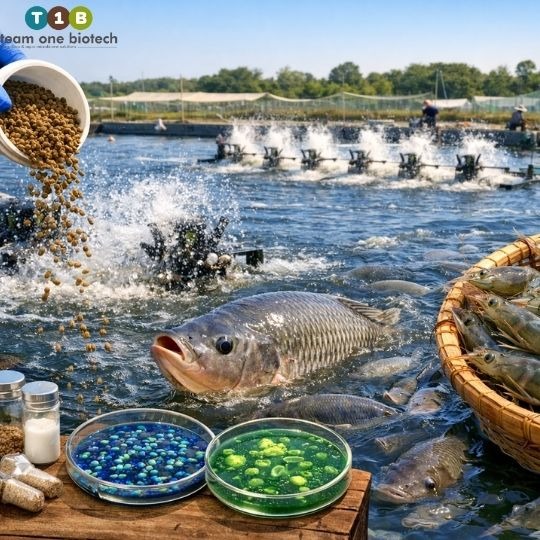
Feed represents 50-60 percent of operating costs in intensive aquaculture. Small improvements in feed conversion ratio (FCR) translate directly into significant profit increases. Probiotic supplementation through products like T1B Feed Pro offers a biological pathway to improved feed efficiency while simultaneously enhancing disease resistance.
The Digestive Health Connection
Shrimp and fish maintain complex gut microbiomes that influence:
- Nutrient digestion and absorption
- Immune system development and function
- Pathogen resistance
- Stress tolerance
- Growth rates
Modern intensive culture conditions disrupt natural gut flora through:
- Artificial feeds lacking diverse microbial communities
- Environmental stressors suppressing beneficial bacteria
- Pathogen exposure from high stocking densities
- Antibiotic residues from previous treatments
Probiotic supplementation restores and enhances gut microbial communities, optimizing digestive function and host health.
Mechanisms of Probiotic Action
Enhanced Digestive Enzyme Production
Probiotic strains, particularly Bacillus species, produce supplementary enzymes that improve nutrient breakdown:
- Proteases enhance protein digestion, improving amino acid availability
- Amylases increase carbohydrate utilization
- Lipases optimize fat absorption
- Phytases release phosphorus from plant-based feed ingredients
This enzymatic supplementation allows animals to extract more nutrition from each gram of feed consumed.
Competitive Exclusion of Pathogens
Beneficial gut bacteria prevent pathogenic colonization through:
- Competition for attachment sites on intestinal walls
- Nutrient competition limiting pathogen proliferation
- Production of antimicrobial compounds (bacteriocins) that inhibit specific pathogens
- pH modification creating unfavorable conditions for harmful bacteria
Immune Enhancement
Certain probiotic strains stimulate innate immune responses:
- Increased phagocytic activity of hemocytes
- Enhanced prophenoloxidase cascade activation
- Upregulation of antimicrobial peptide production
- Improved barrier function of intestinal epithelium
These immune improvements reduce disease mortality while allowing animals to allocate more energy to growth rather than disease defense.
Feed Conversion Ratio Improvements
Field data from Indian farms using T1B Feed Pro consistently demonstrates:
Shrimp Farming Results:
- Traditional FCR: 1.6-1.8
- With T1B Feed Pro: 1.3-1.5
- Improvement: 15-20 percent reduction in feed costs per kilogram produced
Fish Farming Results:
- Traditional FCR (Indian Major Carps): 1.8-2.2
- With T1B Feed Pro: 1.5-1.8
- Improvement: 12-18 percent reduction in feed costs
T1B Feed Pro Application Protocol
Dosage:
- Mix 1-2 grams T1B Feed Pro per kilogram of feed
- For pelleted feed: Mix with fish oil or binding solution before coating pellets
- For mash feed: Mix directly into formulation before pelleting
Application Frequency:
- Continuous use throughout culture period provides maximum benefit
- Minimum: Apply to 50 percent of daily ration
- Optimal: Apply to all feed offered
Storage and Handling:
- Store in cool, dry conditions
- Use within 6 months of manufacture for maximum viability
- Avoid exposure to direct sunlight or high temperatures above 40 degrees Celsius
Economic Analysis of Probiotic Feed Supplementation
Consider a 1-hectare intensive shrimp pond:
Without T1B Feed Pro:
- Feed used per crop: 8,000 kilograms
- FCR: 1.7
- Production: 4,700 kilograms
- Feed cost at 65 rupees/kg: 5,20,000 rupees
With T1B Feed Pro:
- Feed used per crop: 7,000 kilograms
- FCR: 1.4
- Production: 5,000 kilograms
- Feed cost: 4,55,000 rupees
- T1B Feed Pro cost: 15,000 rupees
- Total feed cost: 4,70,000 rupees
Net benefit: 50,000 rupees savings plus 300 kilograms additional production (worth 1,50,000 rupees at 500 rupees/kg)
Total economic advantage: 2,00,000 rupees per crop
Species-Specific Protocols: Shrimp Farming Excellence
Litopenaeus vannamei (Pacific White Shrimp)
L. vannamei dominates Indian shrimp aquaculture due to faster growth rates, disease tolerance, and market acceptance. Optimizing culture conditions through bioremediation maximizes this species’ genetic potential.
Stocking and Early Phase Management:
- Stock post-larvae at 40-60 per square meter for intensive systems
- Pre-stock water preparation: Apply T1B Acqua S 7-10 days before stocking at 2 kg/hectare
- Post-stocking: Apply T1B Feed Pro in feed from Day 1 at 1.5 grams per kilogram feed
- Maintain dissolved oxygen above 5 milligrams per liter during critical early phase
Growth Phase Optimization (Days 30-75):
This period represents maximum growth potential and highest feed consumption:
- Increase T1B Acqua S applications to 1 kilogram per hectare twice weekly
- Continue T1B Feed Pro at 1.5-2 grams per kilogram feed
- Monitor water quality daily; ammonia and nitrite spikes most common during this phase
- Maintain feeding tables with gradual increases; avoid sudden jumps above 10 percent per week
Pre-Harvest Conditioning (Days 75-Harvest):
- Reduce feeding slightly 7-10 days before harvest to clear gut contents
- Maintain bioremediation applications to ensure water quality stability
- Final size optimization: Continue T1B Feed Pro until 3 days before harvest
Expected Performance Metrics:
- Culture duration: 90-100 days
- Final weight: 16-20 grams
- Survival: 75-85 percent
- FCR: 1.3-1.5
- Yield: 6-8 tonnes per hectare per crop
Penaeus monodon (Giant Tiger Prawn)
Tiger shrimp cultivation is increasing due to premium market pricing despite slower growth and higher disease susceptibility compared to L. vannamei.
Critical Success Factors:
- Lower stocking density: 20-30 post-larvae per square meter
- Intensive biosecurity measures including UV-treated source water
- Enhanced bioremediation due to longer culture period (120-140 days)
- Stricter water quality parameters; P. monodon less tolerant of ammonia and nitrite
Modified Bioremediation Protocol:
- Pre-stocking T1B Acqua S: 3 kilograms per hectare
- Weekly maintenance: 1.5 kilograms per hectare throughout culture
- T1B Feed Pro: 2 grams per kilogram feed due to extended growth period
- Additional applications during molting periods when immune stress is highest
Expected Performance Metrics:
- Culture duration: 120-140 days
- Final weight: 30-40 grams
- Survival: 60-75 percent
- FCR: 1.5-1.8
- Yield: 4-6 tonnes per hectare per crop
- Price premium: 150-200 rupees per kilogram above L. vannamei
Species-Specific Protocols: Fish Farming Systems
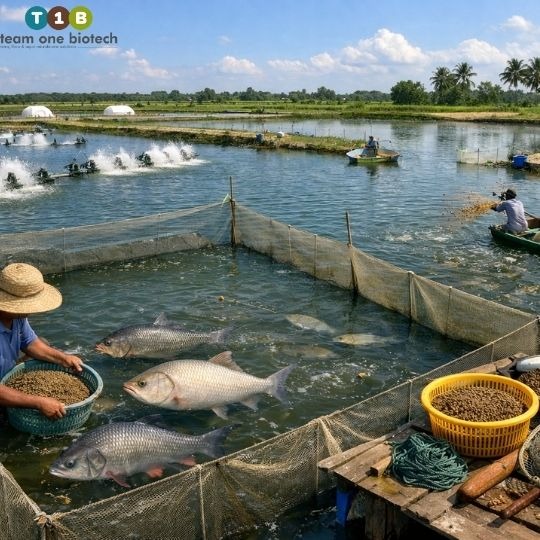
Indian Major Carps (Rohu, Catla, Mrigal)
Composite fish farming with Indian Major Carps represents traditional aquaculture adapted to modern intensive methods. Bioremediation enhances productivity while maintaining environmental sustainability.
Polyculture Stocking Ratios:
- Catla (surface feeder): 30 percent
- Rohu (column feeder): 40 percent
- Mrigal (bottom feeder): 20 percent
- Common Carp or Grass Carp: 10 percent
Total stocking density: 8,000-12,000 fingerlings per hectare
Bioremediation Protocol for IMC:
- Pre-stocking pond preparation: T1B Acqua S at 3 kilograms per hectare
- Monthly applications: 2 kilograms per hectare
- Feed supplementation: T1B Feed Pro at 1 gram per kilogram supplemental feed
- Natural productivity enhancement: Bioremediation supports phytoplankton and zooplankton development
Expected Performance:
- Culture duration: 10-12 months
- Average final weight: 800-1,200 grams
- Survival: 80-90 percent
- FCR: 1.5-1.8
- Yield: 6-8 tonnes per hectare annually
Sea Bass (Lates calcarifer)
Sea bass commands premium prices (300-400 rupees per kilogram) but requires superior water quality and management.
Critical Requirements:
- Salinity: 10-30 parts per thousand (brackish to marine)
- Dissolved oxygen: Maintain above 6 milligrams per liter
- Temperature: Optimal 26-30 degrees Celsius
- Low tolerance for ammonia and nitrite
Intensive Bioremediation Approach:
- Pre-stocking: T1B Acqua S 4 kilograms per hectare
- Weekly maintenance: 1.5 kilograms per hectare
- T1B Feed Pro: 2 grams per kilogram in high-protein pellets (45-50 percent protein)
- Increased aeration: Minimum 5 horsepower per hectare
Expected Performance:
- Culture duration: 6-8 months
- Final weight: 500-800 grams
- Survival: 70-85 percent
- FCR: 1.4-1.7
- Yield: 4-6 tonnes per hectare per crop
Tilapia (Oreochromis niloticus)
Fast-growing and hardy, tilapia responds exceptionally well to bioremediation with dramatic improvements in growth rates.
Monosex Culture Protocol:
- Stock all-male fingerlings at 3-5 per square meter
- Pre-stocking: T1B Acqua S 2 kilograms per hectare
- Bi-weekly applications: 1 kilogram per hectare
- T1B Feed Pro: 1.5 grams per kilogram feed
Expected Performance:
- Culture duration: 5-6 months
- Final weight: 400-600 grams
- Survival: 85-95 percent
- FCR: 1.2-1.5
- Yield: 10-15 tonnes per hectare per crop
Traditional vs. Bioremediation-Based Farming: A Comparative Analysis
| Parameter | Traditional Management | Bioremediation Approach | Improvement |
| Water Exchange | 15-30% weekly | 5-10% weekly | 50-70% reduction in water use |
| Ammonia Control | Dilution through water exchange | Biological nitrification | Stable levels, less variability |
| Nitrite Levels | Frequent spikes requiring intervention | Consistent low levels | 60-80% reduction in crisis events |
| Pond Bottom Condition | Progressive deterioration, 3-4 crops maximum | Maintained quality, 6-8 crops | 100% increase in pond lifespan |
| Disease Incidence | 15-25% loss per crop | 5-10% loss per crop | 60-70% reduction in disease mortality |
| Antibiotic Use | Common reactive treatment | Minimal to none | Near elimination of antibiotic dependence |
| Feed Conversion Ratio (Shrimp) | 1.6-1.9 | 1.3-1.5 | 15-25% improvement |
| Feed Conversion Ratio (Fish) | 1.8-2.3 | 1.5-1.8 | 18-28% improvement |
| Labor for Water Management | High, continuous monitoring and pumping | Low, scheduled applications | 40-60% labor reduction |
| Environmental Impact | High organic loading in effluent | Reduced COD/BOD by 50-70% | Significantly improved sustainability |
| Capital Investment | Moderate initial, high operational | Moderate initial, low operational | 20-30% lower total cost of production |
| Survival Rates (Shrimp) | 60-70% | 75-85% | 15-25% improvement |
| Survival Rates (Fish) | 70-80% | 80-92% | 10-15% improvement |
Cost-Benefit Analysis: 1-Hectare Intensive Shrimp Farm
Traditional Management Annual Costs:
- Post-larvae: 1,20,000 rupees
- Feed: 5,20,000 rupees
- Electricity (pumping): 1,50,000 rupees
- Chemicals and treatments: 80,000 rupees
- Labor: 2,00,000 rupees
- Miscellaneous: 50,000 rupees
- Total: 12,20,000 rupees
Revenue:
- Production: 4,500 kilograms at 500 rupees/kg = 22,50,000 rupees
- Profit: 10,30,000 rupees
Bioremediation Management Annual Costs:
- Post-larvae: 1,20,000 rupees
- Feed: 4,55,000 rupees (improved FCR)
- T1B Acqua S: 30,000 rupees
- T1B Feed Pro: 15,000 rupees
- Electricity: 80,000 rupees (reduced pumping)
- Chemicals: 20,000 rupees (minimal use)
- Labor: 1,40,000 rupees (reduced)
- Miscellaneous: 40,000 rupees
- Total: 9,00,000 rupees
Revenue:
- Production: 5,800 kilograms at 500 rupees/kg = 29,00,000 rupees
- Profit: 20,00,000 rupees
Additional profit through bioremediation: 9,70,000 rupees (94% increase)
Implementation Roadmap: Your 180-Day Success Plan
Phase 1: Pond Preparation (Days -30 to 0)
Weeks -4 to -3:
- Complete pond draining and sun-drying
- Remove excessive bottom sludge if black soil exceeds 10 centimeters depth
- Repair pond walls, gates, and aeration infrastructure
- Lime application if pH below 7.5: 200-300 kilograms per hectare
Weeks -2 to -1:
- Install or service paddle wheel aerators (minimum 4 horsepower per hectare)
- Fill pond to 60 centimeters
- Apply T1B Acqua S at 2-3 kilograms per hectare mixed with 20 kilograms sand as carrier
- Broadcast uniformly across entire pond bottom
- Maintain this level for 7 days, allowing bacterial colonization
Week -1 to Stocking:
- Gradually fill to full operating depth (1.2-1.5 meters)
- Monitor water quality daily: pH, dissolved oxygen, ammonia, nitrite
- Apply T1B Acqua S second dose: 1 kilogram per hectare
- Develop natural productivity through light organic fertilization if needed
- Confirm water quality parameters within acceptable range before stocking
Phase 2: Early Culture (Days 1-45)
Stocking Day:
- Acclimatize post-larvae properly (temperature and salinity matching)
- Stock during cooler morning hours
- Light feeding on stocking day: 50% of normal ration
Weeks 1-2:
- Feed 5-10% of estimated biomass daily
- Apply T1B Feed Pro at 1.5 grams per kilogram feed
- Monitor feeding response; adjust quantities accordingly
- Weekly T1B Acqua S application: 500 grams per hectare
Weeks 3-6:
- Gradually increase feeding following standard tables
- Continue T1B Feed Pro supplementation
- T1B Acqua S: 750 grams per hectare weekly
- Monitor growth through weekly sampling
- Watch for early disease signs; early intervention prevents outbreaks
Water Quality Targets – Early Phase:
- Dissolved oxygen: Above 5 mg/L minimum
- Ammonia: Below 0.5 mg/L
- Nitrite: Below 0.2 mg/L
- pH: 7.8-8.3
- Alkalinity: 80-120 mg/L
Phase 3: Rapid Growth (Days 46-90)
Peak Feeding Period:
- Maximum feed application: 60-100 kilograms per hectare daily
- Continue T1B Feed Pro: 1.5-2 grams per kilogram
- Increase T1B Acqua S to 1 kilogram per hectare twice weekly
- Intensify water quality monitoring (daily testing for ammonia and nitrite)
Critical Management Points:
- This phase presents highest risk for water quality breakdown
- Maintain continuous aeration, especially at night
- Monitor phytoplankton blooms; excessive algae can crash overnight
- Emergency protocols ready: Extra T1B Acqua S, backup aeration capacity
Growth Tracking:
- Weekly sampling to estimate average body weight
- Adjust feeding tables based on actual growth
- Survival estimates through cast net samples
- Project harvest timing and yield
Phase 4: Pre-Harvest and Harvest (Days 91-100)
Final Conditioning:
- Reduce feeding gradually 7 days before harvest
- Continue T1B Acqua S applications to maintain water quality
- Final water quality assessment to ensure humane harvest conditions
- Arrange logistics: Ice, transportation, buyer coordination
Harvest Execution:
- Complete pond draining or net harvesting
- Careful handling to minimize physical damage
- Immediate cooling and proper storage
- Quality grading and market delivery
Post-Harvest:
- Document crop performance: Survival, FCR, yield, health issues
- Pond preparation for next crop begins immediately
Troubleshooting Common Challenges
Sudden Ammonia Spike (Above 2 mg/L)
Immediate Actions:
- Reduce feeding by 50% immediately
- Emergency application of T1B Acqua S: 3-5 kilograms per hectare
- Increase aeration to maximum capacity
- Monitor every 6 hours until levels decline below 1 mg/L
- Partial water exchange (20-30%) only if levels exceed 5 mg/L despite interventions
Prevention:
- Never increase feeding more than 10% weekly
- Maintain regular T1B Acqua S schedule without gaps
- Monitor feeding response; uneaten feed is primary ammonia source
White Spot Syndrome Virus (WSSV) Detection
Recognition:
- White spots on carapace and inside shell
- Red discoloration
- Lethargy and gathering at pond edges
- Sudden mortality increase
Response Protocol:
- Reduce stress factors: Maintain stable water quality, gentle aeration
- Stop feeding or reduce to 25% normal ration
- Increase T1B Acqua S to 2 kilograms per hectare three times weekly
- Supplement feed with T1B Feed Pro at maximum dosage (2 grams per kilogram)
- Avoid water exchange; maintain biosecurity
- Harvest early if mortality exceeds 10% within 3 days
Prevention:
- Source post-larvae from SPF (specific pathogen free) hatcheries only
- Quarantine and PCR testing of stock before introduction
- Maintain optimal water quality reducing stress
- Regular probiotic use enhances immune resistance
Excessive Algae Bloom (Secchi Disk Below 20 cm)
Risks:
- Nighttime oxygen depletion
- pH swings (high during day, low at night)
- Potential for sudden die-off and water quality crash
Management:
- Reduce or stop organic fertilization immediately
- Increase nighttime aeration substantially
- Apply T1B Acqua S 1.5 kilograms per hectare to enhance heterotrophic bacteria that compete with algae
- Partial water exchange (10-15%) if bloom extremely dense
- Monitor dissolved oxygen continuously, especially pre-dawn
Prevention:
- Balance fertilization; avoid excessive organic or inorganic nutrients
- Maintain grazing pressure through appropriate fish/shrimp stocking
- Regular monitoring of phytoplankton density
Feed Refusal or Reduced Appetite
Possible Causes:
- Water quality deterioration (check ammonia, nitrite, dissolved oxygen)
- Disease development (observe for clinical signs)
- Molting period (normal for shrimp)
- Feed quality issues (check for rancidity, moisture damage)
Diagnostic Steps:
- Immediate water quality testing full panel
- Visual health assessment of animals
- Inspect feed quality
- Review recent management changes
Response:
- Address underlying cause (improve water quality, treat disease if confirmed)
- Continue T1B Feed Pro supplementation to support gut health
- Resume feeding gradually when appetite returns
Building a Sustainable Aquaculture Future
Indian aquaculture stands at a crossroads. Traditional chemical-intensive methods deliver short-term results but create long-term environmental degradation, antibiotic resistance, and unstable production. The bioremediation approach, exemplified through biological cultures like T1B Acqua S and T1B Feed Pro, offers a fundamentally different pathway.
This biological management philosophy recognizes that healthy pond ecosystems depend on balanced microbial communities. By nurturing beneficial bacteria through strategic supplementation, farmers harness natural processes that maintain water quality, suppress pathogens, and optimize animal health. The results speak clearly: improved survival rates, enhanced growth, reduced disease, and significantly better profitability.
The economic advantages are substantial. Farmers implementing comprehensive bioremediation programs consistently report 50-100% profit increases compared to conventional methods. These gains stem from multiple sources: Reduced feed costs through better FCR, lower disease losses, decreased chemical expenses, reduced labor for water management, and extended pond productive life.
Beyond individual farm economics, bioremediation supports industry sustainability. Regulatory pressures around effluent quality, antibiotic use, and environmental impact continue intensifying. Farms utilizing biological management demonstrate superior compliance with Coastal Aquaculture Authority and MPEDA standards. This regulatory alignment protects market access, particularly for export-oriented operations facing stringent international food safety requirements.
The technical foundation is sound. Decades of microbial ecology research validate the mechanisms underlying bioremediation. Products like T1B Acqua S and T1B Feed Pro contain scientifically selected bacterial strains proven effective across the diverse environmental conditions characterizing Indian aquaculture. These formulations translate academic understanding into practical tools farmers can apply with confidence.
Implementation requires commitment to systematic management. Success comes from consistent application of biological cultures, regular water quality monitoring, and progressive refinement based on pond-specific observations. The 180-day roadmap outlined in this handbook provides a proven framework, but each farmer must adapt details to their unique circumstances.
The journey from chemical dependence to biological management represents more than a technical shift. It embodies a philosophical transformation: From fighting against natural processes to working in harmony with them. This alignment with ecological principles delivers both immediate economic benefits and long-term environmental sustainability.
Contact Team One Biotech for Bulk Bio-Culture Supply
Looking to improve your ETP/STP efficiency with the right bioculture?
Talk to our experts at Team One Biotech for customised microbial solutions.
Contact: +91 8855050575
Email: sales@teamonebiotech.com
Visit: www.teamonebiotech.com
Discover More on YouTube – Watch our latest insights & innovations!-
Connect with Us on LinkedIn – Stay updated with expert content & trends!