Feed Pro – Probiotic For Disease Resistance, Growth Promoter, Fish Gut, Shrimp Gut, Hatchery Water, White Gut

The T1B Feed Pro is a probiotic mixture of beneficial bacteria, yeasts, and other microorganisms that work in tandem to improve the digestion and absorption of nutrients, enhance immune function, and prevent the growth of harmful pathogens in the gut or digestive systems of aquatics like fish, shrimp and prawns.

The T1B Feed Pro formulations include the commonly used bacteria species in aquaculture such as Bacillus spp., Lactobacillus spp., and Saccharomyces spp. and many more These microorganisms benefit the host organism by improving their gut health, gut microbiome system, overall health and growth, and their output nutritional value. T1B Feed Pro is ideally mixed with the feed along with a natural organic binder to the aquaculture tanks or ponds.

T1B Feed Pro improves the digestion, absorption and assimilation of nutrients which helps in better growth rates and production efficiency. The aquatic animals develop enhanced immunity against disease-causing pathogens. T1B Feed Pro has a positive impact on the environment as it promotes nutrient utilisation and minimum waste output in aquaculture operations.

T1B Feed Pro can be used for all types of fish and shrimp aquaculture, be it tank-, pond- or lagoon-based environments. It can also be used for hydroponics and aquaponics and biofloc farming.

T1B Feed Pro | Probiotics Improves Resistance To Diseases In Aquatic Animals – Improves Nutrition & Digestion Potential – Excellent Feed Supplement For Fish & Shrimp Farming

Feed Probiotic – Concentrated Feed Probiotic – Disease Resistance – Probiotics Digestion Enhancer – Growth Promoter – Fish Gut Probiotic – Shrimp Gut Probiotic – Hatchery Water – Suppresses The Growth Of Harmful Bacteria – Eco-Friendly Bacteria – Probiotic Bacteria – Cost Effective Probiotic – White Gut Probiotic – Probiotic Enzymes – Good Probiotics – Mass Mortality – Special Probiotic – Gut Colonization – Controlling Pathogens – Healthy Gut – Controlling White Gut And White Feces – Provides Digestive Enzymes – Best Gut Probiotic – Gut Probiotic

Aquaculture Inputs – Best Probiotics For Aquatic Animal Growth, Rhodococcus, Rhodobacter, Bifidobacterium Bifidum & Lactobacillus Casei

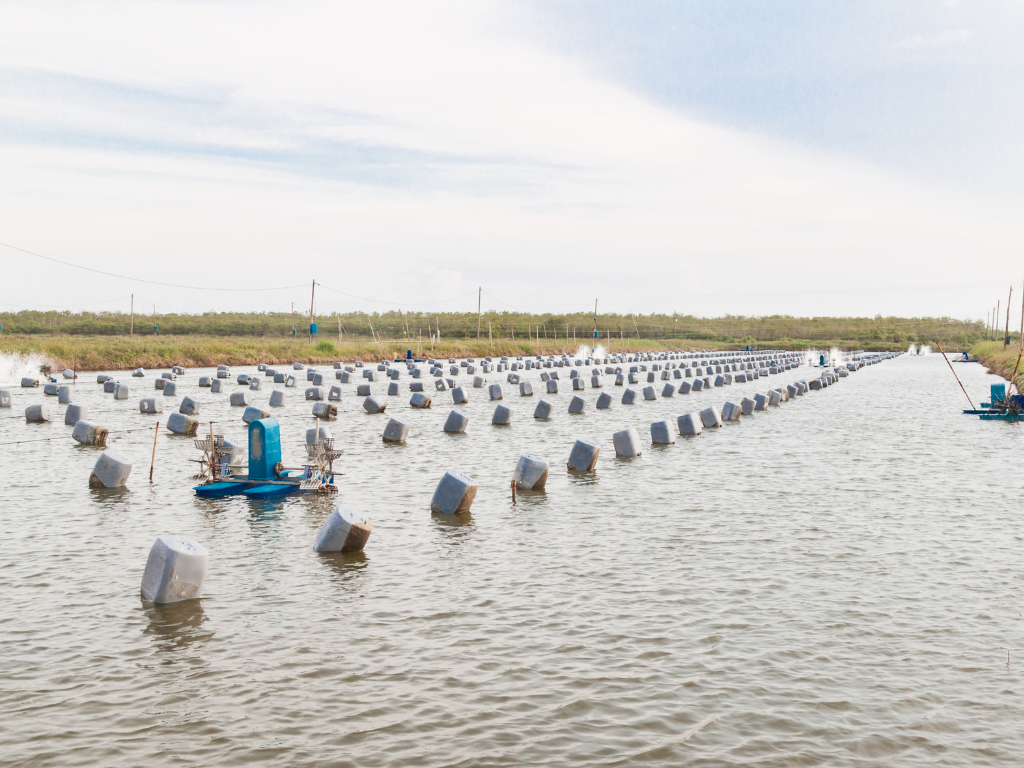
Microbial activity and microbial cultures play a crucial role in sustainable aquaculture from hatchery to the harvest of aquatic animals. Fish, Shrimp and Prawn farming industries demand that their water resources are of high quality and purity, rich and optimized nutritional value, feed efficiency and should be ideal for saline and freshwater conditions.

Microbial activity and action are a necessity for the health and growth of cultured aquatic animals. In fish or shrimp aquaculture systems, microbes can be utilized to manage water quality as they are capable of breaking down ammonical nitrogen into simpler compounds. The activity and metabolism of activated microbes can also be harnessed to improve the nutritional value of aquaculture feed by introducing prebiotics, probiotics and enzymes.

Biofloc aquatic farming is a method of raising fish or shrimp in high-density tanks or ponds with minimal water exchange. The biofloc system uses microorganisms to recycle nutrients from fish waste and feed, creating a natural food source for the fish and improving water quality. Biofloc farming has several advantages, such as reducing environmental impact, increasing productivity, enhancing disease resistance, and lowering feed costs.

Measures like BOD and COD indicate poor water quality, a problem leading to oxygen depletion, fish stress and increased risk of diseases for aquatic species. Bioremediation, phytoremediation and mycoremediation are the most viable and efficient options available to make aquaculture for food production and/or other purposes, healthier, safer, eco-friendly, economical and sustainable.

The microorganisms-based bio solutions from our aquaculture input range have a varied range of applications. These products can be used in saline water, RAS and freshwater systems. They aid in getting rid of aquatic wastes from fish, shrimps, aquaponic farming etc. The products are especially useful for koi fish farming, tilapia fish farming, Penaeus monodon shrimp farming and Penaeus vannamei shrimp farming.

Probiotics For Fish Farming & Shrimp Farming – Microbiome Bio Solutions for Feed Efficiency In Aquaculture

 Best Probiotics For Aquaculture – Aquatic Animal Growth – Biological Water Conditioner – Probiotic Bacteria – Cost Effective Probiotic – Rhodococcus – Rhodobacter – Lactobacillus Casei Probiotics – Bifidobacterium Bifidum Probiotics – Nitrosomonas Nitrobacter – Probiotic Enzymes – Consortium of Bacillus species – Bacillus Megaterium Aqua Probiotics – Sludge Eliminator – Reduces COD and BOD Levels – Unique Blend of Beneficial Bacteria – Good Probiotics – Naturally Occurring Microorganisms – Enzyme Producing Bacteria – Biofloc and Pond Culture – Special Probiotic – Bacilllus Subtilis – Bacillus Licheniformis – Bacillus Megaterium – Bacillus Pumilis – Best Probiotic – Multi Strain Microbial Product – Fresh Water Probiotics – Saline Water Probiotics – Controlling Pathogens

Challenges Faced by Todays Aquaculture Industry
Challenges faced by todays aquaculture industry

Aquaculture is the farming and husbandry of the aquatic organism under controlled or semi-controlled conditions. Aquaculture is the tool to fill in the gap of the seafood supply. Not only is aquaculture necessary, but it is also a sustainable option for consumers, especially in comparison to other farmed proteins. Seafood is highly resource efficient. It has the highest protein retention as compared to chicken, pork or beef. Actually, it also has the lowest feed conversion ratio among the same forms of protein. Aquaculture has lower greenhouse gas emissions than other types of farming. Having listed all the benefits of aquaculture, like any other industry, the aquaculture industry also faces several challenges and hurdles due to the rampant usage of natural resources and abuse of the environment.

Environmental concerns: Intensive stocking and various aquaculture operations have negative environmental impacts, like discharging waste and chemicals into waterways without proper treatment leading to eutrophication and other forms of pollution. It is extremely important to have proper treatment of the water after the harvest and before discharging the water.

Disease outbreaks: Most aquatic animals like shrimps or prawns are susceptible to various diseases, and when grown in high stocking densities. It becomes easier for disease to spread very quickly to the neighbouring farms. Such outbreaks are very common and can lead to substantial economic losses and also affect the industry’s sustainability.

Feed sustainability: There is a high growing demand for fish feed and industries need to find alternative sources of feed, such as using plant-based diets or a cheaper but healthier fish feed without harming the environment.

Governance and regulations: Governance and regulations are the biggest challenges in today’s aquaculture industry. Since most of the farms are located in the interiors and very close to the sea or a bay, it becomes s very difficult to have proper control over their discharge. This is extremely important for the sustainable development of the aquaculture industry. Lack of implementation can lead to environmental damage, disease outbreaks, and social conflicts.

Market demand and competition: The aquaculture industry is susceptible to price volatility and uncertain demand due to market trends and competition.

Technological limitations: Though there have been various improvements in the aquaculture technologies like RAS and Biofloc farming there is still a dearth of technological advancements to further improve efficiency, reduce costs, and increase production in a sustainable way. The majority of the farmers are still using age-old techniques to farm fish and other aquatic products.

reuse of treated wastewater in various sectors
Reuse of treated wastewater in various sectors

No need to say that today water is the most precious resource. In many parts of the world, water scarcity is becoming an increasingly critical issue to an extent that in future it can lead to war between people and nations. Reuse of treated wastewater is one of the solution to overcome this. Lets explore the benefits and challenges of reusing treated wastewater

There are multiple benefits of using treated wastewater

  • Reuse of treated wastewater can help to conserve water resources by reducing the demand for freshwater sources. This directly lowers the load on our natural resources.
  • Reusing treated wastewater can provide a more reliable and secure water supply, especially in regions with high water scarcity.
  • Reusing treated wastewater can reduce the impact on the environment by reducing the amount of wastewater discharged into water bodies and reducing the demand for freshwater sources. A very good example of this is the use of treated wastewater in the construction and building industry.
  • Reusing treated wastewater can be more cost-effective than treating and discharging it.

Applications of Treated Wastewater Reuse

  1. Agriculture: Reusing treated sewage in agriculture can provide a reliable source of water for irrigation. It can also provide the needed nutrients to a great extent thus reducing the demand for freshwater sources and also lowering their fertilizer cost with improved crop yields.
  1. Industrial: Reusing treated wastewater in industrial processes can reduce the demand for freshwater sources and provide a cost-effective alternative to traditional water sources. A very good example of this is a group of textile industries generating around 10 to 13 MLD of wastewater. All of this 10 to 13 MLD is being treated in a CETP and is reused by the same textile units in their process. The cost of reusing this treated wastewater is a fraction of what they would have to pay otherwise.
  1. Municipal: Reusing treated sewage by various municipal corporations for their landscape irrigation can provide a reliable and cost-effective source of water.

While there are benefits to use of treated wastewater there are also challenges and concerns that need to be addressed.

Health concerns: Treated wastewater may contain pathogens and pollutants that can pose a health risk if not properly treated and managed. This becomes extremely important that all the treated wastewater or sewage being reused needs to follow the respective pollution board guidelines.

Public perception: General public has a very wrong perception of the reuse or recycling of sewage. It is important to have a confidence-building exercise by the stakeholders thus ensuring public acceptance of its use.

Regulatory barriers: Regulations governing the use of treated wastewater can be complex and vary between different regions, making it challenging to implement reuse programs.

Infrastructure requirements: Reusing treated wastewater requires a significant investment in infrastructure to treat, store, and distribute the water, which can be a significant barrier to adoption. Having decentralized solutions to this can be a good start.

Scan the code